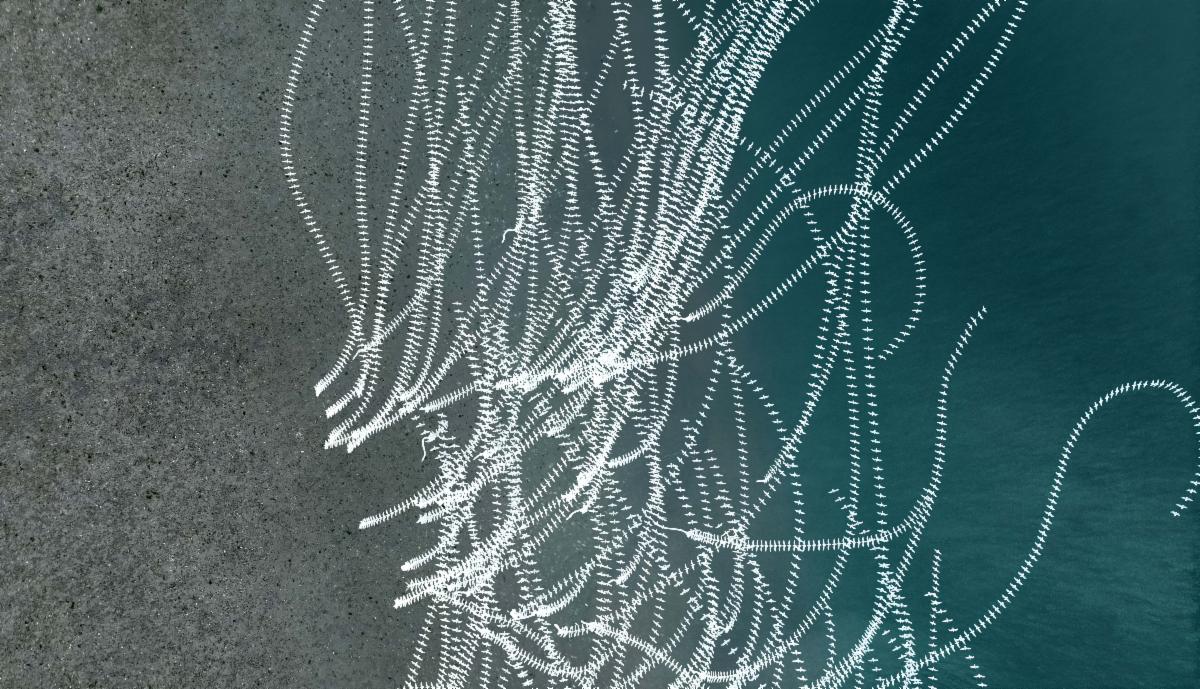
A newsletter from the Prince William Sound Science Center | | | Seagulls. Cordova, Alaska. 18 seconds, 184 images, 120 feet. Image by Eden McCall. | |
IN FLIGHT EXHIBIT ON DISPLAY AT PWSSC
| | |
Birds in flight are often mesmerizing—their movement feels like art, synchronized and graceful, but the patterns are often too quick for the eye to see. In Flight is a photography exhibit revealing these hidden rhythms, turning fleeting movement into lasting images. Using a stationary aerial camera, Eden McCall captures the arcs, ripples, and sweeping paths that waterbirds carve across the sky and along the tides, making the ephemeral visible—and inviting us to look closer, wonder more, and rethink patterns that shape the natural world.
The Prince William Sound Science Center will be hosting the In Flight exhibit throughout the month of May. Stop by and check it out!
| | CORaL NETWORK PRESENTS THE ALASKA SCIENCE AND EDUCATION ALLIANCE | | |
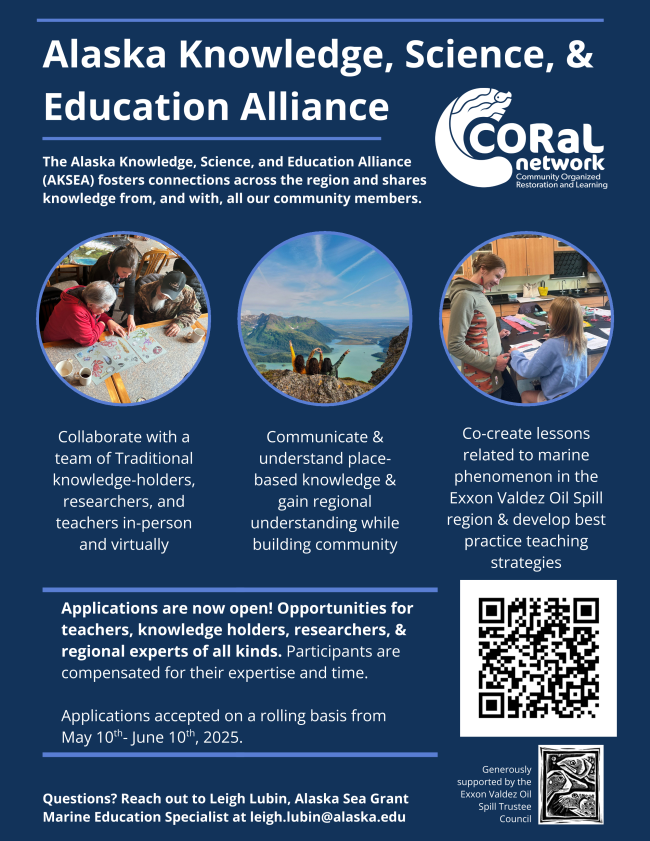
The Community Organized Restoration and Learning (CORaL) Network presents the Alaska Science and Education Alliance (AKSEA). AKSEA brings together experts and school educators to co-create lessons focused on marine-related projects in the Exxon Valdez oil spill region. Teams of teachers, Traditional Knowledge-holders, researchers, and graduate students will build and implement these engaging and culturally-relevant lessons over the course of the 2025/2026 school year.
AKSEA participants will meet in person on October 11-12 in Anchorage to connect, gain regional understanding, explore science communication, and formulate their team’s personalized, collaborative plan. Teams will work together over six months with the support of CORaL Network educators to create and pilot a lesson. Travel is covered, and participants' compensation ranges from $1,200 to $1,800.
If you are passionate about education, love to share your knowledge, and enjoy working with a team that cares about the region, this could be a great fit! Learn more and apply today by clicking here.
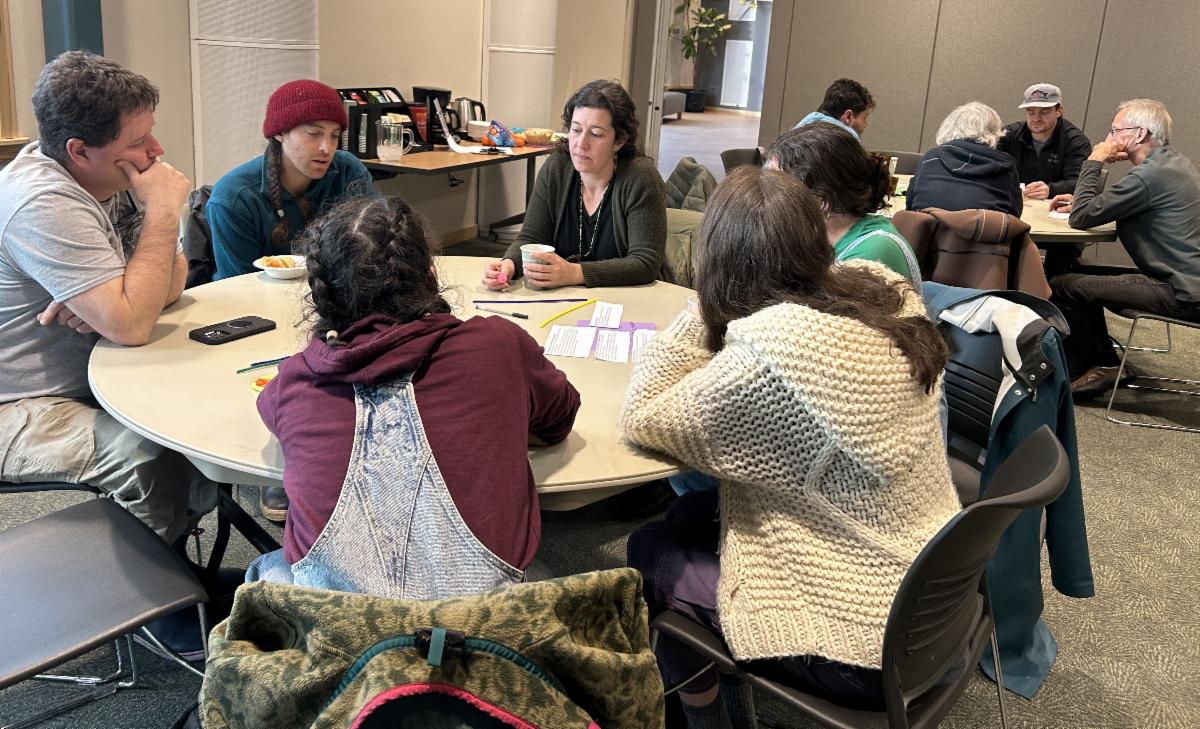
| | COMMUNITY ADAPTATIONS WORKSHOP | | Participants at the Fisheries Adaptation project workshop. Photo by PWSSC. | | |
In April, Kinsey Brown, PWSSC Social Scientist, hosted a Community Adaptations Workshop at the Cordova Center. The purpose of this workshop was to gain feedback from the community on the Climate and Fisheries Adaptation project—a NOAA-funded effort on adaptive planning to combat climate vulnerabilities in our local fisheries. This study is conducted with a Gulf of Alaska-wide team, including the Alaska Longline Fishermen's Association in Sitka and the Alaska Marine Conservation Council in Kodiak.
Kinsey shared project updates and facilitated an interactive session where community members could share their input and actively participate in co-developing adaptation strategies. By the end of the workshop, participants had developed and prioritized 25 adaptation strategies focused on workforce development, seafood market competitiveness, environmental stewardship, applied fisheries research, and energy independence. A report on these adaptations and the community-built process will be available in the fall of this year.
| | |
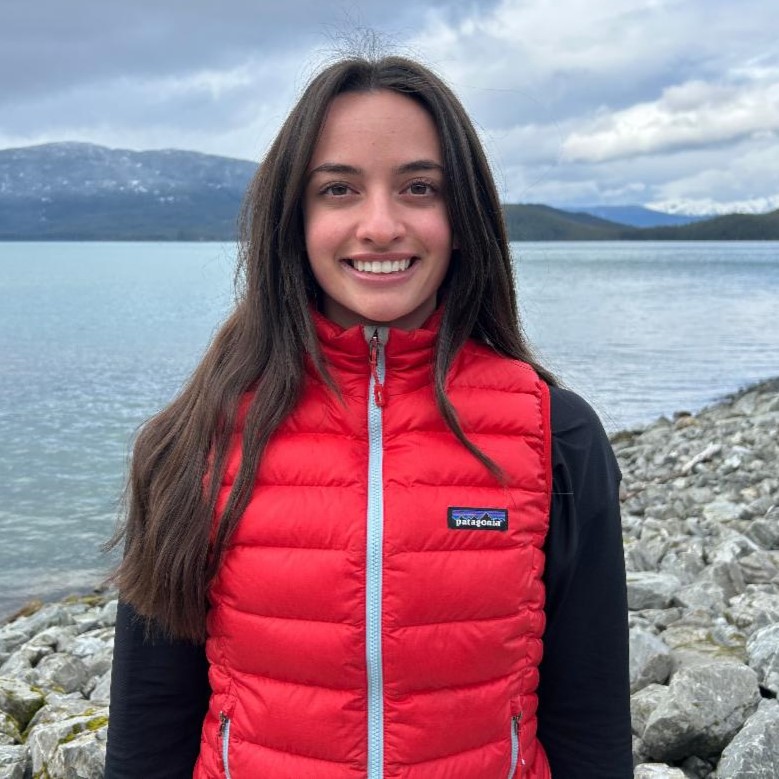
Dr. Angela Korabik is a kelp ecologist conducting research to support Alaska’s mariculture industry. She earned her Ph.D. in Ecology from the University of California, Davis, where she studied the impacts of climate change on kelp gametophyte dynamics in Northern California. Before joining PWSSC, Angela was an Alaska Sea Grant State Fellow with Dr. Alix Laferriere at the NOAA Alaska Fisheries Science Center Kodiak Lab. Her research there focused on the seasonality of Alaskan bull kelp and the ecosystem impacts and habitat provisioning of kelp and oyster farms.
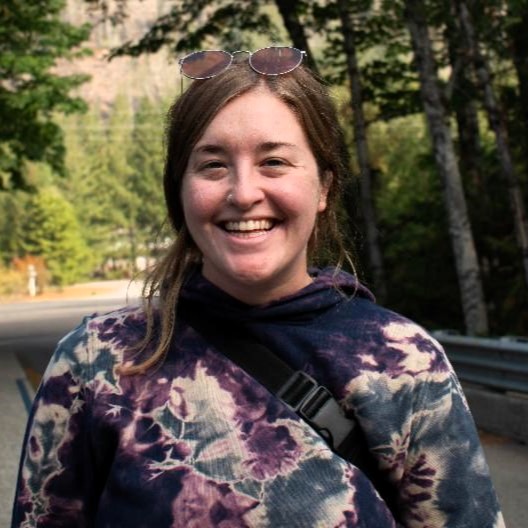
Angela joined the Science Center in April 2025 as a Mariculture Postdoctoral Researcher. Her work includes data synthesis for the EVOST MarRecon Project and modeling the carrying capacity of mariculture farms in Prince William Sound. She also conducts experiments to identify the factors influencing kelp growth in hatcheries and farms. Angela coordinates the Bull Kelp Research Squad (BKRS), an interdisciplinary group of farmers and scientists in Alaska focused on understanding bull kelp growth and improving cultivation practices.
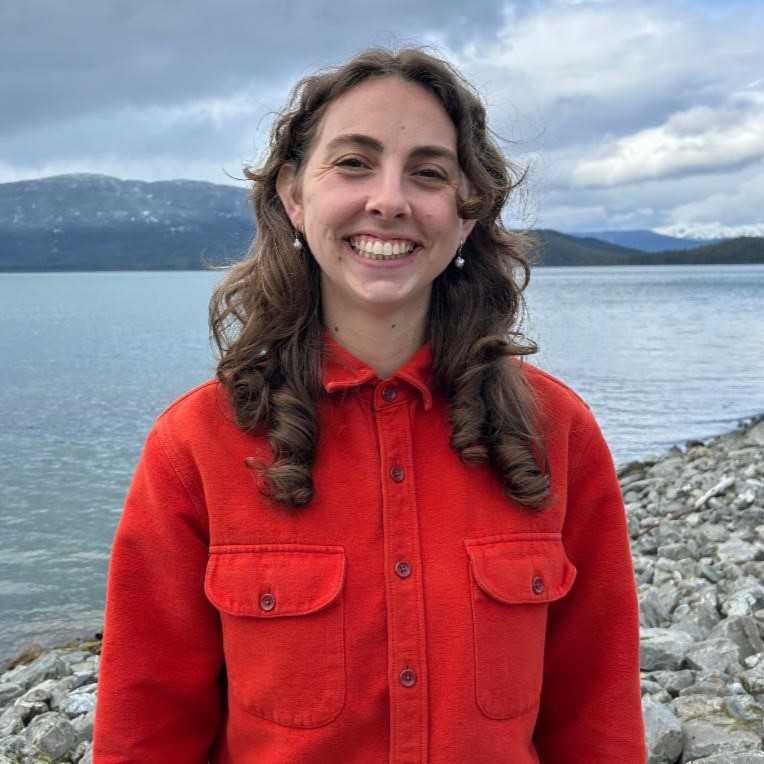
Krimson Anderson is a seasonal Fisheries and Oceanography Field and Lab Technician at the Prince William Sound Science Center. Before moving to Cordova, she worked as a Physical Scientist at the USGS Upper Midwest Water Science Center, supporting research on river and coastal processes such as water quality, algal blooms, and sediment fingerprinting. She brings a diverse background in ecological research and data collection from Utah and British Columbia. This summer, Krimson is assisting with two salmon research projects led by Dr. Pete Rand, including juvenile salmon and zooplankton surveys in Prince William Sound and a sockeye salmon telemetry study in the Copper River. In her free time, she enjoys hiking, climbing, skiing, and fishing—and when indoors, you’ll find her practicing yoga or playing chess with a good cup of coffee.
Jasmine Becker is a seasonal Research Lab and Field Technician. Before moving to Cordova, she worked as a backcountry field guide and wildland firefighter in the Pacific Northwest. She assists in multiple studies of interactions between Pacific salmon and Pacific herring, participates in lake and stream surveys for an adult sockeye salmon telemetry project, and identifies marine and freshwater plankton and larval fishes. In her free time, she enjoys Cordova's beautiful scenery while hiking and running with her husband.
| | |
We hope you can join us this month for some educational fun! Different programs are intended for specific ages, as noted below. Younger participants need to be accompanied by a caregiver. Everyone is welcome to attend. A current calendar of events can be found on our website. Subscribe here if you'd like to receive email notifications for upcoming community education programs.
Available through May 9: Shorebird Scavenger Hunt
Head to the Heney Ridge trailhead to participate in this interactive shorebird scavenger hunt. Grab a form from the box below the trail sign and do some birding. The clues will lead you to the hidden "shorebirds." This activity is designed for families to do on their schedule. All "shorebirds" can be seen while standing on the trail.
On display through May 30: In Flight: Tracing the Invisible Patterns of Bird Movement
Birds in flight are mesmerizing—their movement feels like art, synchronized and graceful, but the patterns are often too quick for the eye to see. In Flight is a photography exhibit revealing these hidden rhythms, turning fleeting movement into lasting images. Using a stationary aerial camera, Eden McCall captures the arcs, ripples, and sweeping paths that waterbirds carve across the sky and along the tides, making the ephemeral visible—and inviting us to look closer, wonder more, and rethink patterns that shape the natural world.
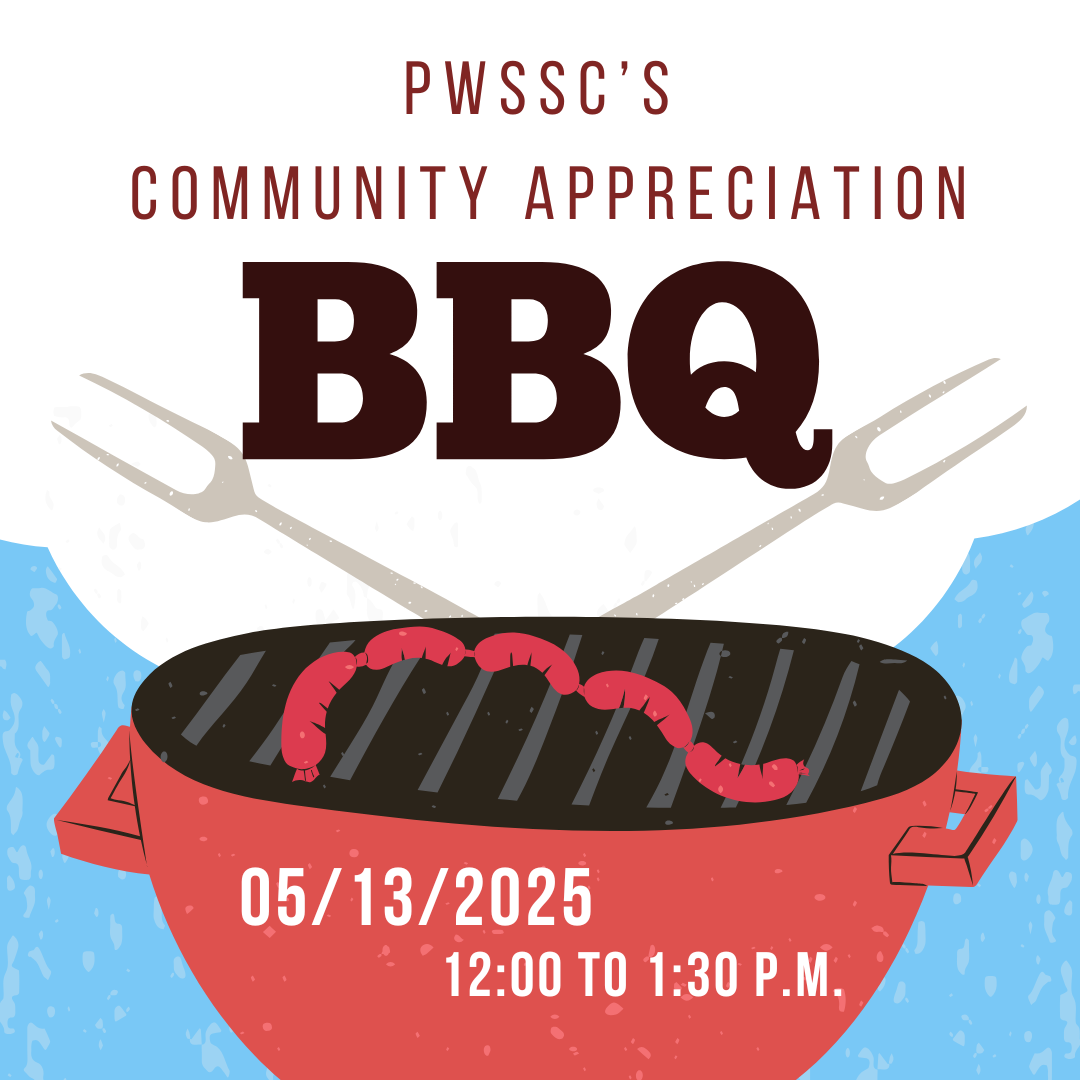
May 13 (12:00-1:30 pm) Community Appreciation BBQ
Have lunch with the PWSSC staff and learn more about our work. We are hosting a community appreciation barbecue with a variety of complimentary food, including hamburgers, hot dogs, chips, and more!
May 13 (9:00 am-5:00 pm) Prince William Sound Natural History Symposium Watch Party
A day dedicated to the culture and science of the Prince William Sound. Topics include but are not limited to cultural presentations about the Chugach Peoples, presentations about environmental and biological factors in the Sound, and presentations on natural hazards in the area, such as landslide risks and tsunami detection. This conference is in Whittier but will be live-streamed from the Science Center. We invite you to stop by for a bit or stay the whole day.
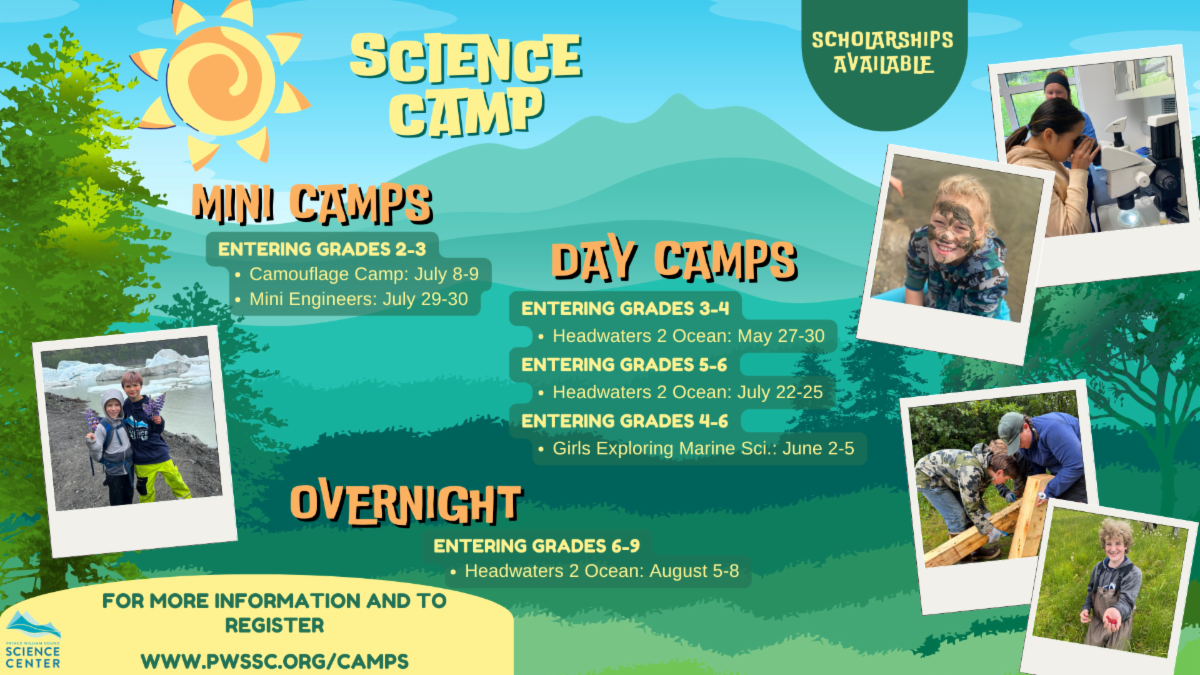
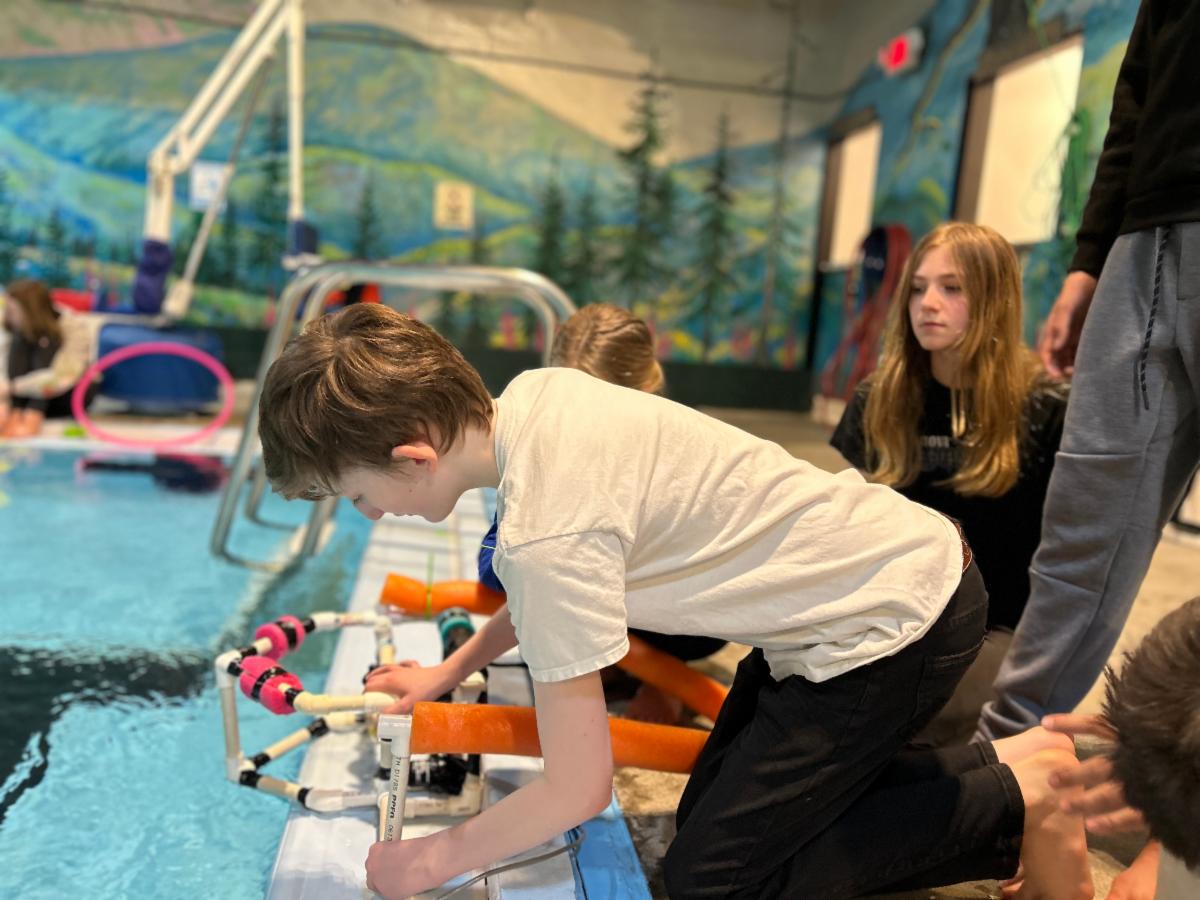
| | SUMMER CAMP SPOTS STILL AVAILABLE! | | Summer camp season is just around the corner and now is the time to sign up your favorite little scientist for fun-filled summer adventures. Registration is filling up fast! Click here for more information and to register for camp. | | Sixth graders compete in the annual ROV challenge. Photo by PWSSC staff. | | |
Preschool Programs
Sea Squirts got their hands wet with a seashell exploration. Preschoolers played in a sandbox, made shell prints, and observed creatures with shells in a touch tank.
Little Dippers continued to explore outside all month long, despite the rainy weather.
After-School Programs
Science & Snacks took advantage of some sunny weather to jumpstart their gardens! They dug through compost to learn about decomposers, painted pots, and planted basil sprouts to take home.
We wrapped up Homework Club this month by providing various hands-on science activities.
Last month, our Teaching Through Technology (T3) group traveled to Fairbanks to compete in the Science Olympiad challenge. The Cordova team won a gold medal in Mariculture (agricultural science)! You can read more about their accomplishments here.
Adult Programs
Nature Yoga celebrated the herring season by synchronizing movement and breath like a school of fish.
Tuesday Night Talk lecture series for April can be viewed by visiting our YouTube Channel and clicking on the Lecture Series playlist.
- Kate McLaughlin and Aaron Bowman: Shorebird Identification
- Kinsey Brown (PWSSC): Community Adaptations Workshop
School Programs
Our educators met with grades K-6 as part of our Discovery Room program.
- Kindergarteners learned about one form of weather we rarely see in Cordova, sunshine. They practiced reading temperatures on a thermometer and built structures to protect model animals from rain and sun.
- First graders combined their knowledge of light and sound with a communication challenge. They communicated different dance moves to their classmates using only instruments and no words.
- Second graders had their last harvest of basil and mint. They made caprese kebabs and mint smoothies! Students also learned about invertebrates in preparation for their May bug-themed field trip.
- Third graders met with Teal Hansen and Mike Webber, representatives of the Native Village of Eyak, to learn about the cultural importance of birds.
- Fourth graders are experienced in energy conservation! They measured the energy usage of classroom devices and calculated the associated costs. Next, they learned about insulation and competed to construct cardboard houses that conserved the most heat.
- Fifth graders wrapped up their unit on the carbon cycle with an experiment simulating the effect of carbon dioxide in the ocean. By blowing into water with a straw, they raised its pH to observe the changes firsthand. They also had the opportunity to meet Dr. Cypher from the Science Center and learn how kelp can help sequester carbon in the ocean.
- Sixth graders brought their remotely operated vehicles to the city pool to compete in the ROV challenge. They used their self-constructed ROVs to respond to mock oil spill response scenarios, including navigating underwater obstacles, taking an underwater photo, attaching an anchor chain, and cleaning up an oil spill.
| | The Prince William Sound Science Center is committed to resilient communities and healthy ecosystems. We need your help now more than ever. If you believe in our mission and care about what we do, please consider donating today. | | | | |