Your Monthly News & Updates | |
| |
Dear Medfield Historical Society Members and Friends,
It's amazing how much can happen in a month. The Society team has been busy with organizing and promoting programs, attending to museum facility needs, and recruiting and meeting up with volunteers. The concerted effort has paid multiple dividends.
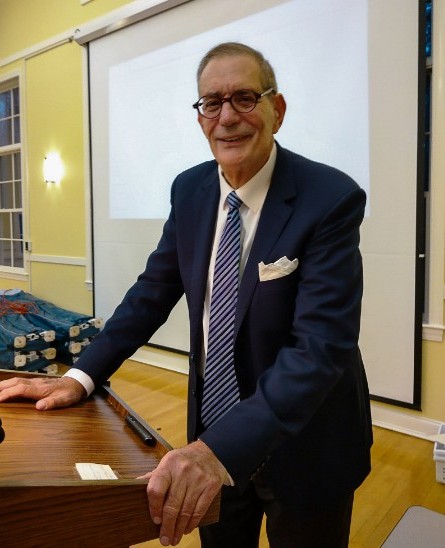
On the programming front, in partnership with Medfield Public Library and Council on Aging, we organized yet another successful talk (filled to capacity) with retired Superior Court Justice Dennis Curran who gave a presentation on the Boston Massacre, providing insights on how publicity on the event and politics at the time shaped the historical narrative.
Another Society undertaking was the recent 3rd annual Medfield History Weekend that engaged an estimated 500 people over a three-day period in learning about various aspects of the town's history. The initiative raised money for all of our town historical groups, and increased awareness of each site's unique attributes and place in time. Additionally, special events like the Meetinghouse clock/steeple tour and the Medfield State Hospital tour, helped to broaden appreciation and awareness. And while rain postponed Vine Lake Cemetery tours, weather permitting, Town Historian Richard DeSorgher will be running them on Saturday, May 3, with spaces still available at the time of this writing.
Behind the scenes, much work has taken place to map out capital needs of the Pleasant Street museum, consult with town managers, and determine best use of funds from a legislative earmark the town received earlier in the year. More about that to come! Of course, new and updated Society signs for Pleasant Street will help to promote our downtown presence and draw in more visitors.
Last but certainly not least, each Monday afternoon, volunteers dedicate time to the museum to organize collections, think of new exhibits, share stories, all enhancing the Medfield Historical Society visitor experience. We're grateful for that support, and to ALL our Society friends for playing such an important role in our 134-year history.
Sincerely,
Chris McCue Potts, Interim Co-President
P.S. In case you missed it, tune into recent volunteer recognition remarks by Select Board Chair Gus Murby.
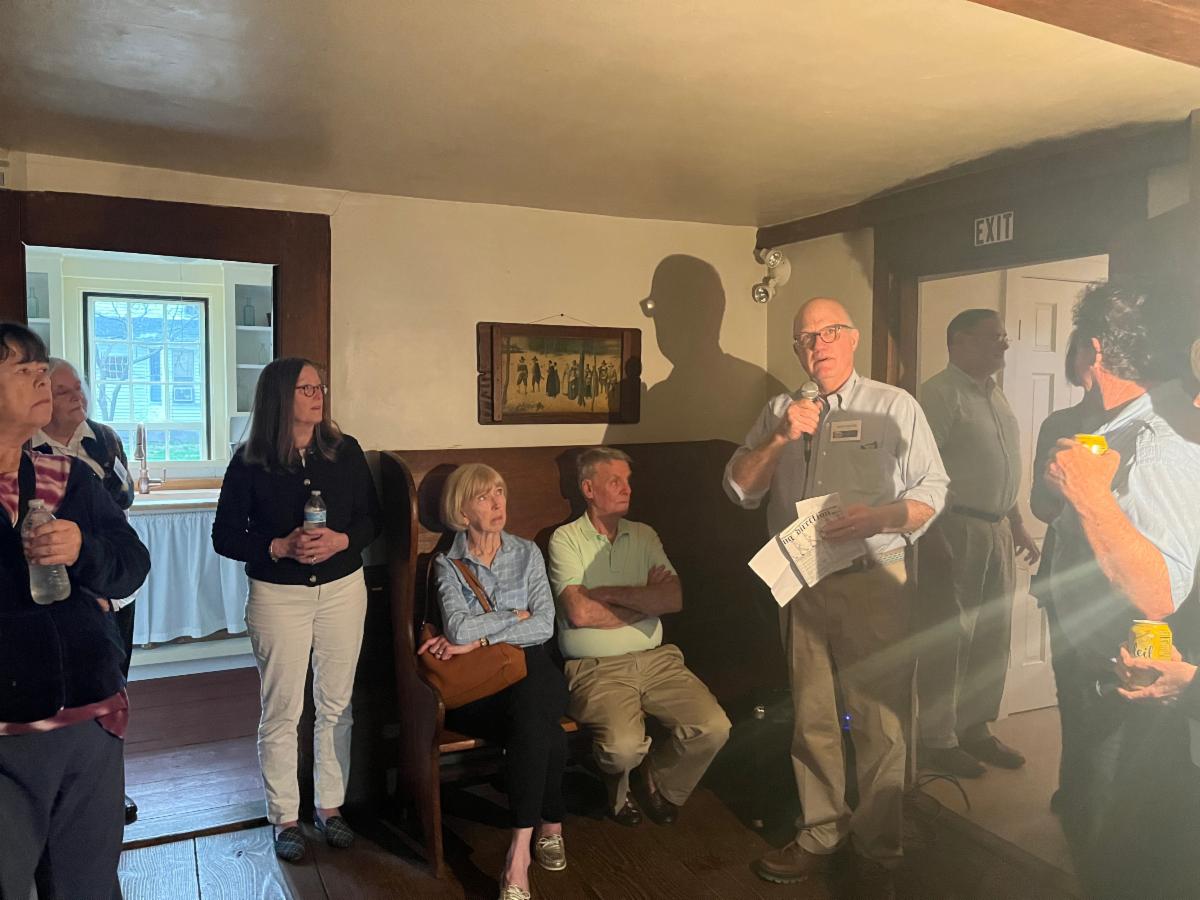
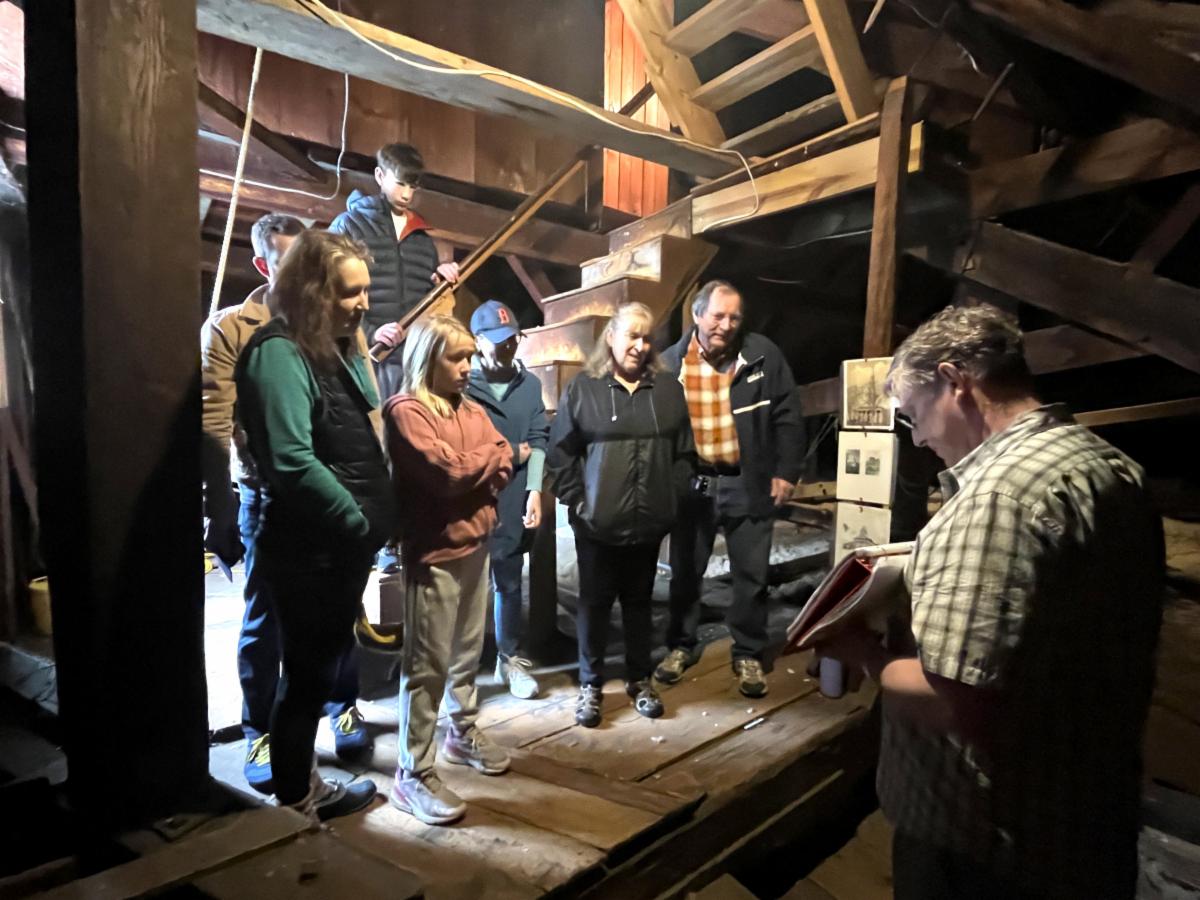
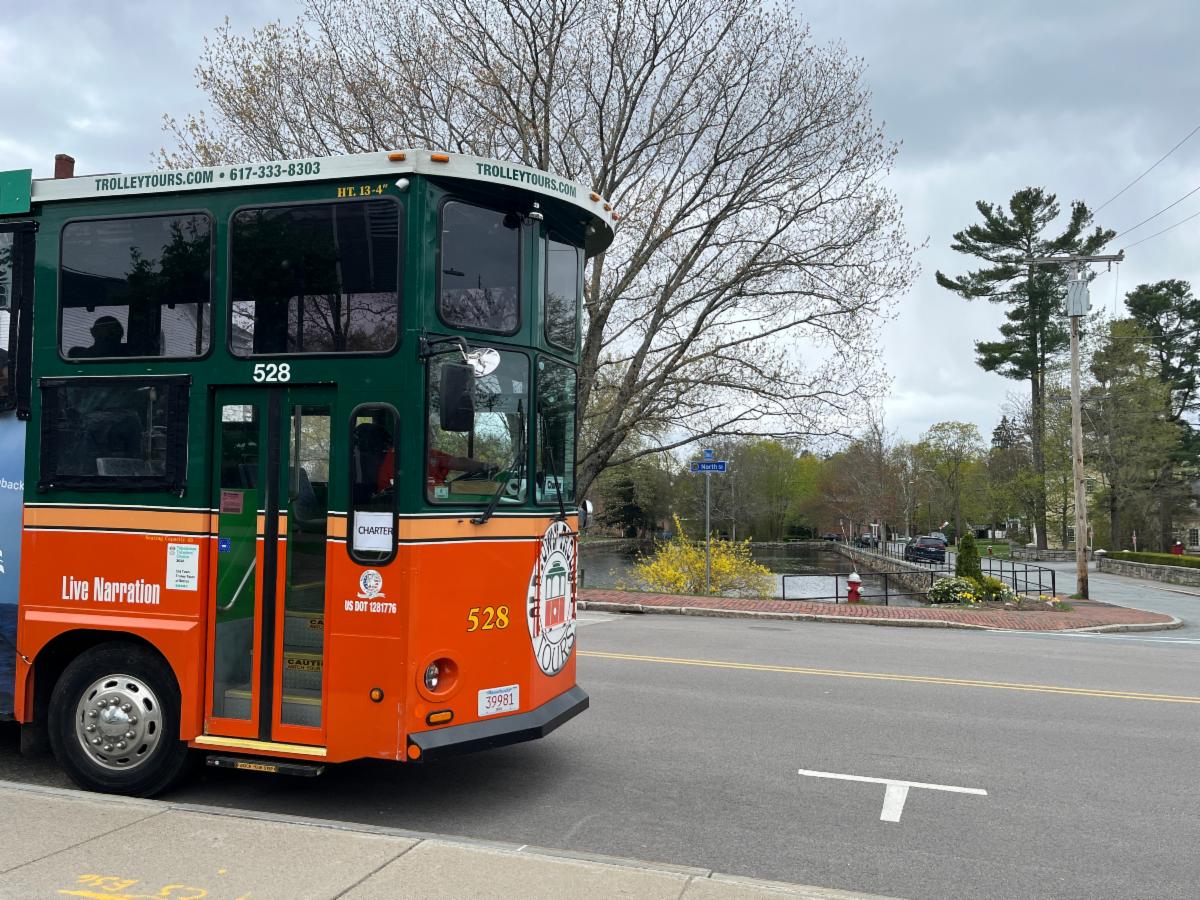
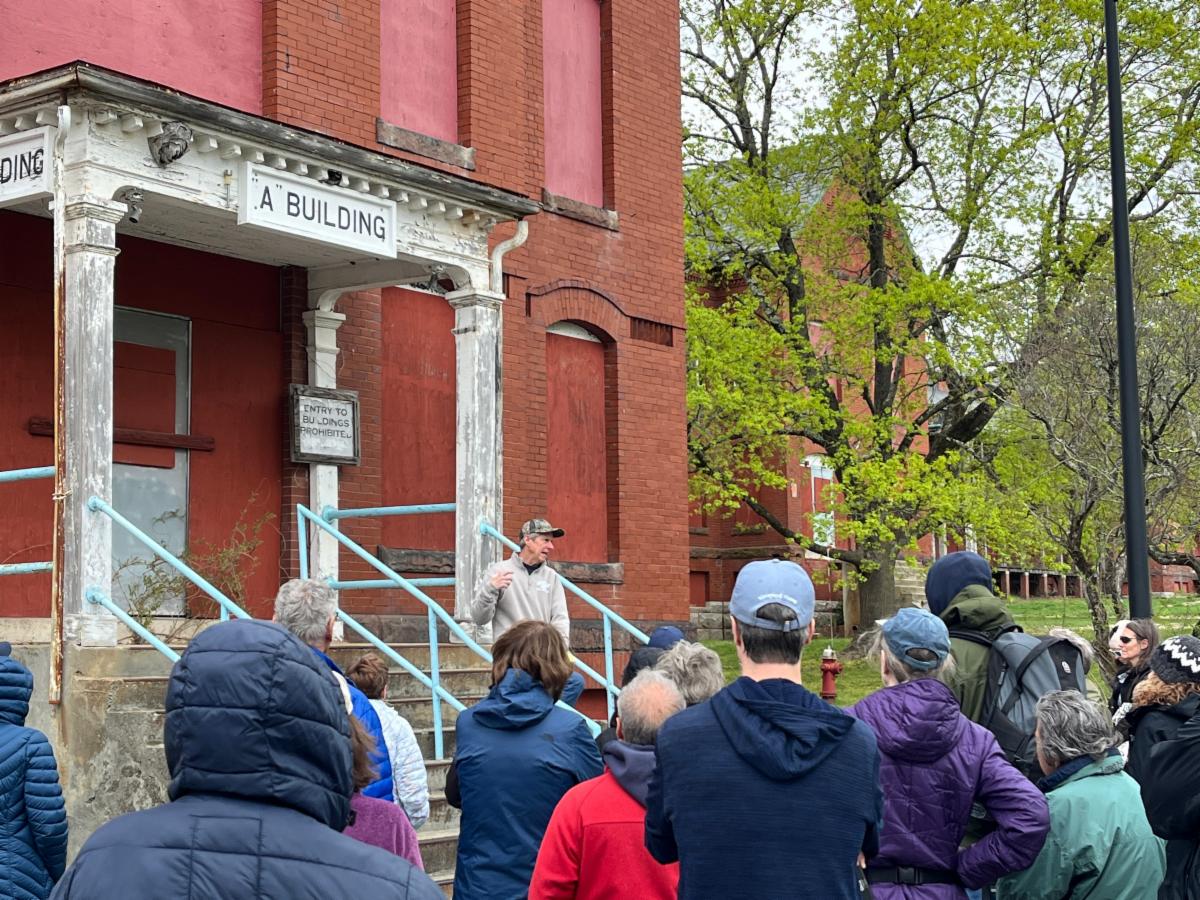
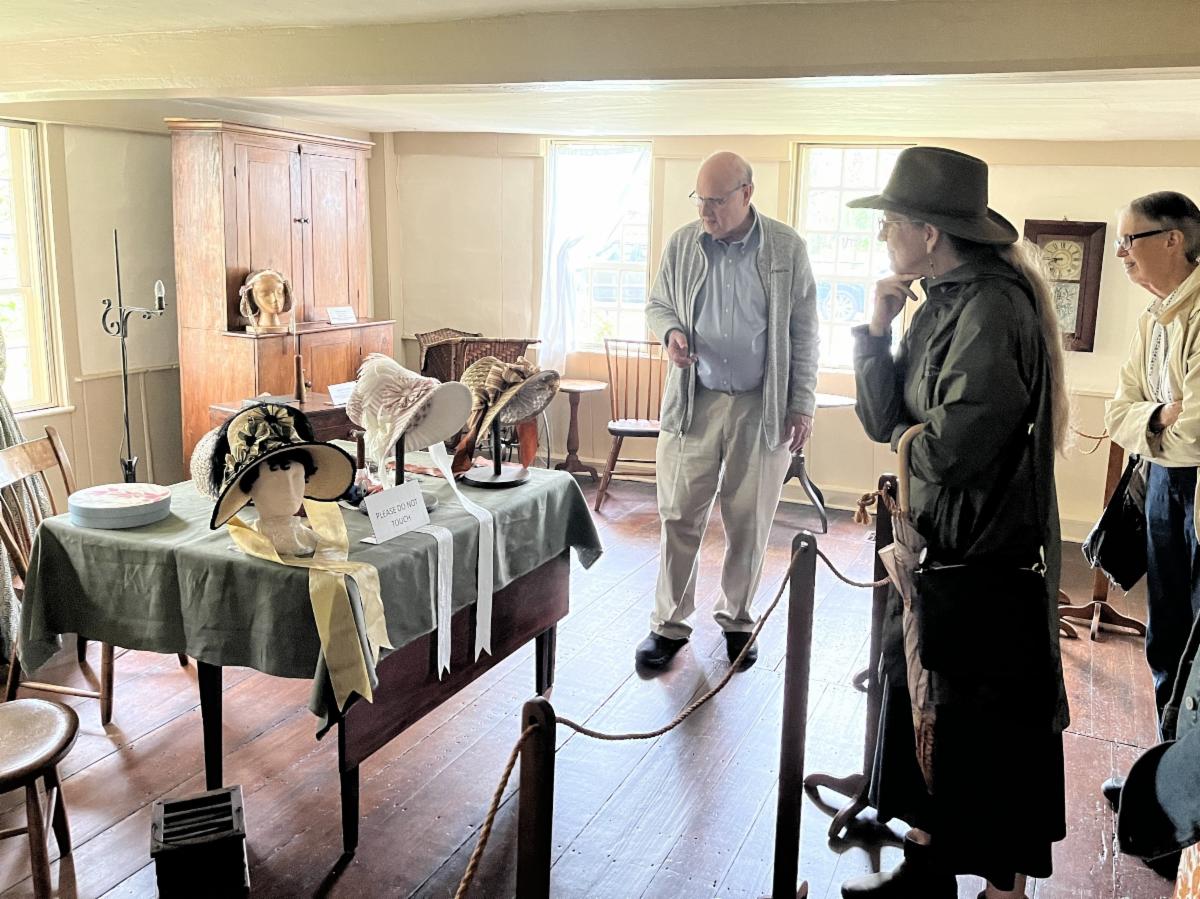
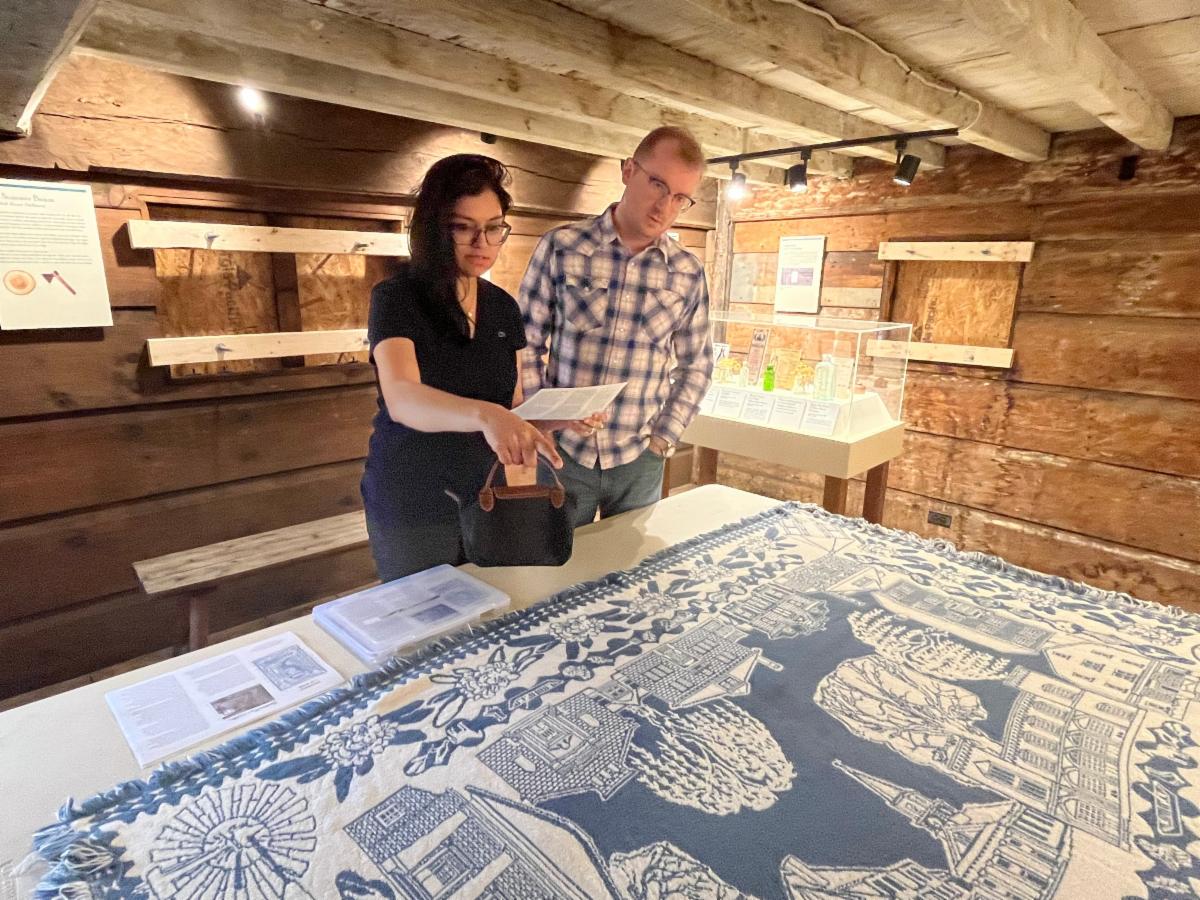
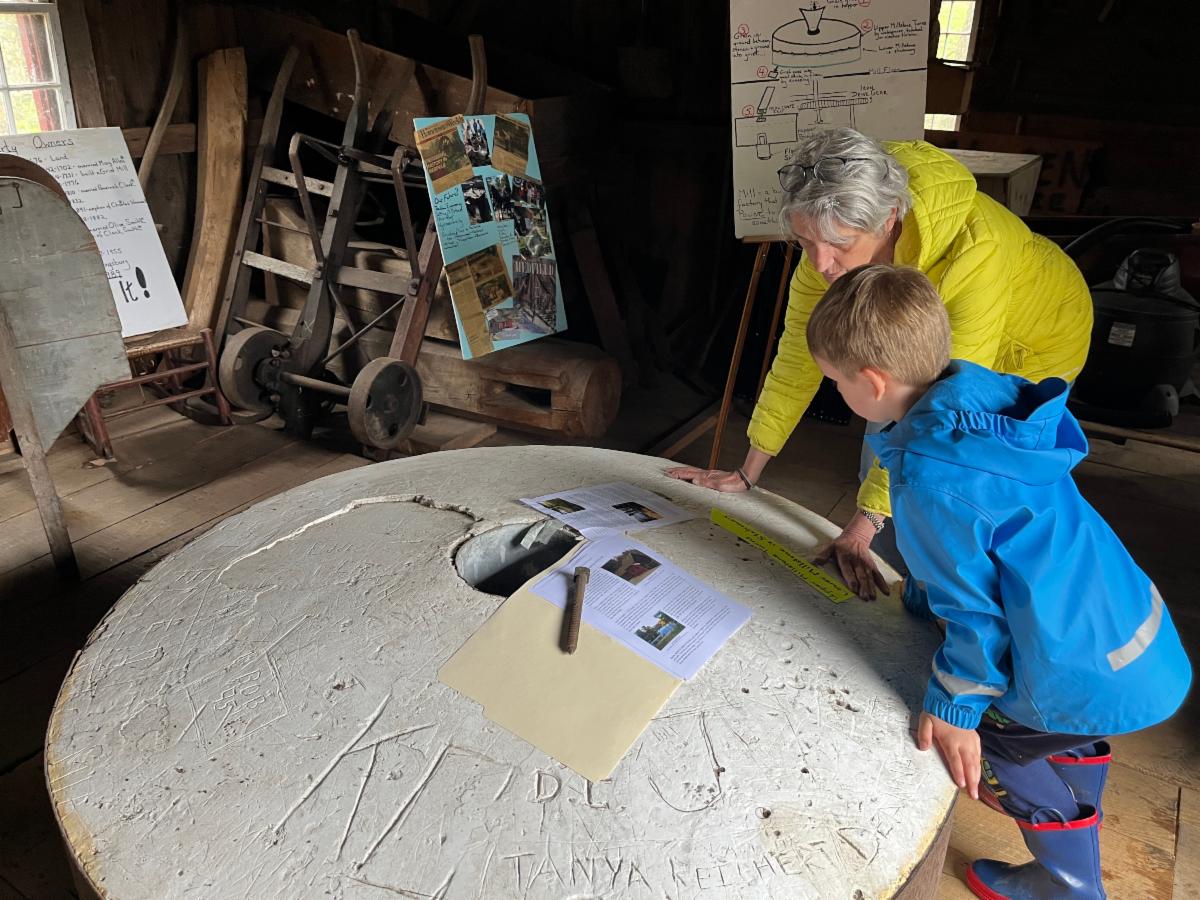
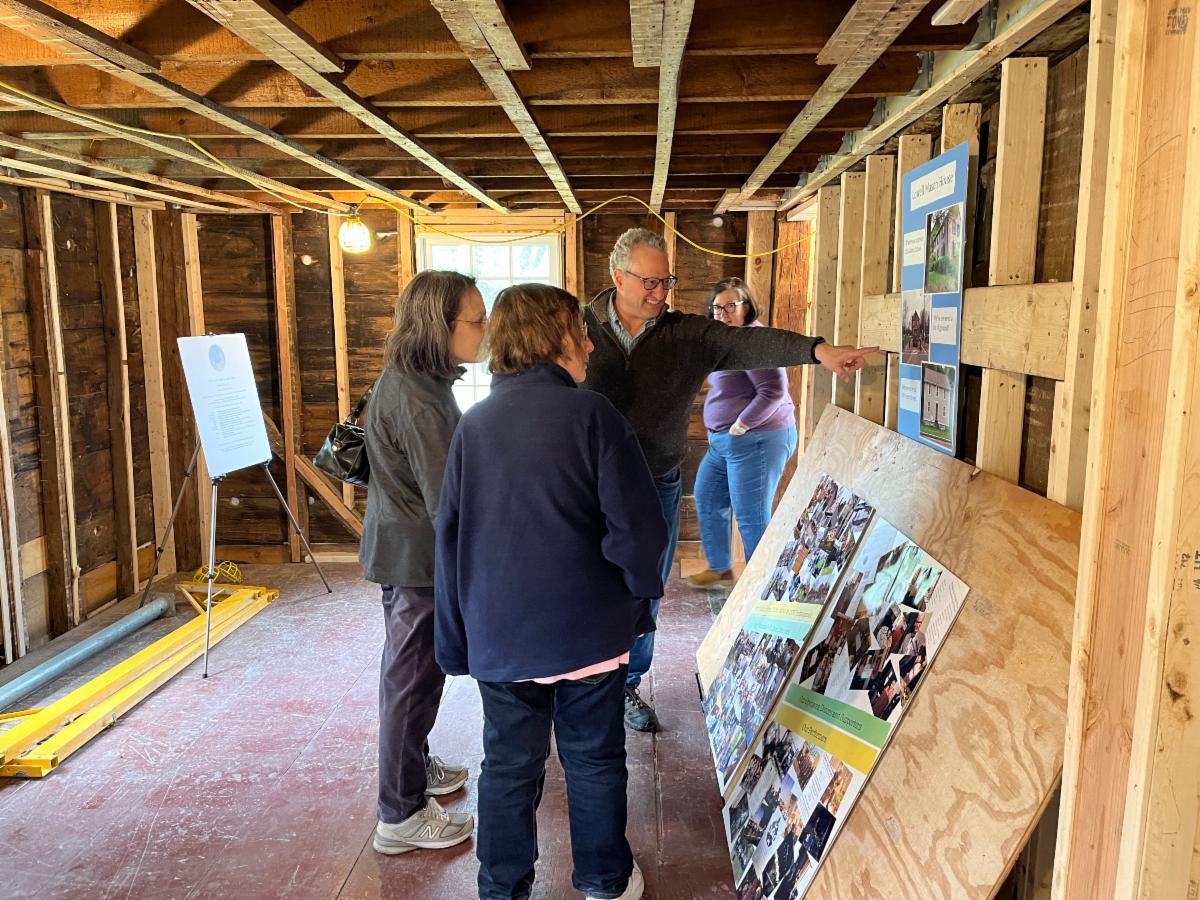
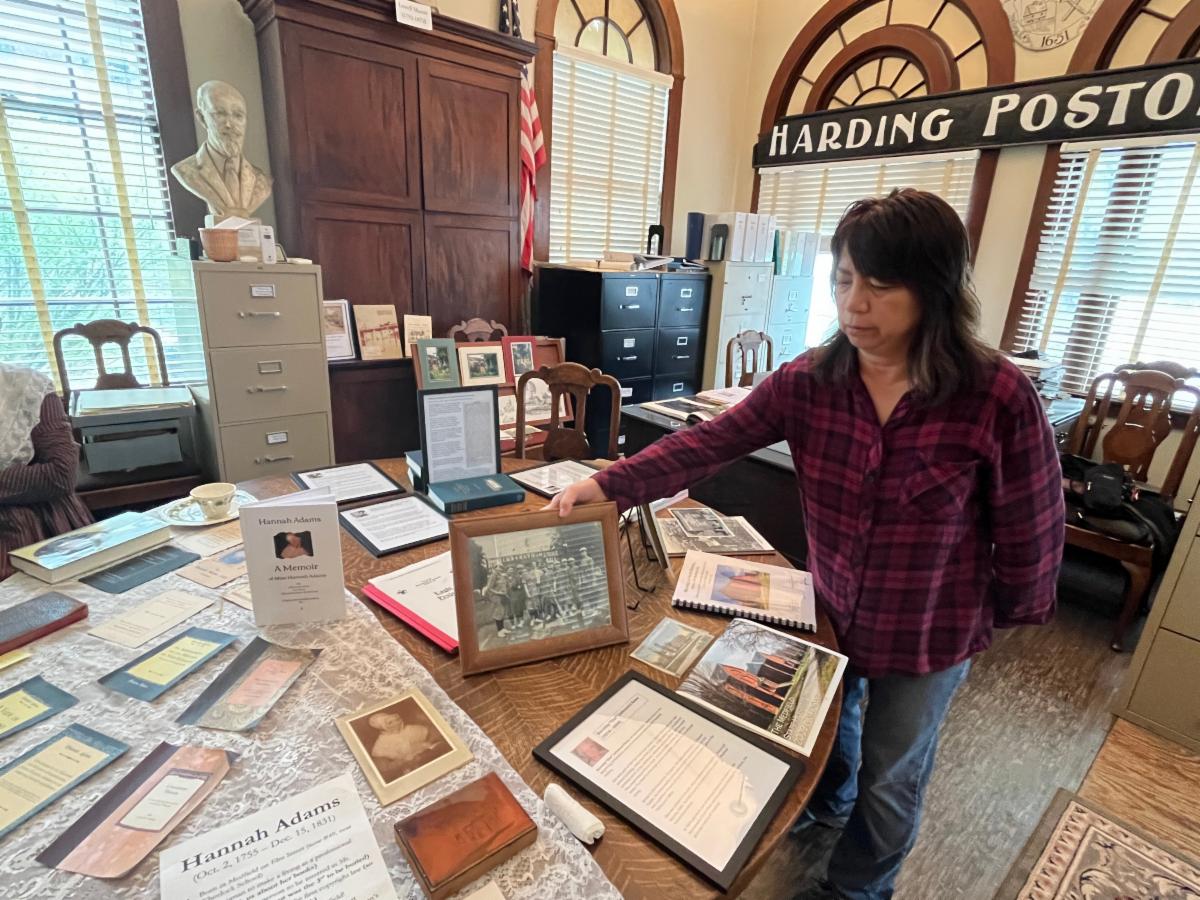
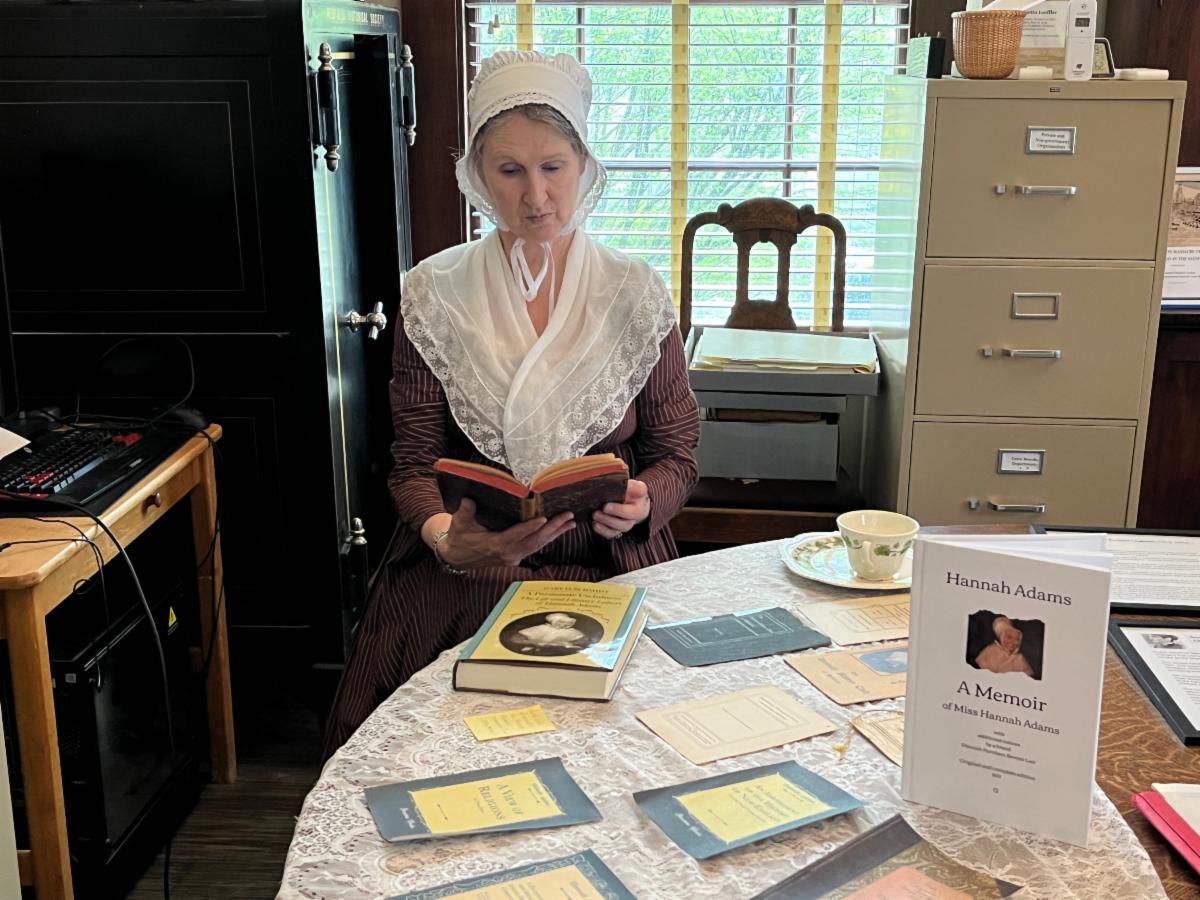
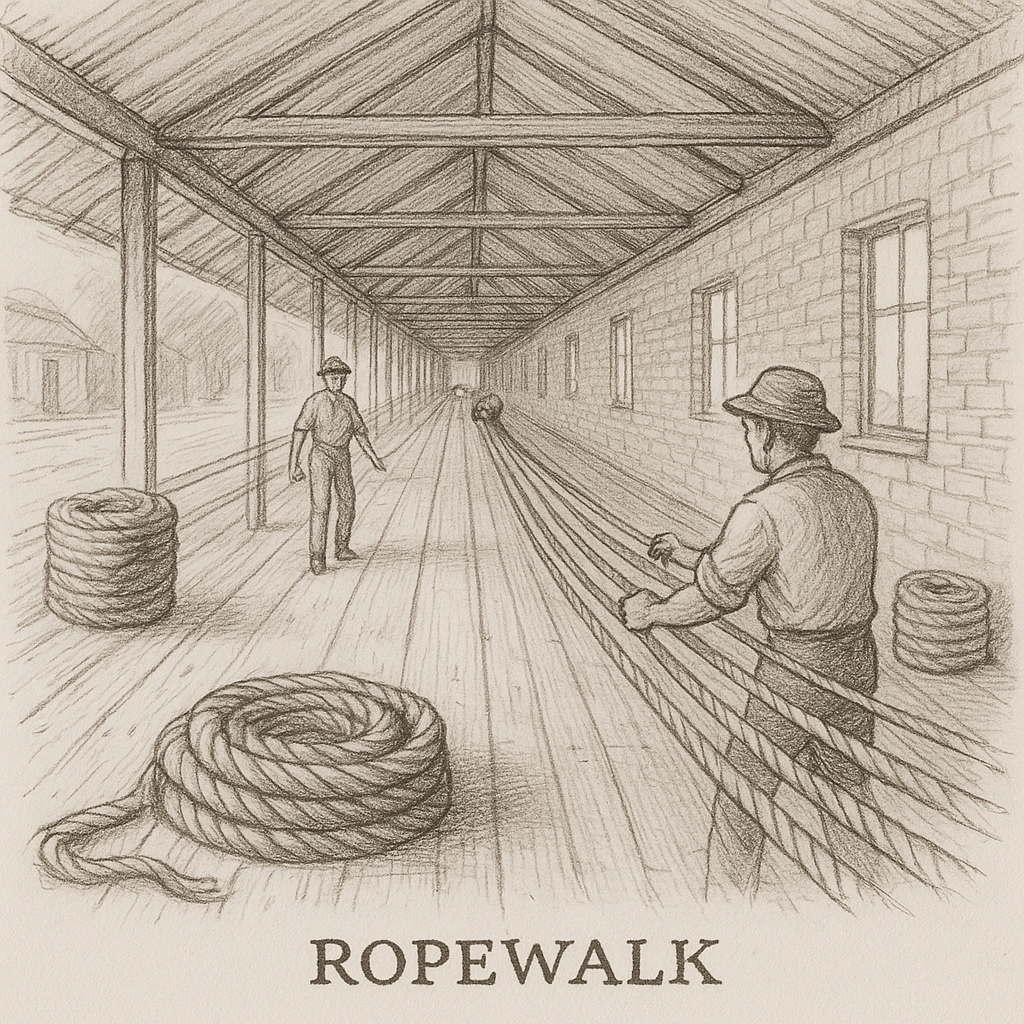
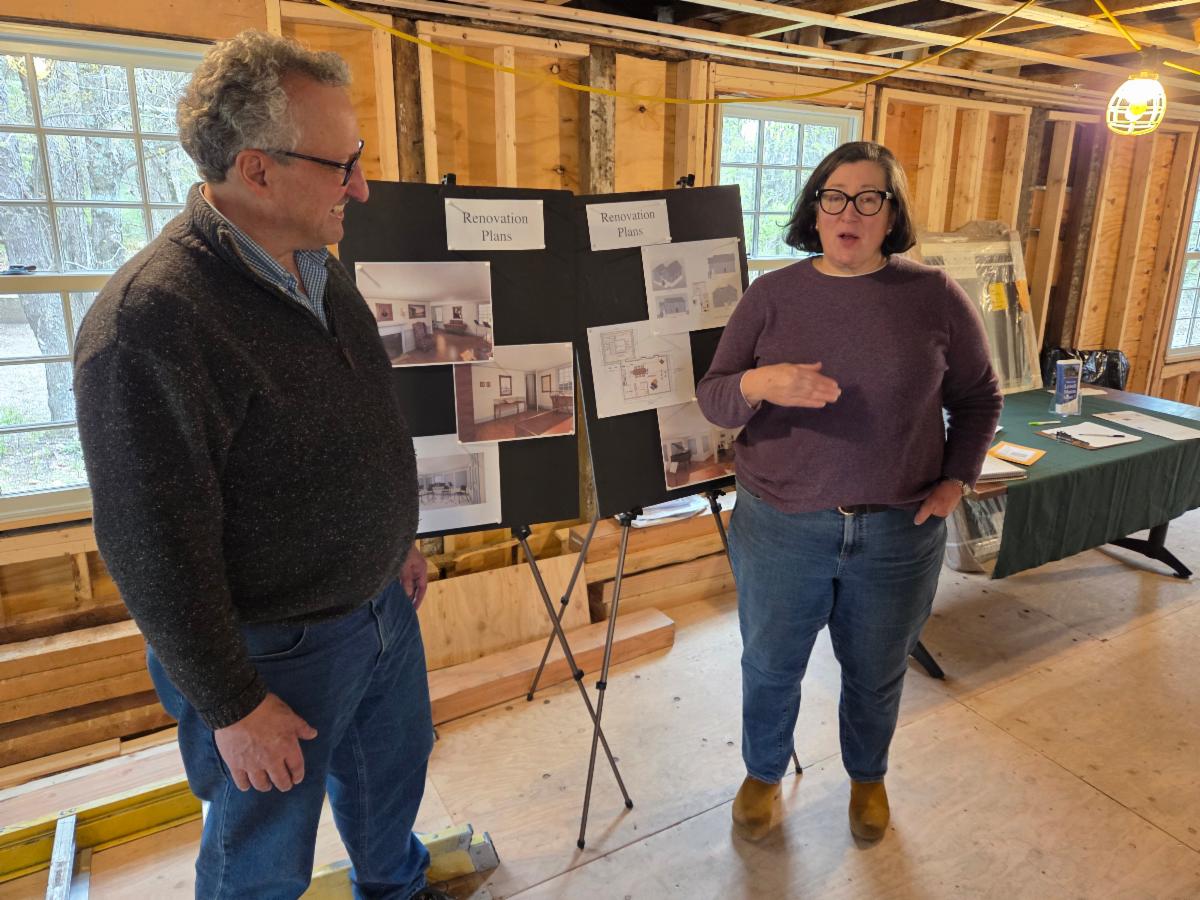
| | Medfield History Weekend 2025: A Celebration of Discovery and Engagement | | Dwight-Derby House (DDH) kicked off the weekend with an evening gathering on Friday, April 25 featuring live fiddling, short remarks by volunteers who helped save the house in the 1990s, and the chance to explore exhibits with Geoff Sauter, president of Friends of Dwight-Derby House, who welcomed more than 50 attendees to the event. Guest remarks piggybacked on Volunteer Week (April 20-26) with appreciation for the effort it has taken over the years to save and protect several Medfield’s historic sites. Featured speakers were Michael Taylor, the original chair of the “Save DDH” committee, along with Jeff Hyman, plus Select Board member Pete Peterson, who helped to fundraise (with wife, Deb Bero) and assist with establishing the non-profit Friends organization. Guest fiddlers were Andy Costello and Sally Malast. | Michael Taylor, the original chair of the "Save DDH Committee," makes opening remarks at the kickoff. | While rainy weather on Saturday forced postponement of the Vine Lake Cemetery walking tours with Town Historian Richard DeSorgher (rescheduled for Saturday, May 3 – tickets here), all other events proceeded as planned, including steeple/town clock tours at the old Meetinghouse, led by Town Co-Keeper of the Clock Nick Werthessen; narrated Old Town Trolley tours by Society volunteer Joe Opiela; and a walking tour of the former Medfield State Hospital campus led by John Thompson, who served as the town caretaker of the property for more than a decade. | | Nick Werthessen explains the workings of the town clock. | Joe Opiela conducted the Trolley Tour around Medfield. | | John Thompson leads attendees on a tour of the former Medfield State Hospital campus. | | In addition to Dwight-Derby House, other Medfield historical sites welcoming visitors included Peak House, Kingsbury Grist Mill, Lowell Mason House, Medfield Public Library, and our own Medfield Historical Society Museum with Hannah Adams Woman’s Club represented. Each site was supported by volunteers who dedicated many hours to the weekend, whether by greeting visitors, giving tours, promoting events or preparing for site openings. | | Friends of the Dwight-Derby House president Geoff Sauter shows off the hats in the East Parlor, where Mary Townsend Derby had a millinery shop. | Visitors learn about the lap robe displayed at the Peak House. | | Visitors of every age enjoyed the Kingsbury Pond Gristmill and its unique features like this grinder. | | Tom Scotti shows visitors the plans for the Lowell Mason House. | Yumi Jones sets up historical photos of Medfield women from the MHS collection. | | Theresa Knapp portrays Hannah Adams and displays related items at the Medfield Historical Society. | | Retired Judge Dennis Curran Presents to Full Capacity Crowd on the Boston Massacre | | Retired Justice Dennis Curran delivered a presentation titled "The Boston Massacre Trials: Blood in the Snow" on April 2nd at The Center at Medfield, drawing a crowd of over 80 attendees. Sponsored by the Medfield Council on Aging, Historical Society, and Public Library, Curran traced the mounting tensions in Boston during the winter of 1770, focusing on the deep resentment toward the presence of 4,000 British soldiers and the forced quartering of soldiers in private homes. Hostility intensified particularly after a British soldier shot and killed a young Boston schoolboy two weeks before the massacre, further inflaming public outrage. This anger was compounded by a heated incident at a local ropewalk (a workplace where ropes were made), where a British soldier was insulted and humiliated while looking for work, fueling further unrest among Boston’s working-class residents. | | | |
Justice Curran also detailed the trials that followed the massacre, where John Adams made the unpopular but principled decision to defend Captain Thomas Preston and the eight soldiers. During the confrontation outside the Customs House, Crispus Attucks—a sailor of African and Native American descent and a symbol of early resistance—was among the first to fall after striking a soldier with a stick.
At trial, Adams argued that the soldiers fired in self-defense, and the judge introduced the concept of "reasonable doubt" for the first time in American legal history. Captain Preston was acquitted, while six of the soldiers were found not guilty, and two were convicted of manslaughter. However, the convicted soldiers successfully claimed the "benefit of clergy," an old legal practice allowing first-time offenders to avoid a death sentence by demonstrating literacy or pledging to study the Bible; instead, they were branded on the thumb with an "M" for manslaughter to mark their offense.
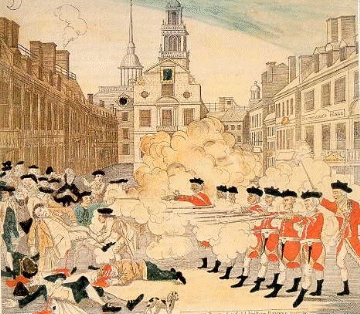
Curran concluded by discussing how both sides sought to manipulate public perception after the event. Paul Revere famously published an engraving that exaggerated British aggression, depicting a brutal, unprovoked attack and labeling the Customs House the "Butcher’s House." Meanwhile, Captain Preston portrayed the clash as an "unhappy disturbance," blaming the provocative behavior of the Bostonians. His account, published in London and later reaching Boston, stirred further controversy and deepened colonial resentment toward British rule.
| | Paul Revere’s engraving of the Boston Massacre presented a highly dramatized version of events, showing British soldiers firing on a defenseless crowd under direct orders. Designed as political propaganda, the engraving labeled the Customs House as "Butcher’s Hall" and omitted the crowd’s role in provoking the violence. | | |
From Our Archives
In Honor of Mothers and Fallen Vets
| | Ebenezer Granville Babcock: A Soldier's Letters to His Mother, Part I 1862-1863 | | |
by Norma Vogel
Recently, I was thrilled to view a collection of letters from a Civil War soldier, written in faded pencil on scraps of stained paper. That soldier was Medfield’s Eben Granville Babcock, writing to his mother Mary on Pleasant Street. The letters were generously donated to the Medfield Historical Society in 2015 by Wendy Palumbo, a relative of Babcock, (Bonus: Here is a link to Tim Flaherty’s excellent article about the Palumbo Family of Medfield.)
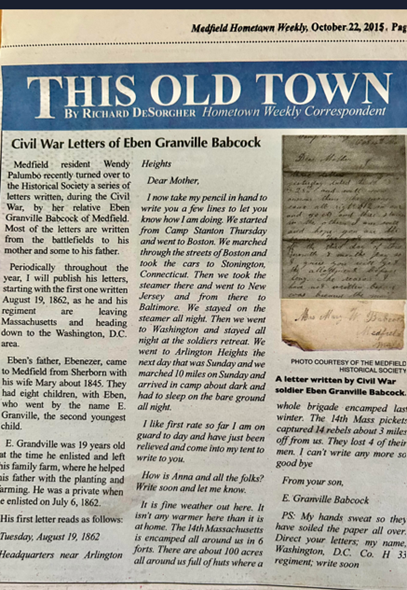
Babcock’s letters were featured in an article by Richard DeSorgher in Medfield’s Hometown Weekly on October 22, 2015; however, the online version is unavailable at present. It is, therefore my honor to retell this story in time for Mother’s Day and Memorial Day, 2025.
Eighty-two Medfield men served in the Civil War, and fourteen died. Ebenezer Granville Babcock III (1842-1917) went by the name Eben, and signed his letters “E. Granville Babcock.” Eben was the son of Ebenezer Babcock of Sherborn and Mary Whitney of Norfolk. The couple married in 1833, came to Medfield about 1845, had eight children (Tilden 308) and lived on Pleasant Street during the Civil War. All the letters are addressed to “Mrs. Mary W. Babcock, Medfield, Massachusetts.”
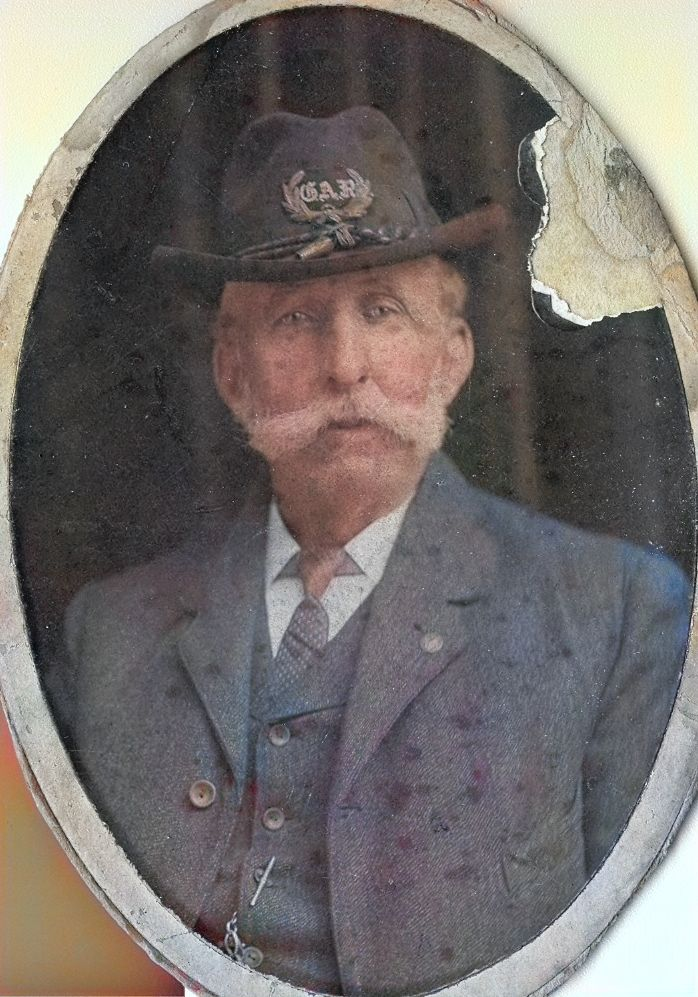
At age 19, Eben enlisted at Lynnfield , 33rd Regiment, with the rank of private; he was honorably discharged as a private at the close of the war in 1865. We know a few facts of his war record from the questionnaire he answered when joining the Moses Ellis G.A. R. Post upon discharge.
| | | |
His first battle was at Chancellorsville; he was wounded at Hanging River, North Carolina, while building corduroy roads (these were log roads, perpendicular to the direction of the road); he was briefly taken prisoner on July 3, 1863 at Weaversville, VA by the South Carolina Cavalry and paroled the next day. Two of his friends from Medfield, James Griffin and David Maney, enlisted at the same time and served in the same regiment (MHS file, Civil War Record). What follows is the complete transcript of the earliest letter from the collection, with occasional added punctuation between sentences for clarity.
First Letter, August 19, 1862
Boston to Washington via Connecticut, New Jersey, Maryland. Likes It First-rate So Far.
near Arlington Heights (Virginia)
Dear Mother,
I now take my pencil in hand to write you a few lines to let you know how I like and how I (illegible) since I’ve started from Camp Stanton Thursday and went to Boston. We marched through the streets of Boston and took the cars and went to Stonington then we took the steamer there and went to New Jersey and from there to Baltimore. We staid (sic) on the steamer all night, then we went to Washington and staid all night in the soldiers' retreat. We went to Arlington Heights the next day. That was Sunday. We marched 10 miles on Sunday on our way through Washington to see Colonel Corcoran* of the 69th. We arrived in Camp about dark and had to sleep on the bare ground all night.
I like it first rate so far. I am on guard today and have just been relieved and came into my tent to write to you. How is Anna and all the folks? Write soon and let me know. It is fine weather out here, no warmer here than it is at home. The 14th Mass(achusetts) is encamped all around us in 6 forts. About 100 acres all around us is full of huts where a whole brigade encamped last winter. The 14th Mass. pickets captured 14 rebels about 3 miles off from us. They lost 4 of their men. I can’t write any more now so good bye from your son
E. Granville Babcock
P.S. My hands sweat so they have dirtied the paper all over. Direct your letters: my name, Washington DC Co. H 33 Regiment. Write soon.
*Colonal Corcoran was probably Michael Corcoran (1827-1863) Irish-American General in the Union Army, and a close confidant of Lincoln; Corcoran led the 69th in the first Battle of Bull Run; he was promoted to Brigadier General and formed the Corcoran Legion with at least five NY regiments.
Read more>>
| | Hidden Progress, Hidden Expenses at the Lowell Mason House | | |
Lowell Mason’s house on Green Street has looked the same for the past four years. If you’re casually walking by, you might even wonder if the restoration and reuse project is stalled.
That’s hardly the case!
Medfield native Lowell Mason (1792-1872) is recognized as the father of public school music education in the United States; one of the highest honors conferred by the 58,000-member National Association for Music Education is to be named a Lowell Mason Fellow.
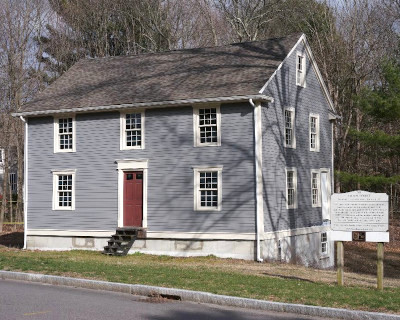
Mason’s house was built about 1740 on North Street. It was later moved to Adams Street, and in 2010 the property was bought by a developer who planned to demolish the house and build two new town houses on the land. After a public hearing, the Medfield Historical Commission invoked the town’s Demolition Delay Bylaw, allowing a group of concerned citizens and music lovers the time to form the Lowell Mason Foundation and move the house to Green Street.
The mission of the Lowell Mason House is to create and program an active space for music making, music and arts education advocacy, and historical preservation within the original structure of the Lowell Mason birthplace.
The house, which measures 20 by 30 feet, was built using sturdy post and beam construction, but after nearly three centuries of hard use and some neglect, it needed a lot of help, including extensive structural work.
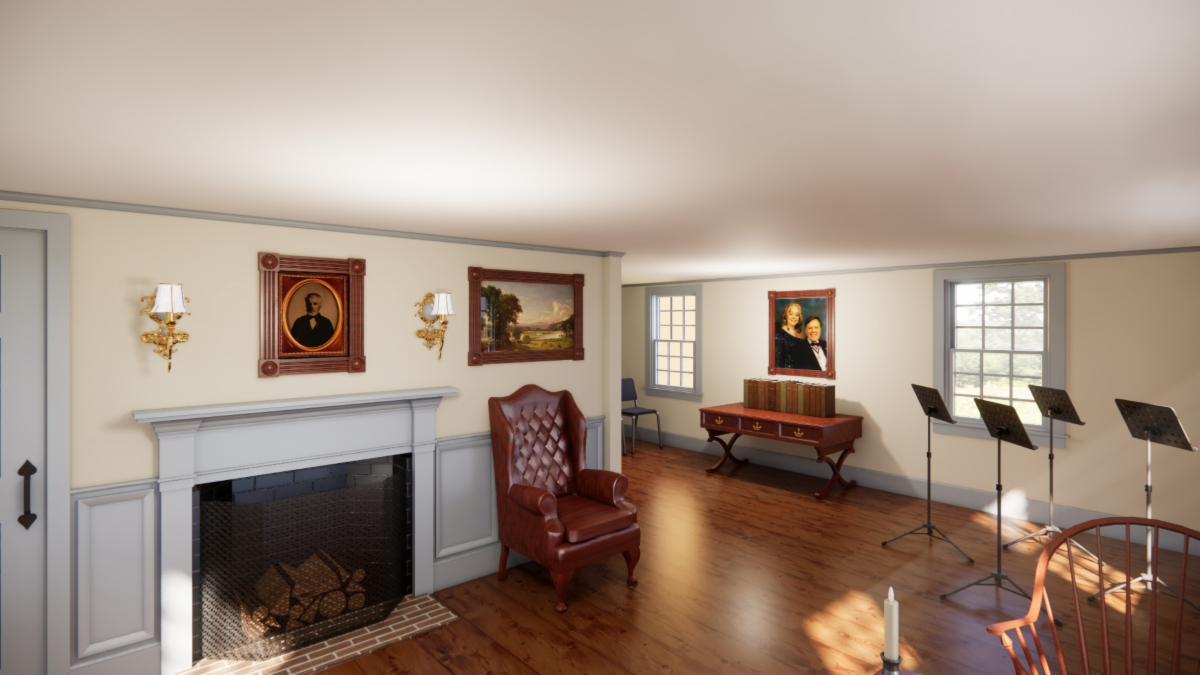
| | Tom and Karen Scotti show the renovation process and architectural renderings of the building interior. | | Architectural rendering of one of the rooms in the Lowell Mason House. | | |
From the street, the most visible work, completed four years ago, consists of the replacement windows and siding, selected for historic authenticity. Inside, there’s a massive steel I-beam in the basement, along with structural reinforcements practically everywhere you turn, that will be buried in the walls and ceilings. But in the end, you’ll always be able to see the original corner gunstock posts, like those in the Peak House.
The plan is to have meeting rooms and the collection on the first floor, small music instruction rooms on the second floor, and a music performance center on the garden (basement) floor.
There are always costly surprises when you update an old building. The big one (six figures) is building the 14-by-20 addition on the back to house the elevator and stairs. Under the Americans with Disabilities Act, the second floor would be inaccessible and thus rendered totally unusable without the elevator.
The Lowell Mason Foundation is pursuing variances and hopes to get the foundation for the elevator addition poured this summer.
Obviously, this calls for yet more fundraising. Tom Scotti, president of the foundation, and his wife Karen, project manager, are pleased to show off the latest architectural renderings, so that prospective donors will see how the money will be spent.
| | People and Places of the Past | | Rediscovering Dale Street School History | | |
by Christine McCue Potts
Over the last couple of years, Society volunteers had heard about a Dale Street School file jam-packed with interesting information. Despite searches through multiple filing cabinets, no one could find it. That changed a few weeks ago, when interim Co-President Yumi Jones discovered it tucked inside an unrelated folder.
A look inside tells the story of a school that experienced two lives during its 83-year history. For the first 19 years, it operated as Hannah Adams Pfaff High School. Over the following 64 years, the building became Dale Street Elementary School, housing an ever-changing mix of grades 3, 4, 5 and/or 6. For a brief two-year period (1982 to 1984), it was used solely for kindergarten, according to Town Historian Richard DeSorgher.
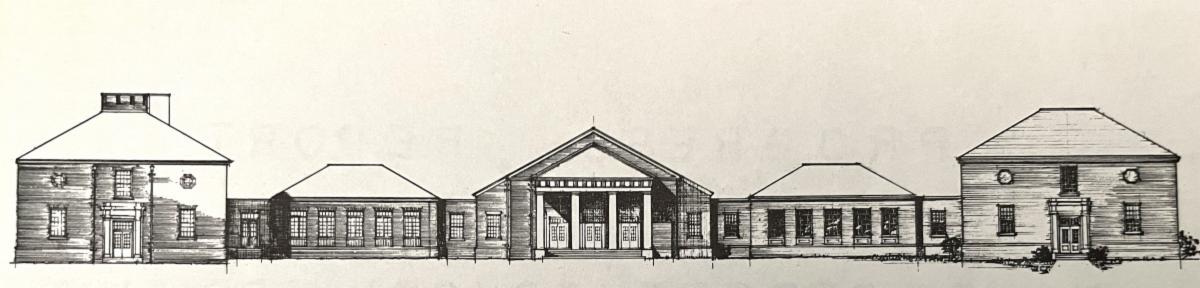
| One of two possible designs for a Dale Street School addition. A more contemporary one was chosen. | | |
Documents and photos in the Dale file, along with others filed elsewhere at the Society, illustrate that during its high school years, Hannah Adams Pfaff High School was similar to most high schools of the era. It had baseball and football teams (with its own field; team photo shown), held formal dances and graduations, hosted concerts and community events, and of course, issued report cards.
Read more >>
| | | | |