|
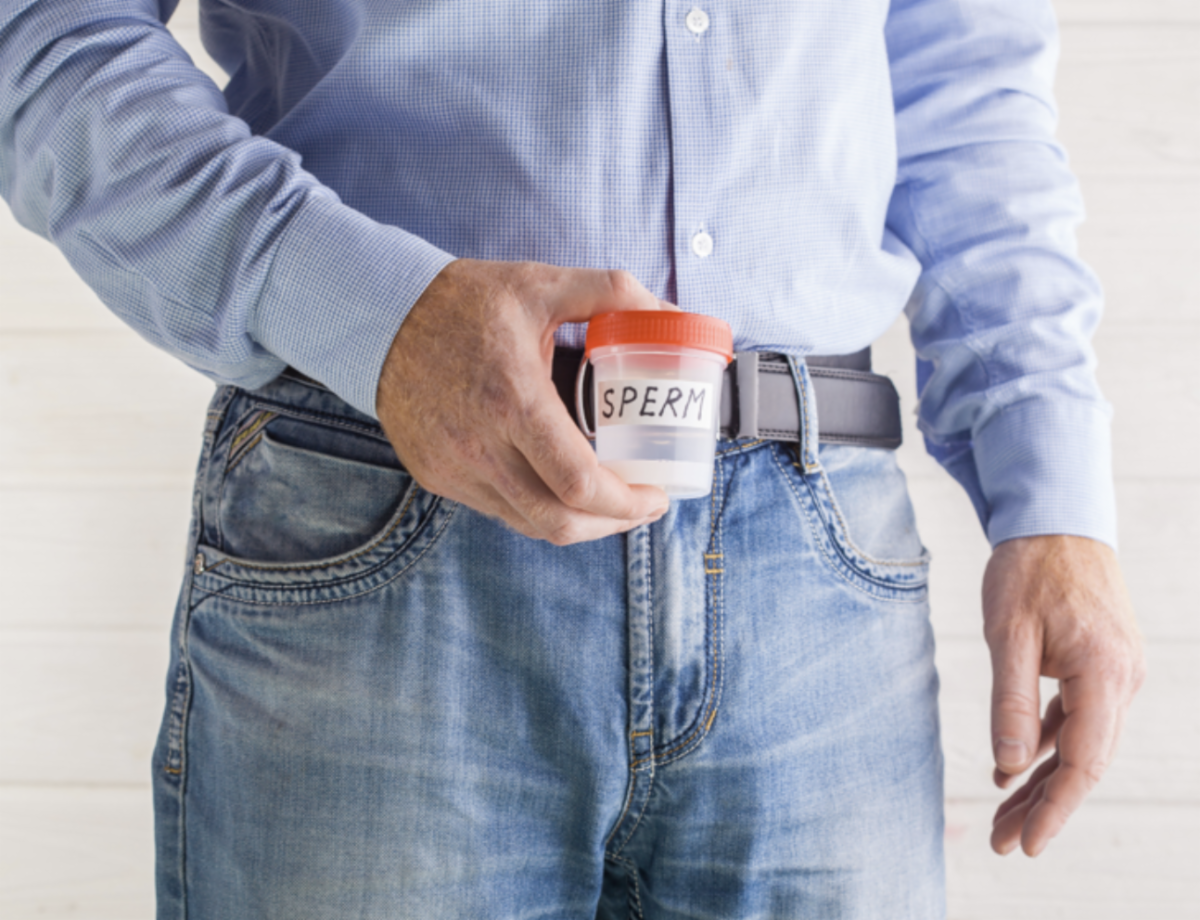
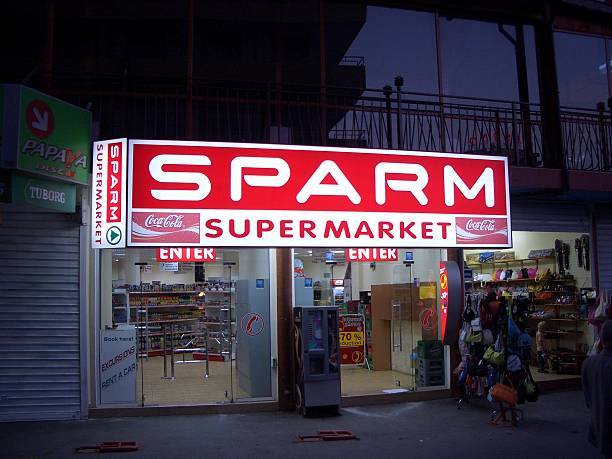
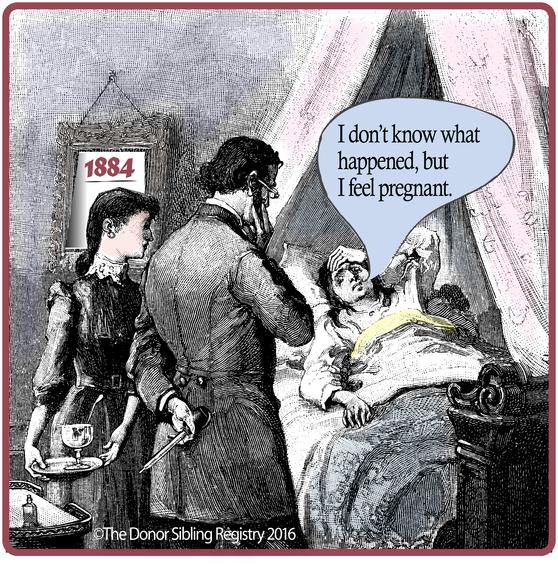
One sperm mix-up that
you would not want to happen.
| | |
Donating Sperm, Spam, Sparm,
Sprem, and Spram
The Donor Sibling Registry has thousands of registered sperm donors in dozens of countries worldwide. Additionally, we're often contacted by misdirected Indian men looking to sell their "spam" or other creative vocabulary variations.
One guy had both spram and sparm to sell:
Hi this is satiah i would like to donate my spram for money coz i reaally need money can u pls contact me as soon as posible for donating the sparm?
A few more from some very willing young (and not so young) men:
I'd like to donate sprem...
I'm 24 Year old, and handsome boy. I wish to all family happy. I would like to say just one thing that I love to be a sperm doner.
I want donate spam but don't know how i donate. I am very sex full time mony Income.
Hi I'm a student my age 23 year. I'm selling my spam.
I wish to donate sperms to help people with no kids and to create a gene pool of good singers and neuroscientists.
i want to donate sperm. As many family will smile due to me so i want to make this.
I want donet to sperm.
I'd like to donate sprem.
Call me about the selling of the testicles.
I have three children very healthy. My wife is menopos so I does masñbeth a lot. So I was wondering if I can make use of my sperms by looking up on the Internet to find a sperms bank. I dicided to look and I found . I am 5 feet 7 ins 56 year and I am very high nature.
Donor sparm. Plz contact me i well agree what you benefit tell. After i thinking.
And finally, from a shopping mom in the US:
My husband had a low supermarket count and couldn't have children. We chose to go to a supermarket bank.
| | |
Some March 2026 statistics about DSR families and matches.
(All numbers are approximate, as not everyone enters all information.)
How many people match instantly after adding their posting (no waiting time)?
22.0% matched instantly.
What is the average age of all offspring currently listed in posts?
19.3 years old
What is the average age of DCP when they are first posted?
8.5 years old
What are the percentages for the number of children posted per family?
74.2% one child, 22.0% two, 3.3% three, 0.5% four, 0.1% five+.
Which proportions of DSR posts are for sperm, egg, and embryo donations?
79.9% sperm, 18.0% egg, and 2.1% embryo families.
It's interesting to see how these percentages have changed since 2019, when we had
84% sperm, 14.5% egg, and 1.5% embryo families
What are the ages of DCP posted on the DSR?*
10 and under: 7,226
11-19: 9,690
20-29: 9,202
30-39: 3,439
40-49: 1,144
50-59: 265
60-69: 126
70-79: 48
80+: 10
*This only includes postings that list DCP ages. (Many don’t).
| |
Voices: Donors
I donated my eggs multiple times. At the time, I didn’t fully grasp the weight of that decision or what it might mean for the future. As the years have gone on, it’s something that has stayed on my heart and weighed heavily on me.
Looking back, I feel this may not have been the best decision for me, and I carry that with a lot of reflection and emotion. More than anything, I think about the children who may have come from those donations. I wonder about them, who they are, how they are, and what their lives look like.
If you are one of those children, I want you to know that I am here. I would welcome the opportunity to connect, to answer any questions you may have, and to simply know you. There is no pressure or expectation just an open door.
I pray that if it’s meant to be, you are able to find me.
****
I was 22 when I donated and definitely didn't understand the gravity of what I was doing. While I'm not a parent in the sense that I raised these kids, I share a lot in common with them beyond looks, whether anyone knows it or not. And the feelings I have about pieces of myself being out in the world, and the protectiveness that brings, feels all of a sudden, very "parent-like."
I've gotten glimpses into this by meeting one son several times (including his wedding) and talking to another on the phone a couple of times. The tension with their parents is complex, hidden behind veils of secrecy, but I'm guessing they share your perspective. My #1 priority in all of this is the well being of my kids, and I'll do whatever I can to make sure they feel supported. Sometimes that means making sacrifices, pushing my own impulses away, because their parents, who raised them, aren't very comfortable with my presence or interest in their lives.
I understand the parents appreciate my donation, but beyond that, I think getting to know me is an unsettling prospect. Like you, they are probably defensive that their child is "theirs," and it's easier to debate who is the "real" parent rather than acknowledging their children have multiple parents, and I am one of them. I would bring a lot to the table, but it's easier not to have me at the table, because I would represent a loss. Because the sperm banks set this relationship up as a financial transaction, it's easy to turn me into a 25-years-ago catalog choice who isn't a real person with complex feelings about this long ago decision.
*****
I was an egg donor 6 times. I see people posting all of the time, wondering if they should try to reach out because their donor was anonymous, thinking they may not want to be contacted. While it may not be the same for everyone, I thought sharing my story might let some in this community know that just because they were listed as anonymous may not mean they are not open to contact.
When I first signed up to be a donor, I was advised to mark my profile as anonymous because I was told more intended parents would consider me that way. I was even told by one agency that parents would be afraid I would try to make claim to the children and staying anonymous was best so they would know I was emotionally unattached. As a young adult, that guidance somewhat made sense, but I didn't fully understand the emotional weight that could carry, especially for the children who might grow up wondering where they came from, or feeling like something was missing.
Since then, I've often thought about what it means for a child to have that piece of their story unanswered. I have prayed for any children who may have been conceived from my donation. They have never been far from my thoughts, even if we've never met. Now, as a fully grown adult raising teens of my own, I understand so much more about identity, connection, and the importance of knowing your roots. I wrote all of this to say that being listed as anonymous may not mean that the donor wanted to be. I know, for me anyway, I was young and simply followed the advice I was given without knowing what that label could mean down the road. Through DSR I was able to connect with two children so far. I am so thankful.
*****
Even though I was a donor in the late 80s and early 90s, I was able to change my status a few years ago from anonymous (there was no other choice back when I was donating) to “Open to contact” by filling out a few forms and getting them notarized. I included every means of contact (email, phone, home address, social media) with my identity information, as well as the DNA tests I had taken.
The catch, though, is they will only release this information to DC people whose mothers or parents received treatment at the Fairfax clinic in Fairfax or California.
Most of my vials were sold to other clinics, and no records were kept as to who utilized them after they were shipped out from Fairfax.
I asked one of my daughters to test the system by asking Fairfax for my information, only to be told that no records exist for her parents.
This “plausible deniability” catch also allowed the clinic to exceed the “children in no more than 25 families” limit they told customers that any single donor was utilized for.
| |
Voices: DCP
I'm a donor child, someone whose opinion I think should matter more than parents who haven't seen how their choices played out yet (and will never know how they affect their kids on the inside). My parents won't share my donor information with me, claim they've lost the documents. My mom clearly has a huge unhealed wound about it, they never told my sister so I grew up having to keep the secret from both her and my adopted sister. It created a huge divide. I desperately wish that I would have had access to a wider circle of people in my youth, and have mourned not knowing who my genetic family is since I was a child.
*****
Some might find it useful to hear from a late-discovery donor-conceived adult. I grew up having close relationships with my cousins and with the brother and sister who I was raised with. Things changed when we discovered our DC status. I became estranged from my brother who wasn’t interested in meeting our donor siblings and he has since died. I am still in touch with a couple of my cousins on social media but haven’t seen them for a long time. Busy lives on both sides. I make time for my donor siblings and we group chat and meet up whenever we can. Those relationships are very important to me. I don’t speak to my mum or visit with her very often although we get along okay these days. I certainly don’t share what is happening with the new sibs with my mum as she isn’t very interested. When I think about family I focus on my own kids and grandkids and my many siblings and their kids.
Voices: Parents
I say, tell them young. I waited until my son was 28, and it was really hard for him and for me. He said it kind of blew away his whole idea of who he thought he was. Luckily, he is very good at self-care and immediately got into therapy. He met some of his half-siblings, and that was very exciting for him.
*****
We waited, I wish we wouldn’t have. Two of my son’s brothers have known each other for a very long time. I wish we had joined them a long time before we did.
*****
When asked on the DSR's private Facebook page, “Why not include half-siblings in your child's family circle?” One mom replied, “Because they're not family!"
| |
Donor Sibling Registry Website Tips
DSR Tip #1: If you're posted on the DSR and receive email notification of a new match, please message that person to welcome them. People need to know that the DSR is a safe landing space and that they'll be welcomed into any group of parents/half-siblings/donors that already exists. Thank you!
DSR Tip #2: If you have checked the DSR for matches but don’t see any, it’s crucial to add your posting anyway. Many people are out there, watching the site, waiting for the first person to post their donor number. So be the first! Too many people have missed out on years of connecting because they and their matches were sitting back and waiting to see a match post first. If this has happened to you, please share your experience.
DSR Tip #3: Because sperm banks ship to many clinics worldwide, it’s important to post under the originating sperm bank, not your local clinic or doctor.
DSR Tip #4: When adding your posting to the DSR, please fill in as much information as possible about the donor, such as birthdate, height, weight, hair and eye color, education, and hobbies. This can help those who might not have a donor number recognize themselves (donors) or the descriptions from the donor profile (parents and DCP).
DSR Tip #5: If you are new to the DSR and match immediately after adding your posting, it’s a good idea to message your matches promptly. That way, they’ll know you’re interested in connecting and/or sharing information. If our automatic emails notifying them of the new match/new message get bounced back to us as undeliverable, don’t worry; I’ll mail them a letter via the USPS!
DSR Tip #6: Ensure that you enter the full and correct donor number/ID on the DSR, as consistency is crucial. If you’re unsure how to enter your facility’s donor number, please look at the postings already on the DSR to see how others have done it. Here are a few examples:
- If the sperm originated at Xytex, when there are 3 letters before the 4 numbers, make sure to include them with a space in the middle, like this: ABC 1234.
- If the sperm originated at Seattle Sperm Bank/European Sperm Bank/Nordic Sperm Bank, Cryos, (even Xytex), etc., and the donor ID has both a number and an alias name, please enter it like this: 10009 “Wendy”.
- If you used Follas Labs and have an “F” before the donor number, please enter the “F” in front of the donor number without a space, as shown here: F999.
- If you used Cryobiology and your donor ID starts with “CB” (or other letters) followed by numbers, please enter with a space between, like this: CB 999.
- If you used the Fertility Center of CA-Orange/San Diego/Santa Anna and have letters and numbers, please enter the letters first, then the numbers, with no space, like this: SL123.
- If you used Egg Donor Solutions, please enter EDS followed by the number without a space, like this: EDS999.
- If you used International Cryogenics and have letters before the number, please don’t leave a space, like this: AA999.
- If the sperm originated at the New England Cryogenic Center, please enter donor numbers with a dash after the “D”, like this: D-9990.
DSR Tip #7: If you are a parent who joined and posted on the DSR when your child was under 18, and they are now 18+ and wish to connect independently, please hand over your DSR login information (username and password) to them. We don’t want them joining and posting separately, as this would result in duplicate postings and they would match themselves. (Not good.)
Tip #8: If you messaged a match via the DSR and haven’t received a reply, you can email me, and I'll try to reach out as well. Please make sure that your last attempt was recent. All people posted on the DSR are notified about new matches, new messages, or new medical information posted for their donor. If the email notifications are kicked back to us as undeliverable, people are then sent a letter via the USPS. If that letter is returned as undeliverable, or if they still don’t reply, we can only hope they return to the DSR someday. Please ensure that your email address is up to date on the DSR.
| | |
Consult/Advice/Support Video Chat |
|
2026 Donor-Conceived People Research Studies
Volitional Attachment Change in DC Adults: Moving Towards Implementation Science, a collaboration with Elizabeth B. Lozano, PhD, California Northstate University
The proposed research employs an implementation science approach to improve attachment style among donor-conceived people (DCP). Specifically, the objectives are two-fold: (1) To conceptually replicate previous research by Hudson and colleagues (2020), which showed that people can willingly change their attachment style with the implementation of “change goals”; (2) To examine whether volitional change in attachment can be extended to DCP. Data is currently being analized.
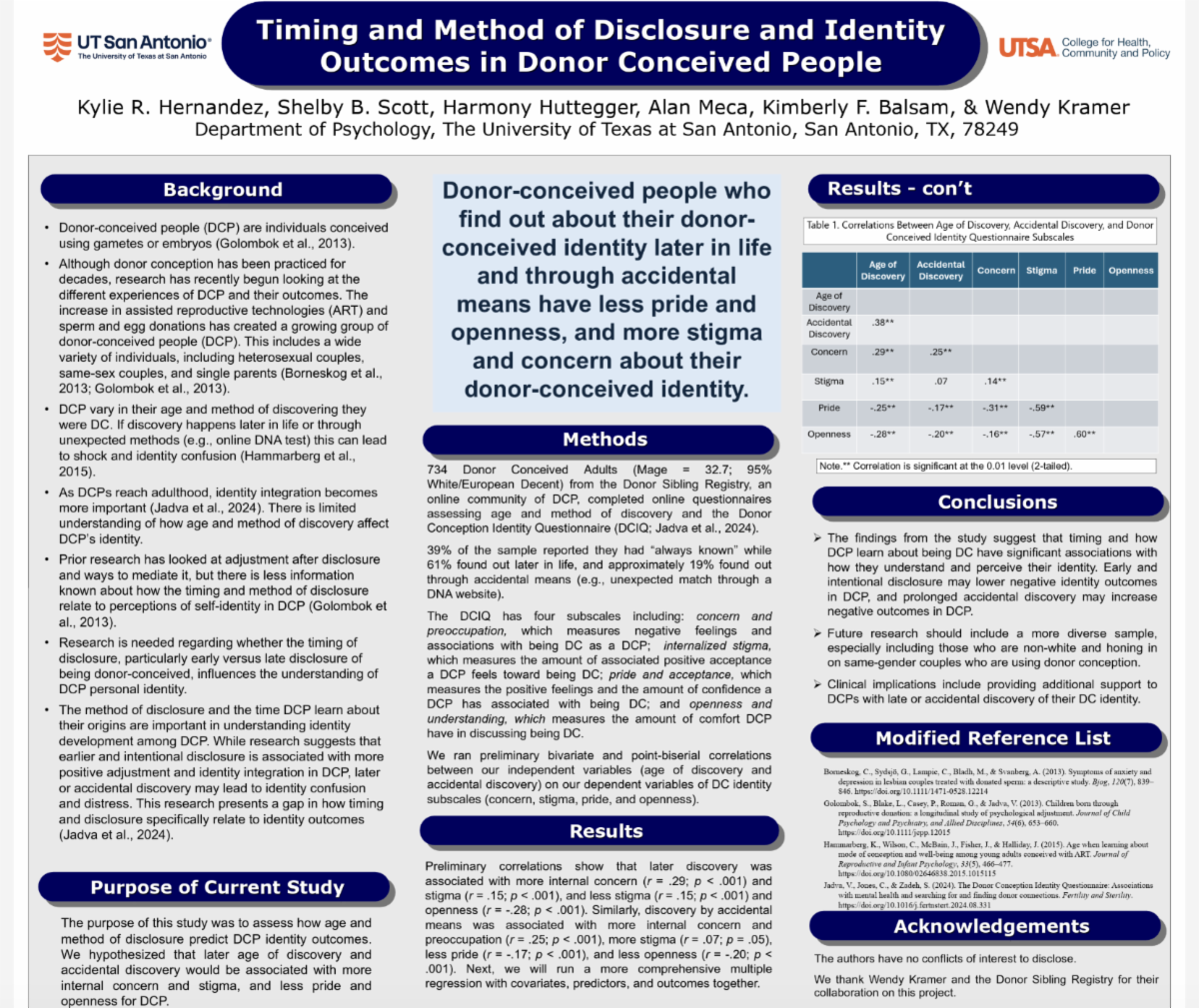
Donor-Conceived Adults Study: Relationships, Origins, Outcomes, and Self-Identity among Donor-Conceived People. The purpose of this study, conducted in collaboration with Dr. Shelby Scott, Assistant Professor at the University of Texas at San Antonio and the Donor Sibling Registry, is to understand the experiences of donor-conceived people and to identify unique factors related to their relationships, origins, outcomes, and self-identity. Data from over 750 has been collected and is currently being analyzed, and papers are being written.
Here's a preliminary poster focusing on one of the research topics created by our research partner, Kylie Hernandez, at UT San Antonio. (Apologies for the slightly blurry quality):
|
Upcoming Speaking Engagements
| |
Summer 2026: Cheri's Choice Podcast.
November 2026: The 34th World Congress on Controversies in Obstetrics, Gynecology and Infertility (COGI). NORMALIZING DONOR FAMILY KINSHIP DURING FORMATIVE YEARS: AN ANALYSIS OF EARLY CONTACT IN SPERM AND EGG DONOR FAMILIES (oral presentation), Athens Greece
| |
BOOK: Counseling Donor Family Members
| |
Published by Ethics Press, this guide will be of interest to therapists, counselors, psychologists, sociologists, physicians, and other mental health professionals who may encounter this topic in their specific settings with patients who have a variety of presenting problems, as well as professionals in the reproductive medicine industry.
And yes, this guide is also helpful for donors, parents, and donor-conceived people. Understanding the layers of emotional depth and the specific challenges that all stakeholders might face is very helpful when maneuvering through your own personal journey.
| | | |
The Donor Sibling Registry's private Facebook group comments responding to this posted graphic reveal a deeply emotional and polarized dialogue surrounding the importance of genetic connections in donor families. While some parents view donor conception strictly as a closed "business transaction" with no bearing on their child's/family identity, many DCP and parents strongly push back against this narrative, emphasizing that erasing biological origins can cause lasting disenfranchised grief and identity struggles.
Ultimately, the discussion underscores a powerful call for early honesty, with many contributors arguing that navigating these complex emotional and genetic landscapes is a lifelong journey for DCP and requires proactive, empathetic parental support.
Many commenters emphasized the lasting impact of genetic identity and expressed frustration with those who dismiss it. They highlighted that ignoring a child's biological origins can lead to deep emotional consequences.
- One member stressed the reality of biology, writing, "regardless of what you think or feel, there is a genetic truth and a real human impact on the choice you make to use a donor, and ignoring that is selfish."
- Another reflected on a sense of legal progress regarding anonymity, noting, "it saddens me to think that in this day and age, when so many countries have already changed their laws to ban anonymous gamete and embryo donation, there are some people who still think it is okay."
- For others, discovering their roots brought profound gratitude: "All I know is that finding my extended family has been a blessing and I am grateful to have known my genetic father."
- And a response to a parent's idea that donors are not "parents". "By definition, donors are biological parents. Teaching a child that a genetic bond doesn't make a family might have something to do with your child not showing any interest in the donor. It might not, but it's something that's not uncommon."
Several DCP shared the unique challenges they face, explaining that their perspectives often evolve as they age, even if they didn't express interest as children.
- One person shared the pain of missing out on early relationships, stating, "I'll never get back that time with siblings. I wish my parents had tried harder to get us to meet up."
- Another DCP described the distinct experience of being donor-conceived, noting that "being DC sets us apart from those who were born to and raised by genetic family and who take for granted all that comes with that." They added that dismissing these feelings leads to "disenfranchised grief," and concluded that "It makes our lives easier if our parents recognise this and do the heavy lifting by facilitating relationships when we are children."
- Another pointed out how perspectives shift through major life milestones: "As with adoptees, it sometimes takes certain events such as the death of a parent or the birth of our own children before we are ready to tackle what is essentially a very difficult task."
One comment from a parent who viewed donor conception strictly as a business agreement sparked strong pushback from the community. The parent wrote: "We don't feel that there is any connection at all between the donor, the other children produced by the donor, or their families. It's a business transaction... none of us sees the others as family. It has zero importance to any of us!"
Community members strongly rejected this framing, arguing that it silences the child’s perspective:
- One reply cautioned, "This is such a horrible take. No way would I ever feel safe to tell my parent my true feelings if they said this and oozed these beliefs throughout my life."
- Another critic countered the commercial narrative directly: "DNA donation isn’t a business transaction. It’s an act of building a family. Treating this deeply human process as a mere commercial exchange completely misses what is truly at stake."
- Another DCP added, "Your children are not an item purchased for your personal pleasure and entertainment, they are people with their own personal feelings... Walk a mile in a donor-conceived person's shoes, try finding out at any age that your parents have lied, and that your true genetic origins have no importance and have been erased."
A few comments highlighted that not every DCP feels a strong pull toward their genetic relatives. Another notes that "parenting" can be defined in multiple ways.
- A parent shared their firsthand experience with a lack of interest from their child: "My son has had many opportunities to connect with his half-siblings. Other than one half-brother, he is close to, he has zero interest."
- A response to a parent asking how to define donors/biological contributors to young children suggested a balanced definition of family roles: "There are different types of parents: the ones who love, raise, protect, and care for you, and the two that each supply 50% of the DNA." Then, advocating for early openness, stated, "telling from when a child is preverbal is best, as it's then just a part of their family story and incorporated into their identity right from the start."
This discussion highlights that while family is undeniably built through daily love, care, and intention, genetic threads cannot easily be discounted or commodified. For DCP, the desire to know their medical history, genetic parents, and half-siblings is not about replacing their family, but rather about completing their own personal identity puzzle.
Moving forward, the consensus pointed toward a framework of honesty, early transparency, and a willingness by parents to hold space for their children's evolving feelings and curiosities. This can help ensure that the human right to full identity formation, including who we are and where we come from, is honored from the start.
| | |
Psychology Today 2022-2025 Articles
2025 Published Articles
1/28/25
Donor Conception Disclosure: Telling Others
Making the decision to disclose donor conception to family, friends, and others.
2/18/25
The Hidden Ties That Bind
Donor sibling meetups sometimes mask a deeper truth.
3/24/25
From Fate to Destiny: Finding Donor Relatives
Donor-conceived people can be empowered to search for and find answers.
4/9/25
Breaking the Zero-Sum Myth: Expanding Donor Families
Love often grows when families do—as many donor families find out.
5/19/25
A Paradox in Donor Conception
The desire for genetic connection in donor families is bilateral.
2024 Published Articles
1/4/24
DNA Matters: Psychological Differences in Donor Families
Accurate and updated mental health information is vital for families and donors
1/25/24
The Ethical Sperm Bank: An All-Open Sperm Bank
An idea whose time has come.
2/26/24
The Problems With Donor-Sibling Groups of 50, 250, or More
Important medical, psychological, and social implications for donor offspring.
3/29/24
What Rights Are Important to Donor-Conceived People? Personal Perspective: A bill of rights for the infertility field.
4/30/24
Accurate Terminology in Egg Donation Families: T The person who contributes the egg is the biological or genetic mother.
5/30/24
Gamete Donors Connecting With Offspring and Their Families
Barriers: the perception of rejection, worry, fear, and other concerns.
6/19/24
Donor Families: Mutual Consent Contact
Personal Perspective: Mutually agreed-upon contact can be quite different.
8/5/24
Enhancing Family Connections in Donor Conception
A call for simplicity and transparency in donor-family relations.
8/19/24
Donor-Conceived People: The Search for Ancestry and Identity
Discovering family history enhances self-understanding and connection.
9/18/24
Bypassing Trauma in Donor-Conceived People
The power of early disclosure and donor family connections to reduce trauma.
10/15/24
Widening the Family Circle: Sperm and Egg Donors' Families
A donor's partner, parents, and children can support broadening the family.
11/5/24
Parents of Young Donor Children: Modeling Conversations Empowering donor-conceived children to be confident and proud of their origin story.
12/11/24
Donor Families: Navigating Disenfranchised Grief
When donor family members have feelings of unacknowledged loss and or rejection.
2023 Published Articles
1/6/23
Why are Sperm and Eggs Still Sold Anonymously?
Personal Perspective: The consequences of donor anonymity.
1/27/23
Cornerstones of the Donor Family: Kindness and Empathy:
From choosing a donor to expanding one's family to include donor relatives.
3/2/23
Tips for Donor-Conceived Adults Who Just Found Out the Truth:
The road might be bumpy for a while, with a multitude of difficult emotions.
4/3/23
Donor-Conceived People Who Have Always Known the Truth:
Being donor-conceived can have inherent challenges, even if told early on.
4/24/23
Egg and Sperm Donors: It's Complicated:
Some common thoughts and feelings surrounding selling one's gametes.
5/8/23
Donor-Conceived People: Curiously not Curious:
Some insist that they are not at all curious about their donor origins.
6/12/23
Parents of Donor-Conceived People: Researching the thoughts and feelings of biological and non-biological parents.
7/10/23
Reaching Out to Sperm and Egg Donors: Weighing the risks and rewards when deciding whether to attempt contact.
7/27/2023
Why Is There a Shortage of Black Egg and Sperm Donors?
Creating a more diverse donor landscape.
8/7/23
Donor-Conceived Children Meeting Their Half-Siblings
Widening one's family circle with enriching, lifelong relationships.
9/5/23
Gamete Sellers: It's More Than Just a Financial Transaction
Common themes, topics, and issues that arise with former egg and sperm donors.
10/2/23
Sperm Banks, Egg Facilities, and the Backfire Effect
Why have gamete sellers been resistant to evolving ideas about donor families?
11/1/23
Contacting a Gamete Donor for the First Time: The Letter.
You might not get a second chance to make a first impression.
12/4/23
Donor Offspring: Curiosity, Connecting, & Attachment Theory
Securely attached individuals are more likely to have a positive experience.
2022 Published Articles
3/6/22
Supporting Donor Family Members:
Adequate counseling and education are vital.
3/25/22
A Brief History of Donor Conception:
Looking at eight centuries of manipulating sperm.
4/19/22
Words Have Power in Sperm and Egg Donor Families:
The language of reproductive medicine can be tricky.
5/5/22
Happy Mother's Day to Solo Moms (of Donor Kids):
Personal Perspective: A special shout-out to single mother (only) parents.
5/27/22
Donor Conception: Questions for Prospective Parents:
Issues and themes to ponder when considering using donor gametes.
6/23/22
Truth and Honesty in Families of Donor-Conceived Children:
Early disclosure is crucial for building a happy and healthy family.
7/21/22
A Dearth of Adequate Gamete Donor and Recipient Counseling:
Education and counseling before selling or buying sperm and eggs is crucial.
8/25/22
Are You Thinking About Donating Your Sperm or Eggs?
A few practical, ethical, emotional, and medical issues to consider.
9/26/22
Nature and Nurture in Donor Families:
Biological and non-biological parents matter.
10/26/22
Tips for Parents of Adult Donor-Conceived People:
Are you about to disclose, or do you have a child who just found out the truth?
11/28/22
DNA: Donors Not Anonymous:
Sperm and egg donor anonymity has not been possible since 2005.
12/13/22
Secrecy v. Privacy in Donor Families: Walking the fine line between privacy and secrecy is inherent in donor families.
| | | | |
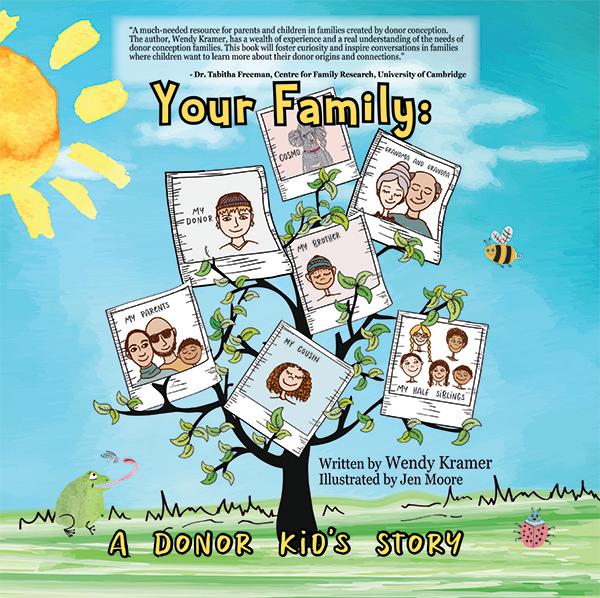
Your Family: A Donor Kid’s Story is a sweet and light-hearted picture book that answers the question "Where did I come from?” and then gently introduces the concepts of half-siblings and donors openly and honestly. The book starts with the parents’ desire to have a baby and the use of a donor, and then broaches the topic of half-siblings and biological parents/donors. A perfect book for donor-conceived children and their parents in all family types to learn about how they were conceived and to understand that being curious about their unknown genetic origins and relatives is natural.
Just as there are many family types, there are also many ways to define a child’s family and their donor relatives. Reading this book with your young donor-conceived child can initiate or supplement important and ongoing dialogue about these genetic connections. These early conversations are integral for creating a happy and healthy donor child and family.
"A lovely book for children who were conceived with donor sperm or egg. Parents in all kinds of families will find it very helpful in explaining their child’s conception story in a gentle, simple, and positive way."
—Jane Mattes, L.C.S.W., psychotherapist and Founder/Director of Single Mothers by Choice
"Having worked with Wendy Kramer for many years, I know her organization, the Donor Sibling Registry, is valuable to the LGBTQ parenting community. We’ve published family stories that talk about how DSR has brought joy to not just the half-siblings discovering each other but to their gay parents as well. Kramer’s children’s book, Your Family: A Donor Kid’s Story, is an important contribution to the LGBTQ community and a great addition to the homes of all parents with donor-conceived children." —Angeline Acain, publisher and editor, Gay Parent Magazine
| | | |
| |
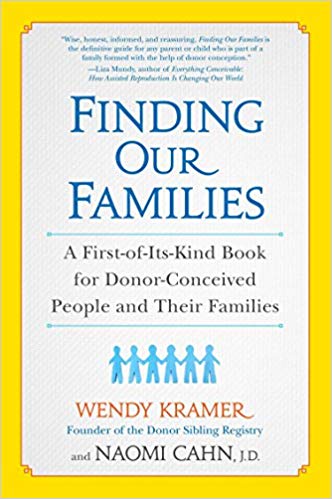
Finding Our Families: A First-of-Its-Kind Book for Donor-Conceived People and their Families
Millions of people have been born with the help of donor sperm or eggs, including Wendy Kramer’s son. Realizing the unique concerns of being or parenting a donor-conceived child, Kramer launched what would become the world’s largest database for connecting donor-conceived people, the Donor Sibling Registry (DSR).
Finding Our Families provides additional support for this growing community. With compassion and insight, the authors draw on extensive research to address situations families face throughout a donor-conceived child’s development, including the search for a biological parent or half-sibling and how to forge a healthy self-image.
"The book successfully honors its promise to deliver the tools necessary to help donor-conceived children discover and explore their genetic legacies.” —Publishers Weekly
| | | | | |
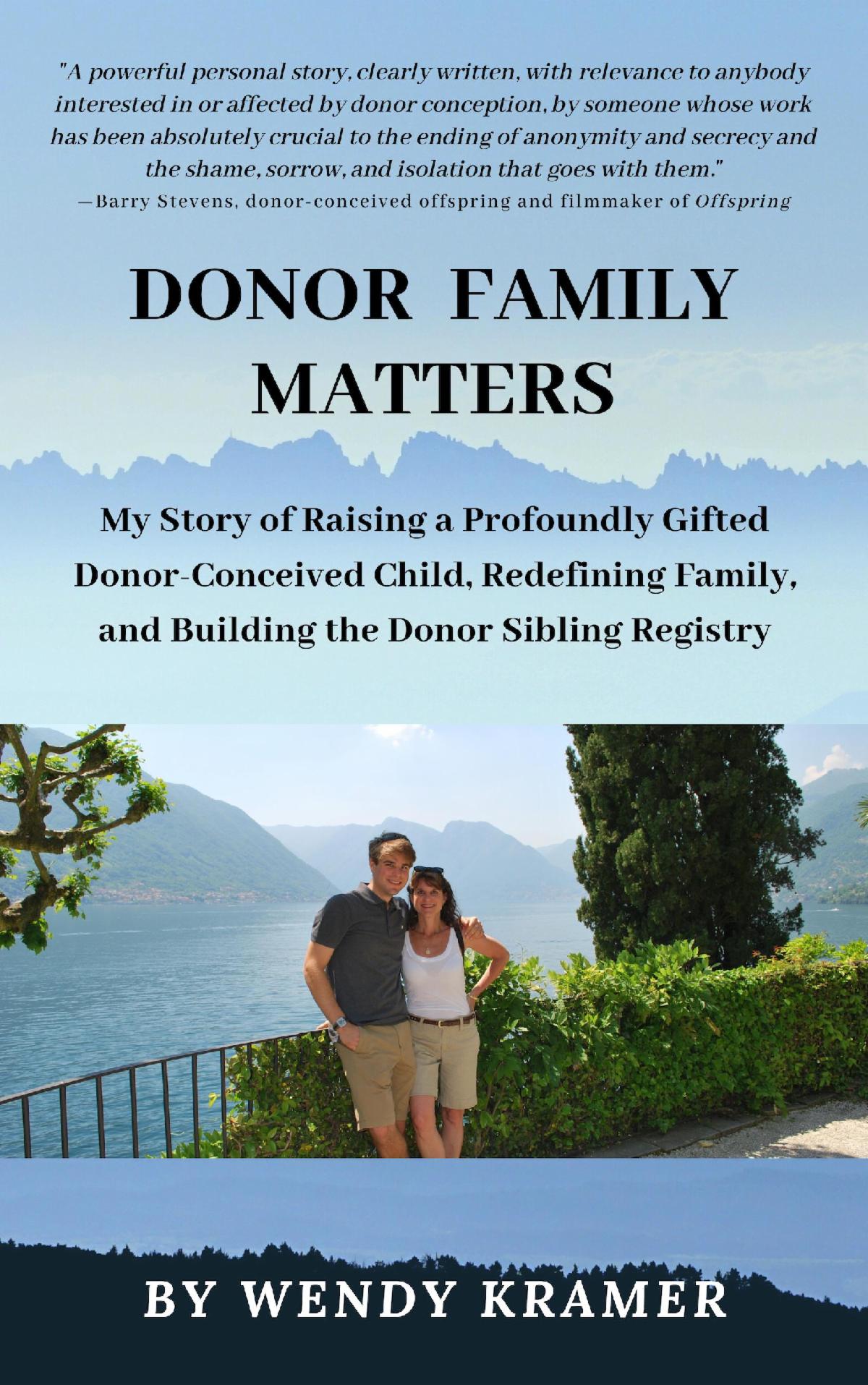
Donor Family Matters
The story of Wendy Kramer and her donor-conceived child, Ryan, who eventually found his biological father and [now 30] half-siblings. Wendy and Ryan created the Donor Sibling Registry, the world’s largest platform for mutual-consent contact of sperm, egg, and embryo donors, donor-conceived children and adults, and their parents.
Educate the child. Raise him or her without biases of any kind. Teach him or her to trust in others but to rely on self. Instill in him or her a sense of humor and the ability to enjoy life.”
Penned on a sperm bank intake form, these words of advice from Donor 1058 to the future recipients of his donations became a parental motto for one particular recipient, Wendy Kramer, who would go on to found the Donor Sibling Registry (DSR). With more than [104,000] members in 100+ countries, the DSR is the world’s largest platform for sperm, egg, and embryo donors, donor-conceived children and adults, and their parents to connect and share information through mutual consent contact. In her role with the DSR, Wendy has become a leading advocate for donor families and for reformation of the modern profit-driven donor conception industry.
| | | | | |