|
Volunteer Spotlight
This month we feature David Wilson who works with the Bloom Time team.
David is a freelance Computer Programmer and
amateur photographer. Growing up in the Glebe, he would often visit the arboretum for walks. Starting last year, he volunteered for the bloom time program, taking photos of trees in flower and organizing the data of the team into spreadsheets.
He is particularly interested in perennial plants and trees that produce edible fruits and nuts. Part of what makes perennial fruit plants so interesting is watching the gradual progression from flowers to fruits.
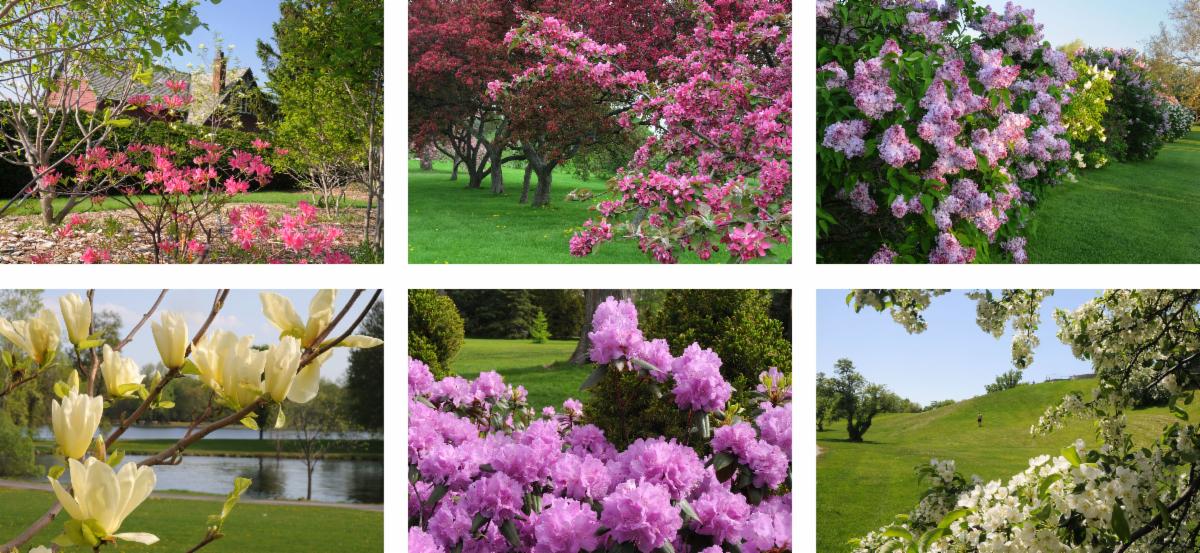
David notes that one of the best places to view this progression over the season is the Prunus garden to the east of buildings 72 and 134. Here, you can find a number of Prunus trees with beautiful flowers, some of which mature into edible fruit. Some of the most spectacular flowers belong to the Kuril Cherries, a flowering Cherry native to Northern Japan and neighbouring parts of Russia. There's also the small Nanking bush cherry, and the larger Wild Goose Plum, which matures to produce small, sour, ping-pong ball-sized plums.
For less traditional flowers, there's also the nearby nut grove, found just west across the roadway from the east lookout overlooking Dow's lake. Here, you can find several species of Walnuts and Hickories. The Hickory genus includes the pecan, along with the Shagbark Hickory, a delicious nut native to eastern Ontario.
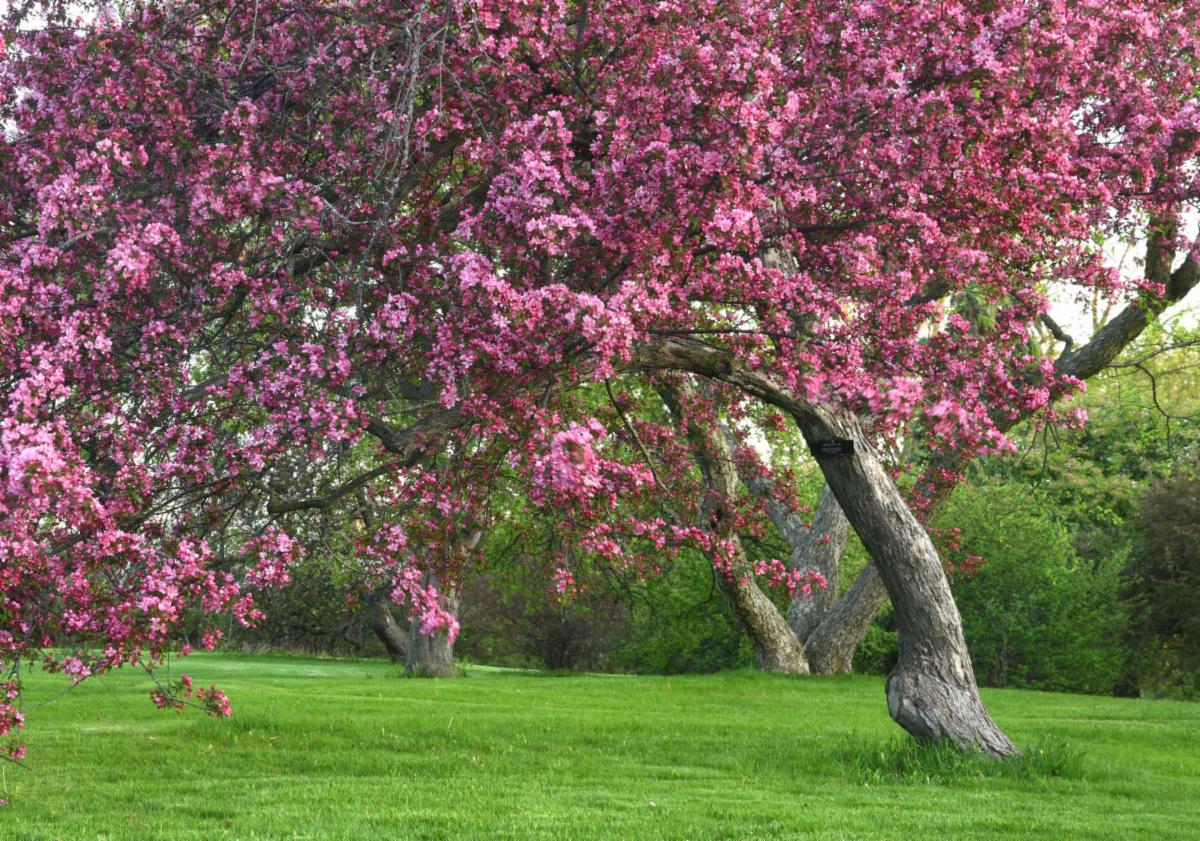
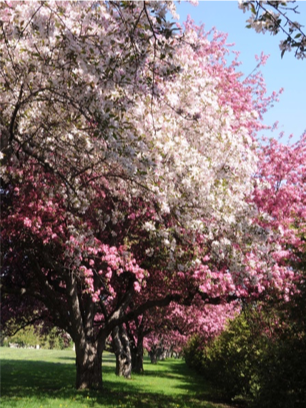
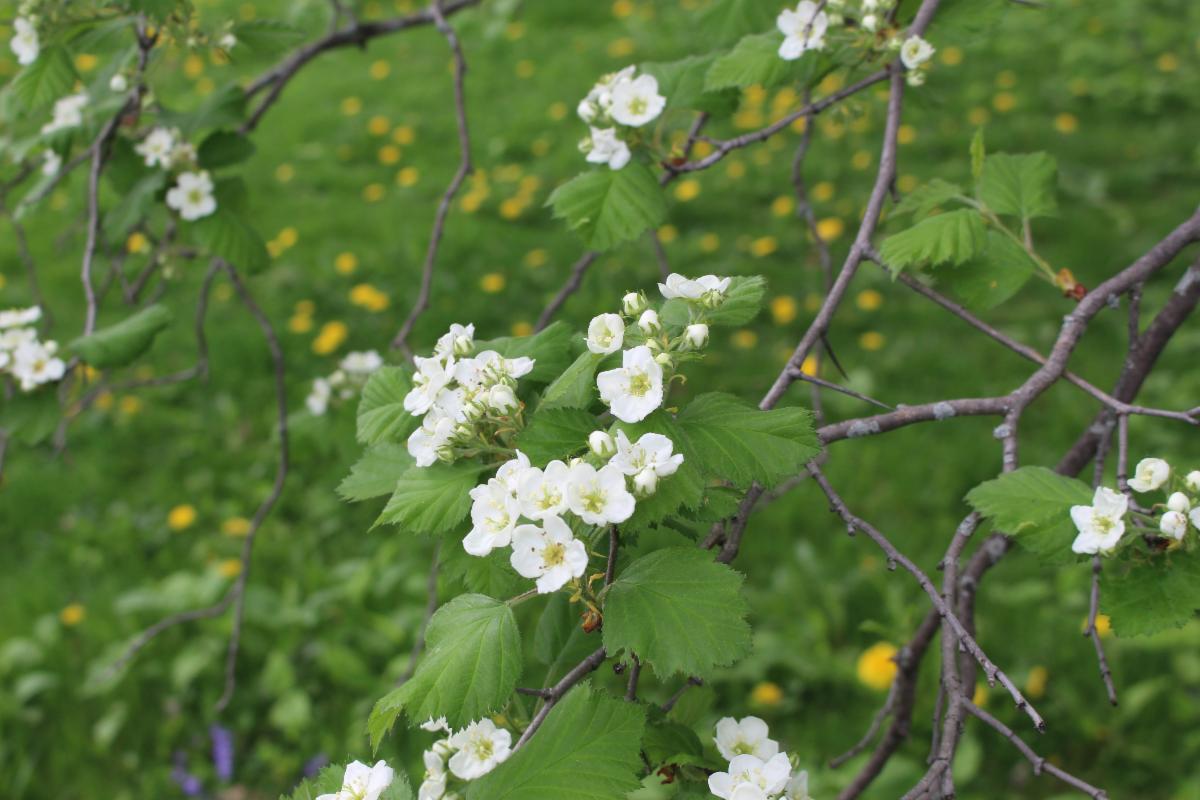
The crabapples that line Prince of Wales near the agricultural museum are a well known source of beautiful flowers in the Spring. You will also find several varieties of Hawthorn trees, some of which are native to our region along a pathway at the bottom of the hill below the south lookout. Most Hawthorns have white flowers similar to those of crabapples, maturing into small pomes that also look similar to crabapples.
|