|
May is Older Americans Month! Visit https://acl.gov/oam/older-americans-month for more information and for materials and sample social media posts and graphics. This month, we are also acknowledging National Foster Care Month and Mental Health Awareness Month.
This Older Americans Month, we are spotlighting Project Healthy Grandparents, one of the Network’s Exemplary Kinship Program designees. When grandparents step in to raise their grandchildren, they often put their own health last. Project Healthy Grandparents has worked for 30 years to change that by pairing families with nurses and social workers, building confidence, and breaking the cycle of stress that affects the whole family. When grandparent caregivers are supported, families are stronger across generations. Read more about how Project Healthy Grandparents is helping kin caregivers champion their health.
Please read on to learn about our latest resources and news, as well as other resources and news from around the field.
| | Join Us for Our Upcoming Virtual Events! | | |
Learning Community Session – Trauma Informed Case Studies with Dr. Mike Sherman
3:00 p.m. – 4:00 p.m. ET
Explore how traumatic life experiences can present in children, from newborns through teens, and participate in an interactive discussion on supportive strategies. To facilitate the interactive nature of this session, it will have a 100-person registration cap, so don’t wait to register!
| | |
"Office Hours" – Federal Nutrition Programs & Kinship/Grandfamilies Series: Summer Nutrition Programs
2:00 p.m. – 2:45 p.m. ET
Join Clarissa Hayes, Deputy Director, Child Nutrition Programs & Policy at the Food Research & Action Center, for an information and question-and-answer session on key topics related to the Summer Meals Program and Summer EBT. She’ll share tools and tips to help grandfamilies and kinship families access these programs and highlight how service providers can leverage federal dollars to provide meals to children and teens.
| | |
Webinar – Housing for Grandfamilies: A Rising Need
2:00 p.m. – 3:30 p.m. ET
In keeping with our practice, the webinar will be one hour, followed immediately by an open Q&A session that will last for half an hour.
The scarcity of safe, quality, affordable housing is a national dilemma that poses an additional challenge for older caregivers who are raising their grandchildren or other young relatives. Many housing units for older Americans do not allow minor-age tenants, forcing caregivers to find an all-too-rare alternative, often on short notice. As social service agencies and policymakers grapple with increasing demands for kinship/grandfamily housing, this webinar features two organizations that are filling that gap. Learn from their experiences in navigating the complex regulations, funding challenges, and program design intricacies required to bring a good idea to fruition and gain ideas to follow suit in addressing a dire and growing need.
| | |
Learning Community Session – Kin Caregiver Panel Discussion with Dr. Joseph Crumbley
2:00 p.m. – 3:00 p.m. ET
Join us for a panel discussion with kin caregivers sharing their perspectives on traumatic life experiences and how agencies can best support them and their families. To facilitate the interactive nature of this session, it will have a 100-person registration cap, so don’t wait to register!
| | |
Webinar – Strategies for Using Data to Prioritize Kinship Care
2:00 p.m. – 3:30 p.m. ET
In keeping with our practice, the webinar will be one hour, followed immediately by an open Q&A session that will last for half an hour.
This webinar is designed to support child welfare practitioners in using data to prioritize kinship care. Network Subject Matter Experts Noah Duncan and Jack Tait, both of Foster Insights, will draw on their experience with states across the country to discuss first steps for collecting and understanding kinship data, as well as using data to engage kin caregivers. Plan on leaving this session empowered to implement practical data strategies in your own agency.
| | |
Kinship news, resources, and events are available throughout the month, not just in our monthly newsletter. Follow our LinkedIn page to keep up with the latest kinship news between monthly issues of this newsletter.
| | What's New From the Network? | |
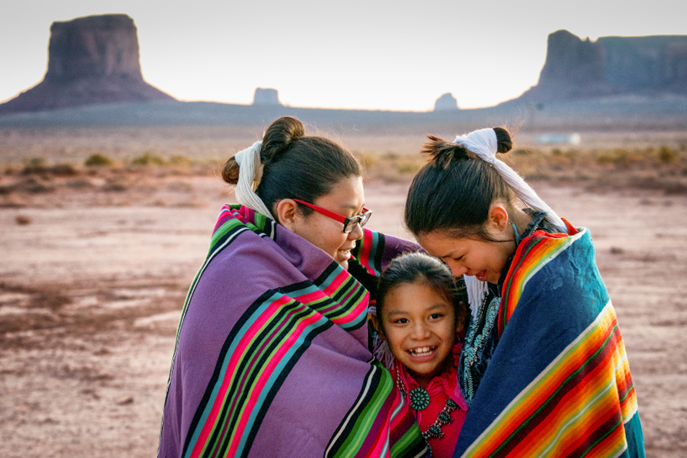
Honoring Native Kinship: A Brief on ICWA and Relative Caregivers
This resource, published in partnership with the National Indian Child Welfare Association (NICWA), discusses the Indian Child Welfare Act (ICWA) and other federal laws that support kinship care. It also explains the benefits of kinship care for all children and youth and the specific benefits for Native children. Later sections focus on the inequitable supports that are available to kinship families in comparison to licensed foster families and federal policy reforms that have begun to address these inequities.
| |
Representing Indian Children: What Judges and Attorneys Should Know About ICWA, Kinship, and Native Culture
This tip sheet, published in partnership with the American Bar Association Center on Children and the Law, describes the statutory requirements of the Indian Child Welfare Act (ICWA), the placement preferences in ICWA, and the benefits of continued Tribal connections.
| | |
|
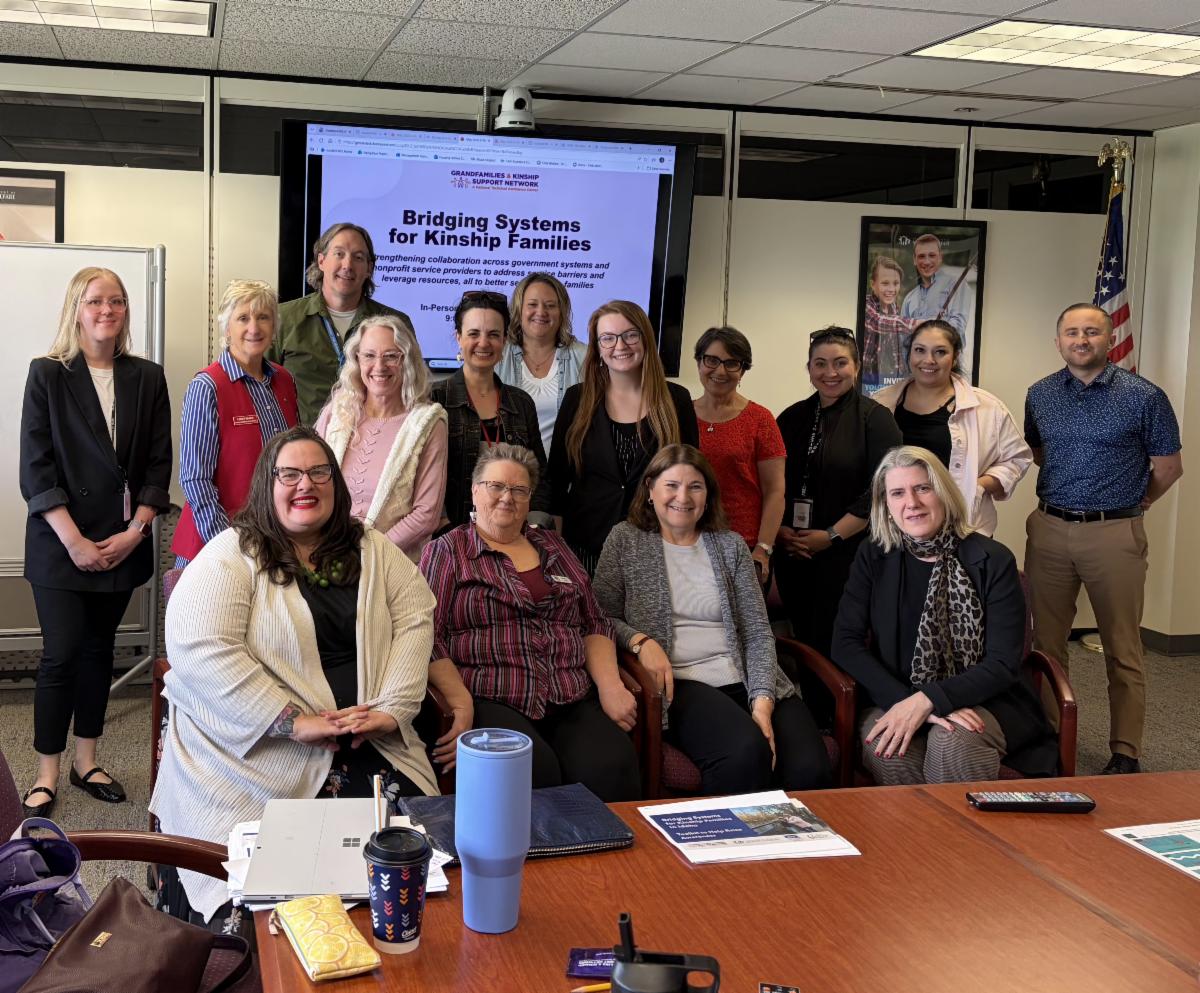
Network Director Ana Beltran and Assistant Director Melissa Devlin just returned from Boise, where they enjoyed productive meetings and celebrated the accomplishments of the Idaho Bridging Systems for Kinship Families team. Check out our LinkedIn post about this meeting to learn more!
| | Individual Assistance Spotlight | | | | The Network is responding free of charge to individual technical assistance (TA) requests from professionals who work in systems and organizations that serve kinship/grandfamilies. To request assistance on the array of issues impacting kinship/grandfamilies, please complete our request assistance form. | | |
We answer questions and respond to requests of all sizes. Some questions focus on a very specific topic and/or location, while others are much broader. Below, we share an example TA request and response. As is typical for this spotlight, the request below only required an email response. Many of our requests benefit from more intensive involvement from our TA team. We often host meetings with peers or other subject matter experts; review data and policies; and provide specific guidance to help enhance programs, implement policies, or otherwise improve services for kin.
Request
I’m working with a client who is a kin caregiver for her granddaughter and is also caring for her elderly mother. How can I best support her?
Response
It can be really challenging for a caregiver who is raising a child and caring for an older relative. These caregivers are often referred to as “the sandwich generation.” Check out our resource, Caring for Those Who Are Caring for Everyone: The Sandwich Generation, for tips to support this caregiver.
To make an individual request, please complete this form and we will get in touch.
| | We’ve just released a new impact brochure that describes our work and highlights the ways we have been supporting professionals like you for over four years. We encourage you to use it to get new ideas for how we can support your work with kinship families. Don’t forget that all of our help is free of charge! | | Presentations by the Network | | |
Our partners at USAging will be holding the Answers on Aging Conference and Tradeshow in San Diego from Saturday, July 18 through Thursday, July 21. Registration is still open. The conference agenda includes a pre-conference intensive called “Caregiving Summit: From Federal Initiatives to Local Innovations.” Generations United Executive Director Kristen Kiefer will be speaking on a panel as part of that session. On Sunday, July 19, Network Director Ana Beltran will present a workshop with USAging’s Leland Kiang and Lina Nasr of the County of San Diego Health and Human Services Agency, Aging & Independence Services. Their workshop is called “The Aging Network’s Support of Kinship Families: No-Cost Tips for Starting or Enhancing Services.”
| | What's New Around the Network? | | Upcoming Webinars and Opportunities | | |
-
Two Peer Learning Cohorts – The National Caregiver Support Collaborative is accepting expression of interest forms for two new peer learning cohorts. The topics are: “Building and Strengthening Community Partnerships” and “Leveraging Caregiver Assessment to Meet Caregiver Needs.” Eligible participant organizations include state units on aging, area agencies on aging, Title VI Programs, Tribes, local service providers, Native Hawaiian providers, kinship organizations, and disability service network providers. Expression of interest forms must be submitted by 8:00 p.m. ET on Wednesday, June 3.
- For Caregivers
- Generations United is launching a new opportunity for caregivers. Grandfamilies & Kinship University (GKU) is a national leadership and community impact program that empowers kin caregivers – including grandparents, close family friends, and other relatives raising children – to lead, connect, and create change in their communities. Through leadership training, peer support, funding, and community-based projects, participants will build skills and relationships to help them better support their own families and others like them. Applications are open through Monday, June 8.
| |
- The National Caregiver Support Collaborative has released Title VI Desk References, which are designed to help Native American Caregiver Support Program (NACSP) and National Family Caregiver Support Program (NFCSP) staff recognize and effectively support older family, kin, and Tribal caregivers. These Desk References provide an overview of Native American, Alaska Native, and Native Hawaiian family caregivers, how to identify them, and what supports are available to strengthen caregiving within these communities.
| |
Notable Funding Opportunities
(listed in order of application deadline)
| | | |
The National School Lunch Program Equipment Assistance Grant, previously provided on a non-competitive basis, will now be awarded through a competitive Request for Applications (RFA) process. There are 54 eligible entities, and they must develop and submit the RFA that they will use to competitively award subgrants to local education agencies, school food authorities, and schools. Applications are due by Thursday, May 28.
The Clark Fund of the Chichester DuPont Foundation focuses its national grantmaking on the environment, education, health care, and social services. The 2026 application deadline is Monday, June 1.
The Sprouts Healthy Communities Foundation offers a Growing Healthy Kids Grant and a Wellness Across the Lifespan Grant. Both support community-based programs. The application deadline for both grants is Monday, June 1.
Indian Child Welfare Act Title II Grants – Public Safety seek to support Indian organizations in the establishment and operation of off-reservation Indian child and family service programs. Applications are due by 11:59 p.m. ET on Tuesday, June 16.
The federal Rural Health and Safety Education (RHSE) Competitive Grants Program provides funding for community-based outreach education and extension programs at land-grant colleges and universities that provide individuals and families based in rural areas with education and information on health, wellness, and substance use prevention. The application deadline is Tuesday, June 23.
Bank of America Charitable Foundation is accepting applications for its Stable Housing and Empowering Communities grants. The application deadline is Monday, June 29.
The “A Home for Every Child” Innovation Challenge is accepting registration until Tuesday, June 30.
| | |
|
May 14, 2026, USA Today
This article is by investigative reporter Jayme Fraser, who has written several powerful stories about kinship families. The article links to resources from the Network and its operating organization, Generations United, while telling the story of a family in Ohio and the Vermillion Place development. Vermillion Place is a community of 26 duplexes for kinship families created as a result of a collaboration led by Dayton Children’s Hospital.
April 20, 2026
The Administration for Children and Families (ACF) in the U.S. Department of Health and Human Services has published an interactive map and resource hub to provide public access to both the status of state Title IV-E Prevention Plans and the full, approved plans. Title IV-E Prevention Plans allow states and Tribes to use federal funding for prevention services, aiming to keep children safely in their homes and avoiding unnecessary foster care. By reviewing the evidence-based services from the Title IV-E Prevention Services Clearinghouse, states can get ideas for their own services and use language from other state plans. When a state adopts substantially similar language for an already approved service, ACF intends to support a streamlined, expedited review process.
April 14, 2026, KFF Health News
Kinship/grandfamilies can form as a result of parental immigration detention. This article discusses what can happen to children when their parents are detained and how some states are responding and trying to keep children out of foster care by enacting or amending laws concerning minor guardianships.
|
| |
Please follow the Grandfamilies & Kinship Support Network on LinkedIn here! |
|  |
All of our previous newsletters are linked on our website, so you can access them anytime. |
| Did you receive this newsletter as a forwarded email? You can sign up to get it in your inbox every month! | | |
The Grandfamilies & Kinship Support Network is the only national technical assistance center for those who serve grandfamilies and kinship families. It was created to help guide lasting, systemic reforms. The Network is a new way to collaborate, to work across jurisdictional and systemic boundaries, to eliminate silos, and to help one another and be helped in return. Thank you for being part of it.
We'd love to hear from you! Please send any feedback on this newsletter to mweiss@gu.org.
| | |
The Network is supported by the Administration for Community Living (ACL), U.S. Department of Health and Human Services (HHS) as part of a financial assistance award totaling $9,950,000 with 95 percentage funded by ACL/HHS and $523,684 and 5 percentage funded by non-government sources. The contents are those of the authors and do not necessarily represent the official views of, nor an endorsement, by ACL/HHS, or the U.S. Government.
|
| | | |