|
Dear Community:
As we observe Mental Health Awareness Month this month, we have a vital opportunity to stand with our community and show that no one struggles alone. Mental health is foundational to our overall well-being, yet systemic barriers persist. A new report from the Commonwealth Fund starkly illustrates this reality, breaking down health disparities by race for every single state. The data reveals substantial healthcare disparities between white populations and Black, Latino, and American Indian/Alaska Native communities nationwide. This report documents that our nation has made far too little progress in closing these deeply entrenched inequities.
We cannot wait for a broken system to heal us. We must champion change, advocate for accessible mental and physical healthcare, and fiercely support one another. Now, more than ever, we must embrace our core belief: We Must Save Us.
Next up on our calendar is the next session in our Caregivers Support Series on May 16. When you’re responsible for an adult who’s 60+ years old, you’re likely left to handle some or all of their responsibilities. Caregiving takes a toll, and that’s where we come in. Check out the details below and sign up for this free session today.
Blessings to all of you for a safe and healthy week ahead.
Renee Mahaffey Harris
President & CEO
| |
Study Links Childhood Adversity, Heart Disease Risk in Adulthood
Lifestyle, environment, and genetics can shape heart disease risk, but a new study from UConn researchers explores how negative childhood incidents impact heart health in adulthood. Ryan Talbert and Raja Staggers-Hakim, both assistant professors of sociology, and Jolaade Kalinowski, an assistant professor of human development and family sciences, published findings from a pilot study supported by UConn’s Institute for Collaboration on Health, Intervention, and Policy (InCHIP) in the peer-reviewed journal Ethnicity and Health that explores the link between heart disease and harmful childhood experiences, like abuse, neglect, household substance abuse or mental illness, among Black Americans.
Talbert, Staggers-Hakim, and Kalinowski are all researchers who have expertise in stress, health, and health disparities research, investigating the effects systemic racism, white supremacy, and anti-Blackness on health. Their initial InCHIP-supported study looked at the effects of police violence on mental health for Black Americans. As the team progressed in the project, they wanted to also capture additional adverse experiences happening in childhood to understand their effects on health later in life.
|
Obesity Disparities, Stigma, and the Case for Systemic Change
In part 2 of her conversation with The American Journal of Managed Care® (AJMC®), Fatima Cody Stanford, MD, MPH, MPA, obesity medicine physician at Massachusetts General Hospital and associate professor of medicine and pediatrics at Harvard Medical School, turns to the systemic forces that shape who gets treated and who gets left behind.
She examines why minoritized populations carry the highest burden of obesity yet face the steepest barriers to emerging therapies. Stanford also explores what it will take for payers and policymakers to fund treatment with the same consistency they apply to other chronic diseases and why the health care system's own bias problem may be the hardest obstacle to overcome.
| |
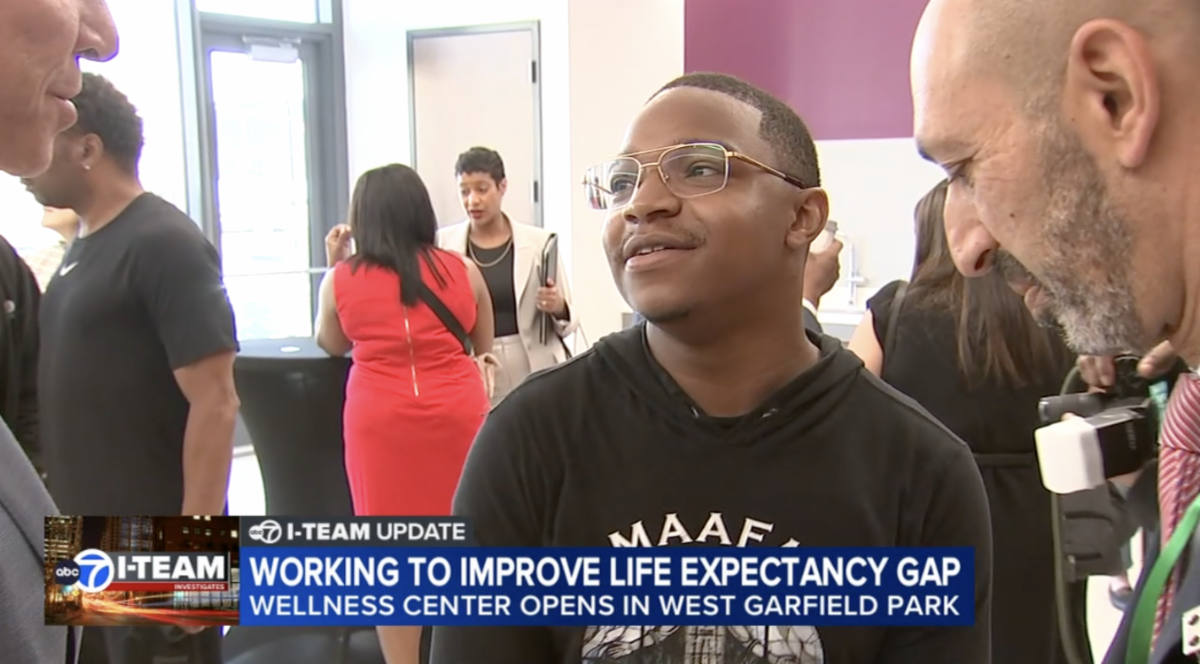
How community, healthcare groups work to improve Chicago's life expectancy gap
Depending on your ZIP code, your life span can vary by decades. We reconnected with a West Garfield Park man, who six years after our first meeting, is making it his mission to help residents in his neighborhood live longer.
"I'll be the first person you see when you walk into the Sankofa Wellness Village, a familiar face," Pitts told the I-Team. "I always wanted something safer for my community. Growing up in West Garfield Park, we experienced violence, and I lost a lot of friends, and that influenced me to think of something that could be home for them, a safe place, safe haven, so to speak. This was a dream and just became reality. It still seems surreal to me."
It's part of a concerted push by community groups and healthcare institutions, such as Rush University Medical Center, to cut the life expectancy gap in the city in half by 2030.
|
National Institutes of Health Grant Terminations Disproportionately Impact Minority Scientists
Researchers from University of California San Diego Herbert Wertheim School of Public Health and Human Longevity Science have found that recent federal grant terminations targeting research on health equity and gender identity have disproportionately affected scientists from the very communities those studies aim to support. The findings were published May 5, 2026 in The Lancet Regional Health – Americas.
“These grant terminations didn’t just disrupt specific research projects, they also disrupted the careers of many scientists who study the health of marginalized communities,” said Rebecca Fielding-Miller, MSPH, PhD, associate professor at the UC San Diego Herbert Wertheim School of Public Health and Human Longevity Science and senior author of the study. “When funding for these topics disappears, the researchers with the deepest expertise in them are often the ones most directly affected.”
The NIH is the world’s largest public funder of biomedical research, investing roughly $47 billion annually. Because of the scale of this investment, American research priorities help shape the direction of health science innovations globally. Between January and May 2025, the NIH terminated more than 2,000 research grants after shifting agency priorities. Many of the affected grants focused on health disparities, including research related to BIPOC communities and sexual and gender minorities. In addition, about 600 grants were canceled through institution-wide actions aimed at addressing alleged campus antisemitism.
|
DEI Bans Won’t Erase Health Disparities
True diversity and inclusion are not ideological luxuries; they are practical necessities. A diverse physician workforce improves cultural competence, enhances patient trust, and leads to better clinical outcomes. Inclusive research practices ensure that findings are generalizable across populations, reducing disparities in diagnosis and treatment. When policies restrict efforts to achieve such diversity — whether by limiting admissions considerations or discouraging targeted recruitment — they risk undermining both medical care and public health.
Health outcome disparities remain stark, and efforts to address them require both scientific rigor and social awareness.
Because patients do not enter the clinic with the same baseline of resources or vulnerabilities, treating everyone identically often perpetuates existing disparities. Addressing equity is not a political add-on, but a fundamental requirement for the integrity and efficacy of our healthcare system.
|
Federal Policy Changes Are Likely to Deepen Racial Health Gaps
A new report from the Commonwealth Fund breaks down health disparities by race for every state in the United States. All states showed substantial healthcare disparities between white and Black, Latino and American Indian/Alaska Native communities.
“This report continues to document the fact that health inequities exist, that we as a nation have made little progress closing those inequities that numerous research studies have helped us better understand,” Georges Benjamin, CEO of the American Public Health Association, told STAT News.
The Affordable Care Act (ACA) expanded Medicaid coverage for adults with incomes up to 138% of the federal poverty level. However, some states did not adopt the policy. In 2022, South Dakota and North Carolina extended Medicaid coverage, joining 38 other states and Washington, DC, in lowering uninsurance rates. Georgia, a state that did not extend coverage under ACA, in July 2023 implemented the Pathways to Coverage waiver program motion capture performances, which granted coverage to adults earning up to 100% of the federal poverty level who were not eligible for traditional Medicaid.
|
How to Address Inequalities in Access Driven by Lack of Specialist Knowledge
The 2026 Advanced Prostate Cancer Consensus Conference (APCCC) meeting featured a session discussing how we ensure everyone gets the best possible care in different contexts and a presentation by Dr. Stacy Loeb discussing how to address inequalities in access driven by a lack of specialist knowledge.
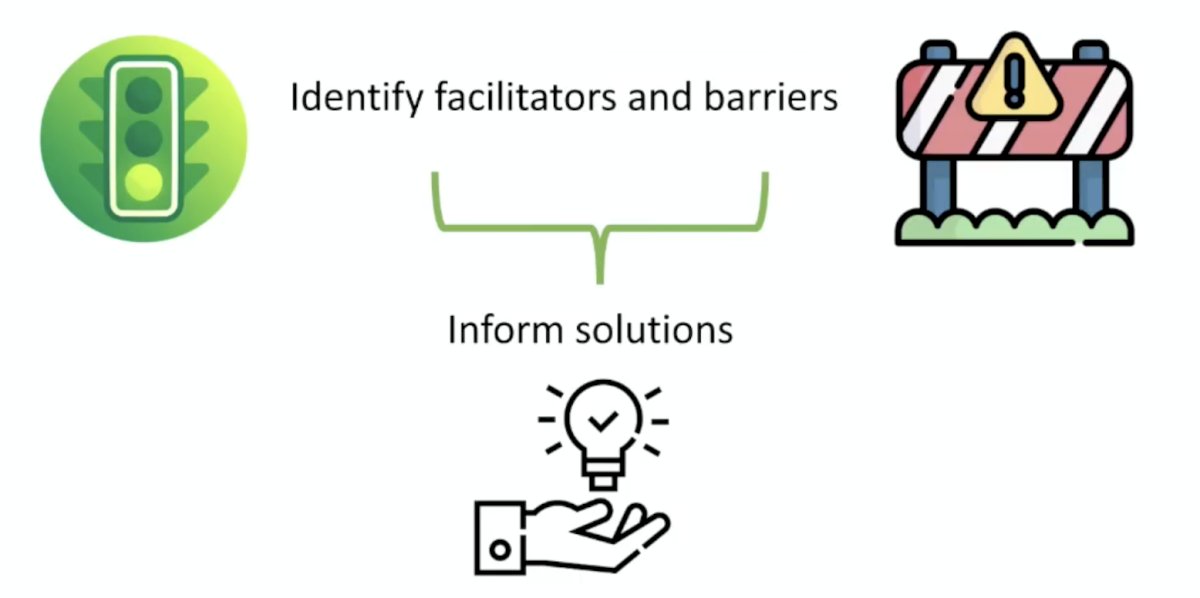
Up to 85% of patients with cancer are treated in non-specialist centers, with significant challenges for providers working across multiple sites (ie, oncological, geographical). This results in inequalities in guideline-concordant care. Ultimately, where you are treated should not determine the quality of care or outcomes. Dr. Loeb emphasized that it is important to identify facilitators and barriers in order to inform solutions and close the gap using implementation science.
| | | | |