May E-News

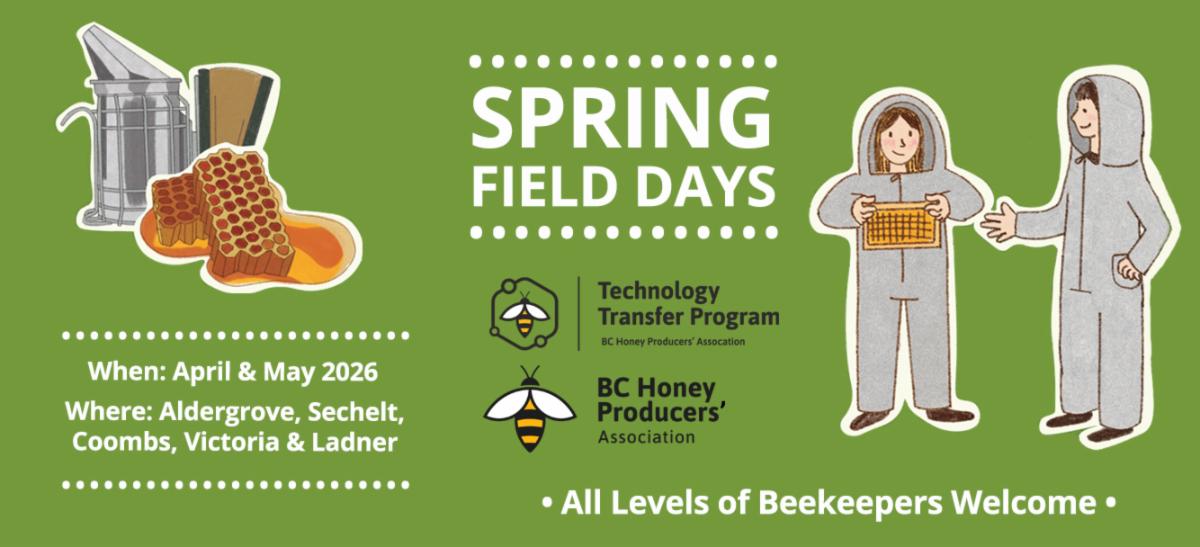
Last Chance - Ladner
Setting you up for a successful season

Locations & Dates:

Aldergrove • Saturday, April 11 - Completed

Sechelt • Sunday, April 19 - Completed

Coombs • Saturday, April 25 - Completed

Victoria • Sunday, April 26 - Completed

Ladner • Saturday, May 23


MARK YOUR CALENDAR

Our fall AGM, Conference and Trade Show is planned for

October 23-25, 2026

Coast Bastion Hotel, Nanaimo, BC


- - - - Registration will open in later in May - - - -


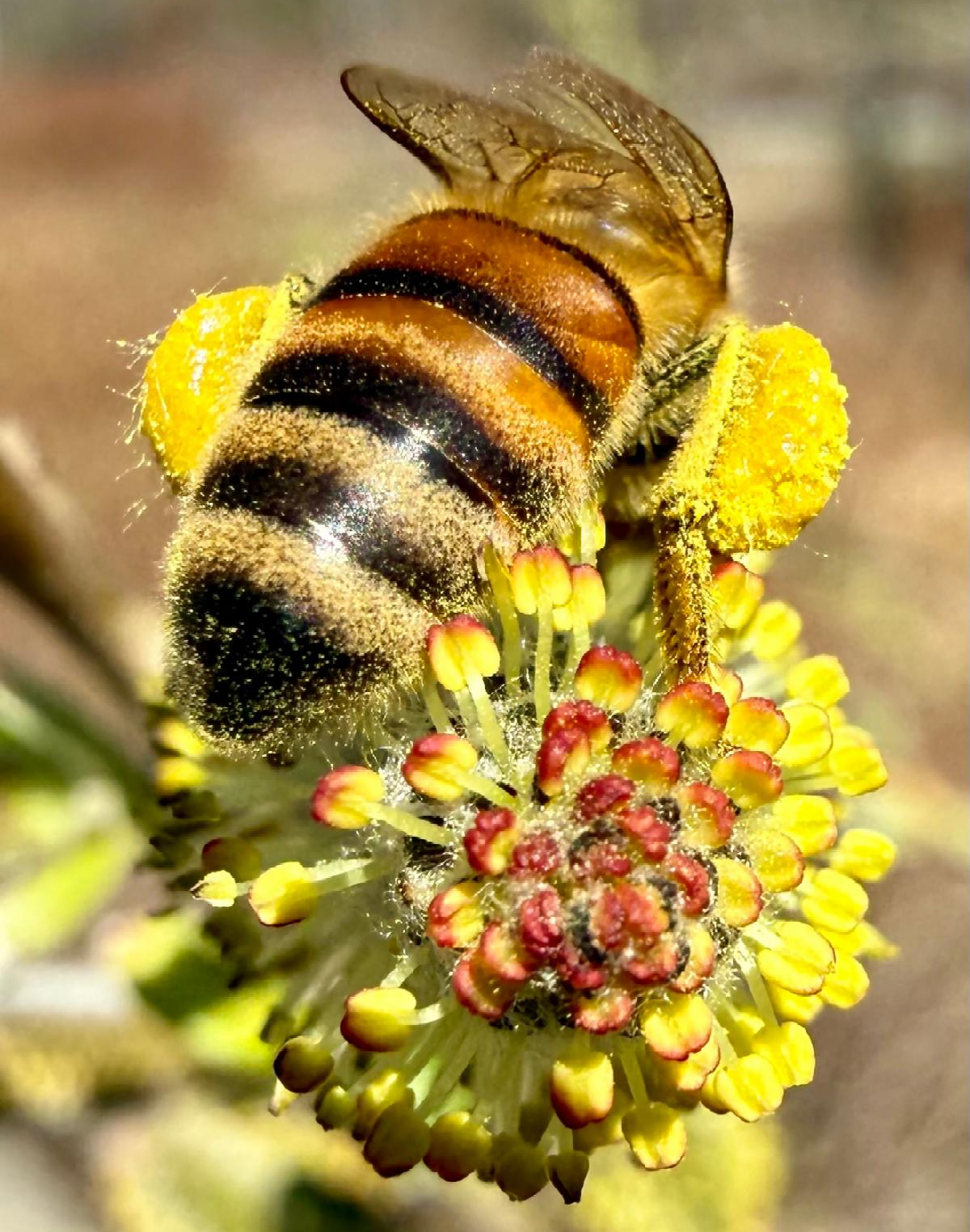
Photo of the Month

Foraging for willow pollen. Photo by Christine McDonald of Terrace, BC

Research Updates

Waggle-photo-Bell-1200-628-3-17-26 image

Interactions between the gut parasite Nosema ceranae and multiple stressors in the honeybee Apis mellifera

his review synthesizes current knowledge on the combined effects of N. ceranae infection with pesticides, co-infecting parasites and pathogens, as well as major modulating factors, including nutritional status, climatic conditions and beekeeping practices. 

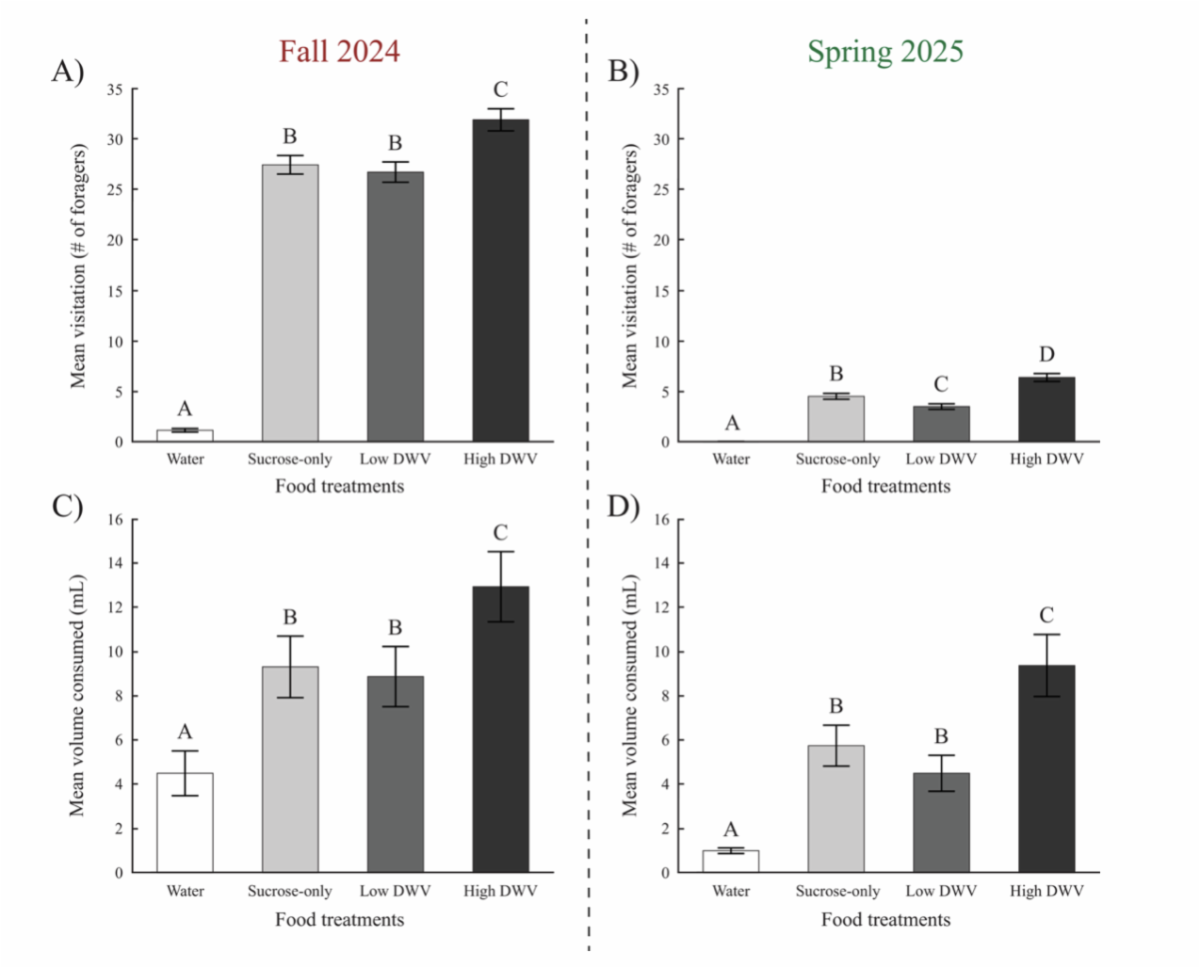
Attraction versus avoidance: honeybees vary in response to virus-contaminated food

In cage trials, nurse-aged bees generally preferred unadulterated sucrose solution in the summer, but showed a significant preference for virus-spiked solutions containing deformed wing virus (DWV), black queen cell virus or chronic bee paralysis virus in the fall. In field trials, forager bees exhibited significantly higher visitation to, and consumption of, sucrose solutions with high concentrations of DWV compared to low DWV or virus-free controls in both the spring and fall.

Honeybees Can Process Numerical Information, New Study Confirms | Sci.News

A new analysis of honeybee vision suggests their ability to distinguish quantities is not a trick of visual patterns, but evidence of genuine numerical cognition shaped by how their brains see the world.

Bees in the News

FULL INTERVIEW: Warm winter is changing how honeybees pollinate in Southern Colorado this year

FULL INTERVIEW: Warm winter is changing how honeybees pollinate in Southern Colorado this year

It's OK to love all the bees (the honey bees, too)

The accusations you might have heard about nonnative honey bees aren't backed up by evidence. In fact, there are plenty of ways bees make the world a better place.

From the TTP

Facebook  Instagram

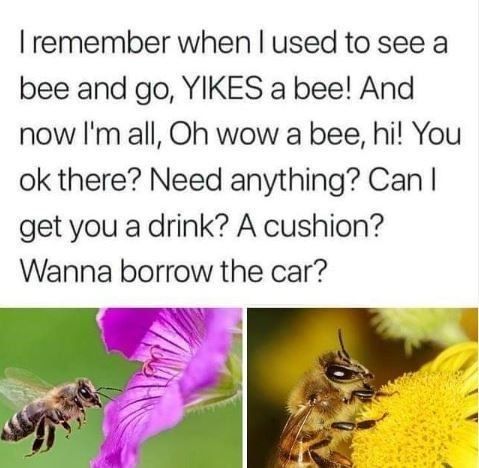
Just for Fun