Greenwich Sustainability Committee
COMMUNITY NEWS
Advancing sustainability and climate resiliency
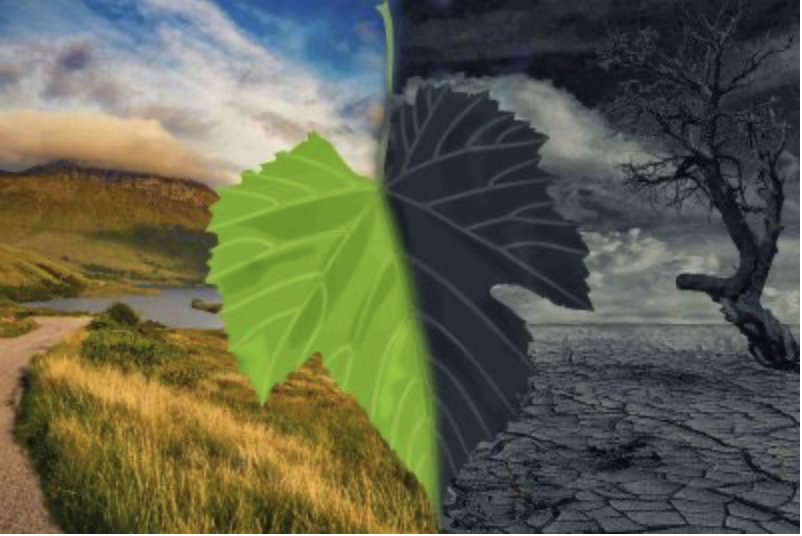
| | O N E • P L A N E T • O N E • C H A N C E | | Established in late 2019, the Greenwich Sustainability Committee encourages the adoption of sustainable practices through the promotion of the goals established in the 2019 Greenwich Plan of Conservation and Development and the actions outlined for Sustainable CT certification. The GSC consists of committed volunteer residents working closely with town staff and government officials to advocate for a community-wide strategy to safeguard a healthy, high-functioning ecosystem for the benefit of all current and future residents. It communicates, educates, collaborates and advocates for a more engaged, just and sustainable community and promotes equity, diversity and inclusion in all its actions. You can view the report HERE. | | |
Thinking About a Renovation or Addition? Build Smarter with Sustainable Design
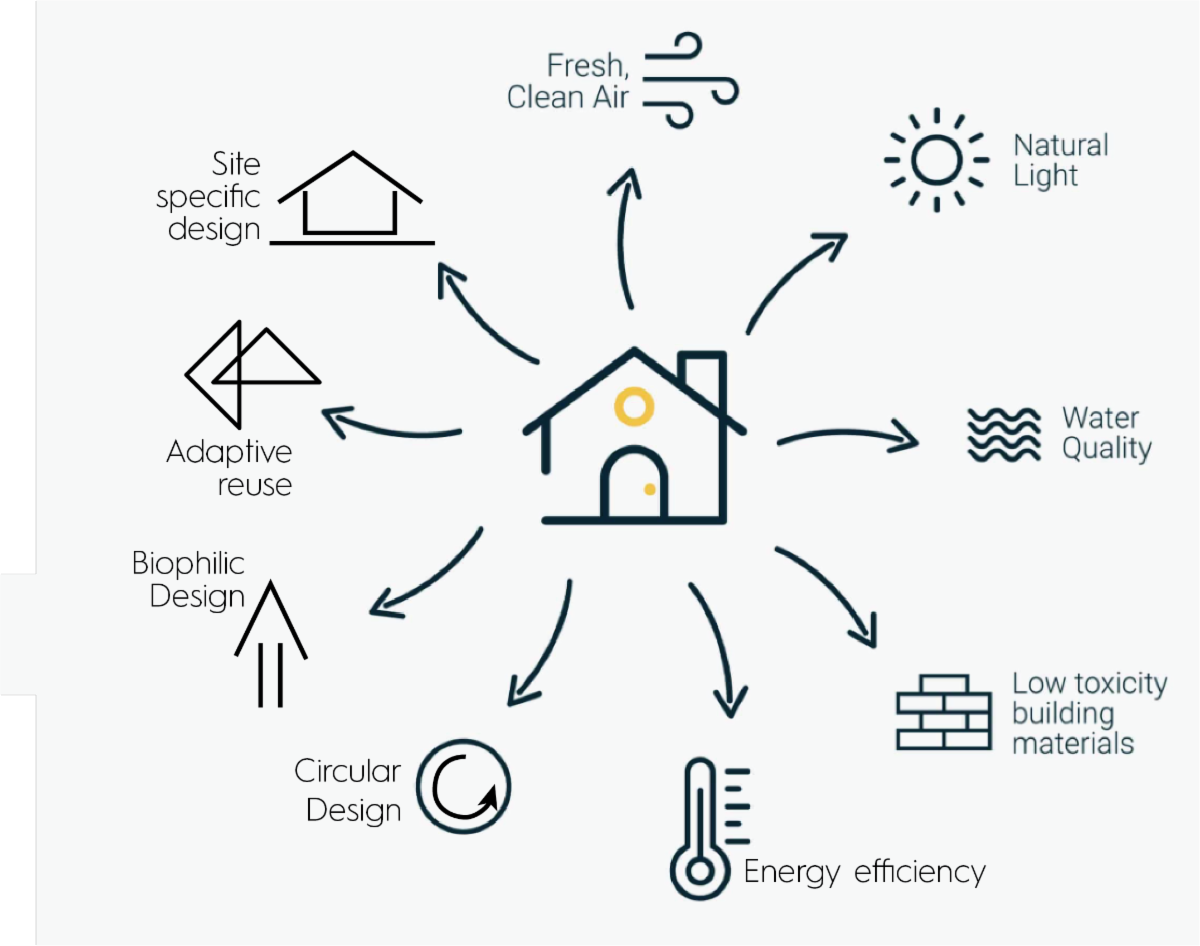
Whether you're planning a kitchen remodel, adding a home office, or dreaming of a sunroom, renovation is the perfect time to make sustainable choices that benefit your family, your wallet, and the planet.
Sustainable architecture isn't about “green” buzzwords. It’s about designing a home that functions better—more efficient, more durable, healthier to live in, and less wasteful to build. HERE are seven powerful strategies to consider as you plan your project.
| | |
Where Have All the Bugs Gone?
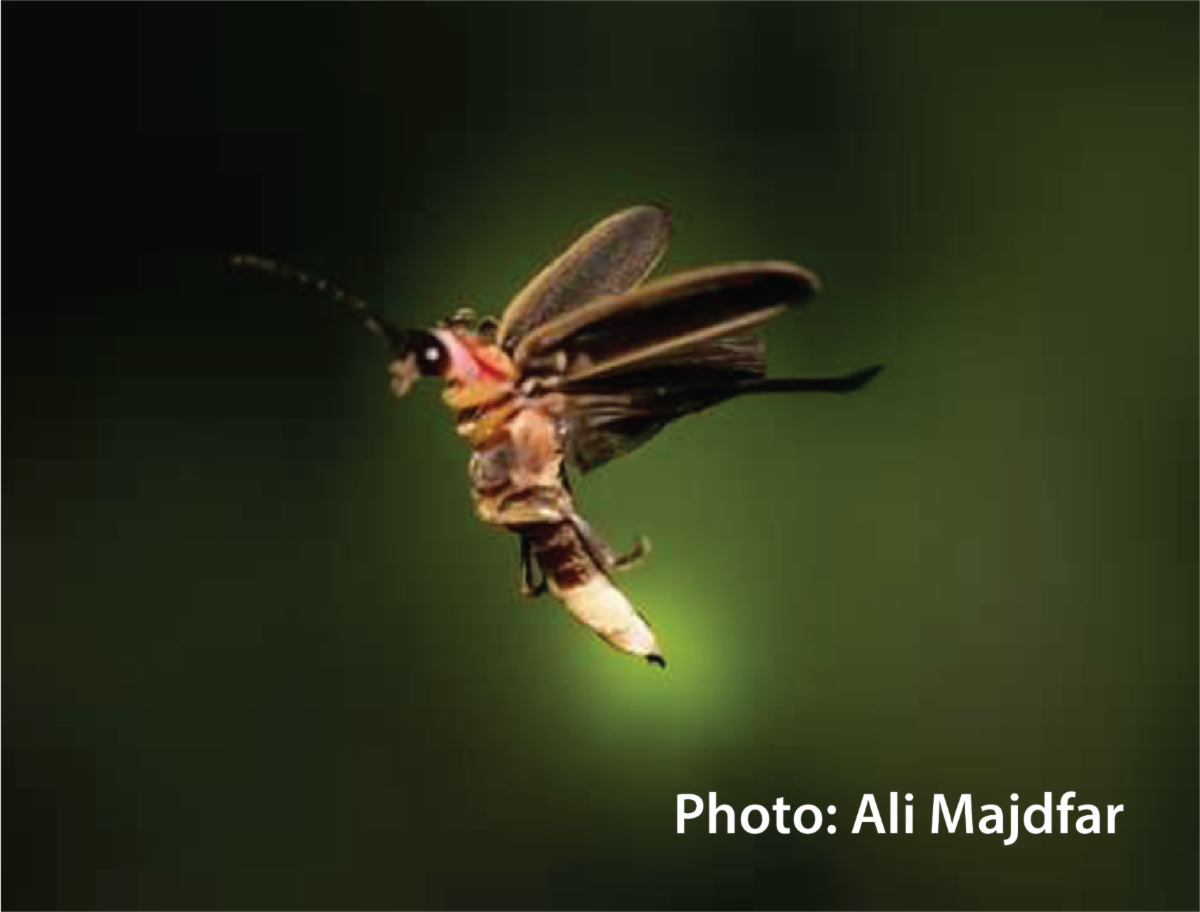
If you've noticed that your windshield no longer ends summer drives covered in smashed bugs, you're not imagining it. Scientists refer to this as the "windshield phenomenon," a visible sign of a deeper, alarming trend: a dramatic decline in insect populations across the United States—and around the world.
Insects play a massive role in our ecosystems. They pollinate crops and 80 percent of all flowering plants worldwide. They break down organic matter, feed birds and fish, and keep ecosystems in balance. Their decline has far-reaching consequences—from food production to biodiversity and climate regulation. Many insects, particularly soil-dwelling beetles, ants, and decomposers like flies, are essential to carbon cycling. They help break down organic material, improve soil structure, and support plant growth—all of which contribute to the health of forests and grasslands that act as carbon sinks. Learn more HERE.
| | |
Touching the Past and Sharing Local History
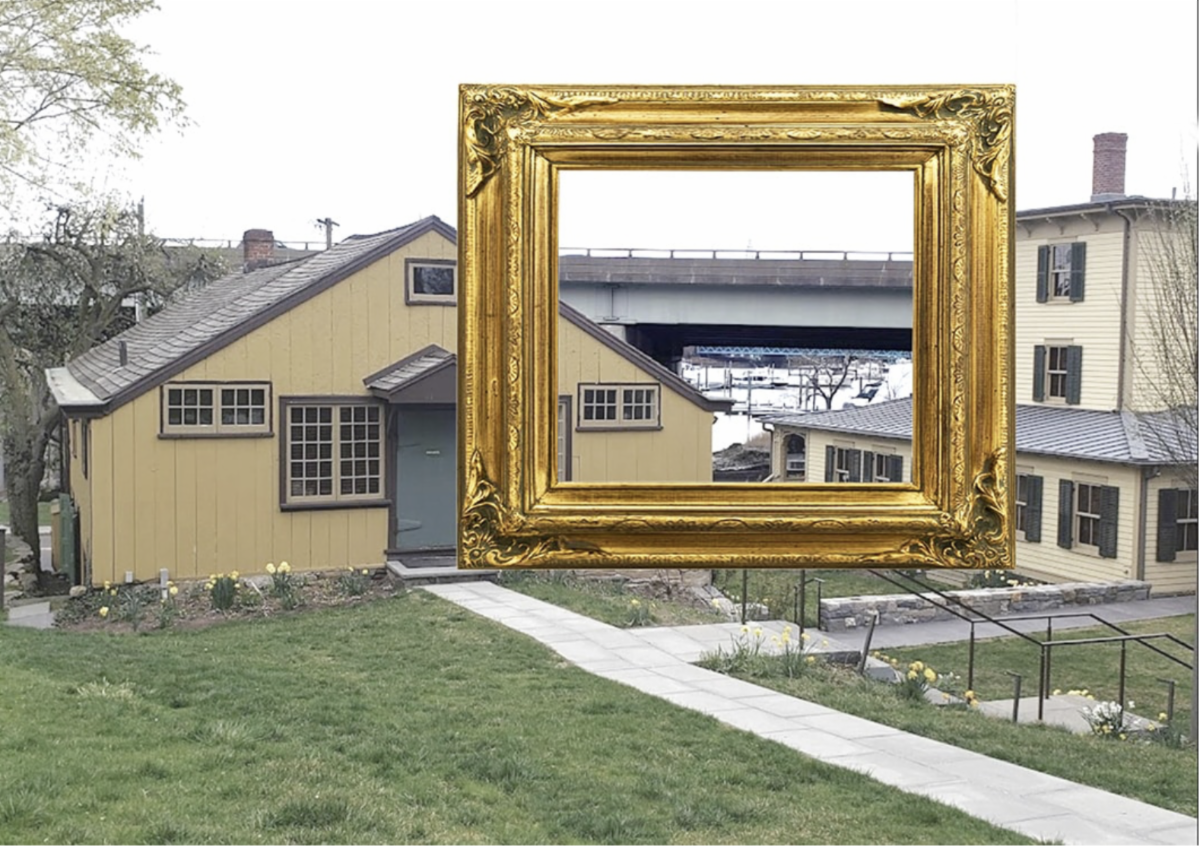
A unique public art project is bringing history to life along Greenwich Avenue. Artist Aaron Asis, in collaboration with the Greenwich Historical Society, has installed four large-scale murals featuring historic black-and-white photographs of the Avenue’s past. These murals, strategically placed on buildings such as Bestever Cleaners and Starbucks, are designed as “peek-a-boo” discoveries for pedestrians, encouraging exploration and reflection. Each mural includes a historic quote and a QR code linking to more information, blending art with education to foster a deeper connection to the town’s heritage. This initiative aligns with the Greenwich Arts Council Art to the Avenue program, which celebrates local artists and merchants through May 26, reviving a cherished community tradition. Find out more HERE..
| | |
Critical USDA Program Cuts Undermine CT’s Local Food System: Schools, Food Banks, and Farmers at Risk
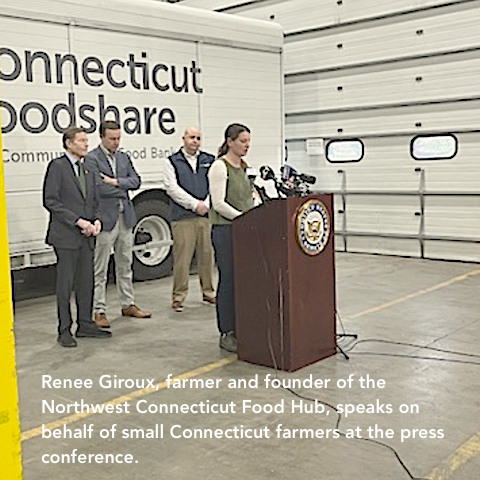
Two critically important USDA programs that supported farm to school and farm to pantry were cancelled earlier this spring. The programs benefitted Greenwich Public School students and Greenwich residents experiencing food insecurity. The Local Food For Schools Cooperative Agreement Program and the Local Food Purchase Assistance Cooperative Agreement Program enabled schools and food banks to purchase nutritious locally grown foods while boosting Connecticut's agricultural economy and strengthening the regional food supply chain. Regionalizing our food system was part of the Biden administrations ‘Food System Transformation Framework’, a robust agenda to build a resilient food supply chain while reducing carbon pollution. Food System Sector Chairs Ali Ghiorse and Karen Saggese co-wrote a Letter To The Editor in which they breakdown the implications of the program cancellations. Dive in HERE.
| | |
Real Invaders: Non-Native Plant Species
In the woodlands, roadsides, and even our gardens across southern Connecticut, invasive plant species are silently but aggressively changing the natural landscape. As stewards of their natural environment, homeowners play a critical role in halting their spread.
What Is an Invasive Plant Species?
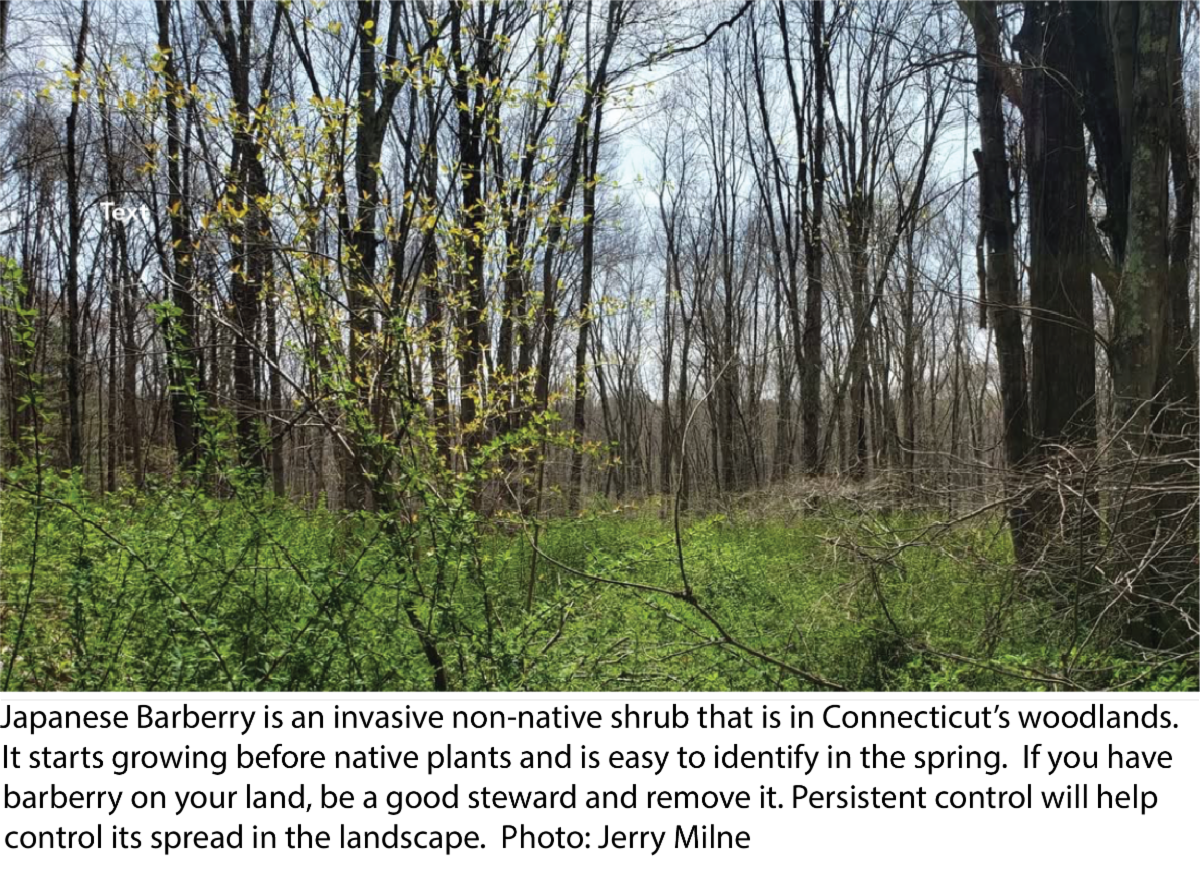
An invasive plant is a non-native species that spreads rapidly and aggressively, outcompeting native vegetation. These species often leaf out earlier than native species and are prolific in their production of seed. Many release chemicals that repel nearby plants and sometimes prevent them from growing. In Connecticut, invasive plants degrade habitat for birds, pollinators, and other wildlife, alter soil chemistry, and disrupt natural ecological processes by spreading quickly and affecting species up the food chain. Learn about Five Common Invasive Plants in Our Region HERE.
| | |
Neonic Pesticide Update
Urgent: Please contact your state legislators urging them to support the current version of neonic pesticide limits in SB9 without carve-outs for K-8 school grounds!
Connecticut’s 15-year law protecting children’s schools and playgrounds from toxic pesticides will be rolled back unless we speak up!
You may not have been aware of this law, but CT children have been protected from neurotoxic and carcinogenic chemical exposure thanks to a pesticide ban on K-8 school grounds. While a new, meaningful bill on insecticides, SB9, that supports healthier communities, safeguards water quality and protects pollinators is advancing in Hartford, lobbyists are pushing to add a carve-out to the 15-year ban on pesticide use on K-8 school grounds for another toxic pesticide.
Please contact your legislators as soon as possible! Learn more HERE.
| | |
Saving Wildlife on the Move
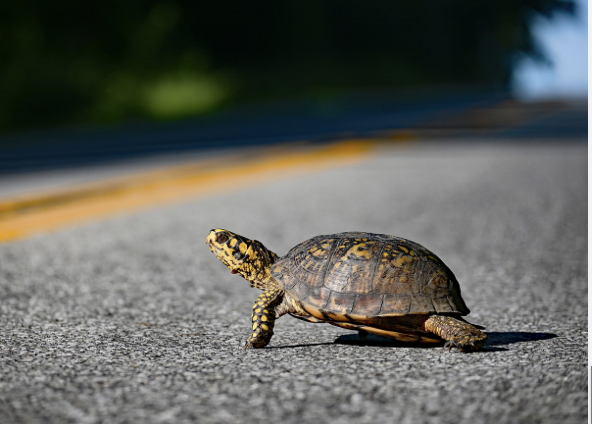
Every spring and summer, Connecticut’s roads become hazardous pathways for wildlife. From slow-moving turtles to wide-ranging mammals like foxes, deer, and bobcats, animals risk—and often lose—their lives while attempting to cross roads that divide their habitats. Wildlife crossings and other road-safe design features can make a huge difference.
Turtles Are Especially at Risk
Of all wildlife affected by roads, turtles may be the most vulnerable. They are slow-moving, often cross roads to nest in sandy shoulders, and their shells offer little protection against vehicles. Road mortality is now a leading threat to Connecticut’s native turtle species — Eastern Box Turtle, Snapping Turtle, Painted Turtle, Wood Turtle (state species of special concern), and Spotted Turtle (threatened). Female turtles crossing roads to lay eggs are particularly at risk, and when they are killed, entire generations are lost.
Help Turtles Safely Cross the Road
-
Always keep your own safety in mind and watch out for oncoming vehicles.
- Gently move the turtle in the direction it’s heading.
- Carry it by the sides of its shell (never the tail).
- Never relocate a turtle—it must remain in its home territory.
Learn more HERE.
| | |
Help for Unwanted Textiles/Clothes at Home
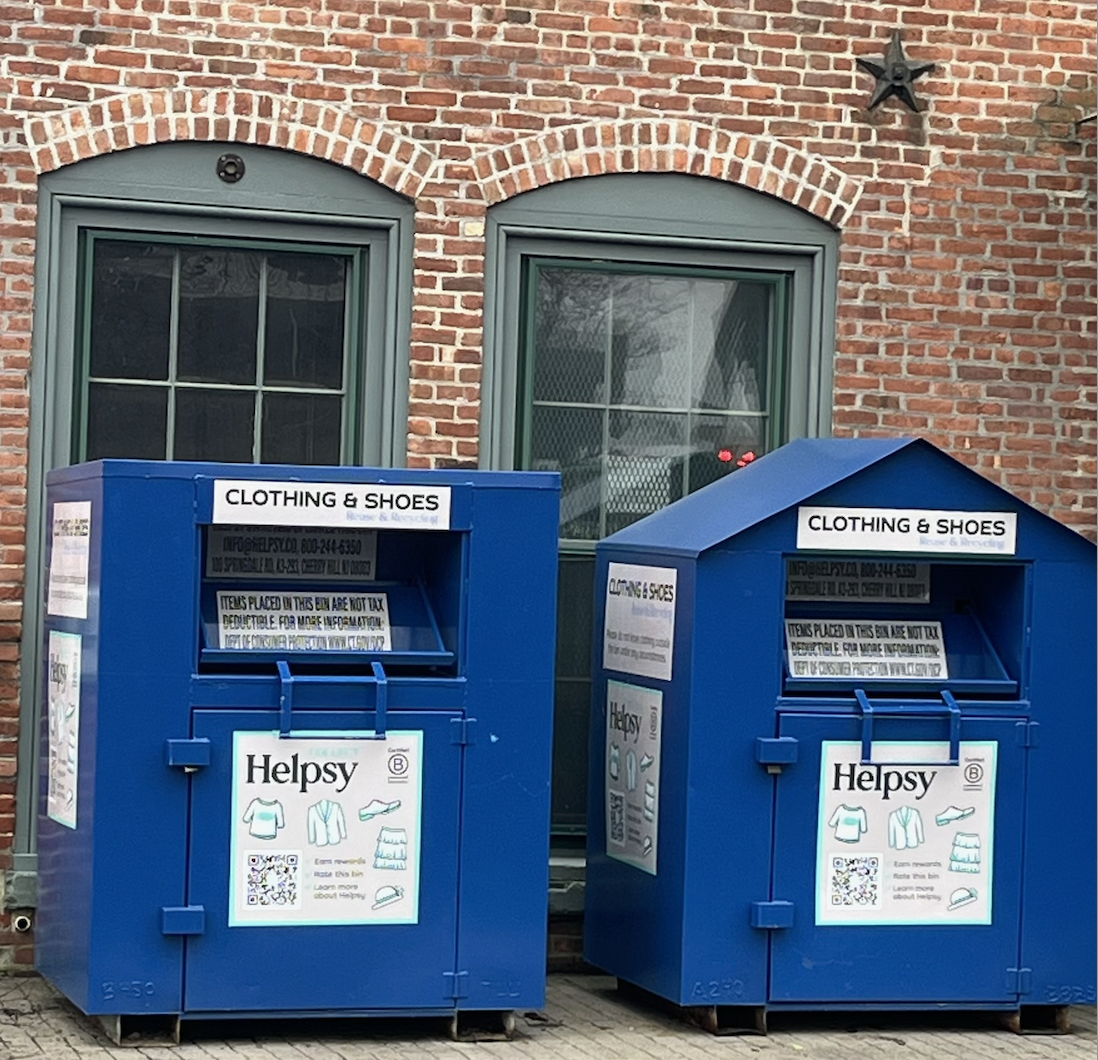
The Greenwich Recycling Advisory Board (GRAB) now provides two options for textile recycling - convenient collection bins and a new home pick up program - through its partnership with Helpsy, a certified B Corp and Public Benefit Corporation with a mission to keep clothes out of the trash and to create honorable work.
The textile recycling program saves the town money, conserves natural resources and makes recycling simple and easy for residents. Since 2020, GRAB has diverted more than 300,000 pounds of textiles from the waste stream. The program also raises funds for recycling education in our community, including the Waste Wizard search tool, outreach materials and other projects.
Residents can schedule a free pick up with Helpsy online or by calling 800-244-6350. Alternatively, donations can be dropped off at designated collection bins conveniently located throughout town.
For more information about textile recycling, including a list of accepted materials, locations of bins and guidelines for donation, click HERE.
| |
David G. Hawkins, Issues in Protecting Our Climate
May 15
7:00 - 8:00 pm
Greenwich Town Hall meeting room
Register Here
| | |
Mianus River Fish Ladder Tour
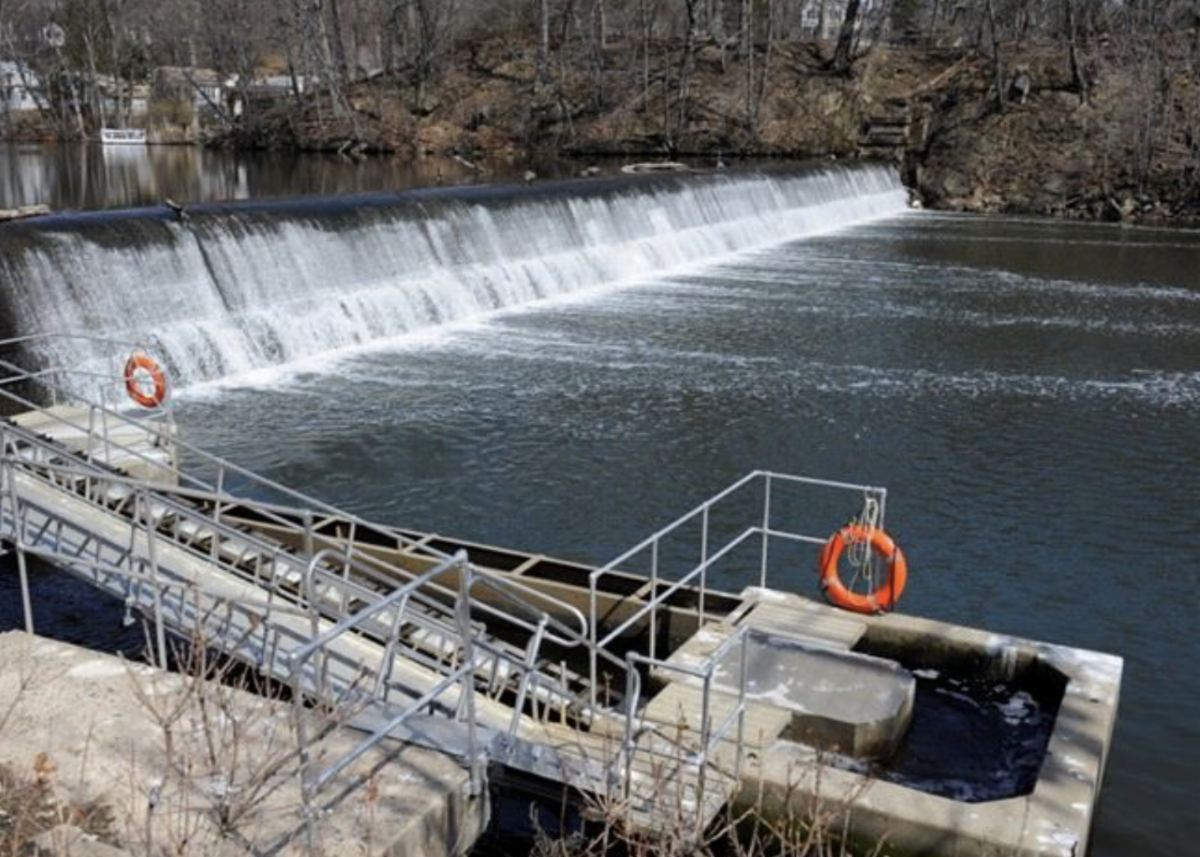
Mianus Pond Dam located on the Mianus River north of Post Road.
Friday, May 23
3 – 5pm
| | |
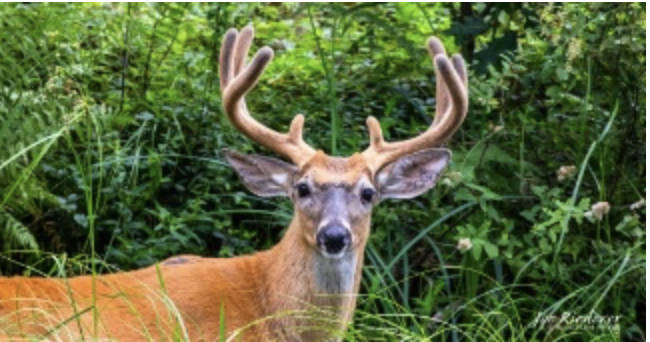
Oh Deer! Managing the White-Tailed Deer Population in Greenwich
Panel will focus on human health and public safety, featuring Dr. Scott Williams, Certified Wildlife Biologist, Chief Scientist and Head, Department of Environmental Science and Forestry at the CT Agricultural Experiment Station, Keith Hirsch, Greenwich Community Impact Officer and a representative from the Greenwich Health Department .
Thursday, June 12
7 – 8:30pm
Town Hall Meeting Room | Zoom
Register Here
| | |
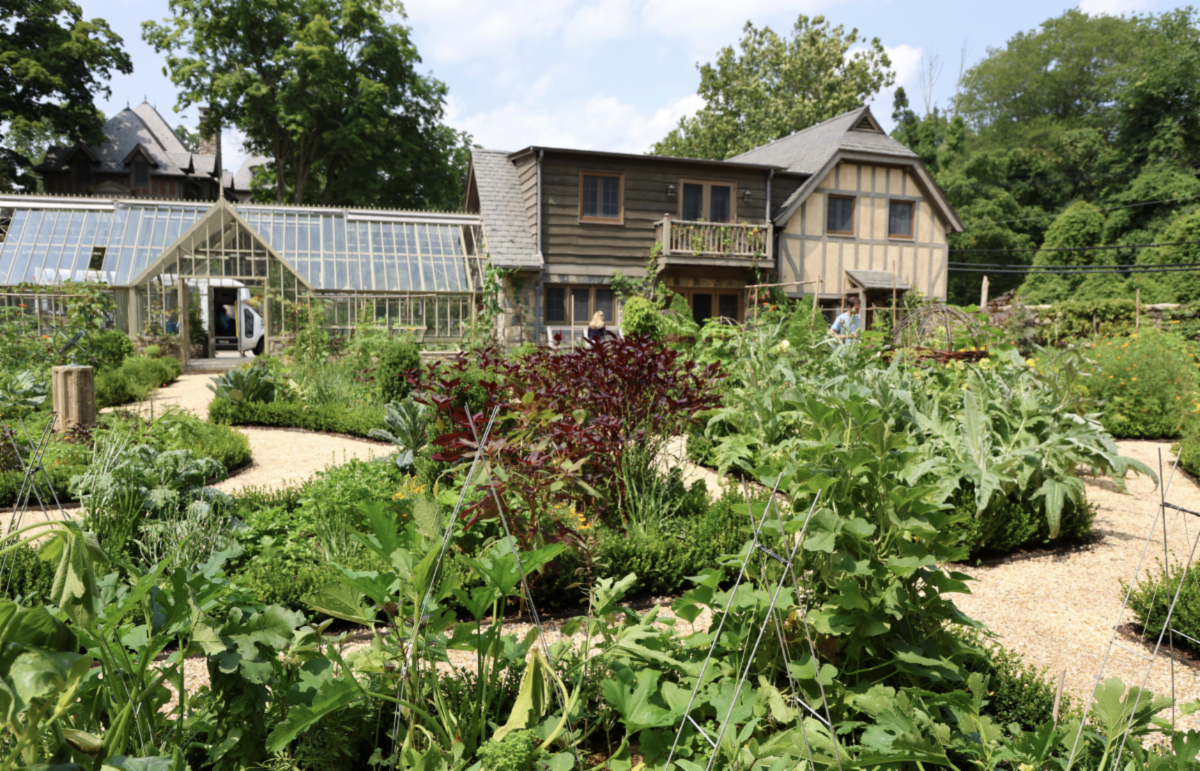
Tour de Veggie
Tour vibrant, lush, and thriving vegetable gardens and explore the secrets of sustainable living and the joys of growing your own food. From meticulously tended vegetable patches to enchanting personal garden beds, each stop on the tour offers insight into the artistry and dedication of passionate gardeners. Whether you’re a seasoned horticulturalist or simply curious about the magic of growing your own produce, this immersive experience promises inspiration at every turn. For tickets and or sponsorship: Call Lisa at Greenwich Land Trust, 203-629-2151 x102
Thursday, July 31
10:00am – 3:00pm
PATRON PICNIC
5:30 – 8:00 PM
Greenwich Land Trust Mueller Preserve
| | Your feedback is valuable to sustainability! | | | | |