Certification & Recertification Updates

We are pleased to recognize the following homes for their successful certification and recertification efforts:

  • The Freeman House – 5 locations
  • Into Action Sober Living – 7 locations
  • Tabula Rasa
  • Your Path Sober Living – 2 locations
  • Ascension Recovery – Women of Light
  • Harbor Care Recovery – 2 locations
  • A Way Out Sober Living
  • Canterbury House
  • Donna’s Place
  • Paugus Bay Sober Living – 2 locations
  • Grandmaison Recovery Homes – 2 locations
  • HOME Sober Living – 3 locations


New & Full Certifications

  • Tristan Miller House – Full Certification
  • Into Action Sober Living – 2 new homes, Full Certification
  • Second Chance at River’s Edge – New Home
  • Hope 2 Freedom


We recognize the time, effort, and dedication it takes to meet and maintain NHPRR standards.


Community Engagement: Where We’ve Been

NHPRR continues to stay actively engaged across the state to support collaboration, education, and connection within the recovery community.


These past few months, we were proud to attend:


  • Live Free’s Recovery Housing Fair.
  • Strafford County Public Health Conference.
  • Colicchie Concert hosted by Hope for NH.


These events provide valuable opportunities to connect with community partners, share information about recovery housing standards and resources, and strengthen relationships that support individuals in recovery.


We appreciate the opportunity to be part of these important conversations and community efforts.


(Click images to the right to load full-sized photos.)


 Legislative Update: SB298

SB298 – Relative to Sober Living House Certification and Operational Standards


• Majority Committee Report: Ought to Pass with Amendment #2026-1751h

◦ Date: May 6, 2026

◦ Vote: 9–7 Record Vote

• Minority Committee Report: Refer for Interim Study


At this stage, the bill reflects ongoing discussion and differing perspectives regarding recovery residence certification in New Hampshire.


NHPRR remains engaged in monitoring this legislation and advocating for approaches that:

  • Protect resident rights.
  • Maintain access to recovery housing.
  • Align with ADA and FHA considerations.
  • Support safe, ethical, and recovery-oriented environments.


We will continue to provide updates as the bill progresses.


DHHS Recovery

Housing Registry 
Requirements & Reminders


To remain in compliance with the New Hampshire Voluntary Recovery Housing Registry (He-A 305), recovery homes must meet the following requirements:

Required Notifications (He-A 305.06)

Provide written notice to DHHS at least 30 days in advance of any changes to:


  ▪ Ownership.

  ▪ Physical location.

  ▪ Name.

  ▪ Number of beds.

  ▪ Services provided.


Certification Status Changes


Notify DHHS within 5 days of any changes to certification status.


Submit a new registry application prior to operating under:


  ▪ A change in ownership.

  ▪ A change in physical location.


Expiration & Renewal (He-A 305.05)


  ▪ Registration is valid for 1 year.

  ▪ Renewal must be submitted at least 30 days prior to expiration.

  ▪ A current certification document must be included.


Once submitted:

  ▪ Homes will be listed within 15 business days.

  ▪ A confirmation email will be sent by DHHS.


Compliance Reminders


Fire Safety – Sprinkler Exemption


Homes with a sprinkler exemption must obtain:


  • Annual fire inspections from their local fire department, preferably before their recertification.


Public Health & Safety Alert

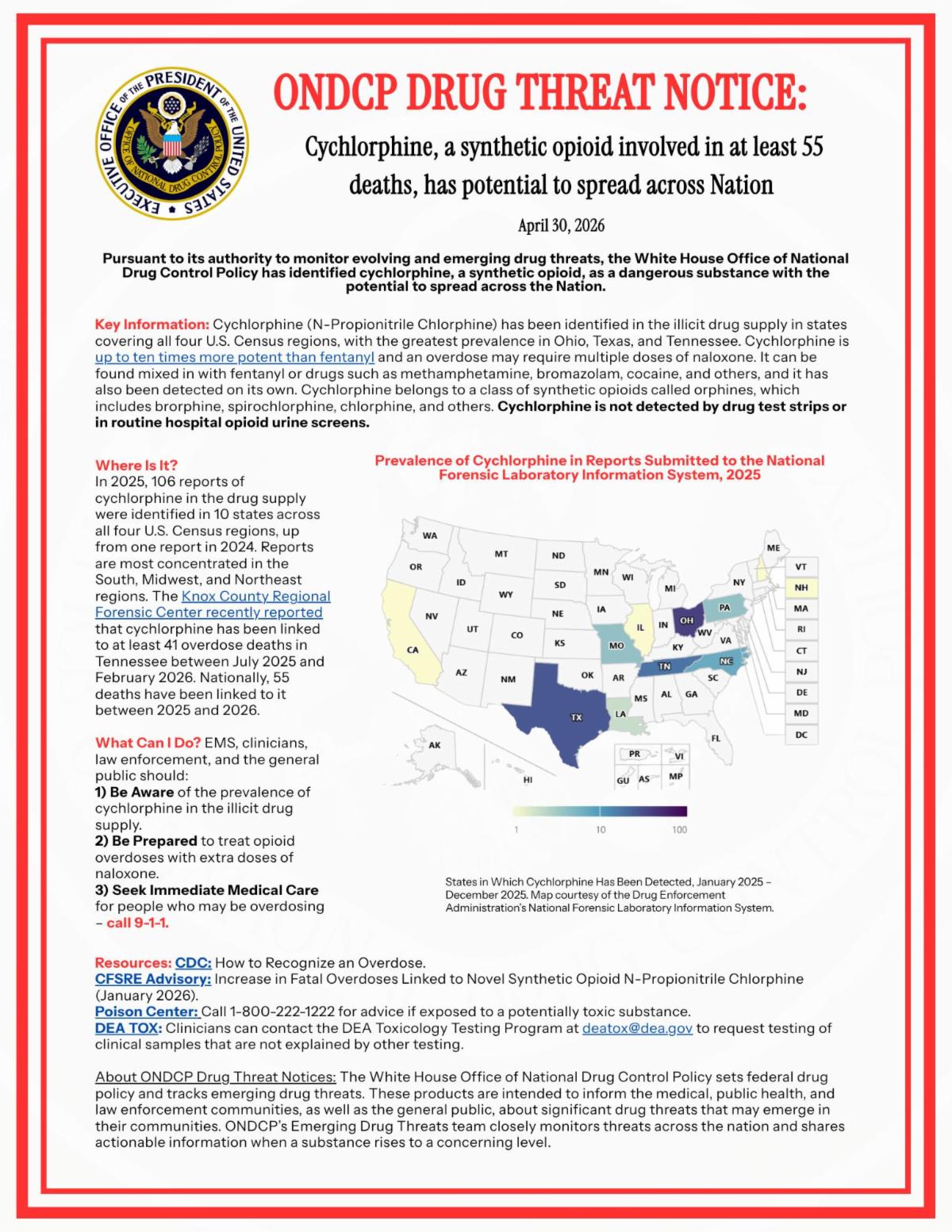
Cychlorphine: A New Synthetic Opioid Threat

The White House Office of National Drug Control Policy has identified cychlorphine as an emerging synthetic opioid threat with the potential to spread nationally.


What recovery homes should know


  • Cychlorphine is estimated to be up to 10 times more potent than fentanyl.
  • It is often mixed into other substances.
  • It does not show up on standard drug screens or fentanyl test strips.
  • Overdoses may require multiple doses of Narcan (naloxone), with delayed or limited response.
  • New Hampshire has had one confirmed case of cychlorphine overdose to date.

Recommended Actions


  • Ensure Narcan (naloxone) is readily available.
  • Review overdose response protocols.
  • Call 911 immediately in suspected overdose situations.
  • Continue harm reduction education
 

Best Practice & Standards Reminder:
Emergency Discharges


Emergency discharges—particularly in cases of return to use—must be handled with care, consistency, and adherence to NHPRR Standards.

Recovery homes should:


  • Use their written emergency discharge policies and procedures.
  • Communicate with identified emergency or support contacts (when appropriate and with consent).
  • Provide Narcan (naloxone ) upon discharge.
  • Offer emergency resources and referrals (detox, treatment, peer supports, crisis services).
  • Document the discharge process.
    

Even in difficult situations, discharge practices should reflect:


  • Resident safety.
  • Dignity and respect.
  • A commitment to recovery-oriented care.

Training Opportunity: 
PRSS Community of Practice

During times when the PRSS field is facing funding challenges, it’s important to remain creative in order to reach our wellness goals. Integrating SAMHSA’s 8 Dimensions of Wellness into peer-led artistic programming creates a powerful framework for holistic recovery. By utilizing low-cost materials and a process-oriented approach, facilitators can help individuals move beyond clinical symptoms toward a life of purpose and connection.

  • Understand SAMHSA’s 8 Dimensions of Wellness and explore ways to integrate them into low-cost artistic programming.
  • Develop skills for creating and facilitating peer-to-peer art groups.
  • Examine how art can be used as an effective recovery tool.
  • Engage in an interactive art making experience.


Featured Presenters

  • Maggie Ringey, M.P.A.
  • Laina Reavis, CRSW
  • Patricia “Tricia” Eisner, CRSW


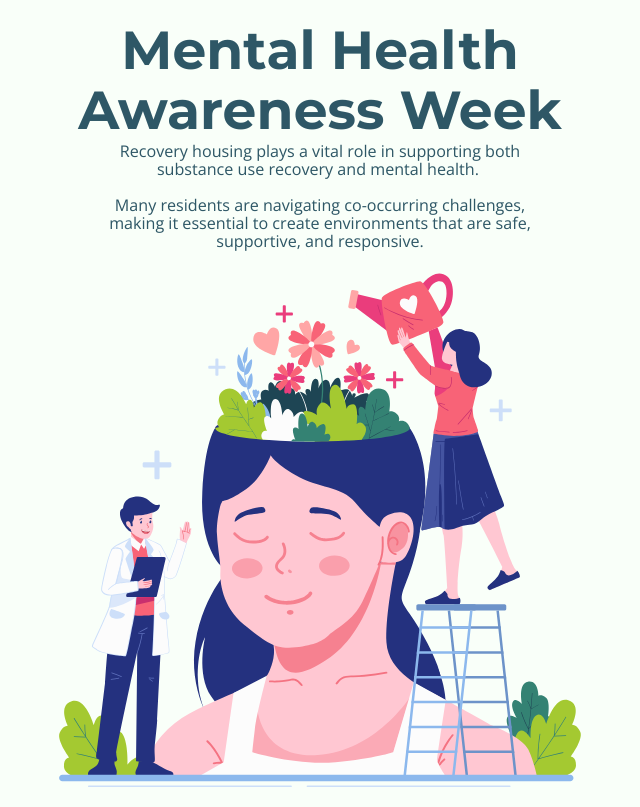
How Recovery Homes Can Support Mental Health


Create a supportive environment

Foster respect, dignity, and a nonjudgmental culture


Encourage routine and structure

Support daily schedules, meetings, and self-care


Connect residents to care

Encourage therapy, medication management, and provide referrals


Promote connection

Reduce isolation through peer support and shared activities


Recognize warning signs

Respond to changes in mood, behavior, or signs of distress


Use a trauma-informed approach

Lead with understanding, not punishment


Mental Health Resources


Crisis & Immediate Support

  • Call or Text 988 – Suicide & Crisis Lifeline (24/7)
  • NH Rapid Response Access Point: 833-710-6477
  • Emergency: Call 911


New Hampshire Resources


National Resources


Closing

Thank you for the work you do every day. Recovery housing is more than a place to live—it is a foundation for healing, growth, and community.


New Hampshire Partnership for Recovery Residences

nhprr.com |nhprr@growthpartners.llc |603.369.3679

Join us on Facebook!