Office of Graduate Medical Education logo

News and Events

May 2026 | Issue #53

In this issue:

  • Housestaff Recognitions
  • Quality Improvement
  • Inclusive Excellence
  • Resident and Fellow Development
  • Wellness
  • Coordinator Hub
  • GME Calendar
  • CME Resources

Spotlights, Appreciation & Awards

Housestaff Recognition


Over the past month, the following residents and fellows were recognized by colleagues from across the health system or from their patients:


Housestaff Name and Program


  • Dr. Sean Lee / Family and Community Medicine
  • Dr. Liana Lum / Obstetrics and Gynecology
  • Dr. Kayla Ockerse / Obstetrics and Gynecology
  • Dr. Payton Gore / Obstetric Anesthesiology
  • Dr. Jothika Tamizharasu / Pulmonary and Critical Care Medicine
  • Dr. Andrea Chau / Internal Medicine
  • Dr. Derek Salud / Addiction Medicine
  • Dr. Kevin Nguyen / Endocrinology
  • Dr. Sam Rouleau / Pulmonary and Critical Care Medicine
  • Dr. Brandon Shin / Surgery
  • Dr. Dana van der Heide / Surgical Critical Care
  • Dr. Dean Meshkin / Plastic Surgery
  • Dr. Gurjit Pannu / Pulmonary and Critical Care Medicine
  • Dr. Deepthi Carter / Pediatric Critical Care Medicine


* BEST Rewards is an on-line system that can be used to recognize and reward UC Davis Health System employees who provide exceptional service. Log in to the site to thank or acknowledge your colleagues, see who is being thanked, and send them a congratulations note or a “cheers”!

Quality Improvement

TeamSTEPPS in Practice: Not Just “Working Together,” but Working Well


The difference between a smooth shift and a chaotic one often comes down to communication. That’s exactly where TeamSTEPPS lives. It’s a set of practical tools designed to help healthcare teams coordinate, speak up, and stay aligned, especially when things get busy or uncertain.


TeamSTEPPS focuses on four skills:

  • Leadership: Someone is clearly guiding the team, setting priorities, and keeping everyone on the same page.
  • Situation Monitoring: Everyone stays aware of what’s happening. Not just their own tasks, but the bigger picture.
  • Mutual Support: Team members back each other up, offer help, and speak up if something doesn’t seem right.
  • Communication: Clear, structured, and direct (think SBAR, check-backs, and closed-loop communication).


What this looks like on a real shift:

You are admitting a patient with sepsis in the Emergency Department. Things are busy, labs are pending, and multiple people are involved.

  • The senior resident quickly sets roles: “I’ll lead. You place orders. You call ICU.” (Leadership)
  • A nurse notices the blood pressure trending down and speaks up immediately (Situation monitoring + mutual support)
  • You use SBAR to call the ICU: concise, structured, no rambling (Communication)
  • When an order is given, it is repeated back to confirm accuracy (Closed-loop communication)
  • These are small deliberate behaviors that prevent errors and keep care moving.


Why it matters for clinical trainees:

You don’t need to be the supervising physician to use TeamSTEPPS. Some of the most powerful moments come from interns and residents who:

  • Clarify plans out loud
  • Ask, “Can I confirm what we’re doing?”
  • Speak up early instead of second-guessing
  • That’s not overstepping. That’s good teamwork.


TeamSTEPPS isn’t another checklist. It’s the difference between hoping your team clicks and actually making it happen.


Inclusive Excellence

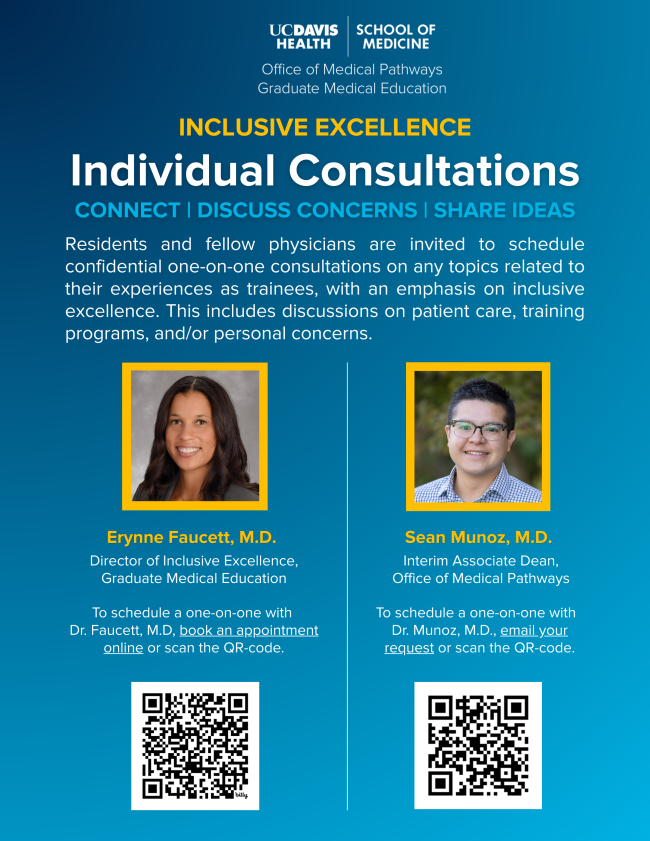
Individual Consultations
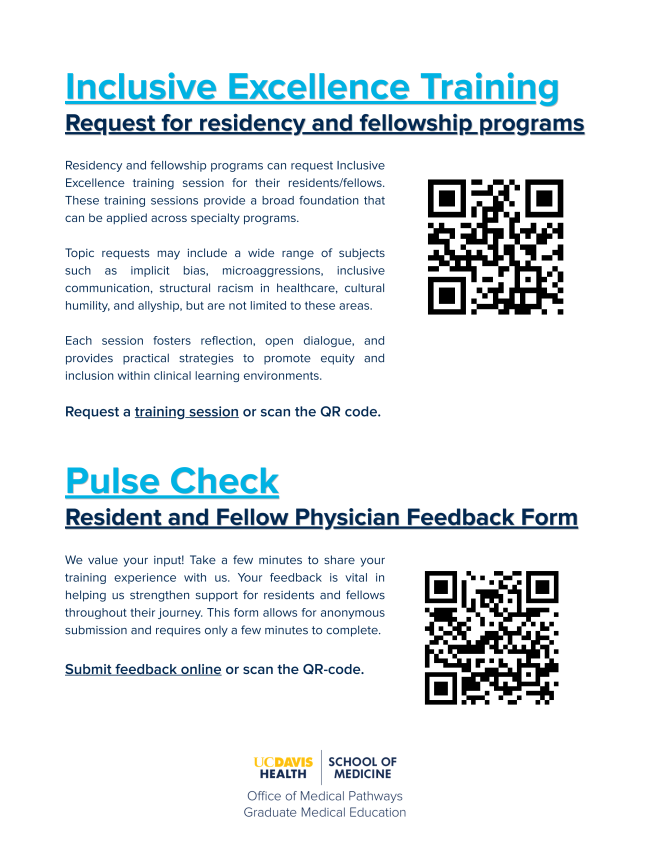
Training Request Form and Pulse Check Feedback Form
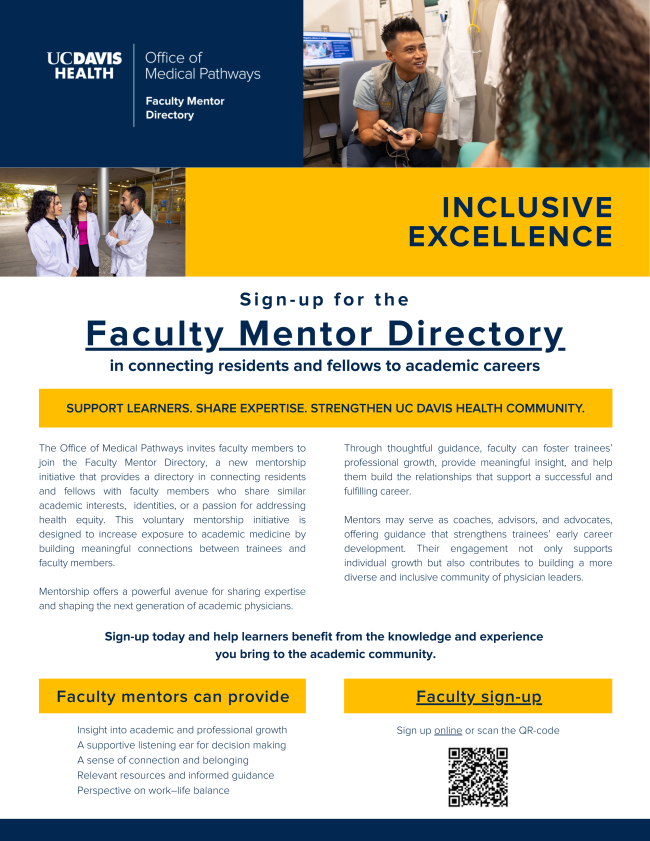
Faculty Mentor Directory Sign up
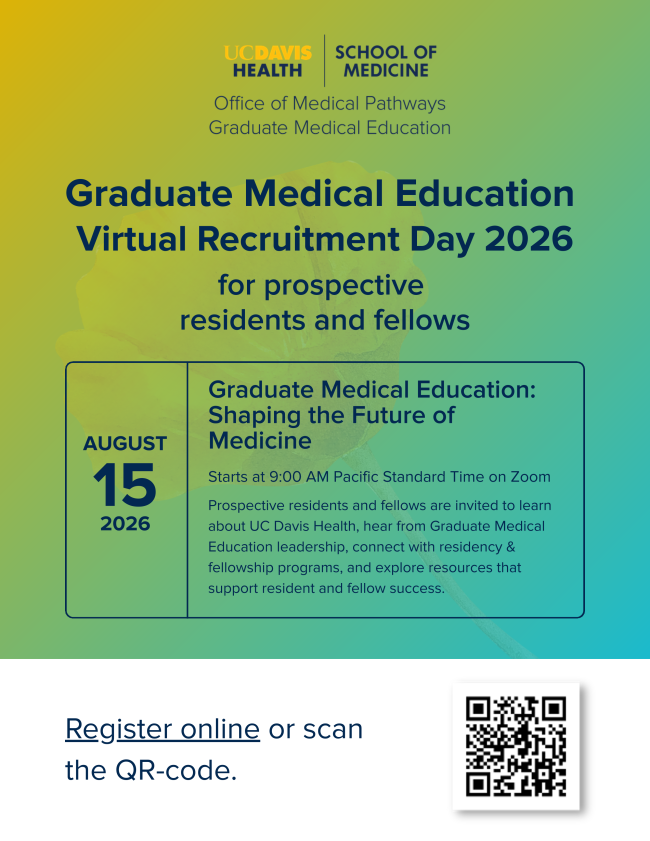
Graduate Medical Education Virtual Recruitment Day 2026

Resident/Fellow Support and Resources


As part of our commitment to fostering a supportive environment, we want to provide you with a list of UC Davis resources available to support you throughout your time here. Whether you’re seeking guidance, support, or simply want to connect with a community, we encourage you to explore and utilize these valuable resources.


This is an evolving list. If there are additional UC Davis resources, you'd like us to share please contact Erynne Faucett, MD, Sean Muñoz, MD, Eva Lee, MS, Maggie Rea, Ph.D., Susan Guralnick, MD or Ryan Traynham, MBA.


Resident and Fellow Development

Time Management Coaching


Are notes taking more time than they should? Connect with the Director of Resident and Fellow Development for time management and organization coaching! In a 1-1 coaching session, explore evidence-based time management strategies that are effective for physicians and brainstorm about how to adapt them to your life. 


What is coaching? A coach holds space for self-accountability and acts as a sounding board to help you organize your thoughts, make a plan, and execute action steps.


Coaching sessions are 1-1 and confidential between you and your coach. Schedule a coaching session


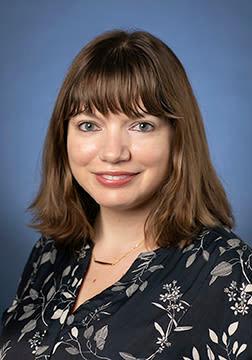
Cloe Le Gall-Scoville, Ph.D., ACC

Director of Resident and Fellow Development

clegalls@health.ucdavis.edu

Wellness

Mental Health Awareness Month May 2026


May is Mental Health Awareness Month (MHAM), a time when many organizations rally to raise awareness about mental health, provide support, fight stigma, and educate. Though we should always be addressing and protecting our mental health and looking out for those in our community who might need support, the national conversation during the month of May can serve as an important reminder. During the 2026 MHAM, NAMI is celebrating Mental Health Awareness Month by inviting everyone to join in speaking up against mental health stigma.


This month, consider bringing intentionality around accessing support and care for yourself and reach out to colleagues and learners and check in on their well-being. Many of us hesitate to speak up about our struggles for fear of stigma, this is a narrative we must challenge. Perhaps it is time to tell your story and ask about someone else's story. If you are searching for the right words, consider accessing this PDF and consider a change in your own narrative that can include: 

  • Accessing care is brave, professional, and honorable 
  • Taking care of myself means I am protecting myself, my family, my patients, my career
  • The earlier I get support, the easier it will be to tackle the stress
  • I will value myself and not defer my needs
  • I will reach out to my friends and colleagues and check in on their well-being


Please be reminded that trainees and faculty have access to confidential, no fee counseling services through the Academic and Staff Assistance Program (ASAP) by calling (916) 734-2727 or emailing asaphealth@ucdavis.edu.


Additional mental health and wellness resources includes: 


Crisis Services:

  • Suicide Prevention Hotline 988
  • Text HELLO to 741741 
  • Mental Health Urgent Care; 2130 Stockton Blvd building 300; (916) 520-2460; Open 24 hours
  • Sutter Center for Psychiatry is available 24/7 at (916) 386-3000  


As you consider the many wellness and mental health resources, it can he be helpful to check in on your well-being by accessing the anonymous interactive screening survey available to trainees and faculty. For any questions about mental health and well-being resources for trainees or faculty, please do not hesitate to reach out to Maggie Rea, at mrea@health.ucdavis.edu.


*Image description:A green colored image that says Mental Health Awareness Month May 2026

Coordinator Hub

For Program Administrators and Coordinators

Momentum • Growth • Excellence

Inspirational Quote of the Month

“Success is the sum of small efforts, repeated day in and day out.” — Robert Collier

May is a time to build momentum. The steady systems, checklists, and follow-ups you manage daily are what drive long-term program success. Progress may feel incremental, but it is powerful

Professional Development Spotlight (TED Talk)

How to Get Stuff Done When You Are Overwhelmed – Laura Vanderkam

In this practical and relatable talk, Laura Vanderkam shares strategies for managing competing priorities and making time for what truly matters.


Why this is relevant for Program Coordinators:

  • Balancing recruitment, onboarding, and compliance deadlines
  • Managing high-volume communication
  • Staying organized during peak seasons


Perfect for:

  • Re-centering during busy cycles
  • Improving time management habits
  • Reducing overwhelm with simple shifts


(Approx. 12 minutes — actionable and energizing!)

ACGME Compliance Tip of the Month

 Spring Focus: Resident/Fellow Data Accuracy in ADS


May is an ideal time to review trainee information ahead of upcoming transitions.

  • Verify all active residents/fellows are accurately listed in ADS
  • Confirm start and anticipated completion dates are correct
  • Review leave of absence entries and ensure documentation is complete
  • Check that graduated trainees have been properly marked as complete


Accurate trainee data ensures smooth Annual Updates and reduces last-minute corrections.

Consistent data maintenance now = less stress later.


Coordinator Corner


Wellness Recipe: Spring Mason Jar Salad

A quick, prep-ahead option for busy days!


Ingredients:

  • Mixed greens
  • Cherry tomatoes
  • Cucumbers
  • Grilled chicken or chickpeas
  • Feta cheese
  • Light vinaigrette


Layer dressing at the bottom, hearty items next, greens on top. Shake when ready to eat!

Fresh, convenient, and energizing.


Hydration Boost Tip

Infuse your water with orange slices + mint for a refreshing midday pick-me-up.


May Wellness Challenge: “Declutter & Reset”

This month’s focus is creating space for clarity and efficiency.


Challenge:

Spend 10–15 minutes each day decluttering one small area.

Ideas:

  • Clean up your email inbox
  • Organize desktop files
  • Refresh your workspace
  • Update old documents or folders
  • Clear out outdated to-do lists

A more organized space can lead to a clearer mind and improved productivity.


A Special Thank You

May is a time of forward movement — and your work keeps everything progressing seamlessly.


Thank you for:

  • Keeping programs organized during high-demand periods
  • Supporting trainees through transitions and milestones
  • Maintaining compliance with precision and care
  • Being adaptable, solution-focused, and dependable 


Your dedication continues to make a meaningful impact every single day.

You are appreciated more than you know.

Here’s to a productive, organized, and positive May!

Calendar

Meetings


Graduate Medical Education Committee (GMEC) (in-person)

  • Tuesday, May 5, 2026
  • Tuesday, June 2, 2026

First Tuesday of each month, at 11:30am-1:00pm. Agenda and Locations announced via email. Lunch provided.


PD Connect (virtual)

  • Monday, May 18 at 12:00-1:00pm

Join Drs. Guralnick and Rea on Zoom for the monthly Program Director Connect, an informal gathering where you can have a chance to connect with others in the same role, share experiences and get input and support. Join Zoom meeting.


PC Connect (virtual)

  • Tuesday, May 26 at 12-1pm

This monthly informal call is an open space for Program Coordinators to connect, ask questions, share challenges, and exchange best practices. Whether you're looking for advice, new ideas, or just want to hear how others are approaching their work, this is a chance to learn from and support one another in a relaxed, peer-driven environment. No formal agenda—just real talk with fellow coordinators.​ Join Zoom meeting.


Program Administrators/Program Coordinator Meeting (virtual)

  • Thursday, May 28 at 1:30-3:00pm

Fourth Tuesday of each month. Join Zoom meeting. Meeting ID: 981 3075 9144 / Passcode: 016679.


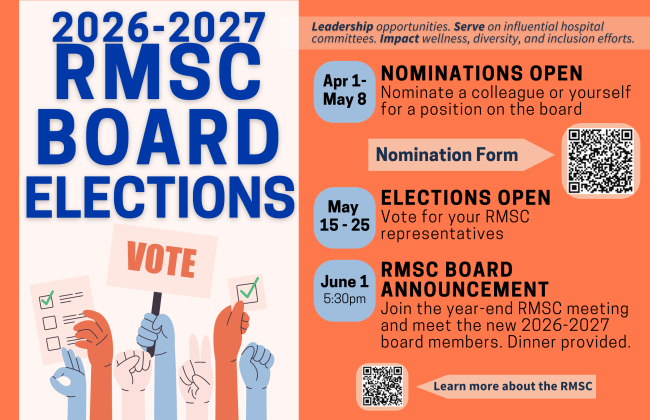
Resident Medical Staff Committee (RMSC) (in-person)

  • Monday, June 1, 2026 at 5:30-6:30pm*
    *Dinner and prize giveaway!

Fourth week of each month. Day and time alternating each month. Location announced via email. Additional information on the RMSC website.


Courses and Workshops


NSAMA Educational Session (virtual)

  • Thursday, May 14 at 9:00-10:00am - Evaluations

Registration link. National Society of Academic Medical Administrators (NSAMA) Sessions are typically held on the second Thursday of every other month. More information and registration can be found on the NSAMA website.


Program Coordinator Training (virtual)

  • Session 1: May 19 at 12:00-1:00pm
  • Session 2: May 27 at 12:00-1:00pm

Join Zoom meeting.


ACGME Self-Empowerment Workshop for Coordinators (virtual)

  • Session: May 4-12, 2026

This seven-day interactive workshop is meant for both the new and experienced coordinators who wish to gain insights into leadership, networking, professionalism, and self-promotion as it pertains to the profession. This free workshop is repeated monthly. Visit the ACGME workshop website.


MedHub Training: GME Advanced Workshop (virtual)

  • Four-day session: May 11-14, 2026

Join us for an advanced MedHub GME Workshop, offered through the MedHub Training Series! Register for the webinar.


Chief Resident/Fellow Leadership Day (in-person)

  • Wednesday, June 3 at 12:30-4:45pm

Refine your leadership skills on areas such as communication, coaching, time management, and conflict resolution to maximize your sucess as a chief. A required event for all incoming Chief Residents and Fellows.


Due Dates


ACGME Milestones Year-End Reporting Window is April 20-June 26, 2026. Milestone assessments can be submitted via the ADS. See the ACGME Milestones website for more info.


Annual Anonymous Resident Evaluation of Programs 2025-2026 AY

The GME-initiated program evaluations have been delivered to all current residents and fellows in MedHub. Please complete the evaluation by May 13, 2026.


Annual Program Evaluation (APE) 2025-2026 AY

Templates and instructions were emailed to program directors and program administrators on April 2, 2026. Please complete the APE and submit to the GME Office by July 15, 2026 by emailing Cirby Hatano, chatano@health.ucdavis.edu.


Past Due: Quality Improvement and Patient Safely learning modules for PGY1s due April 30, 2026. PGY1 residents have been assigned two modules to complete in the Learning Managment System (LMS).

GME Programming Menu for Trainees and Faculty

Program leadership are encouraged to review GME's programming menu of workshops and didactics available for their trainees and faculty.


Many of the topics meet ACGME requirements for Wellness, Interpersonal Communication, Professionalism, and Faculty Development.


Reach out to Dr. Maggie Rea at mrea@health.ucdavis.edu or Dr. Cloe Le Gall-Scoville at clegalls@health.ucdavis.edu as you plan your educational curriculum.

Faculty and Professional Development

Office of Medical Education logo

UC Davis Health Faculty and Professional Development Program is committed to delivering high quality training and resources for UC Davis Faculty. Our offerings derive from our core missions: Education, Research, Clinical Care and Service.


Our faculty trainers are subject matter experts that aim to provide timely and relevant programs, courses and individual sessions through multiple modalities to ensure access for faculty. We collaborate with other Institutional and National entities that align with the mission of UC Davis Health to ensure continuous quality improvement of our programming. We partner closely with the office of Health Equity by Design for Inclusive Excellence, the office of Medical Pathways in the School of Medicine, and the Betty Irene Moore School of Nursing to provide and promote inclusive excellence training for all of our faculty.

Health Benefits for Residents/Fellows

UC Behavioral Health Support

UC Davis WorkLife Wellness

Physician Health and Well-being Resources

For questions regarding the GME monthly newsletter please write Ahmet Demirer at aademirer@health.ucdavis.edu. Thank you.

You can view the GME newsletter on the Web {here.}