|
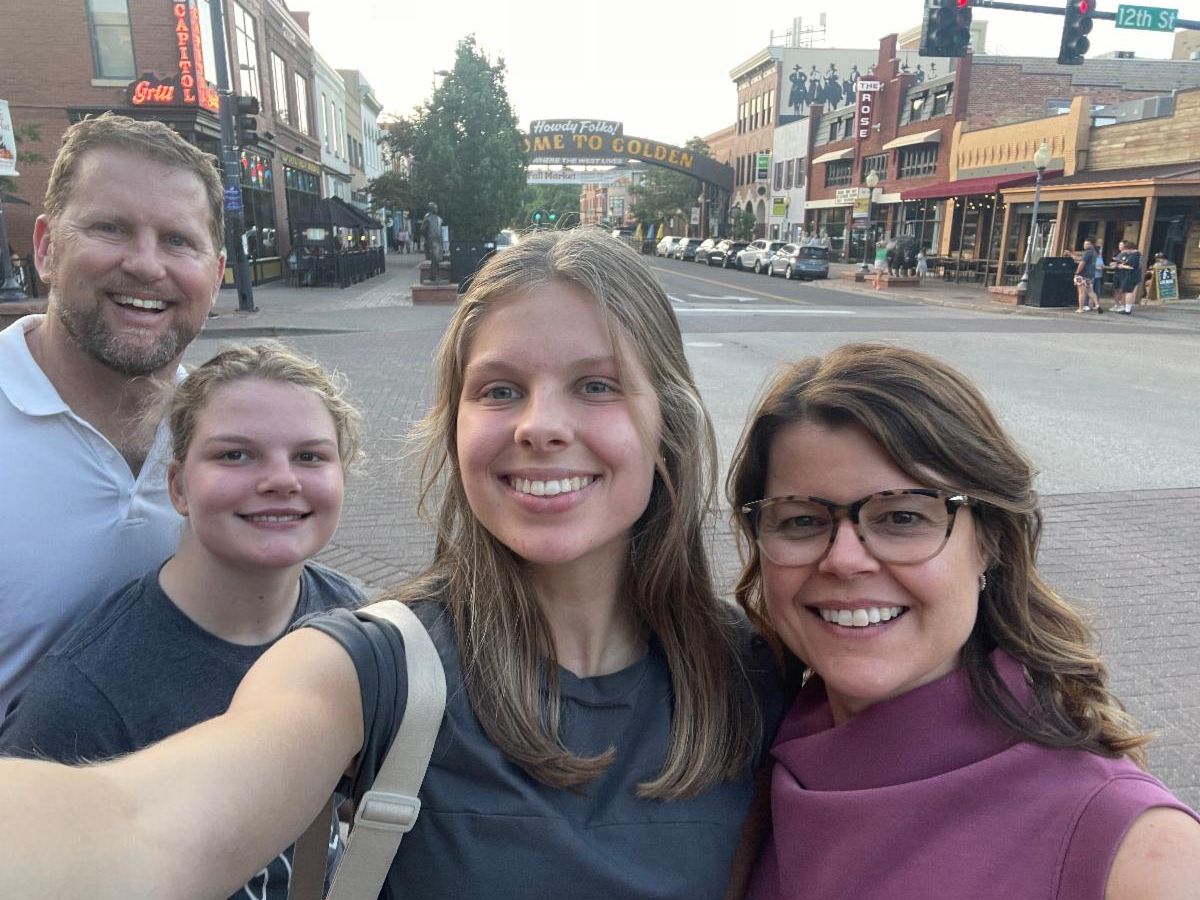
Summer vacations and school breaks create great opportunities for making memories with kids and grandkids- and for naturally reinforcing healthy money habits without turning every moment into a lesson. The goal isn’t to limit fun, but to help them understand choices, boundaries, and values around money in practical, age‑appropriate ways. I’m grateful to have experienced generosity with boundaries in my own family, and I hope my girls feel the same during our summer adventures, trips, and time at home.
Set Expectations Early
Before a trip or busy week, talk about what’s included—and what’s not:
- How many special activities are planned
- Spending limits for souvenirs or snacks
- When you’ll eat out vs. at home
Use Salaries or Travel Budgets
Give kids a set amount for a trip or week and let them choose how to use it. If they earn money from chores, remind them of upcoming fun opportunities they may want to save for. If they don’t have the money, the experience is still enjoyable- this models generosity with boundaries.
This teaches:
- Trade‑offs
- Ownership
- Low‑risk learning from mistakes
Offer Choices Instead of Automatic “Yes”
When kids ask for something, try:
- “That would come from your spending money.”
- “If we do this today, we may skip something else later.”
Balance Experiences and “Stuff”
Use natural moments to talk about value:
- “What will you remember most from this trip?”
- “Is this more meaningful than something you’ll use once?”
Model the Behavior You Want
Kids watch what adults do. Simple comments help normalize healthy habits:
- “We planned for this in our budget.”
- “That’s fun, but not something we value enough to buy today.”
Kids benefit from learning that fun doesn’t require spending. Downtime and simple routines often create the best memories- and keep costs down. Handled thoughtfully, summer can be both joyful and instructive. Clear money boundaries don’t take away from the experience- they help kids build lifelong skills.
|