|
How does MAAC stay true to its mission while growing and changing—and how does DCAP support that mission?
MAAC’s mission is maximizing self-sufficiency for families and individuals through high-quality programs and advocacy across San Diego County. As our community’s needs have evolved, we’ve expanded the ways in which we meet them. Programs like DCAP allow us to tackle climate justice and economic mobility simultaneously. By helping the people most impacted by climate change access clean, reliable transportation, DCAP empowers residents to reach jobs, school, healthcare, and the opportunities that help them move forward. It’s not just about getting from point A to point B, it’s about building the foundation for long-term growth, stability, and thriving, self-sufficient communities.
MAAC helps over 100,000 people each year. What does it mean to take a “whole person” approach, and how does DCAP fit in?
A “whole person” approach means recognizing that housing, health, education, economic development, and advocacy are all deeply interconnected, and that lasting change comes from supporting the full spectrum of a person’s needs. At MAAC, we meet people where they are and walk alongside them, whether they need childcare, job training, housing, or help with transitioning into an EV Vehicle. DCAP fits this model perfectly. It doesn’t just reduce carbon emissions, it helps our community members build credit, save on gas, and access stable transportation that supports long-term financial and personal well-being.
As community needs change, how does MAAC keep its programs—like housing, health, and jobs—helpful and up to date?
MAAC listens closely and stays focused on what our community truly needs. When we saw a growing need for senior housing, we opened Ventana al Sur, our newest affordable housing community with 25 units reserved for seniors experiencing homelessness. When there was a shortage of early childhood educators, we launched our Early Childhood Education Apprenticeship Program to train and support the next generation of teachers. In health, we’ve made sure our Recovery Programs are offered in Spanish, so that individuals and families can get the support they need in a language they understand. By paying attention and staying flexible, we’re able to keep our programs relevant, responsive, and rooted in dignity and access. To learn more about MAAC’s programs, please visit MAACproject.org.
Why are partnerships like DCAP important to MAAC’s work, and how do they help you reach more people?
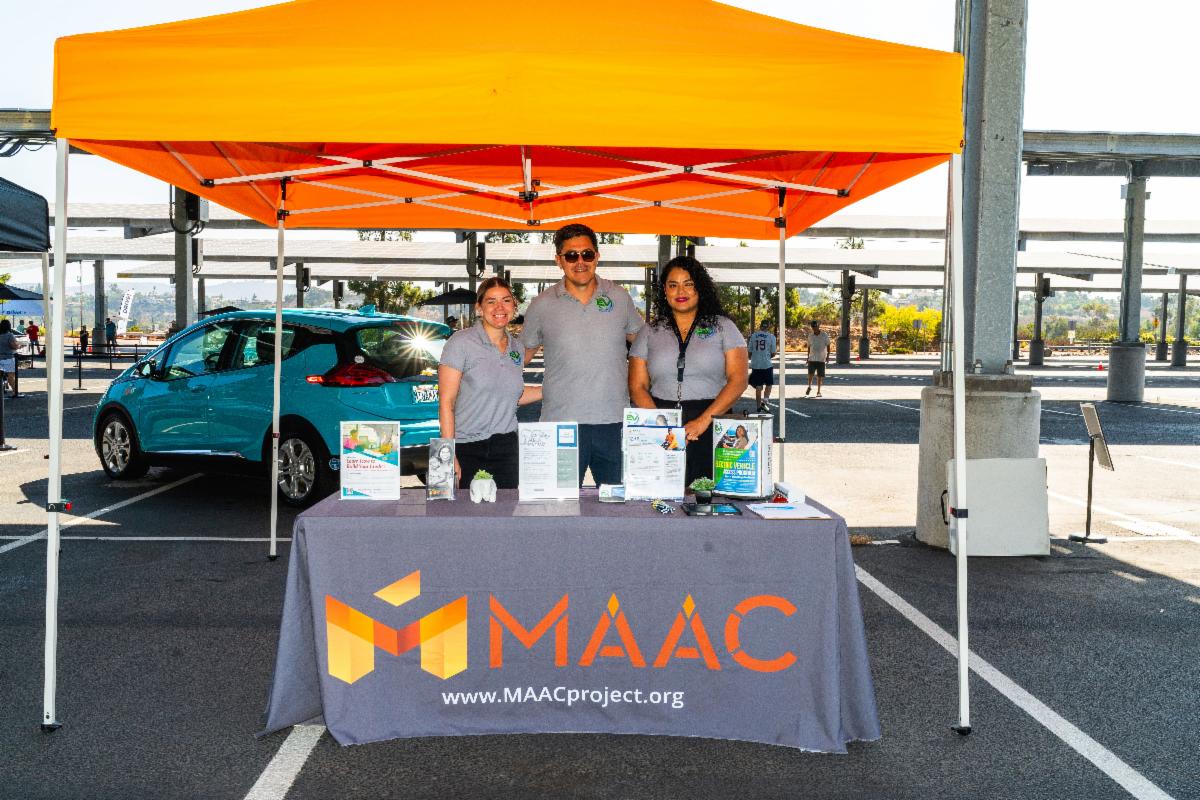
No single organization can solve challenges alone. Partnerships like DCAP allow MAAC to tap into state resources, offer larger incentives, and open new doors for our community. With support from programs like California Climate Investments, we can help more families access up to $12,000 in incentives, funds for charging, and special financing support—tools that might otherwise be out of reach. DCAP helps us go further by making clean transportation attainable for more people in the communities we serve.
How do you build trust with the diverse families you serve today, especially when sharing new programs like DCAP?
Trust is built through deep relationships, cultural understanding, and consistency. Since 1965, MAAC has grown alongside our community, expanding to serve all of San Diego’s diverse residents. When introducing new programs like DCAP, we lead with outreach that is relevant to the communities we serve, such as providing bilingual materials. We don’t just promote programs, we ensure families understand and can access them, in a way that feels safe, empowering, and hopeful. We empower families to make decisions for themselves that will help them create the life they want and deserve.
|