|
First Americans, Not Native Americans
Kraig Nelson, Cave Creek Museum historian
Jennifer Raff, Ph.D. (dual Ph.D. in genetics and anthropology) wrote in her 2022 book, Origin, A Genetic History of the Americas that all humans who initially populated North America, Central America and South America lived up to 15,000 years on a subcontinent.
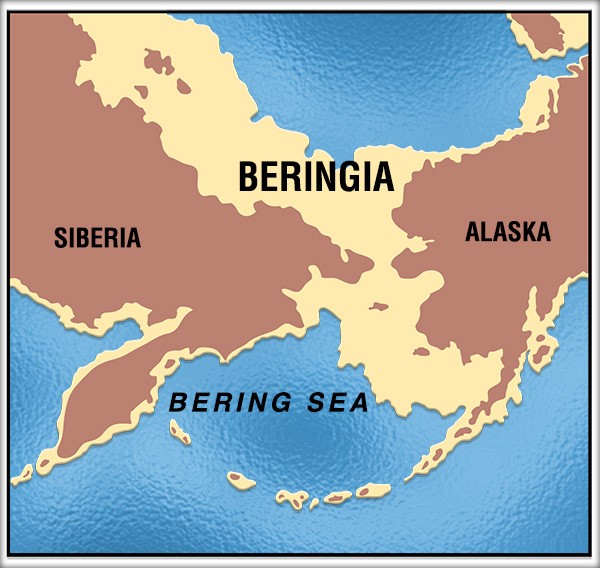
Because of their isolation on the now-submerged subcontinent called Beringia, their DNA changed and led to all First Americans in the Americas after their departure from Beringia.
During the approximate 25,000-year Beringia lifetime, East Asians (for ease, I will refer to East Asians as Siberians) entered the large subcontinent (twice the size of Texas) which connected Siberia and Alaska. Dr. Raff indicates, based on genetics, the entrance into the Americas from Beringia happened primarily in two waves. There were at least one or two more smaller waves.
The first primary group is called the North Native Americans (NNA). This group, populated portions of Canada and the east coast of North America.
The second primary group is called the South Native Americans (SNA). This group populated parts of North America, Central America and all of South America (largest influx).
The third and perhaps fourth group populated areas north of the Arctic Circle and others developed into Athabaskans who populated parts of northwest Canada. Some Athabaskans migrated into southwest North America and became Navajos and Apaches.
All of today’s First Americans have both genomic markers from Siberians and genomic markers from Beringians, according to Dr. Raff.
|