Assessing Rural Entrepreneurship: Strengthening the Future of Southern Minnesota | | |
From January through April 2025, RNDC partnered with the Southern Minnesota Initiative Foundation (SMIF) to evaluate the effectiveness of SMIF’s Rural Entrepreneurial Venture (REV) programming. This initiative, which has long supported rural entrepreneurs and community revitalization, plays a critical role in shaping a resilient and innovative economy in southern Minnesota.
This comprehensive assessment aimed to better understand how REV programming supports local entrepreneurship, identify best practices, and provide actionable recommendations to enhance future efforts. Through in-depth interviews with over 50 entrepreneurs, economic development professionals, and community leaders, the assessment focused on uncovering the real-world impact of the program across the region.
Key findings from the report highlighted six core needs rural entrepreneurs consistently face: access to regional resources, technical assistance, community capacity building, collaboration among neighboring towns, youth engagement, and overall quality of life. Challenges like limited access to capital, technical expertise, and mentorship were among the most pressing issues cited by participants.
| | |
The assessment found that while many communities are doing impactful work, broader inter-community collaboration could amplify these successes. Shared business resources, mentorship networks, and regional innovation hubs were recommended as practical ways to address these challenges and foster a more cohesive entrepreneurial ecosystem.
Youth engagement emerged as a particularly important area of focus. The report called for more efforts to inspire the next generation through entrepreneurial education, mentorship opportunities, and community-based projects that connect young people with local economic development. Cultivating this pipeline is seen as essential for the sustainability of southern Minnesota’s rural economy.
The report also emphasized how investments in quality-of-life factors, like access to healthcare, broadband, and affordable housing, can influence whether entrepreneurs choose to stay and grow their businesses locally. A vibrant community infrastructure was found to be just as important as business support services.
The REV assessment concluded with a series of strategic recommendations, including creating a centralized online hub for resources, expanding technical assistance programming, and fostering leadership development at the local level. These insights provide a blueprint for how REV and its partners can continue to build momentum and ensure that rural entrepreneurship thrives in the years ahead.
| | RNDC Works to Address Food Insecurity | | |
To address growing concerns about food insecurity across south central Minnesota, RNDC has launched a coordinated food rescue effort with funding from the Mankato Area Foundation (MAF). The initiative is supported by a $100,000 grant to RNDC, part of a larger $300,000 donation made to MAF by the Taylor Family Farms Foundation to strengthen the region’s food support systems.
RNDC’s created a new Regional Food Rescue Coordinator position, filled by Tom Polich, to lead these efforts. In his first weeks on the job, Tom completed a robust orientation process, including one-on-one meetings with RNDC staff and participation in national webinars to better understand successful food rescue strategies in other communities.
The first phase of RNDC’s food rescue work focused on building relationships with local food access partners. Tom conducted site visits across the region to introduce himself, understand community needs, and gather data on existing infrastructure, equipment shortages, and potential collaboration opportunities. These visits helped lay the foundation for a strategic approach to food recovery that meets the specific needs of each community.
To track progress and impact, RNDC created an internal worksheet to document rescued food and compiled a county-by-county call list to prioritize food distribution efforts. The list emphasizes serving smaller food shelves first, while allowing more time to arrange transportation for larger deliveries—a frequent logistical challenge in rural areas.
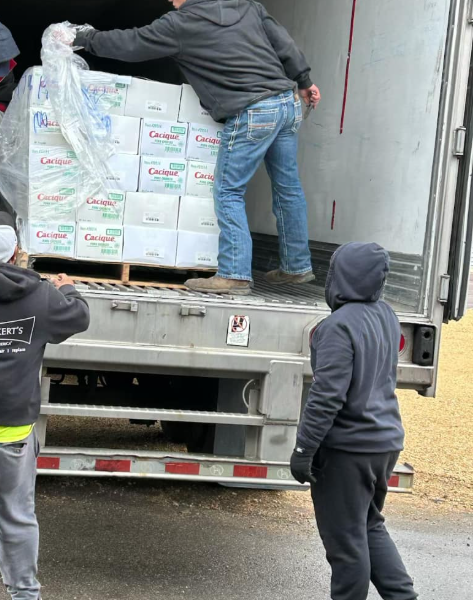
Since the position was established, RNDC has already coordinated three successful food rescues, with donations from Lutheran Social Service of Minnesota and Feeding Our Communities Partners. As of April 21, a total of 7,397 pounds of food has been rescued and redistributed to area partners including ECHO Food Shelf, South Central MN Food Recovery, New Ulm Food Shelf, Univeristy of Minnesota Extension, Maverick Food Pantry, Lutheran Social Service Mankato, St. Peter Area Food Shelf, and Feeding Our Communities Partners.
| | |
While progress has been encouraging, significant transportation gaps remain across the region. Although the Mankato area has some food transport options, many outlying communities lack the infrastructure to move large food donations efficiently. Addressing this barrier will be a central focus of RNDC’s next phase of work.
Future efforts will also include raising awareness among commercial and retail donors about the opportunity to divert surplus food to regional partners. RNDC also plans to expand community education around reducing household food waste and promoting sustainable food use in institutional kitchens.
In partnership with local stakeholders, RNDC is committed to developing community-specific solutions to food insecurity. This includes helping St. James overcome transportation barriers, supporting New Richland in expanding food variety, and assisting Crossroads with sourcing culturally relevant foods for diverse populations.
With continued support from the MAF, RNDC will use the coming months to build a stronger, more connected food rescue network that meets the needs of underserved residents and reduces food waste across south central Minnesota.
| | Now Available: Global Talent Webinars from RNDC and Regional Workforce Experts | | |
The Global Talent Webinars are now available on RNDC’s Global Talent Toolkit webpage. These informative sessions bring together workforce development professionals, educators, legal experts, and students to explore effective strategies for attracting, integrating, and retaining international talent in south central Minnesota.
Part One: Understanding International Students and Labor Shortages
The first webinar explores how international students contribute to solving regional labor shortages. A panel of students from local colleges shared their personal experiences, while workforce and education experts discussed the importance of building a strong school-to-work pipeline. The session also highlighted how partnerships between higher education institutions and employers can be leveraged to meet workforce needs and support student success.
Part Two: Fostering Dynamic Work Environments to Engage and Retain a Global Workforce
The second session dives into creating dynamic and engaging work environments for international employees. Legal and talent acquisition professionals offered insight into navigating employment requirements and shared practical strategies to foster belonging in the workplace. Employers from the region also shared real-world examples of what has worked in their organizations when it comes to integrating diverse talent.
Supporting Regional Workforce Needs Through Global Talent
These webinars were developed as part of RNDC’s broader efforts to support regional workforce needs by equipping employers with tools and knowledge to successfully engage global talent. International students and workers are an often underutilized resource that can bring fresh perspectives and critical skills to local industries facing staffing challenges.
Convenient Access for Employers, Educators, and Community Leaders
The webinars are now available on RNDC’s website for those who could not attend the live events or for anyone interested in revisiting the material. Each session is designed to be informative and actionable, offering insights that can be used to shape local workforce strategies.
A Resource for the Entire Region
Whether you're an HR professional, small business owner, college administrator, or community advocate, these webinars offer valuable takeaways to help support international talent in your organization or community. To view both sessions, visit the Global Talent Toolkit page on RNDC’s website at www.rndc.org/global_talent_toolkit. No registration is required to view the recordings.
| | RNDC Partners with Greater Mankato Growth to Host the Inaugural South Central MN Workforce Summit | | |
Workforce development is a critical issue for businesses and communities across south central Minnesota. In response to growing workforce challenges, Greater Mankato Growth (GMG), in partnership with RNDC, is hosting the inaugural South Central Minnesota Workforce Summit on Tuesday, May 20, 2025, from 9 a.m. to 4 p.m. at the Mayo Clinic Health System Event Center in Mankato.
This full-day summit will bring together human resources professionals, hiring managers, executives, and workforce development leaders to discuss solutions for addressing workforce shortages, talent retention, and the evolving needs of employers. Attendees will gain insights into both short-term and long-term strategies that can help strengthen south central Minnesota’s labor force and ensure businesses remain competitive in a rapidly changing economy.
The region faces several workforce challenges, including an aging population, shifting industry demands, and talent retention concerns. The South Central Minnesota Workforce Summit will provide a platform for employers and stakeholders to explore innovative solutions, share best practices, and connect with experts in workforce development.
Attendees may apply for a 50% reduction of the registration fee, available through the Minnesota Department of Employment & Economic Development's (DEED) Drive for Five Program. Apply for a reduced rate here.
The event is made possible with support from DEED.
Click the button below to learn more and register!
| | The 2025 Minnesota Energy Factsheet is Now Avaiable! | | |
Developed by Clean Energy Economy MN (CEEM) and the Business Council for Sustainable Energy (BCSE), the Factsheet provides a clear, data-driven snapshot of how Minnesota’s energy transition drives economic, environmental, and reliability gains across the state.
Highlights from this year’s report include:
✔️ 53% of Minnesota’s electricity came from carbon-free sources in 2024, outpacing the national average.
✔️ Electricity imports dropped to just 11%, showing stronger in-state production.
✔️ Power sector emissions are now 52% below 2005 levels — a record low.
✔️ Renewables supplied one-third of all electricity in 2024.
✔️ Minnesota ranked #1 in the Midwest for energy efficiency.
✔️ The ECO Act saved consumers over $307 million in just two years.
✔️ Solar capacity grew 35% year-over-year.
✔️ Innovation is rising, from clean hydrogen to sustainable aviation fuel.
Access the full report at https://www.cleanenergyeconomymn.org/factsheet. You can learn more by watching the video below.
| | |
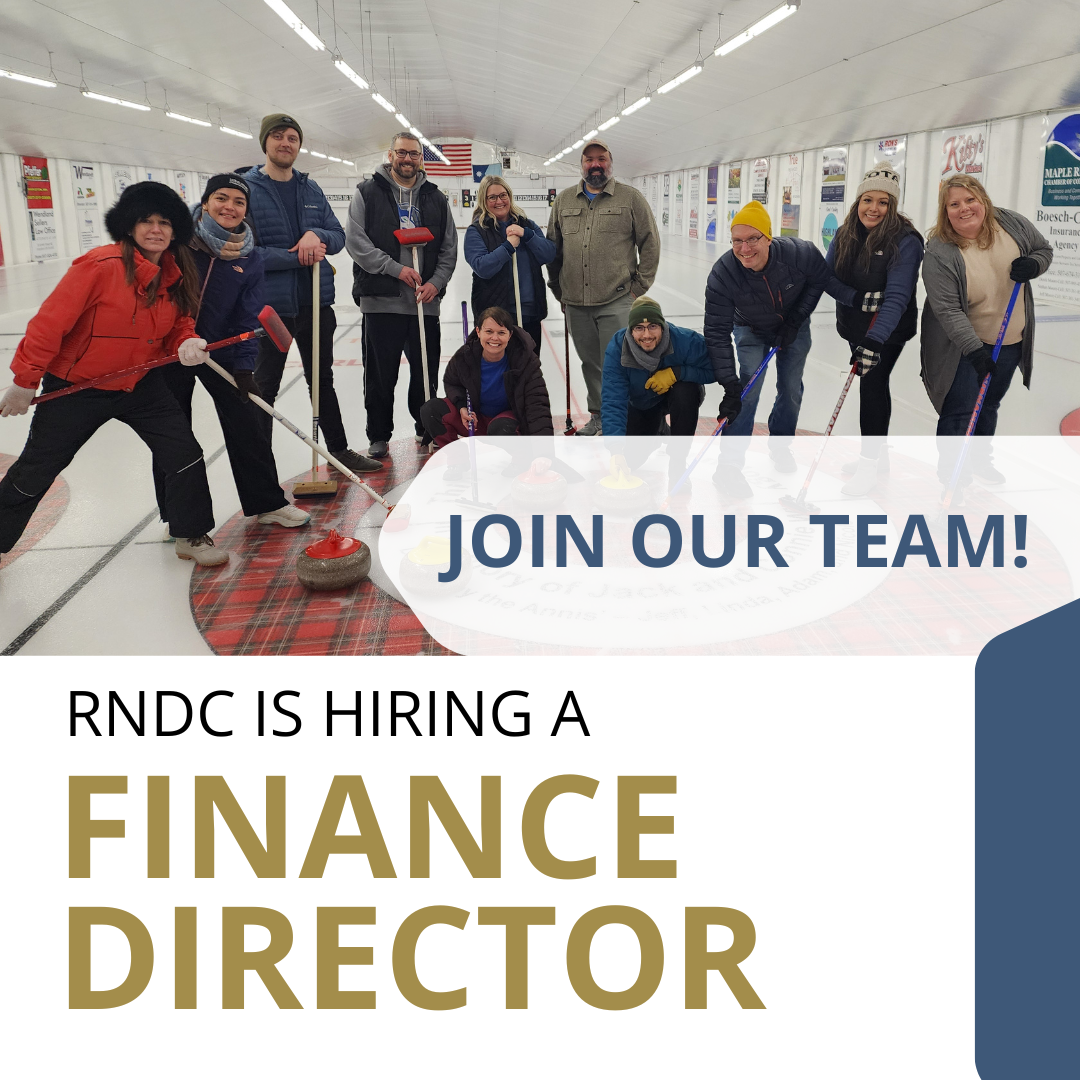
Are you a detail-oriented financial professional with a passion for community and economic development?
RNDC is hiring a Finance Director to lead our accounting system, fiscal sponsorship activities, and financial planning efforts.
Key Responsibilities Include:
- Developing and managing budgets, financial reports, and cost allocations
- Overseeing grant and contract budgets in collaboration with the planning staff
- Supervising the Lending Specialist position
- Long range fiscal planning
Visit https://www.rndc.org/finance-director-2/ to learn more and apply!
| | $$ Grant Opportunities $$ | |
Student Parent Support Initiative Now Accepting Proposals
The Office of Higher Education (OHE) is now accepting proposals for the Minnesota Student Parent Support Initiative (SPSI). This competitive grant program, administered in partnership with the Minnesota Department of Health, allows eligible entities and institutions to apply for funds to develop and implement services and programs that would support the unique needs of parenting students across the state. Grants can be used to offer services to support the academic goals, health, and well-being of student parents.
What Services are Eligible?
- Program development costs (including staff salaries);
- Costs related to the start-up of on-campus child care;
- Health and Wellness activities for pregnant and parenting students and/or their children
- Evaluation and data collection; and
- Direct financial assistance to pregnant and parenting students including:
- Scholarships
- Basic needs support (food, housing, diapers, and other support that is not an emergency grant)
- Emergency grants as defined by Federal Student Aid and
- Expenses related to child care.
Who is Eligible to Apply?
Eligible grant applicants are institutions/organizations located within Minnesota and fall into one or more of the following categories:
- Minnesota postsecondary institutions
- Professional organizations
- Community-based organizations
- Political Subdivisions
- Tribal Sovereign Nations
- Child Care Providers
Please note that current SPSI grantees are ineligible to apply this funding cycle.
2025 Grant Timeline
- May 5, 2025 – Virtual proposal workshop
- 4:00 p.m. May 29, 2025 – Proposal submission deadline
For more information, full eligibility requirements, deadlines or to find the Request for Proposal, visit the OHE website or email gwi.ohe@state.mn.us.
Deadline: May 29, 2025
| |
2025 Workplace Safety Grants for Health Care Entities
The Workplace Safety Grants for Health Care Entities program, authorized by 2023 Session Law Chapter 70, Article 4, Section 109, is established to award grants to increase safety measures in health care settings and establish or expand programs to train staff in health care settings on de-escalation and positive support services. The program is focused on preventing workplace violence. The overarching goal of the Workplace Safety Grants for Health Care Entities program is to make long-term improvements in safety and stability for staff and patients in health care settings.
The following health care entities are eligible to apply for funding:
- Long-term care facilities
- Acute care hospitals that are staffed for 49 beds or fewer and located in a rural area
- Critical access hospitals
- Medical clinics
- Dental clinics
- Community health clinics
Health care entities with multiple locations may submit a maximum of three separate applications for distinct projects happening at different locations or one application covering work that spans multiple locations. The award for each application will not exceed the statutory limit of $50,000, even if an application includes work at multiple locations.
Applications must be submitted online through the ORHPC Grants Portal.
Deadline: June 13, 2025
| |
Region Nine Development Commission takes great pride in working with and on behalf of counties, cities, townships, and schools throughout South Central Minnesota. Since 1972, being a partner for progress has led to the development of programs and identification of solutions in the areas of economic development, business development, healthy communities, transportation, community development, and leveraging regional resources. To learn more about our work and mission, visit www.rndc.org.
| | | Follow RNDC on social media to stay up-to-date on events, news, and more! | | | | |