|
Monthly newsletter from the City of Chula Vista
Sustainability Team
| |
Save The Date: NatureScape Workshop and Plant Giveaway Saturday July 25 - Registration Required
The Sustainability Division is hosting a NatureScape Workshop on Saturday, July 25 from 8 am to 12 pm with presentations by experts covering native landscapes, pollinators, and water irrigation systems. Creating a NatureScape is a way to increase your personal living space outdoors into your yard. Presentations will focus on how to create a sustainable yard. The topics covered include benefits of pollinators, water smart irrigation, available resources and water rebates, and benefits and methods of compost.
Workshop attendees will receive a free drought-tolerant plant and can participate in raffle prizes. Registration is required to attend the workshop. It is being held at Mountain Hawk Park at 1475 Lake Crest Drive, Chula Vista, CA 91915.
REGISTER for the NatureScape Workshop to reserve your spot.
Chula Vista Garden Club Plant Sale – 8 am to 12 pm – Open to the Public
In conjunction with the NatureScape Workshop, the Chula Vista Garden Club will be holding a Plant Sale. Drought tolerant, California-friendly plants grown by the Garden Club will be sold at bargain prices while supplies last. Proceeds benefit Chula Vista Garden Club community programs.
| |
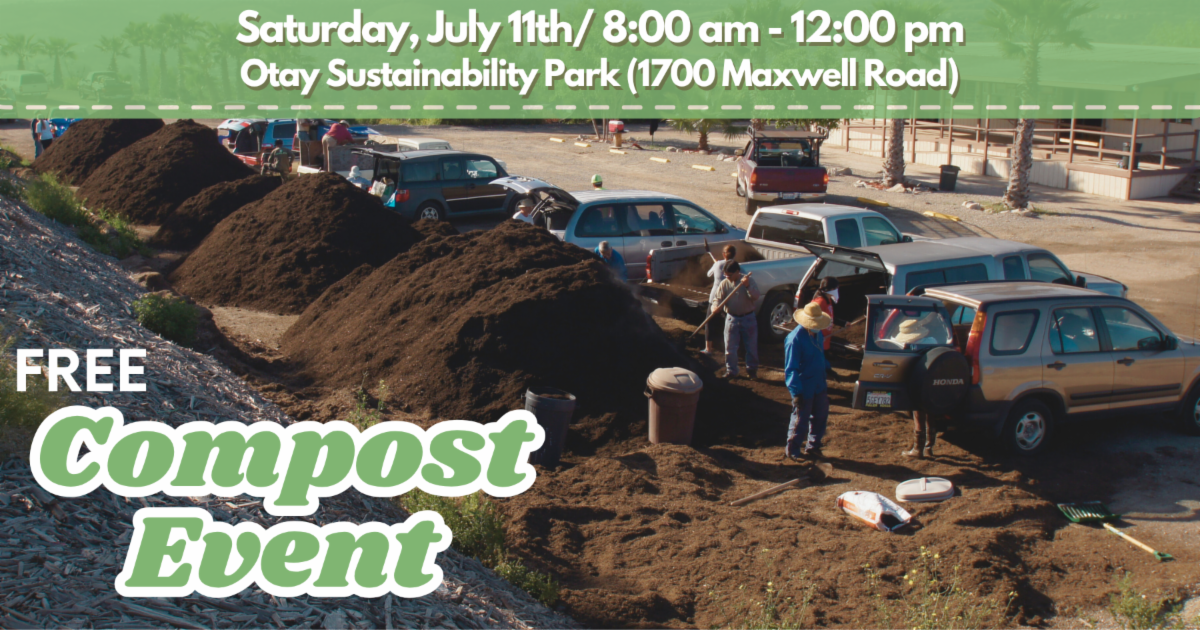
Free Compost Event: July 11, 8AM – 12PM
The next free compost giveaway event is happening Saturday, July 11 from 8:00 am - 12:00 pm at the Otay Sustainability Park (formerly known as the Otay Landfill - 1700 Maxwell Road). Don't forget to bring your shovel, containers, and tarps!
Since 2015, in appreciation of the community’s efforts to recycle yard waste (and now food waste), Republic Services has provided the opportunity for all Chula Vista residents to pick up free compost at these events. Beautify your landscape and improve your garden soil by adding compost to it.
Questions? Contact Environmental Services at 619-691-5122 or send us an email.
| |
Attention Building Owners– Benchmarking Deadline Extended to June 30
To comply with the City of Chula Vista’s Building Energy Saving Ordinance, owners of buildings 20,000 square feet and larger must report their energy use, otherwise known as energy benchmarking, annually on the free Energy Star Portfolio Manager platform.
The deadline to report energy use data has been extended to June 30. Visit www.chulavistaca.gov/benchmark to view the "How to Comply” document or to schedule one-on-one assistance. For additional questions, please send an email.
| |
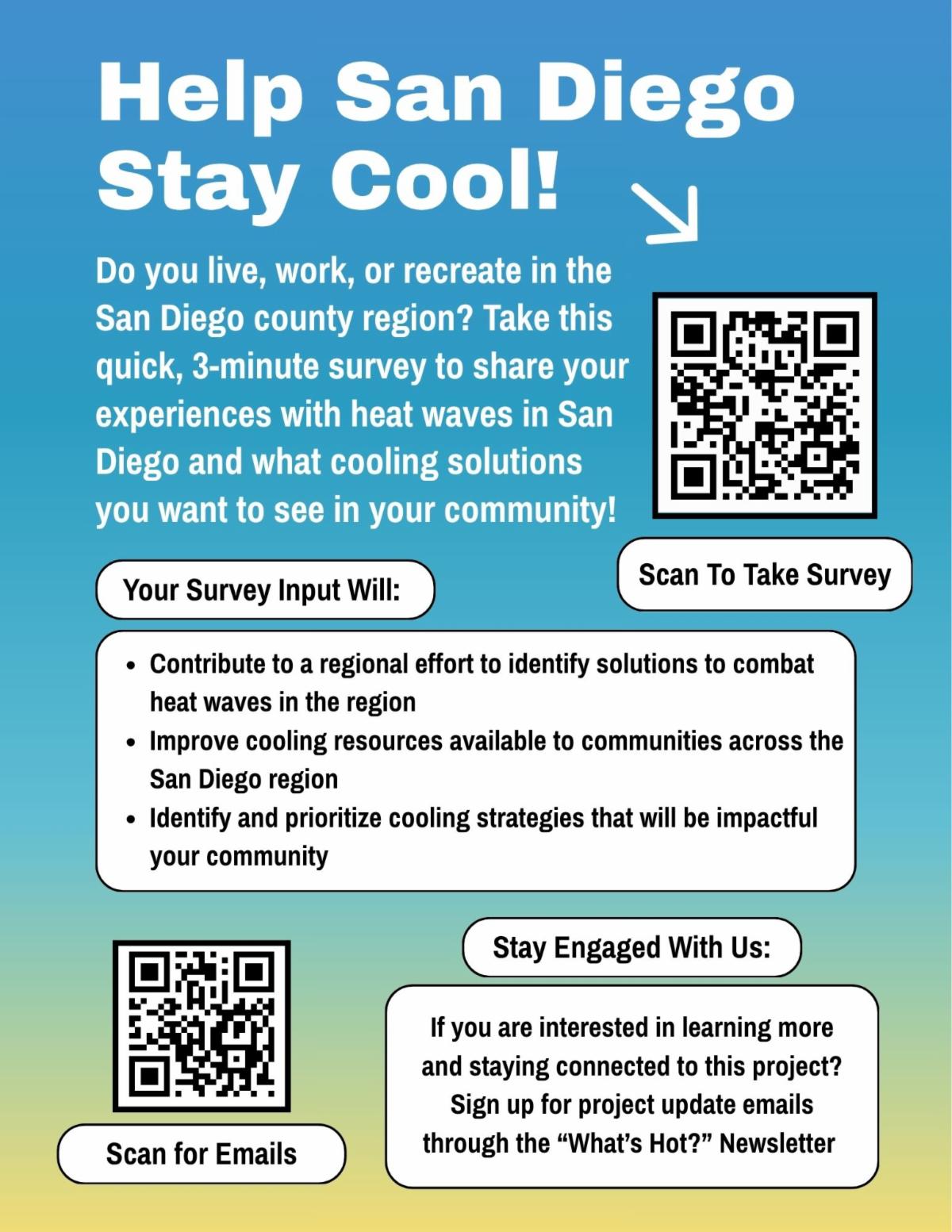
Input Needed for Extreme Heat Survey
The City of Chula Vista is working with the San Diego Regional Climate Collaborative to create an Extreme Heat Action Plan and needs your input. Data collected through this survey will contribute to a regional, multi-year project developing plans, tools, and resources for San Diego County. Sharing your personal experience with heat waves in the San Diego region will aid in identifying gaps and improve community cooling resources available to communities during extreme heat events. Your input and responses will be used to guide and inform the regional heat project with the goal of advancing more accessible cooling resources in your community.
This survey is a total of eight questions and should take less than 5 minutes. Your input and willingness to participate is invaluable.
| |
Portable Solar and Battery Lending Program
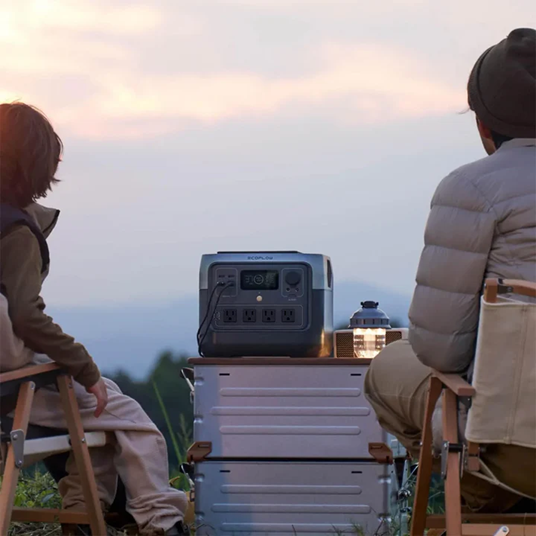
The City of Chula Vista Library’s Portable Solar and Battery Lending Program is giving residents a hands-on way to explore clean energy technology for free. Community members can borrow portable solar panels and battery systems to test how they work in real-life situations before investing in their own equipment.
One library patron recently borrowed a battery system to power a large fan overnight in a horse stable. The experience helped them determine whether the battery had enough capacity for outdoor use and demonstrated how simple the equipment was to operate.
"The instructions were clear, and the cables were organized neatly in the bag."
— Library Patron
The patron also appreciated being able to try clean energy technology at no cost and said the experience reinforced how practical portable solar and battery systems can be for outdoor activities without relying on long extension cords or traditional power sources.
The program can be especially useful during the summer for camping trips, beach outings, backyard gatherings, and learning opportunities for children interested in sustainability and clean energy.
The library patron said, “It is amazing if you plan to use a solar powered battery but if you are not sure about the capacity, you can run a test for free by checking out the battery from the Library.”
Program Benefits include:
● Free to borrow through the Chula Vista Library
● Test equipment before purchasing your own
● Learn about clean energy technology
● Great for camping, outdoor events, and emergency preparedness
The Portable Solar and Battery Lending Program continues to support the City of Chula Vista’s commitment to sustainability and community access to clean energy resources. To learn more about the Portable Solar and Battery Lending Program, visit the Chula Vista Library or the City’s sustainability webpage for additional information.
| |
Stormwater Smarts: Wash Your Car Wisely
Nothing says summer like a freshly washed car, but where you wash it matters more than you might think. When cars are washed in driveways or streets, soapy water, dirt, grease, and oil flow straight into storm drains. Unlike water from sinks and toilets, stormwater is not treated before reaching local waterways, San Diego Bay, and the ocean. The good news - keeping your car clean and protecting the environment can go hand in hand.
The easiest eco-friendly option is visiting a commercial car wash. Many facilities capture and recycle water, helping prevent pollution while conserving water at the same time.
Prefer washing at home? A few simple changes make a big difference:
- Wash your car on gravel, grass, or other absorbent surfaces instead of pavement.
- Use biodegradable soap and only as much as you need.
- Choose a hose nozzle with an automatic shutoff or a pressure washer to reduce water waste.
- Empty wash buckets into a sink or toilet—not the gutter or street.
Small actions add up. Cleaner car washing habits help reduce pollution that can lead to beach closures, harm aquatic life, and stress local ecosystems during busy summer months. So next time your car needs a shine, give local waterways a little love too. A cleaner car and cleaner water - that’s a win-win.
|
Sustainable Road Trips: EV Travel Tips for Summer
Hit the Road While Reducing Your Environmental Impact
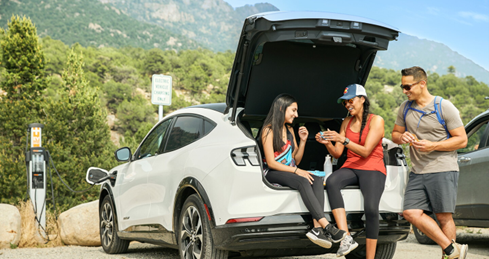
Summer is the perfect time for road trips, and electric vehicles (EVs) are making sustainable travel easier than ever. With thousands of public charging stations across the country and longer battery ranges, EVs offer a cleaner way to explore new destinations while reducing greenhouse gas emissions.
Plan Your Charging Stops
Before heading out, use apps such as PlugShare, ChargePoint, or your vehicle's navigation system to locate charging stations along your route.
Tip: Schedule charging stops around meal breaks or sightseeing opportunities to maximize travel time.
Drive Efficiently
Your driving habits can affect battery range.
Ways to maximize efficiency:
● Maintain steady speeds
● Avoid rapid acceleration
● Use regenerative braking when available
● Check tire pressure before traveling
Sustainable Travel Starts with Small Choices
Whether you're planning a weekend getaway or a cross-country adventure, electric vehicles can help reduce emissions while providing a comfortable and efficient travel experience. By planning ahead and driving efficiently, you can enjoy a sustainable summer road trip while helping create a cleaner future.
If you are planning on buying an EV, check out SDG&E's Pre-owned Electric Vehicle Program. SDG&E customers can receive up to a $4,000 rebate when purchasing or leasing an eligible pre-owned Battery Electric Vehicle (BEV) or Plug-In Hybrid Electric Vehicle (PHEV). Visit the Program Requirements page to learn more about vehicle eligibility.
|
How to Have a Greener Summer Break
Here's how to make the most of the summer break while leaving a lighter footprint on the planet.
Travel thoughtfully
Summer and travel go hand in hand, but getting from A to B doesn't have to cost the earth. Choosing trains over planes for shorter distances can cut your travel emissions dramatically. If flying is unavoidable, opt for direct flights as takeoffs and landings are the most fuel-intensive parts of any journey. For road trips, carpooling with friends or family makes a real dent in per-person emissions. Closer to home, biking and walking for daily errands are good habits to build during the long, warm days, and they cost nothing but a little extra time.
Eat with the season
Summer is one of the best times of year to eat sustainably. Farmers' markets overflow with local produce that hasn't traveled thousands of miles to reach your plate, and buying directly from growers reduces packaging waste too. Swapping a few red-meat meals a week for plant-based options is another high-impact change. For example, burgers and skewers made from lentils, chickpeas, or portobello mushrooms are just as grill-worthy. And if you have even a small outdoor space or a sunny windowsill, growing a pot or two of herbs connects you to where food comes from and saves you from buying plastic-wrapped bunches at the supermarket.
Rethink summer shopping
Before buying new summer clothes, check what you already own or explore secondhand shops, where seasonal finds are often cheaper and far better made. Fast fashion peaks in summer with cheap seasonal hauls that rarely survive more than one or two wears, generating enormous textile waste. If you do need something new, look for natural fabrics like organic cotton or linen, which biodegrade rather than shedding microplastics with every wash. The same logic applies to gear. Borrowing camping equipment, beach games, or sports accessories from friends or a local tool library means fewer single-use purchases and a lighter load all around.
Use less energy at home
Air conditioning is the summer energy villain. Before reaching for the thermostat, try keeping curtains and blinds closed during the hottest parts of the day, opening windows at night to let cool air circulate, and relying on ceiling or standing fans for a fraction of the energy cost. When the AC is genuinely necessary, setting it no lower than 75–78°F and using a timer rather than running it around the clock makes a significant difference. Summer's long days also mean less need for artificial lighting, so make the most of natural daylight and develop the habit of switching off lights as you leave rooms.
Get your hands dirty
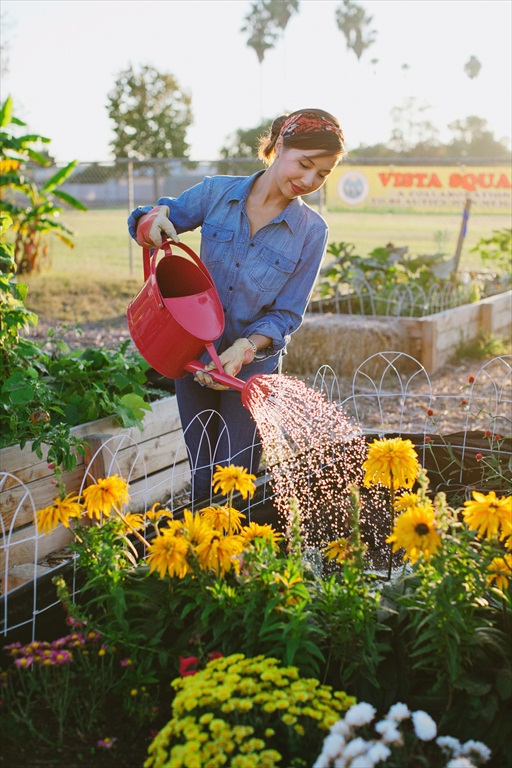
Summer break is an ideal time to start a small garden or compost bin. Composting kitchen scraps such as vegetable peels, coffee grounds, or fruit cores diverts waste from the landfill and creates rich fertilizer at no cost. Even a few pots of tomatoes or salad leaves on a balcony reduce plastic packaging. Beyond your own doorstep, volunteering for a local community garden or conservation project is a wonderful way to spend time outdoors while giving something meaningful back to your local environment.
| |
Smart Home Devices That Reduce Energy Bills This Summer
As temperatures rise during the summer months, air conditioners, fans, and other household appliances work harder to keep homes comfortable. Fortunately, smart home technology can help reduce energy use, lower utility bills, and make your home more efficient without sacrificing comfort.
Smart Lighting
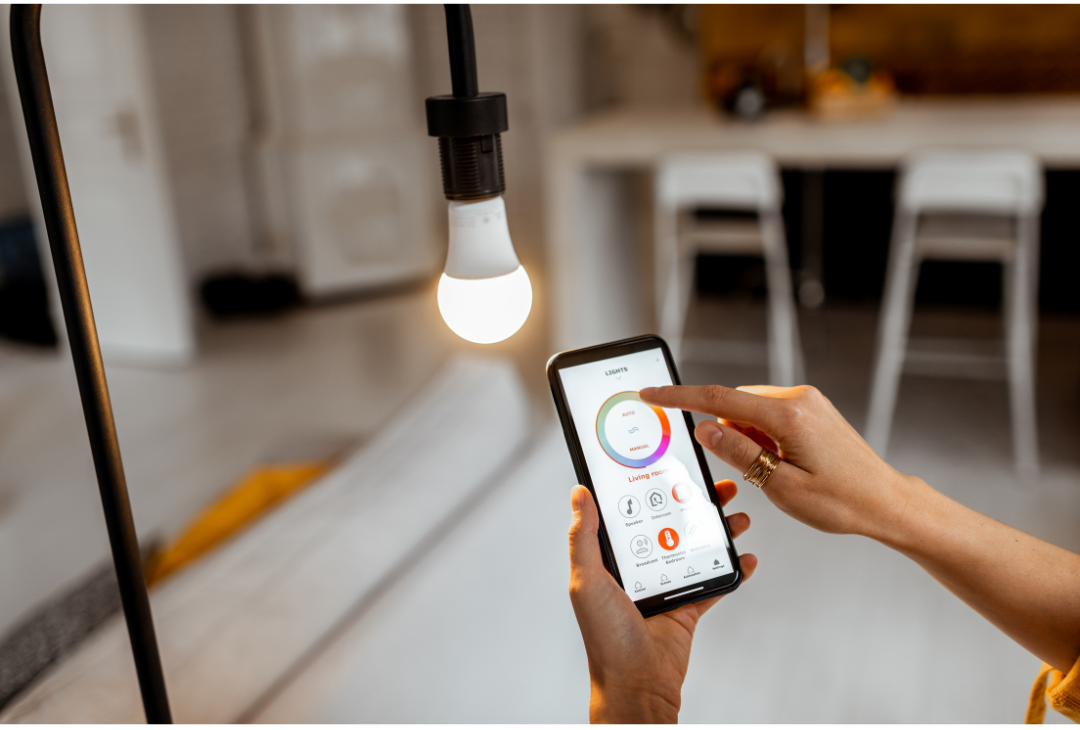
Smart LED bulbs use significantly less energy than traditional bulbs and can be programmed to turn off automatically when rooms are unoccupied.
Benefits:
● Lower electricity consumption
● Schedule lights to turn on and off automatically
● Control lighting remotely
Fun Fact: LED bulbs use up to 75% less energy and can last up to 25 times longer than incandescent bulbs.
Smart Plugs
Many electronics continue drawing power even when turned off. Smart plugs help eliminate this "phantom" energy use by allowing devices to be turned off remotely or on a schedule.
Great for:
● TVs and entertainment systems
● Coffee makers
● Chargers and small appliances
Small Changes, Big Savings
Smart home devices can help households reduce energy consumption, lower utility bills, and stay comfortable throughout the summer. By combining smart technology with energy-conscious habits, residents can save money while supporting a more sustainable community.
| |
Energy Bill Assistance Programs: Help Is Available
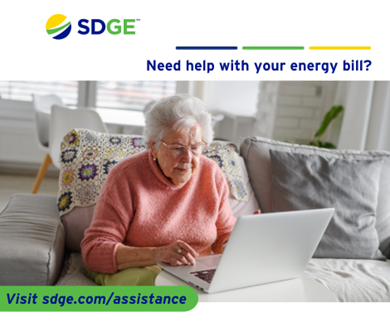
Did you know that SDG&E® offers several assistance programs to help customers reduce their energy costs and improve energy efficiency?
1. California Alternate Rates for Energy (CARE) Program
The CARE program provides a 30% or more discount on monthly energy bills for eligible households. Eligibility is based on household size and income, or participation in certain public-assistance programs. Applying is quick and easy, with no documentation required. Find out if you qualify at CARE Program.
2. Family Electric Rate Assistance (FERA) Program
FERA offers an 18% discount on electric bills for households who exceed CARE income limits but still meet FERA guidelines. Households of one or two are now eligible. Learn more at FERA Program.
3. Energy Savings Assistance (ESA) Program
The ESA program provides no-cost, energy-efficient home improvements to income-qualified customers. Services and products may include attic insulation,energy-efficient refrigerators, weatherstripping and more. The program aims to reduce energy use and help lower bills. Find details at ESA Program.
4. Medical Baseline Allowance
Customers with certain medical conditions may qualify for additional energy at the lowest rates through the Medical Baseline Allowance program. This helps offset the cost of operating medical equipment or maintaining necessary heating and cooling. Learn more at Medical Baseline Allowance.
5. Payment Arrangements
If you’re having trouble paying your energy bill, you can request an extension to help avoid interruptions to your service. Flexible payment arrangements are also available to help you pay down past due balances. Learn more at Payment Arrangements.
| |
Banned Material Successfully Returns to the Construction Industry
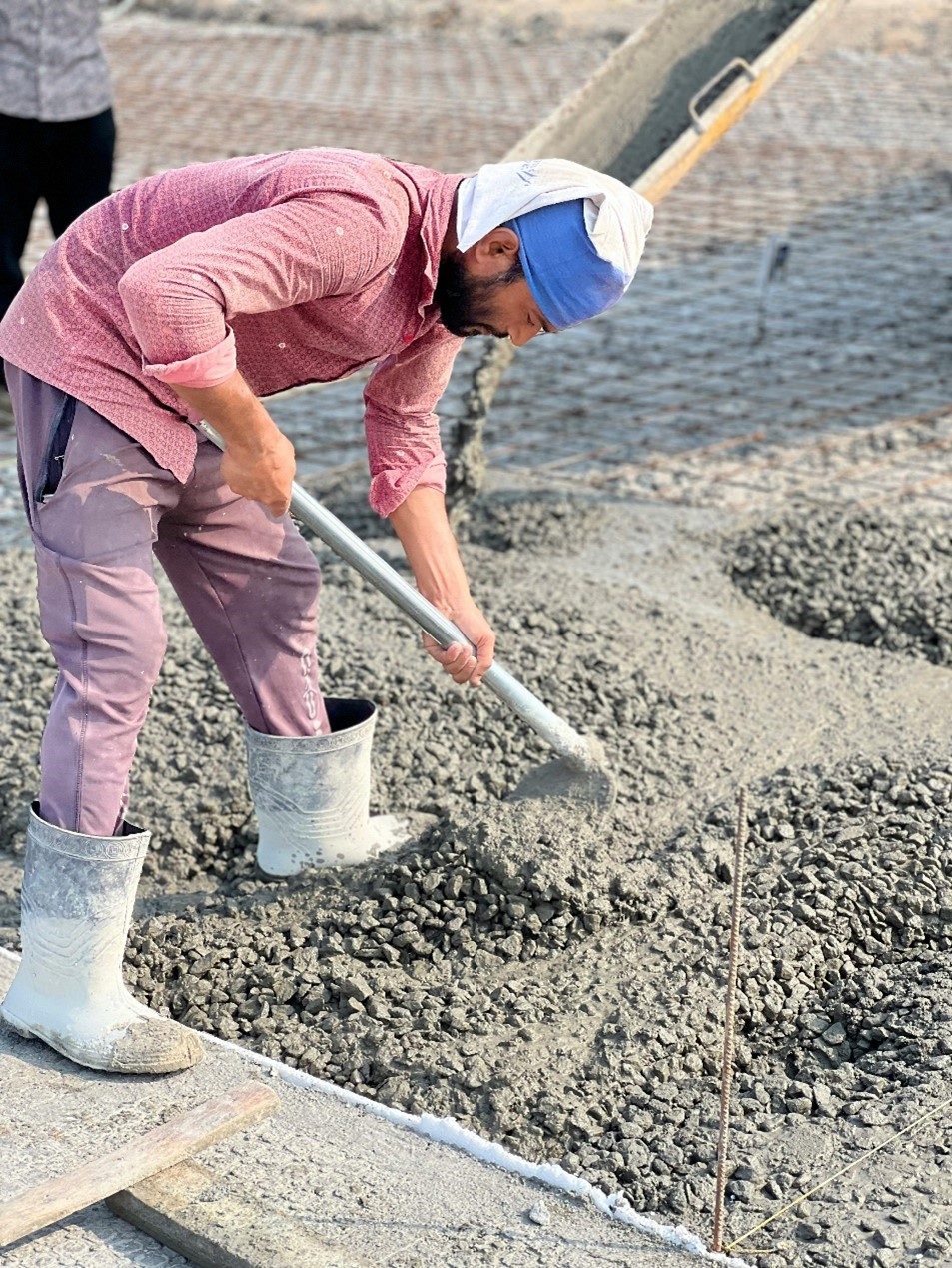
An industrial crop that was heavily restricted for nearly a century is returning to the construction sector as an approved building insulation material. The International Code Council recently approved hemp-lime construction for integration into the International Residential Code. This formal update allows builders to utilize the material in residential structures across many U.S. states without needing custom engineering variances.
Before this regulatory update, contractors faced significant legal and administrative barriers when using hemp-based materials. The plant was effectively banned in the United States for nearly 90 years because federal laws did not distinguish industrial hemp from varieties of cannabis that contain high levels of psychoactive compounds. The regulatory path was altered when the 2018 Farm Bill legally separated industrial hemp from marijuana at the federal level. Following that legislative change, the U.S. Hemp Building Association led a multi-year effort to submit testing data and architectural standards to national code administrators.
Architects and environmental scientists are analyzing the physical performance data of hemp-lime mixtures as commercial interest grows. The material functions primarily as an insulation layer that is cast around a standard structural timber frame rather than acting as a direct load-bearing replacement for standard concrete. The inner core of the hemp stalk consists of a woody substance known as the hurd. When processing facilities separate these hurds from the outer fibers of the plant, the raw material is mixed with hydrated lime and water to initiate a chemical curing process.
A technical analysis shows that the lime binder coats the porous hemp hurds, creating a lightweight matrix. The resulting composite material provides a thermal insulation capacity that can be up to 15 times greater than standard concrete. This thermal efficiency helps stabilize indoor temperatures by reducing the rate of heat transfer through the exterior walls of a home. The material also exhibits specific moisture-handling characteristics known as hygroscopic behavior. The open pore structure allows the walls to absorb water vapor from indoor spaces during periods of high humidity and release it when the air becomes dry. This breathability prevents the accumulation of liquid water inside the wall assembly. By eliminating trapped moisture, the chemical composition of the lime binder maintains a high pH level that naturally resists the growth of mold and deters insect infestations.
This material can help us curve emissions
The construction sector generates a substantial percentage of global carbon emissions through the manufacturing of traditional fiberglass, drywall, and concrete. Industrial hemp acts as a carbon sink during its agricultural growth phase, absorbing carbon dioxide from the atmosphere through photosynthesis. Tests show that the fast-growing crop captures carbon at a rate that allows the final assembled material to approach a carbon-negative profile. The volume of carbon dioxide captured and stored within the plant tissue often exceeds the total emissions generated by harvesting, processing, and transporting the material. The agricultural lifecycle of the crop requires fewer chemical inputs than many standard industrial materials. Hemp plants reach maturity within 90 to 120 days, allowing farmers to rotate the crop quickly while deep root systems help stabilize agricultural topsoil. Once placed inside a building envelope, the carbon sequestered by the hemp is locked into the structure for the duration of the building’s operational lifespan. If a structure is eventually demolished, the cured hemp-lime material can be crushed and returned to the earth because it lacks synthetic chemical additives.
While the updated building codes provide a clear legal pathway for construction, regional supply chains face ongoing infrastructure limitations. The specialized machinery required to process raw hemp stalks remains scarce in many parts of North America. Farmers must transport harvested stalks to specialized facilities equipped with industrial decorticators. These machines mechanically crack the stalks to separate the tough exterior fibers from the inner hurds required for construction blending.
Because few high-capacity decortication facilities currently operate in the United States, transportation costs for raw materials can limit the financial feasibility of regional projects. Many early hempcrete structures relied on imported hurds from European countries where industrial hemp cultivation remained legal throughout the 20th century. Domestic processing capacity is expanding slowly as investment moves toward agricultural manufacturing hubs. The growth of these regional processing centers directly influences the availability and retail cost of the material for local contractors.
Although earth-friendly construction planning and development is what our environment needs, it’s crucial that when we do build, we do so in ways that are resource-efficient, lean, and thoughtful. This hemp/cement mixed material brings us a step closer to a resourceful and transparent building process. Earth-friendly construction provides significant advantages across environmental, economic, and social categories. By prioritizing resource efficiency and occupant well-being, these practices create long-term value for both the planet and building owners.
| | | | |