May Tips & Events for Santa Clara County | | |
“The best tool in the garden is the knowledge of a gardener.”
~ Unknown
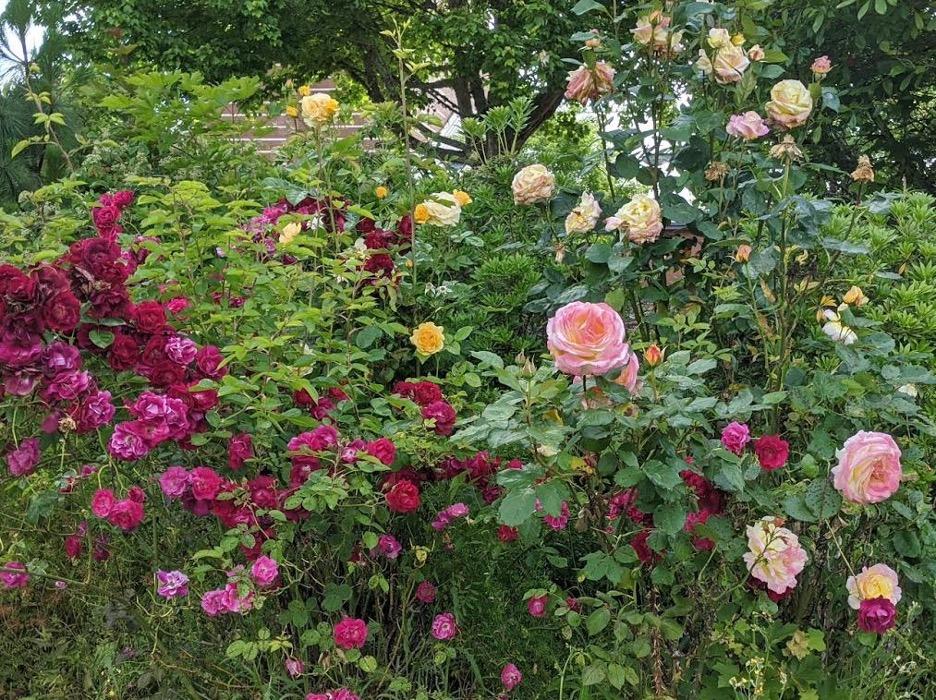
| | This is a photo of a single rose plant, but there are two different colored roses on it. How can this be? Is it a special variety that produces both red and pink roses? Or a mysterious freak of nature? Scroll down for the answer. | Photo credit: K Lars Lohn, uncommonrose.com | |
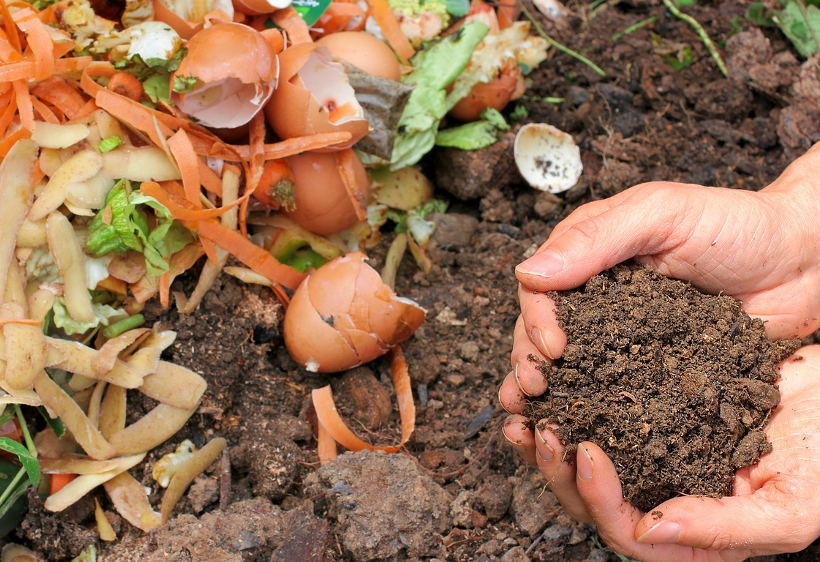
| | | What items should go into neighborhood green waste collection and what should go into a compost pile? Yard trimmings like grass clippings, leaves, and dead plants—but no pet waste—go into green waste collection for commercial processing. Food scraps may or may not be accepted, depending on your city or waste collector. For home composters, collect green waste plus other organic materials like fruit and vegetable peelings, coffee grounds, and newspapers. But don’t include diseased plants. Even though heat is released during the decomposition process, the temperature is usually not high enough in home composting to kill pathogens. |
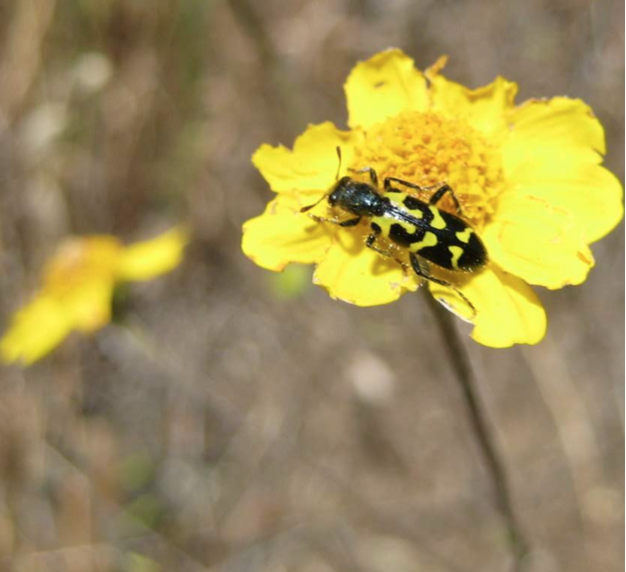
| While working in your garden or taking a walk, you might spot an interesting insect or plant that you haven’t seen before. To identify it, you can use an app such as Google Lens or Seek and see what they propose. Compare their suggestions with what you observe, such as size, habitat, or any specific details. Be aware that while these apps can be helpful, they aren’t always accurate. Distinguishing between very similar things can be challenging. If you need more help, reach out to online community forums such as bugguide.net for insects, Calflora for plants, or iNaturalist for a wide variety of subjects. | | Photo: Ornate checkered beetle on California buttercup, Ying Chen |
|
|
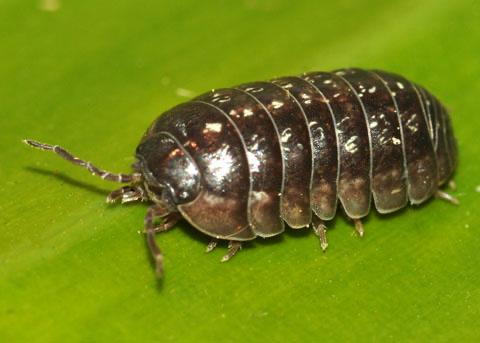
What’s a bug that isn’t a bug? A pillbug! They and their close cousins, sowbugs, are actually crustaceans, like lobsters, crabs, and shrimp. They have 14 legs, whereas true insects have just 6. Their shell-like armor is a dark gray-brown, but you may occasionally see bright blue ones that are infected by a virus that’s harmless to people. Pillbugs can roll up into a round “pill,” hence their other common name of roly poly. They primarily feed on decaying organic matter in the soil, providing a valuable recycling service for gardeners. If they become a problem, see the link for easy solutions, like reducing the soil surface wetness around your plants.
Photo credit: Peter J. Bryant, UC Irvine
|
|
|
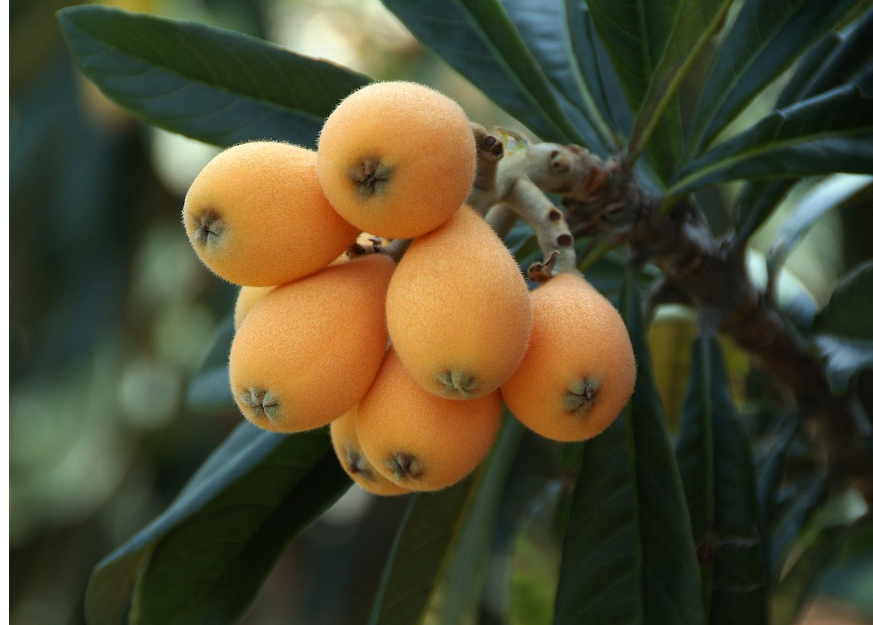
Are you familiar with the loquat, a small evergreen tree with glossy dark green leaves and clusters of apricot-colored fruit? It’s not well known, but it deserves broader notice. Often used as an ornamental, it brings a tropical feel to landscapes and contrasts well with other plants. The fruit is sweet and slightly tart, often described as a blend of citrus, peach, and mango. It perishes easily, so it is rarely found in markets. Loquats are easy to grow in our area, with fruits maturing as early as May. Another bonus: the fruit makes delicious jams.
Photo: Loquats (Eriobotrya japonica), Pixabay
|
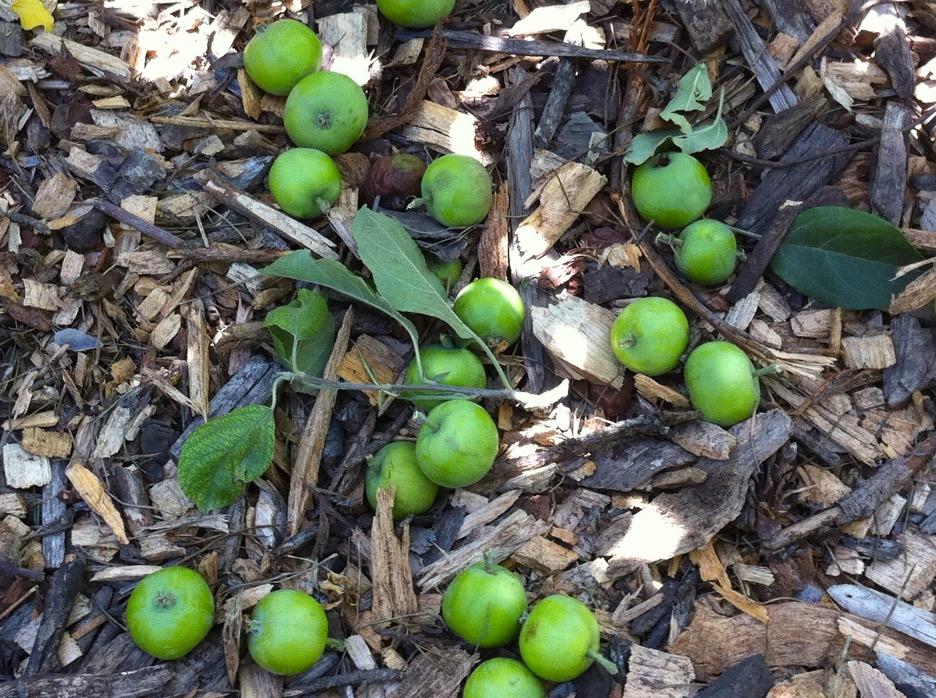
| Photo credit: Allen Buchinski | | Ready, Set... Drop. Oh No! | Don’t be alarmed by dropped fruit in your garden! It’s a natural phenomenon that occurs when fruit trees shed excess young fruit due to limited carbohydrate resources—in simpler terms, too many fruits and not enough photosynthesis from the canopy. Excessive loss can be managed by hand thinning early and providing adequate water. Always collect and dispose of fallen fruit to prevent pest and disease issues. Remember that some fruit drop is actually helping your tree focus energy on producing fewer but superior fruits for your summer harvest. | |
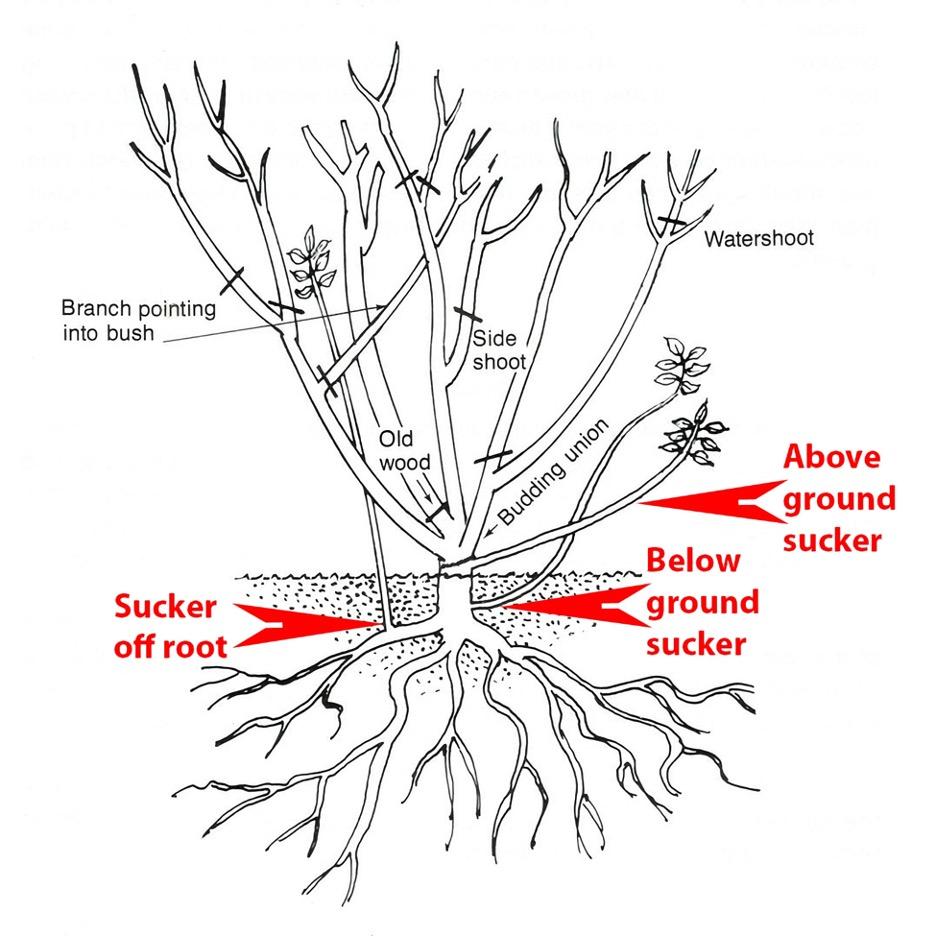
Most commercial roses are grafted onto a rootstock. Rootstocks are generally vigorous and disease resistant, characteristics that will help the grafted variety thrive. However, the rootstock may start sending up its own shoots from below the graft. These shoots are referred to as “suckers.” If allowed to grow, they can overwhelm the grafted variety. Dr. Huey, a deep red rose, is a common rootstock. It’s beautiful, but it may not be the rose you intend to grow. To remove the suckers, grab them and pull them off in a downward motion. This will help remove additional buds to keep them from growing back. | |
| For more gardening tips and to-dos, visit the monthly tips archive on our website. It is perfect for browsing, and while you may recognize some of the content, you’re sure to find something new. It starts with to-dos for the month, just the thing to review before heading out to your garden. | |
| |
Our monthly Plant Clinic Online is an opportunity to chat with a Master Gardener via Zoom to diagnose a plant problem. You can also listen and learn while other people ask questions. It takes place on the second Tuesday of the month (May 13) from 7 to 8:30 pm. Priority will be given to questions that are emailed in advance; instructions are in the Zoom registration confirmation. Registration required.
MCP Second Chance Seedling Sale, May 3, Martial Cottle Park, 5283 Snell Avenue, San Jose
PADG Recognizing Common Garden Insects, Saturday, May 3, 10:00am–11:15am, Palo Alto Demonstration Garden, 851 Center Drive, Palo Alto
Growing Culinary Herbs in Your Garden, Saturday, May 3, 10:30am–11:30am, Gilroy Public Library, 350 W 6th Street, Gilroy
SCTDG Growing Flowers, Herbs and Vegetables in Containers, Saturday, May 10, 9:30am–11:00am, South County Teaching and Demonstration Garden, 80 Highland Avenue (Corner of Monterey Road & Highland Avenue), San Martin
Companion Planting: The Three Sisters Method, Saturday, May 10, 10:00am–12:00pm, McClellan Ranch Preserve, 22221 McClellan Road, Cupertino
The Mystery of Purple Veggies, Saturday, May 10, 10:30am–11:45am, Willow Glen Public Library, 1157 Minnesota Avenue, San Jose
Easy to Grow Succulents!, Saturday, May 10, 11:00am–12:00pm, Mountain View Public Library, 585 Franklin Street, Mountain View
Healthy Bees, Healthy Gardens, Saturday, May 10, 11:00am–12:00pm, Central Library, Santa Clara, 2635 Homestead Road, Santa Clara
Plant Clinic Online, Tuesday, May 13, 7:00pm–8:30pm, Online
Understanding How Herbicides Work, Thursday, May 15, 12:00pm–1:00pm, Online
MCP California Native Plant Sale, Saturday, May 17, 9:00am–12:00pm, Martial Cottle Park, 5283 Snell Avenue, San Jose
STDG Vegetables You Can Start from Seed Now, Saturday, May 17, 1:00pm–3:00pm, Sunnyvale Teaching and Demonstration Garden, Charles Street Gardens, 433 Charles Street, Sunnyvale
Don’t Squash That Bug! Recognizing Beneficial Insects in the Garden, Sunday, May 18, 1:30pm–2:30pm, Rinconada Library, 1213 Newell Road, Palo Alto
Flowers for Your Summer Garden, Tuesday, May 20, 5:30pm–6:30pm, Morgan Hill Public Library, 660 W Main Avenue, Morgan Hill
Plant with Purpose: Grow Your Own Drink Ingredients!, Wednesday, May 21, 7:00pm–8:30pm, Los Altos Library, 13 S San Antonio Road, Los Altos
Plant Clinic Online, Tuesday, June 10, 7:00pm–8:30pm, Online
| |
Check our calendar for the latest schedule of events. Videos of many past presentations are also available.
| | |
University of California Master Gardener volunteers promote sustainable gardening practices and provide research-based horticultural information to home gardeners. Visit our website for more information including:
Have a gardening question? Ask us. We’re here to help!
| | | | |