|
For nearly a decade, Garrett Horton helped guide Wyoming Agriculture in the Classroom (WAIC) through one of the most transformational periods in the organization’s history.
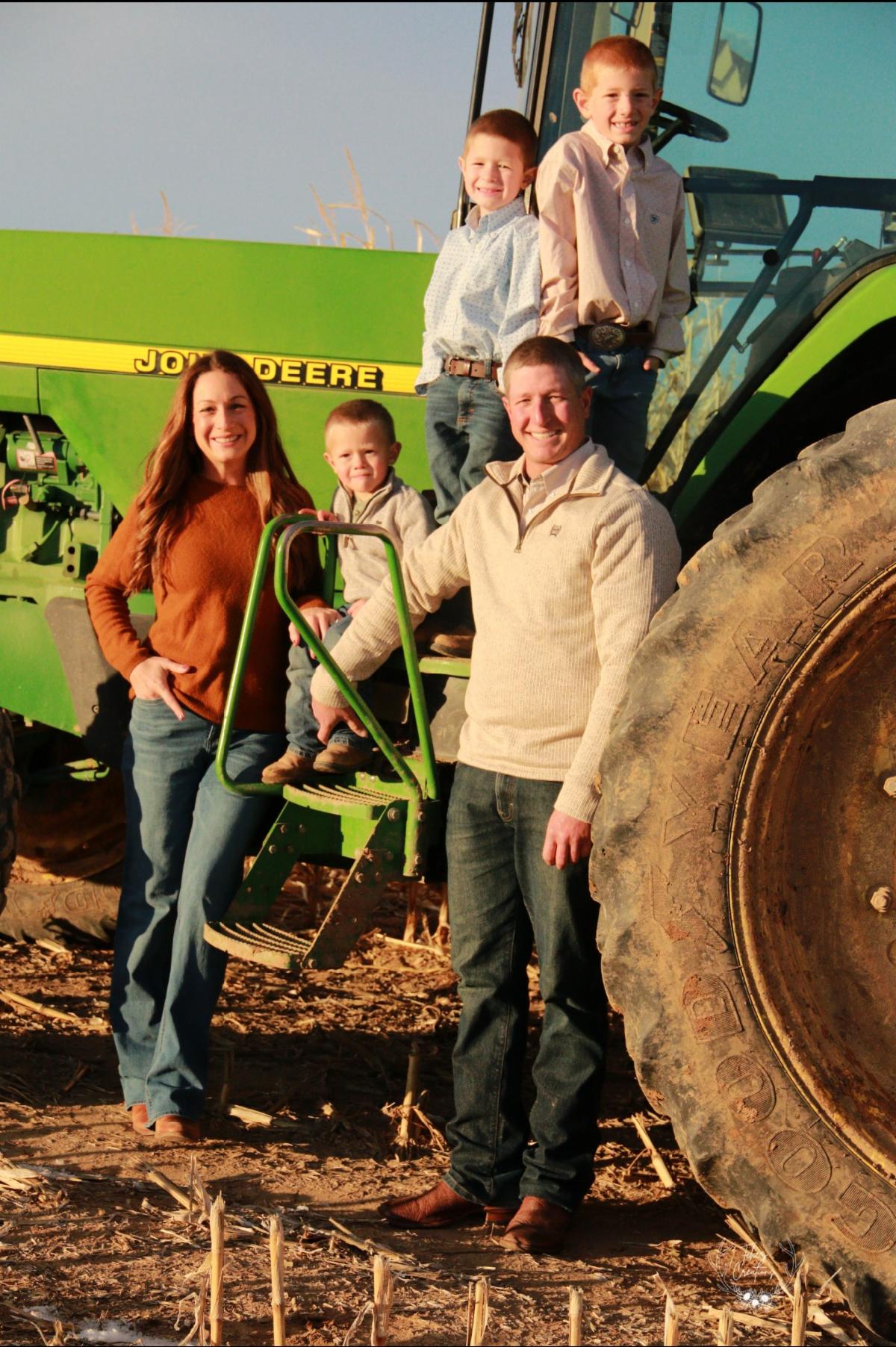
Raised on a family farm near Pavillion, Wyoming, Garrett learned early that agriculture was not simply a profession. It was a responsibility. “Farmer and rancher are some of the most important jobs there are,” Garrett reflected. “Even on our little farm, you understood the cattle you raised would end up feeding someone thousands of miles away. Feeding the world is a very noble thing to do.”
Those early experiences instilled in him a deep sense of work ethic, stewardship, accountability, and adaptability; these values would later shape both his career and his service to WAIC.
Garrett first became involved with WAIC after members of the Hamilton family approached him about joining the board. At the time, he was in his mid-twenties and beginning his career with Farm Credit Services of America.
“When they asked for a nine-year commitment, that felt daunting,” he laughed. “I hadn’t committed to anything for nine years at that point in my life.”
But once he learned more about the organization’s mission—and reflected on participating in the Bookmark & Beyond contest as a student—he recognized the importance of helping build something lasting for Wyoming students.
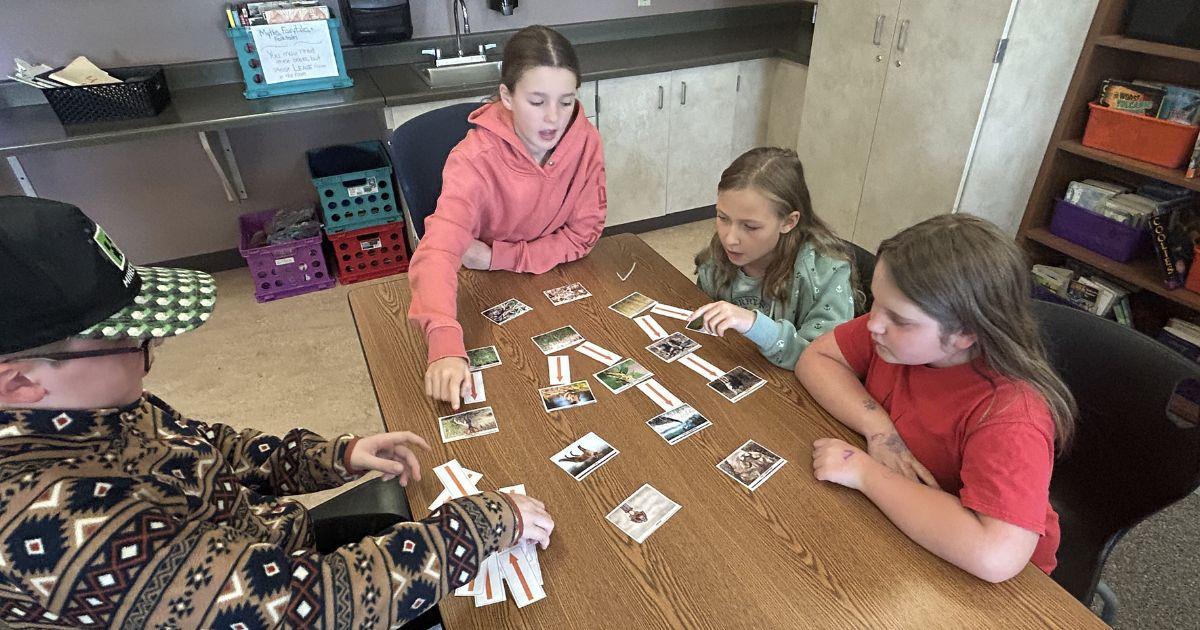
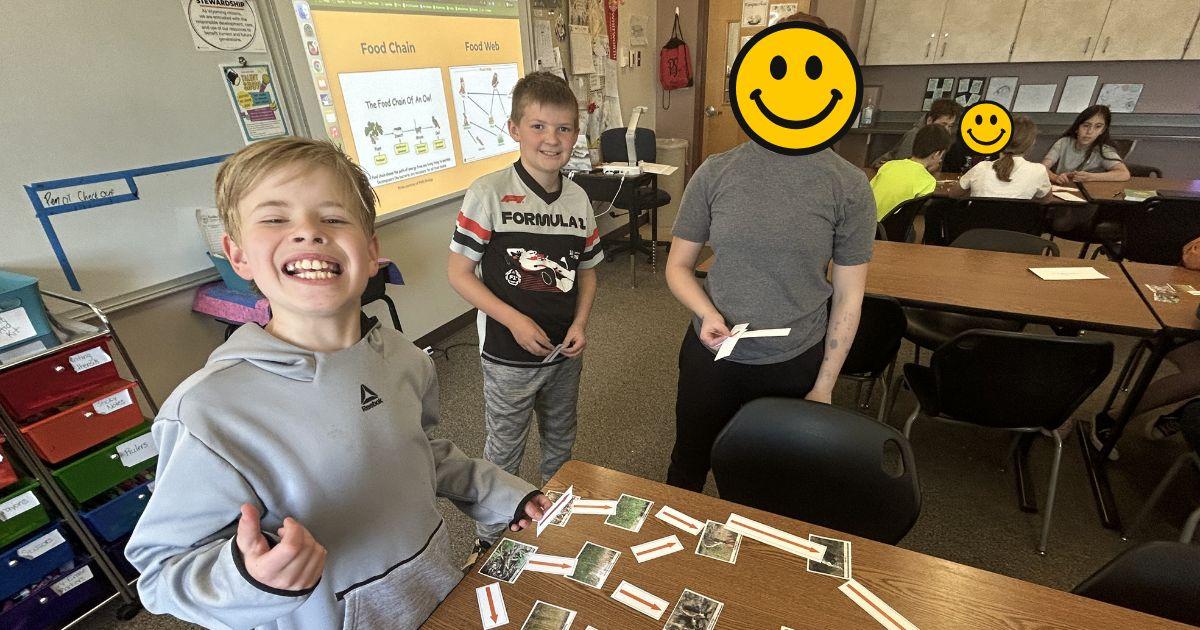
“When I joined, much of Agriculture in the Classroom revolved around expos and field days,” Garrett explained. “Those experiences were valuable, but they were one day out of an entire school year. The exciting shift was toward curriculum that could become part of everyday classroom learning.”
That transition ultimately became one of the defining moments of Garrett’s tenure on the board.
With the support and vision of the entire WAIC Board of Directors, WAIC made the difficult but strategic decision to move away from large expos in order to focus more intentionally on standards-aligned curriculum that could be integrated into classrooms across the state. Garrett also emphasized that Executive Director of the time, Jessie Dafoe, was instrumental in leading the charge through that period of organizational change and growth.
“It was a huge change,” he said. “Those expos were such a major part of the organization’s history. But focusing on curriculum gave us the opportunity to be in front of students for weeks at a time instead of just one day a year.”
For Garrett, one of the greatest strengths of Wyo Wonders is its Wyoming-centered approach to education.
“The curriculum is designed around things students can actually see in their communities,” he said. “It creates connections between what they’re learning in the classroom and what they experience every day.”
He points to industries like coal, oil and gas, agriculture, and natural resource management as examples of systems many Wyoming students see regularly but may not fully understand.
“A kid in Gillette might drive past a coal mine every day and think the only job there is being a coal miner,” Garrett said. “But there are engineers, geologists, environmental specialists, mechanics. The opportunities go on and on.”
He believes helping students understand those industries early in life is essential, not only for Wyoming’s economy, but for the future of Wyoming communities.
“We’re really good at shipping our best and brightest out of state,” Garrett said. “The goal was always to help kids see there are careers and opportunities here in Wyoming.”
Even for students who eventually leave the state, Garrett believes programs like Wyo Wonders provide something invaluable: an informed perspective about Wyoming’s industries, agriculture, and stewardship values.
If students understand agriculture and natural resources at a young age, they’re better equipped to process misinformation later in life and recognize how thoughtful stewardship and responsible land management serve the broader public good,” Garrett said. “There aren’t many things you can grow on Wyoming BLM rangeland. But you can raise an 800-pound steer that ultimately ends up on someone’s dinner plate.”
Garrett’s own family farm reflects the multi-use reality of Wyoming land stewardship. Their operation includes natural gas wells alongside agricultural production.
“Sometimes it was inconvenient farming around those wells,” he said. “But those partnerships also helped support our family financially for years. Agriculture and natural resources work hand-in-hand in Wyoming.”
Throughout his board service, Garrett also witnessed significant organizational growth, including the purchase of WAIC’s permanent headquarters in Cheyenne, a milestone he remains especially proud of.
“It was important to give Wyoming Agriculture in the Classroom a permanent home so the organization could continue to grow,” he said.
Today, Garrett continues to advocate for Wyoming agriculture and rural communities while ranching and raising a family of his own. Looking back, he says one of the most rewarding aspects of his time with WAIC was watching the organization evolve into something sustainable and impactful for future generations.
“It was awesome being part of Agriculture in the Classroom during that time,” Garrett reflected. “There were challenges and hard decisions, but the growth was tremendous. Most importantly, I was able to step away from the board knowing the organization would continue to be successful well into the future.”
For Garrett, investing in Wyoming students is ultimately about investing in Wyoming itself.
“If we don’t invest in the most precious resource Wyoming has (its children) then we’ll continue losing people and opportunities,” he said. “Programs like Agriculture in the Classroom help connect students to the industries, communities, and values that make Wyoming what it is.”
|