BRAINSPOTTING: HEALING FROM THE INSIDE OUT

Have you ever felt stuck in therapy? You might understand your challenges intellectually, yet the heavy feeling in your chest or the racing thoughts won’t go away. This often happens because trauma and deep-seated stress aren’t just stored in our thinking brain. They are held in the deeper, subcortical parts of the brain that words cannot always reach.


What is Brainspotting?

Developed by Dr. David Grand in 2003, Brainspotting is a powerful brain and body therapy that identifies, processes, and releases neurophysiological sources of emotional and physical pain. The core philosophy of Brainspotting is: "Where you look affects how you feel." By finding a specific point in your visual field – a “brain spot” – we can access the parts of the brain where trauma is stuck, allowing your nervous system to finally process and release it.


A Direct Pathway to Healing: The Brain Eye Connection

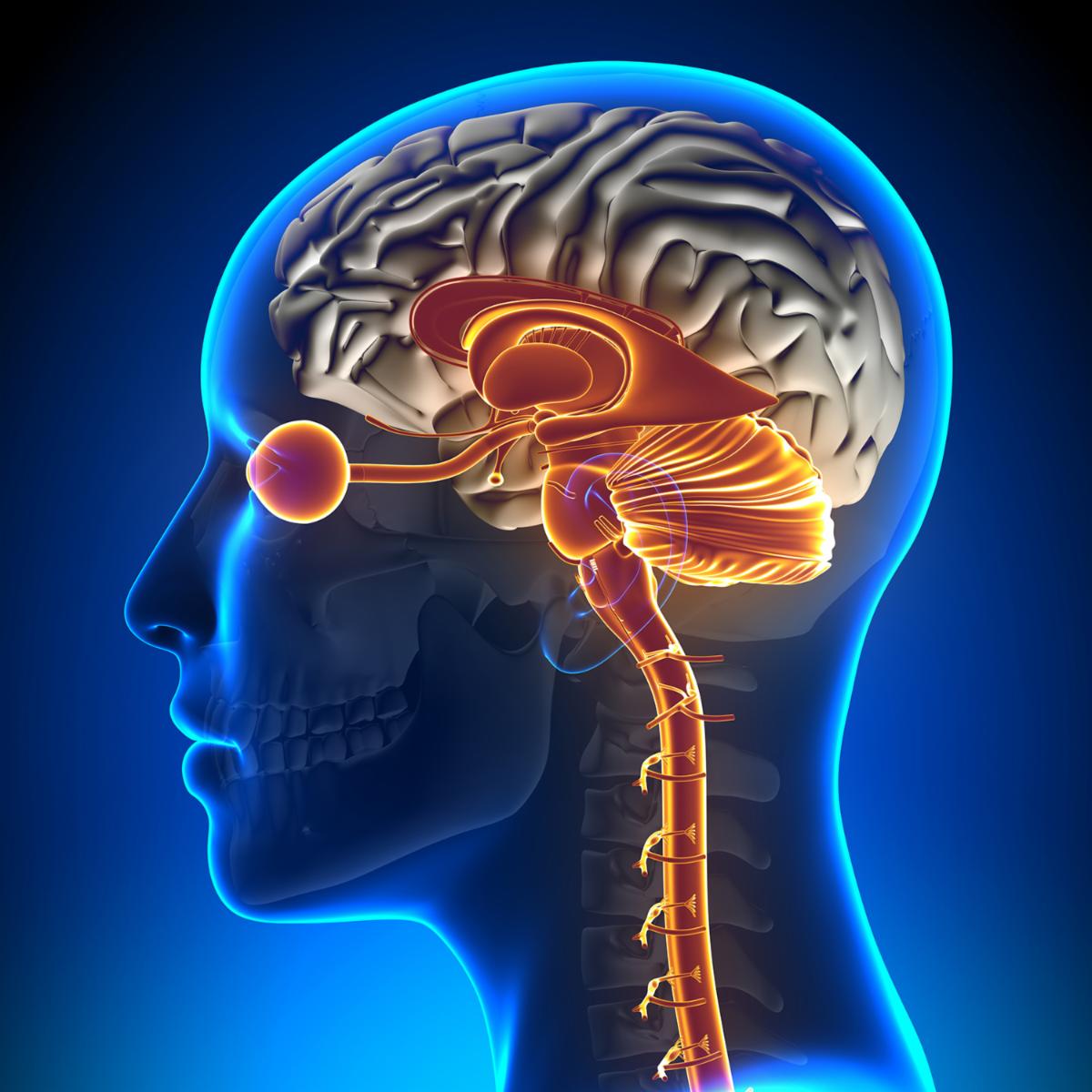
The image above illustrates a powerful truth in neurobiology: Your eyes are essentially an extension of your brain. Unlike other sensory organs, the optic nerve is physically part of the central nervous system. It acts as a direct, high-speed cable connecting the back of your eye to the deeper, subcortical regions of your brain.


The Reptilian Brain vs. the Thinking Brain

In therapy, we often talk about three layers of the brain:

  • The Neocortex (Thinking Brain): This is where logic, language, and talk therapy happen.
  • The Limbic System (Feeling Brain): Where our emotions and attachments live.
  • The Brainstem (Reptilian Brain): The most primal part of the brain responsible for survival instincts like fight, flight, or freeze.


When we experience a traumatic event, the memory often gets stuck in the reptilian brain as raw sensory data, not as words. This is why you can logically know you are safe (thinking brain) but still feel like you are in danger (reptilian brain).


Bypassing the Talk

Traditional talk therapy works from the top down, trying to use the thinking brain to calm the reptilian brain. But you cannot always talk your way out of a physiological reflex. Brainspotting works from the bottom up. By using the direct connection shown in the above image, we use specific eye positions as a neurological bookmark to locate exactly where that trauma is stored in the subcortical brain. This allows us to bypass the thinking brain entirely, going straight to the source to digest and release the stuck energy where it lives.


What can Brainspotting Help with?

Brainspotting has proven effective for a wide range of challenges, including:

  • Trauma Disorders
  • Anxiety and Panic Attacks:  Calming the nervous system’s high alert state.
  • Depression: Processing unresolved grief or emotional weight.
  • Performance Blocks:  Helping athletes, artists, and professionals move past creative stagnation.
  • Chronic Pain: Addressing the physical tension linked to emotional stress.
  • Emotional Regulation: Building a more resilient, balanced internal state.


What to Expect in a Session

A Brainspotting session is typically quieter and more internally focused than a standard session.

  1. Preparation: We start by discussing what you’d like to work on and noticing how it feels in your body.
  2. Finding the Spot: Using a pointer or your natural gaze, we’ll locate the eye position where you feel the most activated or grounded.
  3. Processing: You’ll maintain your gaze on that spot during focused mindfulness meditation. You do not need to talk; you simply observe whatever thoughts, memories, or body sensations arise.
  4. Bilateral Music: We often use bilateral music (sound that gently pans from left to right) through headphones to help calm the brain and deepen the processing.


Why Choose Brainspotting?

Many clients prefer Brainspotting because it does not require you to relive every detail of a painful memory. It is a gentle yet profound way to achieve breakthroughs that may have felt out of reach for years.


Take the Next Step

If you feel like your body is holding onto stress that your mind is ready to let go of, Brainspotting could be the missing piece of your healing journey.


Please email me at ARubel@lakescenter.com to book a free 15-minute screening and consultation call. I look forward to connecting and discussing how we can work together!


Ashley Rubel, LPC

Licensed Professional Counselor

Lakes Center Mental Health Network

Prioritizing Mental Health During Mental Health Awareness Month

May is Mental Health Awareness Month, a time to recognize that mental health is an essential part of overall wellness. Just like physical health, emotional well being deserves attention, care, and support.


Mental health challenges are common, and seeking support is a sign of strength, not weakness. Whether you are managing stress, anxiety, depression, or simply feeling overwhelmed, small steps toward caring for your mental health can make a meaningful difference.


This month, consider focusing on a few simple ways to support your emotional well being:


• Check in with yourself and notice how you are feeling

• Prioritize rest, movement, and healthy routines

• Reach out to trusted friends, family, or professionals for support

• Make space for activities that help you feel calm and recharged


Caring for your mental health is an important part of caring for your whole self.


Read More...

May is Mental Health Awareness Month

It is currently Mental Health Awareness Month, and this year, Mental Health America is shifting their focus to a beautifully simple goal with their theme: More Good Days, Together.


Instead of chasing an overwhelming definition of perfect wellness, this initiative invites us to reflect on what a "good" day actually looks like for ourselves and our communities. Sometimes, a good day is simply finding a small moment of peace, trying a new hobby, or checking in on a friend.


Mental health is a collective journey, and by normalizing these daily check-ins and reducing the stigma around asking for support, we can build a stronger safety net for everyone. So let’s commit to taking care of our minds and helping each other navigate the bad days so we can cultivate more of the good ones, together.


You can start today by taking the free, anonymous mental health screener at screening.mhanational.orgYou can also find the 2026 Mental Health Month Action Guide with online activities, articles, printable tools, and practical resources on the MHA website.


If you’re in crisis or need immediate support, help is available now.

Call or text 988 or chat via 988lifeline.org for free, confidential support 24/7.


Mental Health Tip:

Strengthen Your Support System

Connection plays an important role in emotional health. Spending time with supportive people can reduce stress, improve resilience, and remind us that we do not have to navigate challenges alone. Here are ways to build connection:


  • Call or text someone you care about
  • Schedule coffee or a walk with a friend
  • Join a local group or community activity
  • Reach out for professional support if needed

Mental Health Tip:

Give Your Mind Permission to Slow Down

When life feels busy, your brain needs time to reset. Constant notifications, packed schedules, and mental multitasking can increase stress and make it harder to focus.


Try one simple reset this week:

  • Put your phone away for 30 min.
  • Take a short walk without distractions
  • Step outside for fresh air and sunlight
  • Pause for a few minutes of quiet breathing


Even small breaks can help your mind feel clearer and more balanced.

We provide comprehensive psychiatric and psychotherapy services for a vast array of mental health issues, including depression, anxiety, bipolar disorder, psychotic illness, borderline personality disorder, substance abuse/addiction, trauma related issues, relationship difficulties, life transitions, and behavior problems. Call (248) 859-2457 to set up an appointment.
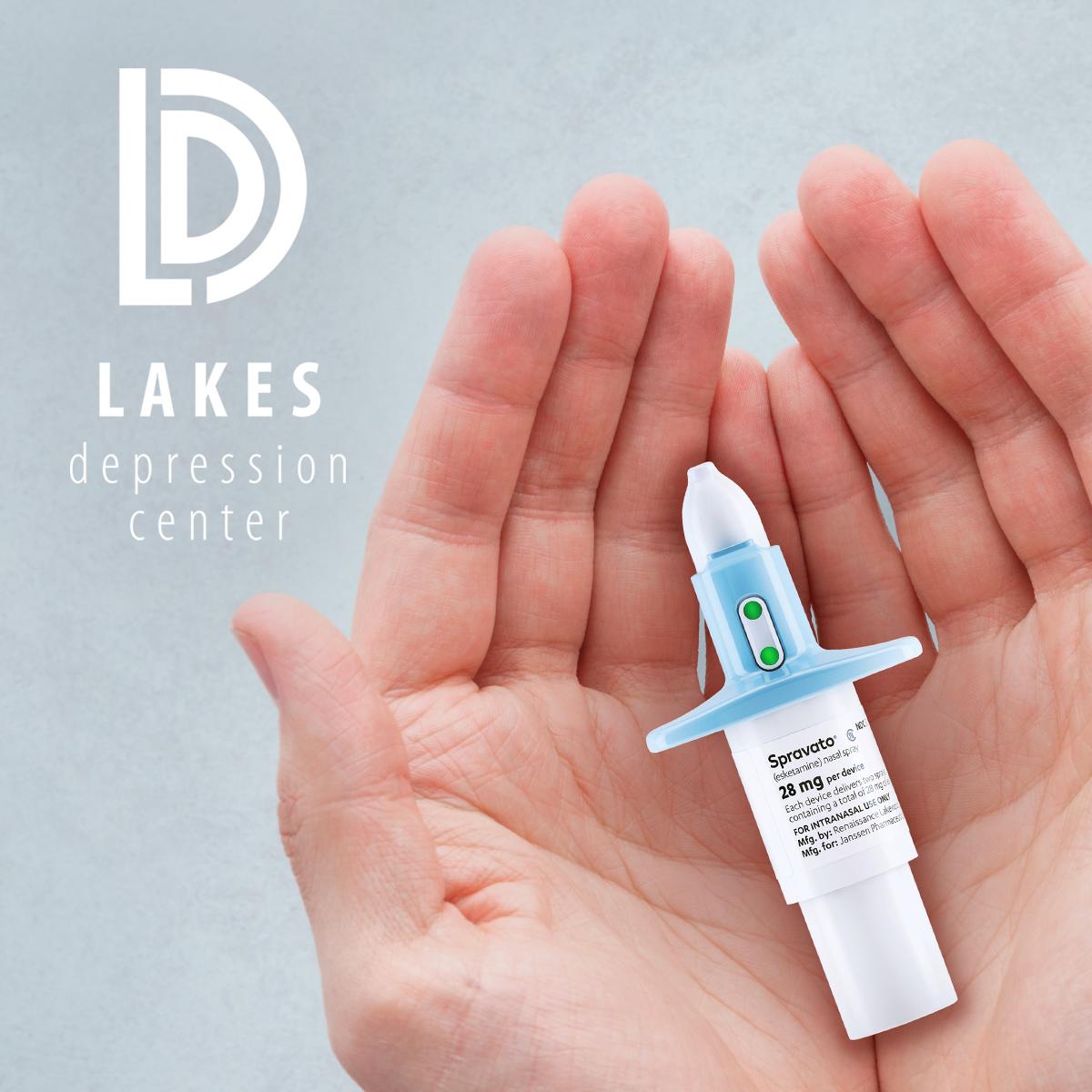
Did you know? SPRAVATO® can have a rapid antidepressant response and is added on to an antidepressant and the rest of your regimen. It is the first new mechanism of action to treat depression that has come out in over 30 years. 
There is hope for treatment-resistant depression. Call (248) 859-2457 to set up an appointment.

Lakes DBT

We provide comprehensive DBT services to provide effective treatment of Borderline Personality Disorder (BPD) and other disorders involving emotion dysregulation, including co-occurring substance use disorders, major depressive disorder, and individuals with history of trauma. At Lakes DBT Center, we believe that with effective evidence-based treatment and a caring and coordinated treatment team, clients can create a life they love.

Discovering Wellness:

A Therapy Group for Depression and Anxiety

Tuesdays, 10:30 am - 12:00 pm

New Groups Starting Every 8 Weeks

Lakes Center, 2300 Haggerty Road, Suite 1170, West Bloomfield, MI 48323


Contact Josephine Salem at JoSalem@lakescenter.com or Catherine DuFresne at CDuFresne@lakescenter.com for the starting date of the next group.


This is an adult outpatient therapy group treating Depression and Anxiety related mental health disorders. Click here for more information!

OCD/ERP Online Support Groups:

Networking for Change and Growth

Tuesdays 12:30 - 1:30 pm and Thursdays 3:00 - 4:00 pm

(Both are Online only)


Contact Terrie Browning at TBrowning@lakescenter.com or (248) 342-9254.

To Sign Up: Call (248) 859-2457 or click here to fill out our Contact Form.


This group is open to people who have OCD, PTSD, Hoarding, Trichotillomania, Excoriation and Tics. We discuss how ERP works to treat these as well as Generalized Anxiety and Panic Disorders. Since ERP can be difficult to maintain, sharing similar experiences with each other, as well as learning from the leaders will help you stay on the course.

Regina Baker, LMFT

Licensed Marriage & Family Therapist


Regina is a licensed marriage and family therapist certified in both EMDR (eye movement desensitization and reprocessing) and perinatal mental health, and she also incorporates CBT (cognitive behavioral therapy) and IFS (internal family systems) treatment modalities into her work. Regina has been in private practice more than a decade supporting clients sorting through developmental trauma, single incident trauma and antenatal/postpartum issues.


​If you are stuck on images, negative self-beliefs, or uncomfortable body sensations associated with single incident or attachment trauma. Regina has the experience to help.

Read more...

Stephanie Chapman, LMSW

Clinical Social Worker


Stephanie is a mental health therapist committed to providing a compassionate, supportive, and nonjudgmental space where individuals can feel safe exploring their experiences and working toward meaningful change. Her approach is grounded in trauma-informed and person-centered care, and she is trained in Dialectical Behavior Therapy (DBT) and other evidence-based practices that support emotional regulation, resilience, and healthy coping skills.


Stephanie earned her Master of Social Work from Simmons University in December 2022. Her clinical experience includes working in outpatient, residential, and IOP/PHP levels of care.


Read more...

We are located in the Lakes Medical Center

2300 Haggerty Road, Suite 2160 • West Bloomfield, MI 48323

Phone: (248) 859-2457 • Fax: (248) 859-2473 • Billing: (248) 313-9550

info@lakescenter.com www.lakescenter.com

Facebook  Instagram  LinkedIn  Web

© Lakes Center, May 2026