|
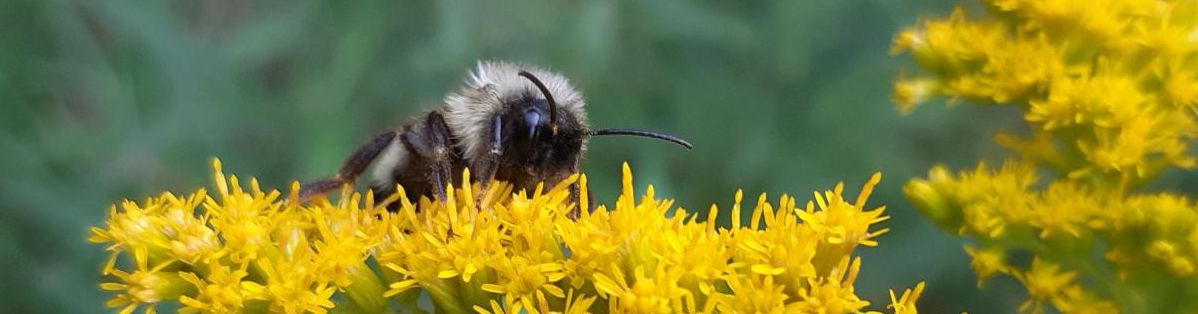
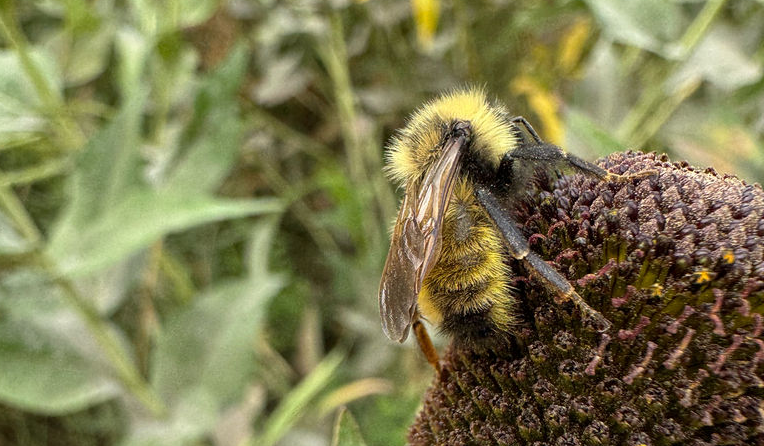
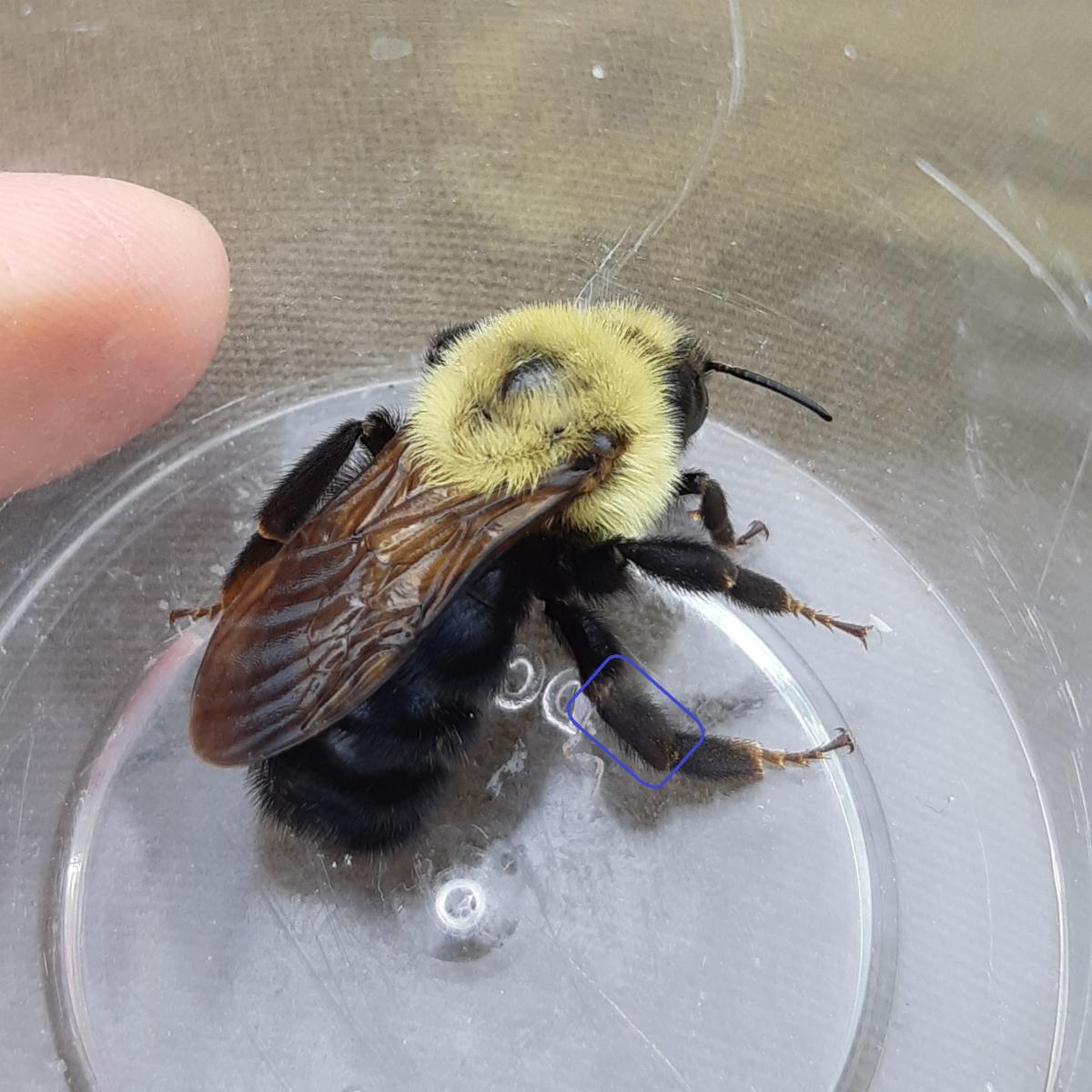
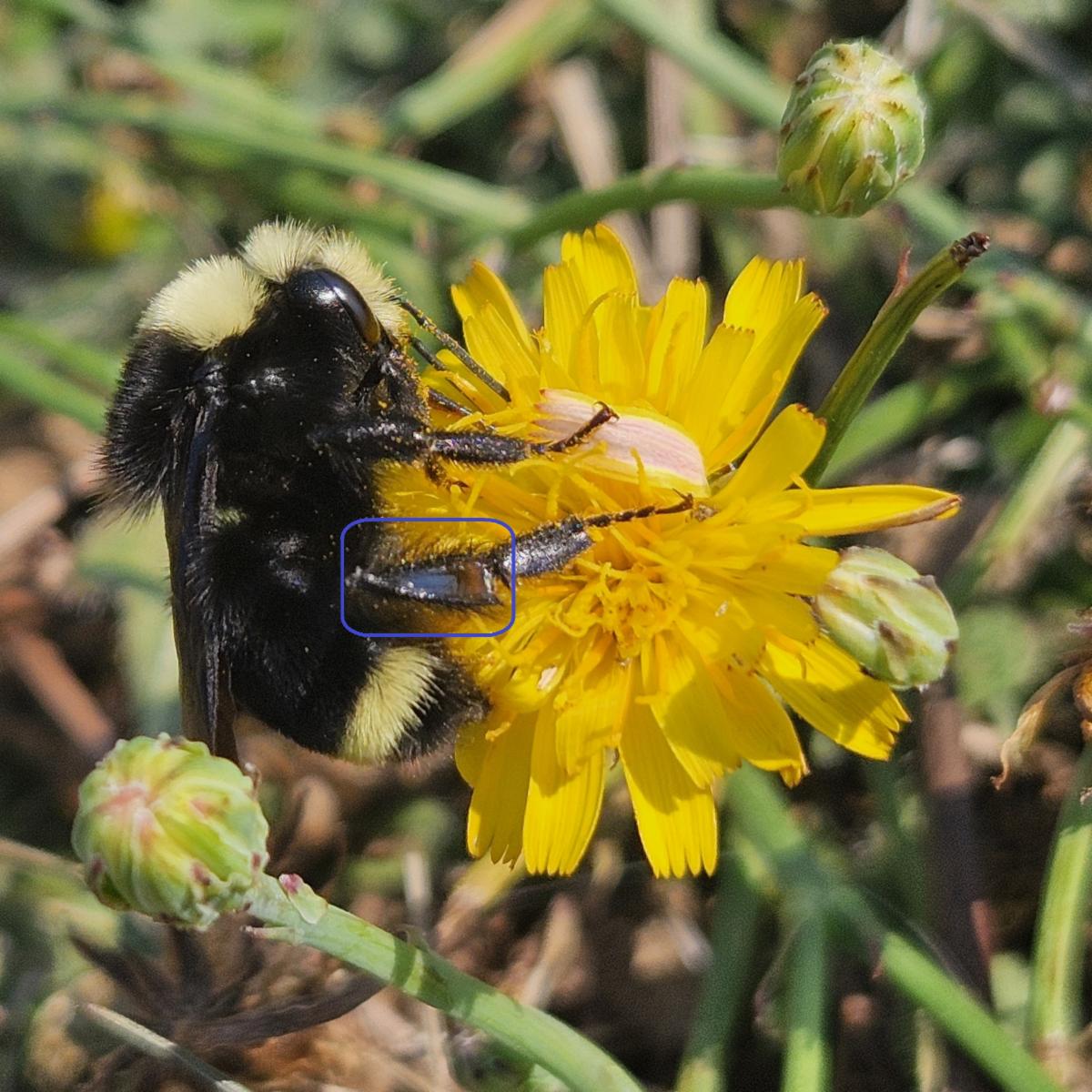
While most bumble bees spend their days collecting pollen and provisioning their colonies, a small and fascinating group of these bees have evolved an entirely different way of life. These are the cuckoo bumble bees—social parasites that rely on the labour and resources of other bumble bees to reproduce.
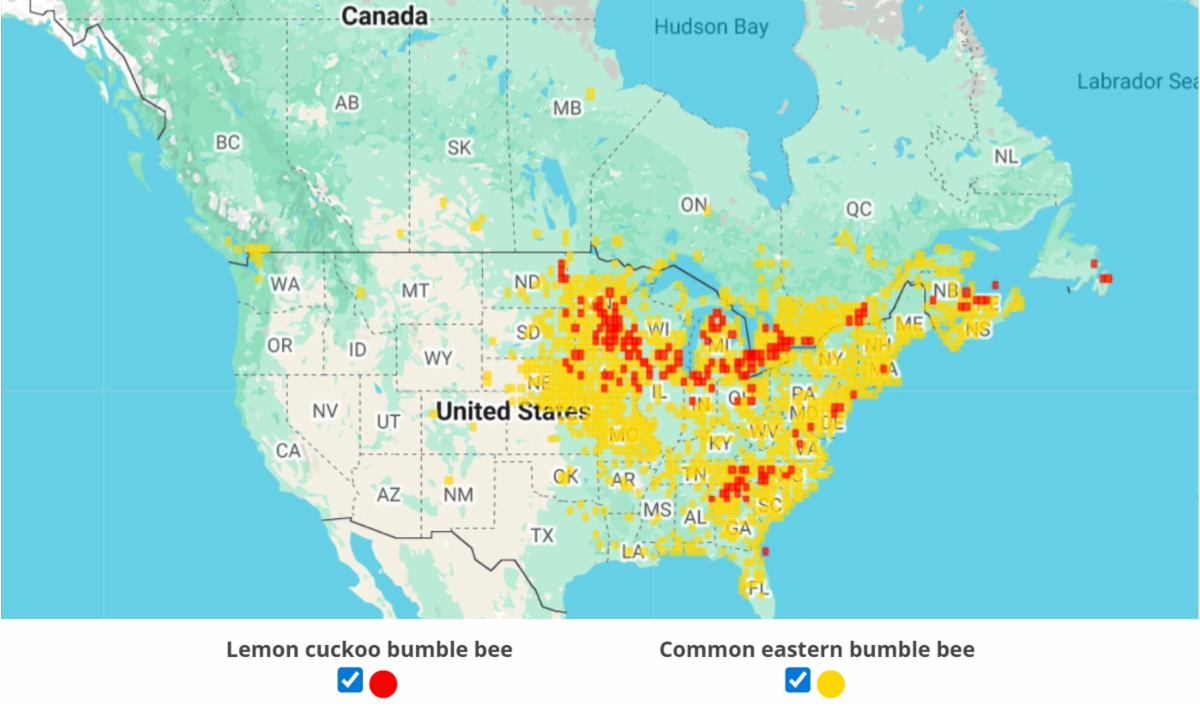
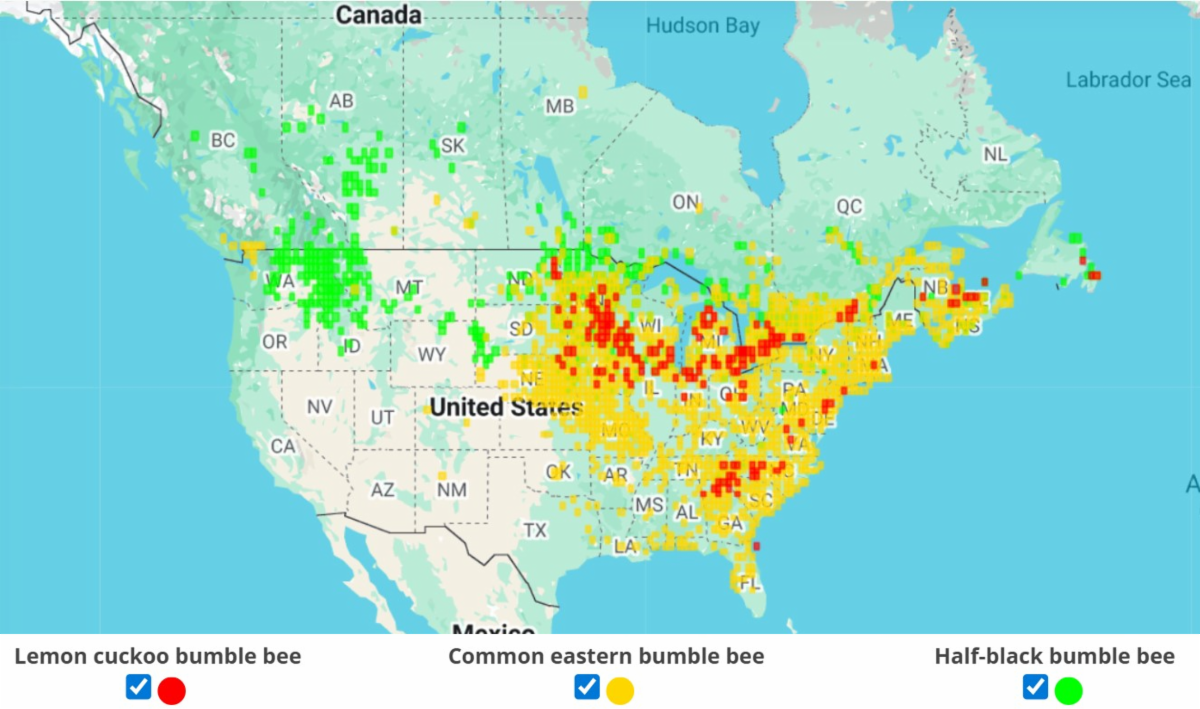
Unlike their industrious relatives, cuckoo bumble bees invest nothing into nest-building or pollen gathering. Instead, cuckoo females seek out established colonies of other species (known as their hosts), infiltrate them, and assume control, taking over the host queen’s reproductive role. Once the female cuckoo has taken the colony over, the host workers rear her offspring as if they were the offspring of the foundress queen.
Although their behaviour may seem ruthless, cuckoo bumble bees are a natural part of functioning ecosystems and their presence is a signal of overall health in the local bumble bee community. Their survival is tightly linked to the abundance, stability, and timing of their host species, making them exceptionally sensitive indicators of ecosystem health. If habitats are degraded, floral resources decline, or host populations falter, cuckoo bumble bees are often the first to disappear. In this way, they act as an early warning system for broader pollinator declines.
North America is home to six species of cuckoo bumble bees, and several are of conservation concern. The Ashton cuckoo bumble bee (Bombus bohemicus) and Suckley cuckoo bumble bee (Bombus suckleyi) are now listed as Species At Risk across portions of their range. Because these species are entirely dependent on their hosts—many of which are also declining—their conservation cannot be separated from the protection of broader native pollinator communities and the habitats that support them.
|