|
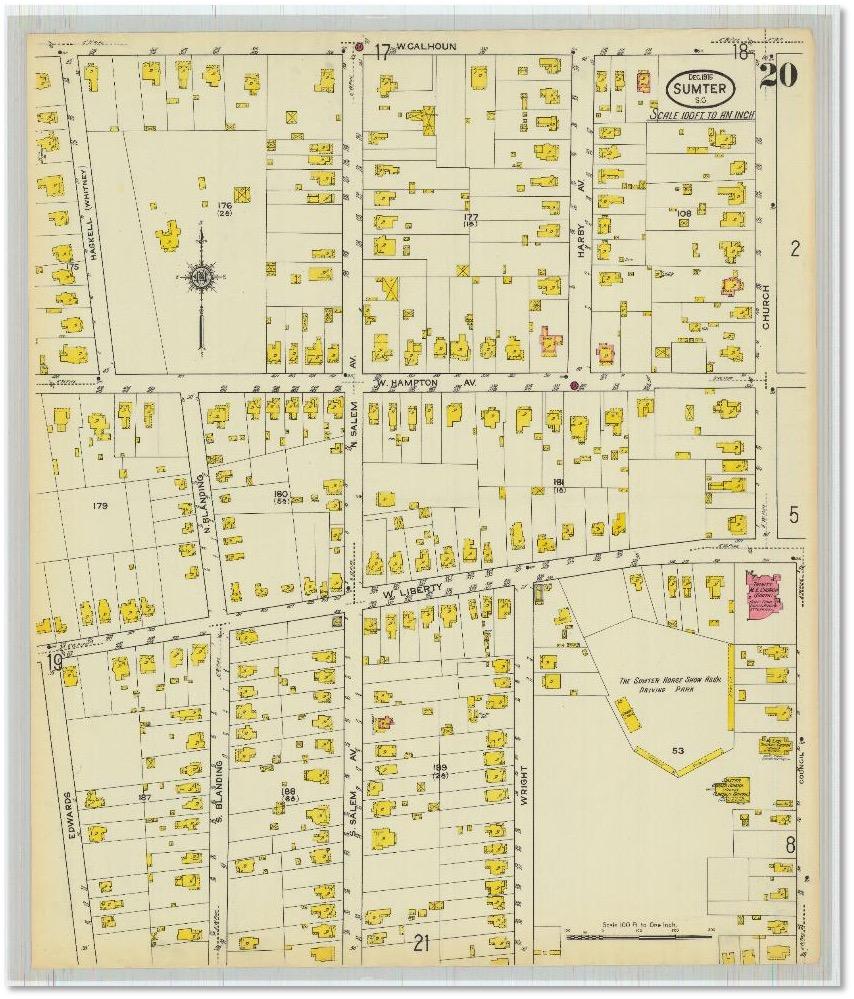
Sumter, South Carolina, is taking a closer look at the history woven into its neighborhoods. The city’s Historic Resources Study, recently presented to residents, aims to document the architectural, cultural, and community significance of areas like the West End, Mason Croft, and Hampton Park—neighborhoods that have shaped Sumter’s identity for generations.
The West End has long been a hub of African-American life, culture, and enterprise. From the early 1900s through the 1970s, it was home to carpenters, electricians, seamstresses, ministers, and small business owners. Sports, music, and theater brought people together, with local high school teams, semi-pro baseball squads like the Sumter Tigers, and the Lyric Theater offering entertainment and pride for the community. Residents looked out for each other: teachers volunteered their time, older kids mentored younger ones, and neighbors formed a network that helped everyone thrive.
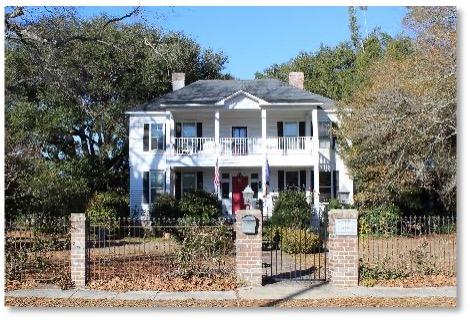
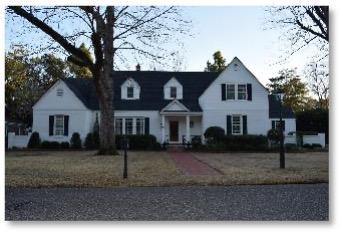
Meanwhile, Mason Croft became known for its stately homes and tree-lined streets. Built primarily in the early 20th century, the neighborhood attracted professionals, educators, and city leaders. Families here cultivated a sense of stability and pride, often hosting community events that strengthened connections across generations. Its architecture, from classic bungalows to larger Colonial-style homes, reflects Sumter’s growth and ambition during that era.
Hampton Park, on the other hand, grew as a welcoming space for middle-class families seeking a mix of suburban comfort and city convenience. Its parks, local schools, and close-knit blocks made it a place where children could play safely and neighbors could gather easily. Like the West End and Mason Croft, Hampton Park’s residents played an active role in shaping their neighborhood’s character, creating a legacy of care and community spirit that’s still visible today.
The Historic Resources Study aims to preserve these stories while guiding how Sumter maintains the character of its neighborhoods. By cataloging historic homes, noting architectural styles, and recording oral histories, the study provides a foundation for potential historic district designations and conservation efforts. Residents are encouraged to participate, ensuring that preservation efforts reflect the lived experiences of the people who call these neighborhoods home.
Through initiatives like the study, Sumter hopes to protect the character of the West End, Mason Croft, and Hampton Park while allowing communities to thrive in a modern context. By documenting and preserving the city’s heritage, these neighborhoods can continue to be a source of pride, culture, and connection for generations to come.
|