With our sewer, we are ahead of schedule in addressing an action plan that the city set with the Florida Department of Environmental Protection in 2017. In all, we have completed almost half of the 51 milestones that were set and intend to complete all the projects well ahead of the 2026 deadline.
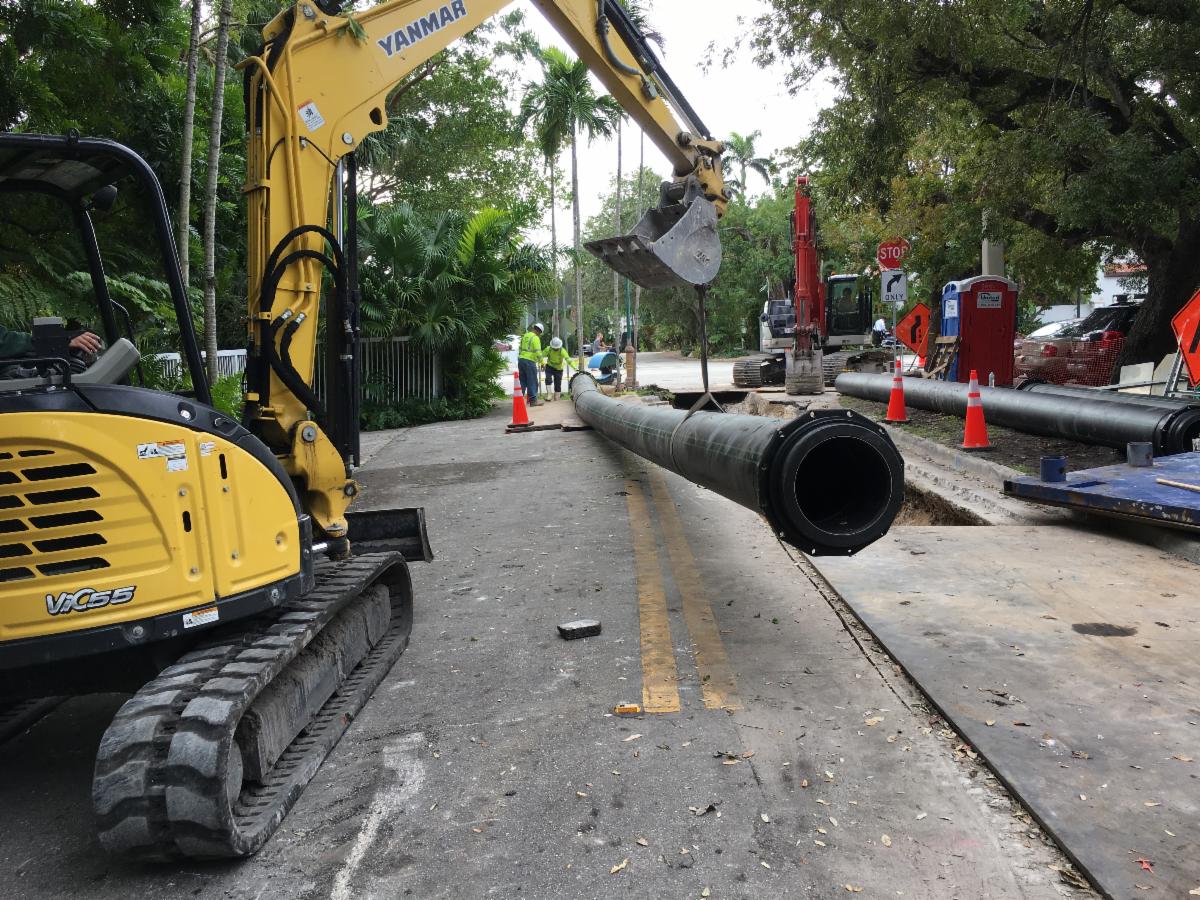
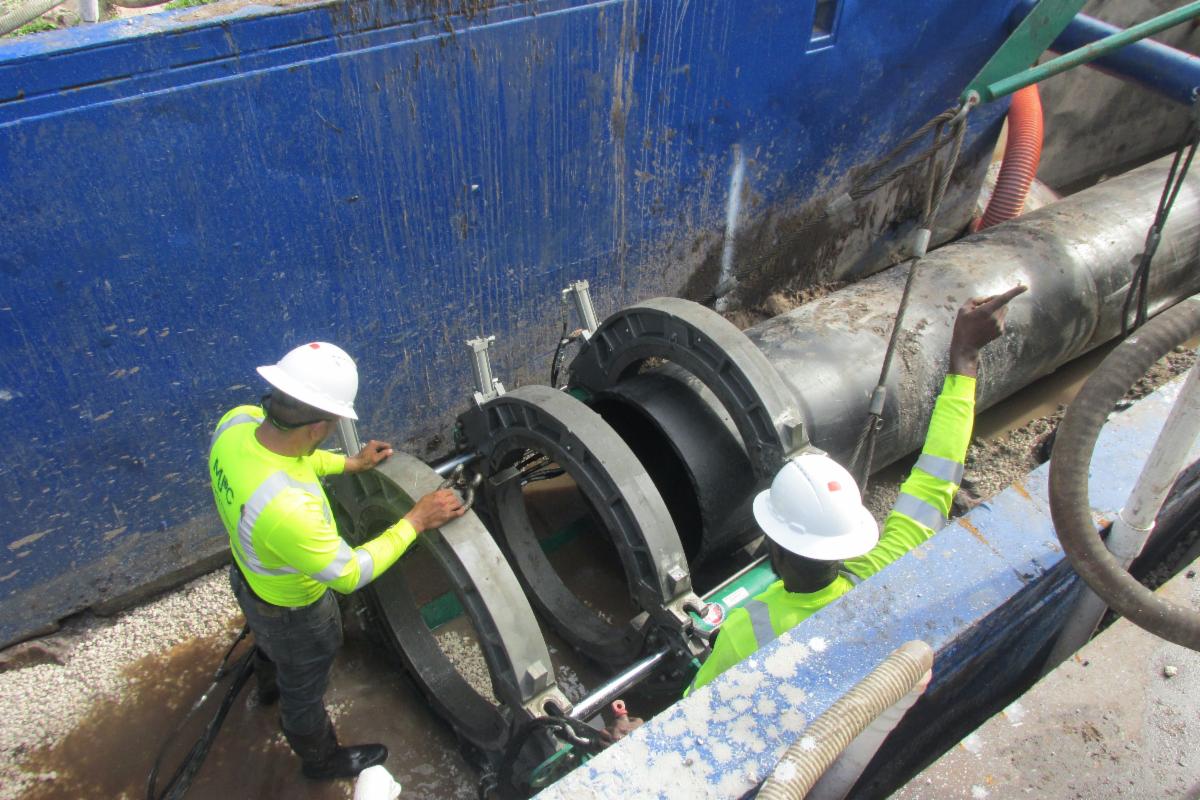
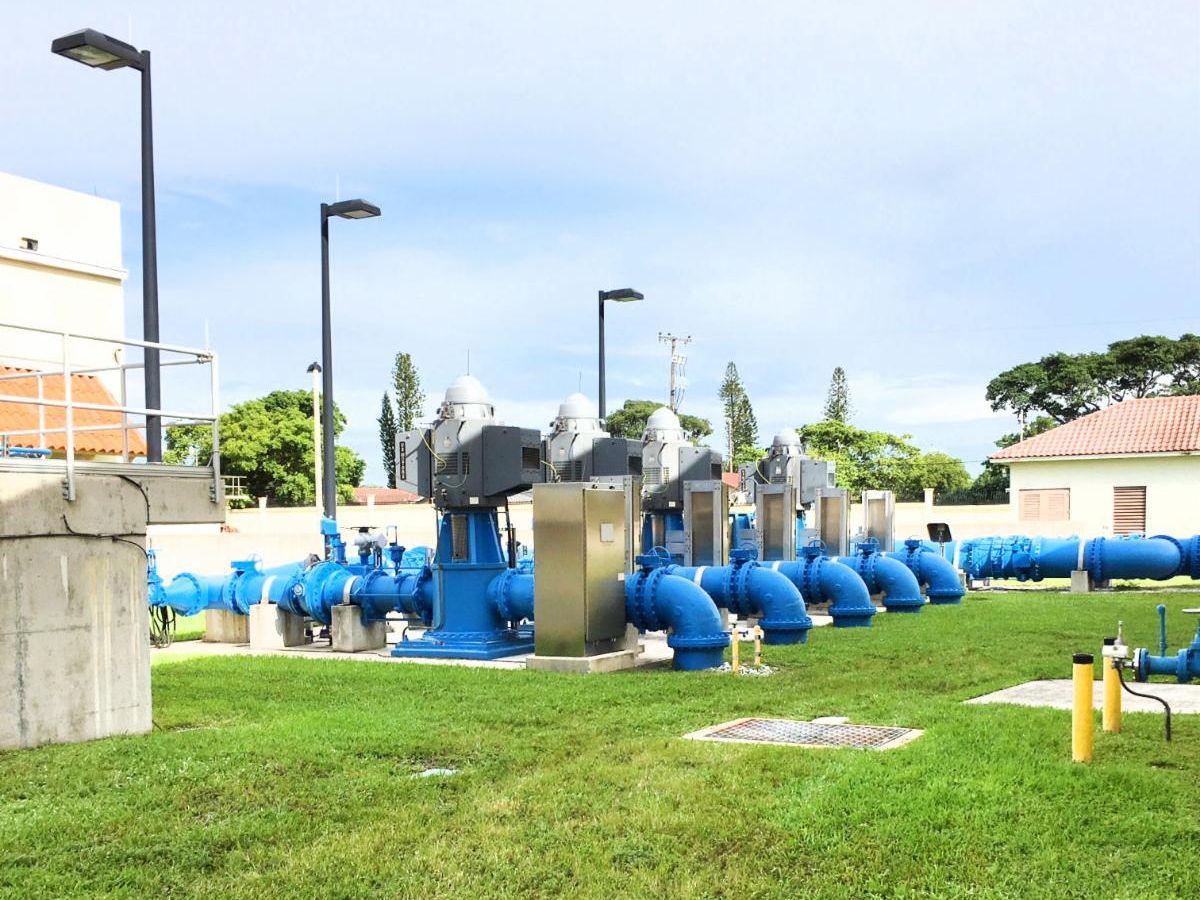
Four miles of new sewer mains now serve downtown and Northwest neighborhoods. Work on the main serving Las Olas is underway. Several key pump stations have been replaced or rehabilitated as well.
The city also has been working hard to prevent the infiltration of groundwater and stormwater into the sewer system. Heavy rains can cause sewer overflows and reduce the capacity in the system.
Today, more than 36 miles of sewer have been lined to prevent inflow. The remainder of this work in designated priority basins will be completed this year.
We expect an assessment of the entire sewer force main system to be completed by March. We will no longer be blind to where our problems are or the degree of their severity.
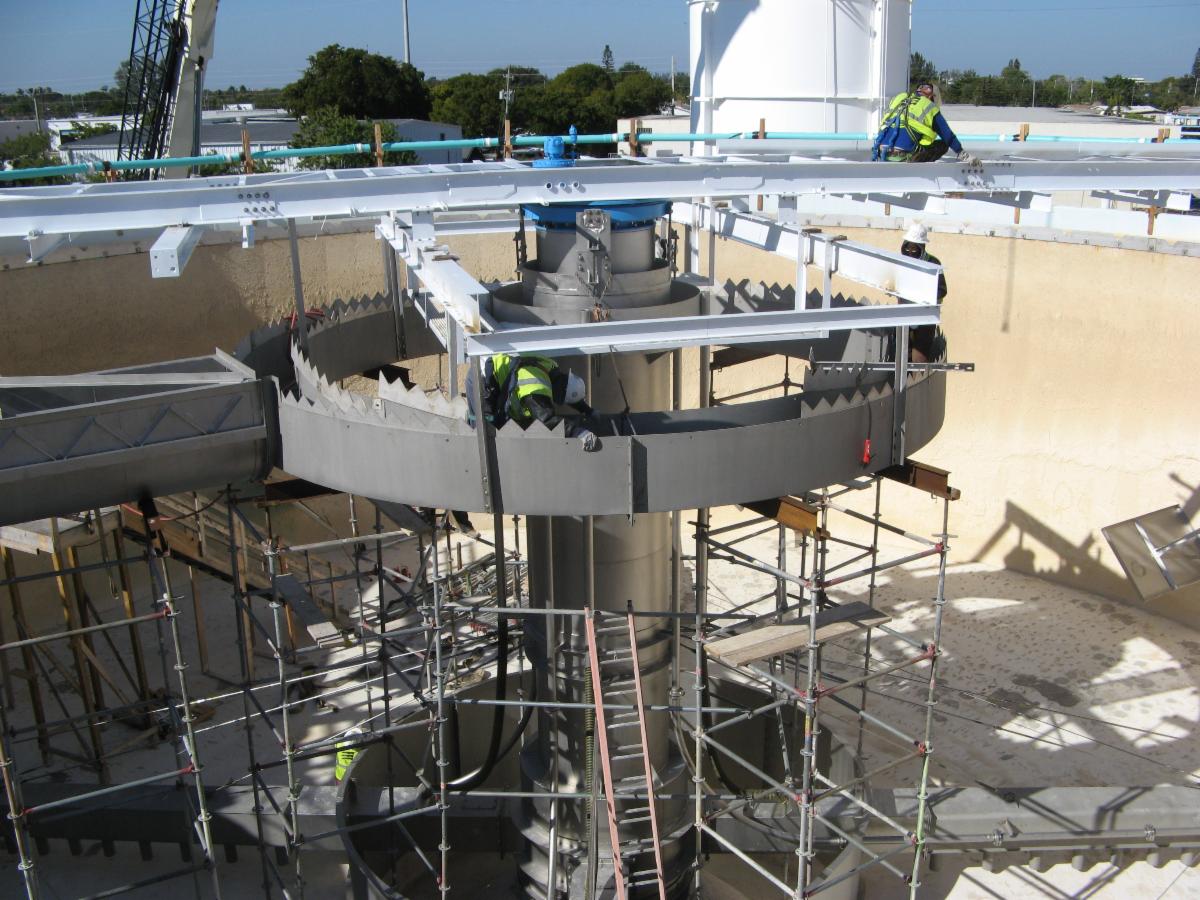
Another $177 million is scheduled to be invested in 118 miles of sewer pipe. And, $20 million in funding is committed to repair or rehabilitate 29 pump stations. Moreover, we are making critical upgrades at the George T. Lohmeyer Wastewater Treatment Plant.
I think we can say that despite the setbacks of late, Fort Lauderdale is headed in the right direction in fixing our sewer system – rapidly and without delay.
Still, this commission needs to commit itself to go even further.
I am proposing that we must immediately make use of the sewer line risk analysis to broaden our construction program.
To fund these initiatives, we will look to our management team to recommend fair and balanced measures to raise needed funds. Residents should not shoulder the entire burden.
The City Commission raised the water and sewer impact fees assessed on new development in September. The new rate structure went into effect at the end of December.
This was the first update on the impact fees since 2005. The sewer impact fee more than tripled. Water impact fees increased more than 40 percent.
There has been a lot of concern in the public about whether our utilities, particularly the sewer system, can handle the amount of new residential and commercial construction.
The fact is that what has transpired with the series of breaks is by and large the result of deferred maintenance. We had large pipes that could carry sufficient volume, but they were old pipes.
Still, the city must ensure that it does not end up with a capacity problem. We would be negligent if we did not look at this, too.
I’ve expressed particular concern regarding downtown, where the bulk of development is occurring. Public works administrators assure me that they have been pursuing projects to meet downtown development trends.
For instance, by the end of this month, a new pump station will be brought online downtown that adds 1 million gallons of additional daily sewage capacity to the area.