|
The State of the City:
A look at a record of
progress and accomplishments
| |
|
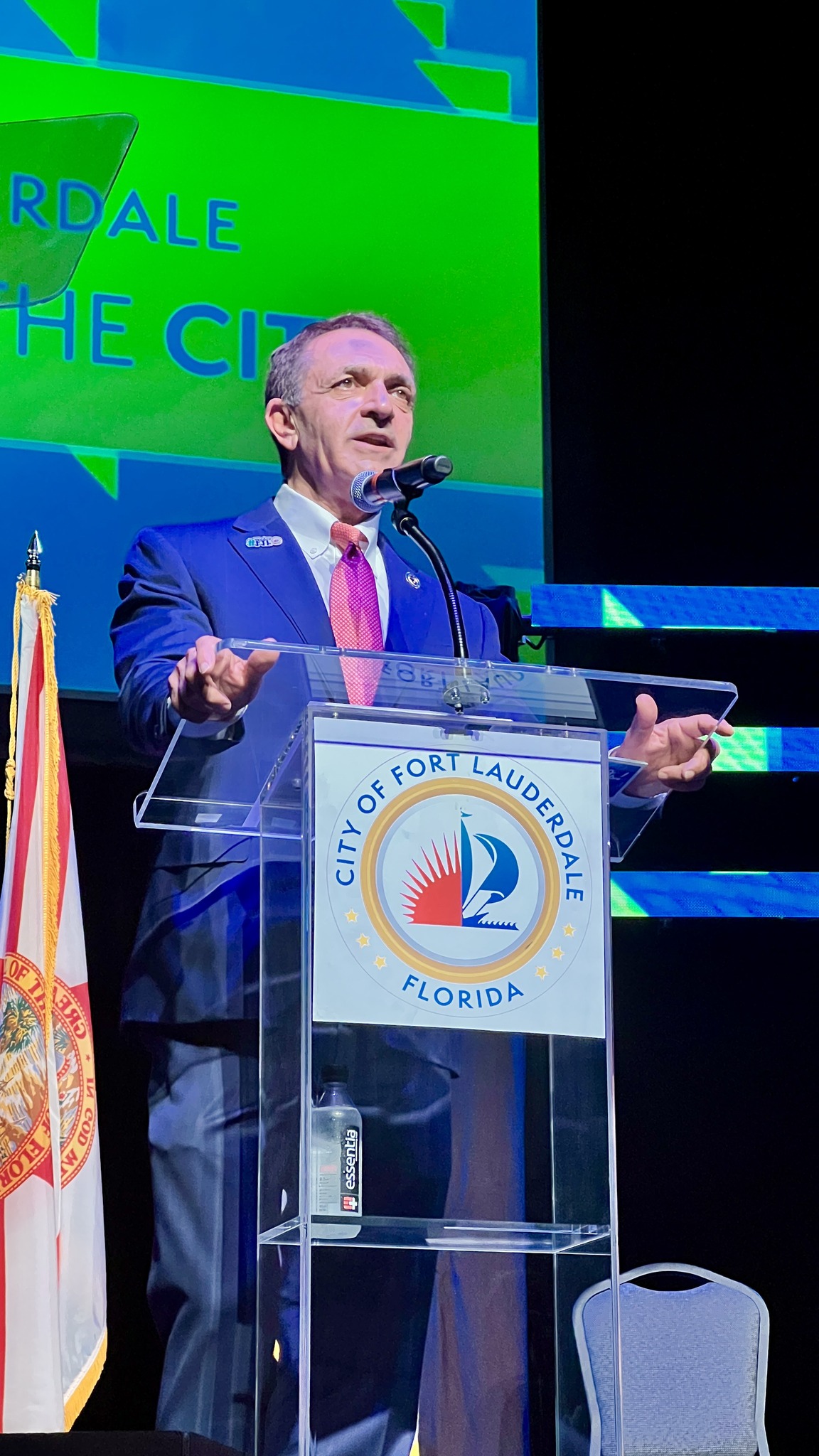
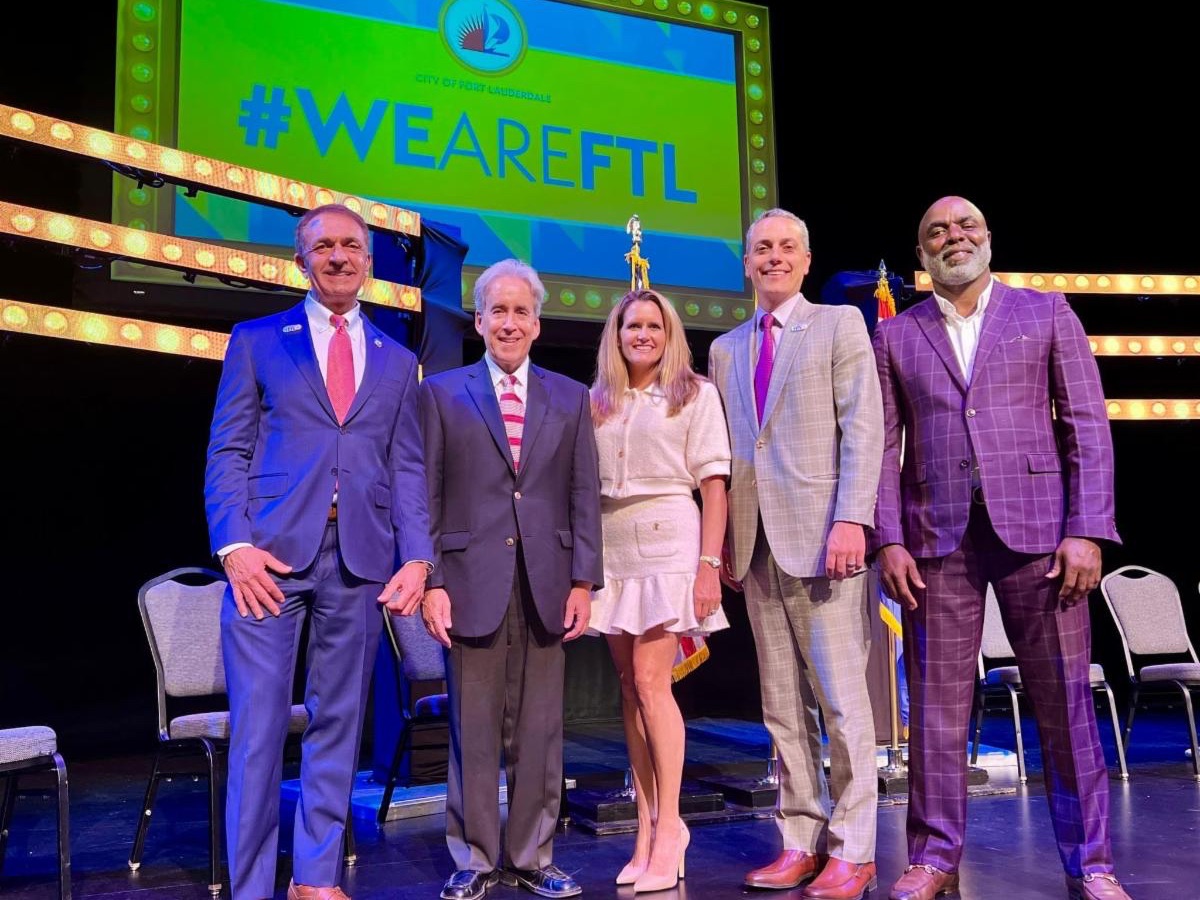
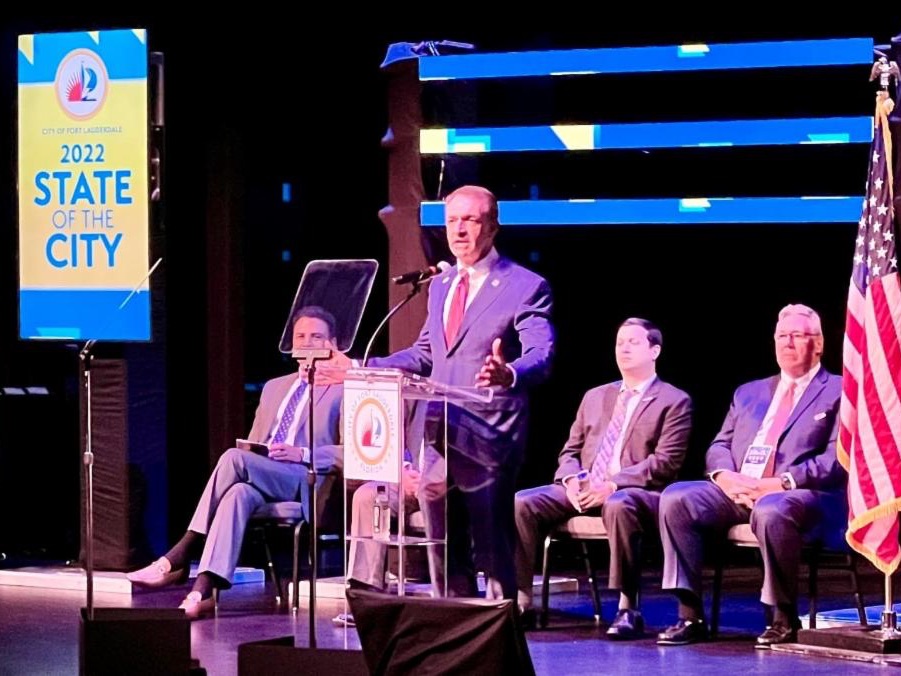
I recently gave my State of the City address for 2022 to a packed house at The Parker playhouse. For those who could not attend this week, here is what I said:
It’s been a while since we had gathered in person to discuss the state of our city. We forewent two years of in-person reports from me as the nation dealt with the spread of COVID-19 and everyone undertook precautions regarding large gatherings.
We lost too many lives to this disease – family members, friends, co-workers, even one of our brave police officers. It was truly a heart-wrenching time. The economic consequences were equally severe with families struggling to make ends meet and many small businesses closed.
This city acted quickly and decisively throughout the pandemic. We made tough decisions – about closures, testing, vaccinations and reopening – all to keep our community safe. And we followed the science to get it done.
Now, we are coming back with a renewed vitality and a renewed commitment to progress.
A bright future lies ahead for Fort Lauderdale.
This City Commission has been tackling many community challenges and have brought to fruition a wealth of accomplishments. In the span of just a few years, we have made astounding improvements to the quality of life of Fort Lauderdale – a pace of achievement that few communities see in the course of decades.
Let me share with you the story of our great success – a record of improving infrastructure, addressing traffic, building affordable housing, developing magnificent new amenities, attracting new business and jobs, and ensuring the highest standards of public safety.
| |
|
Infrastructure
The most significant challenge we have faced has been upgrading an aging infrastructure.
Many American cities are in the same position as Fort Lauderdale was. Prior generations simply did not put enough effort into maintaining vital water, sewer and stormwater systems. Yet, when our community suffered an unfortunate series of pipe breaks, we confronted the issue head-on with determination and grit.
We have turned the corner.
The upgrades that have been completed or are underway will last well into the future. They address our population growth and are resilient enough to withstand the world’s changing climate.
This work has included a truly remarkable feat of construction.
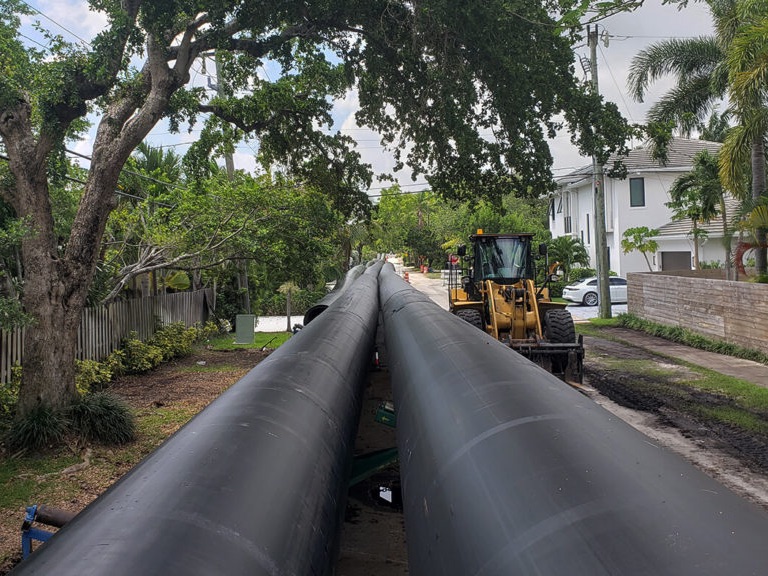
Using two contractors and cutting-edge technology, Fort Lauderdale installed a new 54-inch sewer pipe that runs seven miles through the core of the city. The work was finished in record time and under budget and is now receiving numerous industry accolades.
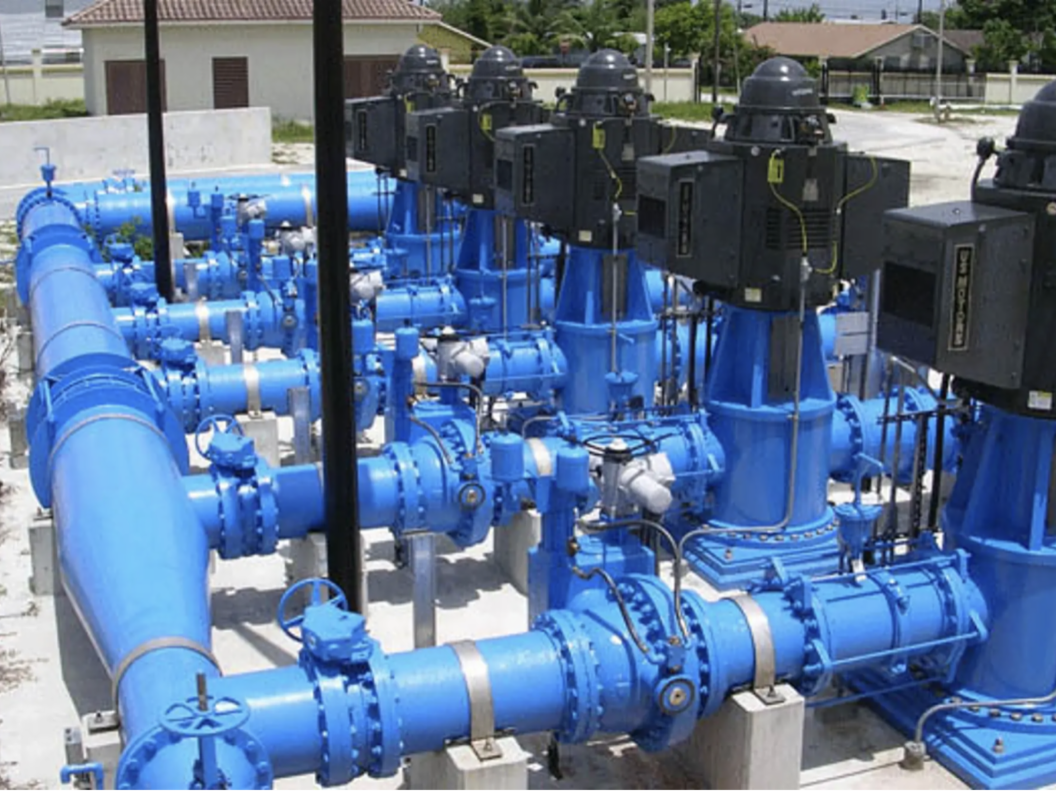
In addition to the new seven-mile sewer main, the city has installed other new water and sewer pipes, upgraded pump stations and added new ones, taken steps to better prevent infiltration of stormwater into the sewer system, and is launching a project to replace water meters with ones that will provide greater reliability in consumption readings.
In the past five years, we have replaced more than 24 miles of water distribution pipes and 16 miles of wastewater forcemains, prioritizing our efforts to address high-risk areas in our city.
A new water treatment plant also should come online in early 2026. The Fiveash Water Treatment Plant is beyond its useful life. We need to move quickly to replace it.
We are finalizing a contract with world-renown water system experts to build and operate the new plant. It will withstand a severe hurricane, use top-of-the-line technology in its treatment process, and produce clean and clear water for our users.
Climate change and sea-level rise are making it ever more urgent that we also enhance our stormwater system.
Scientists expect sea levels along the coastline to increase by about a foot by 2050. Flooding from high tides will be more frequent and intense, and hurricane storm surges will increase. Remember, too, that Florida is experiencing more and more extreme weather events, with 22 incidents between 2010 and 2020 costing the state about $100 billion in damages.
The city is in the process of making its largest investment ever in stormwater and flood control. We launched a five-year, $200 million plan to alleviate vulnerabilities, focusing on our most flood-prone areas. We are already in construction in the first two neighborhoods.
We’re installing more tidal-control valves and drainage pipes, building new outfall connections and drainage structures, creating new catch basins, rebuilding swales, and constructing stormwater reserves. The River Oaks preserve has already opened.
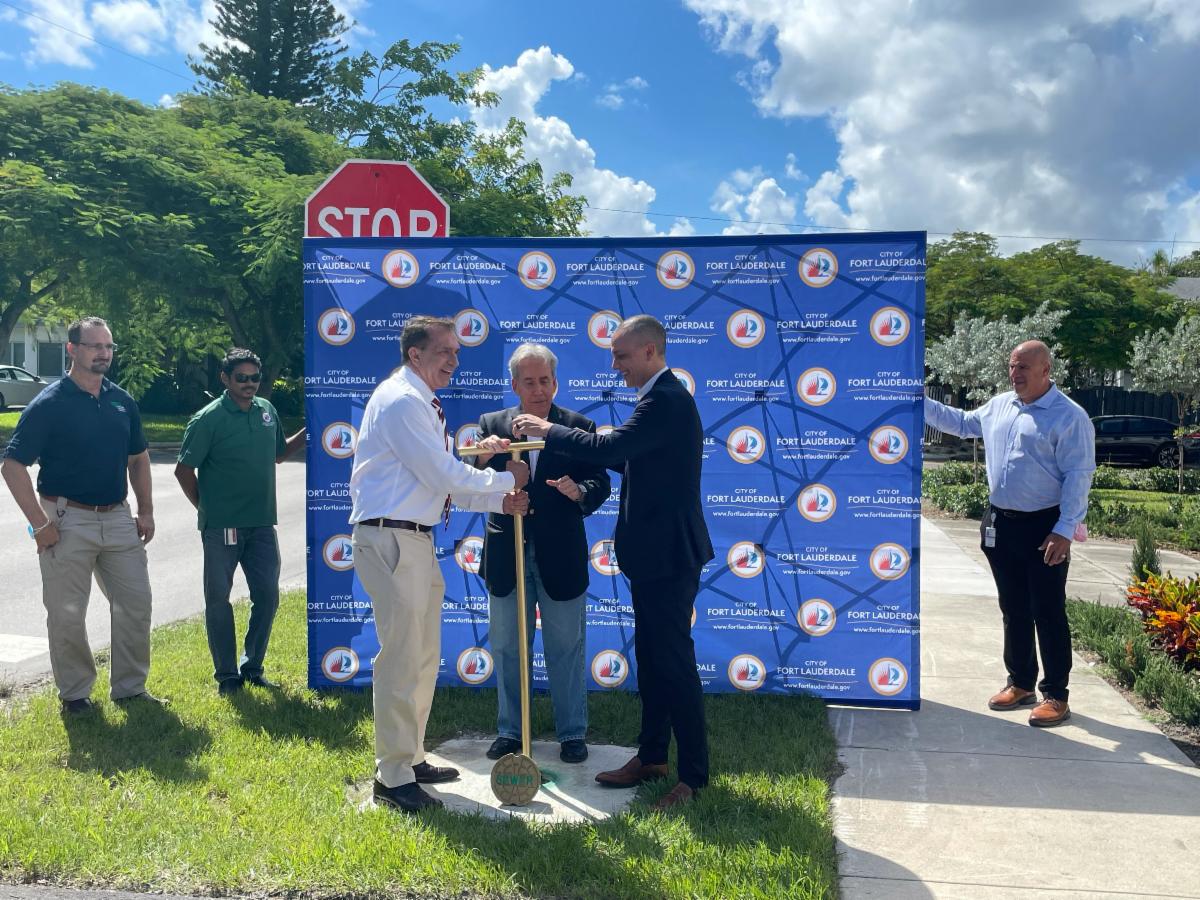
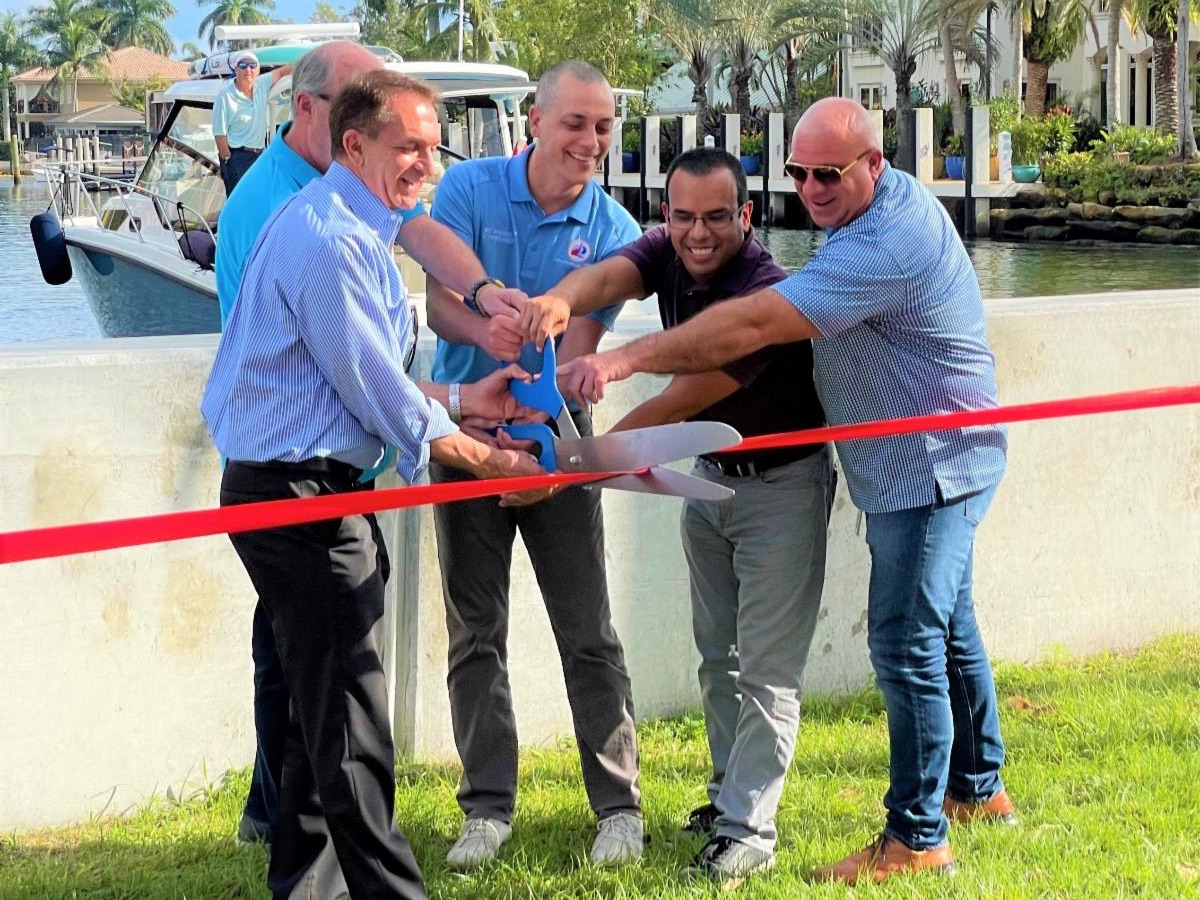
We are also raising seawalls. The new seawall on Cordova Road – a half-mile long -- completed early this year. Last month, we broke ground on a new seawall for Hendricks Isle.
Our planet is going through changing times, and we are firmly focused on adapting Fort Lauderdale to the future.
| |
|
Transportation: Commuter Rail
One thing that I’m proudest of as mayor is how this City Commission and city leadership are willing to seek innovative solutions to our challenges. This is most obvious when it comes to transportation where we must figure out how to serve the needs of a growing population with a transportation network that was designed to meet the needs of the last century.
Times are changing. And in this century, we need to find new solutions to the challenges that we now face.
Here is one example. We are working closely with regional partners to create commuter rail service between Miami and West Palm Beach. The Coastal Link will have stops in downtowns across South Florida and would ease congestion on north-south roads, including Interstate 95.
This could be a real game-changer for the region.
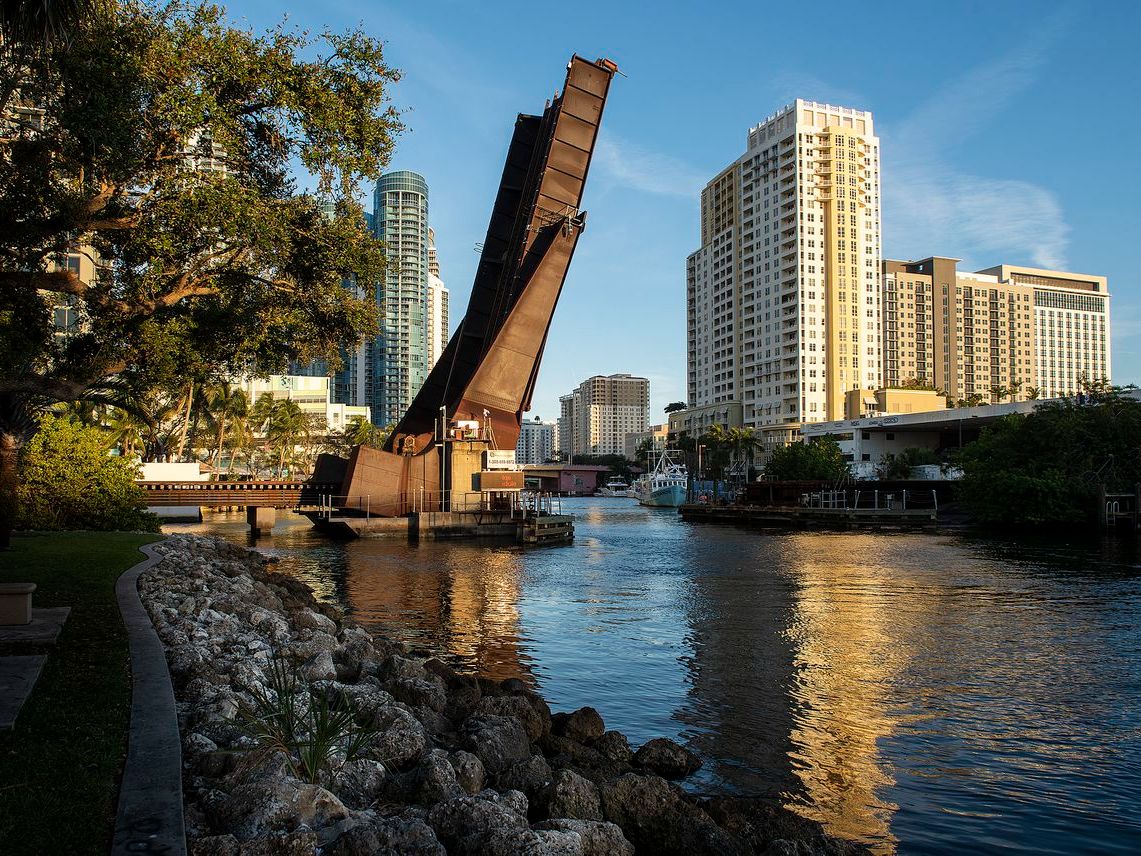
It is a complicated project, and a key issue is how the service will cross the New River and downtown thoroughfares. We cannot allow increased train traffic to harm our marine industry or downtown’s renaissance.
The county and state want to build a high-rise bridge.
I won’t let that happen. It is simply unreasonable. Imagine a bridge rising 80 feet high running 2.8 miles between Davie and Sunrise boulevards.
It would be a blight to downtown and reverse the success of our transformation over the past decade. It would divide the historic Northwest community from downtown when we are focused on reconnecting communities. Also harmed would be the city’s historic district and picturesque Riverwalk. They would be hidden underneath the train bridge and its massive support columns.
The city wants to think creatively. For that reason, your commission has unanimously back the need for a tunnel.
Expert after expert has proven to us that a tunnel is viable both technically and financially. These are specialists who have built tunnels all over the world in many different conditions, including under Sydney’s harbor and the Coliseum in Rome.
Because of our conversations with these tunneling contractors, FDOT and the county have lowered their estimate of tunnel construction from $3.8 billion to $1.8 billion. Yes, $2 billion in cost remarkably vanished.
Still, we believe the cost can be cut to less than $1 billion. That’s in the same ballpark as a bridge. And, guess what? Tunnels last longer than bridges.
The city has even identified how a tunnel can be financed. The Biden administration’s infrastructure program contains multiple new sources of funding. They are anxious to receive a proposal from us.
The county might be coming around.
County commissioners have decided to split the project into phases. As the first phase, commuter rail will be built north from downtown Miami past the Fort Lauderdale-Hollywood International Airport and end at a temporary station near Broward Health.
At the same time, independent consultants will undertake a new study of a tunnel’s feasibility. With that report in hand, we will work together on Phase 2: extending the service through our city and to the border of Palm Beach County.
The decisions we make today will impact the city for generations.
Our plan aligns with the thinking of other metro areas. Houston, Austin, Louisville, Milwaukee, Dallas and Seattle are all using tunnels creatively to bury transportation systems and make their cities more open, livable and sustainable.
Imagine what would have happened in Fort Lauderdale if city leaders made a different decision about Federal Highway and the New River in the late 1950s. What if they had built a bridge rather than the Kinney Tunnel?
It could have happened.
Newspaper stories from the time show there was much debate. Las Olas would not be the chic, fashionable street it is, nor would the Riverwalk be the same — all because there would be a large bridge servicing Federal Highway in their midst rather than a tunnel beneath them.
I urge everyone to continue to speak up and speak out about what is best for our community.
| |
|
Transportation: The Las Olas Loop
The research into the New River Crossing led the city to explore another tunneling idea. What if we could lay the foundation for an underground transit network that provides more traffic relief?
We once united to kill the Wave streetcar. We said it was 19th-century technology ill-suited to a 21st-century problem. While the solution was wrong, the problem of congestion is real. Let’s think futuristically.
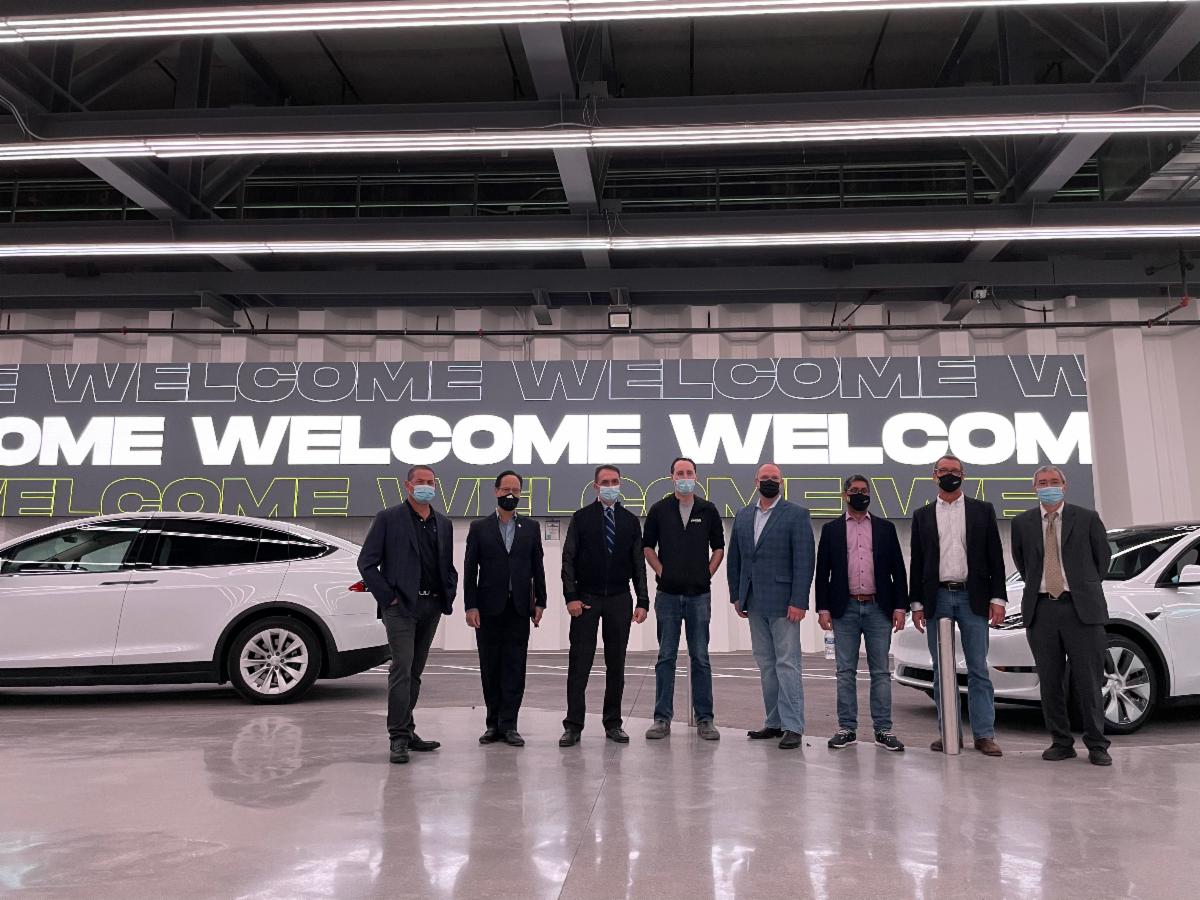
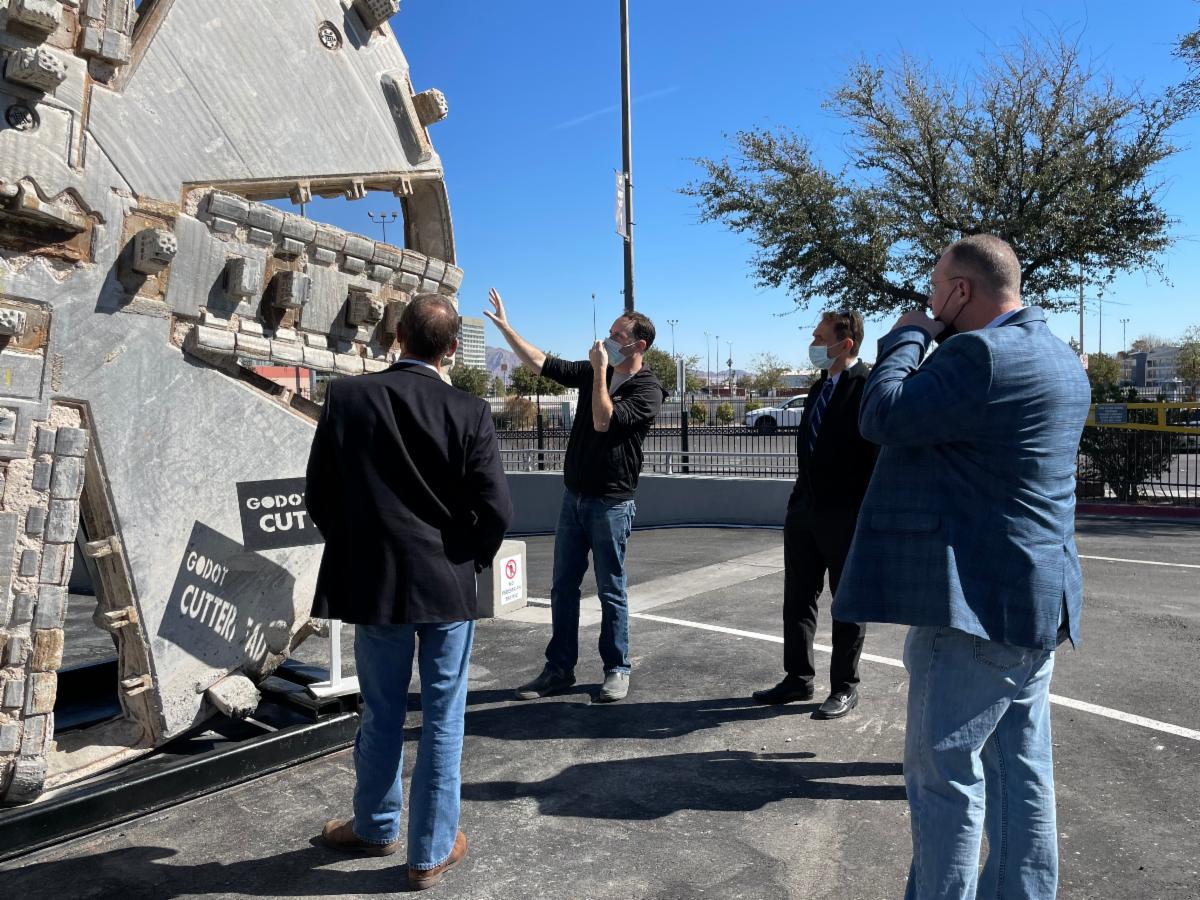
We are in discussions with Elon Musk’s tunnel construction company, The Boring Co. Just as Musk has revolutionized electric vehicles and space travel, he is trying to reshape public transportation.
Las Vegas was his first project. He built a transit loop underneath the city’s massive convention center.
It’s been so successful that Las Vegas just agreed to extend the system along the Strip and to downtown, the sport stadium and the airport – almost 30 miles of tunnels. Best of all, it’s at a mere fraction of the cost of building a traditional subway system.
Fort Lauderdale is working with Musk to explore the financial, technical and geological components of creating what we term the Las Olas Loop. It would be a 2.7-mile underground transportation loop that takes passengers from downtown to the beach in under five minutes.
It’s a good place to start.
Traffic between downtown and the beach can overwhelm key east-west arteries — Las Olas, Sunrise and Southeast 17th. During the winter and spring and during major events like the Fort Lauderdale International Boast Show, these roadways turn into veritable parking lots. And once you get to the beach, parking rates can be very expensive — sometimes $100 or more.
Unlike a regular subway, The Boring Co.’s tunnels transport passengers in electric vehicles — at first staffed with drivers and maybe some day controlled by automation. In this respect, the Loop would resemble an underground highway.
Individuals and families would be shuttled directly to their final destination without stopping. The route would be illuminated by LED lights, and speeds could reach 50 mph.
The number of vehicles assigned to the Loop can be adjusted in real time based on demand. And, because the tunnel would be designed for vehicles, and not train cars, there is no waiting. Upon arriving at a station, passengers will board a vehicle and immediately depart.
Travel time would be reduced to minutes. The price would equate to a nice cup of coffee.
The system later could be expanded. The county wants to build a streetcar to go from downtown to the western suburbs along Broward Boulevard, potentially taking away travel lanes on the street. Wouldn’t this underground system make more sense? And wouldn’t a great future segment go to the airport and seaport?
It's an exciting possibility.
| |
|
Transportation: Other initiatives
Even as we pursue these ideas, the city continues to do all it can to improve transportation by more traditional means.
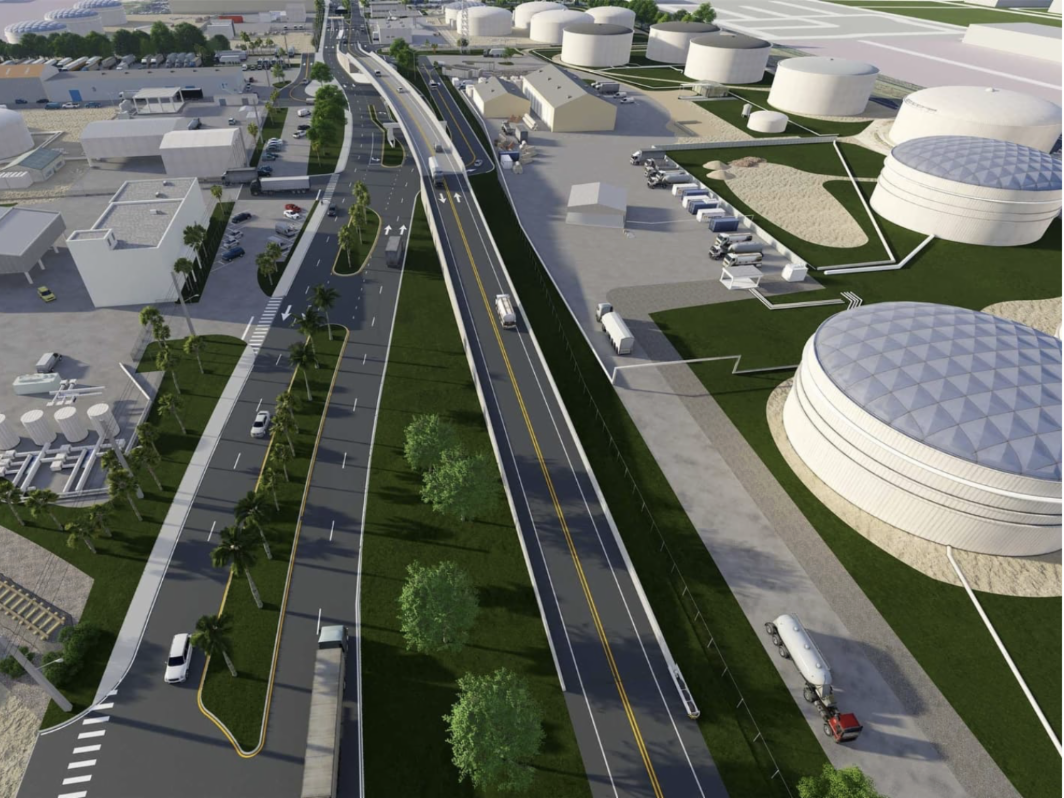
I look forward to the opening of the 17th Street bypass through Port Everglades. Broward County promised to build the road as part of the convention center expansion.
We are moving forward with creating a downtown traffic loop with one-way pairs on Andrews Avenue and Northeast 3rd Avenue. The city and partner agencies have spent the last six month finalizing the scope of work for the design of the project. When completed, this street-level loop would allow for a dedicated rapid-transit lane.
Some other significant transportation projects are:
-
The beautification and traffic-calming of NE 15th Avenue in Lake Ridge.
- The replacement of the old bridge on Coconut Isle and the upcoming replacement of the bridges on Castle Harbor Isle, West Lake Drive and South Ocean Drive.
- The completion of the Las Olas Boulevard improvement study along with plans to begin some of the proposed upgrades.
- The cooperation with FDOT to find solutions to congestion on Sunrise Boulevard.
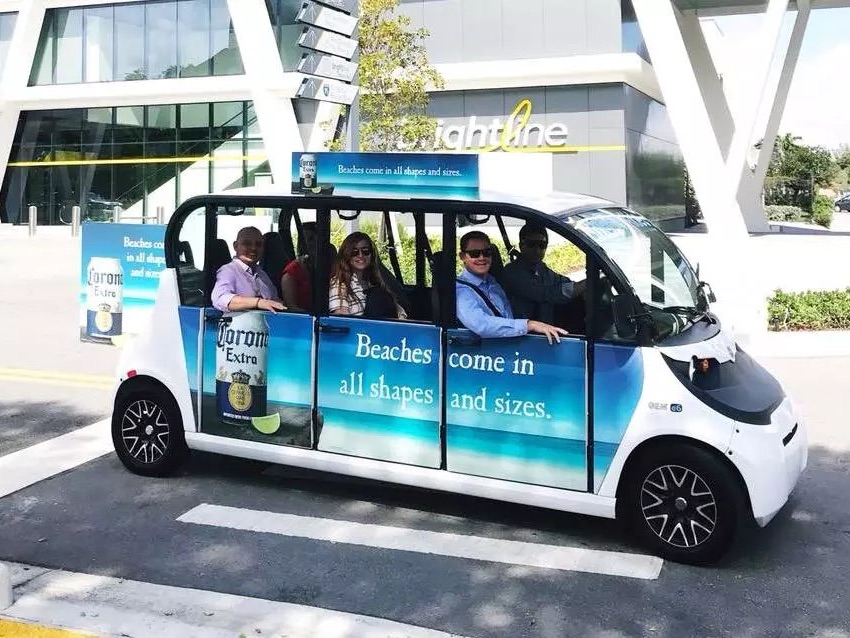
- And, the launch of LauderGO! – a free, on-demand shuttle service on the beach and downtown – we launched with Circuit.
| |
|
Quality of Life: Amenities
Let’s turn now to quality of life in Fort Lauderdale. We are transforming the community with new and improved recreational, cultural and entertainment offerings. By forging partnerships and thinking boldly, we have fashioned a wide range of world-class amenities.
The Parker, where my State of the City occurred, underwent a major renovation. This included new lounges, a vibrant new lobby and a state-of-the-art sound system. And they kept the charm of the past – freshening up the iconic exterior of the playhouse and its continental seating.
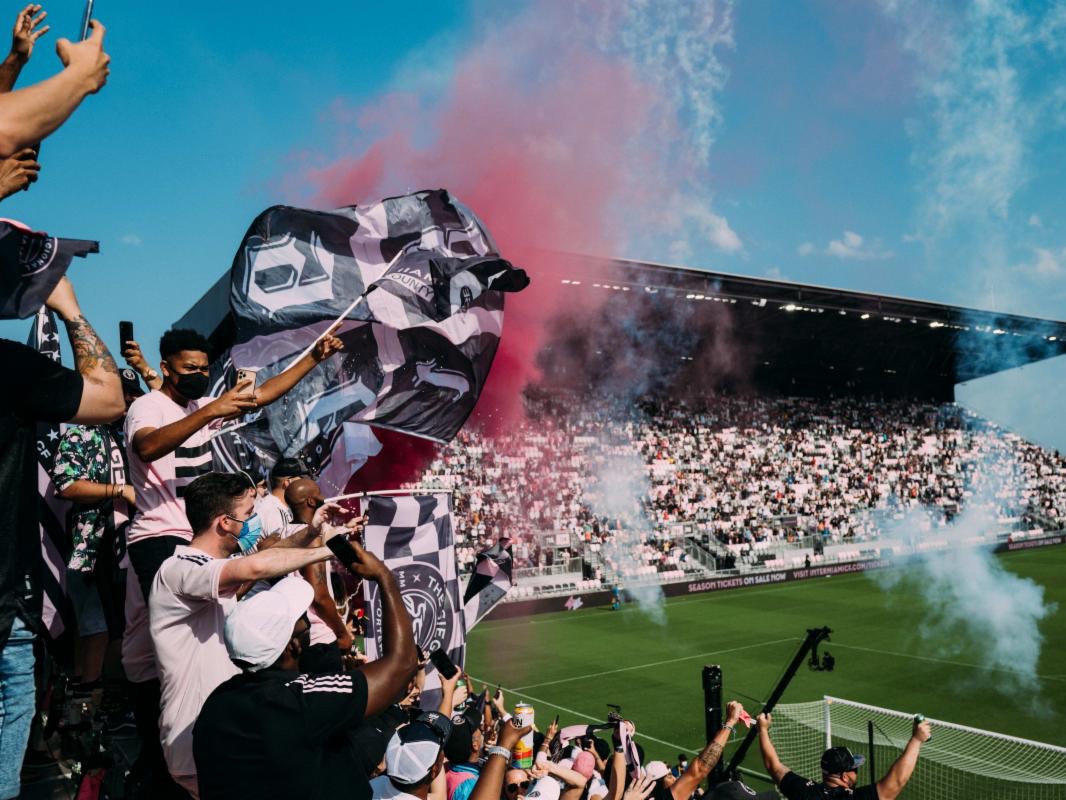
Can you believe two years have passed since the completion of the InterMiami soccer complex at Lockhart Park? What a spectacular place to watch sports!
David Beckham and his partners at InterMiami invested $165 million to build the stadium, a smaller community stadium, a state-of-the-art training facility and their corporate headquarters.
It didn’t cost taxpayers a dime! Now, we are working hand in hand with residents and InterMiami to program the promised adjacent park space.
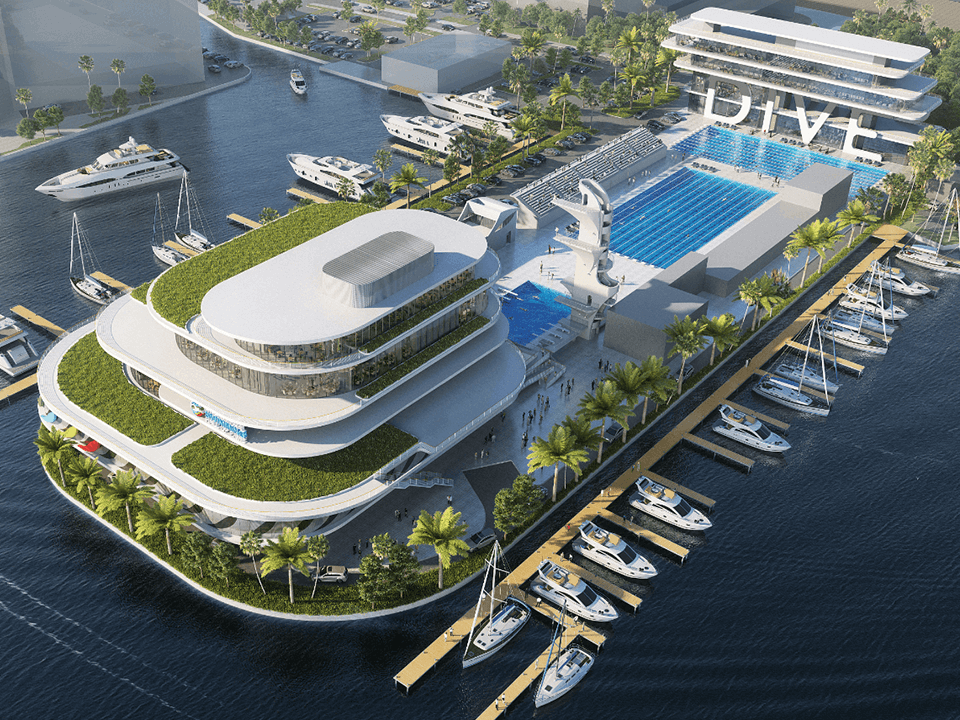
Last week, we opened the pools at the renovated aquatic center on the beach. Along with the refurbished pools, we added a 27-meter dive tower – the highest in the western hemisphere. Once again, we can host international and national swimming and diving competitions as well as attract extreme sports events.
Work continues on additional improvements, including better locker rooms. We are also working with the International Swimming Hall of Fame to refresh its part of the facility.
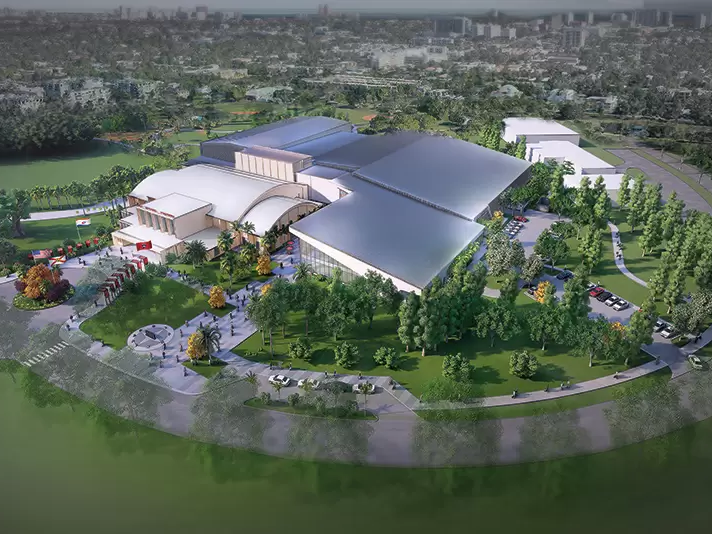
A modernized and reimagined War Memorial Auditorium also will soon open.
Under a partnership with the city, the Florida Panthers hockey team is building a training facility next to the auditorium with two ice rinks that will be available to the public. Fort Lauderdale will have its own place for amateur ice hockey and skating by early next year.
The second part of the Panthers deal is the conversion of the 70-year-old auditorium into a state-of-the-art concert and performance space.
Not only will this bring family-friendly events and programming for decades to come, but the Panthers will save the city tax money by taking over the operations. Beforehand, the city was hemorrhaging almost $1 million a year to operate the building. Now, it will cost taxpayers nothing.
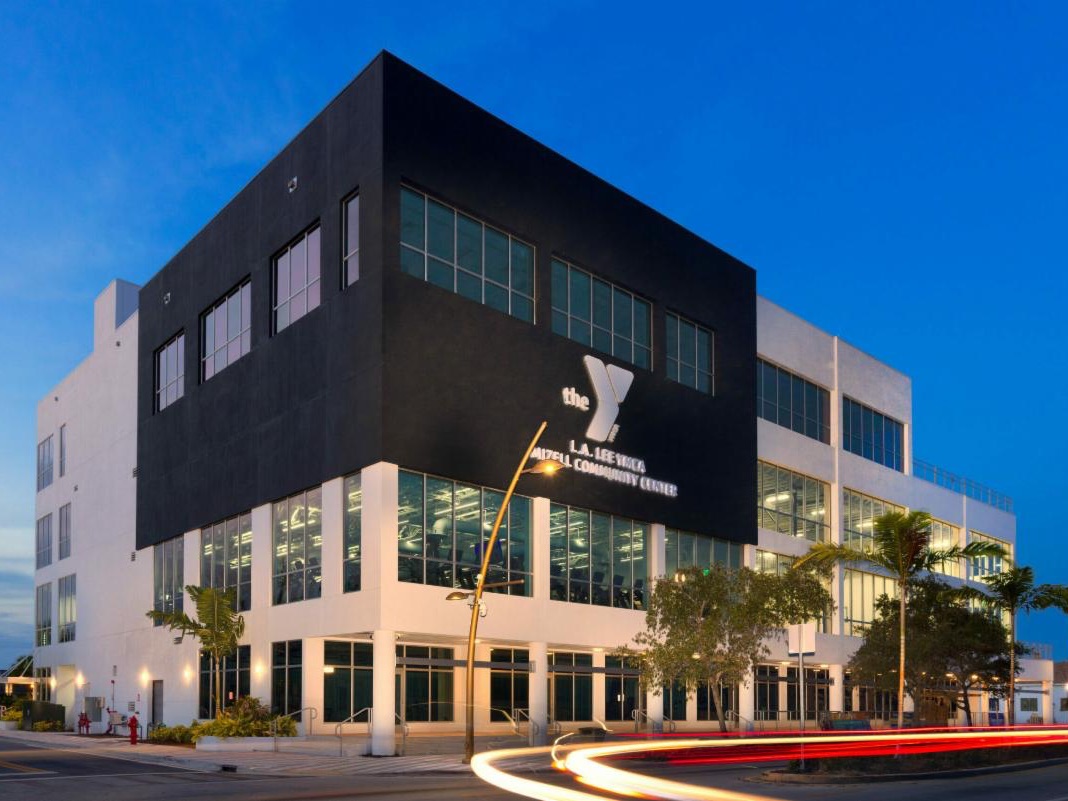
In late May, we opened the new L.A. Lee YMCA/Mizell Community Center.
This long-sought project could not have happened without the city’s assistance. We gave the Y a long-term lease of public land at a $1 a year and pledged community redevelopment funds to cover about half the cost of construction.
The facility provides a new level of service to surrounding residents with a focus on youth development, business growth, community outreach and athletic activities. It’s a magnificent place with an outdoor swimming pool, a gym with a basketball court and wellness center, a child-care center with after-school programming and a black box theater for performances.
We are happy to have helped make this dream come true.
In downtown Fort Lauderdale, we have entered another public-private partnership to build an arts park on the old One Stop Shop site. A cultural center and European-style marketplace will bookend a large park that will be designed with community input.
Our private partners will invest $100 million of their own capital reimagining the site. They will be responsible for its operations. The city pays nothing and receive $1.5 million a year in rent.
| |
|
Quality of Life: Parks and Events
The arts park illustrates the commitment this city made to improve the parks system.
Under the parks bond referendum that voters overwhelmingly approved in 2019, we are spending $200 million to upgrade parks large and small. We are adding community centers, outdoor fitness equipment, better lighting, new playground equipment and better athletic fields. We also are purchasing new park space.
There are some particularly amazing parks projects completed or underway.
The new Oceanside Park is a beautiful entrance to our beach and now a hub of activity. It soon will be complemented with a modernized D.C. Alexander Park a couple blocks away. The new D.C. Alexander will have a playground, garden areas and a beautifully designed beach overlook.
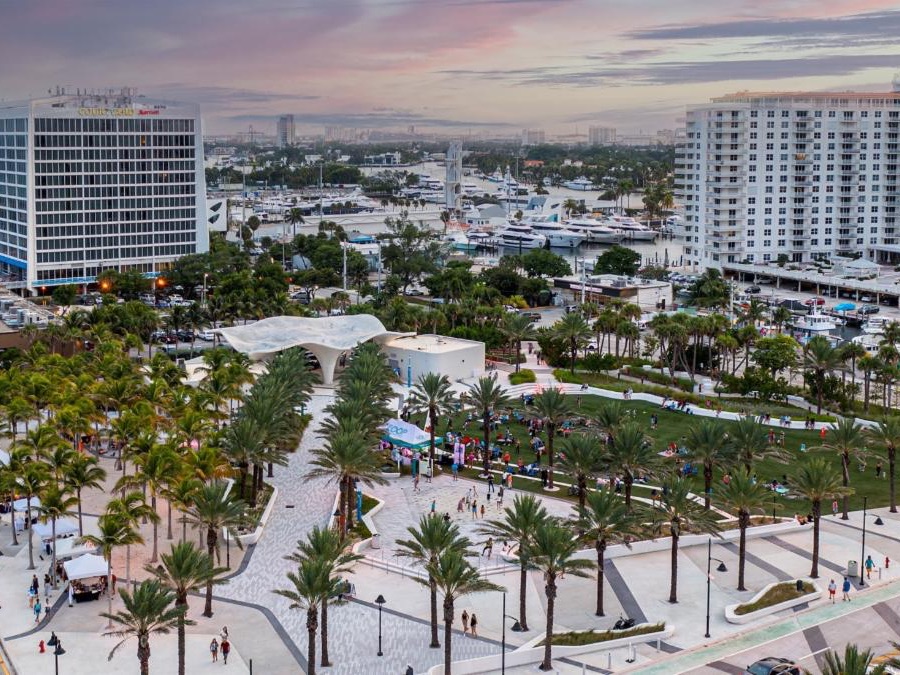
And in time for this year’s Winterfest Boat Parade, we will open Tunnel Top Park. The park is being built by extending the top of the Kinney Tunnel farther over Federal Highway, creating new open space along Las Olas Boulevard. The Downtown Development Authority has also drawn up plans to give Huizenga Park a facelift – with a new lawn, walks, dog run, river overlook and restaurant.
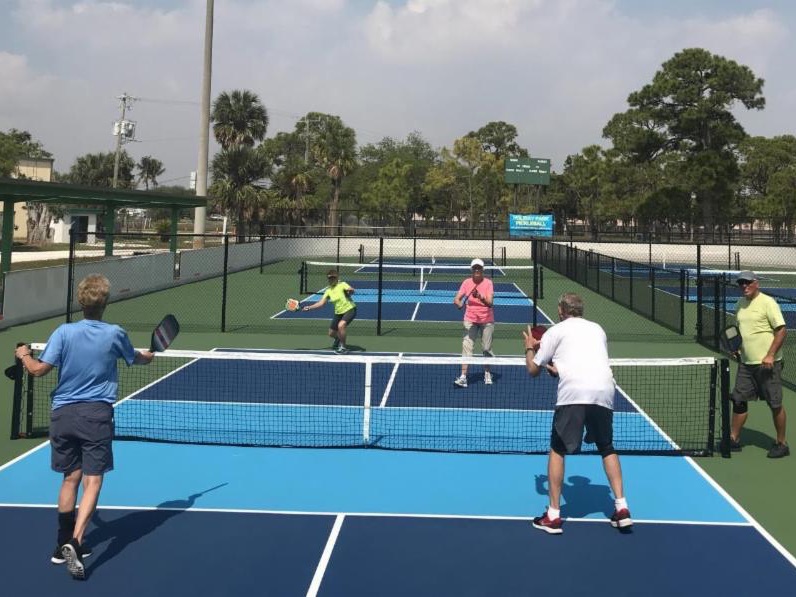
We also are working out a partnership that will build a major pickleball facility in an unused portion of Snyder Park. Pickleball has become quite a popular sport. I’m asked almost every day if the city can add more courts. We found a way to do so. With 60 new courts, we will have a prestigious facility available for use.
There has been a recent controversy surrounding city amenities … the amount of money spent on Summer Jamz. What we have learned in recent weeks shows the need for greater scrutiny city-sponsored events – both by the commission and staff.
The new city manager and new interim auditor are determined to get to the bottom of what occurred, and I want them to provide the commission with reform recommendations to ensure this never happens again – checks and balances that include more transparency, more review of spending by the City Commission and more internal procurement protocols.
But fix it we will. After all, community events are an important part of the fabric of a city.
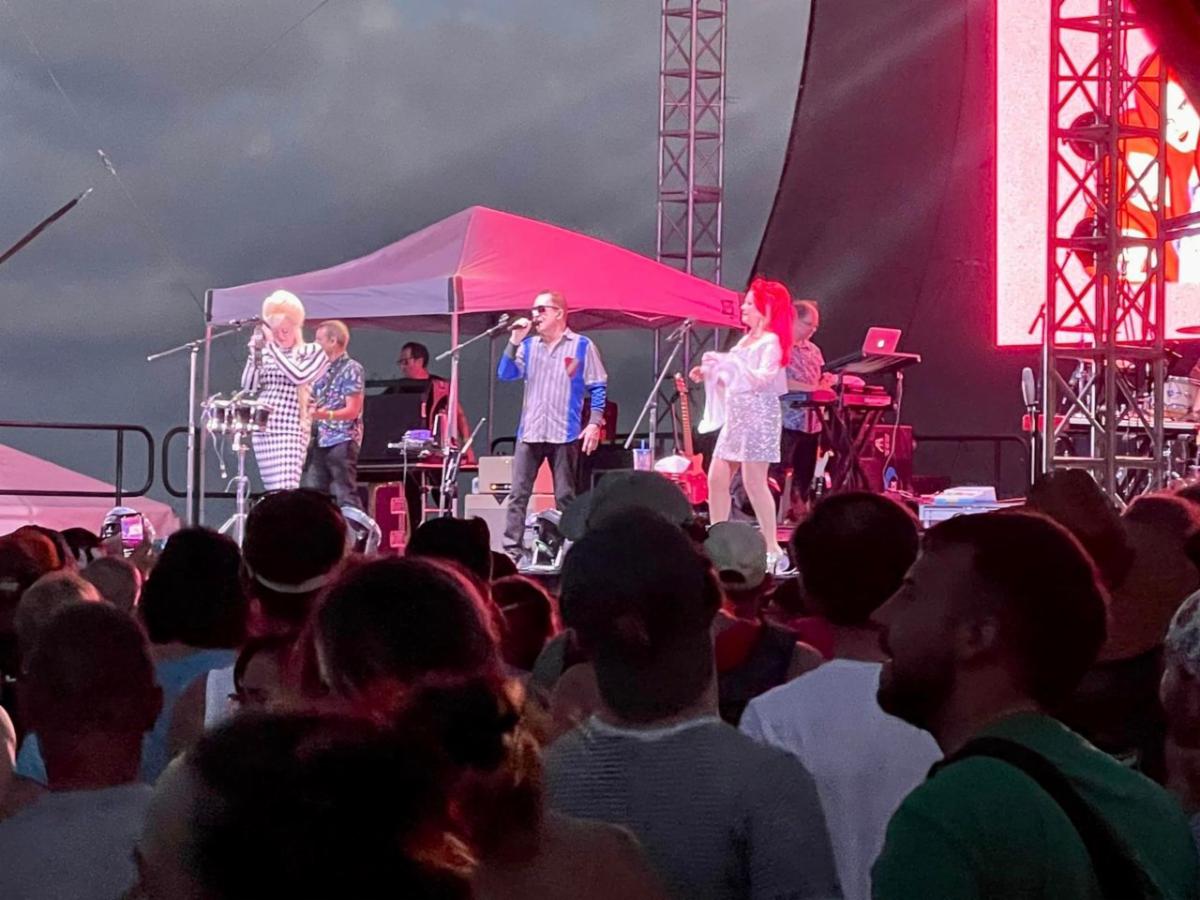
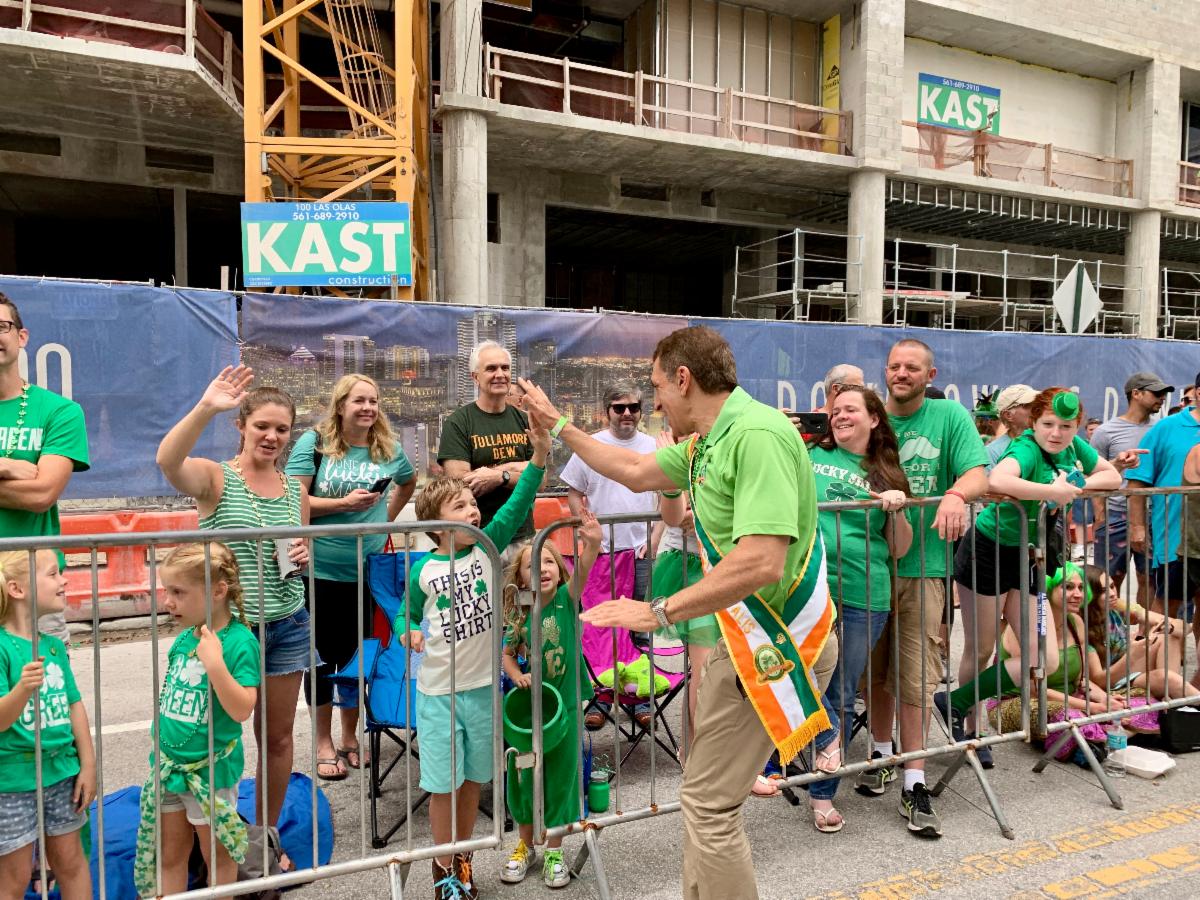
We have great events like Christmas on Las Olas, the Air Show, the Tortuga Music Festival, the Sistrunk Parade and Festival and the St. Patrick’s Day Parade to name a few. The Brazilian Festival has reached new heights since moving to Fort Lauderdale, and our Day of the Dead celebration is world-renown. New offerings continue to develop, including Flockfest, Floatarama and a revamped Pride Fort Lauderdale that will welcome people from around the world this spring for Pride of the Americas.
| |
|
Quality of Life: Housing affordability
Our focus on quality of life goes beyond public amenities.
We understand the need to help the School District improve education, the crisis that residents are facing regarding housing affordability, and the importance of clean waterways. We are taking concerted action to ensure the livability of our community.
Our population growth does present some challenges. The one I hear daily concerns about is the affordability of housing. The city is prioritizing the need to increase the range of housing options.
We must ensure we remain a diverse community open to all income levels – a place where workers from nurses and teachers to bank tellers and waiters can afford to live, a place where someone fresh from college can launch a career, and a place where a senior citizen can retire comfortably.
We have given grants, forgivable loans, tax credits and public land to encourage the development of affordable housing.
Allow me to name just a couple projects benefitting from the city’s efforts.
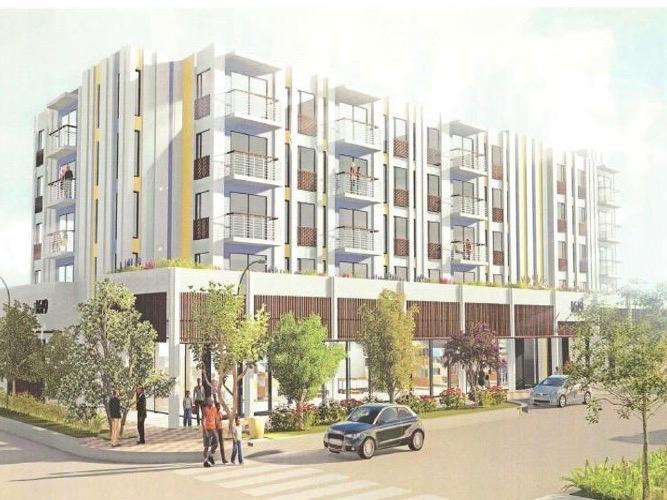
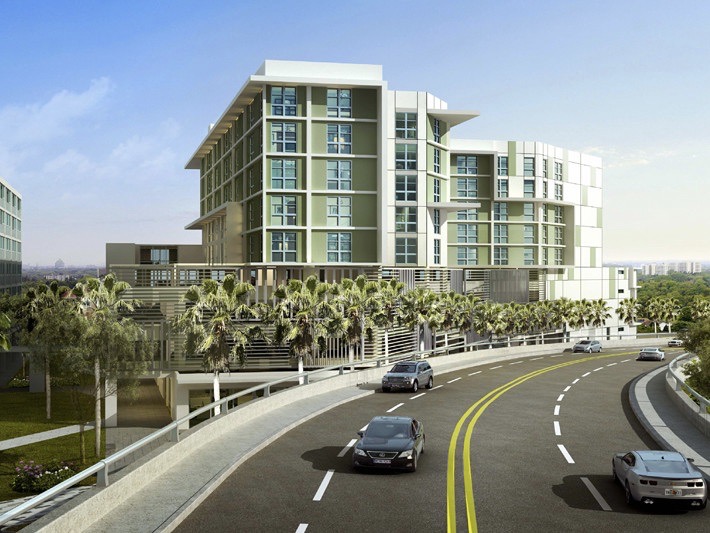
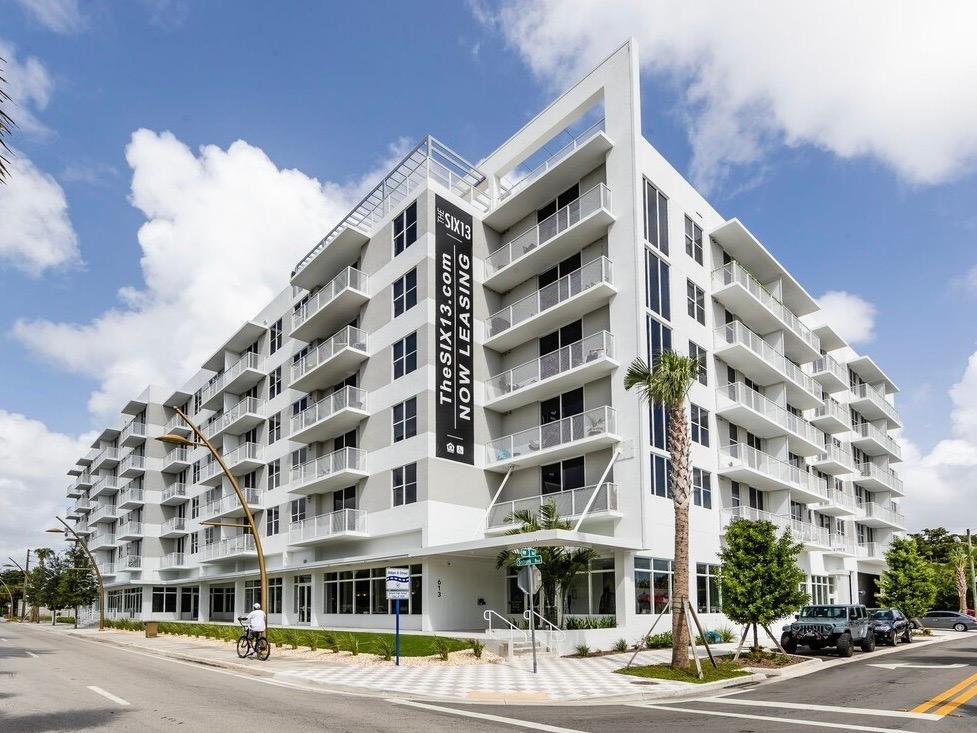
Affiliated Development built 142 workforce units at Six13. The Housing Trust Group’s Village View recently opened with 100 affordable units for seniors. Sunshine Shipyard’s Arcadian will have 48 units set aside as affordable. And, Mount Hermon AME Church is building 100 units of senior housing that will be rented at affordable rates.
Our Housing Authority continues its extensive campaign to renovate and expand its properties and enlarge its portfolio. Suncrest Court, for instance, is doubling in size to 116 units. The Housing Authority also built the 113-unit Poinciana Crossing where the city once planned a transit maintenance facility.
In another initiative, we are selling city-owned lots for the construction of single-family homes. Once developed, these must be marketed to the public at affordable prices. The city also operates a program to assist qualified individuals make down payments, cover closing costs or reduce principal on a home purchase.
We will continue to work as hard as possible to keep Fort Lauderdale a community available to everyone.
| |
|
Quality of Life: Education
One of the most important factors to the long-term prosperity of a community is the quality of its schools. That’s why increasing the city’s role in education has been a commission goal.
The city is looking to expand early education through a unique partnership with Bezos Academy. This Montessori-inspired program is designed to offer full-day, year-round preschool for underserved communities without any tuition.
Summer is a time when you often see learning loss, so the city has stepped up to assist.
For the second year, the city partnered with the school district and non-profit organizations to run a specialized summer program as a compliment to the district’s summer academy. And, the city provided academic enrichment during our traditional Parks & Recreation summer camps. We saw great results. On average, children enrolled in our summer camp mastered three or more skills in math and reading.
As with summer school, after-school care is an area where the city can readily help supplement the work of the school district.
We have used funding from the federal CARES Act to outfit community centers with iPads and MiFis. The city also was selected by the Barbara Bush Foundation to start Book Explorers, a literacy program as part of the aftercare program with funding coming from the state Department of Education.
The city is also expanding career training opportunities.
InterMiami’s presence in our community has led to the Global Institute of Sport to open its first full campus in North America at the Lockhart facilities. GlS will provide educational programs for students interested in pursuing careers in sports business.
This commission saw aviation as a career field we could boost locally because of our great airports — FLL and FXE. We intend to create multiple education paths for students to move into the high-demand and cutting-edge fields of aviation.
We first launched an avionics program at Atlantic Technical College in partnership with the school district, local colleges and the business community. A second step is to create an aviation workforce training facility. We hired a consultant to conduct a feasibility study and needs analysis for a training program.
The city continually seeks to understand the educational priorities of our community. We lobbied heavily to ensure that Stranahan High School will get a new cafeteria. We thank the school district for approving this long-sought improvement.
| |
|
Quality of Life: Our Waterways
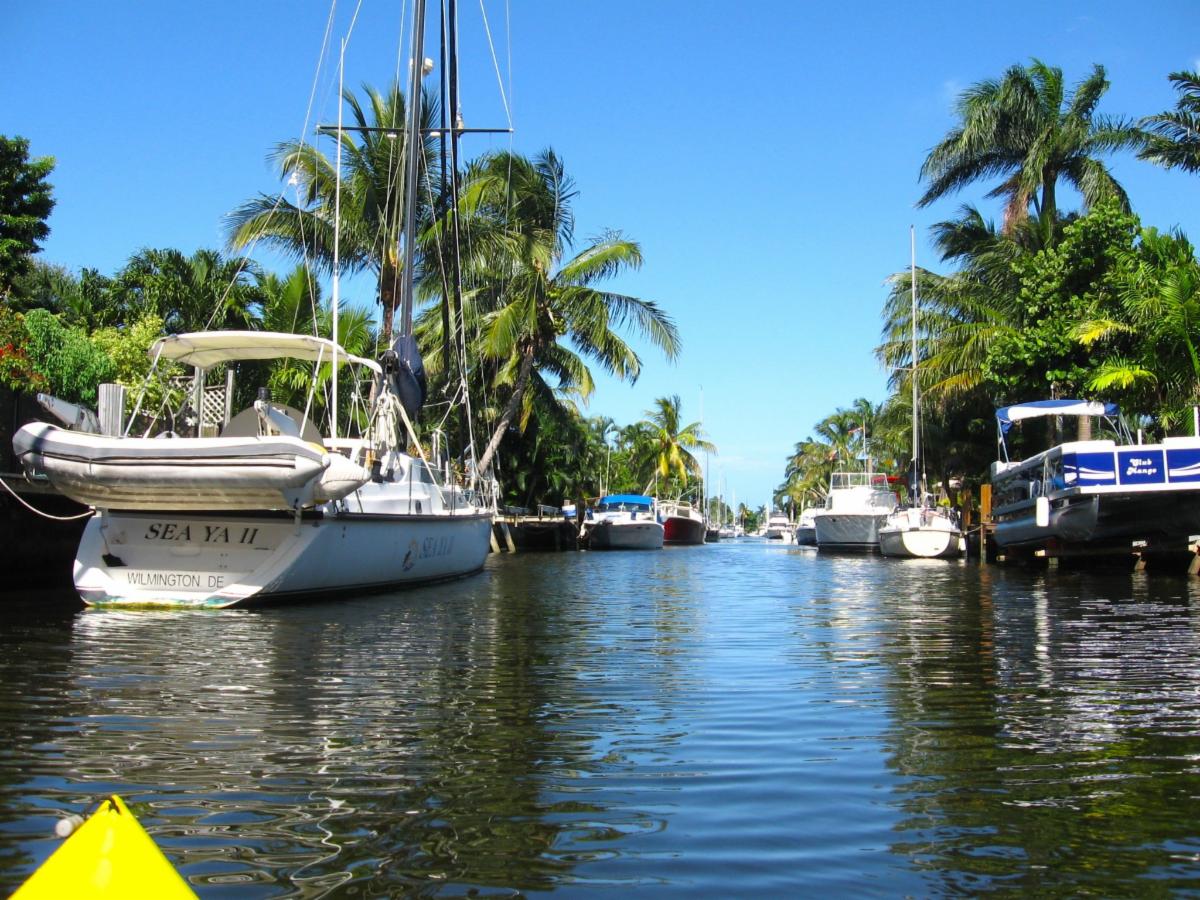
The final area of quality of life that I want to talk about is our environment, particularly our waterways. After all, we are the Venice of America.
We are working hard to repair the damage done by sewer pipe breaks as well as to address the historical pollution created by the urbanization of South Florida over the past century.
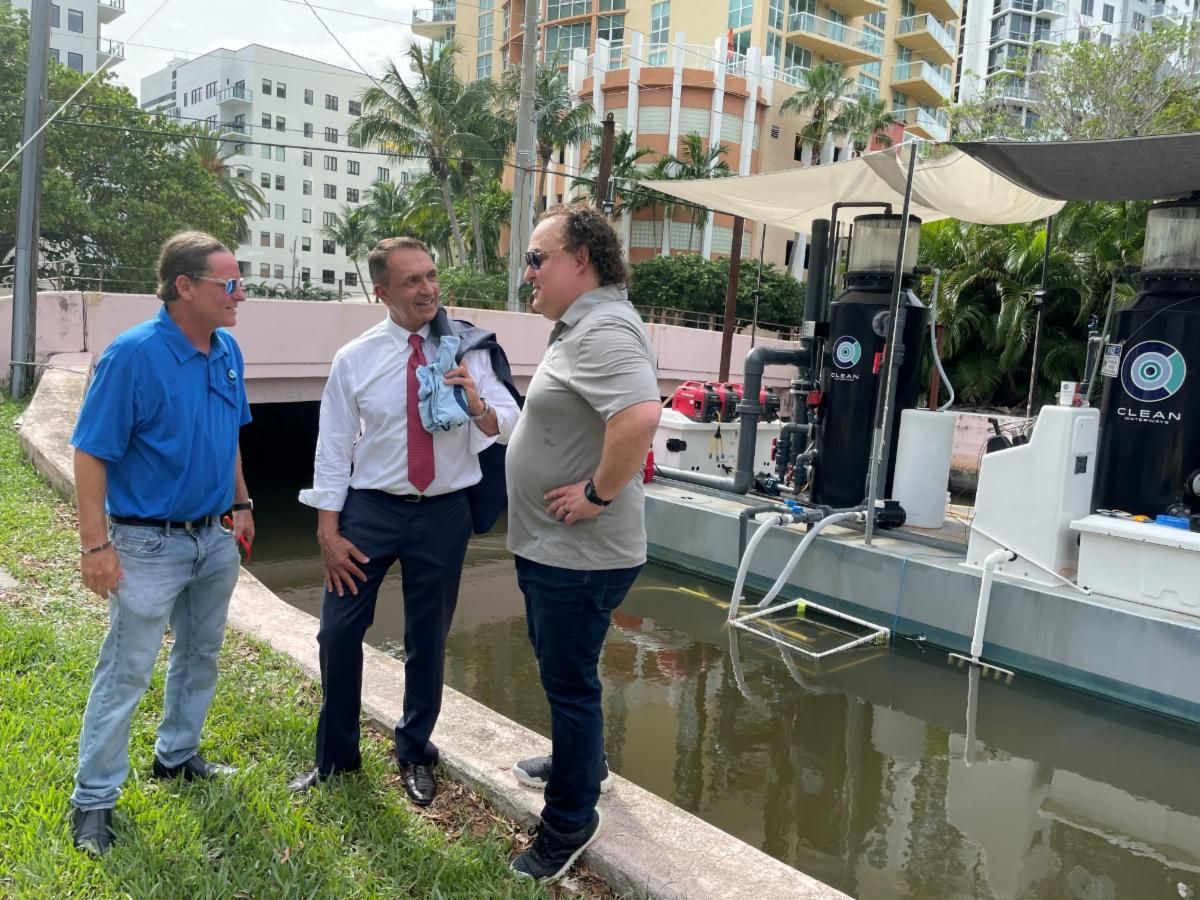
We dredged sediment from George English Lake and the Tarpon River. We also undertook an innovative partnership with Fort Lauderdale-based Clean Waterways LLC to clean the Himmarshee Canal using protein skimmer technology. We are currently installing aerators at four locations to literally breathe new life into these waterways and enhance wildlife habitat.
Also, the city collects trash in all of our waterways on a regular schedule, resulting in the removal nearly 140 tons of floating debris in the past year alone. In addition, this fiscal year, the city’s street sweeping and proactive cleaning of stormwater catch basins has protected our natural environment by preventing 1,200 tons of silt and debris from entering the waterways.
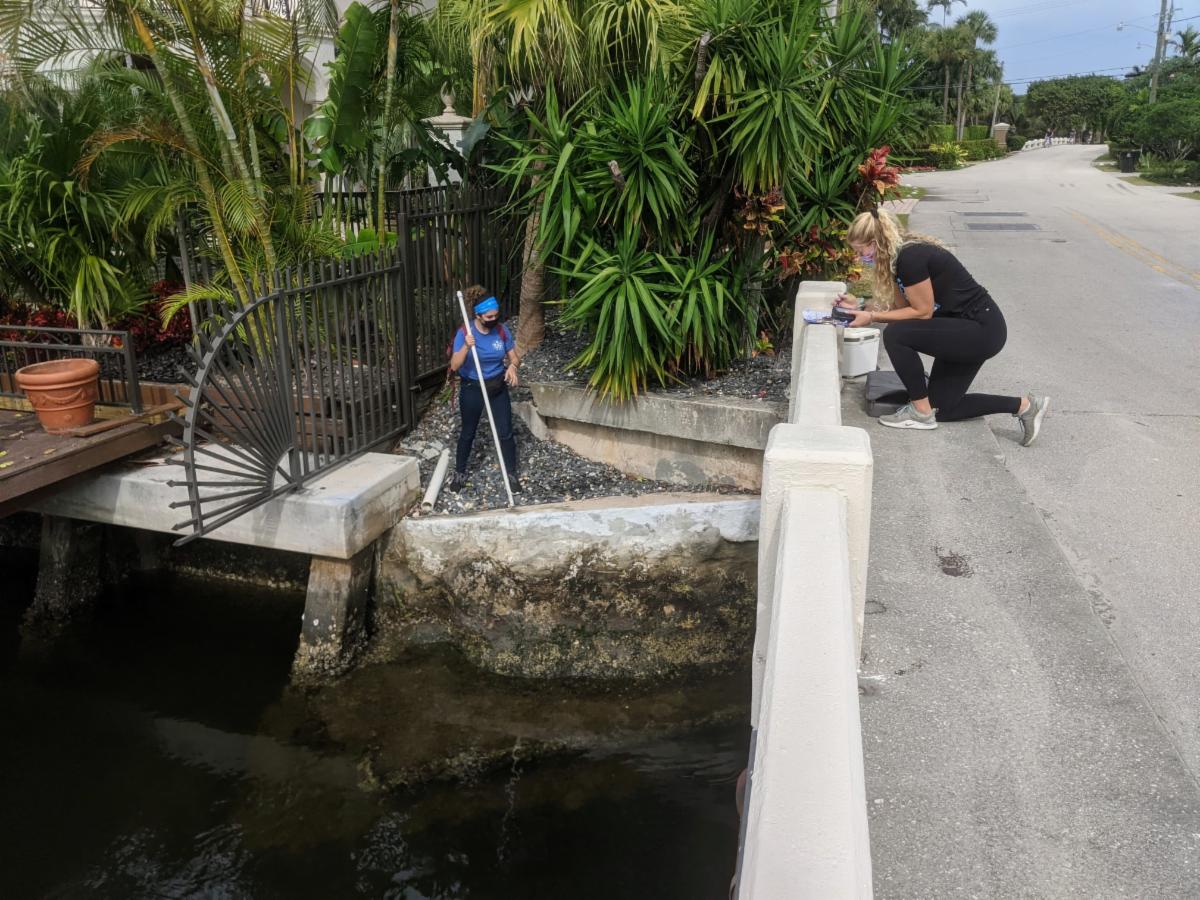
And, we hired Miami Waterkeeper to perform regular water quality monitoring across the city and publicize the results through the Swim Guide app.
Now, people can know the condition of the waterways before venturing out. Fortunately, sampling at our designated watersport areas consistently comes back showing our waterways fit for public use. By analyzing the testing results, we will look at what next steps should be taken.
| |
|
Public Safety
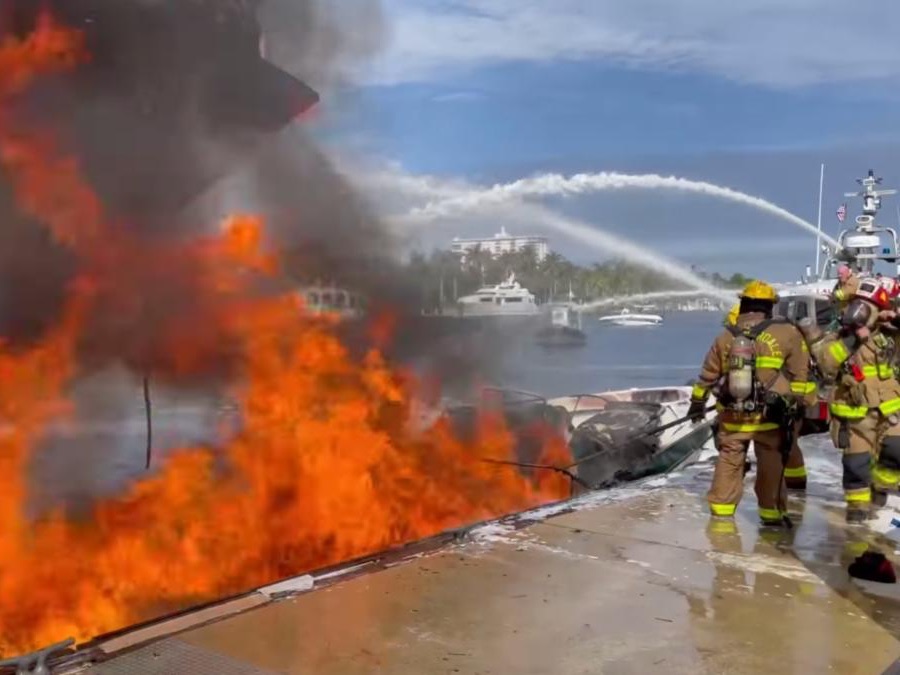
Public safety is the paramount job of any city. I’m proud of the track record of our police and fire departments and the hard work, bravery and dedication of our officers.
We are adding 21 officers to the force in the pending 2023 budget. We’ve installed new technology that listens for gunshots and reports the GPS location immediately to police officers. With federal grant assistance, we launched a collaborative project with federal and state law enforcement partners to address gun violence.
The Police Department has started a program to improve its firearms analysis. They will collect spent casings from crime scenes and other firearms that are confiscated so key information can be entered into a national ballistics database. This is a database that departments across the country can search for crime-scene matches.
To allow officers to better focus their attention, the department plans to implement an online reporting system to address incidents that don’t require the physical presence of an officer.
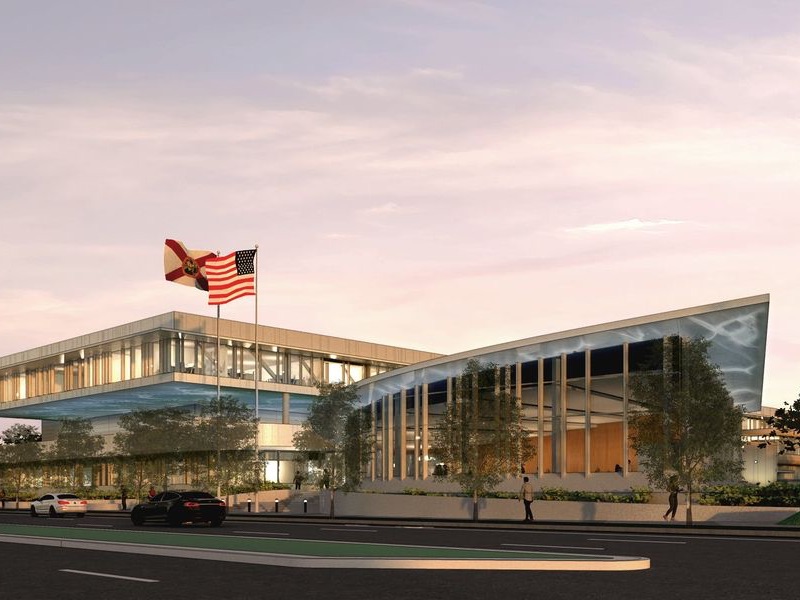
Most significantly, we will soon begin construction of a state-of-the-art police station. After more than 60 years of use, the current headquarters is obsolete, can’t accommodate today’s larger police force and does not meet our existing needs. Particularly, it cannot withstand a major tropical storm.
The commission has also made it a priority to do more to fight aggressive panhandling, obnoxiously loud car noise on the beach and downtown, and the dangerous street takeovers by gangs of motorcyclists and ATV-riders. Armed with new laws, we have authorized our police to do whatever it takes to curb these activities.
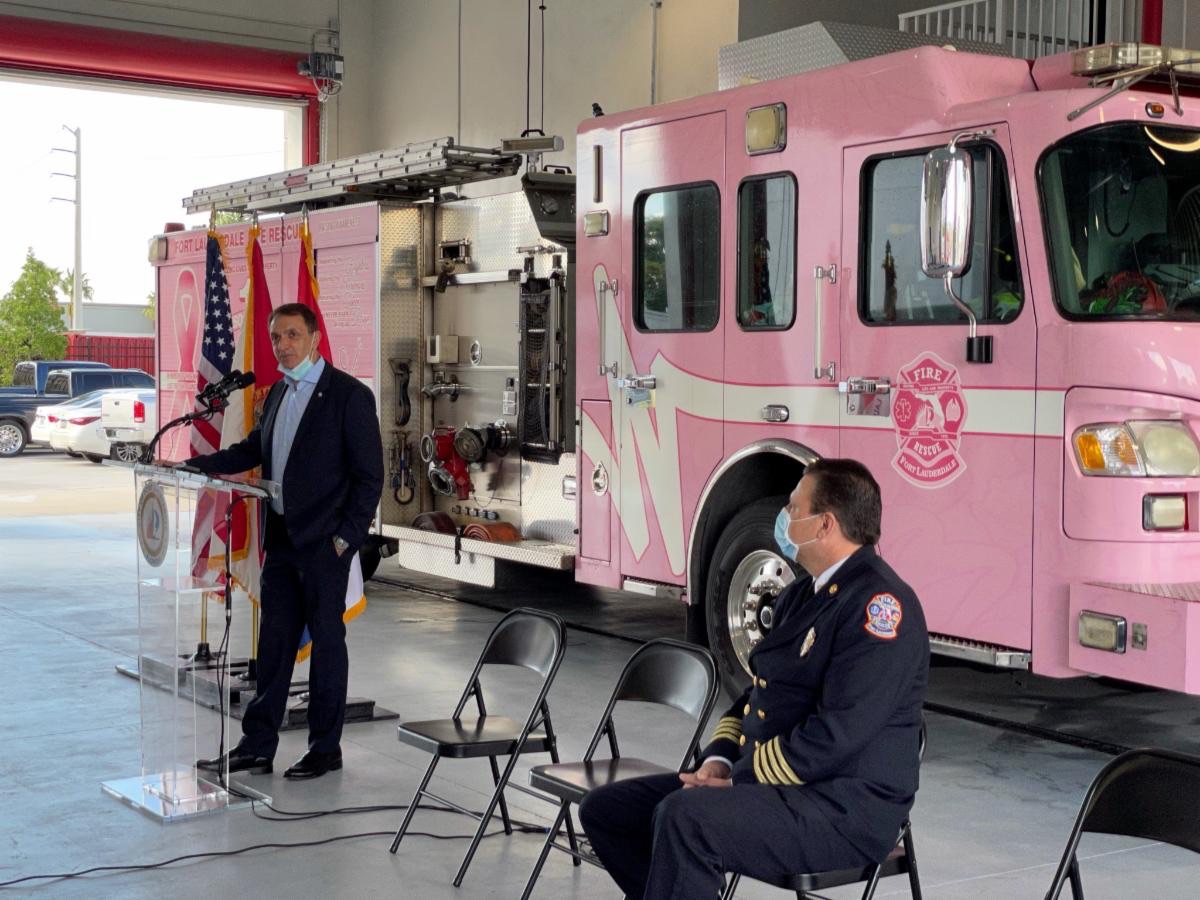
Meanwhile, in the Fire Department, we have placed Station 8 into service at 1717 SW 1st Ave. and are moving to rebuild Fire Station 13 on Sunrise Boulevard at Birch State Park. We’ve also acquired land for a new station at 507 SE 11th Court to support the South Federal Highway area.
The Fire Department is also exploring a pilot mobile integrated healthcare program to provide non-emergency healthcare services to the community. And, to keep pace with our growing needs, the city added 16 more firefighters last year and is considering another 15 in the upcoming budget.
We are a safe community with forces well able to protect lives and property.
| |
|
Economy: Business Recruitment
I cannot end without talking about our economy.
We have seen an unprecedented amount of business development and job creation. We are effectively at full employment with the region’s jobless rate once again under 3 percent – down from a high of 16 percent during the early days of the pandemic.
The popularity of Fort Lauderdale is at an all-time high. Increasing numbers of people … untethered from the office during COVID … found the possibility of working in the cloud appealing and living in the sun.
Many corporations are moving here too. They are realizing what AutoNation, DHL, Embraer, Microsoft, Motorola and Citrix Systems already knew.
It’s no secret in corporate America. Greater Fort Lauderdale offers a winning combination of a business-friendly metro area, a beach-and-outdoor lifestyle that is blessed with year-round sun, and a tax regimen much lower than other locales like California, New York, Chicago and Boston.
Our community ranks among the top locations in the country for entrepreneurial activity. We have a diverse and well-educated workforce that can meet the needs of any business. We have world-class transportation facilities with the international airport, executive airport and shipping port. And, business can take advantage of a sophisticated international trade infrastructure.
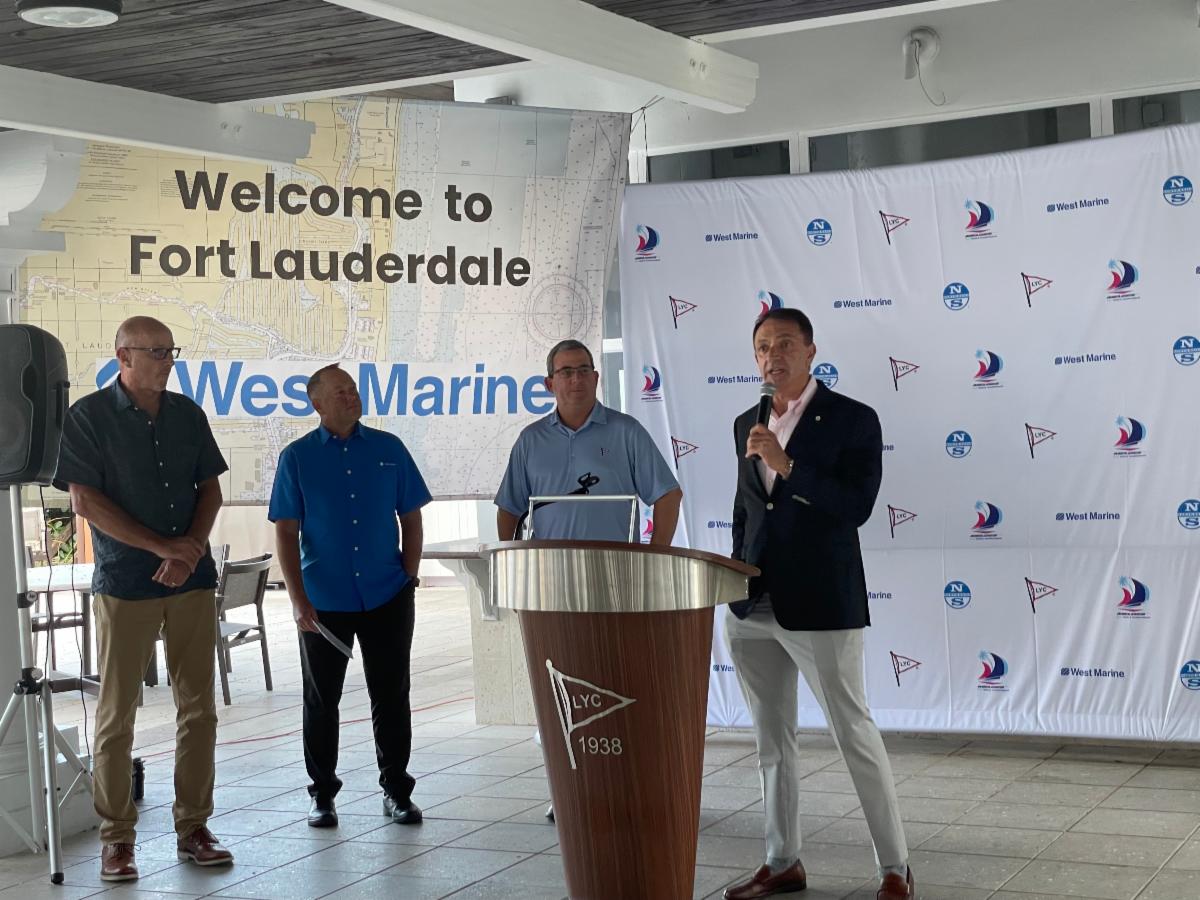
Next month, we will have the grand opening of the new headquarters of West Marine. This leader of the yachting world decided Fort Lauderdale made much better sense for its corporate operations than its prior location in California.
West Marine is far from alone. Other companies that have recently moved or expanded here include:
- Future Tech, an IT partner-of-choice for Fortune 500 companies.
- Memic Innovative Surgery, an Israeli-based medical device company that’s transforming robot-assisted surgery.
- BelHealth Investment Partners, a private equity fund focusing on health care.
- Benefytt Technologies, a health insurance technology company.
- Sincerus Pharmaceuticals, a manufacturer of custom medicines.
- Starr Insurance Cos., a leading financial and insurance firm.
- Pinebridge Investments, a global asset management company.
- American Queen, headquarters for a national cruise line.
- And, KeySource Pharma, a supplier of generic pharmaceuticals.
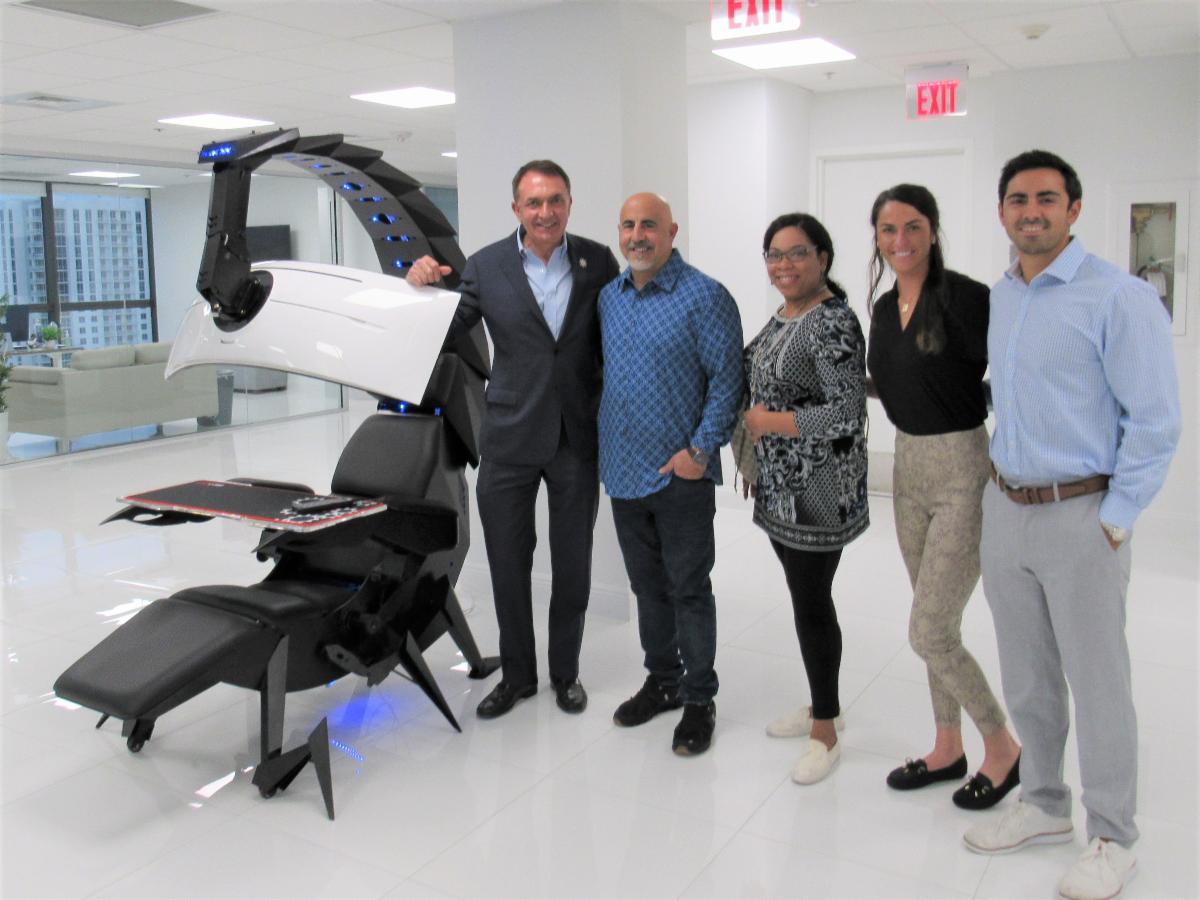
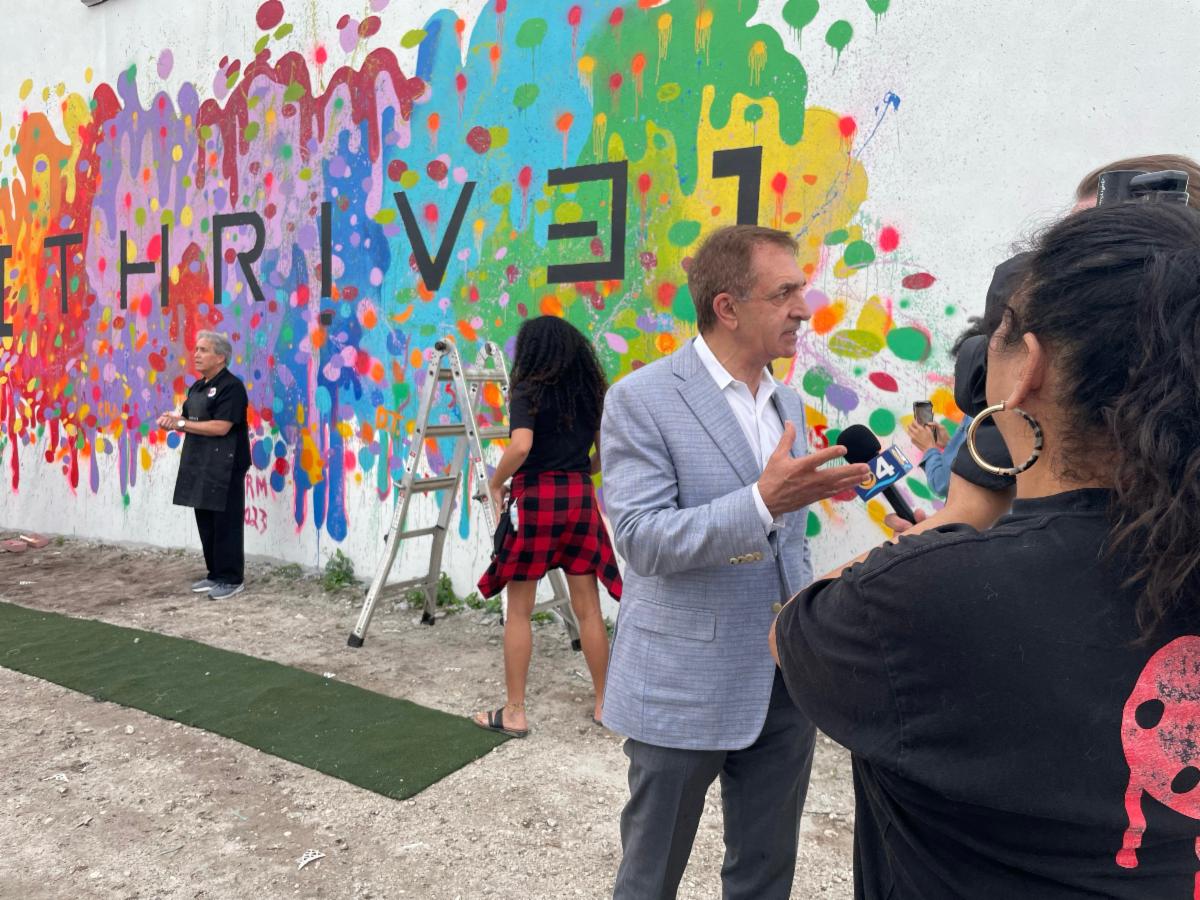
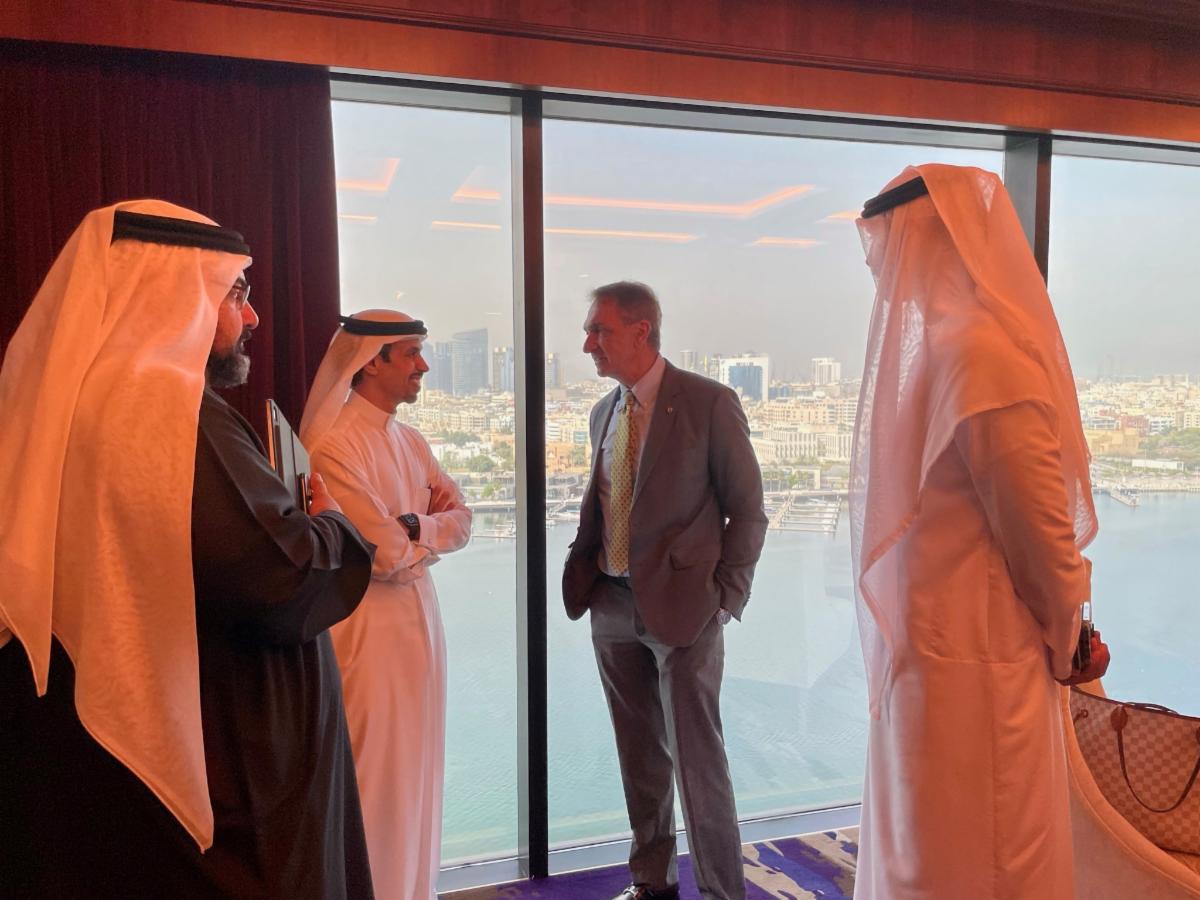
Business investors worldwide are looking at Fort Lauderdale. An Israeli firm recently broke ground on THRIVE, a mixed-use hub for businesses and artists. Also, the foreign trade minister of the United Arab Emirates recently visited here, interested in pursuing major economic ties, following a successful trade mission that I led to Dubai.
| |
|
Economy: Critical Industries
Fort Lauderdale is taking steps to ensure its prominence in the maritime world continues.
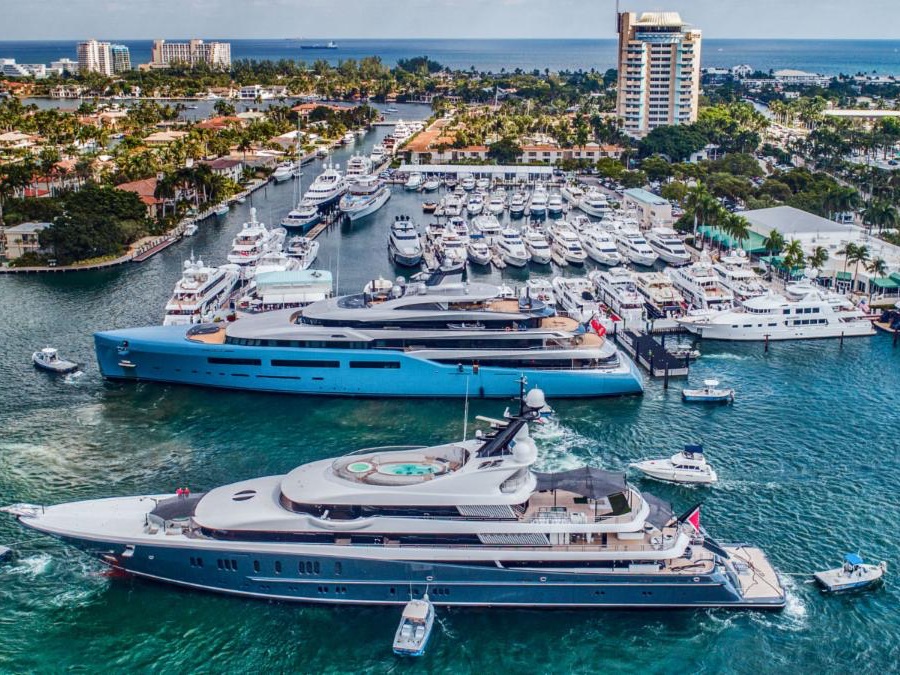
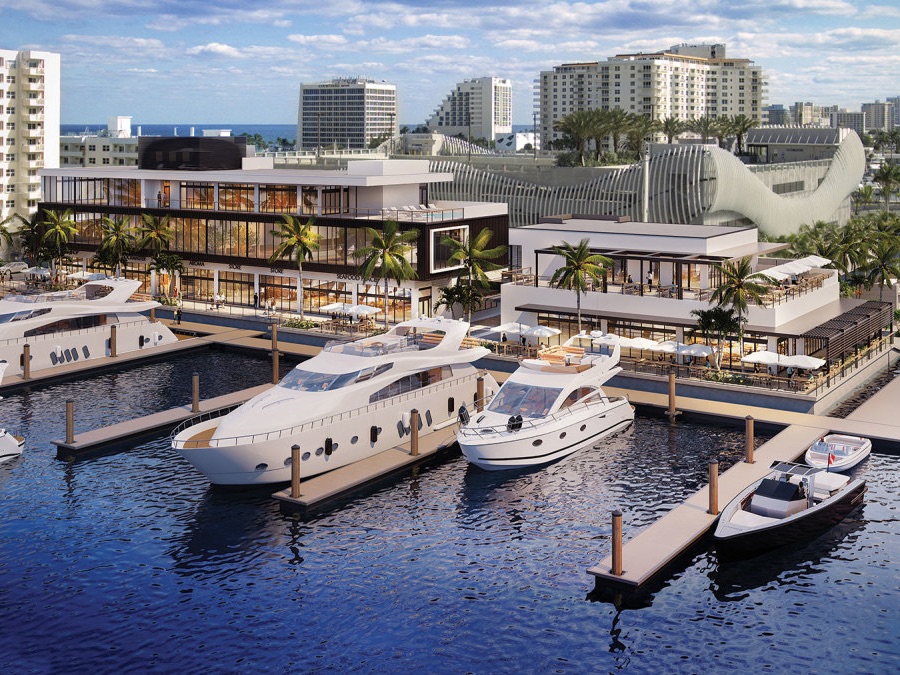
We are rebuilding the Las Olas Marina so it can handle more yachts and larger yachts than ever before while also providing the kind of associated servicing needs that boat owners and their crews expect.
We also secured Bahia Mar as a permanent home for the Fort Lauderdale International Boat Show. The fate of this critical driver for our economy was in doubt after a deal brokered by the last commission, but my colleagues and I made changes to these agreements to ensure the show remains and can continue to be a success.
Our tourism industry is booming.
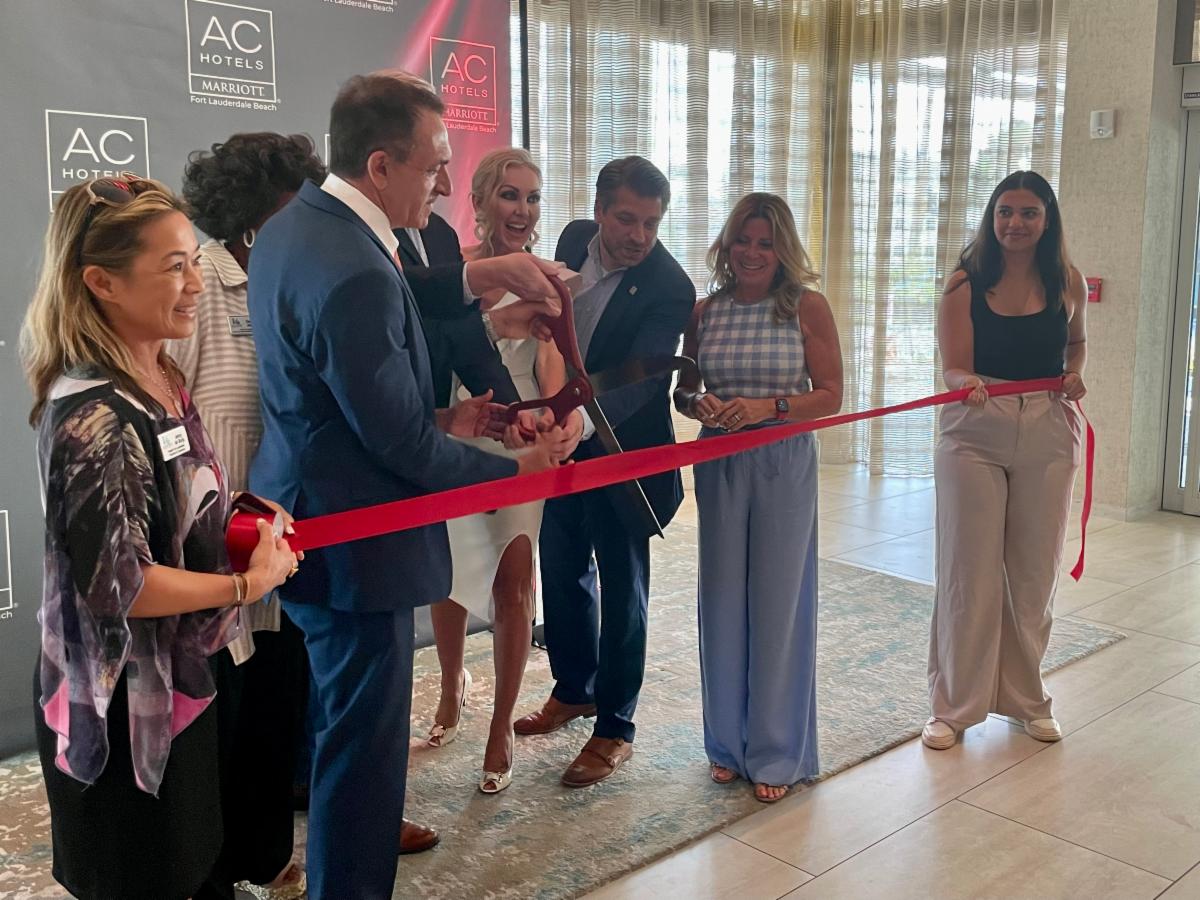
It’s incredible what is happening in the industry as the number of visitors continues to grow and increase in diversity. Fort Lauderdale is now home to a Four Seasons! The top of the line in luxury. The Hotel Maren and AC by Marriott have also joined our beachfront inventory, with several more hotels in line for construction.
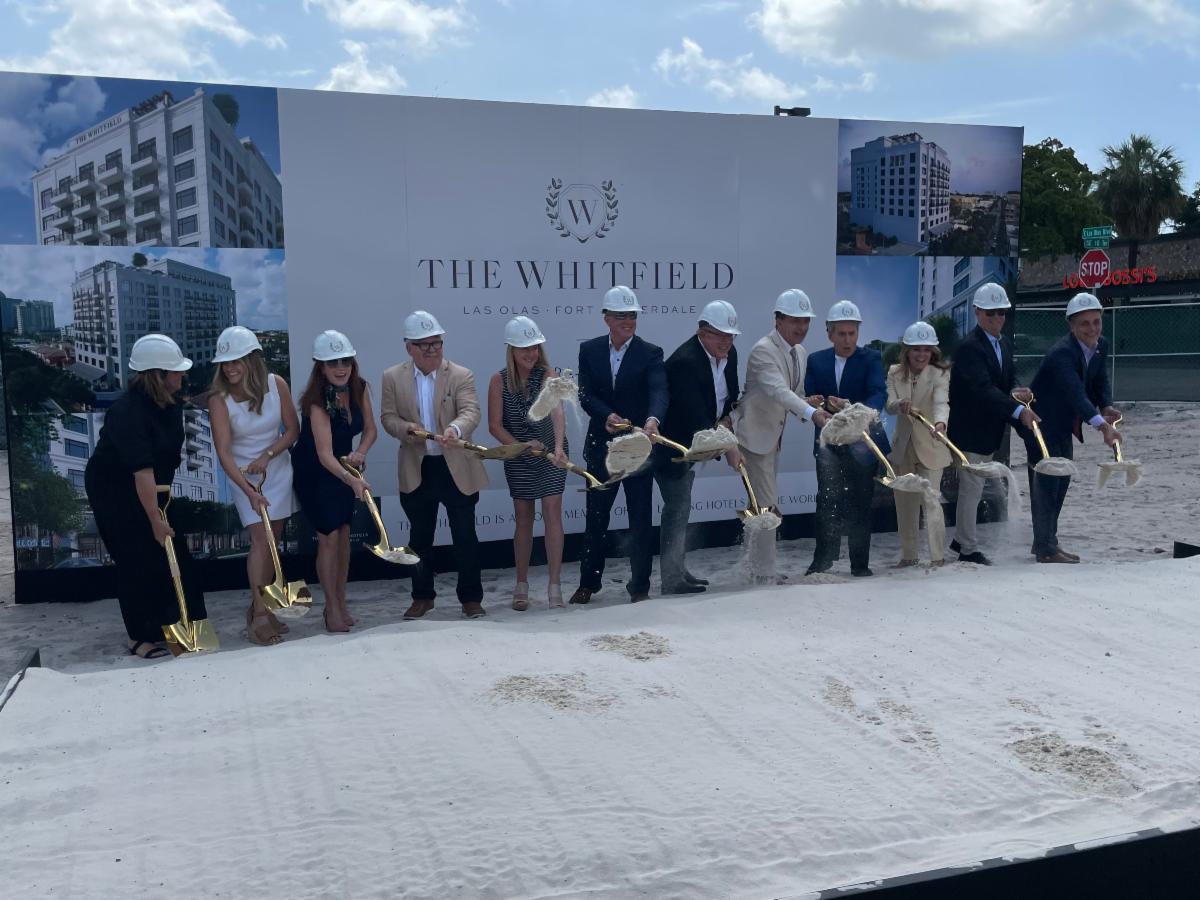
Downtown was once only known for the historic Riverside Hotel. But in the last couple years, we’ve added many hotels — the Dal Mar, Tru by Hilton, the Hyatt Centric and the Courtyard by Marriott. The ultra-lux Whitfield is under construction and will join the downtown market in a couple years.
| |
|
Economy: Downtown
Speaking of downtown, I’m so thrilled by its evolution.
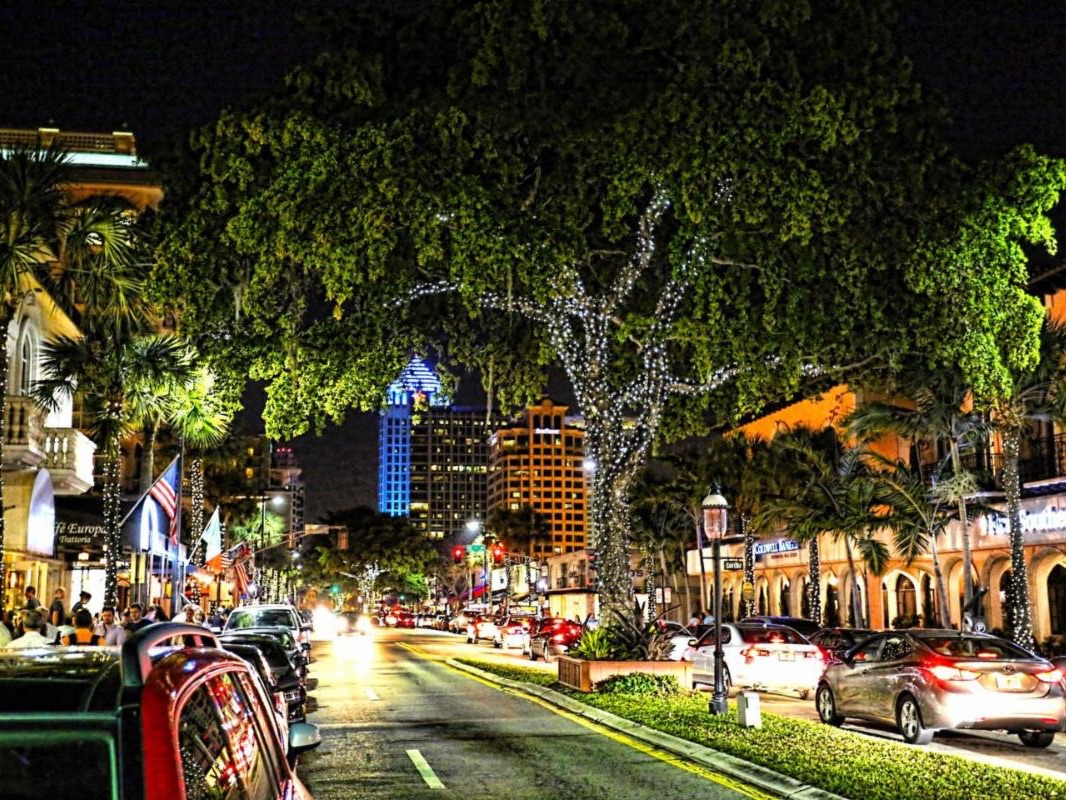
It is undergoing a true renaissance and is positioned to thrive as a place that blends living and working into one environment. It’s a walkable urban experience that rivals most other communities around the country.
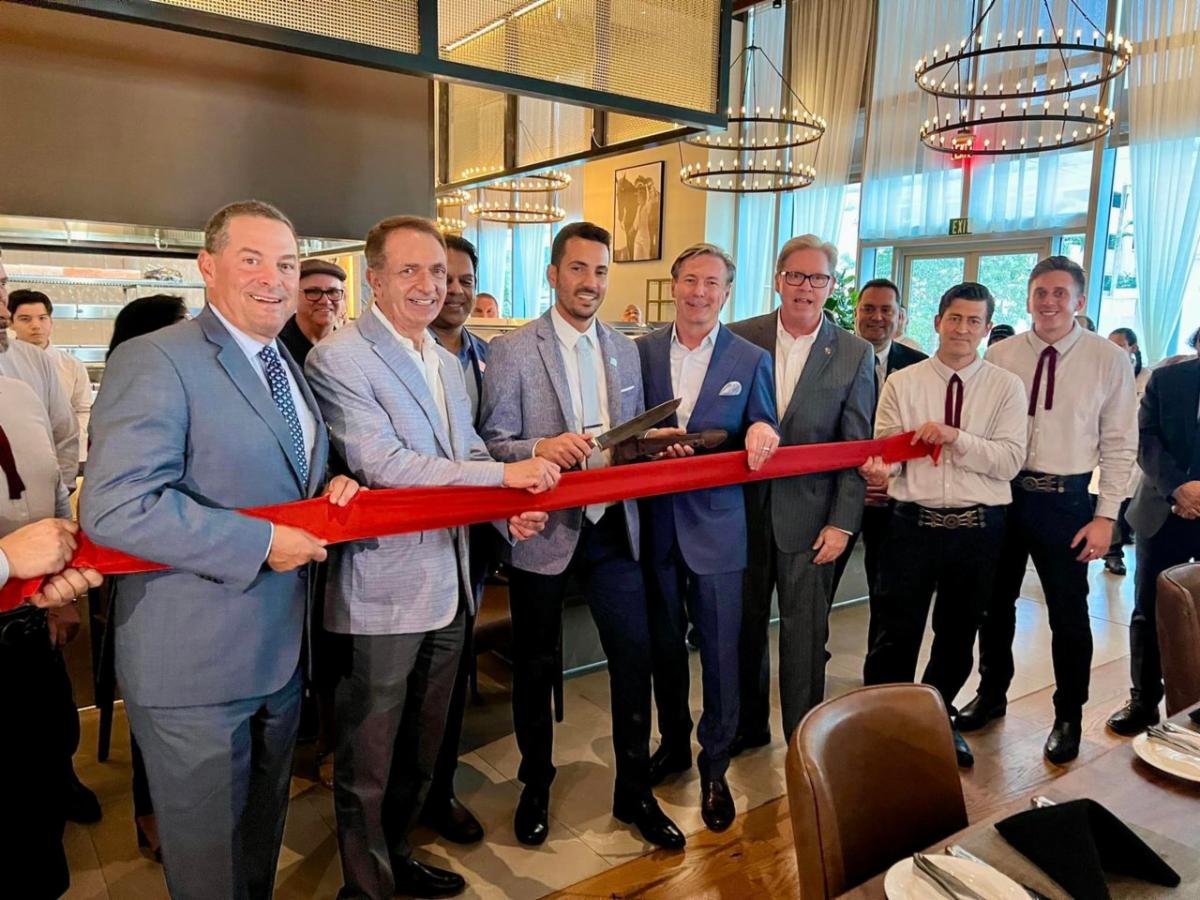
Not only are there the new hotels, but there is new office space like The Main, new housing like the Icon, and new retail and restaurants like Fogo de Chao and Eddie V’s.
The restaurant business is going wild – largely because of downtown. Restaurant seating levels have experienced a 24 percent increase over pre-pandemic levels. According to Open Table, Fort Lauderdale has witnessed the nation’s second biggest jump in restaurant reservations between 2019 and today. Business in other cities like New York, San Francisco and Chicago is down.
Just think about what a transformation it’s been for the city center. Even in the early 2000s, downtown was largely a collection of office and government buildings and Flagler Village was a veritable ghost town.
It’s awe-inspiring to see renderings of what downtown will look like in 2030 when projects currently in the pipeline are completed. I’d like a new City Hall to be part of that composition, and I’d like to see the Panthers consider a move to the heart of its fan base. This is the only metro area in North America where its national hockey team is not located downtown.
| |
|
Economy: Future Initiatives
Tourism and the marine industry have long been the cornerstones of Fort Lauderdale’s economy, but this commission is attracting new fields of business. Diversification is critical to a well-rounded economy that can withstand fluctuations in particular market segments.
One new area we’ve been pursuing is the movie industry. We are completing an agreement with an LA-based consortium to build a movie studio on the long-vacant site of the former Wingate incinerator.
The city cleaned up the parcel two decades ago only to see no interest in its redevelopment since. At no cost to the city, this group plans to invest $150 million and build a full-service production studio complete with sound stages, movie sets, a backlot for location filming. There will also be a full-time accredited film school.
Two other areas of new business growth that we are focused on are the high-tech and financial services fields. Both are ripe for relocation or South Florida expansion.
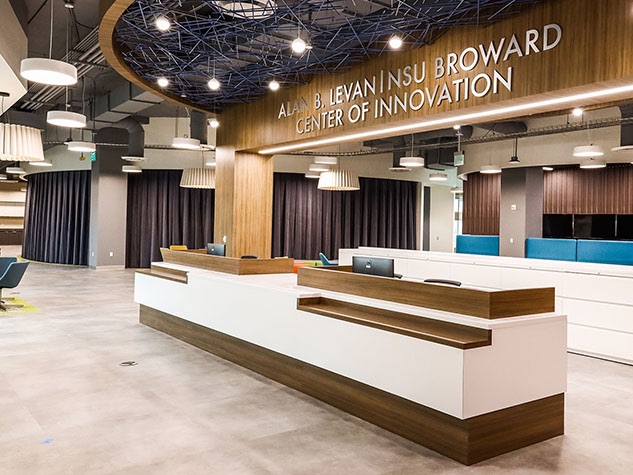
To help with this, the city is becoming a charter fellow of the Alan Levan Center for Innovation at Nova Southeastern University. The Levan Center opened late last year and is poised to be a world-class tech incubator and accelerator working with both investors and talent.
It may sound cliché but is so true. Fort Lauderdale is the city you never want to leave. We are blessed with the rich, natural beauty of our world-famous beach and our waterways. We have a vast array of cultural and entertainment options and great educational opportunities.
| |
|
No one compares to Fort Lauderdale’s ability to create community.
For a city only a little more than a century old, we have a deep history. We’ve recently celebrated the 62nd anniversary of the Boat Show, the 50th anniversary of the Winterfest Boat Parade, the 100th anniversary of the Bonnet House, the 50th anniversary of the Sunshine Cathedral and the 100th anniversary of St. Anthony’s Catholic Church.
We are a city on the move – a vibrant and growing cosmopolitan community that hasn’t forgotten its roots or its great neighborhoods. Let’s be proud to be one of the best places in the nation to live and work.
Yours,
Dean
| |
Want to watch the State of the City address? Here you go!
| | | | | |