April 2023

City responds to extreme flooding

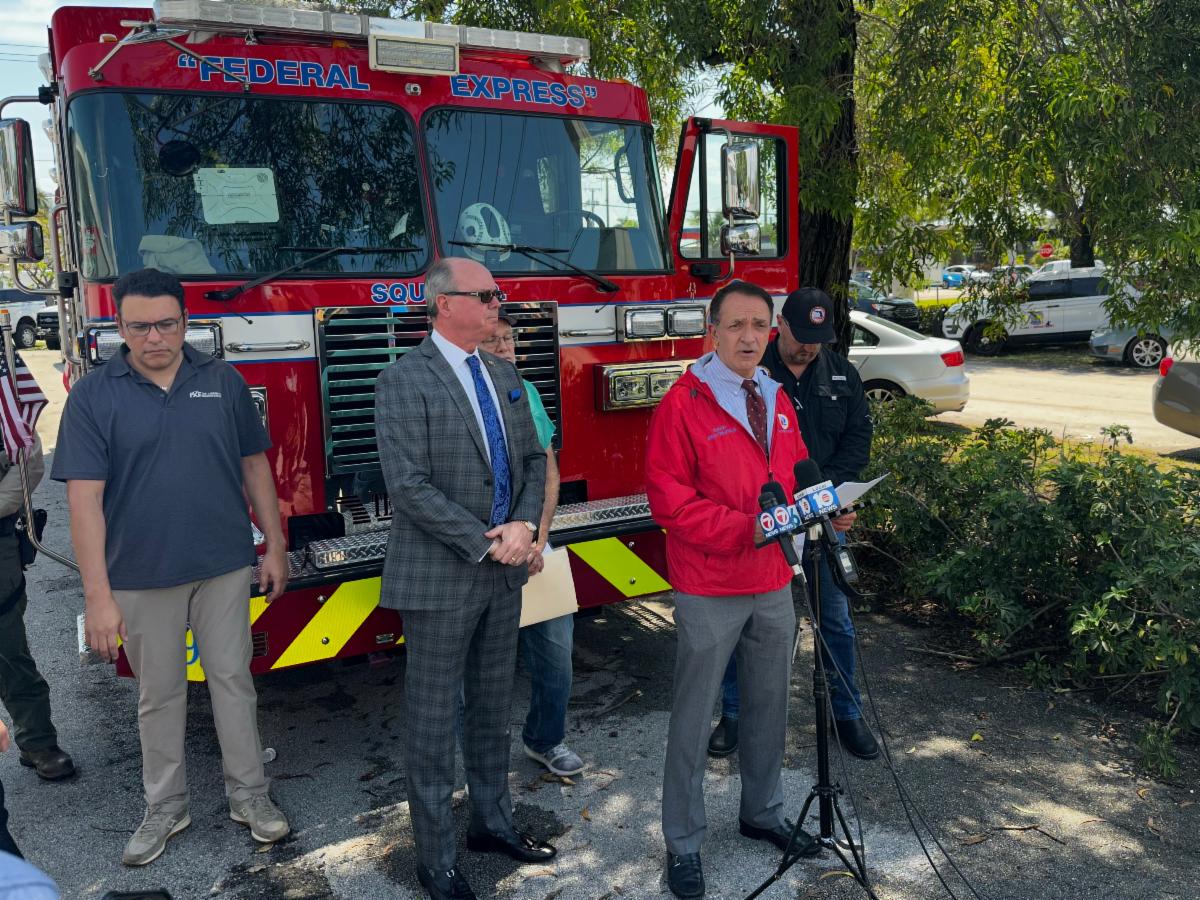
April 12 will be long remembered in Fort Lauderdale as the date when we suffered devastating flood damage from a sudden, long-lasting and incredibly strong group of thunderstorms. It should also be remembered as a date when the community came together to help each other first to be safe and then to recover.


What happened was unimaginable, but what has transpired since has been equally amazing. Neighbors helped one another, and first responders and public works staff undertook incredible rescue and recovery efforts. 


I can assure you that city crews have worked as fast as possible to clean up flooded areas, repair damage and assist those individuals who were most impacted. Their efforts continue. 


Our staff also worked with state and federal officials to complete a damage assessment that has now led the governor to seek a federal disaster declaration. We are awaiting President Biden’s response. If declared, residents and businesses will be able to obtain financial assistance that follows large-scale disasters. I have been in personal contact with the White House to urge this action.


The state already has activated the Florida Small Business Emergency Bridge Loan Program, making $5 million available for impacted businesses. The program provides short-term, zero-interest loans of up to $50,000 to small businesses that experienced economic injury or physical damage due to the recent flooding. Visit FloridaJobs.org/EBL for more information and to apply.


City leadership jumped into action immediately Wednesday, the day the storm began, when we realized this was not a commonplace spring rain. 


Police began trying to address traffic issues as commuters left work amid heavy downpours. The city manager activated our Emergency Operations Center around 9 p.m., and I signed an emergency order shortly afterward to allow the government to better marshal its resources. 


Police officers, firefighters, public works employees and other city staffers worked relentlessly through the hours of the storm to keep the city as safe and help as many stranded or trapped residents as possible. With a large part of Fort Lauderdale experiencing at least some level of flooding, neighboring communities and partner agencies were quick to supplement the city’s own resources.


In all, we have responded to some 10,000 calls for service. 


We secured airboats and high-clearance buggies from the Broward Sheriff’s Office and the Florida Fish and Wildlife Commission, and BSO assisted in the response to hundreds of calls for service. Our teams rescued or relocated over 900 people, including 600 people that first night. Most importantly, no one died and there were no major injuries as a result of the flooding. 


The city has undertaken a massive cleanup effort. 


At its peak, we had 36 vacuum or pump trucks working to clear flooded streets. We are using city equipment, equipment available through private contractors, and assets provided to us by 13 nearby cities, including Miami Fire Rescue.


Our Police Department was challenged by the number of cars that were stalled or abandoned on the roads, but with the help of other law enforcement agencies, hundreds of cars were removed. 


Nature wasn’t always on our side as rains soon returned. But most of the city was back to normal within a day’s time. We put the focus on draining and removing water from low-lying areas, including Edgewood, River Oaks, Melrose Manors, Melrose Park, Durrs and Dorsey-Riverbend. In addition to the vacuum trucks, other actions included measures like expediting the flow of water out through our rivers and canals such as opening the Lauderhill sluice gates. 


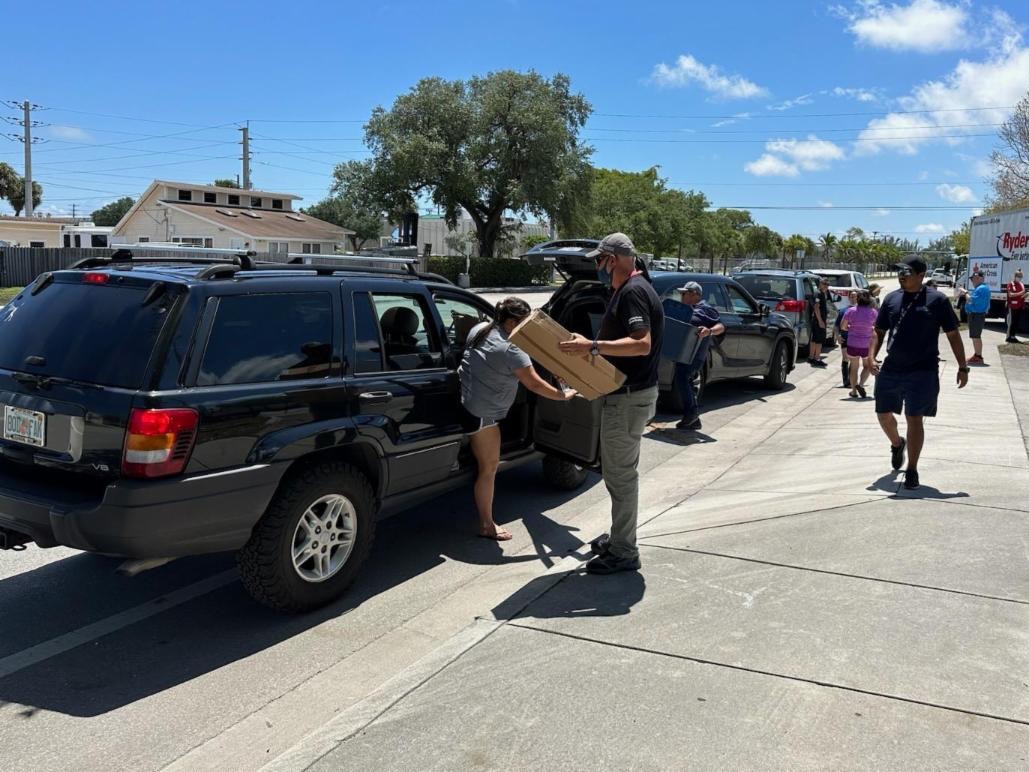
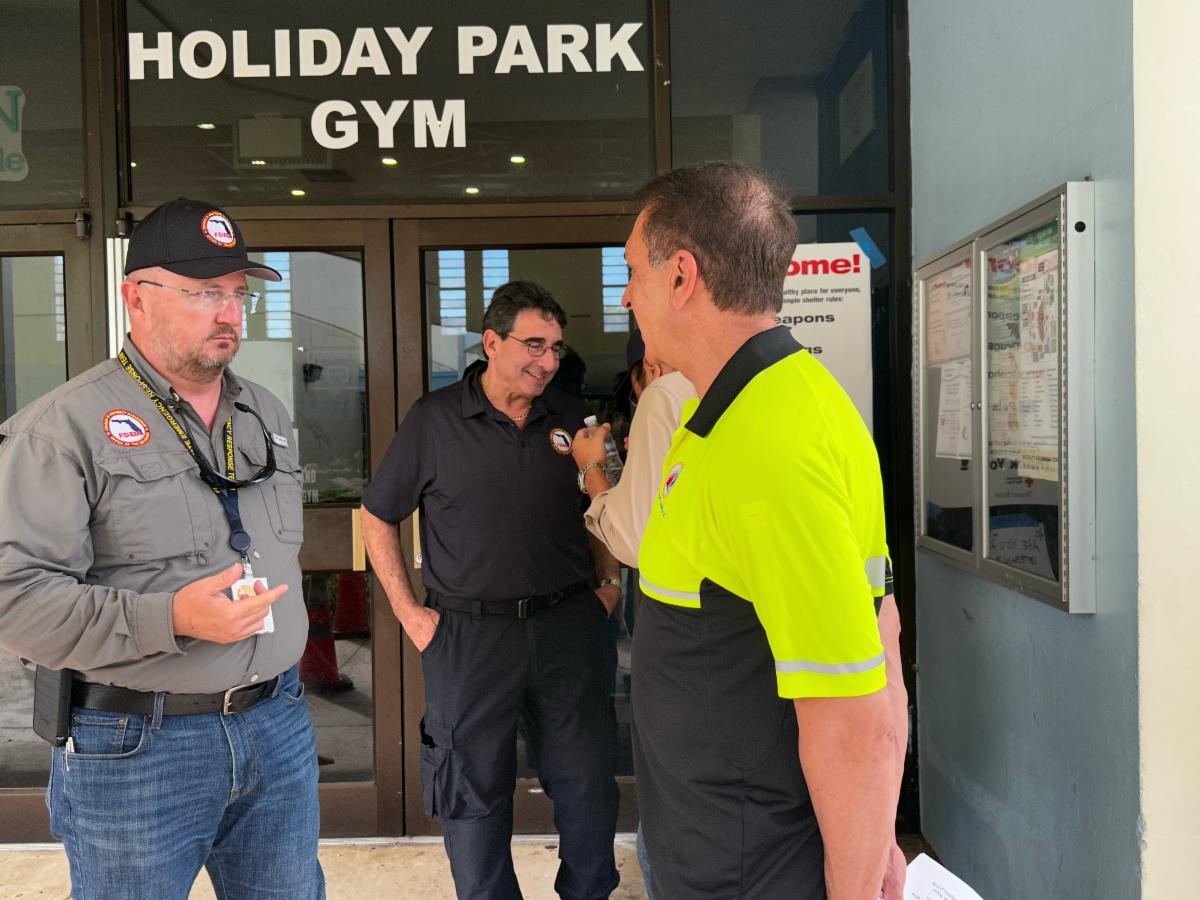
With the American Red Cross, we provided shelter space for those left homeless. We opened comfort stations where people could go for water, food, restrooms and showers and also access charging stations for personal electronics. 


Our transportation staff established a shuttle service in hard-hit Edgewood to connect neighbors with shelter and comfort locations. This was supplemented by a free on-demand service to take residents to locations for essential services such as grocery stores, pharmacies, laundromats and banks. 


As flooding receded and water was removed, we turned to cleaning streets and clearing out debris. We activated the debris-removal contracts that we have in place annually to assist following hurricanes. We also have had 20 crews with pressure washers removing flooding sediment from sidewalks and driveways to ensure public safety.


A Disaster Distress Helpline was established to provide crisis counseling and support for anyone experiencing emotional distress related to natural or human-caused disasters. Anyone looking for additional support should call (800) 985-5990.


We have worked closely with the state throughout. I deeply appreciate the assistance from state CFO Jimmy Petronis, state Emergency Management Director Kevin Guthrie and Meredith Ivey from the state economic opportunity office.

The scale and scope of what happened was truly daunting. 


The Weather Service estimates we were inundated with 26 inches of rain in about five hours — something that is considered a once-in-a-thousand-year occurrence. Take Hurricane Ian, which did so much damage last year to southwestern Florida. Cities in its path recorded up to 19 inches of rain over a three-day period!  


Or, consider these statistics from the Washington Post. 


The day’s worth of rain equalled one-third of our normal annual rainfall. The 88 billion gallons of rain would fill 134,000 Olympic-size swimming pools. Alternatively, it is the amount of drinking water consumed by the entire nation over 18 months.


No community is prepared for a 1-in-1,000-year storm, but Fort Lauderdale has been working for several years to make the community more resilient and ready for extreme weather.  


Work has been underway to upgrade stormwater systems in low-lying areas, including those that were so devastated. We will investigate if there are ways to speed up the work. 


This is the largest investment ever in stormwater and flood control. We are spending more than $200 million over five years to alleviate vulnerabilities. 


We’re installing more tidal-control valves and drainage pipes, building new outfall connections and drainage structures, creating new catch basins, raising seawalls, rebuilding swales and constructing stormwater reserves.


In the Edgewood and River Oaks areas, the construction work is almost complete. The River Oaks stormwater preserve, for instance, has already opened. 


After the previous record-breaking rainfall that we experienced in 2020, Fort Lauderdale expedited improvements to drainage in the Melrose Park neighborhood. A design for a new stormwater management system is now underway to add an estimated $30 million into the infrastructure of the area. 


We also moved Melrose Manors up the list of areas targeted for upgrades. Design work on improvements has started and construction will take place in less than 24 months. 


The other neighborhoods that will receive drainage and stormwater improvements in the first phase are Victoria Park, Durrs, Dorsey Riverbend, Southeast Isles, and Progresso Village. The decision of how to prioritize neighborhoods was made based on analysis of prior flooding data to ensure the neighborhoods most prone to flooding were upgraded first. 


As this first phase of work is in progress, the city will design stormwater improvements for neighborhoods in the second phase - Flagler Village, Harbour Inlet, Harbour Isles, Riverland, Sailboat Bend and Tarpon Bend.


As your mayor, I take the need to improve stormwater drainage very seriously. Climate change and sea-level rise are making it ever more urgent that we also enhance our stormwater system.


Scientists expect sea levels along the coastline to increase by about a foot by 2050. Flooding from high tides will be more frequent and intense, and hurricane storm surges will increase. Remember, too, that Florida is experiencing more and more extreme weather events, with 22 incidents between 2010 and 2020 costing the state about $100 billion in damages. 


The cost to make the improvements is high, but the work is necessary for Fort Lauderdale to remain a resilient community throughout the 21st century. Our neighborhoods are the cornerstone of what makes Fort Lauderdale a great place to live, and we all want to be able to live safely and securely in our homes. 


We are squarely committed to that mission. 


Sincerely,


Dean

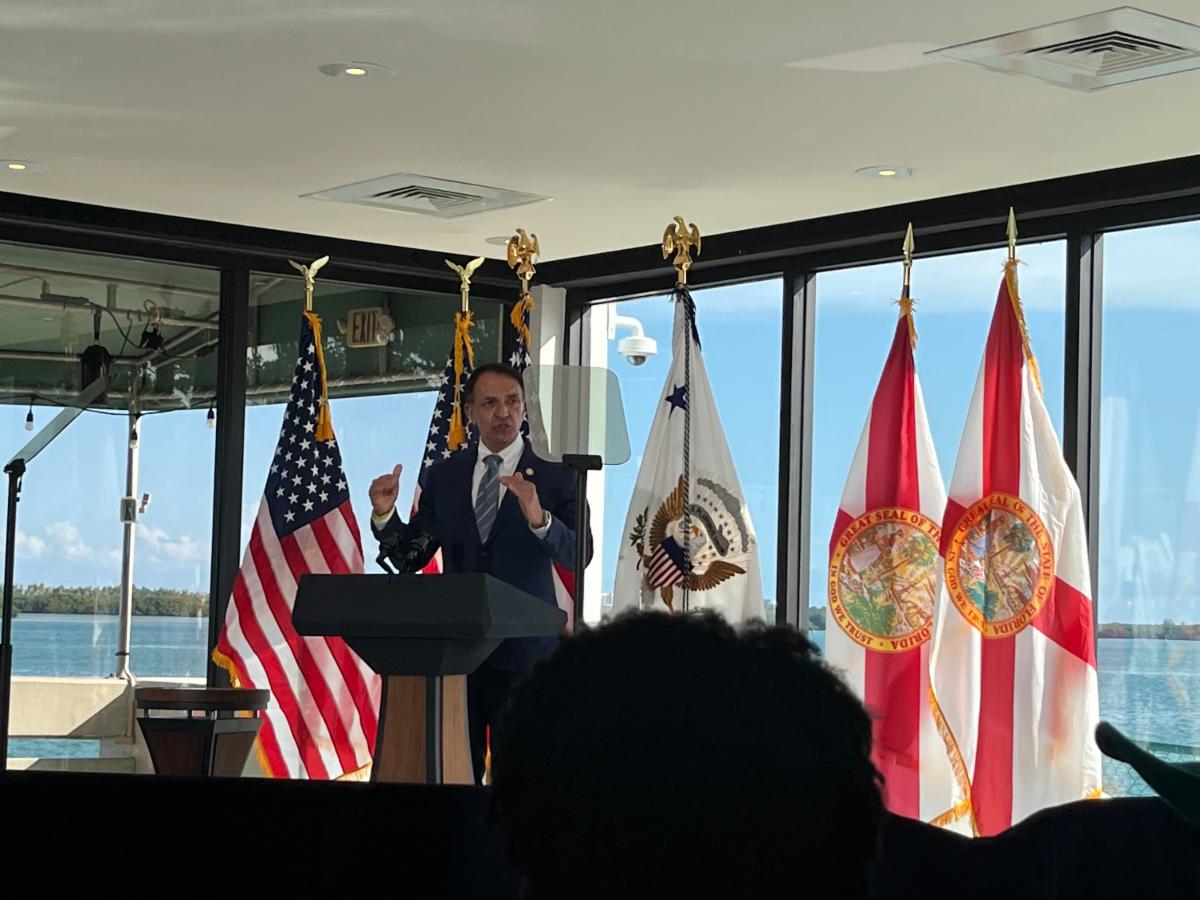
Mayor Trantalis speaks about climate change and the need for resilient infrastructure at a forum featuring Vice President Kamala Harris.

Mayor Trantalis attends the grand opening of Clean Your Dirty Face in the MASS District with owners Beena and Brij Mannat.

Mayor Trantalis helps kick off the 9th annual Fort Lauderdale Fashion Week

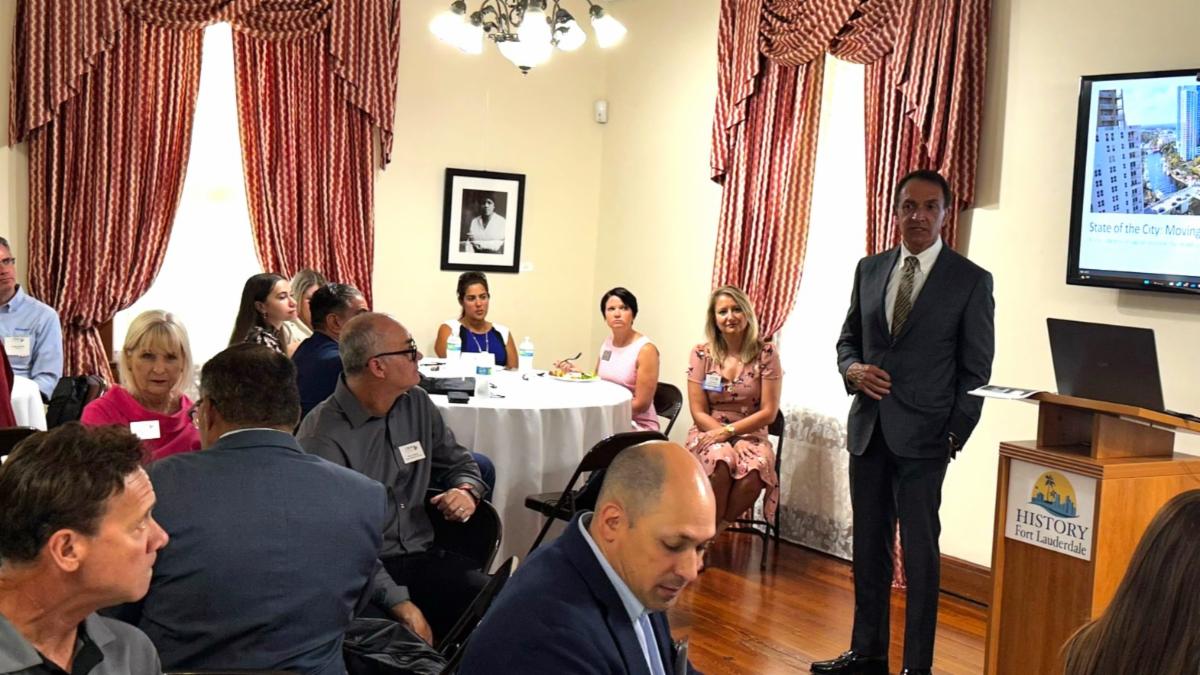
Mayor Trantalis speaks with the Fort Lauderdale-Boca Raton chapter of the Commercial Real Estate Women Network.

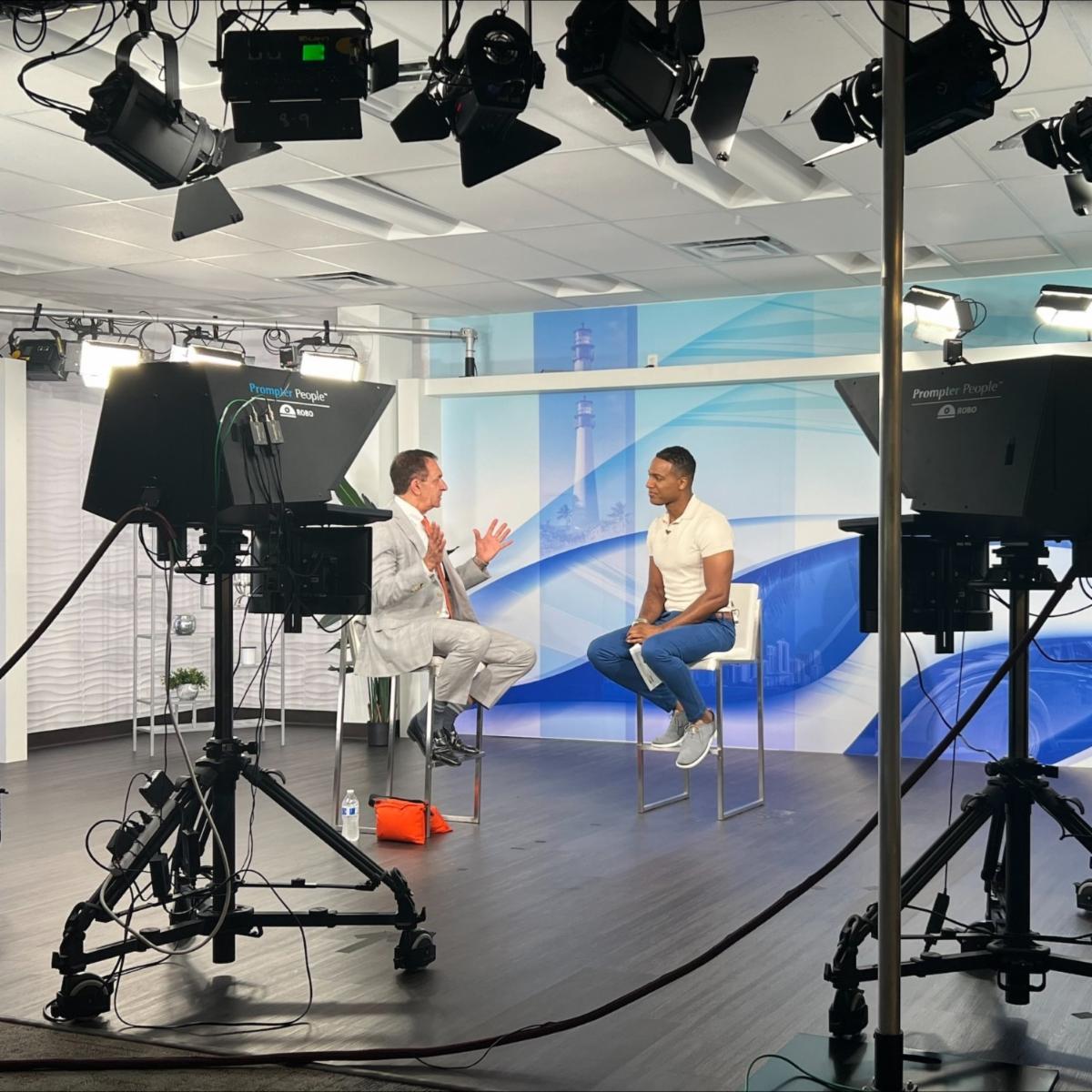
Mayor Trantalis discusses all things Fort Lauderdale on Inside South Florida

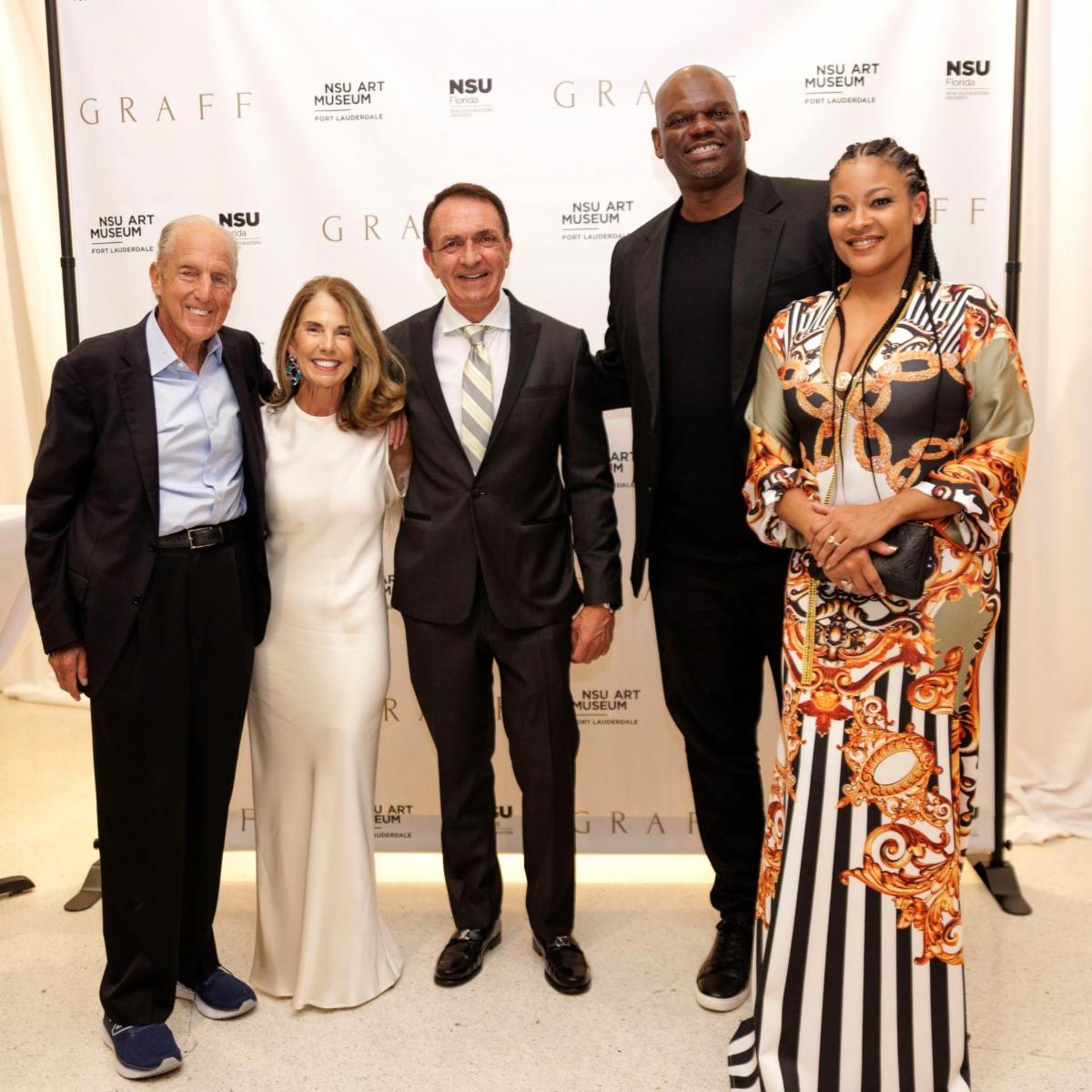
Mayor Trantalis attends the annual NSU Art Museum fundraising dinner.

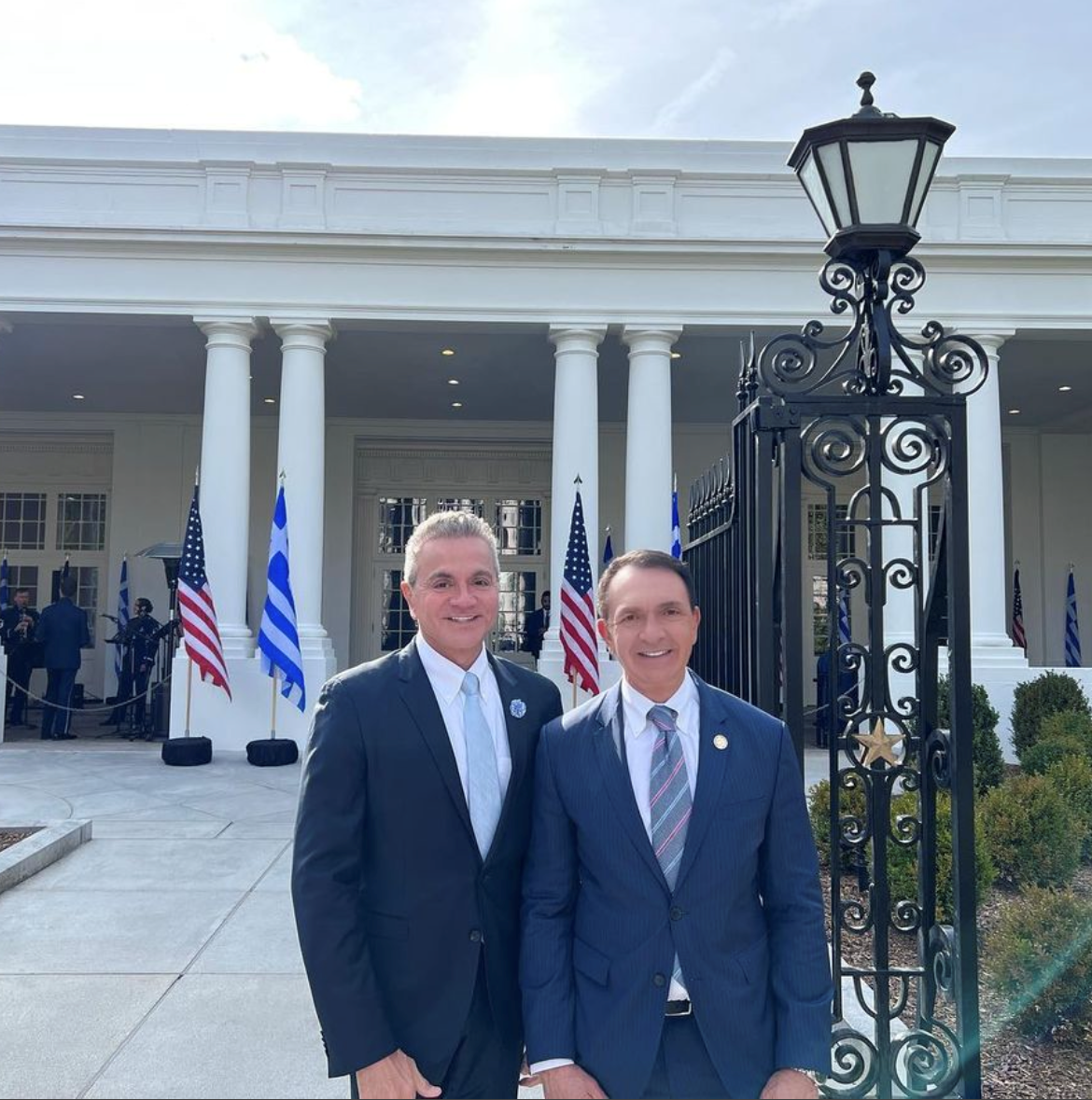
Mayor Trantalis celebrates Greek Independence Day at the White House with Spiro Verras.

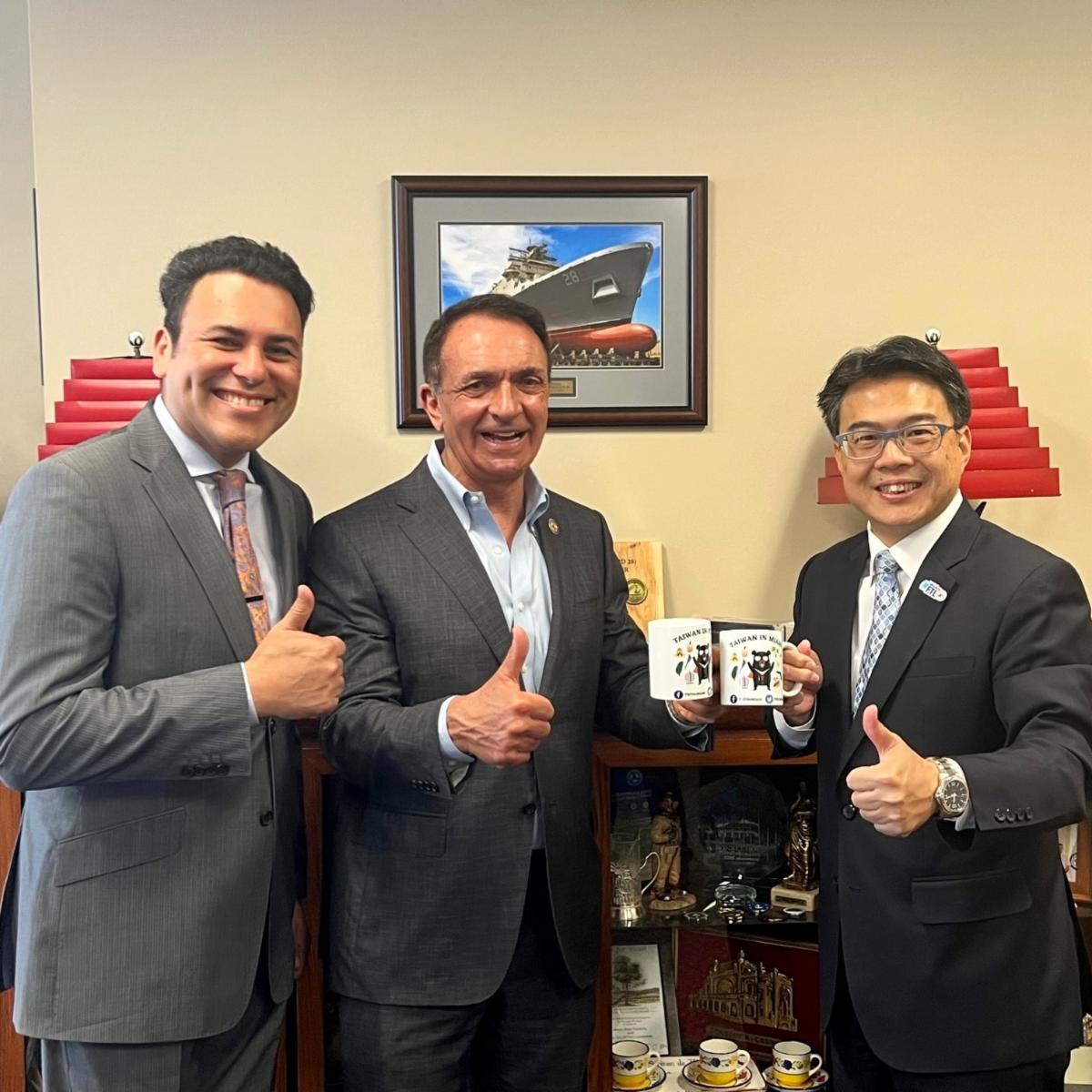
Mayor Trantalis and City Manager Chavarria welcome Charles Chi-Yu Chou, Director General of the Taipei Economic and Cultural Office in Miami.

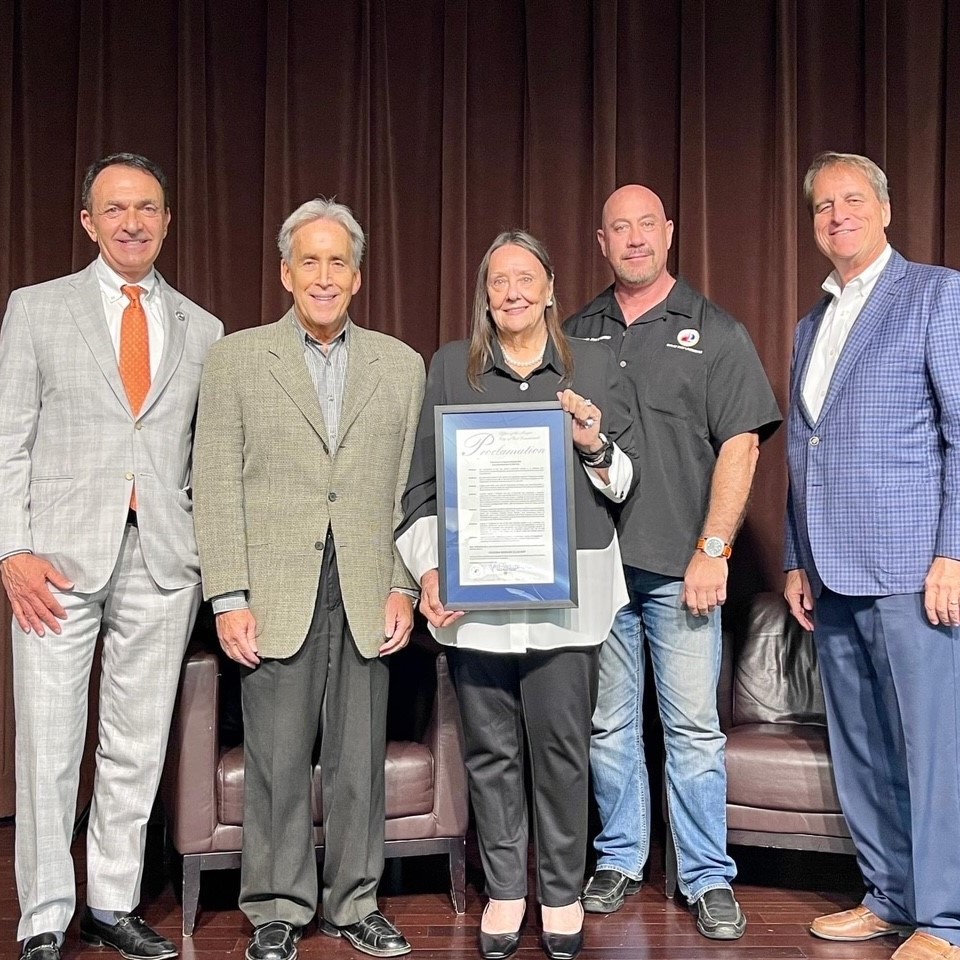
Mayor Trantalis, former Mayor Seiler, and commissioners Glassman and Herbst celebrate Eugenia Ellis as this year's Downtowner of the Year.

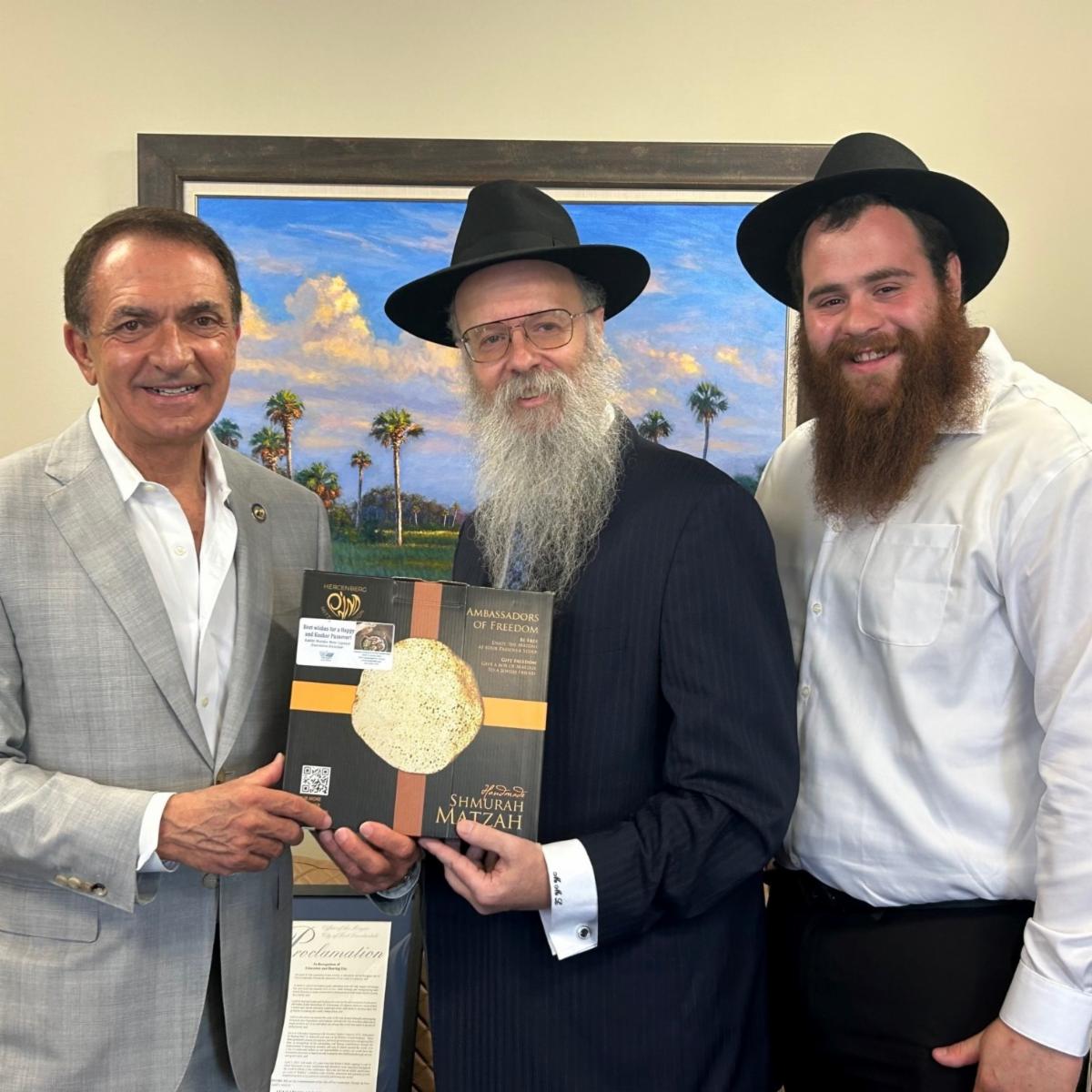
Mayor Trantalis meets with Rabbi Moishe Meir and Rabbi Mendel Fayershteyn ahead of the Passover holiday.

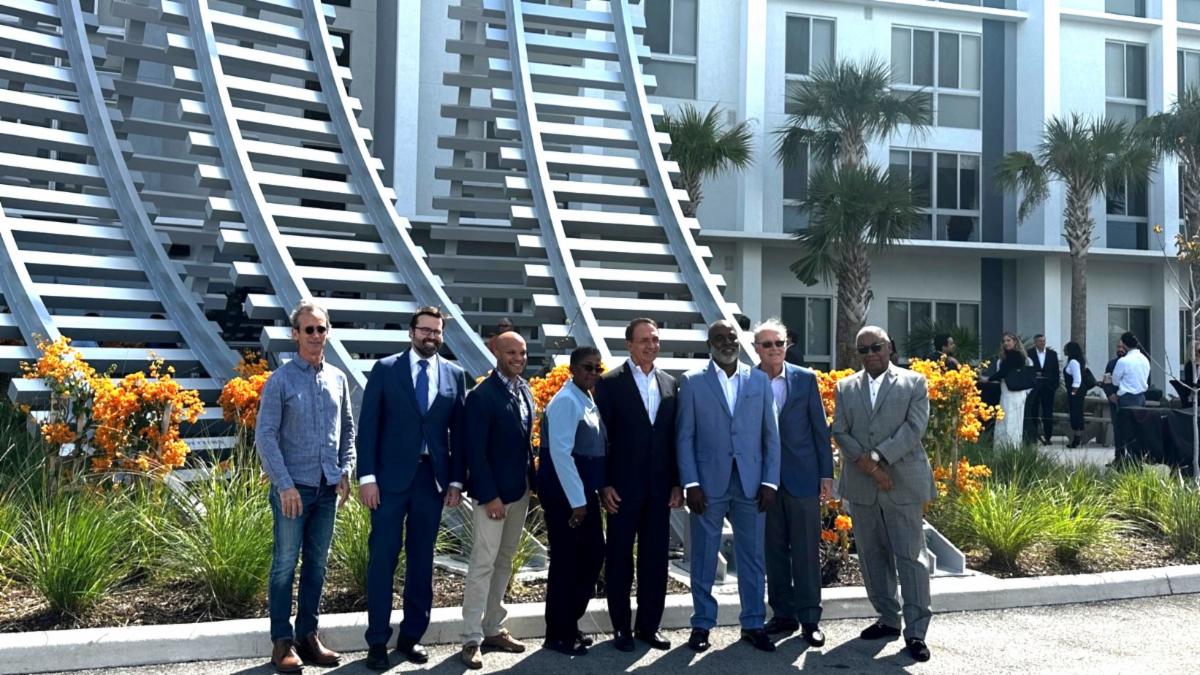
Mayor Trantalis attends the ribbon cutting for Poinciana Crossing, the latest affordable housing complex in Fort Lauderdale.

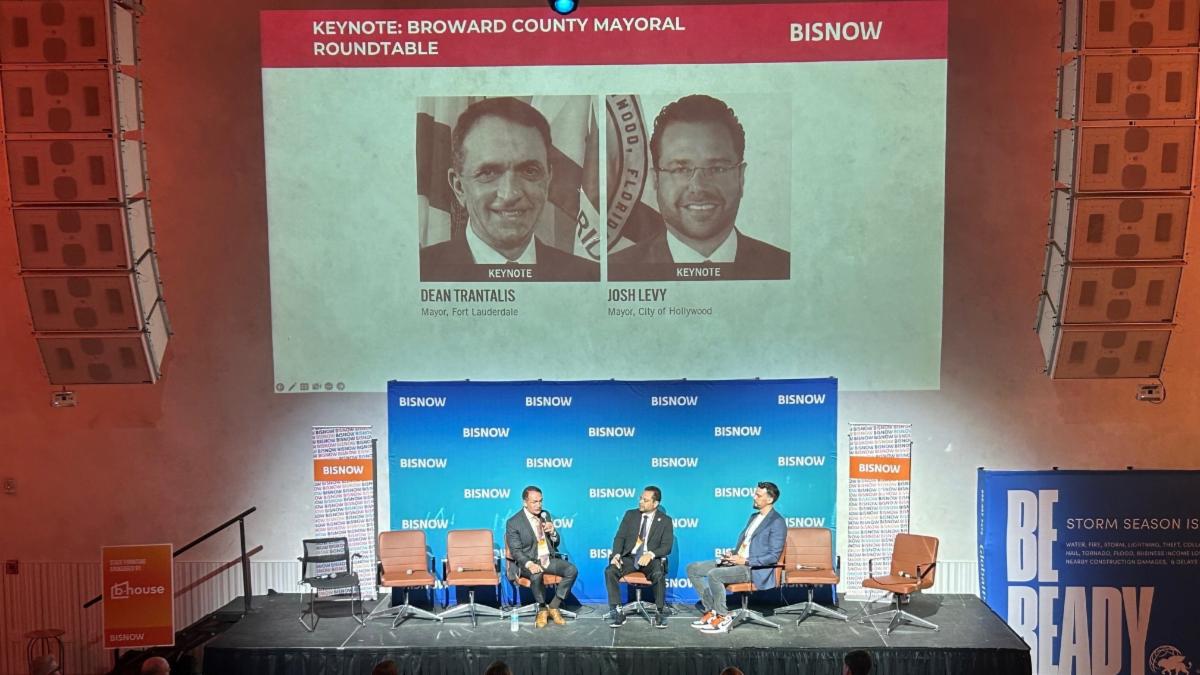
Mayor Trantalis and Mayor Levy of Hollywood provide the keynote address during Bisnow's annual Broward County State of the Market.

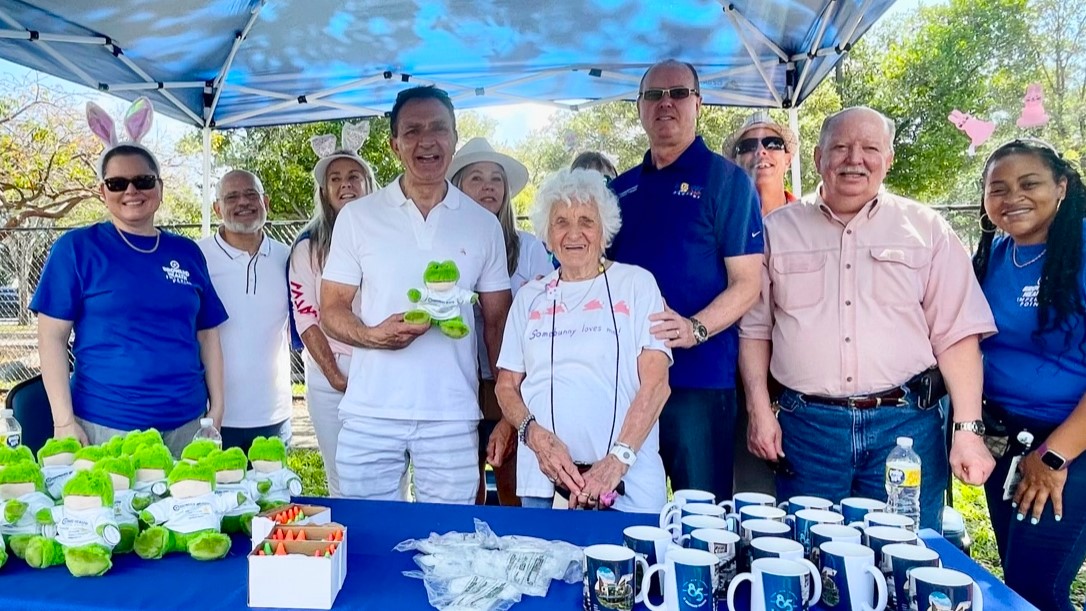
Mayor Trantalis and Broward County Mayor Fisher attend the Imperial Point neighborhood's annual Spring Fling festival.

Contact our office
City News Center
Visit our website
Sign up for our emails
Facebook  Instagram  Twitter