So what did we learn?
I think the most important lesson of both the water main rupture and Dorian is that we must ensure our infrastructure is well maintained and that it is hardened against any threat.
With the water main break, the city had difficulty switching over to a backup line. With Dorian, imagine what would have happened to old facilities such as the police station or the Fiveash Water Treatment Plant if there had been a direct hit.
The city has achieved great progress in upgrading our utility infrastructure over the past two years.
New 30-inch sewer mains have been installed downtown. New lift stations were built, and others rehabilitated. Projects are underway to reduce stormwater from entering the sewer system and overwhelming it. The City Commission also ended the past practice of raiding utility reserves to balance the budget. That ensures money is available for more improvements.
We must take this work to the next level, and there is no time to waste. I have urged city staff to lay out Phase 2 this fall. I want us to put forth what’s next in ensuring our water and sewer infrastructure is as resilient as possible.
One critical element is Fiveash. As you may remember, outside experts told us that the plant is at significant risk of failure. The commission will receive a recommendation in the next few weeks on whether to undertake a top-to-bottom upgrade or build a new plant.
Flood preparations are also needed. Dorian came upon us at a point during a king tide cycle. Consequently, flooding would have been substantially worse. The city is working to upgrade its seawalls and has projects designed and ready to go to make improvements in areas that currently experience the worst flooding.
The city has long said that the police station is in such poor condition that it likely could not withstand hurricane-force winds. Fortunately, voters approved a bond issue this spring to build a new station. Plans are now advancing to make this happen.
By moving forward aggressively with improvements to critical infrastructure, we will be better prepared for major storms or accidents and can avoid the frequent problems that come with aging plants and pipes. The federal, state and local governments need to come together to discuss these needs and how to pay for them.
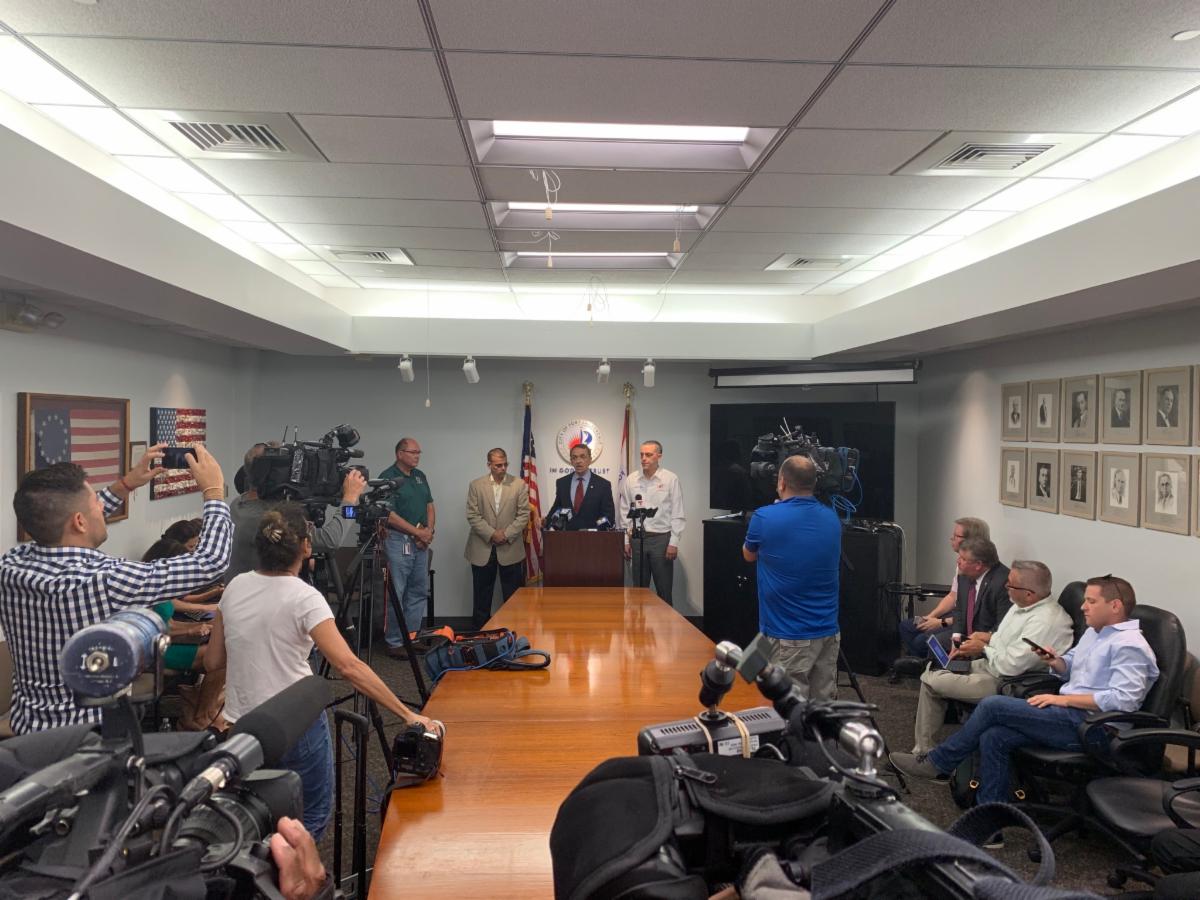
When the water main was punctured, Gov. DeSantis and his emergency preparedness director, Jared Moskowitz, reached out immediately offering help. They gave us quick access to the state’s bottled water reserves, sending some 100,000 bottles of water.
The fire departments for Broward, Palm Beach and Miami-Dade counties also supplied tanker trucks to assist with fire suppression if needed.
In past hurricanes, restoring electricity has been a top concern. With Dorian, there was an FPL staff person present in the city’s emergency operations center to provide smoother communications regarding their operations. City management also believed there were improved communications with Broward County and other municipalities before, during and after the storm.
I cannot thank enough our team here at City Hall. Throughout both ordeals, we were able to provide continuous communications to the public as well with updates posted on the city web site and across social media. Our community was always in touch with events as they were occurring.
In closing, please remember that Dorian’s passage is not an end to our need to be vigilant of dangerous weather. Hurricane season runs until the first of December, and we should expect that more storms could form.
Also, I urge everyone to do what they can to assist our neighbors in the Bahamas. Many efforts are underway to provide support, and they are in desperate need of the help.
Yours,
Dean