August 2021
Fort Lauderdale makes progress
on waterway cleanliness
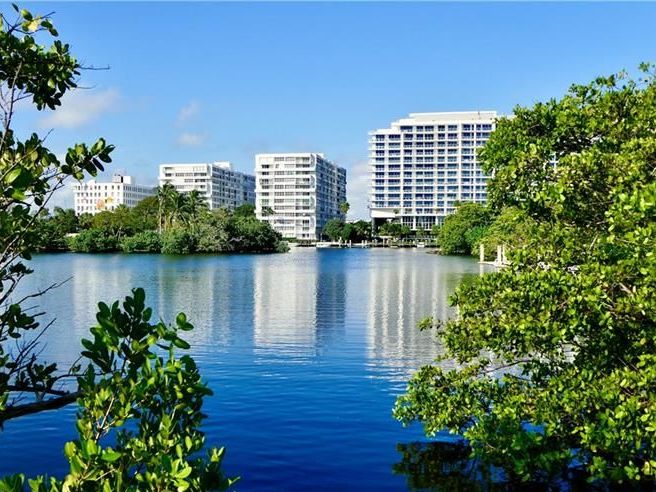
With 165 miles of waterways and the longtime title of the Venice of America, the city of Fort Lauderdale puts a lot of pride in our rivers and canals. 
 
That’s why the City Commission has taken aggressive steps over the past couple years to improve environmental water quality, particularly following the damage done by a series of unfortunate and unforeseen sewage pipe breaks.
 
I’m pleased to report that cleanup work at George English Lake has been completed and that a new project using innovative technology to improve the Himmarshee Canal is showing positive results. We also expect to soon launch the cleanup of the Tarpon River.
 
Crews from Gator Dredging used hydraulic dredging equipment to remove some 600 cubic yards of sediment from the south side of George English Lake this past month. The workers pumped the sediment into large bags to trap the sediment and release clean water back into the lake through a filtration/disinfection system.
 
Similar work will be undertaken along the Tarpon River. E-Sciences, an independent environmental evaluation contractor, worked with state and local regulators to come up with an action plan there. City staff is currently finalizing the process to perform the cleanup before the end of the year. 
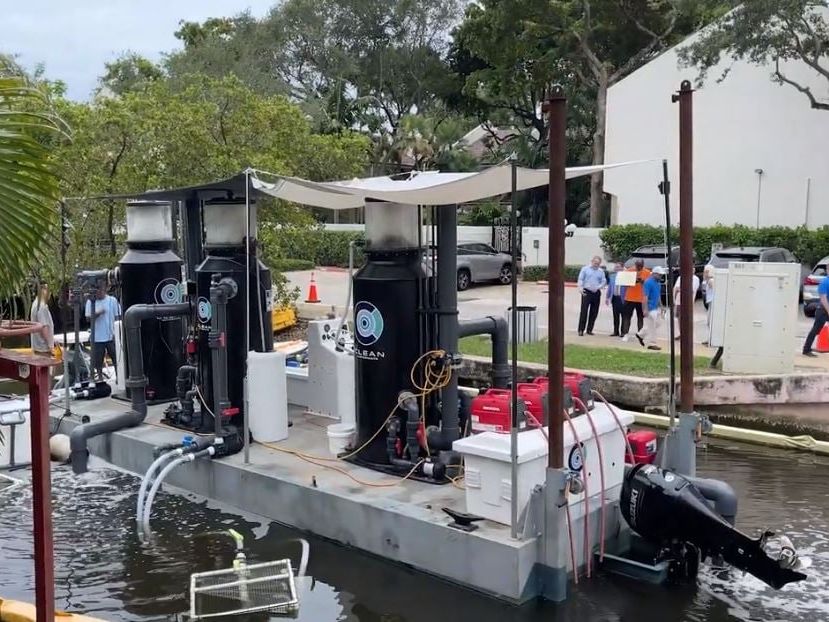
With the Himmarshee Canal downtown, the city partnered with Fort Lauderdale-based Clean Waterways LLC to conduct a pilot project utilizing protein skimmer technology to clean the water. This approach injects non-toxic microbubbles into the water that bind to bacteria or other organic pollutants. These substances become a foam-like concentrate that is collected and then disposed of properly.
 
Since the company started its work, Clean Waterways has removed about 4,000 gallons of concentrated pollutants. The water in the area has become much clearer even considering the runoff from the season’s heavy rains. Wildlife has even returned.
 
The company has also helped identify other problems. Recently, they noticed a cloudy white substance appearing in the canal, which led police to discover cleaners at a nearby building using chemical agents that were then washing through the storm drains.
 
I look forward to seeing a full report on their work. If the final results hold true, this is technology that we may want to consider utilizing in other waterways around the city. 
The cleanup work is just part of what the city is doing with regard to our waterways.
 
We have mounted a large-scale water quality monitoring program that provides the public weekly results of water samples taken from 10 strategic locations. As a result, recreational water-users have up-to-date information about waterway conditions to plan their activities.
 
Miami Waterkeeper has been running this program and comparing the samples against standards set by the Florida Department of Environmental Protection and the Florida Department of Health’s Healthy Beaches program.
 
The good news is that three-quarters of the water samples since the start of the project have come back within the acceptable range set by FDEP and about six out of 10 have been within the Healthy Beaches’ more stringent standards. The city is investigating locations with repeated poor results to determine the cause, and options for remediation.
 
In addition to the monitoring, the city continues its rainy season ban on the use of fertilizer in order to help prevent algae blooms in our waterways. The city also inspects key locations bi-weekly during the rainy season so we can mitigate a bloom if it begins to occur.
 
The city also has a regular waterway cleaning service, which removes decaying vegetation that can be a source of bacterial pollution. In the first four months of this year, the program removed 17.5 tons of tree limbs, palm fronds, coconuts and litter.
 
And, we are researching the feasibility of expanding the use of mobile pump-out vessels to reduce inappropriate sewage discharges. Finally, we have a new initiative to install pollution prevention devices in our existing catch basins. They act as a filter for trash, sediment, leaves and other debris and allow clean water to flow through the outlet.
 
Through these aggressive and innovative efforts, Fort Lauderdale is sure to remain the yachting capital of the world and the Venice of America.
 
In closing, Broward County continues to break its own records in daily COVID-19 cases and is leading the nation in COVID-19 hospitalizations. Car lines for COVID-19 testing are lasting for hours and our front-line healthcare workers are being pushed to the brink.
 
Please help do your part to end this pandemic by getting your COVID-19 vaccine. The science is proven and works. Do it for yourself, your family - and our children who cannot yet be vaccinated. 
 
If you are unable to travel to receive a safe and approved vaccine, there is the FL Homebound Vaccine Program that can come to you. Register at homebound.patientportalfl.com. Registration is available in English, Spanish and Creole. To schedule an appointment, please call 1-833-930-3672, or email homeboundvaccines@cdrmaguire.com.

Sincerely,


Dean
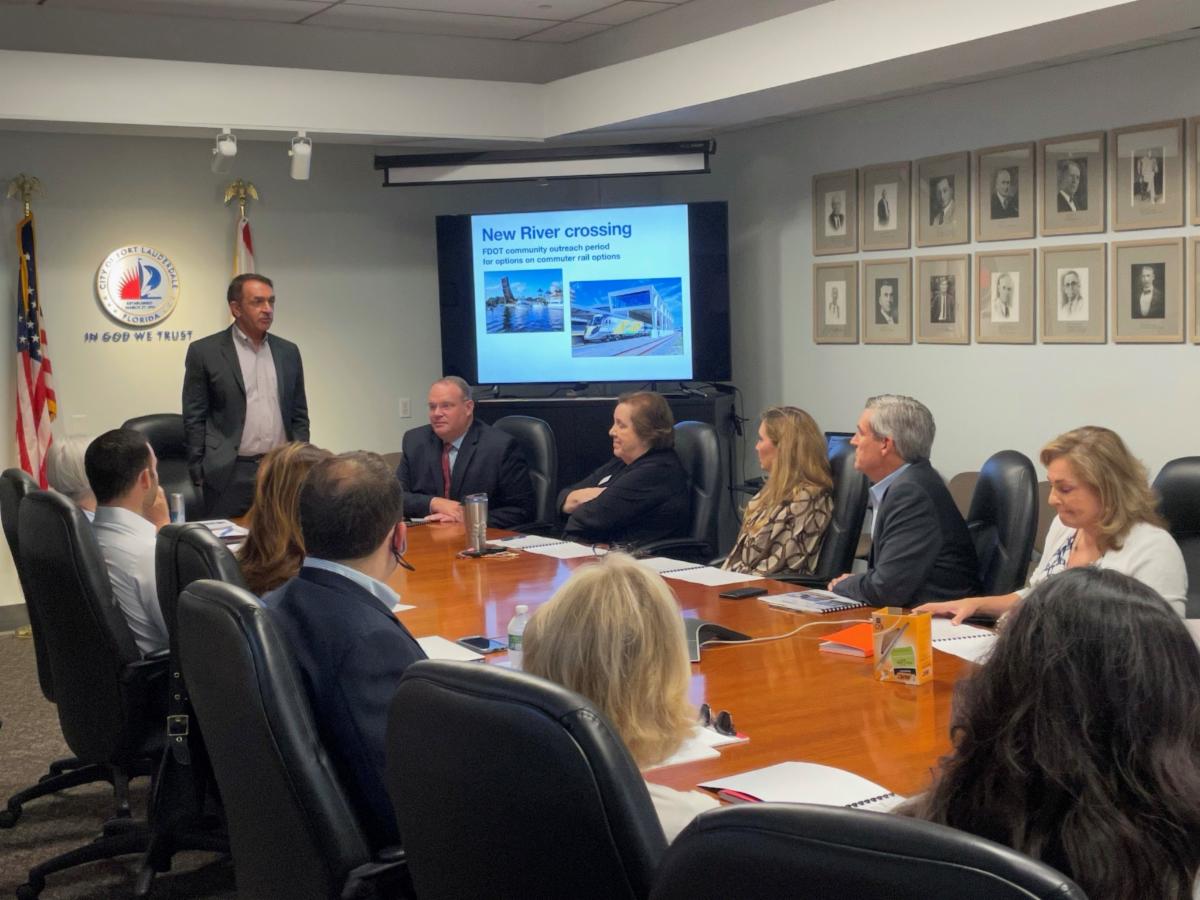
Mayor Trantalis speaks to civic leaders about proposed commuter rail service and the best way to cross the New River.
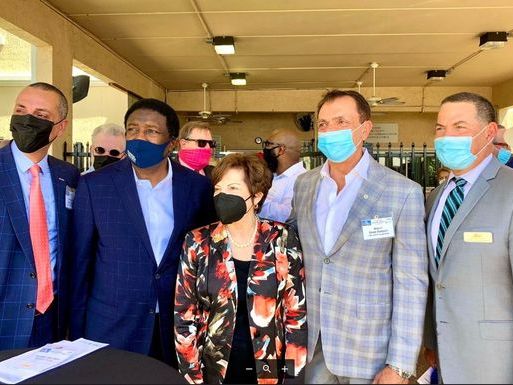
Mayor Trantalis helps break ground on SEVEN ON SEVENTH, a mixed-use affordable residential apartment complex downtown.
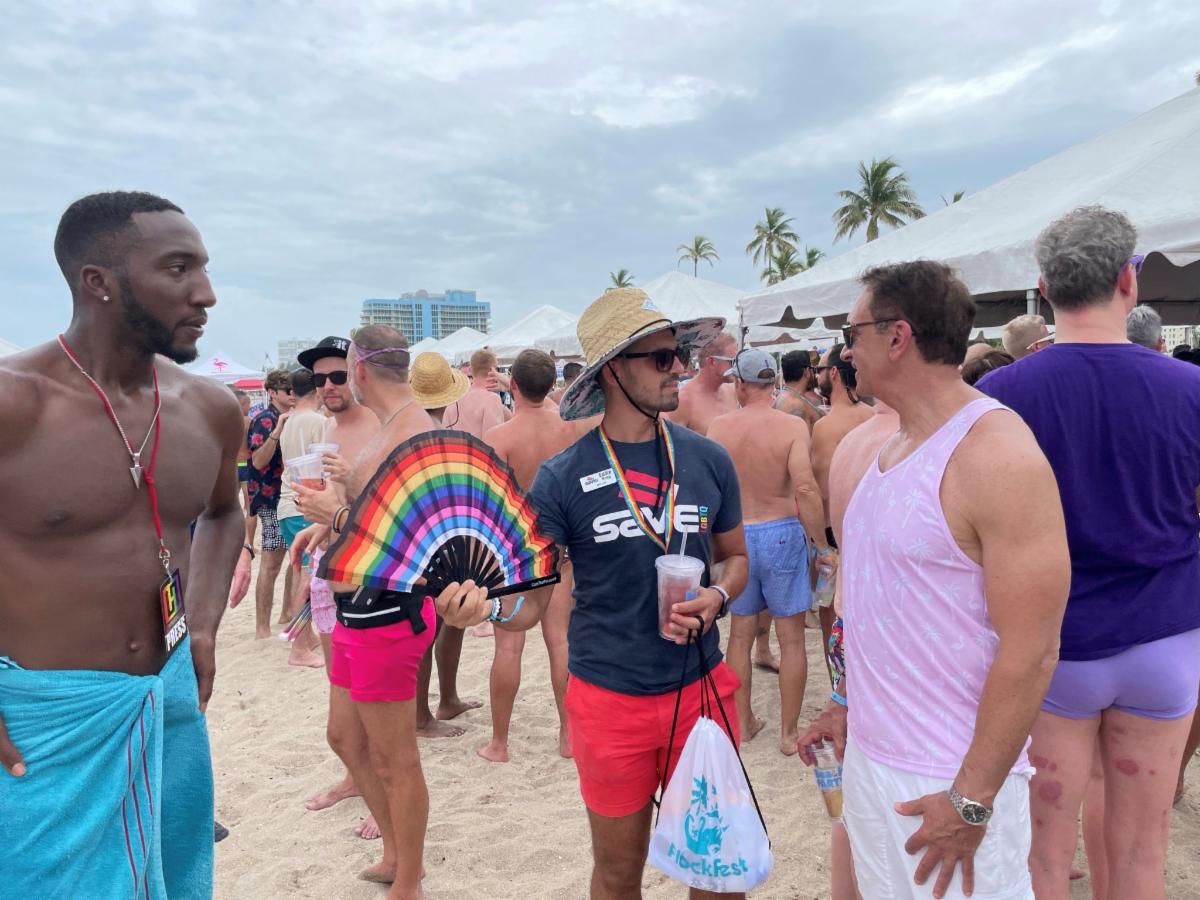
Mayor Trantalis mingles with the crowds at Fort Lauderdale beach assembled for the annual FlockFest event.
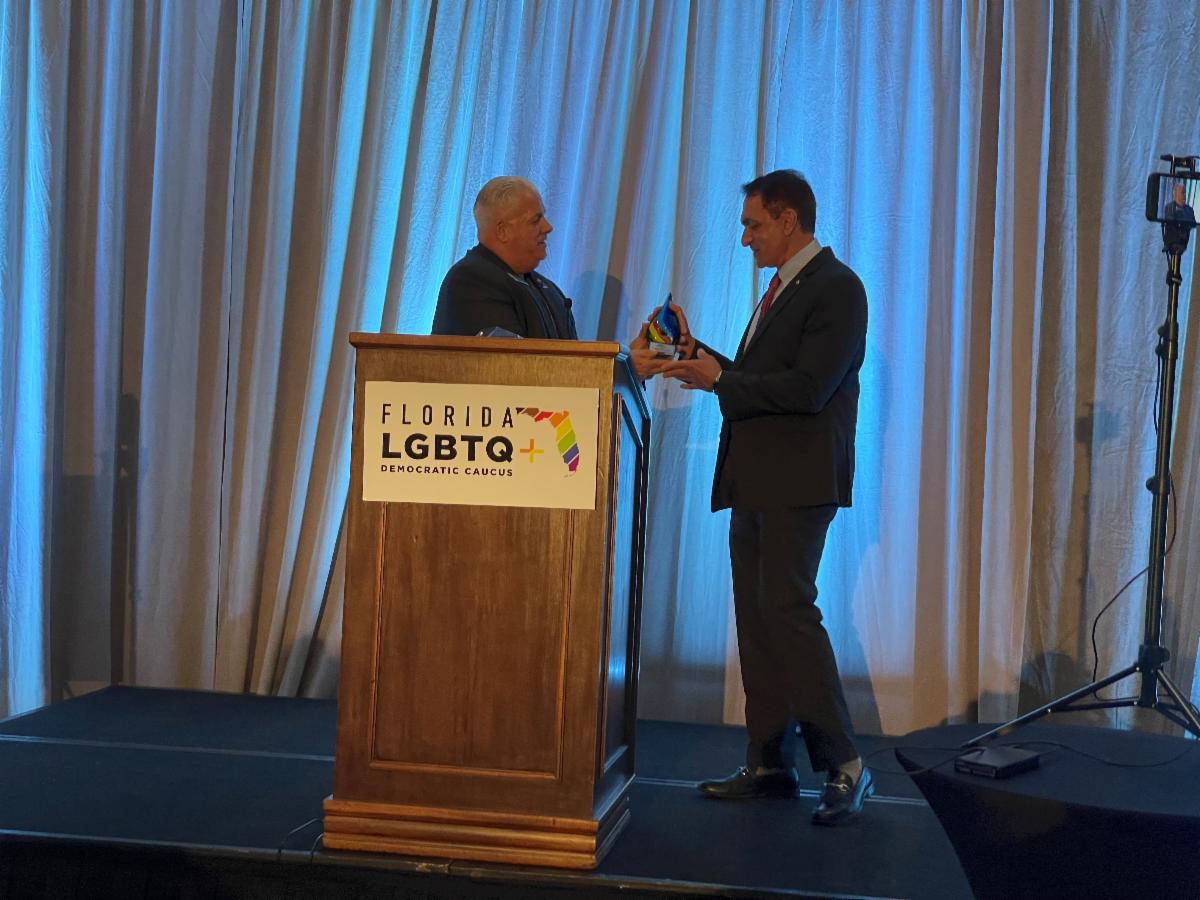
Mayor Trantalis is presented with a lifetime achievement award at a ceremony in Miami from the state LGBTQ Democratic Caucus.