October 2019
Infrastructure needs take center stage
on critical trip to visit national leaders
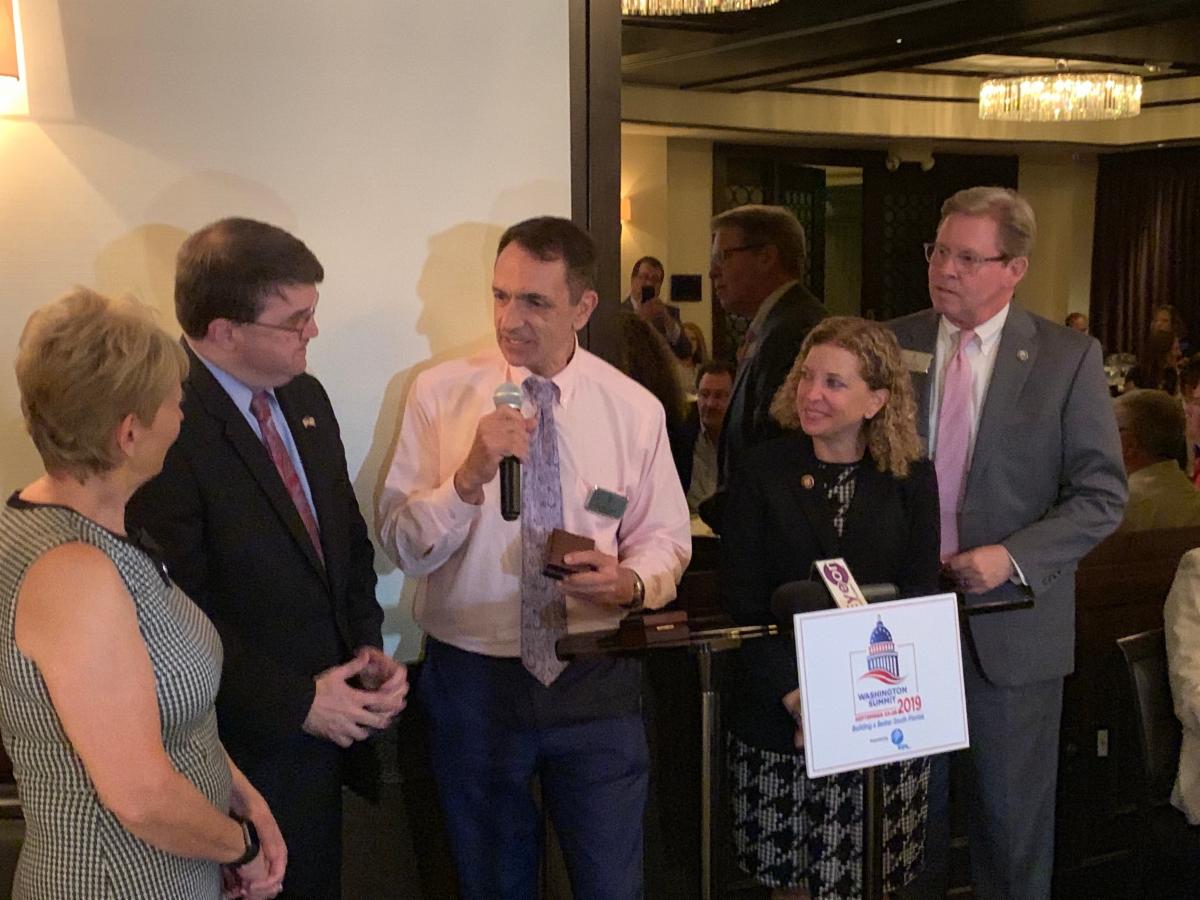
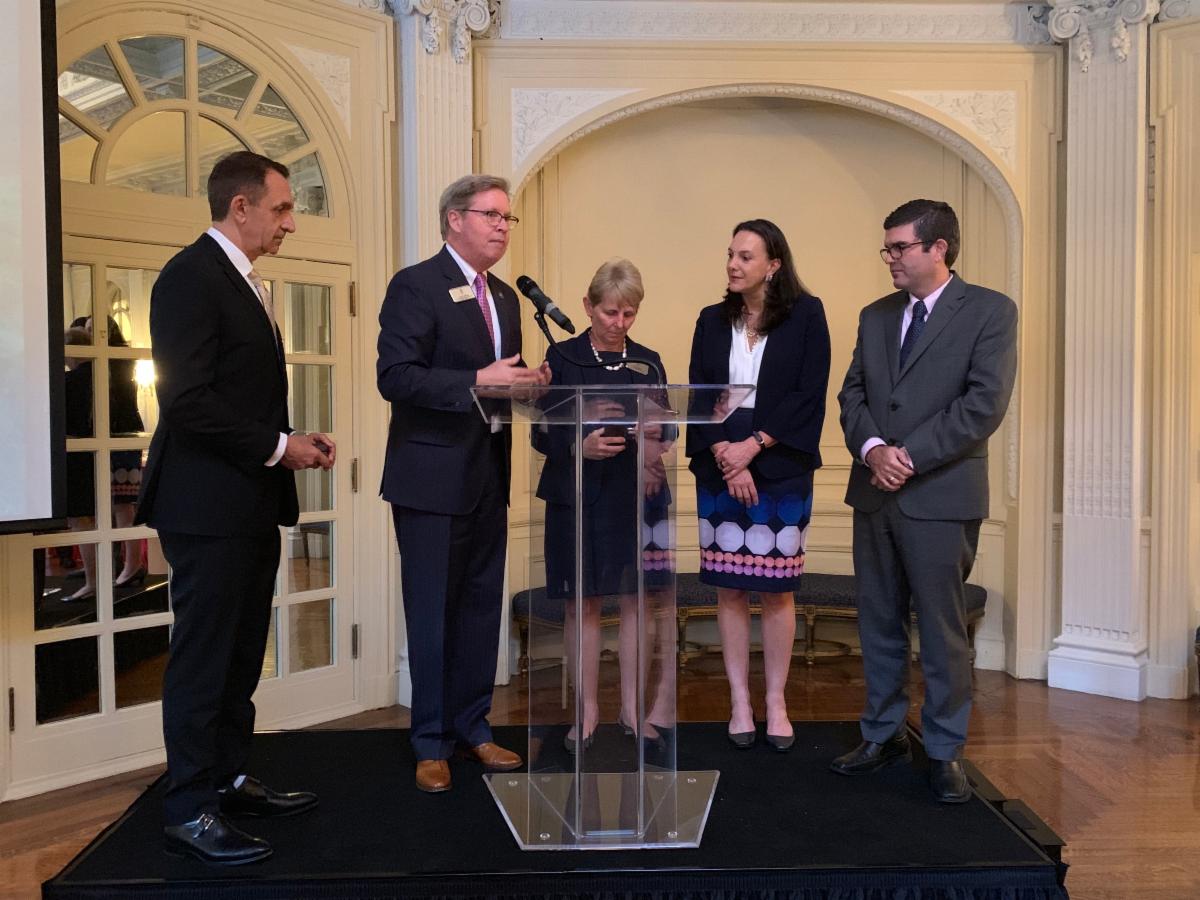
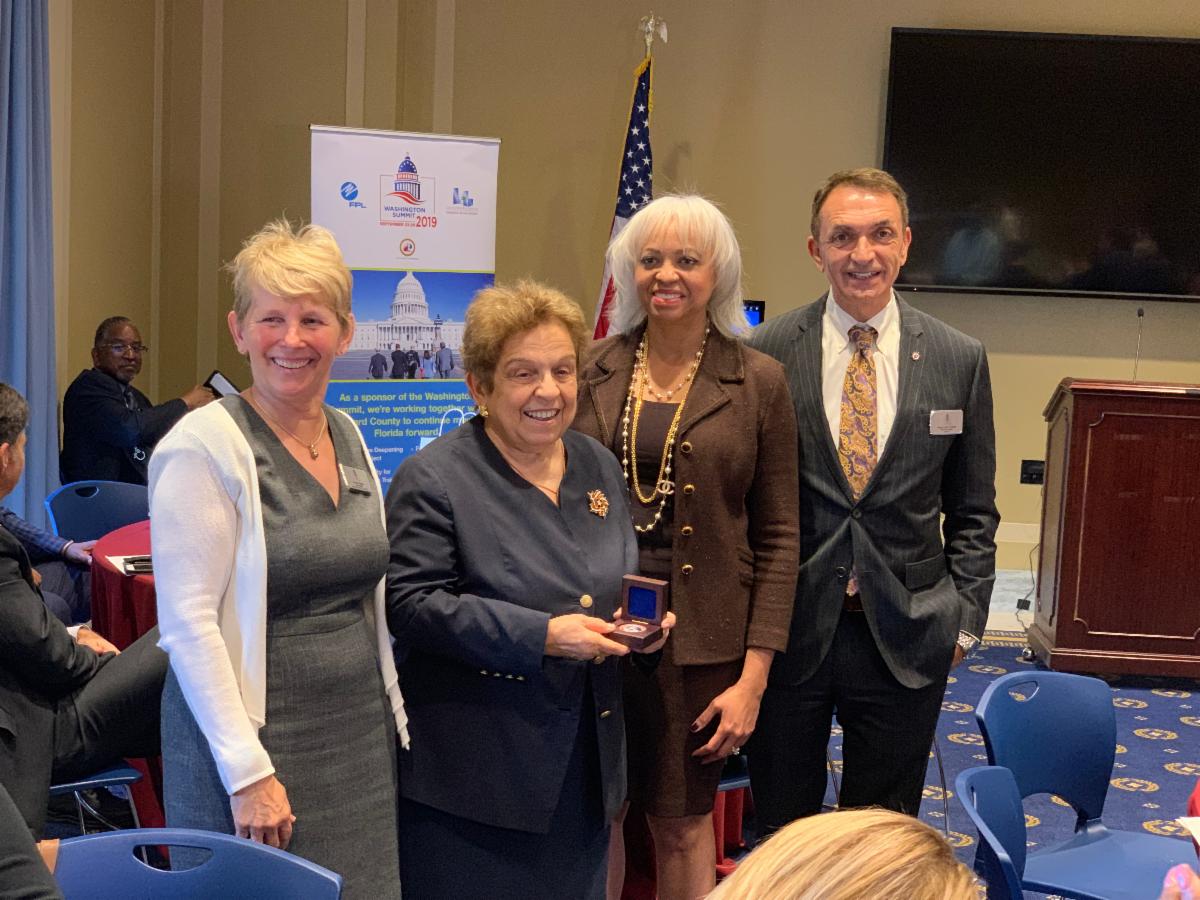
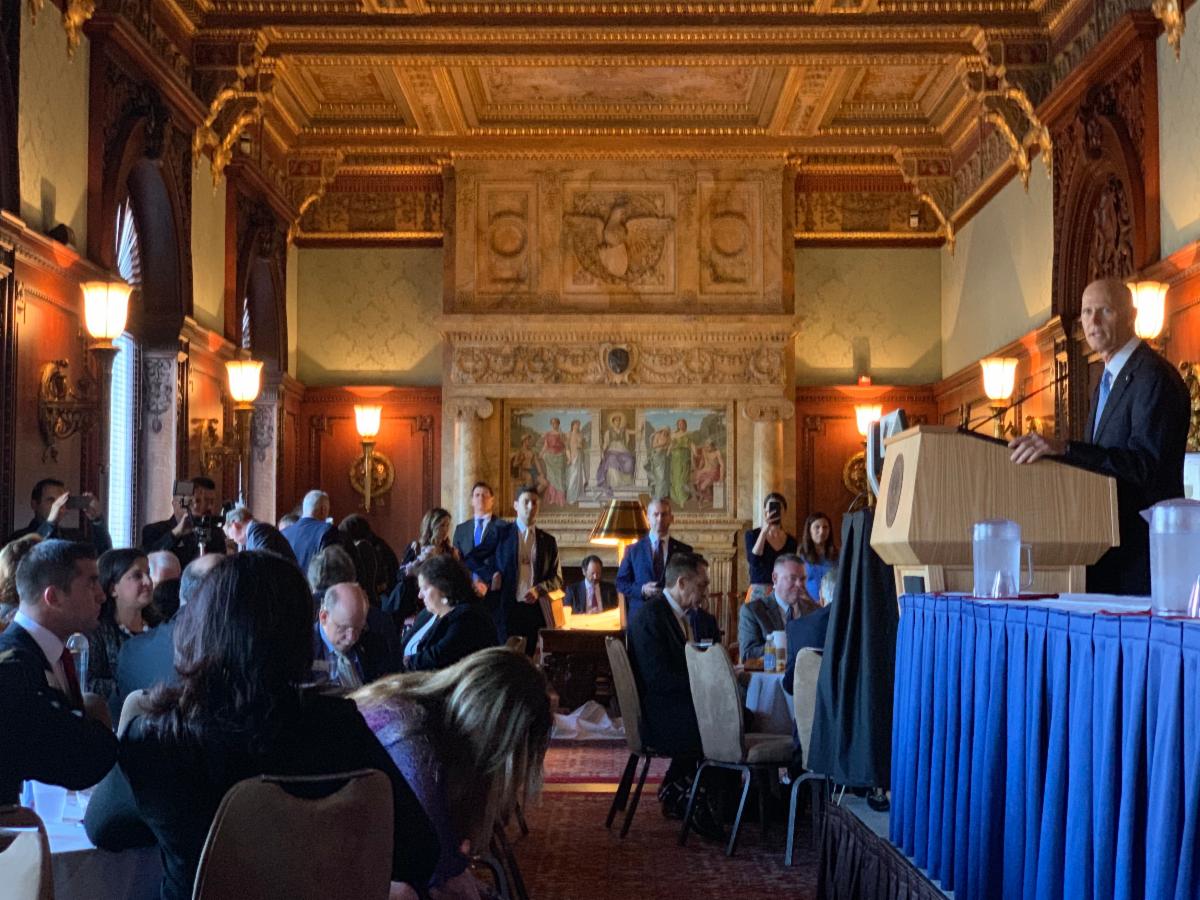
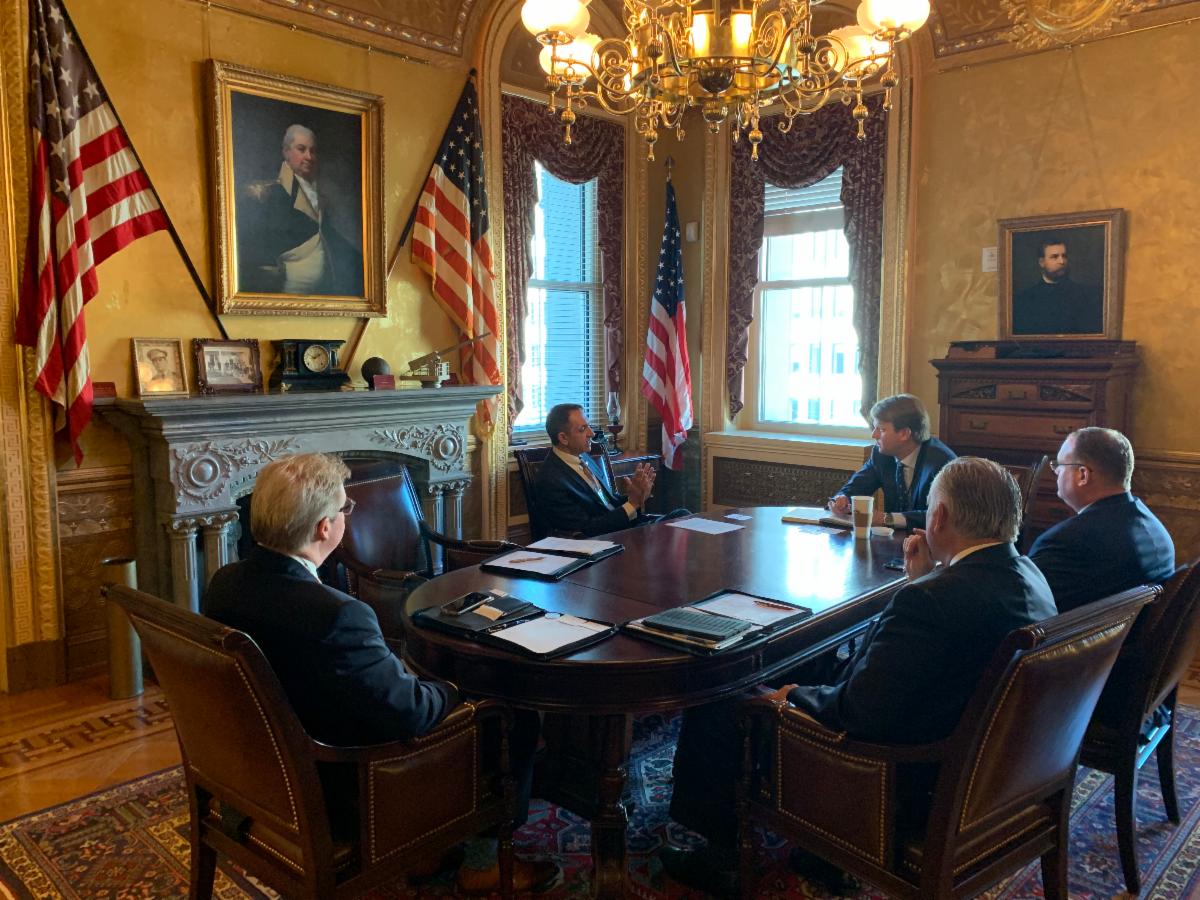
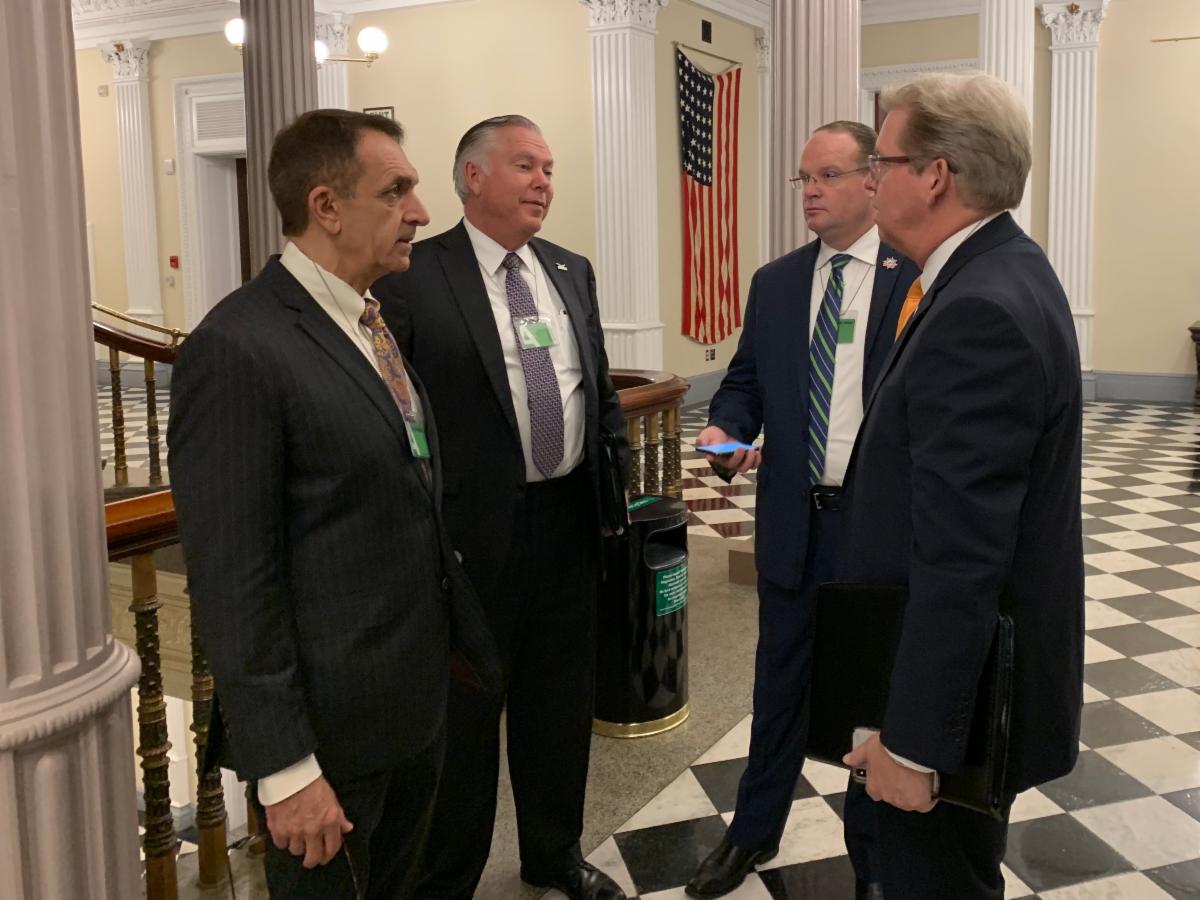
The fall season upon us, and attention to our most important challenges has played center stage. I recently joined leaders of the Greater Fort Lauderdale Chamber of Commerce at their biennial Washington Summit.

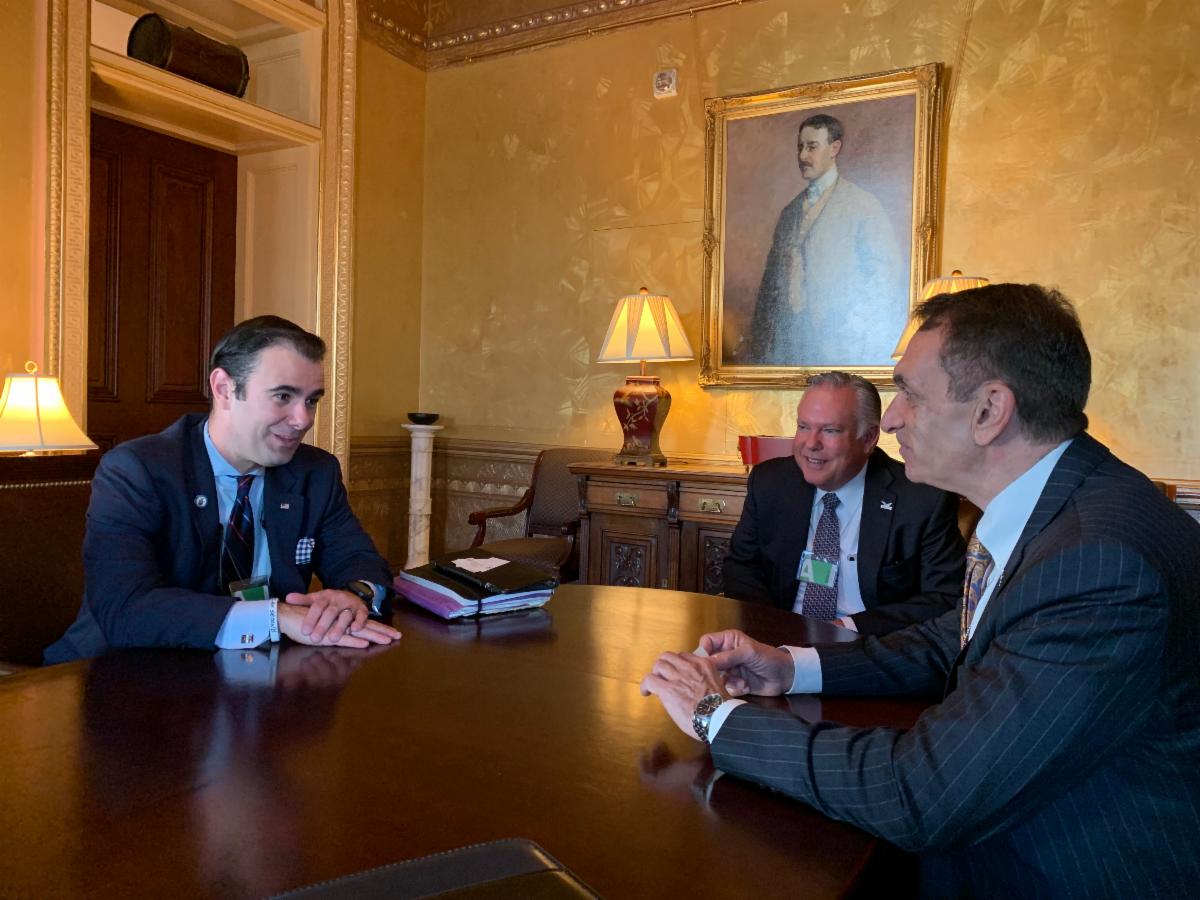
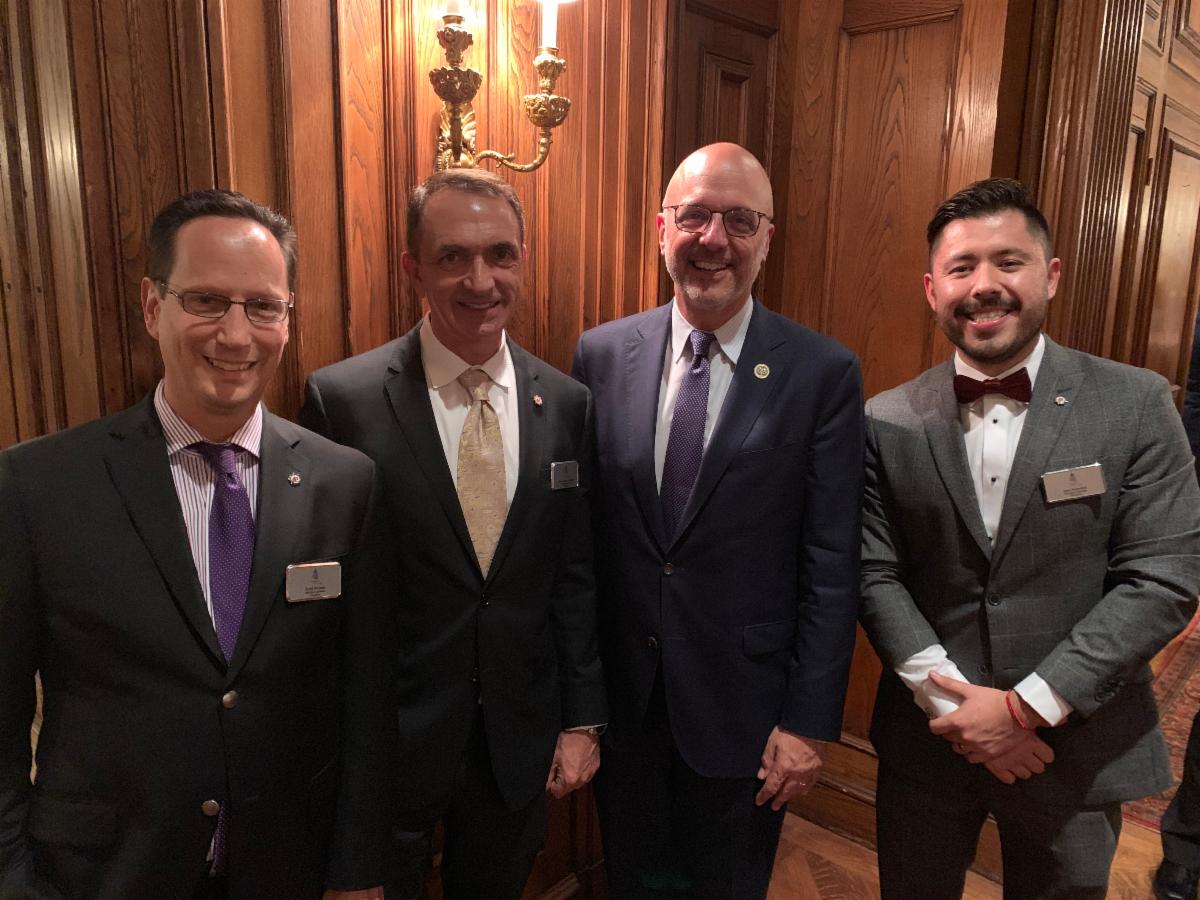
While there, we lobbied members of Congress and administration officials on behalf of issues of critical local importance. Some of the key officials we met were Robert Wilkie, secretary for veteran affairs; John Pughe, a senior special assistant to the secretary of commerce; William Crozer, special assistant to the president; Sen. Rick Scott; and many of our local House members including Ted Deutch and Debbie Wasserman Schultz. 

At the top of my list was seeking assistance to address our aging infrastructure. 

I can report that we had some very successful meetings with the White House and Department of Commerce. They recognize that the state of infrastructure in American cities is a national matter and that hardening our facilities through maintenance and upgrades is vital to our nation’s economy and our competitiveness in the global marketplace.

When we met with officials, we discussed Fort Lauderdale’s water, sewer and stormwater needs. City staff has been working on comprehensive plans to address these areas, and the City Commission will soon roll out its vision for where we should go next. 

The basics, though, are self-evident. 
With our water system, we need to replace the Five Ash treatment plant. The plant is at the end of its life and is considered to be on the brink of failure. While we have explored refurbishing the facility and upgrading its capability to produce clean water, experts say this simply is not economically possible. City staff is recommending that we build a new plant and suggest locating it adjacent to our wellfields. 

A new plant is going to be a large undertaking. 

We are exploring public-private partnerships as a way to get the work done faster and at a lower cost, but federal assistance would help greatly. In addition, we continue to have older water mains break so we must do more to replace them and look at new technology that helps with break detection. 

With the sewer system, it was not that long ago that we had sewage spilling into our streets and canals, and state environmental regulators ordering us to undertake immediate improvements. This City Commission has been replacing key sewer mains, building and rehabilitating lift stations and reducing the infiltration of stormwater into the sewers. 

But we now must move to a second phase and keep the progress going. 

Just as obvious is the need to upgrade our stormwater system and flood controls. Anyone who drove through neighborhoods along our waterways such as Las Olas Isles or Rio Vista in recent weeks witnessed streets flooded by the seasonal king tides. We have engineering plans designed to ease flooding in the worst-hit neighborhoods and are about ready to begin construction. 

The White House and Department of Commerce both suggested a variety of assistance programs that might be available to Fort Lauderdale as we move forward in each of these areas. We have continued the conversations with them since our return home, pursuing the leads that they provided.  
There were other issues on the agenda for the D.C. trip: 

  • Port Everglades. 

The entrance to the port must be improved so it can handle the largest container ships in the cargo business. The port is a driving force in our local economy, and such development will secure the port as a gateway for trade with Latin America. We pushed Congress to allocate the funding for construction and for the U.S. Army Corps of Engineers to place it in next year’s work plan. 

  • Flood control. 

The major flood-control systems are essential not only to save property from rising water, but also to ensure a ready supply of drinking water, prevent salt water intrusion and protect the Everglades. Some structures are very vulnerable as they date back to the 1940s. We asked the Army Corps to determine what improvements are needed and to begin planning those upgrades. 

  • Traffic congestion.

Money from the federal government to assist communities with transportation improvements currently trickles down, going through state bureaucracies before reaching us. We asked Congress to authorize a pilot project where metropolitan areas like Fort Lauderdale can receive transportation funding directly. This would allow projects critical to addressing congestion to be streamlined so they could move forward more quickly.

  • Workforce retraining.

In today’s economy, many people return to school for additional course work or job retraining credentials later in life. However, a key federal program — Pell Grants — was designed only to help traditional college students. These grants aren’t available to older students seeking to address skills gaps. This creates an income barrier to job retraining, and we asked Congress to open the Pell Grant program to students in short-term retraining programs and similar coursework. 

  • Future doctors.

America is facing a severe shortage of physicians by 2030 because of population growth and retirements in the medical field. A 20-year-old law limits the number of resident physicians that teaching hospitals can train through Medicare funds. We joined local hospital systems in asking Congress to increase the number. 

  • International trade and travel.

Port Everglades and Fort Lauderdale-Hollywood International Airport are two busy entry points for both passengers and cargo. Getting people and goods through customs and border patrol expeditiously is important to our economy. Yet, the facilities are understaffed by customs and immigration agents with severe delays at peak times. We asked federal officials to increase the number of agents assigned there. 

  • Flood insurance.

Flood insurance is vital for low-lying property owners in South Florida, but the National Flood Insurance Program has been kept alive recently only with short-term extensions by Congress. This is the insurer of last resort for millions of people. We asked Congress to approve a long-term reauthorization of the program. 

It was definitely a busy trip.

I extend my thanks to Dan Lindblade, the president of the Chamber of Commerce, and his staff for the hard work they put into organizing the trip and prepping the large number of delegates on all these issues. I also want to thank Rep. Wasserman Schultz and her assistant, Andrew Dolberg. Andrew led up her staff in arranging all the many meetings we had up on the Hill.

Let’s look forward to see progress on all fronts, particularly on addressing our community’s infrastructure. 

Yours,


Dean
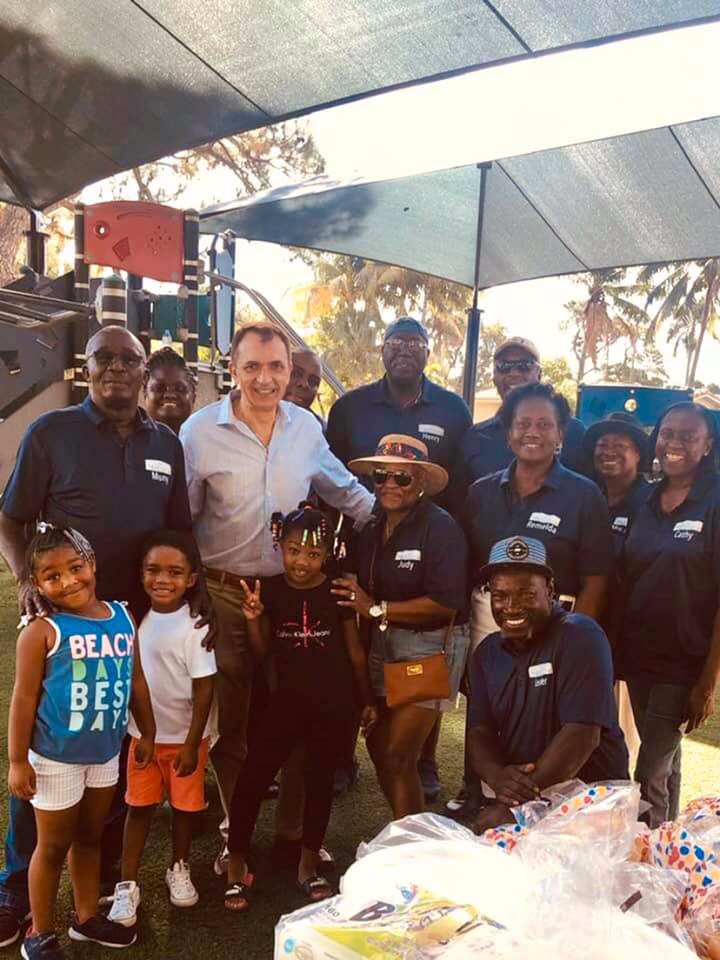
Mayor Trantalis mingles with friends in Melrose Manors as part of the neighborhood's Community Outreach Day
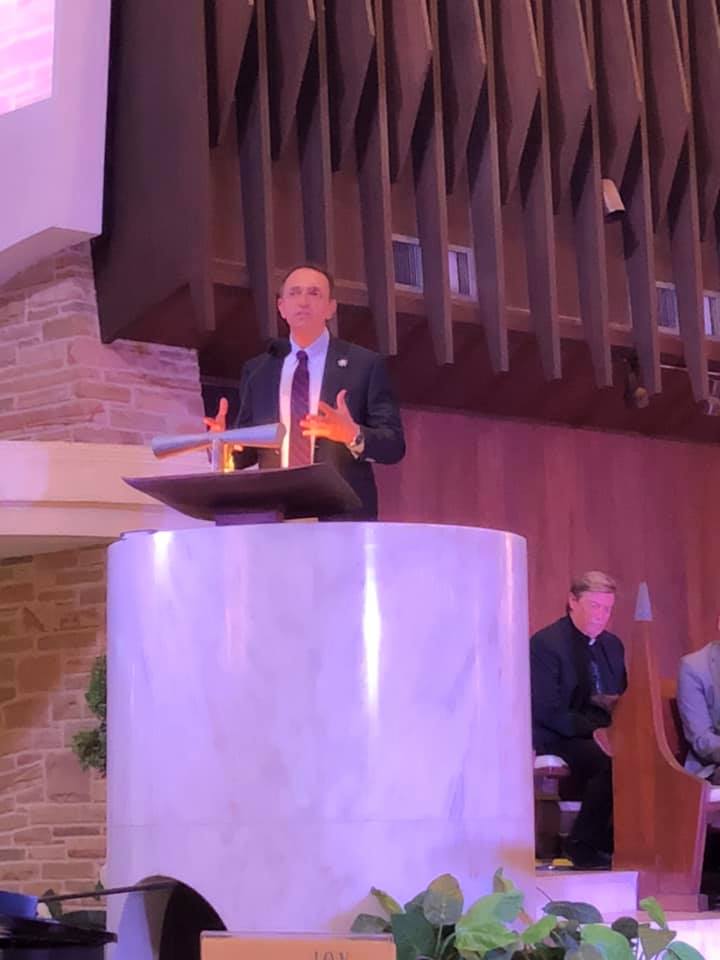
Mayor Trantalis speaks at an interfaith service to show solidarity with the victims of Hurricane Dorian in the Bahamas.
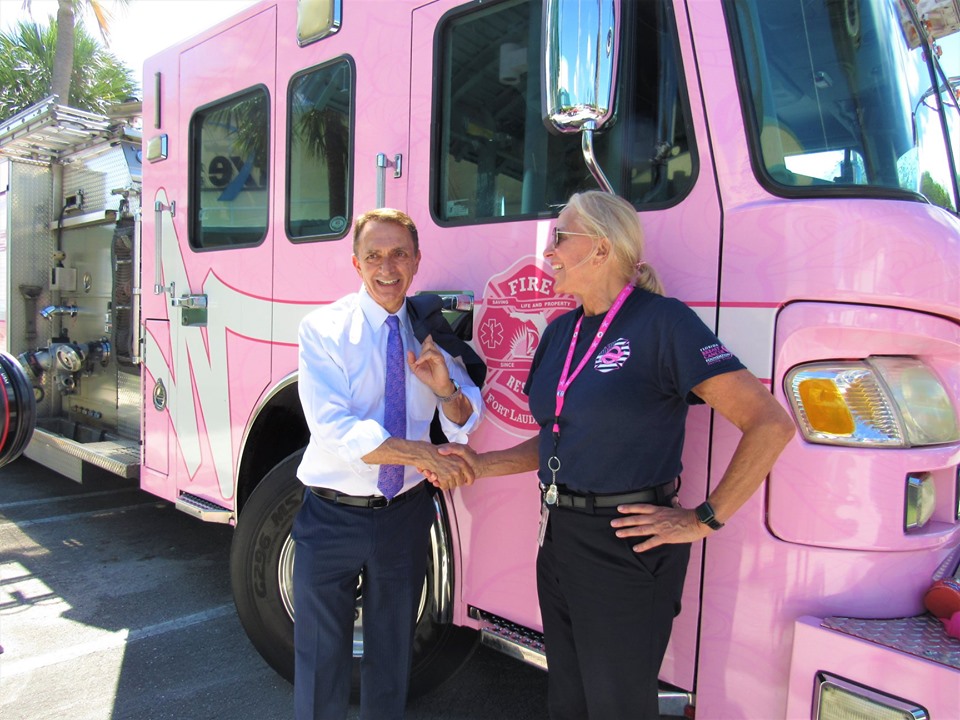
Mayor Trantalis greets Fire Chief Rhoda Mae Kerr at the annual Fly Pink walk at Fort Lauderdale Executive Airport as part of Breast Cancer Awareness Month.
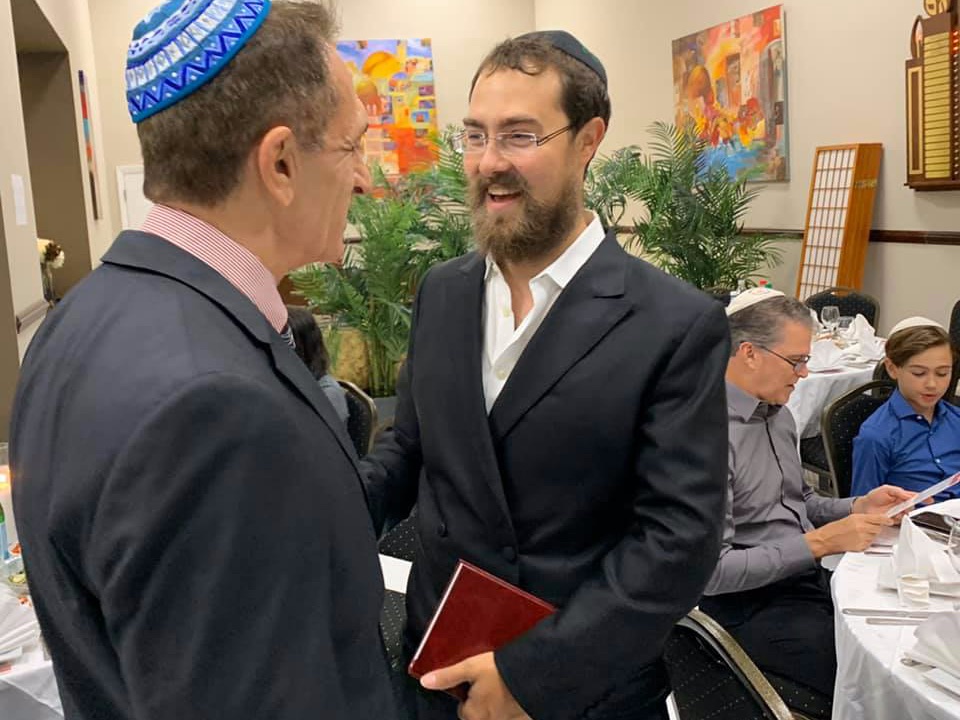
Mayor Trantalis celebrates Rosh Hashanah with Rabbi Chaim Slavaticki and the congregation of the Las Olas Chabad Jewish Center.
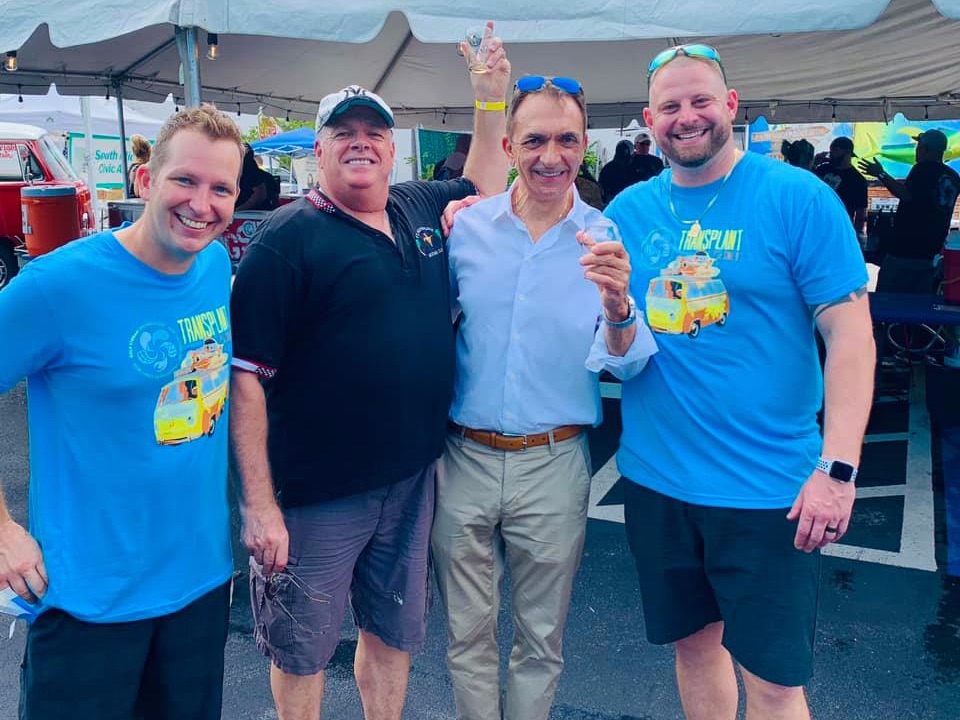
Mayor Trantalis celebrates the first anniversary of Gulfstream Brewing Company at its location on Northeast 13th Street.  
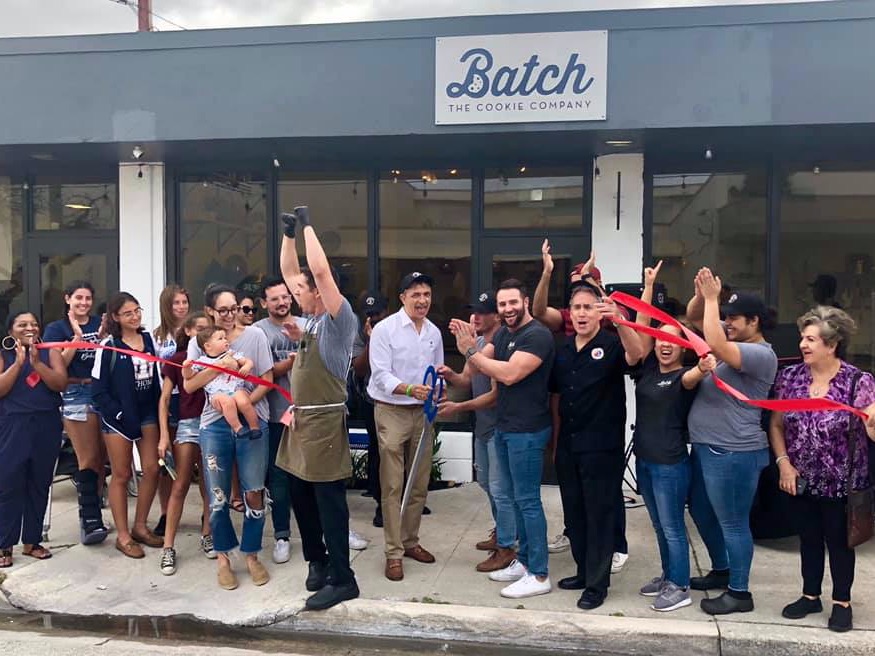
Mayor Trantalis and Commissioner Steve Glassman help open Batch, The Cookie Company, at its home in downtown's Flagler Village.
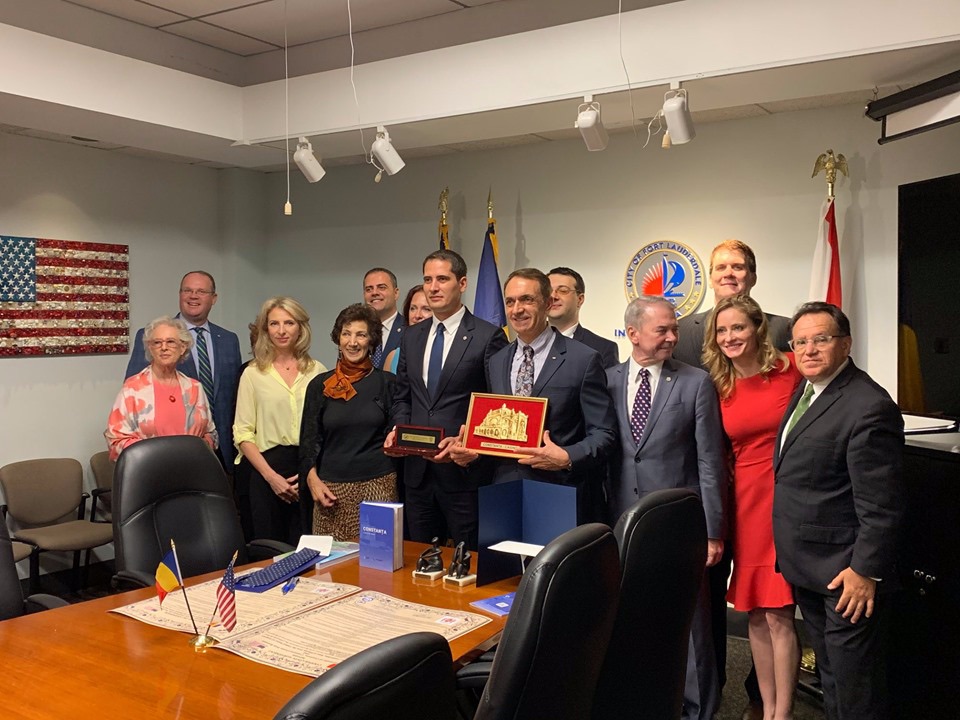
Mayor Trantalis  signs a new sister city agreement Constanta, Romania, with that city's deputy mayor, Costin Ioan Rasauteanu, as the Romanian delegation and Sister City leaders look on.
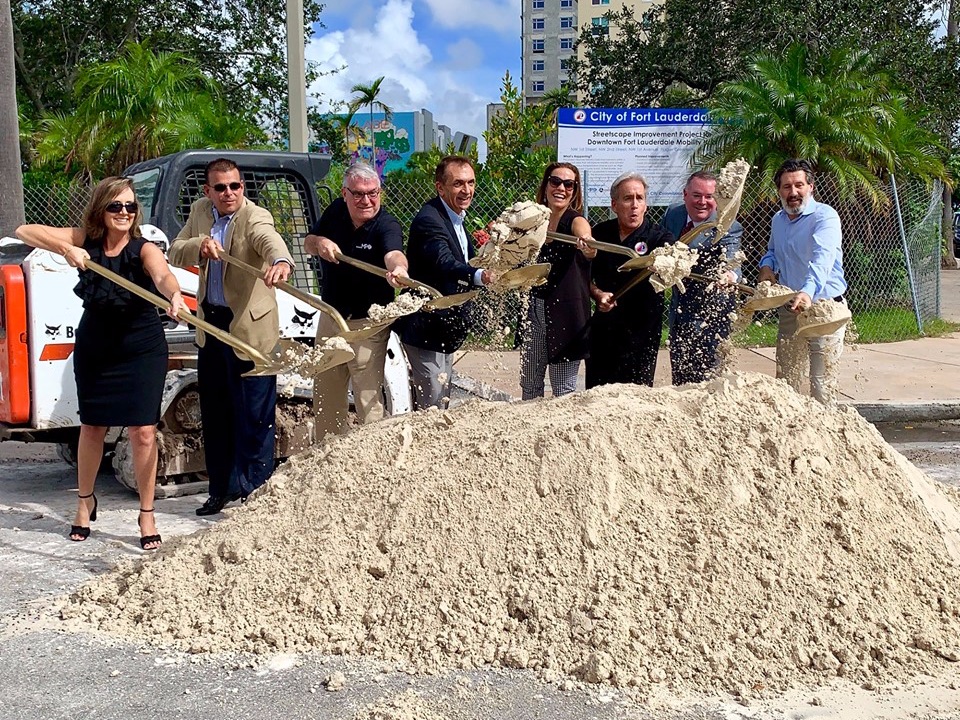
Mayor Trantalis and other local officials break ground on a mobility hub downtown that will link Broward Transit, the Sun Trolley and the Brightline commuter rail.
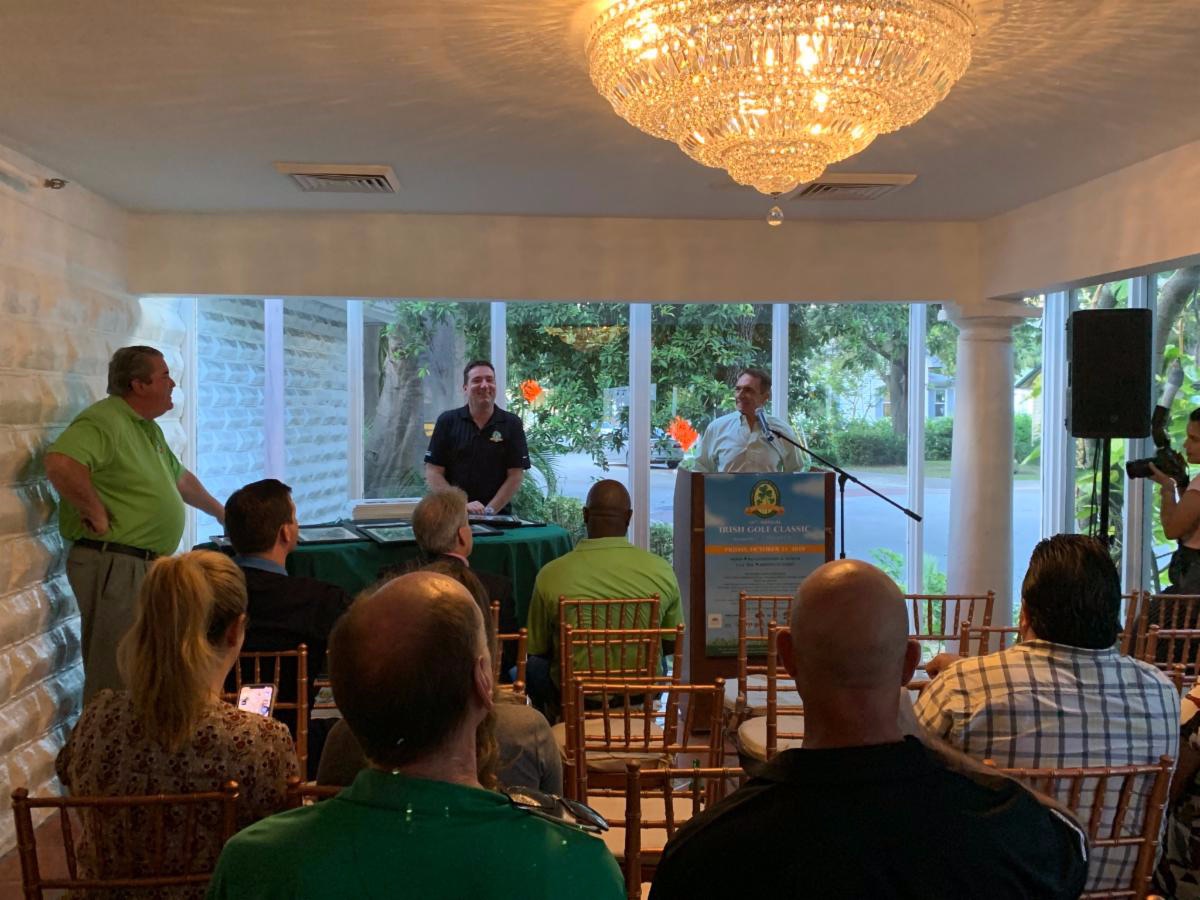
Mayor Trantalis thanks volunteers and organizers of the annual St. Patrick's parade and festival during a half-way to St. Patrick's Day event.
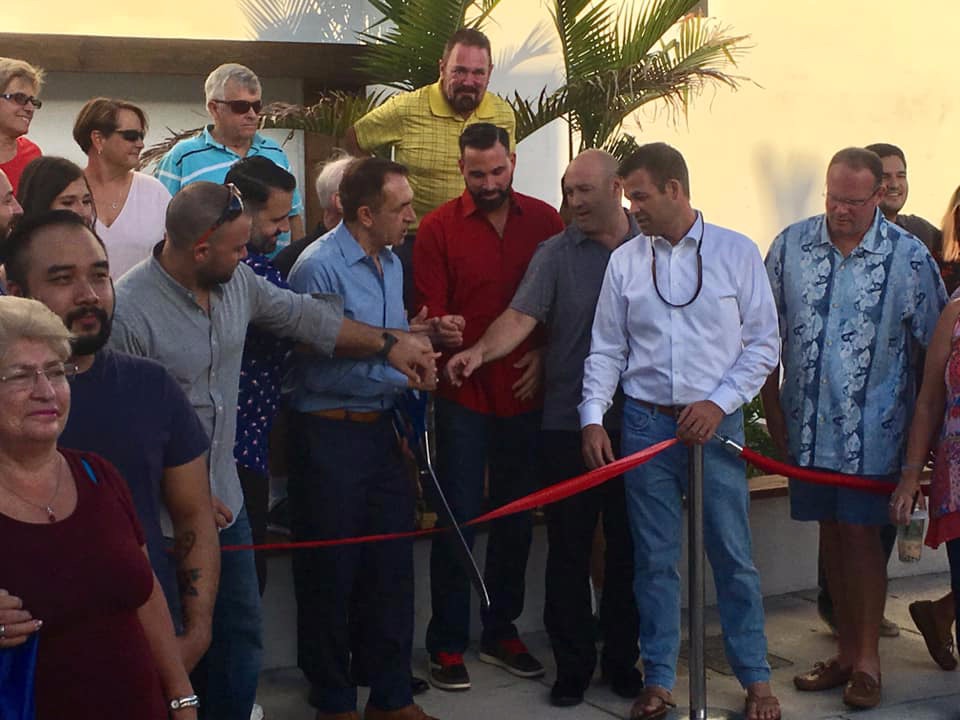
Mayor Trantalis helps cut the ribbon at the grand opening of The Hub and The Hub Spark in the MASS (Music & Art south of Sunrise) District of Flagler Village.
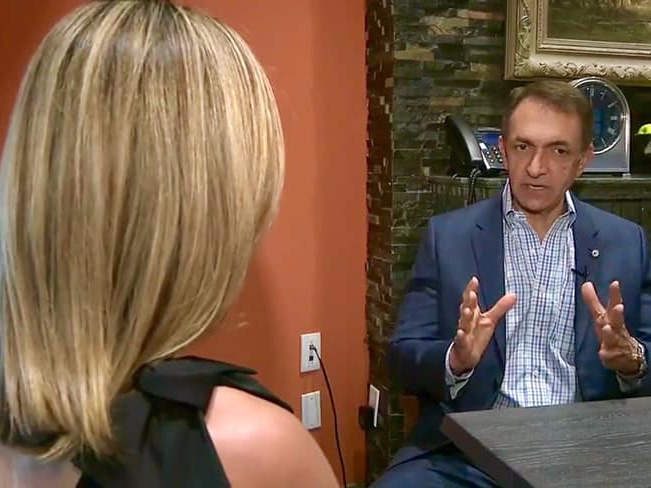
Mayor Trantalis discusses the city's landmark ordinance prohibiting discrimination based on sexual orientation and sexual identity with a reporter from WPLG-Channel 10.
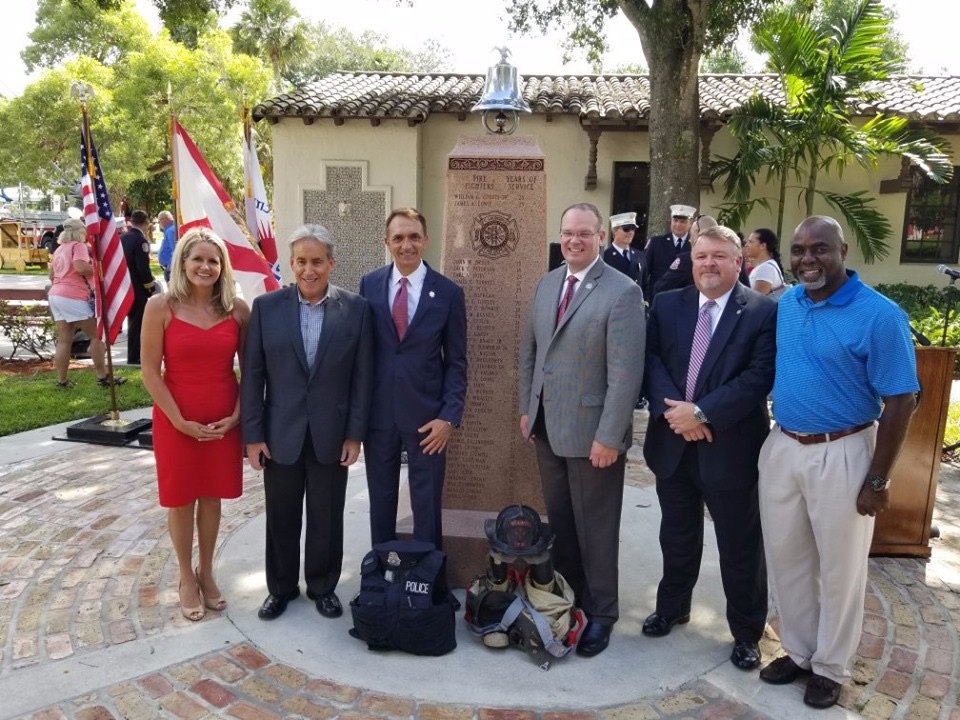
Mayor Trantalis and city officials honor those who died during the Sept. 11, 2001, terrorist attacks and the public safety officers who worked tirelessly that day.
Mayor Trantalis speaks at the annual tri-city lunch of the Greater Fort Lauderdale Chamber of Commerce with the mayors of Wilton Manors and Oakland Park.
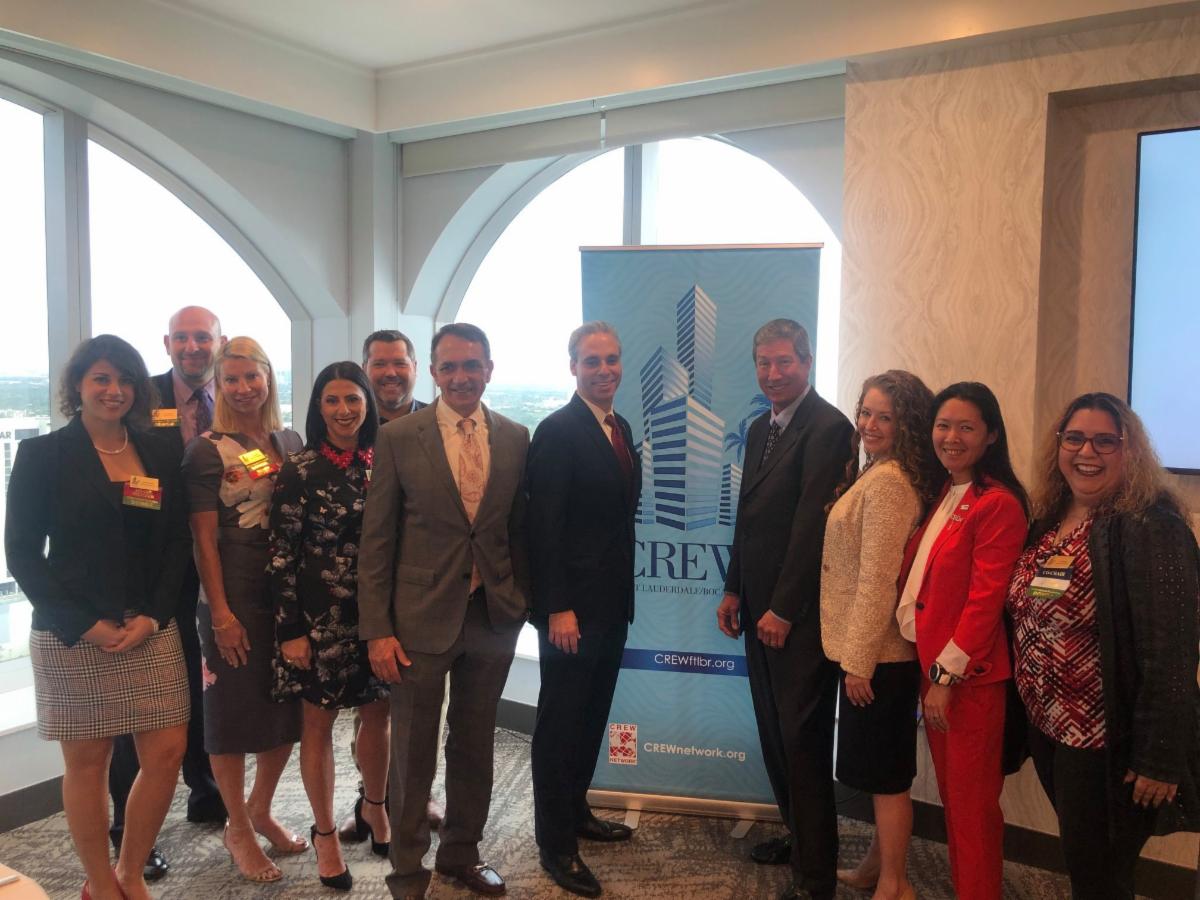
Mayor Trantalis speaks about his vision for the city at a forum at the Tower Club hosted by the Commercial Real Estate Women group.