Aug. 30, 2021
Lockhart, Panthers, aquatic center show
benefits of public-private cooperation
Fort Lauderdale has made some incredible progress over the last couple years – building a premiere soccer facility, undertaking plans to renovate War Memorial and add public ice rinks, and overhauling our aquatic center to again be a jewel for competitive swimming and diving.
 
One thread has run through each of these projects. This thread is also at the heart of many more plans under consideration, including underground transit tunnels to relieve traffic congestion, a signature Swimming Hall of Fame to go with the aquatic center and a modern water treatment plant that would efficiently provide clean drinking water for generations to come.
 
What is that common link that is allowing us to move as such a rapid pace? They all involve what are called public-private partnerships, or P3s.
 
The Florida Legislature several years ago – with overwhelming support of both Democrats and Republicans – gave local government this tool to help expedite public projects and save taxpayers money. One of Fort Lauderdale’s own legislators even co-sponsored the bill – state Rep. George Moraitis.
 
The Legislature recognized that government is not always nimble or innovative and can benefit from working hand in hand with private enterprise. Lawmakers of both parties wanted to encourage investment in the state and allow flexibility and cost-efficiency in providing public services.
 
Through this legislation, government can unshackle itself from hidebound bureaucratic ways and turn to private entrepreneurship and investment to quickly address pent-up community needs.
 
Isn’t government too often known for long delays and cost overruns? Why wouldn’t we want to tap into that drive and initiative seen from Henry Ford to Steve Jobs?
 
So, let’s look at how Fort Lauderdale has benefited and will continue to benefit.
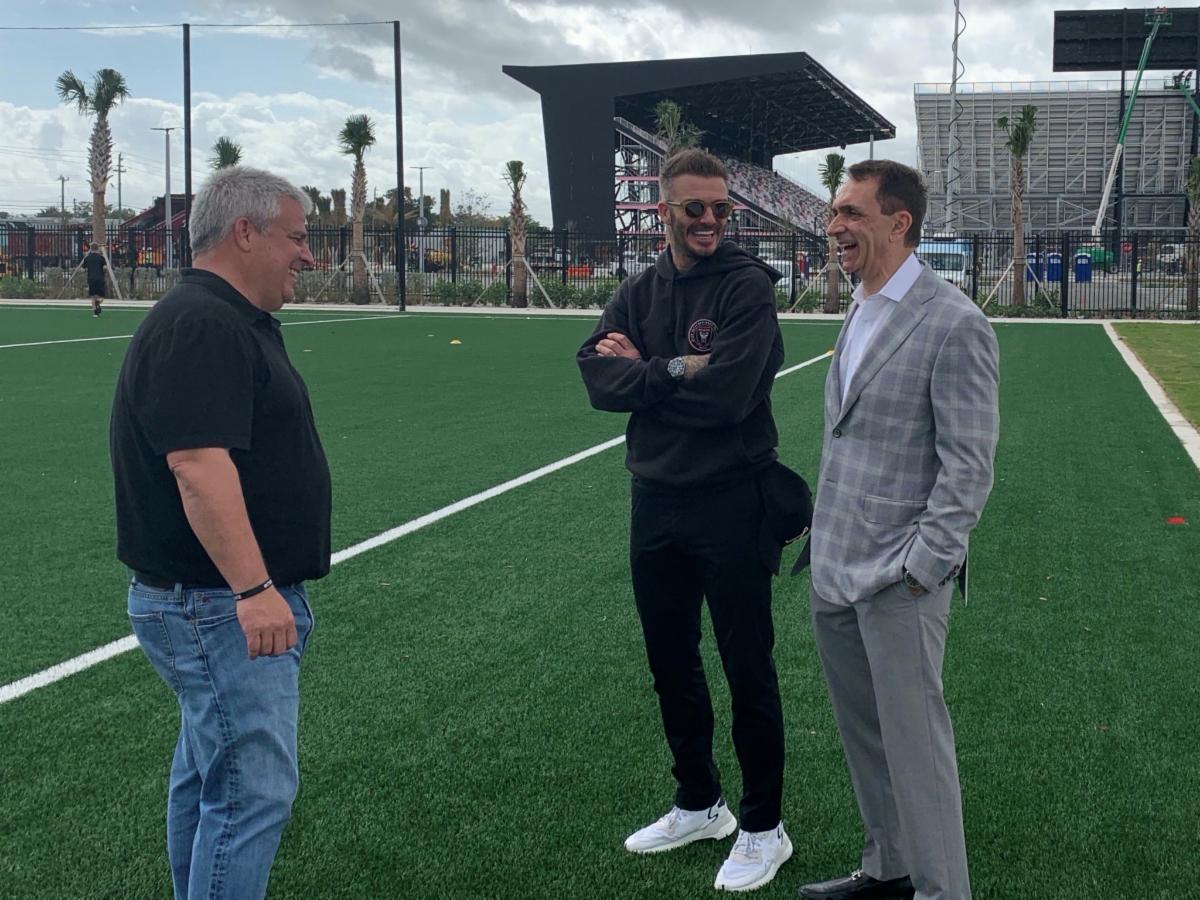
A cornerstone accomplishment of this City Commission is the deal struck with soccer superstar David Beckham and his Inter Miami CF partners to bring professional soccer to Fort Lauderdale at no cost to the taxpayer. Let me repeat that: There was no cost to the taxpayer.
 
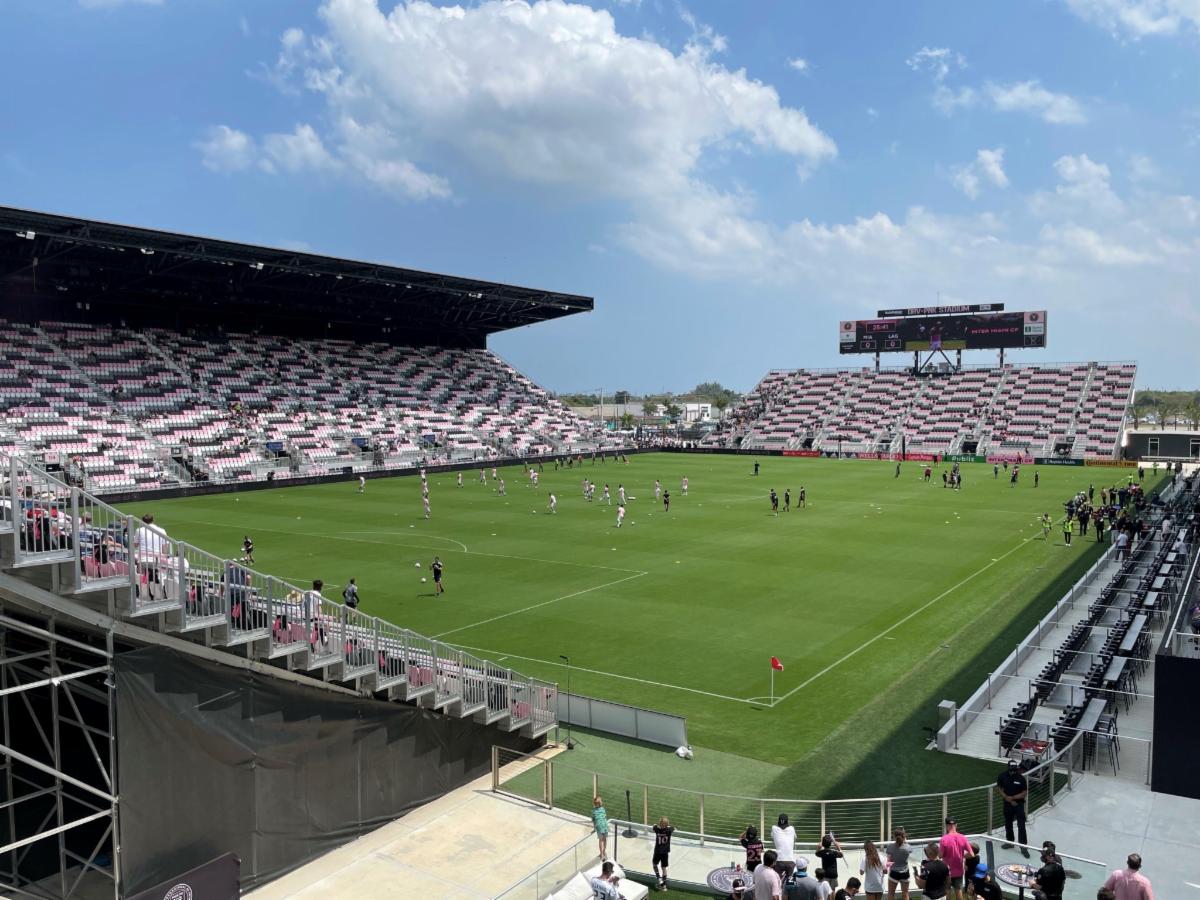
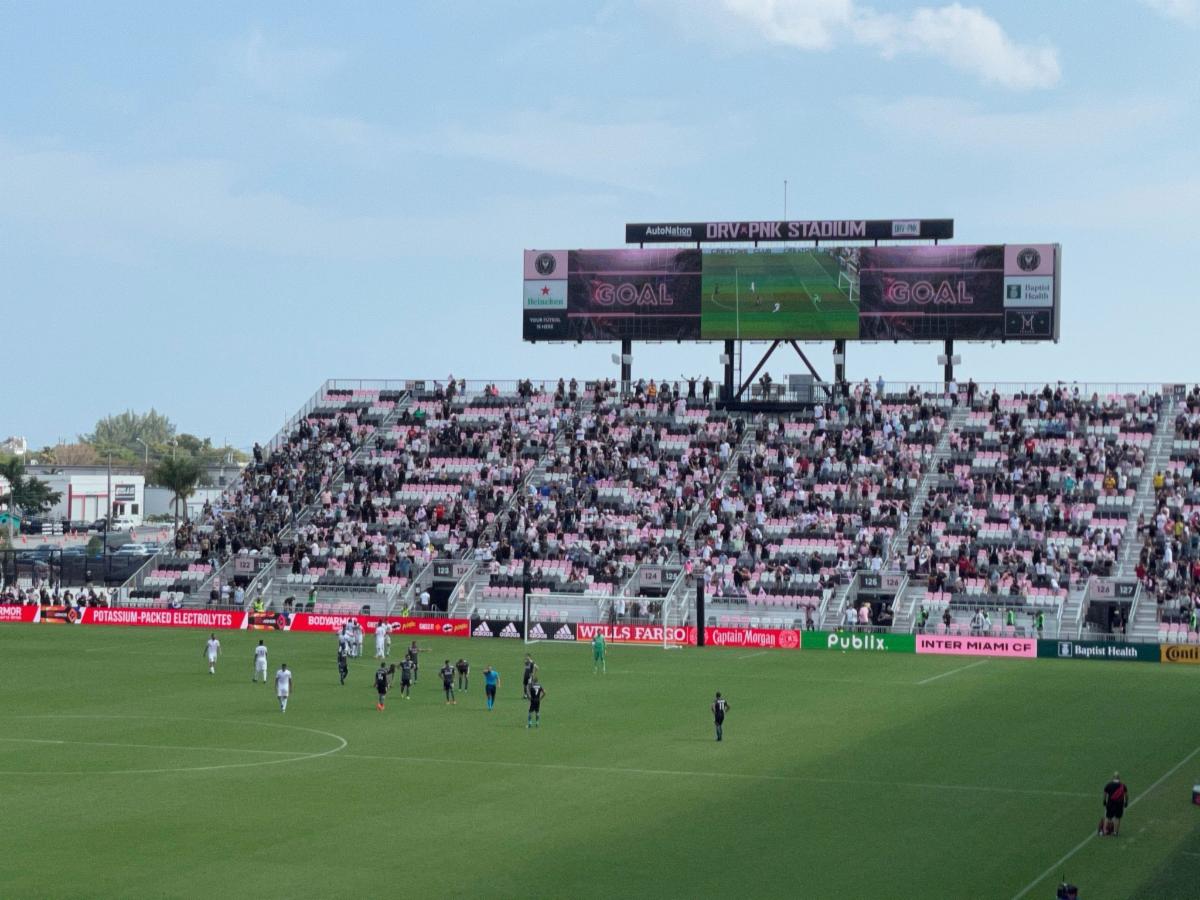
In fact, Inter Miami invested some $165 million to build a soccer stadium, a state-of-the-art training facility and corporate headquarters.
 
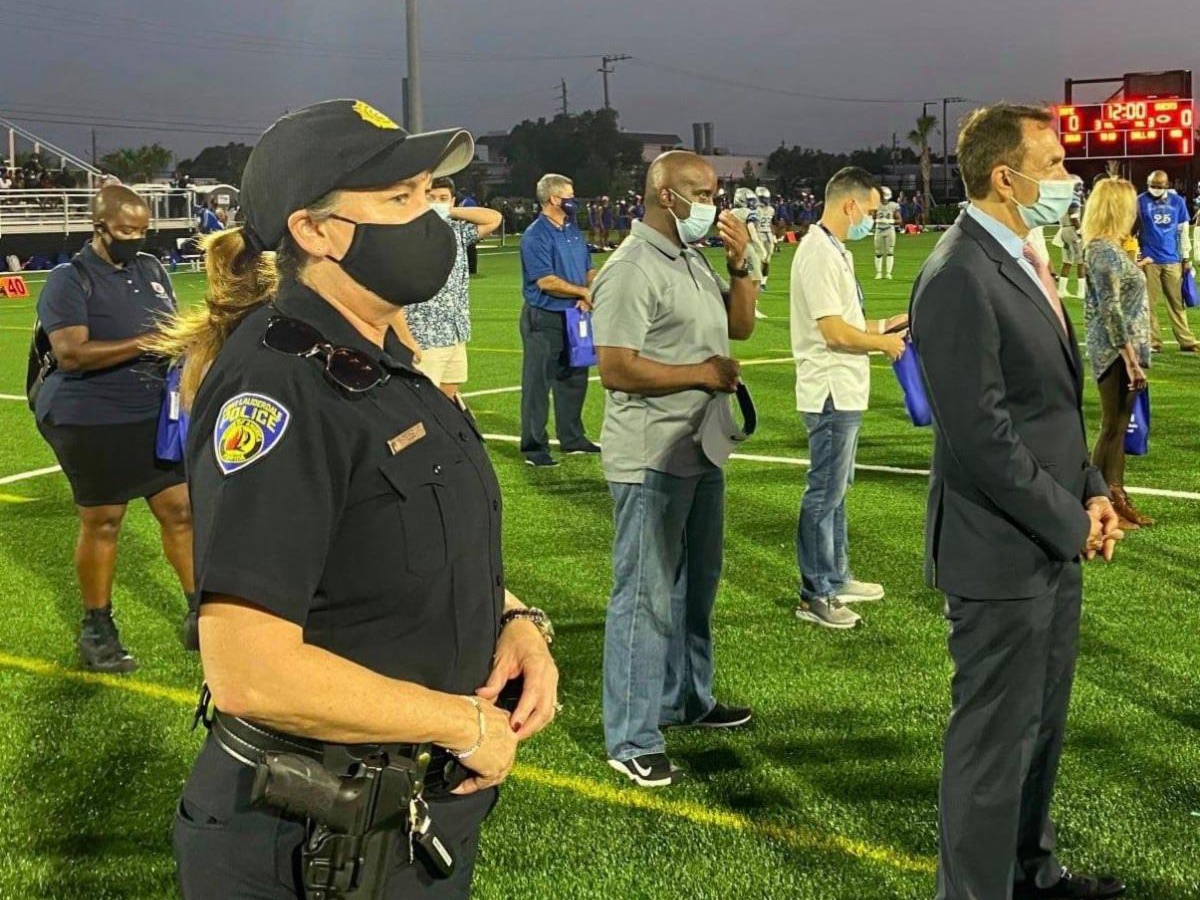
They also started a program on site to train and recruit the best young players from throughout South Florida. At the suggestion of Mary Fertig and other community leaders, they built a second stadium to accommodate local and regional high school athletic events and championships. Fort Lauderdale and Stranahan Highs both lacked home stadiums and now have a place to play thanks to Beckham’s team.
 
The Inter Miami deal generated tremendous economic development, brought our city international acclaim, expanded youth sports, and opened a new and exciting spectator sports-entertainment opportunity for our citizens.

Even as COVID-19 delayed the opening of the soccer stadium, Inter Miami has proven to be a faithful and loyal partner to the city. They stepped forward and offered the facilities for use in COVID-19 testing and then later vaccinations.
 
As part of the initial deal, Inter Miami pledged to create a park and provide other recreational and sporting opportunities for the community. For instance, the soccer stadium is available for concerts and national or international sporting events, and we look to seeing those events in the coming years.
 
COVID-19 delayed the finalization of the park plans, but they are moving forward now. 
 
Initial conversations included Inter Miami constructing additional fields that the public can use for soccer, lacrosse, football or other sports. We also have discussed features such a dog park, playground, walking trails and a community center.
 
Some new options have developed that are also worthy of consideration. These include the co-location of professional women’s soccer at Lockhart, a high-tech e-sports gaming facility and the city’s first and only skate park.
 
As mayor, I am committed to full consideration of all these options to determine what is in the best interest for the city as a whole. There is enough land available to accommodate many features.
 
I am glad that Inter Miami remains committed to working with us to build the best recreation and sporting site possible. With their assistance, Lockhart is becoming a centerpiece of our growing and increasingly cosmopolitan community.
How else has the city benefited from P3s?
 
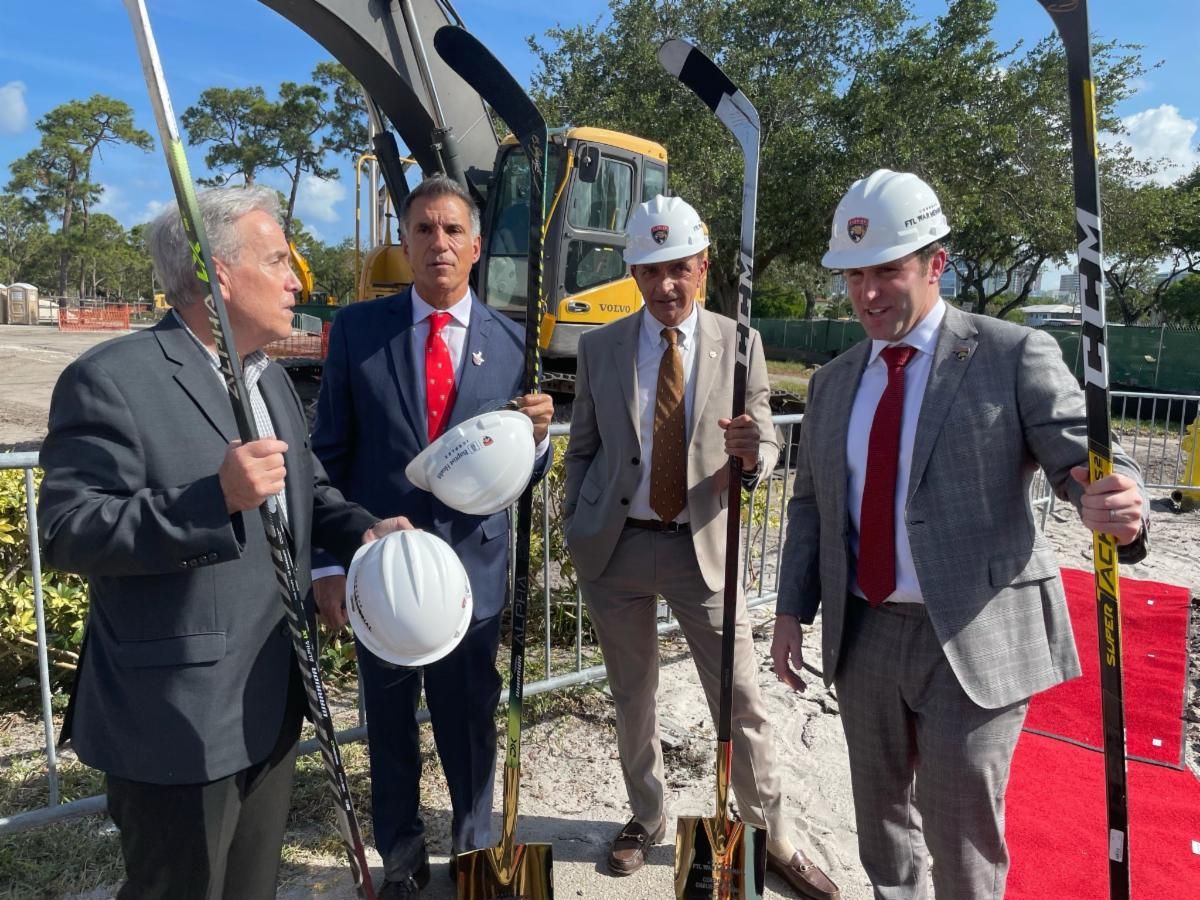
With the War Memorial deal, the Florida Panthers hockey team is not just building ice rinks that will be available to the public, but they will also renovate and manage the auditorium. We will continue to have a great mix of entertainment and community events under their stewardship.
 
The operation of War Memorial was a multimillion-dollar expense to the city, and the aging structure required a lot of maintenance and repair work. Those costs will now exclusively be shouldered by the Panthers. In exchange, they are locating a training facility on-site. This has current economic benefits, but also may one day lead the team to move its games to our city as well.
 
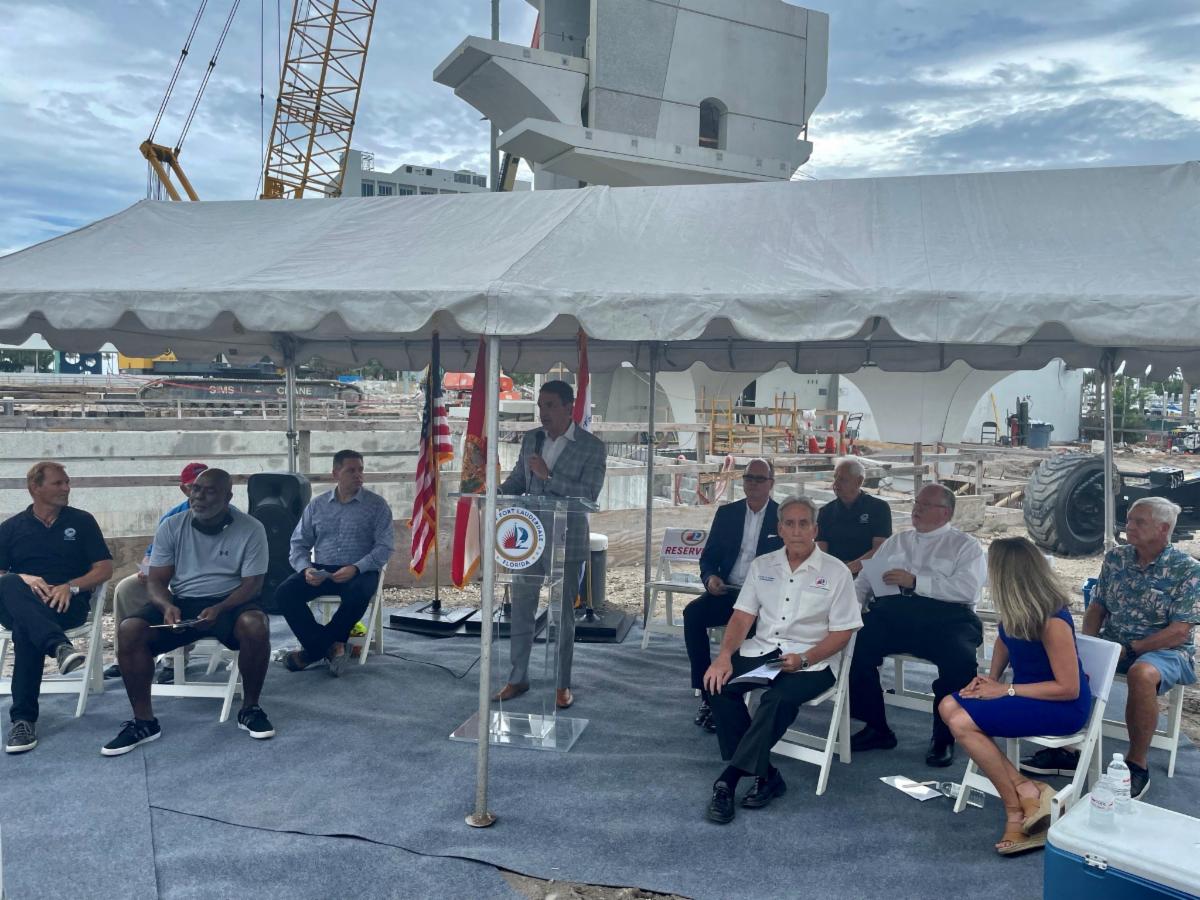
At the aquatic center, a P3 with Hensel Phelps has allowed us to advance construction of new locker rooms and bleachers to coincide with the ongoing renovation of the pools and the addition of a high-rise dive tower. The work would otherwise have been delayed to a later point in time. Another P3 is before us to allow the International Swimming Hall of Fame to rebuild its headquarters and museum on the site.
 
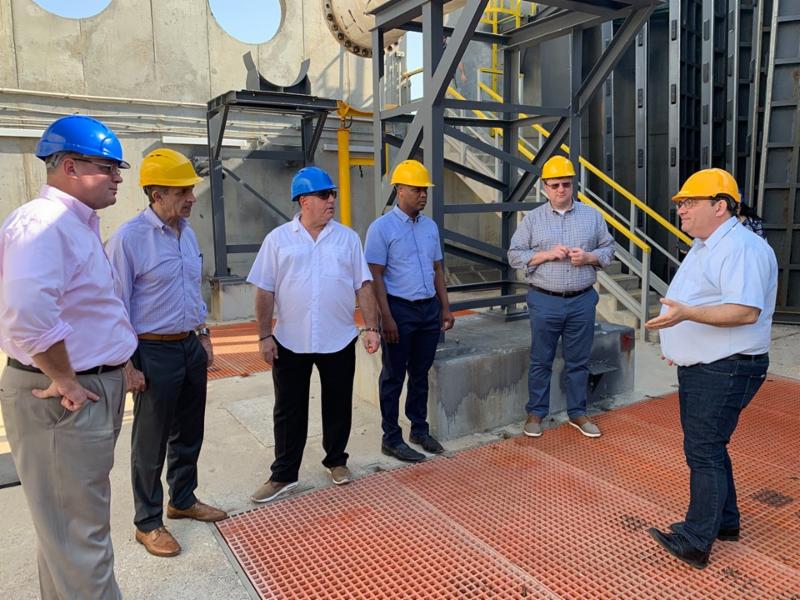
With the water treatment plant, we’ve determined that a new one is necessary. We need to leverage new technology to provide the cleanest water possible, and we need to ensure we have a facility that can survive hurricanes and climate change far into the future.
 
The City Commission has yet to decide whether to build a new plant under traditional government design-and-construction methods or through a P3. But the fact is private consortiums with worldwide reputations and a wealth of highly technical experience are vying for our attention with P3 proposals.
 
And, private entrepreneurship has changed the way we think about transportation. We would still be looking at band-aid approaches to resolving traffic congestion and would be bracing ourselves for construction of train bridge cutting through our downtown if it were not for Elon Musk raising new possibilities.
 
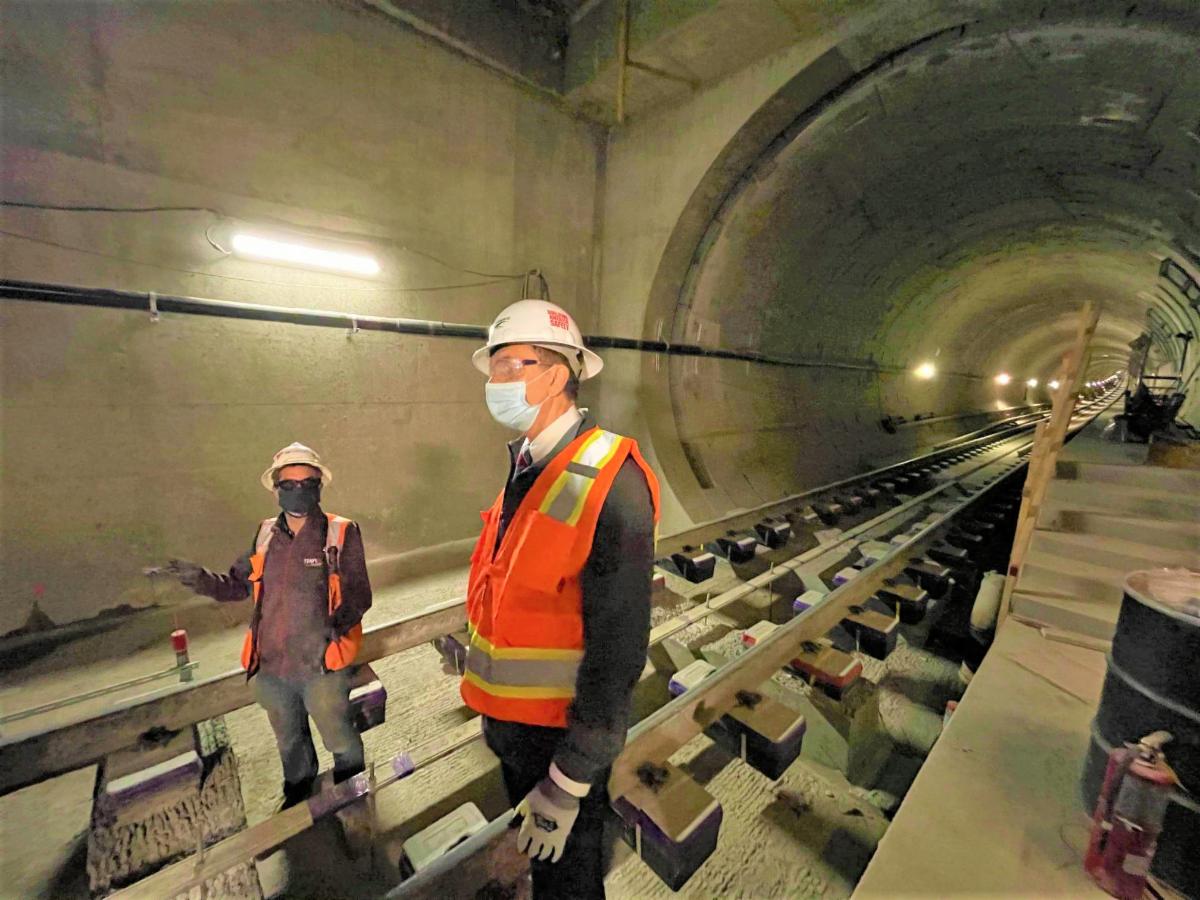
Instead, state transportation planners now must seriously consider construction of a train tunnel for commuter rail to cross the New River. And, Musk has put forth a P3 proposal to build an underground transit system from downtown to the beach, something that could be a precursor to a much larger and widespread network across the region.
 
If Elon Musk can make space flight cheaper, he can also make our transportation system more dynamic.
 
Lockhart Park, War Memorial and the aquatic center expansion are such tremendous benefits to our city, and these other ideas have a lot of potential. P3s should be carefully examined and the public benefit should be expressly clear, but they have helped us move into an exciting future as a community.

Yours,


Dean