Risk Control and Safety Services

Trench Safety Tips

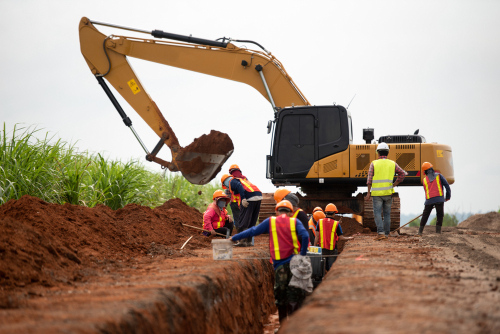
Group of worker and construction engineer wear safety uniform excavation water drainage at construction site

To mitigate risks during trench work, a comprehensive trench safety plan should be a priority. This includes assessing the site, selecting appropriate protective systems, ensuring safe access and egress, and conducting regular inspections. Testing for hazardous atmospheres, keeping equipment and materials away from the edge, and providing adequate training are also crucial.


The following provides a more detailed breakdown:

Planning and Assessment

Site Assessment: Before completing any trenching work, a thorough site assessment is crucial. This includes identifying potential hazards like unstable soil, water accumulation, and underground utilities.

Soil Classification: Determine the soil type and its stability. This will help in selecting the appropriate protective system.

Underground Utilities: Locate and mark all underground utilities before digging to avoid accidental damage and hazards.

Equipment and Material Placement: Keep heavy equipment and excavated materials at least two feet away from the trench edge to prevent cave-ins.

Emergency Plan: Develop a comprehensive emergency plan in case of cave-ins or other incidents.

Review and Update: Regularly review and update safety plans based on site conditions and any incidents that occur.

Protective Systems

Shoring and Shielding: Use shoring systems (like trench boxes) or shielding to prevent cave-ins, especially in all trenches 5 feet or deeper.

Sloping and Benching: In some cases, sloping or benching the trench walls can provide stability. These methods should be designed by a qualified professional and strictly follow the appropriate regulatory (OSHA, US Corps of Engineers, local municipality) requirements.

Access and Egress: Provide safe access and egress points within 25 feet of workers for trenches 4 feet deep or more. Ladders, ramps, or stairs should be used.

Training and Inspections

Competent Person: Assign a competent person to oversee all trenching operations. This individual should be trained in identifying trenching hazards and implementing the needed safety measures as well as be provided with the authority to modify the trench safety plan if needed and/or shut down the work if conditions/factors warranted.

Training: Provide thorough training to all workers on trench safety, hazard recognition, and emergency procedures.

Regular Inspections: Conduct daily inspections of the trench and surrounding areas as well as secondary inspections after rain or other events that could affect trench wall stability. Atmospheric Testing: For trenches deeper than 4 feet, especially those with potential for hazardous atmospheres, conduct regular atmospheric testing.

General Safety Practices

PPE: Ensure all workers wear appropriate personal protective equipment (PPE),such as hard hats, high-visibility clothing, and safety boots.

Keep Clear of Equipment: Stay clear of heavy equipment during loading and unloading operations.

Working Under Suspended Loads: Never work under suspended or raised loads.

Standing Water: Avoid working in trenches with standing water unless appropriate precautions are taken.

Warning Systems: Implement warning systems to alert workers of approaching equipment.


By implementing these risk mitigation tips, you can significantly enhance trench safety and protect workers from potential hazards. Please consult the OSHA Construction Safety Standards Subpart P, the US Corps of Engineers safety requirements, and/or your local municipality trench safety requirements for more detailed information.


McKee Risk Management's Construction Team is comprised of dedicated and experienced underwriters, claims and risk control professionals working closely together to meet and exceed the complex needs of our insured Contractors. Reach out to our team for inquiries: marketing@mckeerisk.com

McKee Risk Management, Inc. risk control services are not intended as a substitute of advice from legal counsel, nor are they intended to supplant the duty to provide a safe workplace, operation, product, or premises. The responsibility to provide safe working and operating conditions is solely that of the employer and/or property owner.

Connect with us!

LinkedIn