www.myersandstauffer.com


Welcome to the September Edition of Medicaid News & Notes from Myers and

Stauffer. This month, we’re spotlighting tools and strategies to help states strengthen Medicaid programs. From our upcoming webinar on using interactive dashboards, to a deep-dive blog series on the role of Medicaid cost reports—and much more—we’re sharing timely insights to support compliance, transparency, and program integrity. Read on for resources, analysis, and opportunities to help you stay informed and prepared.

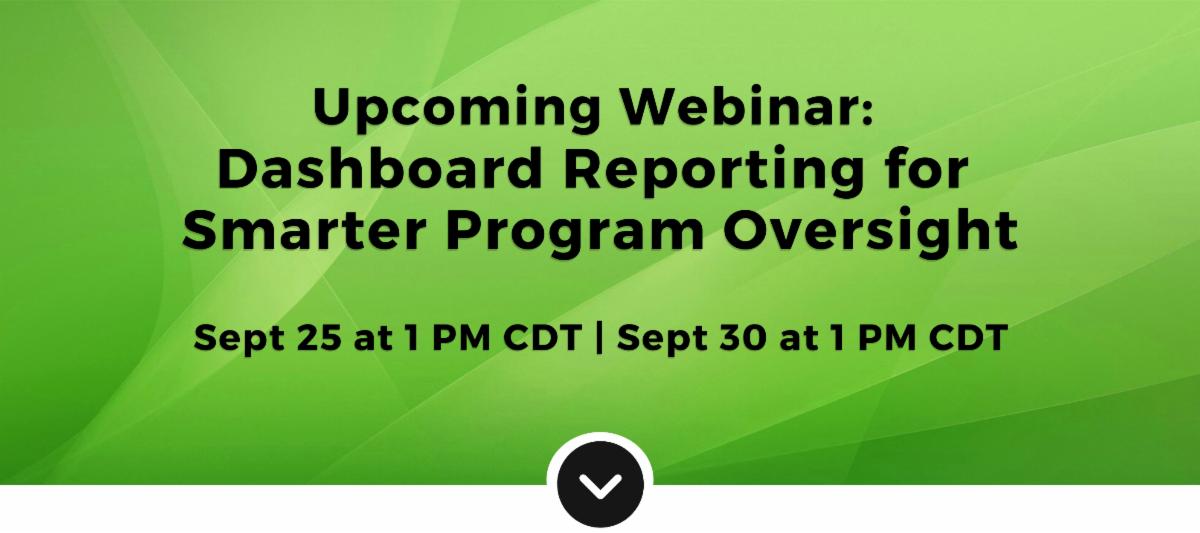
Don't Miss Our Upcoming Webinar!


Tired of chasing down program information from multiple sources? Imagine having all the insights you need—clear, timely, and at your fingertips.


Join our upcoming webinar to see how interactive dashboards can turn scattered data into powerful, story-driven reports that support smarter decision-making, compliance, and transparency. We’ll share real client use cases, walk through our development process, and highlight what makes dashboard reporting truly effective.


Choose the session that fits your schedule and register below, and feel free to share this opportunity with your team!

Making Sense of Medicaid Cost Reports


We kicked off a new five-part blog series exploring a critical question facing Medicaid programs today: Do we still need cost reports?


Part One | Are Medicaid Cost Reports Still Necessary?: We explore the historical significance of Medicaid cost reports and why they remain essential for accurate rate setting, legislative support, and financial oversight.


Part Two | Why Cost Reports Still Make Sense… Especially Now: We share 19 compelling reasons cost reports are still critical, especially in today’s fiscal environment.


Part Three | Can Medicare Cost Reports be Used Instead?: We examine whether Medicare cost reports could replace state-specific Medicaid reports, highlighting key differences and potential challenges.


Explore the full scope of our series, and stay tuned for upcoming installments featuring real-world case studies that showcase the value of cost reports in Medicaid program management.

Protecting Medicaid: The Case for Program Integrity


Is your Medicaid managed care program as resilient as it should be? Our latest blog series delves into the critical role of program integrity (PI) in safeguarding public funds and ensuring quality care for beneficiaries.


Part One | The Current Landscape and Industry Issues: We set the stage by examining the current landscape and industry issues impacting Medicaid managed care.


Part Two | Understanding the Link Between Program Integrity and Managed Care Contracts — and Why It Matters to States: We explore how the structure and language of managed care contracts can significantly influence PI efforts.


Part Three | Does Your MCO Contract Encourage Program Integrity Efforts?: We discuss the challenges and implications when managed care organizations (MCOs) lack sufficient PI initiatives.


Supplementary Insight | OIG Identified Concerns with Managed Care Plans Fraud Referral Process: We highlight findings from the Office of Inspector General regarding MCOs' fraud referral processes and the importance of state-led training.


Part Four | The Medical Loss Ratio at the Intersection of Program Integrity and Fraud, Waste, and Abuse: We analyze the intersection of the Medical Loss Ratio and PI, revealing how financial structures can impact the pursuit of fraud, waste, and abuse.


Gain the full perspective and key takeaways for stronger program integrity. Keep an eye out for upcoming installments packed with actionable strategies to enhance program integrity in your Medicaid managed care programs.

Community Health: Strategies for FQHCs & RHCs


August was National Health Center Week, highlighting the vital role of Federally Qualified Health Centers (FQHCs) and Rural Health Clinics (RHCs) in supporting community health. Our latest two-part blog series explores strategies to help these centers thrive—starting with opportunities created by recent federal initiatives.


Part 1 dives into the challenges and opportunities facing FQHCs and RHCs, including workforce dynamics, funding considerations, and policy changes—especially the newly enacted Rural Health Transformation Program (H.R. 1), which provides $50 billion over five years to strengthen rural healthcare infrastructure.


Part 2 offers actionable insights for state Medicaid agencies on establishing Prospective Payment System (PPS) rates, implementing Alternative Payment Methodologies (APMs), and navigating cost reporting complexities to ensure sustainable and compliant reimbursement practices.


Whether you're a policymaker, healthcare administrator, or community health advocate, these resources provide valuable perspectives to strengthen FQHCs and RHCs in delivering quality care to underserved populations.

CMS Opens Applications for the Rural Health Transformation Program


Following our recent client alert on the Rural Health Transformation (RHT) Program, CMS has officially opened the application process for states, with submissions due by November 5, 2025.


To support potential applicants, CMS will host an informational webinar:


Stay tuned as we continue to share updates and resources to help support applicants throughout the process.


Visit our website at www.myersandstauffer.com.


Follow us on social!

Instagram  LinkedIn  X

Please note: you received this email because you are the Medicaid contact for your state.

If you feel that you have received this email in error, please forward onto the correct contact. Thank you.