Medicare Revises LCD - Facet Joint Interventions for Pain Management (L38773) with Coverage for Therapeutic Facet Joint Nerve Blocks
As you know, the LCD which went into effect on 5/2/2021, limited its coverage to intraarticular joint injections. When ASIPP became aware of this limited coverage, we began contacting Medicare to request a policy change to include therapeutic facet joint nerve blocks. After several correspondences, we were advised to file a reconsideration request. Our reconsideration request went through the appropriate channels and the LCD has been revised effective 7/7/2024, which includes medial branch blocks as a therapeutic procedure, along with the intraarticular injections.
Once again therapeutic facet joint injections or medial therapeutic facet joint nerve blocks are not covered unless there is justification in the documentation showing why radiofrequency neurotomy cannot be performed.
ASIPP was able to obtain this addition by presenting appropriate evidence with multiple systematic reviews as well as up-to-date literature. A presentation was also made by Dr. Laxmaiah Manchikanti and Dr. Amol Soin at CGS open meeting.
In addition to CGS, all MACs have either changed or are in the process of changing their policies. Click here to view the policy from CGS.
Manchikanti L, Manchikanti L, Knezevic E, Knezevic NN, et al. Effectiveness of facet joint nerve blocks in managing chronic axial spinal pain of facet joint origin: A systematic review and meta-analysis. E, Knezevic NN, et al. Effectiveness of facet joint nerve blocks in managing chronic axial spinal pain of facet joint origin: A systematic review and meta-analysis. Pain Physician 2024; 27:E169-E206.
Anshul Malhotra N, Kumar A, Jyotsna, Rohilla K, Sinha N. Comparative evaluation of intraarticular facet joint injection versus medial branch block in patients with low back pain: A randomized controlled study. Cureus 2023; 15:e49232.
Manchikanti L, Knezevic E, Knezevic NN, Pasupuleti R, Sanapati MR, Janapala RN, Kaye AD, Hirsch JA. The effectiveness of medial branch blocks and radiofrequency neurotomy in managing chronic thoracic pain: A systematic review and meta-analysis. Pain Physician 2023; 26:413-435.
Pasuhirunnikorn P, Tanasansomboon T, Singhatanadgige W, Yingsakmongkol W, Chalermkitpanit P. Comparative outcome of lidocaine versus bupivacaine for cervical medial branch block in chronic cervical facet arthropathy: A randomized double-blind study. World Neurosurg 2023; 175:e662-e668.
| |
|
And the physicians with the least complaints won't come as a surprise either
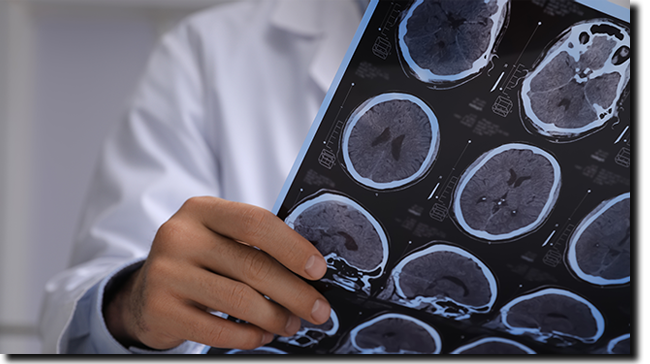
Complaints of unprofessional behavior about a physician coworker were not uncommon in a 5-year retrospective cohort study, with surgeons most likely to be on the receiving end of those complaints.
Among more than 35,000 physicians, 9.1% received one or more reports of unprofessional behavior from coworkers from January 2018 to December 2022, reported William Cooper, MD, MPH, of the Center for Patient and Professional Advocacy (CPPA) at Vanderbilt University Medical Center in Nashville, Tennessee, and co-authors in JAMA Network Open.
The results mean that "the vast majority behave perfectly professionally," Cooper said, referring to complaints received through the 193 hospitals participating in the CPPA's Coworker Concern Observation Reporting System (CORS).
Read More
| |
|
Some may be reluctant to let this technology into the training and treatment settings
by Yash B. Shah
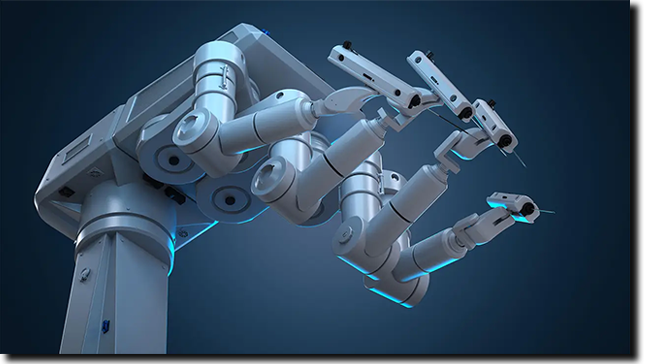
As a medical student pursuing surgery, I must balance learning new skills with properly serving patients and ensuring my team can function efficiently in the bustling hospital. With a scarcity of hands-on opportunities, the gap between theory and practice feels insurmountable. However, I am encouraged by the potential for artificial intelligence (AI)-powered tools to transform medical education. Imagine a world where learning extends into a virtual operating room -- with a risk-free environment, unlimited practice, and real-time feedback.
This type of innovation isn't just about filling gaps in knowledge; it signifies a future where every patient benefits from more skilled and confident physicians. Trainees and experienced surgeons alike can practice their craft prior to operating on patients. This will redefine medical practice itself -- if we are lifelong learners, and practice makes perfect, imagine if we could improve the quality of our practice and carry it out in a low-stakes environment.
And what about inside a real operating room -- is there a role for AI? Before exploring this question, let's take a look at where the technology stands today in healthcare.
Read More
| |
ASIPP State Society Meetings | |
|
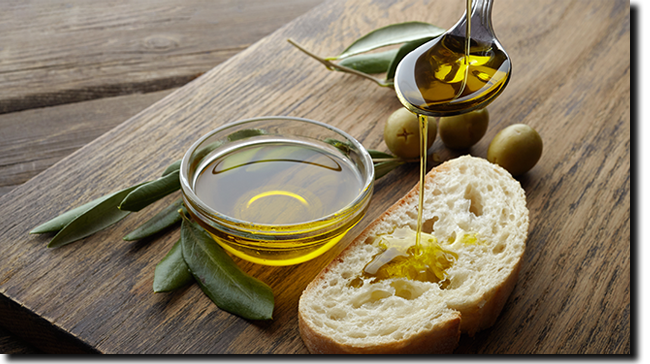
High olive oil consumption is associated with a significant decreased risk for dementia-related mortality, regardless of overall diet quality, a new study suggested.
Data from a prospective study of more than 92,000 people showed consuming at least 7 g of olive oil a day — about half a tablespoon — was associated with a 28% lower risk for dementia-related death.
Replacing one teaspoon of margarine and mayonnaise with the equivalent amount of olive oil was associated with an 8%-14% lower risk for dementia-related mortality.
Read More
| |
|
For those outside the medical profession, it took a global pandemic to finally understand how pervasive distress and suicide are among medical professionals, particularly surgeons.
For James Harrop, MD, it was made real years earlier by a colleague he'd trained alongside and worked with for decades — "one of the best surgeons I've ever seen" who, one day, just wasn't there.
Lost in his own work, it wasn't until Harrop, a professor of neurological and orthopedic surgery at Thomas Jefferson University, Philadelphia, read an article in The New England Journal of Medicine and realized his friend Michael Weinstein, MD, MPH, had been profoundly depressed for years and was hospitalized for his own safety.
Read More
| |
|
Virtual
August 31
Click here for the complete list of upcoming exams.
ABIPP Part I; ABIPP Path - Combined DCCPM/CSM virtual exam;
ABIPP Competency Exam in IPM; ABIPP Competency Exam in Regenerative Medicine;
CSM Competency Exam; DCCPM Competency Exam
In Person
October 18, 2024
ABIPP Part II - Practical Examination
Lab Venue: MERI, 44 S. Cleveland Street, Memphis, TN 38104
| |
|
49% of physicians report being burnt out, but which specialties have the greatest rates of burnout?
After 3 years of steady increase, physician burnout and depression declined for the first time since 2020. However, there’s still a long way to go to get those numbers down.
Depression amongst physicians is back to where it was in 2021, but burnout is still at a whopping 49%, which is 8% higher than the 2020 report from before the pandemic.
Unfortunately, even though many COVID-19 stressors have let up, they have been replaced with others, including understaffed hospitals, reduced funding, and stagnant salaries.
So, which specialty has it the worst?
Read More
| |
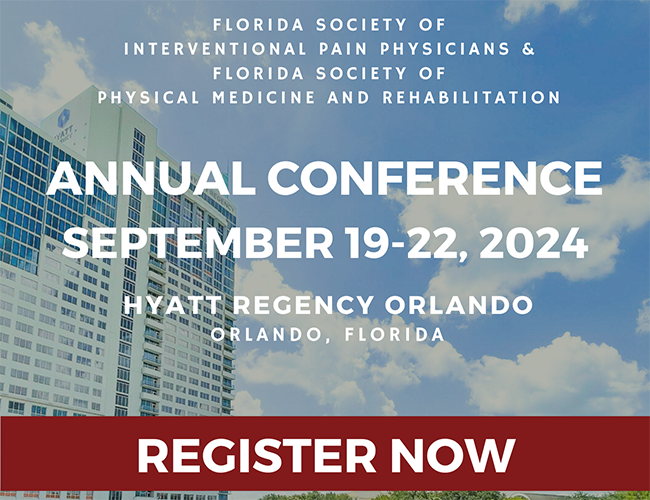
Registration is open for
ASIPP's 2025 Annual Meeting
We would love it if you would register and join us in Orlando!
| |
|
The anti-inflammatory agent colchicine failed to show significant benefit in the treatment of patients with non-cardioembolic ischemic stroke in the primary analysis of the CONVINCE trial.
However, the results did reveal a significant reduction in recurrent stroke and cardiovascular events in the per-protocol analysis and in the subgroup of patients with coronary artery disease.
"Although the primary endpoint was neutral, the CONVINCE results support the hypothesis that long-term anti-inflammatory therapy with colchicine may reduce recurrent stroke and cardiovascular events, specifically in stroke patients with atherosclerosis," lead investigator Peter Kelly, MD, University College Dublin School of Medicine, Dublin, Ireland, concluded.
Read More
| |
|
To date, men undergoing screening through the measurement of prostate-specific antigen (PSA) levels have had a significant reduction in neoplastic mortality. Because of its low specificity, however, this practice often leads to frequent, unnecessary, invasive biopsies and the diagnosis of low-grade, indolent cancer. While guided biopsies with multiparametric MRI can improve the diagnosis of grade 2 prostate cancers, widespread implementation remains challenging. The use of noninvasive biomarkers to stratify the risk for prostate cancer may be a more practical option.
The National Comprehensive Cancer Network proposes a test consisting of six blood and urine biomarkers for all grades of prostate cancer, and it outperforms PSA testing. However, current practice focuses on detecting high-grade cancers. It has been hypothesized that increasing the number of biomarkers by including molecules specifically expressed in aggressive high-grade prostate cancers could improve test accuracy. Based on the identification of new genes that are overexpressed in high-grade cancers, a polymerase chain reaction (PCR) technique targeting 54 candidate markers was used to develop an optimal 18-gene test that could be used before imaging (with MRI) and biopsy and to assess whether the latter procedures are warranted.
Read More
| |
- ASIPP Members Only Site Information - | |
-
To log in for the first time you will need to click “forgot password” at the bottom of the login window.
- Check your email and then log in as directed.
-
If you have problems logging into your account, click here.
| |
|
Hospitalized patients with dementia and dysphagia are often prescribed a "dysphagia diet," made up of texture-modified foods and thickened liquids in an effort to reduce the risk for aspiration or other problems. However, a new study calls this widespread and long-held practice into question.
Investigators found no evidence that the use of thickened liquids reduced mortality or respiratory complications, such as pneumonia, aspiration, or choking, compared with thin-liquid diets in patients with Alzheimer's disease and related dementias (ADRD) and dysphagia. Patients receiving thick liquids were less likely to be intubated, but they were actually more likely to have respiratory complications.
"When hospitalized patients with Alzheimer's disease and related dementias are found to have dysphagia, our go-to solution is to use a thick liquid diet," senior author Liron Sinvani, MD, with the Feinstein Institutes for Medical Research, Manhasset, New York, said in a news release.
Read More
| |
Pain Medicine Case Reports (PMCR) and Editor-in-Chief Alaa Abd-Elsayed, MD, PhD would like to invite you to submit case reports and case series to the PMCR journal. Your article will be published free of charge.
Open access journals are freely available online for immediate worldwide open access to the full text of published articles. There is no subscription fee for open access journals. Open access journals are no different from traditional subscription-based journals: they undergo the same peer-review and quality control as any other scholarly journal.
Interested in becoming a member of the PMCR Editorial Board?
Editorial board members are asked to review 2-6 manuscripts per year. Please submit your most up-to-date CV to sgold@asipp.org for consideration.
For more information or to submit your articles, click here.
| |
|
Aaran Varatharajan, MD, Stephen Music, DO, and Matthew Jaycox, MD
Abstract
BACKGROUND: Guillain-Barré syndrome (GBS), also called acute inflammatory demyelinating polyradiculopathy (AIDP), is one of the most common causes of acute, acquired weaknesses. GBS is an acute immune-mediated polyneuropathy that presents with progressive weakness of the arms or legs. GBS presents after infection; however, there are few reports that describe acute GBS after chronic pain procedures.
CASE REPORT: A 70-year-old man with a past medical history of spinal stenosis status post anterior cervical discectomy and fusion, sacroiliac joint (SIJ) dysfunction status post SIJ fusion presented with imbalance, weakness, and difficulty walking. The patient underwent SIJ fusion one week prior; his weakness progressively worsened, requiring a walker. He underwent a series of labs and diagnostic tests, which were consistent with AIDP/GBS. He was placed on respiratory and cardiac monitoring and started on intravenous immunoglobulin treatment. He started developing bilateral facial palsies and started on plasmapheresis. His symptoms have improved and he was discharged from our inpatient rehab facility on after 28 days.
CONCLUSIONS: This case report aims to highlight a rare, but potentially dangerous, complication of AIDP/GBS following an SIJ fusion.
KEY WORDS: Sacroiliac joint fusion, sacroiliac joint pain, Guillain-Barré syndrome, case report
Read More
| |
|
Ricardo Vallejo, MD, PhD, Michael A. Fishman, MD, Binit Shah, MD, Philip Kim, MD, Ramsin Benyamin, MD, Francesco Vetri, MD, PhD, Dana M. Tilley, PhD, and David L. Cedeno, PhD
Abstract
BACKGROUND: There are limited therapeutic options to treat complex regional pain syndrome (CRPS). Spinal cord stimulation and dorsal root ganglion stimulation are proven therapies for treating chronic low limb pain in CRPS patients. There is limited evidence that stimulation of dorsal nerve roots can also provide relief of lower limb pain in these patients.
OBJECTIVES: To demonstrate that electrical stimulation of dorsal nerve roots via epidural lead placement provides relief of chronic lower limb pain in patients suffering from CRPS.
STUDY DESIGN: Prospective, open label, single arm, multi-center study.
SETTING: The study was performed at the Center for Interventional Pain and Spine (Exton, PA), Millennium Pain Center (Bloomington, IL), and the Carolinas Pain Center (Huntersville, NC). It was approved by the Western Institutional Review Board-Copernicus Group Institutional Review Board and is registered at clinicaltrials.gov (NCT03954080).
METHODS: Sixteen patients with intractable chronic severe lower limb pain associated with CRPS were enrolled in the study. A standard trial period to evaluate a patients’ response to stimulation of the dorsal nerve roots was conducted over 3 to 10-days. Patients that obtained 50% or greater pain relief during the trial period underwent permanent implantation of a neurostimulation system. The primary outcome was the evaluated pain level after 3 months of device activation, based on NRS pain score relative to baseline. Patients were followed up for 6 months after activation of the permanently implanted system.
RESULTS: At the primary endpoint, patients reported a significant (P = 0.0006) reduction in pain of 3.3 points, improvement in quality of life, improved neuropathic pain characteristics, improved satisfaction, and an overall perception of improvement with the therapy. Improvements were sustained throughout the duration of the study up to the final 6-month visit.
LIMITATIONS: Due to the COVID-19 pandemic occurring during patient enrollment, only 16 patients were enrolled and trialed, with 12 being permanently implanted. Nine were able to complete the end of study evaluation at 6 months.
CONCLUSIONS: The results of this short feasibility study confirm the functionality, effectiveness, and safety of intraspinal stimulation of dorsal nerve roots in patients with intractable chronic lower limb pain due to CRPS using commercially approved systems and conventional parameters.
KEY WORDS: Complex regional pain syndrome (CRPS), dorsal nerve root (DNR), neuromodulation, lower extremities chronic pain
Read More
| |
|
Kai McGreevy, MD, and Keilana McGreevy
Abstract
BACKGROUND: Lower extremity pain is one of the most common types of chronic pain and can be very challenging to treat using conservative management modalities.
OBJECTIVES: Our study intends to present the effective management of chronic neuralgias in the lower extremities through peripheral nerve stimulation (PNS).
SETTING: This retrospective study included 21 patients who received a permanent Curonix Freedom® PNS System for treating chronic pain in the lower extremities. A retrospective chart review was conducted to assess the baseline and follow-up parameters.
METHODS: Fourteen of the patients (67%) received one neurostimulator at either the superficial peroneal or posterior tibial nerve. Seven patients (33%) received 2 neurostimulators at either the sural and superficial peroneal, posterior tibial and superficial peroneal, or common and superficial peroneal nerves. The data were collected from electronic medical records, followed by case report forms. Pain scores and complications were reported up to 6 months after permanent implantation. Adverse events (AEs) were reported descriptively and classified as serious or nonserious AEs and related or nonrelated AEs.
RESULTS: At the end of the trial visit, 21 of the 21 patients (100%) reported more than 50% pain relief, with mean pain scores reducing from 7.29 ± 0.9 to 2.81 ± 0.7 (61%; P < 0.001). Nineteen patients completed the long-term follow-up. Fourteen of those 19 patients (74%) experienced at least a 50% improvement in pain. The average NRS score decreased significantly to 3.66 ± 1.8 (50%; P < 0.001). No complications were reported.
CONCLUSION: PNS done with the Curonix Freedom® PNS System is an effective and safe therapy for lower-extremity neuralgias.
KEY WORDS: Peripheral nerve stimulation, chronic pain, neuropathic pain, peripheral neuropathy
Read More
| |
|
ASIPP is now in collaboration with Curi Medical Liability Program
| |
|
Since this malpractice insurance program officially launched in November 2018, ASIPP has signed up hundreds of providers with an average savings of 30%. This is professional liability insurance tailored to our specialty and will stand up for us and defend our practices.
Curi is a full-service advisory firm that serves physicians and their practices. Their valued advice is grounded in your priorities and elevated in your outcomes. They are driven by a deep understanding of your specific circumstances in medicine, business, and life. To read a few important points to keep in mind about the program, including discounts, administrative defense, cyber coverage, aggressive claims handling, and complimentary risk management CME activities, visit our website.
| | |
|
Group Purchasing Organization Offer Better Pricing and Creates Added Value
ASIPP has formed a partnership with Henry Schein and PedsPal, a national GPO that has a successful history of negotiating better prices on medical supplies and creating value-added services for independent physicians. Working with MedAssets, PedsPal provides excellent pricing on products like contrast media that alleviate some of the financial pressures you experience today.
Learn More
| |  |
|
ASIPP, Fedora Billing,
and Revenue Cycle Management Partnership
ASIPP is now offering our members the benefit of a unique revenue cycle management/ billing service.
We have received a tremendous amount of interest in the ASIPP® billing and coding program.
Click here to learn more about the negotiated rate for practices and more!
| |
|
Like and follow ASIPP® on Facebook, X, and LinkedIn for the most
up-to-date news related to you, your practice, and your patients!
| | | | |