| |
NEW SESSION ADDED!
Saturday Open Forum: Addressing the British Medical Journal’s Negative Publication on Interventional Techniques
Register Today!
| |
We would love it if you would
register and join us in Orlando!
| | ASIPP Advocacy Update: 2025 Capitol Hill Visit | | Attention Fellows and Residents! | | |
ASIPP is pleased to announce a scholarship to help fellows and residents participate in the 2025 ASIPP Annual Meeting. Recipients of this scholarship will receive reimbursement for up to three nights stay at the host hotel at the official ASIPP single-occupancy room block rate. This includes room block room rate and tax.
The number of scholarship recipients will be limited so it is important to apply soon! The deadline to apply is March 25!
| |
IMPORTANT Update on Telehealth Legislation!!
The continuing resolution which includes telehealth coverage extension has passed both chambers and has been signed by the President!
| |
Signed into law on Saturday, averting a government shutdown
President Donald Trump on Saturday signed into law a six-month funding bill, averting a government shutdown.
In a post on X, White House Spokesperson Harrison Fields said Trump signed the bill and thanked Democrats who joined Republicans to approve the continuing measure.
Trump's signature comes after the Senate passed the bill on Friday just hours ahead of a midnight deadline.
The vote was 54-46, with two Democrats joining all but one Republican in support of the measure. Earlier Friday, the bill cleared a key procedural hurdle with the help of 10 Democrats in a 62-38 vote. Sixty votes were needed to defeat a Democratic filibuster.
Read More
| |
|
While most Americans are protected, some groups could benefit from another shot
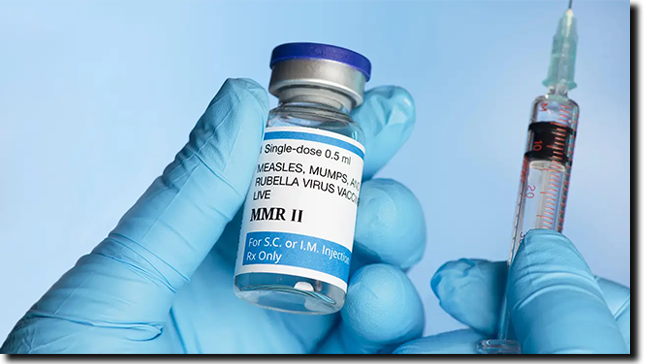
As measles cases rise, more people are wondering if they're sufficiently protected against the disease.
The good news, experts said, is that most Americans don't need a booster -- especially those who received two doses of the measles, mumps, and rubella (MMR) vaccine, which is 97% effective against measles.
Even for those who received just one dose of the MMR vaccine -- those vaccinated between 1968 and 1989 -- the vaccine is still 93% effective against measles.
Read More
| | |
New 2025 Dates
Mark your calendars!
March 29, April 26, May 31, & June 28
Four (4) hour virtual exam
- ABIPP Path – Combined CCPM/ CSM Exam
For those with subspecialty in Pain Medicine
Two (2) hour virtual exam
- ABIPP Competency Exam in IPM
For those without primary board certification
Two (2) hour virtual exam
- ABIPP Competency Exam in Regenerative Medicine
Two (2) hour virtual exam
- Controlled Substance Management Competency Exam
Two (2) hour virtual exam
- Documentation, Coding, Compliance, Practice Management Competency Exam
Two (2) hour virtual exam
| | |
Midlife diet improvement tied to better white matter integrity at age 70
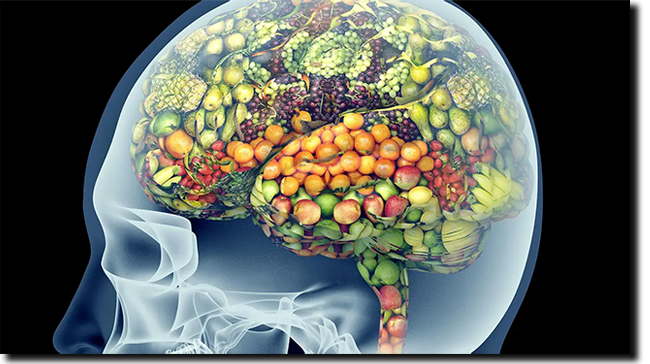
Healthier diet and lower waist-to-hip ratio throughout midlife were associated with better brain and cognitive health in older age, longitudinal data from the Whitehall II cohort study in England showed.
A better midlife diet was associated with higher functional connectivity between the left hippocampus and occipital lobe and cerebellum later in life and better white matter integrity (P<0.05 for both), reported Daria Jensen, DPhil, of the Max Planck Institute for Human Cognitive and Brain Sciences in Leipzig, Germany, and co-authors.
A lower midlife waist-to-hip ratio was tied to better working memory and executive function later at age 70, the researchers said in JAMA Network Open. A higher waist-to-hip ratio was tied to higher mean and total diffusivity of white matter. Associations between midlife waist-to-hip ratio, working memory, and executive function were partially mediated by white matter diffusivity (P<0.05).
Read More
| | - ASIPP Members Only Site Information - | |
-
To log in for the first time you will need to click “forgot password” at the bottom of the login window.
- Check your email and then log in as directed.
-
If you have problems logging into your account, click here.
| | |
In a rapidly changing educational landscape, medical students use AI in their residency applications, faculty use it in their letters of recommendation, and some residency program directors use artificial intelligence (AI) to help sift through the high number of applications they receive to fill a limited number of available residency positions.
AI has become increasingly pervasive in residency recruitment, culminating in Match Day.
However, the organization managing the process that matches applicants with compatible residency programs says it isn’t using AI yet and hasn’t advised program directors on its use. The National Resident Matching Program (NRMP) uses its own algorithm — computerized mathematical calculations — that verifies an applicant’s ranking preference to place them in their most favored programs, said Laurie Curtin, chief operating officer.
Read More
| |
|
For many people, living longer brings health challenges: Osteoporosis, diabetes, Alzheimer’s disease. And of course, zombie cells.
The technical term is senescent cells. They’re damaged and unable to repair themselves. They’re also more likely to linger in the body as we age — like zombies — secreting inflammatory molecules that can hasten our decline.
“They have this very robust secretory phenotype,” said Nathan K. LeBrasseur, PhD, director of the Robert and Arlene Kogod Center on Aging at Mayo Clinic. “They drive things such as impaired tissue regeneration, fibrosis, degeneration, inflammation — a lot of the conditions that are clearly central to age-related diseases. And that’s what’s exciting about these cells as therapeutic targets.”
Read More
| | |
Pain Medicine Case Reports (PMCR) and Editor-in-Chief Alaa Abd-Elsayed, MD, PhD would like to invite you to submit case reports and case series to the PMCR journal. Your article will be published free of charge.
Open access journals are freely available online for immediate worldwide open access to the full text of published articles. There is no subscription fee for open access journals. Open access journals are no different from traditional subscription-based journals: they undergo the same peer review and quality control as any other scholarly journal.
Interested in becoming a member of the PMCR Editorial Board?
Editorial board members are asked to review 2-6 manuscripts per year. Please submit your most up-to-date CV to sgold@asipp.org for consideration.
For more information or to submit your articles, click here.
| | |
We are excited to announce that Pain Medicine Case Reports (PMCR) journal (eISSN 2768-5152) has been accepted for inclusion in MEDLINE and PubMed, the prestigious bibliographic database of the U.S. National Library of Medicine. PMCR, a companion publication to the prestigious Pain Physician journal by ASIPP, joins its counterpart in achieving indexing in both MEDLINE and PubMed, marking ASIPP’s dual presence in these renowned databases.
The inclusion of PMCR journal in MEDLINE signifies a higher level of selectivity, as MEDLINE consists of the top 5,200 biomedical journals. This indexing also means that articles from PMCR will be searchable using NLM Medical Subject Headings (MeSH terms) and other metadata.
The selection for MEDLINE follows a rigorous evaluation process by reviewers from the Literature Selection Technical Review Committee (LSTRC). According to their criteria, the scientific quality of a journal’s content is the primary factor considered for indexing.
We extend our congratulations to the Pain Medicine Case Reports Editor-in-Chief, Deputy Editor-in-Chief, Journal Team, and Editorial Board for this achievement, which underscores the significance and excellence of this esteemed journal.
| | |
Masoud Hashemi, MD, Sina Hassannasab, MD, Sogol Asgari, MD, and Narges Bazgir, MD
Abstract
BACKGROUND: Cervical radiculopathy and radiculitis cause neck pain and conservative treatments are the first step. A cervical epidural steroid injection (CESI) can help if other treatments fail, but it could have side effects and serious complications. This case report describes a rare complication (epidural hematoma) of parasagittal interlaminar CESI (PCESI).
CASE REPORT: A 62-year-old woman, candidate for the right PCESI, complained of unrelieved pain in the injection site after the procedure. Due to a decrease in movement, sensation, and muscle force, epidural hematoma was suspected. She was transferred to the hospital. In magnetic resonance imaging, a hematoma was evident. After 72 hours under surveillance, the hematoma was absorbed, and she fully recovered.
CONCLUSIONS: Epidural hematoma is an infrequent complication of CESI. This report may be an alarm to consider this complication, specific to this technique, which may be due to vascular anatomy.
KEY WORDS: Parasagittal interlaminar cervical epidural steroid injection, epidural hematoma, cervical radiculopathy, cervical radiculitis
Read More
| | |
Jing Shen, MD, Yilong Wang, MD, Weijie Xie, MD, PhD, Qing Luo, MD, Fanhua Meng, MD, Henry Liu, MD, and Zeyong Yang, MD, PhD
Abstract
BACKGROUND: Opioids, which are widely used during surgery in perioperative settings, may cause hyperalgesia, especially when the opioid employed is remifentanil. Opioid-induced hyperalgesia may increase the length of a patient’s hospital stay and negatively affect enhanced recovery after surgery and the patient’s prognosis. Currently, there is no consensus on treatment strategies for remifentanil-induced postoperative hyperalgesia (RIPH).
OBJECTIVES: This study aimed to test the hypothesis that upregulation of lipocalin-2 (LCN2) in the anterior cingulate cortex (ACC) contributes to RIPH.
STUDY DESIGN: A controlled animal study.
SETTING: A university laboratory.
METHODS: The RIPH mouse model was established through the subcutaneous infusion of remifentanil in mice undergoing plantar incision surgery. The von Frey test and the Hargreaves test were used to measure the pain threshold. By combining RNA sequencing, Western blotting, in vivo pharmacology, and the construction of adeno-associated virus vectors that modulated the expression level of LCN2 specifically, the role of LCN2 in the occurrence of RIPH in mice was explored.
RESULTS: Compared to the mice that were subjected to the combination of incisions and saline (inci + saline), mice subjected to incisions and remifentanil (inci + remi) did not experience a significant reduction in the mechanical pain threshold of their ipsilateral hind paws. The mechanical pain threshold of the contralateral hind paws of the inci + remi mice was significantly reduced compared to those of the inci + saline mice. According to transcriptome analysis, LCN2 expression was significantly upregulated in RIPH-model mice. Furthermore, the Western blotting analysis also showed a significant increase in the level of LCN2 in the ipsilateral ACC of RIPH-model mice. An intra-anterior cingulate cortex injection of LCN2 mAb could attenuate hyperalgesia in mice. Knockdown of LCN2 expression in the ACC significantly alleviated mechanical hyperalgesia in mice. Additionally, the overexpression of LCN2 in the ACC could directly induce mechanical hyperalgesia without affecting thermal nociception.
LIMITATIONS: Future research needs to explore more potential mechanisms of affecting pain sensitivity through LCN2 upregulation.
CONCLUSIONS: Our results demonstrated that the upregulation of LCN2 in the ACC plays a crucial role in the occurrence of RIPH, suggesting that LCN2 potentially be a therapeutic target for alleviating RIPH.
KEY WORDS: Remifentanil, Lipocalin-2, hyperalgesia, postoperative hyperalgesia, anterior cingulate cortex, opioid-induced hyperalgesia, enhanced recovery after surgery, opioid.
Read More
| | |
Niruji Saengsomsuan, MD, Pramote Euasobhon, MD, Bunpot Sitthinamsuwan, MD, Nattha Saisavoey, MD, Caixia Li, MD, and Nantthasorn Zinboonyahgoon, MD
Abstract
BACKGROUND: Evidence of the efficacy of spinal cord stimulation (SCS) has been well demonstrated as a method of pain control for patients who exhibit failed back surgery syndrome (FBSS), complex regional pain syndrome (CRPS), and inoperable peripheral vascular diseases (PVD) (“usual indications”). However, a long-term study comparing the usual indications for which SCS is employed with those of other intractable painful conditions is still lacking.
OBJECTIVES: To assess the long-term effectiveness of SCS treatment for both usual and unusual indications.
STUDY DESIGN: Observational study and original research.
SETTING: This work was conducted at the Faculty of Medicine Siriraj Hospital, Mahidol University, Thailand.
METHODS: We recruited patients undergoing SCS treatment for chronic refractory pain caused by various conditions and followed up on those patients for up to 36 months. The patients were divided into usual indications for SCS, including FBSS, CRPS, and PVD; and unusual indications for SCS, including chronic refractory neuropathic pain of various etiologies. Pain intensity, pain-related interference, and health-related quality of life (HRQOL) were collected at the baseline, 6 months, and one, 2, and 3 years after SCS implantation, and the values seen at each time point were compared to the baseline values.
RESULTS: Forty-six patients were recruited, 30 of whom underwent successful SCS implantation (24 usual and 6 unusual indications). The overall pain intensity was significantly lower than it was at the baseline, decreasing from 6 to 3, 5, 4, 4 out of 10 at 6, 12, 24 and 36 months after implantation, respectively (P < 0.01). Pain-related interference and HRQOL tended to improve over time after implantation. Patients with usual indications had a significantly higher rate of trial-to-implant ratio than those with unusual indications, with an odd ratio of 5.14 (95% CI 1.36-19.50). Furthermore, patients with usual indications tended to see greater improvement and more constancy in pain intensity, pain-related interference, and HRQOL than those with unusual indications.
LIMITATIONS: This analysis was a single-center prospective study with a nonrandomized design and a relatively small sample size.
CONCLUSIONS: Overall, SCS is an effective long-term treatment for chronic refractory pain. However, patients with usual indications for SCS have a higher success rate in SCS trials and a trend toward better outcomes after SCS implantation than do patients with unusual indications.
KEY WORDS: Spinal cord stimulation, refractory pain, pain intensity, pain-related interference, health-related interference, trial-to-implant ratio, usual indications, unusual indications, Thailand
Read More
| | |
ASIPP is now in collaboration with Curi Medical Liability Program
Since this malpractice insurance program officially launched in November 2018, ASIPP has signed up hundreds of providers with an average savings of 30%. This is professional liability insurance tailored to our specialty and will stand up for us and defend our practices.
Curi is a full-service advisory firm that serves physicians and their practices. Their valued advice is grounded in your priorities and elevated in your outcomes. They are driven by a deep understanding of your specific circumstances in medicine, business, and life. To read a few important points to keep in mind about the program, including discounts, administrative defense, cyber coverage, aggressive claims handling, and complimentary risk management CME activities, visit our website.
| | |
|
Group Purchasing Organization Offer Better Pricing and Creates Added Value
ASIPP has formed a partnership with Henry Schein and PedsPal, a national GPO that has a successful history of negotiating better prices on medical supplies and creating value-added services for independent physicians. Working with MedAssets, PedsPal provides excellent pricing on products like contrast media that alleviate some of the financial pressures you experience today.
Learn More
| |  |
|
ASIPP, Fedora Healthcare Solutions Partnership
ASIPP offers our members the benefit of a unique revenue cycle management/ billing service.
We have received a tremendous amount of interest in the ASIPP billing and coding program.
Click here to learn more about the negotiated rate for practices and more!
| | Like and follow ASIPP® on Facebook, X, LinkedIn, and YouTube for the most up-to-date news related to you, your practice, and your patients! | | | | |