 | |
Award Specifics:
- Annual Research Grant awarded to two (2) residents in the amount of $2,500 each; and two (2) fellows in the amount of $5,000 each for one-year project in IPM.
- Projects must be IRB approved, submitted or in pending status
- Mentor supervised by an ASIPP member in good standing.
- Must not overlap with current ongoing studies.
Application Requirements:
-
Applicant and mentor curriculum vitae (CV current, and updated within 4 weeks of the application date)
- Project proposal should include: title, abstract, specific aims, research approach (Background, Methods, Statistical Analysis, Timeline)
- Detailed budget
- Detailed mentorship plan by the mentor
- Specify the role of any collaborators/co-investigators that might be involved in the study.
- Applicant must be ASIPP member (in good standing) and Recipients must maintain ASIPP membership for at least 3 years post-award.
Recipients will be notified at ASIPP's 2024 Annual Meeting in Dallas, Texas.
Program Administration:
Inquiries about the Manchikanti Grant should be directed to: Melinda Martin
For more information, click here.
| |
As you recall, ASIPP sent a news alert on October 29, 2020 focusing on Q codes and potentially fraudulent billing with intraarticular injections. ASIPP also sent a letter to Medicare MAC directors on November 3, 2020.
After the time of this alter, there have been incidences of fraud and abuse. Recently, a physician assistant went to trial in Fort Worth, TX and was convicted at this trial. Dr. Manchikanti provided the testimony for the Department of Justice highlighting the news alert from ASIPP.
The trial lasted 5 days. Subsequently, in less than 1 hour of deliberation, a jury convicted Ray Anthony Shoulders on all counts.
https://www.justice.gov/usao-ndtx/pr/pain-management-physicians-assistant-charged-amniotic-fluid-scam
https://www.justice.gov/usao-ndtx/pr/assistant-convicted-trial-amniotic-fluid-scam
It is important to ASIPP and crucial to protect our physicians from fraud and abuse investigations, and at the same time, protect the Medicare program.
| | |
|  |
|
|
Clinicians shouldn't have to navigate hundreds of different measures, Medicare director says
Are you exasperated by all the different quality measures you're required to report? One official at the Centers for Medicare & Medicaid Services (CMS) knows exactly how you feel.
"I led care transformation at a health system before coming into this role, and we had this huge spreadsheet of the 500 different metrics from all the different payers and all the different programs," Meena Seshamani, MD, PhD, director of the Center for Medicare at CMS, said Monday during a virtual summit on value-based care sponsored by the Heritage Provider Network. "And then you spend all of your time just trying to navigate a spreadsheet and debating whether diabetes control is HbA1c less than 8 or HbA1c less than 9, rather than talking about how we are addressing the care of our diabetics."
That's why CMS is now trying to align quality metrics across all of its programs, including Medicaid, the Affordable Care Act marketplace, traditional Medicare, Medicare Advantage, and models from CMS's Center for Medicare & Medicaid Innovation (CMMI), "so that we can have a core set of metrics ... and you can really focus people's energy toward actually changing the way care is provided," she said.
Read More
| |
Congratulations to the
2024 ASIPP Award Recipients!
We are honored to present the following recipients:
| |
|
Giants of Pain Management
Richard Derby, MD and
David Schultz, MD
Lifetime Achievement Award
Ramsin Benyamin, MD, Aaron Calodney, MD, and Allan Parr, MD
Raj/Racz Excellence Award
Laxmaiah Manchikanti, MD
Manchikanti Excellence Award
Sheri Albers, DO
| |
|
Falco Excellence Award
Obi Onyewu, MD
Distinguished Research Award
Ramsin Benyamin, MD, Leo Kapural, MD, PhD, Konstantin Slavin, MD, Amol Soin, MD, and Ricardo Vallejo, MD, PhD
Distinguished Young Physician
Allan Parr, III, MD
League of Presidents
Sal Abdi, MD, PhD
| |
Vertex Pharmaceuticals' experimental drug reduced acute, post-surgical pain without the risk of addiction, a major milestone in the company's decades-long efforts to bring a non-opioid pain medicine to market.
The company plans to file for U.S. approval by mid-2024 for the drug, which works by blocking pain signals at its origin before they reach the brain. If approved, it could achieve annual sales of more than $5 billion, according to analysts.
When compared to a placebo, the drug was more effective in reducing the intensity of pain after 48 hours in two late-stage studies, Vertex said on Tuesday.
The treatment, however, failed to meet the secondary goal of reducing pain when compared to a combination of the opioid drug hydrocodone and acetaminophen.
Read More
| |
|
Virtual
February 17, 2024
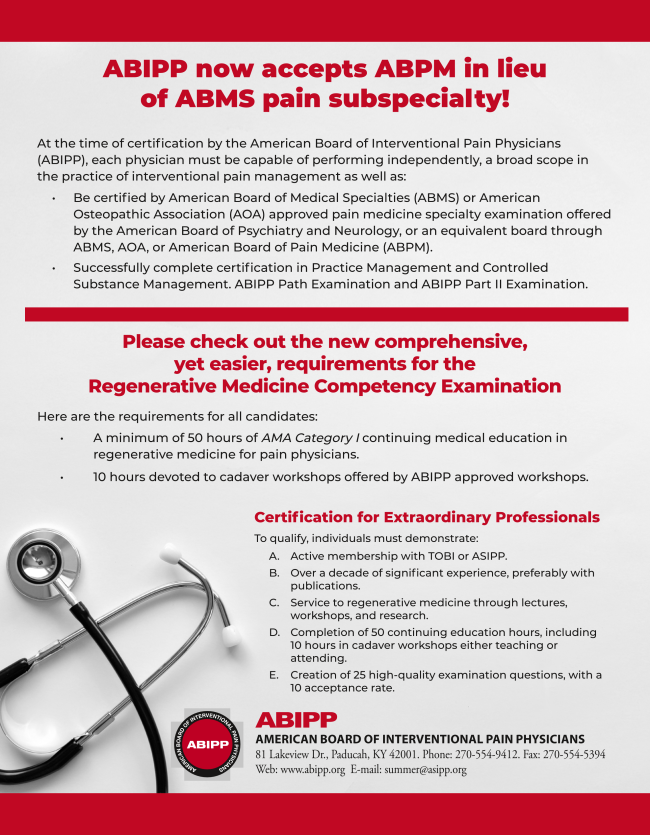
ABIPP Part I; ABIPP Path - Combined DCCPM/CSM virtual exam;
ABIPP Competency Exam in IPM; ABIPP Competency Exam in Regenerative Medicine;
CSM Competency Exam; DCCPM Competency Exam
In Person
October 18, 2024
ABIPP Part II - Practical Examination
Lab Venue: MERI, 44 S. Cleveland Street, Memphis, TN 38104
| |
Abstract
Spinal pain affects individuals of all ages and is the most common musculoskeletal problem globally. Its clinical management remains a challenge as the underlying mechanisms leading to it are still unclear.
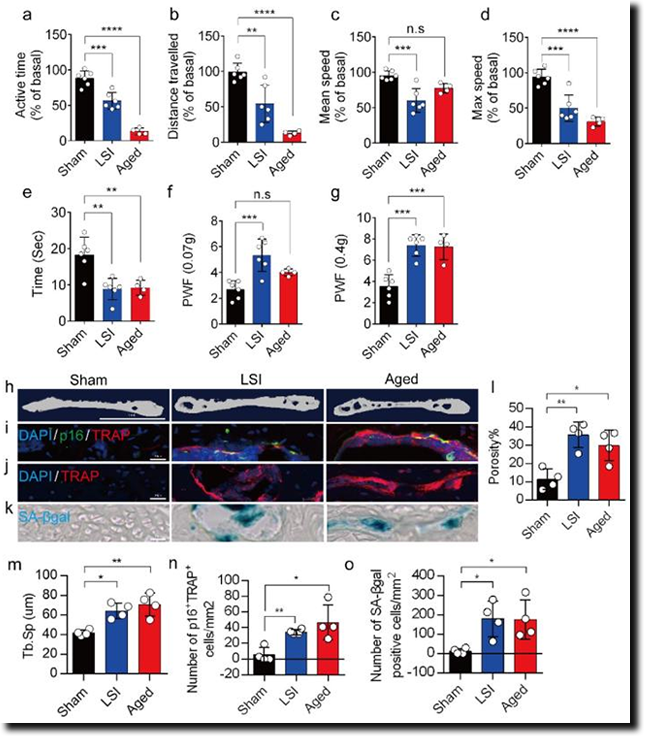
Here, we report that greater numbers of senescent osteoclasts (SnOCs) are observed in mouse models of spinal hypersensitivity, like lumbar spine instability (LSI) or aging, compared to controls. The larger population of SnOCs is associated with induced sensory nerve innervation, as well as the growth of H-type vessels, in the porous endplate. We show that deletion of senescent cells by administration of the senolytic drug Navitoclax (ABT263) results in significantly less spinal hypersensitivity, spinal degeneration, porosity of the endplate, sensory nerve innervation and H-type vessel growth in the endplate.
We also show that there is greater SnOC-mediated secretion of Netrin-1 and NGF, two well-established sensory nerve growth factors, compared to non-senescent OCs. These findings suggest that pharmacological elimination of SnOCs may be a potent therapy to treat spinal pain.
Read More
| |
Researchers made a breakthrough in understanding obesity’s impact on mitochondria, as detailed in a recent study.
They discovered that a high-fat diet causes fat cell mitochondria in mice to fragment into smaller, less efficient units, a process controlled by a single gene. By deleting this gene, the mice were protected from weight gain despite consuming the same high-fat diet.
This study offers new insights into the metabolic dysfunctions in obesity, paving the way for potential targeted therapies.
Read More
| |
|
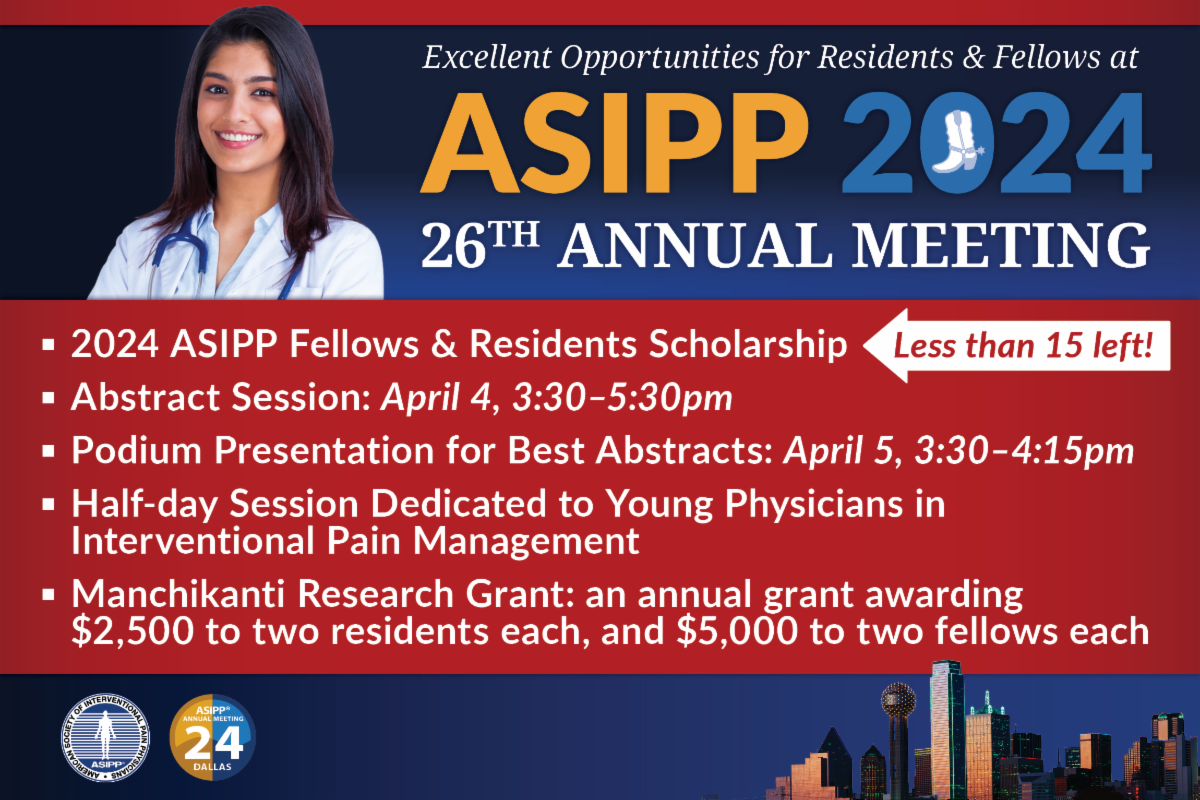
Excellent opportunities for Residents & Fellows
at ASIPP's 2024 Annual Meeting:
-
Resident & Fellow Scholarship — Limited to 100 - less than 15 left!
- Abstract Session (April 4, 3:30–5:30pm) and Podium Presentation for Best Abstracts during General Session (April 5, 3:30–4:15pm)
- Half-Day Session dedicated to Young Physicians in Interventional Pain Management
-
Manchikanti Research Grant, awarding $2,500 to two residents each, and $5,000 to two fellows each
| |
|
MedPAC chair discusses need to fix MA's confusing limitations, upcoding, and rising costs
Michael Chernew, PhD, chairs the influential Medicare Payment Advisory Commission (MedPAC), an independent 17-member panel appointed by the U.S. Comptroller General to advise Congress on Medicare policy.
MedPage Today recently interviewed Chernew by phone and email about growing concerns -- throughout the country and among commission members -- that private Medicare Advantage plans in some ways may be failing their mission to improve access to quality care and lower costs. These plans have become the dominant way beneficiaries receive health benefits.
Chernew, who is also a health policy professor and researcher at Harvard Medical School, said he was speaking from that role.
Read More
| |
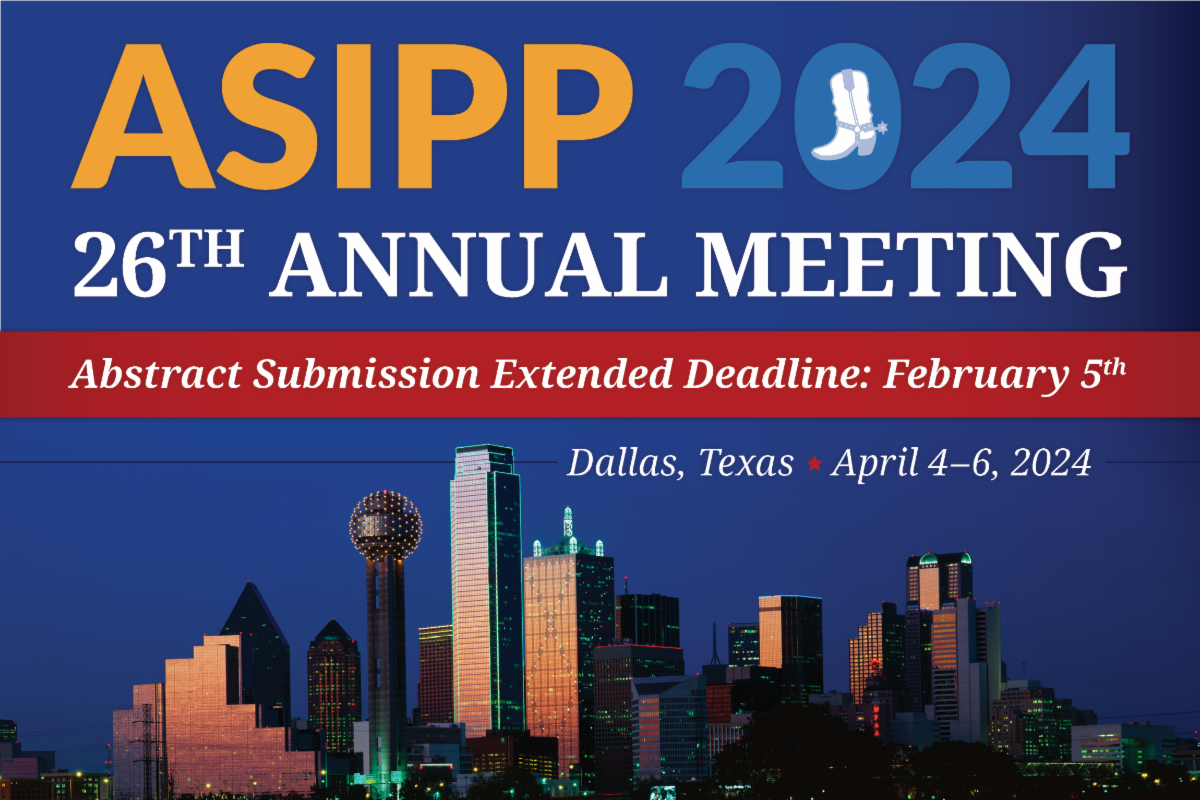
Abstract submissions are open for
ASIPP's 2024 Annual Meeting!
The submission deadline is February 5, 2024.
Don't miss your chance to be part of an exceptional event,
sharing insights and discoveries that shape the future of pain management.
| |
|
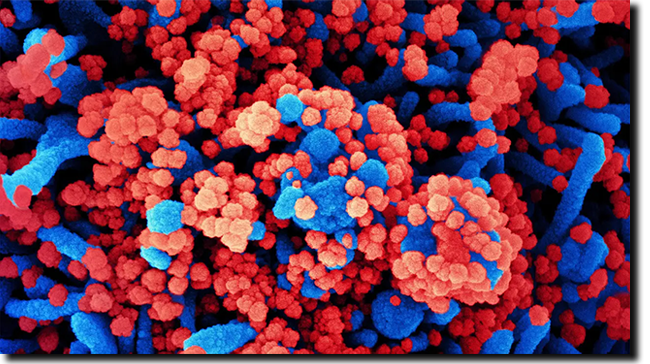
B-cell malignancies, B-cell treatments associated with longer duration of infection
Prolonged SARS-CoV-2 infection during the Omicron period was uncommon among patients who were moderately to severely immunocompromised, a prospective multicenter study found.
Among the 150 individuals included in the analysis, 25% had prolonged infection lasting 21 days or more as detected by RT-PCR, and only 8% had a positive viral culture at 21 days or beyond, Adam Lauring, MD, PhD, from the University of Michigan in Ann Arbor, and colleagues reported in Lancet Microbe.
Overall, the median time to a last positive SARS-CoV-2 test in immunocompromised patients was 9 days.
Read More
| |
ASIPP State Society Meetings | |
|
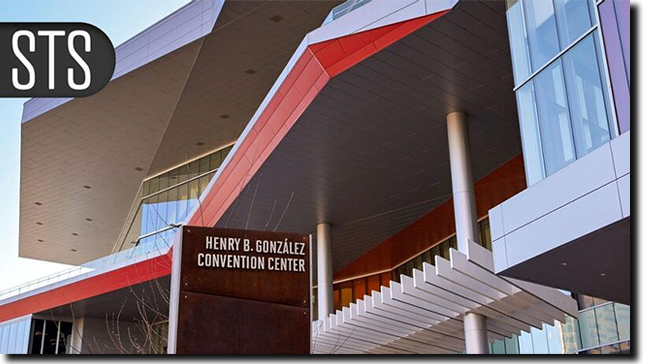
STS consensus statement on ethics, surgical criteria, transcatheter debulking
In response to the opioid epidemic, a primer to treating infective endocarditis (IE) specifically related to drug use was released by the Society of Thoracic Surgeons (STS).
A workforce on the surgical management of tricuspid endocarditis in patients who inject drugs cautioned against relying on vegetation size and microbiology as criteria for surgery in these patients. Also addressed are the ethics of performing multiple redo surgeries in drug users and transcatheter debulking (TCD).
"Intensive treatment for IE, including antimicrobials and surgery, is neither effective nor advantageous without targeting the underlying substance abuse disorder," said workforce representative Joshua Goldberg, MD, of Weill Cornell Medicine/NewYork-Presbyterian Hospital in New York City, here at the STS annual meeting. "Source control of substance abuse disorder is equally important as source control of the infection," he stressed.
Read More
| |
|
Save $250 on Your TOBI Conference Registration
by Completing Our Quick Survey
| | |
|
|
TOBI is dedicated to providing the best possible experience for our conference attendees—we ask that you complete this 60-second survey for us to better understand your preferences.
Those who complete the survey will receive a $250 discount on their TOBI Conference registration as our thanks!
*Discount unavailable for fellows, residents, and medical students
| |
Have patients who want to lose weight? Tell them to put on their dancing shoes.
Dancing can be an effective fat-loss tool for people who are overweight or have obesity, according to a recent meta-analysis in PLOS One. People who danced regularly lost about four more pounds — including three and a half pounds of fat — than those who didn't dance. They also shaved an extra inch off their waists.
Participants who danced three times a week for at least 3 months reaped maximum benefits. And the more they let loose, the better — more creative dance forms led to more pronounced improvements in body composition.
The study builds on previous research that suggests dance can be beneficial for weight loss and overall health. A 2017 meta-analysis found that dance significantly improved body composition, blood biomarkers, and musculoskeletal function. Other research has linked dance with improvements in cognitive function, mental health, and quality of life.
Read More
| |
- ASIPP Members Only Site Information - | |
-
To log in for the first time you will need to click “forgot password” at the bottom of the login window.
- Check your email and then log in as directed.
-
If you have problems logging into your account, click here.
| |
Pain Medicine Case Reports (PMCR) and Editor-in-Chief Alaa Abd-Elsayed, MD, PhD would like to invite you to submit case reports and case series to the PMCR journal. Your article will be published free of charge.
Open access journals are freely available online for immediate worldwide open access to the full text of published articles. There is no subscription fee for open access journals. Open access journals are no different from traditional subscription-based journals: they undergo the same peer-review and quality control as any other scholarly journal.
Interested in becoming a member of the PMCR Editorial Board?
Editorial board members are asked to review 2-6 manuscripts per year. Please submit your most up-to-date CV to sgold@asipp.org for consideration.
For more information or to submit your articles, click here.
| |
|
Vanessa Jane Chow, MBBS, Avinash Kumar Hari Narayanan, MBChB, MRes, Kavita Poply, FRCA, PhD, and Vivek Mehta, MD
Abstract
BACKGROUND: Spinal cord stimulation (SCS) is an emerging therapeutic intervention for intractable chronic pain. However, SCS surgery is not exempt from complications such as lead migration, infections, hardware malfunction and neurological deficits.
CASE REPORT: We present this case report on bilateral abducens nerve palsy, as a rare iatrogenic complication of SCS system insertion in a 65-year-old man with intractable chronic pain. After failing conservative treatment and explant, he underwent corrective strabismus surgery and achieved symptom control.
CONCLUSION: The case presents a diagnostic and management challenge due to the nature of his presentation, neuroimaging pitfalls and limited high-quality evidence for management. We recognize cranial nerve palsy as a potential, yet real, complication of SCS surgery, of which abducens nerve palsy presents significant detriment to patients lives. As SCS continues to expand in clinical practice, inevitably, so will its iatrogenic sequela signalling the need for greater recognition and formation high-quality evidence for efficacious management.
KEY WORDS: Spinal cord stimulation insertion, abducens nerve palsy, chronic pain, case report
Read More
| |
|
Fan Lu, MD, PhD, XueHan Li, MD, PhD, Li Song, MD, PhD, Ling Ye, MD, PhD, XiaoJia Wang, MD, PhD, and RuRong Wang, MD, PhD
Abstract
BACKGROUND: Splanchnic nerve neurolysis (SNN) is commonly used as an alternative pain control technique to celiac plexus neurolysis (CPN) in patients with distortion of anatomy, but the analgesic effect and relative risks of the 2 procedures remain controversial in general condition.
OBJECTIVES: The aim of this study was to evaluate the pain condition, safety, and symptom burden of SNN compared with CPN.
STUDY DESIGN: A systematic review and meta-analysis of neurolysis therapy for intractable cancer-related abdominal pain.
METHODS: A systematic search was performed for randomized controlled trials comparing SNN and CPN using the PubMed, Medline, Cochrane Library, Web of Science, Google Scholar, and China National Knowledge Infrastructure databases. Meta-analysis was performed using Stata Version 15.0. Outcomes included pain condition, opioid consumption, adverse effects, quality of life (QOL), and survival rate. Standardized mean difference (SMD) was calculated for continuous outcomes with its corresponding 95% CI.
LIMITATIONS: Study limitations include challenges to make subgroup analysis by intervention measures and addressing inevitable heterogeneity. Larger studies are needed for survival rates and further insights.
RESULTS: Seven studies involving 359 patients were included. No significant difference was found in pain condition at 2 weeks [SMD = 0.75, 95% CI (-0.25, 1.74), P > 0.05], 2 months [SMD = 1.10, 95% CI (-0.21, 2.40), P > 0.05] and 6 months [SMD = 0.53, 95% CI (-0.02, 1.08), P > 0.05] between SNN and CPN. Opioid consumption was comparable at 2 weeks [SMD = 0.57, 95% CI (-1.21, 2.34), P > 0.05] and one month [SMD = 0.37, 95% CI (-1.33, 2.07), P > 0.05]. However, SNN was associated with a statistically significant reduction in the opioid consumption at 2 months postoperatively [SMD = 0.99, 95% CI (0.68, 1.30), P < 0.05]. A systematic review was performed for adverse effects and QOL.
CONCLUSIONS: Our evidence supports that the analgesic effect of SNN is equivalent to that of CPN, independent of changes in the anatomical structure of the abdominal nerve plexus. SNN requires less use of opioids at 2 months and does not show greater improvement in pain burden compared to CPN.
KEY WORDS: Cancer pain, celiac plexus, meta-analysis, neurolysis, splanchnic nerve
Read More
| |
|
Guozhong Zhou, MD, Zhi Liang, MS, Fucun Gao, MS, Liqing Zhao, BS, Hongbing Gao, BS, Guoqing Xiao, BS, Jiang Xu, BS, Xuesong Chen, BS, and Chao Song, BS
Abstract
BACKGROUND: Calcified lumbar disc herniation (CLDH) is a subtype characterized by calcification, leading to increased surgical complexity. Percutaneous endoscopic lumbar discectomy (PELD) is a minimally invasive technique, but its effectiveness and complications in CLDH patients remain to be fully evaluated.
OBJECTIVE: To assess the effectiveness and complications of PELD in treating CLDH patients.
STUDY DESIGN: A retrospective cohort study combined with a systematic review and meta-analysis.
SETTING: Department of Pain Medicine, an affiliated hospital of a university.
METHODS: Data from patients who underwent PELD in our department between March 2020 and May 2021 were collected. Forty CLDH patients were included in the study group, and equally matched cases with uncalcified lumbar disc herniation (UCLDH) served as controls. A systematic search was conducted on October 5, 2022, using EMBASE, PubMed, Cochrane Library, the China Biology Medicine disk, the China National Knowledge Infrastructure, and the Wanfang databases, following the Preferred Reporting Items for Systematic Reviews and Meta-Analyses (PRISMA) guidelines. A random-effects model was used to calculate pooled results.
RESULTS: Eighty patients were included in the retrospective cohort, and 41 studies were included in the meta-analysis. Both the retrospective cohort and meta-analysis consistently showed a significant decrease in visual analog scale (VAS) and Oswestry Disability Index (ODI) scores in the CLDH group after the operation. In the retrospective cohort, the excellent or good rate according to the MacNab classification was 85%, with no reported complications. The meta-analysis revealed a pooled excellent or good rate of 91.8% and a low complication rate of 2.9%. Combining the findings from our retrospective cohort and meta-analysis, we observed that the CLDH group had longer operation times and slightly higher postoperative ODI scores compared to the UCLDH group.
LIMITATIONS: Small sample size and lack of long-term follow-up in the retrospective cohort, as well as limited inclusion of comparative studies in the meta-analysis.
CONCLUSION: PELD is an effective and safe treatment option for CLDH patients. In comparison to UCLDH patients, CLDH patients may experience longer operation times and slightly slower functional recovery than those with UCLDH.
KEY WORDS: Calcification, lumbar disc herniation, percutaneous endoscopic lumbar discectomy, effectiveness, complication
Read More
| |
|
ASIPP is now in collaboration with Curi Medical Liability Program
| |
|
Since this malpractice insurance program officially launched in November 2018, ASIPP has signed up hundreds of providers with an average savings of 30%. This is professional liability insurance tailored to our specialty and will stand up for us and defend our practices.
Curi is a full-service advisory firm that serves physicians and their practices. Their valued advice is grounded in your priorities and elevated in your outcomes. They are driven by a deep understanding of your specific circumstances in medicine, business, and life. To read a few important points to keep in mind about the program, including discounts, administrative defense, cyber coverage, aggressive claims handling, and complimentary risk management CME activities, visit our website.
| | |
|
Group Purchasing Organization Offer Better Pricing and Creates Added Value
ASIPP has formed a partnership with Henry Schein and PedsPal, a national GPO that has a successful history of negotiating better prices on medical supplies and creating value-added services for independent physicians. Working with MedAssets, PedsPal provides excellent pricing on products like contrast media that alleviate some of the financial pressures you experience today.
Learn More
| | |
|
ASIPP, Fedora Billing,
and Revenue Cycle Management Partnership
ASIPP is now offering our members the benefit of a unique revenue cycle management/ billing service.
We have received a tremendous amount of interest in the ASIPP® billing and coding program.
Click here to learn more about the negotiated rate for practices and more!
| |
|
Like and follow ASIPP® on Facebook, X, and LinkedIn for the most
up-to-date news related to you, your practice, and your patients!
| | | | |