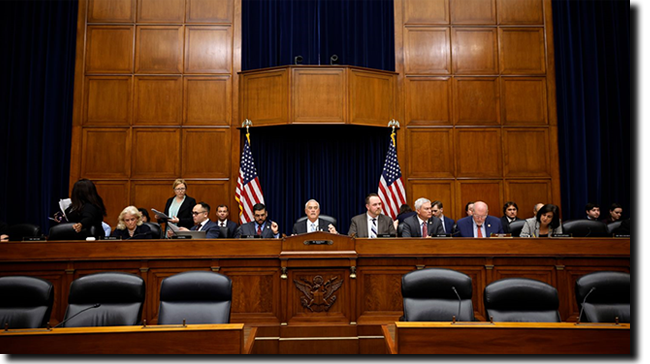
Republican-led House committee investigating broad aspects of the COVID-19 pandemic and its effects in the US released a final report Monday summarizing its two-year effort, saying it hoped the work would “serve as a road map for Congress, the Executive Branch, and the private sector to prepare for and respond to future pandemics.”
In the 520-page report, the House Select Subcommittee on the Coronavirus Pandemic concludes that the coronavirus “most likely emerged from a laboratory in Wuhan, China,” citing factors like biological characteristics of the virus and illnesses among researchers at the Wuhan Institute of Virology in fall 2019.
Most US intelligence agencies say the virus was not genetically engineered, but it is still not totally clear how the pandemic started. A US intelligence analysis released last year said either a laboratory or natural origin was possible, and the community remains split on the issue. The US Department of Energy assessed last year that it had “low confidence” in the lab leak theory. No US federal agency believes that the virus that causes Covid-19 was created as a bioweapon.
Read More
| |
Registration is open for
ASIPP's 2025 Annual Meeting
We would love it if you would register and join us in Orlando!
| |
|
About 44% of U.S. employers with 500 or more employees cover drugs for weight loss in 2024, up from 41% in 2023, according to a survey from consulting firm Mercer released on Wednesday.
Mercer also said 64% of U.S. employers with over 20,000 employees covered weight-loss drugs in 2024, compared with 56% last year.
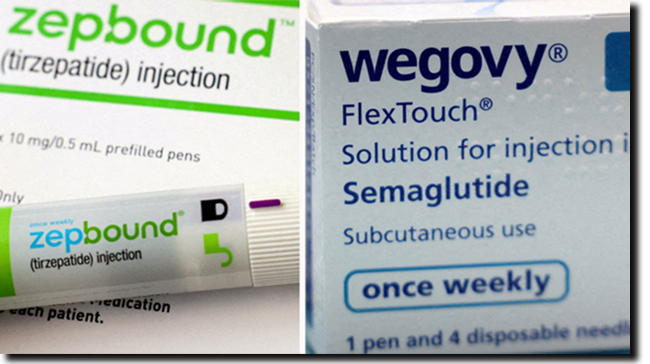
That includes the highly effective newer GLP-1 drugs Wegovy from Novo Nordisk (NOVOb.CO), and Eli Lilly's (LLY.N), Zepbound that have been shown in trials to reduce weight by 15% to 20%, as well as older drugs in the class that promote less weight loss, such as Novo's Saxenda.
Read More
| |
|
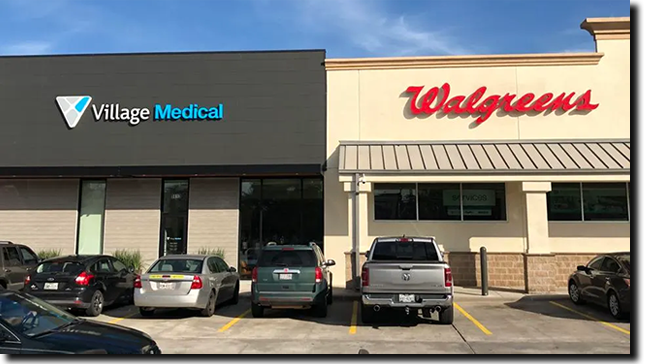
Barry has left VillageMD during a difficult time for the value-based medical group, which has dragged down the finances of majority owner Walgreens.
VillageMD spokesperson Molly Lynch did not provide details on why Barry is leaving VillageMD. But along with his departure, “VillageMD reaffirms its commitment to providing high-quality, accessible health care services for individuals and communities across the United States,” Lynch said in an emailed statement.
Barry founded VillageMD in 2013 as a network of medical providers that assumes financial risk for the healthcare outcomes of its patients. The Chicago-based group grew quickly, at its height operating hundreds of locations across the U.S. and sparking the interest of Walgreens as the retail giant looked to expand into direct healthcare delivery.
In 2020, Walgreens invested $1 billion in VillageMD before doubling down one year later, funneling an additional $5.2 billion into the value-based provider and bringing its total ownership to 63%.
Read More
| |
FREE REGISTRATION UNTIL DECEMBER 16!
Join CALSIPP before December 16 and attend the
Don’t miss this opportunity to connect with leaders in interventional pain,
learn cutting-edge techniques, and elevate your practice.
| |
|
Physician practice costs have increased throughout the year, a trend that could continue into the new year, according to data from Strata Decision Technology.
The investment needed to support a physician practice jumped 8.8% year over year in October to $332,887 per full-time equivalent physician, according to data based on information from 10,000 physician practices.
Here are five more insights from the report:
- Median direct expenses per physician hit $1.1 million annualized, up 9.8% year over year.
- Median net revenue per full time physician was up 9.1% to $726,691.
- Physician productivity increased 8.3% with work relative value units per full time physician hitting 6,311.97 for October.
- Median support staff per full time physician dropped 5.8% to 2.85 per 10,000 wRVUs.
- Over the last two years, the investment per physician has increased 17%.
Read More
| |
|
Virtual
December 14
Four (4) hour virtual exam
- ABIPP Path – Combined CCPM/ CSM Exam
For those with subspecialty in Pain Medicine
Two (2) hour virtual exam
- ABIPP Competency Exam in IPM
For those without primary board certification
Two (2) hour virtual exam
- ABIPP Competency Exam in Regenerative Medicine
Two (2) hour virtual exam
- Controlled Substance Management Competency Exam
Two (2) hour virtual exam
- Documentation, Coding, Compliance, Practice Management Competency Exam
Two (2) hour virtual exam
2025 Exam Dates Coming Soon!
| |
|
We must ensure AI advances in medicine in a way that's safe, fair, and beneficial for all
Microsoft's new artificial intelligence (AI)-powered healthcare suite plans to "shape a healthier future" through advances in everything from medical imaging to nursing workflows, painting a rosy picture of better patient care. Meanwhile, major health systems and medical schools from Yale to Harvard to the University of Michigan are exploring or rolling out AI initiatives to enhance care delivery and improve access.
Yet, as we stand at this technological crossroads, it's worth asking whether our enthusiasm for AI in healthcare might be outpacing our ability to navigate its potential pitfalls.
As a physician, I've seen both the benefits and limitations of AI-assisted triage. In my emergency department, we use AI to prioritize patients based on admission likelihood. While it helps with patient flow, it can miss complex cases, like an elderly patient on blood thinners with a head injury. For now, medical staff maintain significant oversight, meticulously double-checking AI-generated recommendations.
Read More
| |
Abstract submissions are open for
ASIPP's 2025 Annual Meeting!
The abstract submission deadline is March 10, 2025.
Don't miss this opportunity to share your insights
and help shape the future of pain management.
| |
|
Despite 4 years of med school and 3-7 years in residency, when you enter the workforce as a doctor, you still have much to learn. There is only so much your professors and attending physicians can pack in. Going forward, you’ll continue to learn on the job and via continuing education.
Some of that lifelong learning will involve soft skills — how to compassionately work with your patients and their families, for instance. Other lessons will get down to the business of medicine — the paperwork, the work/life balance, and the moral dilemmas you never saw coming. And still others will involve learning how to take care of yourself in the middle of seemingly endless hours on the job.
“We all have things we wish we had known upon starting our careers,” said Daniel Opris, MD, a primary care physician at Ohio-based Executive Medical Centers.
Read More
| |
- ASIPP Members Only Site Information - | |
-
To log in for the first time you will need to click “forgot password” at the bottom of the login window.
- Check your email and then log in as directed.
-
If you have problems logging into your account, click here.
| |
Or How to Seem Clever at Dinner Parties
You’re invited to a dinner party but you struggle to make small talk. Do not worry; you can use your knowledge of study design and epidemiology to impress people with your savoir faire regarding popular food myths that will invariably crop up over cocktails. Because all journalism has been reduced to listicles, here are four ways to seem clever at dinner parties.
1. The Predinner Cocktails: A Lesson in Reverse Causation
Wine connoisseurs sniff, swirl, and gently swish the wine in their mouths before spitting out and cleansing their palates to better appreciate the subtlety of each vintage. If you’re not an oenophile, no matter. Whenever somebody claims that moderate amounts of alcohol are good for your heart, this is your moment to pounce. Interject yourself in the conversation and tell everybody about reverse causation.
Reverse causation, also known as protopathic bias, involves misinterpreting the directionality of an association. You assume that X leads to Y, when in fact Y leads to X. Temporal paradoxes are useful plot devices in science fiction movies, but they have no place in medical research. In our bland world, cause must precede effect. As such, smoking leads to lung cancer; lung cancer doesn’t make you smoke more.
Read More
| | |
|  |
REGISTRATION
COMING SOON!
| | |
|
Pain Medicine Case Reports (PMCR) and Editor-in-Chief Alaa Abd-Elsayed, MD, PhD would like to invite you to submit case reports and case series to the PMCR journal. Your article will be published free of charge.
Open access journals are freely available online for immediate worldwide open access to the full text of published articles. There is no subscription fee for open access journals. Open access journals are no different from traditional subscription-based journals: they undergo the same peer review and quality control as any other scholarly journal.
Interested in becoming a member of the PMCR Editorial Board?
Editorial board members are asked to review 2-6 manuscripts per year. Please submit your most up-to-date CV to sgold@asipp.org for consideration.
For more information or to submit your articles, click here.
| |
|
Steven Kim, MD, Maryam Hosseini, MD, and Hesham Elsharkawy, MD
Abstract
BACKGROUND: Occipital neuralgia (ON) is a common headache syndrome characterized by sharp, shooting pain affecting the posterior head in the distribution of the occipital nerve. It is associated with debilitating symptoms that can severely impact a patient’s quality of life. We report the use of peripheral nerve stimulation (PNS) for ON with a nonconventional, parallel technique.
CASE REPORT: A patient in their late 20s presented with persistent headaches and ON after a posterior occipitocervical fusion secondary to a C2 burst fracture because of a motor vehicle accident. Multiple modalities for pain treatment were tried without relief. Patient was considered a candidate for PNS. The patient first underwent a trial implantation. Using ultrasound and fluoroscopy, an 8-lead, Curonix stimulator lead was placed parallel to the nerve, entry from caudal to cranial. At follow-up, the patient reported nearly 100% pain relief. Patient proceeded with a 4-tined leads permanent PNS implant. Patient reported near absence of pain at 3-month, 6-month, and one-year follow-ups.
CONCLUSIONS: We demonstrate a unique approach of peripheral nerve implantation for the treatment of ON, specifically with the stimulator lead parallel vs commonly used perpendicular to the occipital nerve. This case demonstrates why a parallel technique may be a feasible method with better outcomes.
KEY WORDS: Occipital neuralgia, greater occipital nerve, lesser occipital nerve, peripheral nerve stimulation, activities of daily living
Read More
| |
|
Laxmaiah Manchikanti, MD, Vidyasagar Pampati, MSc, Mahendra R. Sanapati, MD, Devi E. Nampiaparampil, MD, Nebojsa Nick Knezevic, MD, PhD, Alan D. Kaye, MD, PhD, Amol Soin, MD, Christopher G. Gharibo, MD, Alaa Abd-Elsayed, MD, and Joshua A. Hirsch, MD
Abstract
BACKGROUND: Numerous studies have highlighted the escalating costs associated with managing low back and neck pain, as well as other musculoskeletal disorders. In the past, there was a notable increase in the use of interventional techniques to address these disorders. However, the COVID-19 pandemic disrupted various chronic pain treatment approaches, including interventional procedures and opioid use, following a broader trend of reduced healthcare services. Consequently, there was an 18.7% decline in the use of interventional techniques per 100,000 Medicare beneficiaries between 2019 and 2020, a stark contrast to the previous growth patterns, despite some initial declines observed starting in 2017.
OBJECTIVES: This analysis aims to provide an updated evaluation of the utilization of interventional techniques for chronic pain management in the U.S. Medicare population.
STUDY DESIGN: A retrospective cohort study examining utilization patterns and factors affecting interventional techniques for chronic pain management in the FFS Medicare population in the United States from 2000 to 2022.
METHODS: Data for this analysis was obtained from the Centers for Medicare & Medicaid Services (CMS) master database, specifically the physician/supplier procedure summary, spanning the years 2000 to 2022.
RESULTS: This retrospective cohort study found that the rate of interventional pain management services per 100,000 Medicare beneficiaries showed a cumulative decline between 2019 and 2022 of 28.9%, with an annual decrease of 10.7%. This contrasts sharply with the 2010-2019 period, which saw a small annual decline of 0.4%. Particularly significant was the sharp reduction of 18.7% from 2019 to 2020, coinciding with the pandemic. From 2020 to 2021, the decline slowed to 1.1%, before accelerating again with an 11.5% drop between 2021 and 2022.
LIMITATIONS: Data were available only through 2022 and were limited to the FFS Medicare population; utilization patterns for Medicare Advantage Plans, which accounted for nearly 50% of Medicare enrollment in 2022, were not included. Additionally, this analysis shares the inherent limitations of all retrospective reviews based on claims data.
CONCLUSION: This retrospective analysis demonstrates a significant reduction in the use of interventional pain management techniques from 2019 to 2022. Contributing factors to this decline likely include the lasting effects of COVID-19, economic challenges, the Affordable Care Act (ACA), and evolving local coverage determination policies.
KEY WORDS: Interventional pain management, chronic spinal pain, interventional techniques, epidural injections, adhesiolysis, facet joint interventions, sacroiliac joint injections, disc procedures, other types of nerve blocks, economic decline, Affordable Care Act (ACA)
Read More
| |
|
Yihang Li, MD, Xinying Yue, MD, Shuang Liang, MD, Fei Ren, MD, PhD, Qulian Guo, MD, PhD, and Wangyuan Zou, MD, PhD
Abstract
BACKGROUND: Because of its side effects, a morphine replacement has been searched for in the field of postoperative analgesia. Hydromorphone is a derivative of morphine with no active metabolites.
OBJECTIVES: We conducted a meta-analysis of hydromorphone and morphine to compare their clinical effects in postoperative analgesia.
STUDY DESIGN: Systematic review and meta-analysis.
METHODS: The methodological quality of the studies included in this meta-analysis was assessed according to the Cochrane risk-of-bias tool. The Grading of Recommendations Assessment, Development and Evaluation (GRADE) criteria were used to evaluate the quality of evidence and recommendation grade for inclusion of randomized controlled trials. The primary outcome was postoperative pain score. Secondary outcomes were severe sedation, nausea, vomiting, and pruritus. The meta-analysis was performed using RevMan 5.4 (The Nordic Cochrane Centre for The Cochrane Collaboration).
RESULTS: Eight randomized controlled trials comprising 833 patients were found. There was no significant difference in pain scores between the hydromorphone and morphine groups at any measured postoperative time point: 8 hours (mean difference [MD] = -0.42; 95%CI, -2.08 to 1.24; P = 0.62); 12 hours (MD = -0.19; 95%CI, -0.62 to 0.24; P = 0.39); 24 hours (MD = -0.22; 95%CI, -0.54 to 0.09; P = 0.17); 36 hours (MD = 0.01; 95%CI, -0.67 to 0.69; P = 0.98) and 48 hours (MD = -0.14; 95%CI, -1.25 to 0.96; P = 0.80). There was no significant difference in the incidence of nausea and vomiting at 24 hours postoperative. The incidence of pruritus at 24 hours postoperative was lower in the hydromorphone group (relative risk = 0.24; 95%CI, 0.09 to 0.66; P = 0.005).
LIMITATIONS: The perioperative multimodal analgesia measures were varying in the included studies, such as different medication doses. The sample size was small for some outcomes and high heterogeneity was observed.
CONCLUSIONS: There was no significant statistical difference in postoperative analgesic effect between hydromorphone and morphine, as well as side effects, including severe sedation, nausea, and vomiting at 24 hours postoperative. However, the incidence of pruritus was lower in the hydromorphone group at 24 hours postoperative.
KEY WORDS: Hydromorphone, morphine, analgesia, intravenous, epidural, systematic review, meta-analysis, randomized controlled trial
Read More
| |
|
ASIPP is now in collaboration with Curi Medical Liability Program
| |
|
Since this malpractice insurance program officially launched in November 2018, ASIPP has signed up hundreds of providers with an average savings of 30%. This is professional liability insurance tailored to our specialty and will stand up for us and defend our practices.
Curi is a full-service advisory firm that serves physicians and their practices. Their valued advice is grounded in your priorities and elevated in your outcomes. They are driven by a deep understanding of your specific circumstances in medicine, business, and life. To read a few important points to keep in mind about the program, including discounts, administrative defense, cyber coverage, aggressive claims handling, and complimentary risk management CME activities, visit our website.
| | |
|
Group Purchasing Organization Offer Better Pricing and Creates Added Value
ASIPP has formed a partnership with Henry Schein and PedsPal, a national GPO that has a successful history of negotiating better prices on medical supplies and creating value-added services for independent physicians. Working with MedAssets, PedsPal provides excellent pricing on products like contrast media that alleviate some of the financial pressures you experience today.
Learn More
| | |
|
ASIPP, Fedora Healthcare Solutions Partnership
ASIPP offers our members the benefit of a unique revenue cycle management/ billing service.
We have received a tremendous amount of interest in the ASIPP billing and coding program.
Click here to learn more about the negotiated rate for practices and more!
| |
|
Like and follow ASIPP® on Facebook, X, and LinkedIn for the most
up-to-date news related to you, your practice, and your patients!
| | | | |