|
20 patients became ill after receiving contaminated umbilical cord stem cell products
The former CEO of Liveyon -- the stem cell company whose contaminated products sickened at least 20 people -- has pleaded guilty to felony charges, according to the U.S. Department of Justice (DOJ).
John Kosolcharoen, who is currently in custody serving a sentence for an unrelated conviction, pleaded guilty to introducing unapproved new drugs into interstate commerce with intent to defraud and mislead, prosecutors said. He will be sentenced on September 23.
It's one of the only federal criminal cases around stem cell marketing "even as hundreds of firms have potentially violated the law," Paul Knoepfler, PhD, of the University of California Davis, wrote on his stem cell blog, The Niche.
Read More
| |
Fear shouldn't drive medical intervention
by W. Robert Graham, MD
I'm a retired doctor who walks about 8 miles on some rural roads each morning. People sometimes stop to ask me medical questions. Some call me, "The Street Doctor."
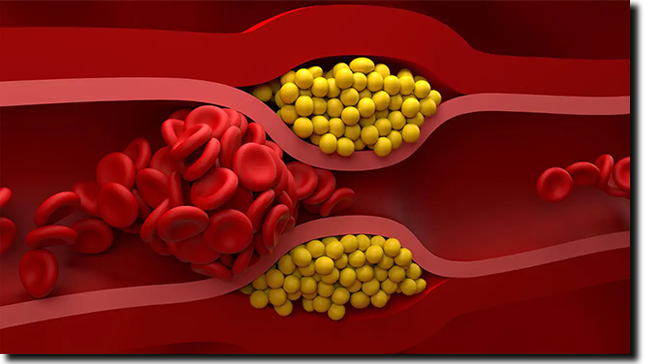
Last week, a 72-year-old man stopped to tell me about his heart condition. He said he had a stress test that was positive and then had a cardiac catheterization (cath), which showed a 99% blockage of the "widowmaker." He said he had bypass surgery scheduled in 5 days.
I asked, "Are you having any symptoms?"
"No, he said, I feel fine. My primary care doctor thought I should have a stress test to check on things. Now they say I'm about to die."
Read More
| |
|
Simplified and more aggressive targets are among the significant changes to the updated hypertension guidelines released by the European Society of Cardiology.
For most treated patients, the new systolic blood pressure goal is a target of 120 mm Hg to 129 mm Hg, which is a move away from the previous two-step recommendation.
Although the updated guidelines, presented here at the ESC Congress, continue to define hypertension as a systolic BP of at least 140 mm Hg and a diastolic BP of at least 90 mm Hg, there is a new category — elevated BP. This is defined as a systolic BP of 120 mm Hg to 139 mm Hg or a diastolic BP of 70 mm Hg to 89 mm Hg, and cardiovascular risk assessment is advised to guide treatment, particularly in patients with a BP of at least 130/80 mm Hg.
Read More
| |
|
Nonphysician providers such as nurse practitioners and physician assistants are an essential part of the physician-led care team and can help health care organizations and physician practices deliver high-quality care.
But it is easier than ever for patients and the public to get confused about who does what in health care, and mixed up about what distinguishes the training and skill of physicians from those of other health professionals.
That is especially the case given the relentless efforts to expand the scope of practice for nonphysician providers, which has been dubbed scope creep. Such legislative or regulatory changes would inappropriately permit nonphysician providers to deliver care without doctor supervision, prescribe medications to patients, or even perform surgery—all without attending medical school and despite data that shows such scope expansions can increase patient safety risks and health care costs.
Read More
| |
|
Key Points
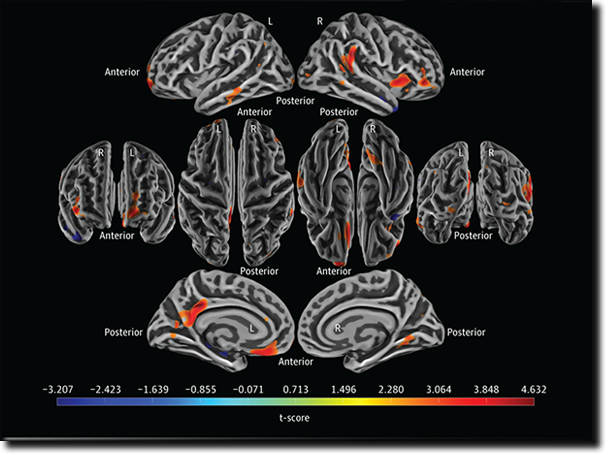
Question: Are emerging depressive symptoms in cognitively unimpaired older adults associated with early regional amyloid accumulation?
Findings: In this cohort study using longitudinal data from 154 older adults who were cognitively unimpaired and had mild or no depressive symptoms at baseline, increasing depressive symptoms were associated with early amyloid accumulation in brain regions involved in emotional control, independent of cognitive performance.
Meaning: These findings suggest that increasing depressive symptoms in older adults may be associated with increasing regional Alzheimer disease pathology, which has implications for recognizing individuals in preclinical Alzheimer disease stages who may be candidates for disease-modifying treatments and for considering depression treatment to prevent dementia.
Read More
| |
|
Virtual
September 28, October 26,
November 9 & December 14
Click here for the complete list of upcoming exams.
ABIPP Part I; ABIPP Path - Combined DCCPM/CSM virtual exam;
ABIPP Competency Exam in IPM; ABIPP Competency Exam in Regenerative Medicine;
CSM Competency Exam; DCCPM Competency Exam
In Person
October 18, 2024
ABIPP Part II - Practical Examination
Lab Venue: MERI, 44 S. Cleveland Street, Memphis, TN 38104
| |
|
Thirty-three states this year have had confirmed cases of West Nile virus, a mosquito-borne disease with no vaccine or treatment.
So far in 2024, there have been 289 cases of West Nile virus in the U.S., and two-thirds of them have been serious cases with neurological effects like brain swelling or, in rare instances, respiratory paralysis. The high-risk season for West Nile virus is just getting underway. Usually, the nation sees about 2,200 cases annually. Last year, the virus was linked to 182 deaths.
There is no vaccine for West Nile virus, and treatment for people infected consists only of supportive measures like receiving fluids, pain medicine, or help breathing.
Of all West Nile cases reported to the CDC from 1999 to 2023, 40% were among people age 60 or older.
Read More
| |
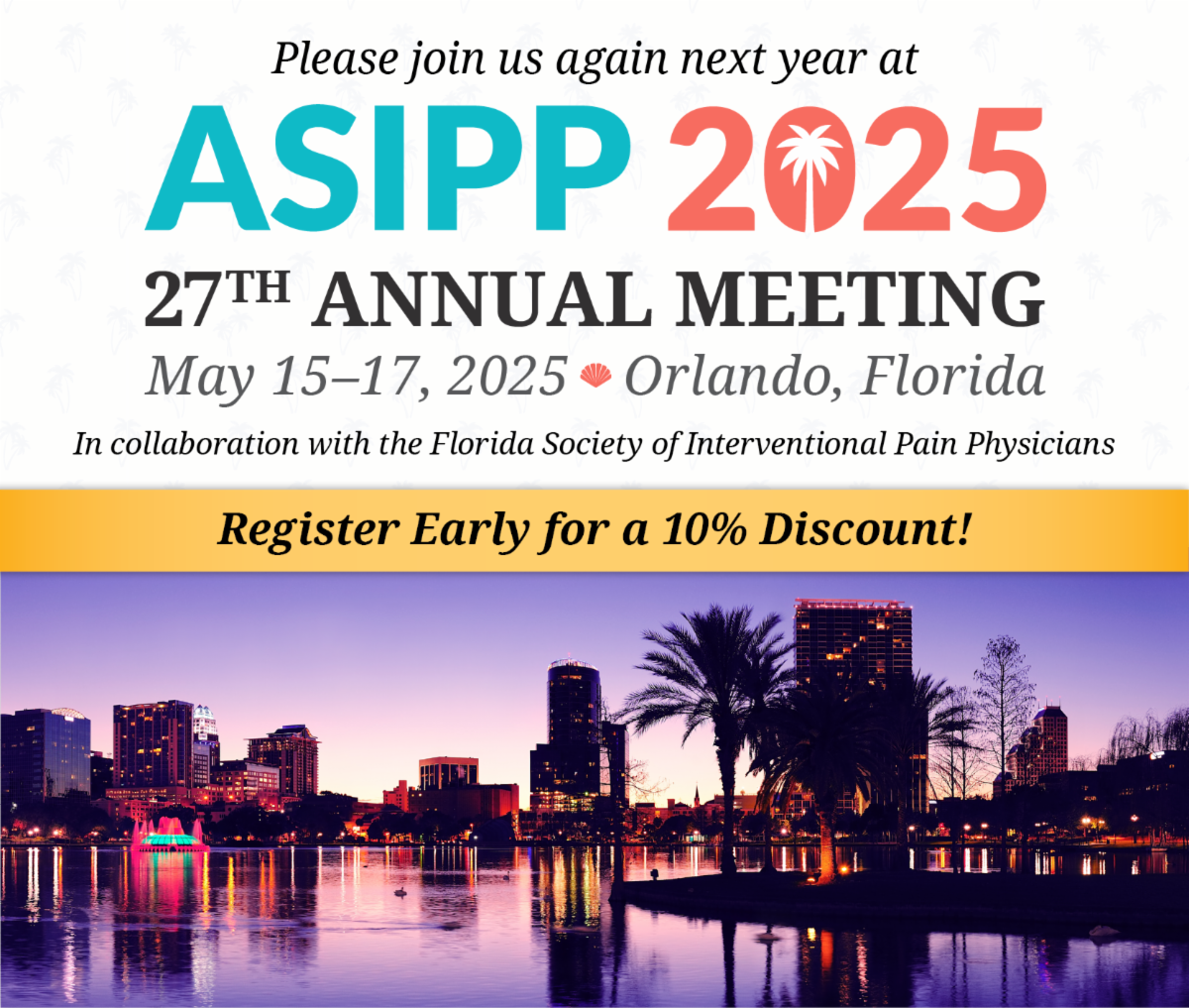
Registration is open for
ASIPP's 2025 Annual Meeting
We would love it if you would register and join us in Orlando!
| |
|
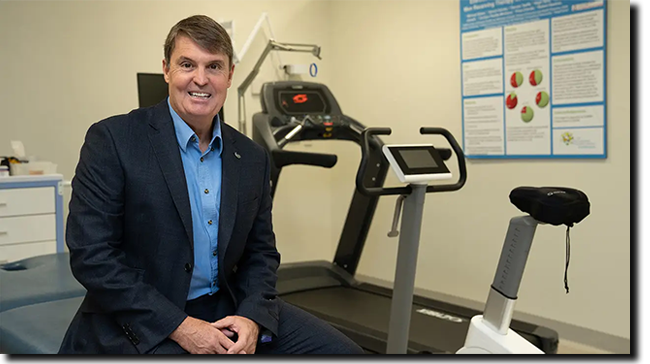
A deep dive with Rob Newton, a pioneer in the field of exercise oncology
The saying, "Let food be thy medicine, and medicine be thy food," has been attributed to the Greek physician Hippocrates, who is considered the father of Western medicine.
Rob Newton, PhD, DSc, a pioneering Australian exercise physiologist, has a different take: "Let exercise be thy medicine, and medicine be thy exercise." Newton has been a pioneer in the emerging field of exercise oncology, which uses physical fitness to enhance the lives of people with cancer.
In 2004, Newton founded the Exercise Medicine Research Institute at Edith Cowan University in Perth, Australia. And earlier this year, at the meeting of the American College of Sports Medicine in Boston, Newton and other leading researchers and clinicians in the field launched the International Society of Exercise Oncology, which is aimed at advancing the science and practice of exercise medicine as a treatment for people with cancer and for cancer survivors.
Read More
| |
ASIPP State Society Meeting: | |
|
Abstract
Background: High-sensitivity C-reactive protein (CRP), low-density lipoprotein (LDL) cholesterol, and lipoprotein(a) levels contribute to 5-year and 10-year predictions of cardiovascular risk and represent distinct pathways for pharmacologic intervention. More information about the usefulness of these biomarkers for predicting cardiovascular risk over longer periods of time in women is needed because early-life intervention represents an important risk-reduction method.
Methods: We measured high-sensitivity CRP, LDL cholesterol, and lipoprotein(a) levels at baseline in 27,939 initially healthy U.S. women who were subsequently followed for 30 years. The primary end point was a first major adverse cardiovascular event, which was a composite of myocardial infarction, coronary revascularization, stroke, or death from cardiovascular causes. We calculated the adjusted hazard ratios and 95% confidence intervals across quintiles of each biomarker, along with 30-year cumulative incidence curves adjusted for age and competing risks.
Results: The mean age of the participants at baseline was 54.7 years. During the 30-year follow-up, 3662 first major cardiovascular events occurred. Quintiles of increasing baseline levels of high-sensitivity CRP, LDL cholesterol, and lipoprotein(a) all predicted 30-year risks.
Read More
| |
- ASIPP Members Only Site Information - | |
-
To log in for the first time you will need to click “forgot password” at the bottom of the login window.
- Check your email and then log in as directed.
-
If you have problems logging into your account, click here.
| |
|
We must develop multi-disciplinary safety standards for ketamine clinics
"I'll Be There For You," the iconic theme song of the TV show "Friends," is fondly etched in our memories, along with the lively cast that became a household name, bringing laughter and joy into our lives. The show's popularity makes the tragic and untimely loss of "Friends" star Matthew Perry on October 28, 2023, even tougher to swallow. The details that have since emerged are deeply concerning, particularly regarding the role of ketamine -- a medication implicated in his death -- and the complexity of his underlying medical conditions.
In light of the recent arrest of five people -- three of whom have already pleaded guilty in the conspiracy -- tied to the legal investigations into Perry's death, the dangers of injectable ketamine administration by non-healthcare professionals and in non-traditional healthcare settings are evident. Approved as a general anesthetic in the 1970s, ketamine is used to provide sedation and pain relief, but it also has the potential to cause death. There is no safe, standardized dosing formula for injectable ketamine outside of a healthcare setting.
The Need for Standards and Protocols
The use of any anesthetic medications outside of clinical settings is unsafe and can be lethal. This is a critical point given the proliferation of for-profit ketamine clinics in recent years. These clinics are providing treatment with ketamine in off-label uses for mental health disorders and chronic pain. But the treatment providers at these clinics, as well as the patients, are in a gray area with regard to proper training and appropriate indications for use. It is time for the development of clear standards and best practices to ensure patient safety with this controlled substance.
Read More
| |
|
Pain Medicine Case Reports (PMCR) and Editor-in-Chief Alaa Abd-Elsayed, MD, PhD would like to invite you to submit case reports and case series to the PMCR journal. Your article will be published free of charge.
Open access journals are freely available online for immediate worldwide open access to the full text of published articles. There is no subscription fee for open access journals. Open access journals are no different from traditional subscription-based journals: they undergo the same peer review and quality control as any other scholarly journal.
Interested in becoming a member of the PMCR Editorial Board?
Editorial board members are asked to review 2-6 manuscripts per year. Please submit your most up-to-date CV to sgold@asipp.org for consideration.
For more information or to submit your articles, click here.
| |
|
Sajal Kulhari, BS, Nafis Eghrari, BS, Matthew Chen, BA, Nikhil Grandhi, MD, and Chong Kim, MD
Abstract
BACKGROUND: Chronic knee pain (CKP) is common, and one of the treatment options includes the targeting of the genicular nerves with radiofrequency ablation (RFA). RFA of the genicular nerve or genicular nerve ablation (GNA) for CKP, traditionally includes several nerves, the superior lateral, superior medial, and inferior medial. More recently, other nerves, such as the infrapatellar branch of the saphenous nerve (IFBS), have been investigated.
CASE REPORT: Four patients with mostly refractory inferior medial CKP who were all nonresponsive to conservative treatments were evaluated for treatment for GNA. All the patients underwent traditional genicular nerve blocks (superior lateral, superior medial, and inferior medial) under fluoroscopy and failed to obtain relief of > 50%. Subsequently, these 4 patients underwent successful IFBS nerve blocks and RFA.
CONCLUSIONS: GNA is a treatment option for patients with CKP. Despite the growing evidence of support for GNA, other targets, such as the IFBS, may be more appropriate to include or target specifically and may be considered based on the location of pain or response to traditional targets.
KEY WORDS: Chronic knee pain, infrapatellar branch of the saphenous, radiofrequency ablation, case report
Read More
| |
|
Samuel Adida, MS, Suchet Taori, BA, Anthony Tang, BS, Victoria R. Wong, BA, Roberta K. Sefcik, MD, Xiaoran Zhang, MD, and Peter C. Gerszten, MD
Abstract
BACKGROUND: Balloon-assisted kyphoplasty (BAK) is a minimally invasive procedure to treat vertebral compression fractures (VCF). BAK not only restores vertebral height and corrects kyphotic deformity by cement augmentation, but it also may alter spinal biomechanics, leading to subsequent adjacent level VCFs.
OBJECTIVES: This study aims to investigate the timing, location, and incidence of new VCFs following BAK and identify the risk factors associated with their occurrence.
STUDY DESIGN: Single-institution observational study.
METHODS: A prospectively collected cohort of 1,318 patients who underwent BAK by a single-surgeon from 2001 through 2022 was analyzed. The patients had pain that was unresponsive to nonsurgical management and a VCF secondary to osteoporosis, trauma, or neoplasm. The time between the index and subsequent fracture, fracture level, number of initial fractures, age, body mass index (BMI), tobacco use, and chronic corticosteroid use were recorded.
RESULTS: Of 1,318 patients, 204 (15.5%) patients underwent a second BAK procedure an average of 373 days following BAK (range: 2–3,235 days). Third, fourth, and fifth procedures were less common (45, 12, and 6 patients, respectively). A total of 142 patients (69.6%) developed a subsequent fracture adjacent to the index level; adjacent and remote level fractures developed at different times (mean: 282 vs 581 days, P = 0.001). Patients treated for multiple VCFs in a single surgery were more likely to develop subsequent VCFs (P = 0.024) and at adjacent levels (P = 0.007). Subsequent VCFs were associated with older age (P < 0.001), women (P = 0.045), osteoporosis (P < 0.001), and chronic corticosteroid use (P < 0.001). A subgroup analysis of 812 (61.6%) patients who underwent BAK for degenerative indications revealed that osteoporosis (b = 0.09; 95% CI, 0.03–0.16; P = 0.005) and chronic corticosteroid use (b = 0.06; 95% CI, 0–0.11; P = 0.055) were associated with adjacent level fracture. For the entire cohort, almost every patient treated for both a thoracic and lumbar fracture (92.3%) developed an adjacent level second fracture (P = 0.005).
LIMITATIONS: The true incidence of post-BAK fractures may be underestimated as surveillance is not routine in asymptomatic or osteoporotic patients.
CONCLUSIONS: Symptomatic post-BAK VCFs are infrequent and may occur long after the initial procedure. Nearly two-thirds of subsequent fractures in our study occurred adjacent to the initially treated level; almost every patient who suffered thoracic and lumbar fractures at the same time developed an adjacent level second fracture. Additionally, osteoporosis and chronic corticosteroid use were associated with adjacent level fractures in patients who underwent surgery for degenerative indications.
KEY WORDS: Kyphoplasty, balloon-assisted kyphoplasty, cement augmentation, osteoporosis, spine fracture, compression fracture, adjacent level fracture
Read More
| |
|
Alexandra M. Moreira, MD, Lorenzo Diaz, DO, Jonathan Presley, MD, Andrea Solorzano, BS, Chris Diaz, BS, Kerstin Yu, BS, Eduard Tiozzo, PhD, Alberto Cruz, MPH, and Chane Price, MD
Abstract
BACKGROUND: Particulate steroids are thought to exert their effects for long durations at injection sites. However, these types of steroids carry higher risks when used in epidural steroid injections. Catastrophic spinal cord complications, including sudden-onset paraplegia, have been reported due to intravascular particulate steroid preparations that cause embolisms and occlusion of blood vessels, resulting in spinal cord infarctions. Clinicians, therefore, recommend nonparticulate steroids to mitigate these adverse events. To our knowledge, this is the first retrospective study that addresses the effectiveness and safety of methylprednisolone, dexamethasone, and betamethasone when used in transforaminal epidural steroid injections (TFESIs) for the treatment of lumbar radiculopathy.
OBJECTIVES: The primary goal of this study was to compare the proportion of patients who received injections of particulate steroids and required zero repeat injections within 12 months of their initial injection to the proportion of patients who received injections of nonparticulate steroids and also required zero repeat injections, as well as to compare the number of patients in the particulate cohort who required one or more repeat injections within 12 months of their initial injection to the number of patients in the nonparticulate cohort who required the same. The secondary goal was to evaluate the proportion of patients ultimately requiring surgery.
STUDY DESIGN: This is a single-center, IRB-approved, retrospective study evaluating the safety and effectiveness of nonparticulate as compared to particulate steroid medications when used in TFESIs as minimally invasive treatments for chronic lumbar radiculopathy.
SETTING: This study captured data (n = 1717) over a 4-year time frame (01/15/2018 to 01/15/2022).
METHODS: The following data were collected from each patient’s chart: age, gender, BMI, race, date of initial injection, number of repeat injections at the same lumbosacral level and on the same side within 12 months of the initial injection, and lumbar surgery date (if applicable). Inclusion criteria included: 1) having chronic low back pain of radicular etiology; 2) being at least 18 years old; 3) having experienced the failure of conservative therapy after 12 weeks (including physical therapy and/or medications); 4) having positive physical exam findings supporting nerve impingement (straight leg raise, slump test); and 5) showing lumbar MRI evidence of nerve impingement from disc herniation. Exclusion criteria included: 1) having received prior lumbar surgery at any level (L1-S1); 2) having been given prior TFESIs fewer than 6 months prior to initial injection; 3) having contracted a systemic infection at the proposed injection site; 4) undergoing active cancer treatment; and 5) having gotten any other spine injections.
RESULTS: A significantly greater proportion of patients in the nonparticulate steroid cohort received 0 repeat injections (87.5% vs 71.4%, P < 0.001). The particulate steroid cohort demonstrated a significantly greater proportion of patients who received repeat injections within 12 months after the initial injections (12.5% vs 29.6%, P < 0.001). There were no significant differences among patients requiring surgery between the 2 cohorts. Other outcome measures included the identification of risk factors significantly associated with repeat injections. There was a statistically significant weak positive correlation between age and repeat injections (Pearson corr = 0.102; P < 0.001) and a weak negative correlation between ethnicity/race and repeat injections (point-biserial corr = -0.093; P < 0.001). No adverse events were reported.
LIMITATIONS: Not all clinicians included in this study used each of the 3 steroid types, and all clinicians used either particulate or nonparticulate steroids exclusively.
CONCLUSIONS: Our study demonstrates that the clinical outcomes associated with TFESIs of nonparticulate steroids are superior to those associated with TFESIs of particulate steroids when either variety of medication is used to treat lumbar radiculopathy. This is the first study to include a clinically useful predictive model using information on laterality, age, and steroid type.
KEY WORDS: Interventional spine, epidural steroid injections, pain medicine
Read More
| |
|
ASIPP is now in collaboration with Curi Medical Liability Program
| |
|
Since this malpractice insurance program officially launched in November 2018, ASIPP has signed up hundreds of providers with an average savings of 30%. This is professional liability insurance tailored to our specialty and will stand up for us and defend our practices.
Curi is a full-service advisory firm that serves physicians and their practices. Their valued advice is grounded in your priorities and elevated in your outcomes. They are driven by a deep understanding of your specific circumstances in medicine, business, and life. To read a few important points to keep in mind about the program, including discounts, administrative defense, cyber coverage, aggressive claims handling, and complimentary risk management CME activities, visit our website.
| | |
|
Group Purchasing Organization Offer Better Pricing and Creates Added Value
ASIPP has formed a partnership with Henry Schein and PedsPal, a national GPO that has a successful history of negotiating better prices on medical supplies and creating value-added services for independent physicians. Working with MedAssets, PedsPal provides excellent pricing on products like contrast media that alleviate some of the financial pressures you experience today.
Learn More
| |  |
|
ASIPP, Fedora Healthcare Solutions Partnership
ASIPP offers our members the benefit of a unique revenue cycle management/ billing service.
We have received a tremendous amount of interest in the ASIPP billing and coding program.
Click here to learn more about the negotiated rate for practices and more!
| |
|
Like and follow ASIPP® on Facebook, X, and LinkedIn for the most
up-to-date news related to you, your practice, and your patients!
| | | | |