|
ASIPP Submits Comments on the 2024 Physician Fee Schedule
ASIPP emphasized multiple factors and issues:
- Telehealth Services
- Conversion Factor
- Determination of Practice Expense (PE) Relative Value Units (RVUs)
- Treatment of Opioid Use Disorder (OUD)
- Electronic Prescribing of Controlled Substances (EPCS)
- CY 2024 Medicare Physician Payment Schedule Updates to the Quality Payment Program (QPP)
For detailed comments, please click here to see ASIPP’s letter.
ASIPP and SIPMS Submit Comments
on the ASC Payment Rule
ASIPP and SIPMS emphasized the following:
1. Average Rate of Data
2. Intensive Procedure Policy for ASCs
3. Inadequate Payment for Certain Nerve Block Procedures
- Trigeminal Nerve Block (CPT 64400)
- Greater Occipital Nerve Block (CPT Code 64405)
- Suprascapular Nerve Block (CPT 64418)
- Ilioinguinal/Iliohypogastric Nerve Block (CPT 64425)
- Femoral Nerve Block (CPT 64447)
For the complete letter, please click here.
| |
|
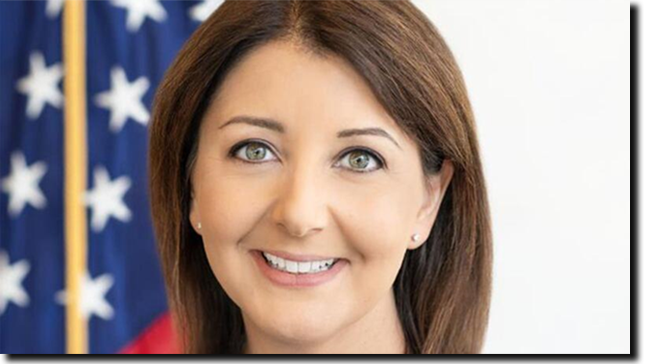
CDC's New Chief Plans to Rebuild Trust in the Agency
"Trust is absolutely foundational to our ability to help Americans," says Mandy Cohen
New CDC Director Mandy Cohen, MD, MPH, wants to rebuild trust in the agency -- both internally and with the general public -- through improving communication, focusing on data collection, and translating that data into rapid responses to public health crises.
During a press event in Atlanta on Wednesday, she emphasized that a primary goal will be to lead the agency through its recent reorganization undertaken by Rochelle Walensky, MD, MPH, the agency's former director.
"A lot of that hard work on the reorganization was very necessary in order to learn the lessons of the past pandemic," Cohen said. "And I'd say that work was done before I got here. I got to join at a time where a lot of that introspection for the agency was done. They plotted a new course."
Read More
| |
Interventional Techniques in IPM
Review Course & Cadaver Workshop
| |
Regenerative Medicine
Review Course & Cadaver Workshop
| |
|
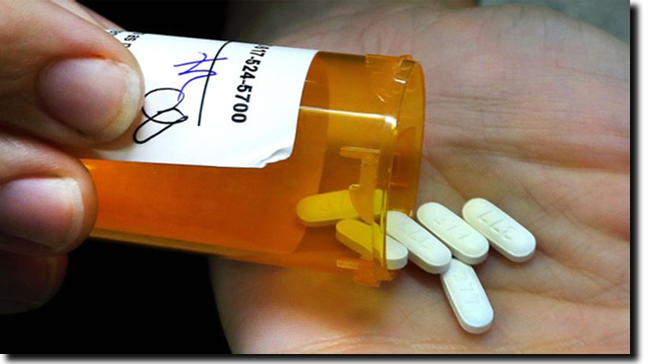
Artificial Intelligence May Influence Whether You Can Get Pain Medication
Elizabeth Amirault had never heard of a Narx Score. But she said she learned last year the tool had been used to track her medication use.
During an August 2022 visit to a hospital in Fort Wayne, Indiana, Amirault told a nurse practitioner she was in severe pain, she said. She received a puzzling response.
“Your Narx Score is so high, I can’t give you any narcotics,” she recalled the man saying, as she waited for an MRI before a hip replacement.
Tools like Narx Scores are used to help medical providers review controlled substance prescriptions. They influence, and can limit, the prescribing of painkillers, similar to a credit score influencing the terms of a loan. Narx Scores and an algorithm-generated overdose risk rating are produced by health care technology company Bamboo Health (formerly Appriss Health) in its NarxCare platform.
Read More
| |
|
Will AI Replace Cardiologists and Turn Them Into Managers?
At the Radical Health Festival Helsinki (RHFH) this past June, Gerhard Hindricks, MD, PhD, was challenged by a young man when he dared to look into the crystal ball. "In the middle of my presentation, a maybe 25-year-old man stood up and said, 'Dr. Hindricks, in 10 years, we will no longer need you!' " reported Hindricks at the great debate event "Will Artificial Intelligence Replace Cardiologists?" at the European Society of Cardiology (ESC) Congress in Amsterdam. He subsequently had an interesting discussion with the man. In his opinion, the future role of the physician is "an unavoidable discussion for cardiovascular medicine."
Hindricks, from the University of Leipzig in Germany, considered artificial intelligence in cardiology to be "potentially the most important topic of the congress" and suggested that "we have to be more open to introducing new technologies into our practice. I sometimes have the impression that we are neither quick nor open enough to introducing new technologies, to leaving the old and to letting the new, better technology be effective in our patients."
Asset or Threat?
AI is dramatically changing the field and the role of the physician — but it is not making cardiologists superfluous. In this respect, Hindricks; Folkert Asselbergs, MD, PhD, professor of cardiology at the Amsterdam Heart Center; and Harriette Van Spall, MD, associate professor of medicine at McMaster University in Hamilton, Canada, were unanimous: They agreed, although they assess the opportunities and risks posed by AI differently.
Read More
| |
|
Virtual
September 30 & October 28
ABIPP Part I; ABIPP Path - Combined DCCPM/CSM virtual exam; ABIPP Competency Exam in IPM; ABIPP Competency Exam in Regenerative Medicine
| |
|
One in Five Doctors With Long COVID Can No Longer Work: Survey
Crippling symptoms, lost careers, and eroded incomes: This is the harsh reality for doctors suffering with long COVID, according to the first major survey of physicians with the condition.
The survey, conducted by the British Medical Association (BMA) and the Long COVID Doctors for Action support group, sheds light on the lingering effects of long COVID on more than 600 chronically ill and disabled doctors with the condition. It also spotlights what they describe as a lack of medical and financial support from their government and employers at the National Health Service (NHS).
"We feel betrayed and abandoned," said Kelly Fearnley, MBChB, chair and co-founder of Long COVID Doctors for Action. "At a time of national crisis, when healthcare workers were asked to step up, we did. When the nation needed us, we stepped up. We put our lives on the line. We put our families' lives on the line. And now that we are injured after knowingly being unprotected and deliberately and repeatedly exposed to a level-three biohazard, we now find ourselves in this position."
Read More
| |
|
Sleep Deprivation Depletes a Key Protective Protein in the Brain
Sleep deprivation doesn’t just leave you tired—it harms the brain and elevates the risk for diseases like Alzheimer’s.
Researchers delving into how this occurs have made a breakthrough by identifying a protein, pleiotrophin (PTN), which drops in sleep-deprived mice. This decline causes neuronal death in the hippocampus, a critical region for memory.
This new insight highlights sleep’s crucial role in brain protection and suggests PTN as a marker for cognitive issues arising from insomnia.
Read More
| |
|
The Folly of Trying to Map Out the Appeals Process for Insurance Denials
Dozens of experts said building a tool for navigating insurance appeals would be impossible
by Cheryl Clark, ProPublica
Have you ever had a health care claim denied by your insurer? Ever tried to appeal it? Did you wind up confused, frustrated, exhausted, defeated?
I've been a healthcare reporter for more than 40 years. And when I tried to figure out how to appeal insurance denials, I wound up the same way. And I didn't even try to file an actual appeal.
ProPublica came to me earlier this year with what might have seemed like a simple proposition. They wanted me to create an interactive appeals guide that would help readers navigate their insurers' maze. (A team of reporters at ProPublica and The Capitol Forum has been investigating all the ways that insurers deny payments for healthcare. If you've got a story to share, let them know here.)
Read More
| |
Abstract submissions are open for
ASIPP's April 4-6, 2024 Annual Meeting!
The submission deadline is January 22, 2024.
Don't miss your chance to be part of an exceptional event,
sharing insights and discoveries that shape the future of pain management.
| |
|
Physicians Aren't Asking Enough Questions About Cannabis Use
As more older adults turn to cannabis to alleviate medical ailments like pain, insomnia, and anxiety, many physicians are hesitant to ask their patients about the topic or advise them about possible health impacts.
The lack of questioning is concerning for both doctors and patients: while moderate use of cannabis and cannabidiol (CBD) may be safe on their own when combined with certain medications, the substance can cause serious side effects. Older adults may also be more sensitive to the drug.
The problem is magnified by a sharp increase in cannabis consumption among older Americans resulting from its legalization in 38 states across the country. One study found that use of cannabis by adults 65 years and older in the United States jumped sevenfold in the past decade. In states like California, the stark increase has resulted in a 1808% jump in the rate of cannabis-related visits by seniors to the emergency room, according to a study published this past January in the Journal of the American Geriatric Society.
Read More
| |
|
Exercise-Induced Hormone May Be Key Player in Alzheimer’s Fight
The muscle hormone irisin, elevated during exercise, may aid in battling Alzheimer’s disease (AD). Using advanced 3D cell models of AD, the research demonstrates that irisin treatment drastically reduces amyloid beta pathology. This effect is attributed to the boost in neprilysin, an enzyme breaking down amyloid beta. These discoveries hint at potential irisin-based treatments for AD in the future.
Key Facts:
- Irisin, a hormone elevated by exercise, shows significant potential in reducing Alzheimer’s hallmark amyloid beta deposits.
- The hormone achieves this by increasing levels of neprilysin, an enzyme responsible for degrading amyloid beta.
- Irisin’s effect was discovered by binding to integrin αV/β5 on astrocytes, leading to elevated neprilysin and decreased amyloid beta.
Read More
| |
- ASIPP Members Only Site Information - | |
-
To log in for the first time you will need to click “forgot password” at the bottom of the login window.
- Check your email and then log in as directed.
-
If you have problems logging into your account, click here.
| |
|
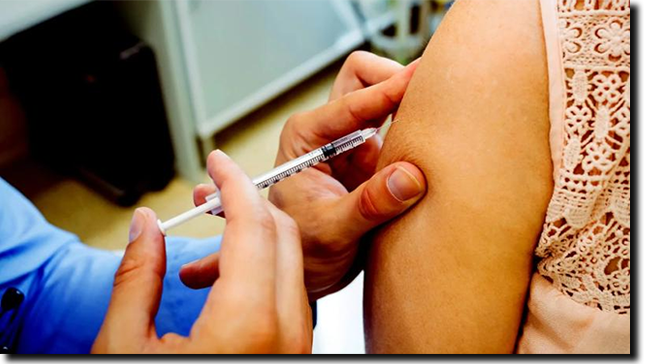
Study: Getting COVID, Flu Vaccine at Same Time Is Safe, Effective
Israeli researchers say getting the COVID-19 vaccine at the same time as the flu vaccine offers almost the same protection as getting the COVID vaccine alone.
People who received both shots had only a slightly lower antibody response than people who received just the COVID vaccine, says the study published in JAMA Network Open. Additionally, people who got both shots reported almost the same number of adverse reactions as people who got only the COVID vaccine.
Getting both shots at the same time “was not associated with substantially inferior immune response or to more frequent adverse events compared with COVID-19 vaccine administration alone, supporting the coadministration of these vaccines,” the researchers concluded.
Read More
| |
|
The New Normal in Body Temperature
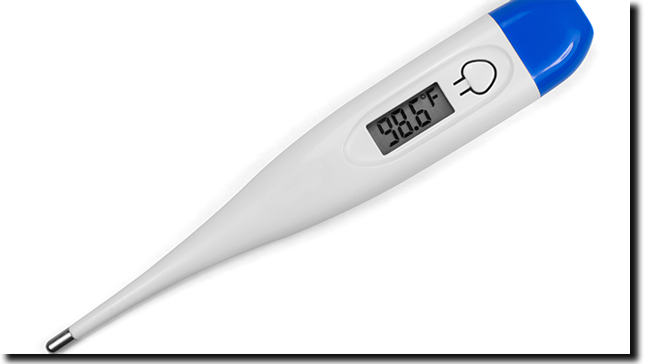
Every branch of science has its constants. Physics has the speed of light, the gravitational constant, the Planck constant. Chemistry gives us Avogadro's number, Faraday's constant, the charge of an electron. Medicine isn't quite as reliable as physics when it comes to these things, but insofar as there are any constants in medicine, might I suggest normal body temperature: 37° Celsius, 98.6° Fahrenheit.
Sure, serum sodium may be less variable and lactate concentration more clinically relevant, but even my 7-year-old knows that normal body temperature is 98.6°.
Except, as it turns out, 98.6° isn't normal at all.
Read More
| |
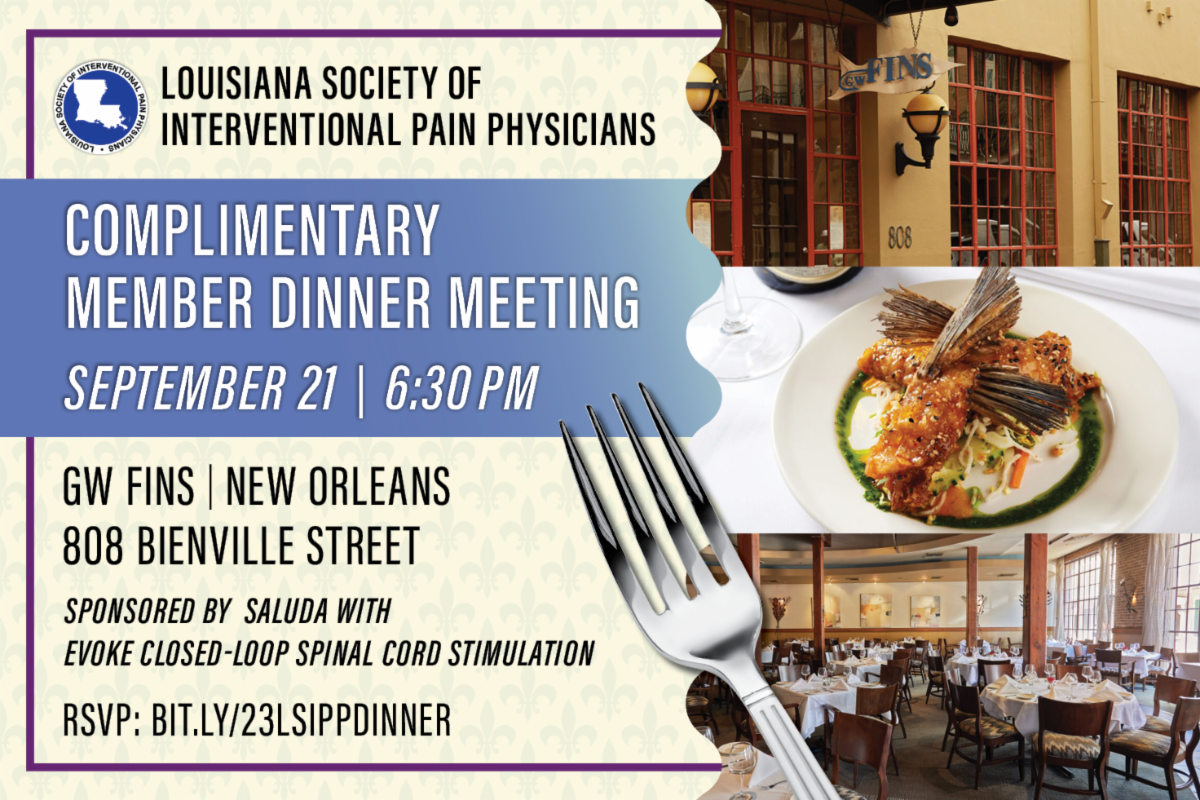
Attention LSIPP Members
You are invited to a complimentary member dinner at GW Fins,
September 21, 6:30 PM
| |
|
How Sleep Apnea Contributes to Cardiovascular Disease
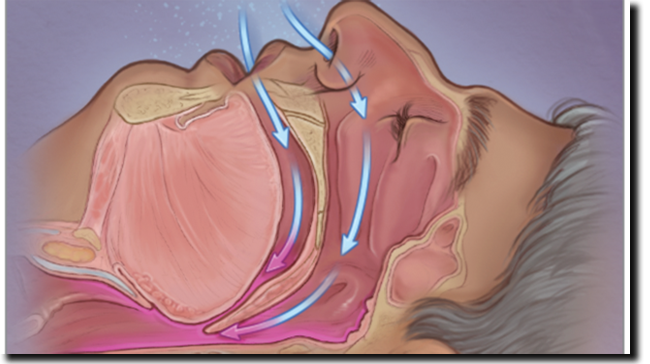
Research has tied obstructive sleep apnea to an increased risk of cardiovascular disease and death. So far, though, the mechanism underlying the association has been unclear.
Now, a new study based on findings from 2 cohorts that included more than 4500 participants suggests that lower blood oxygen levels during sleep and disruptions in breathing, rather than sudden awakenings at night, most strongly predict later cardiovascular outcomes and all-cause mortality. In addition, the researchers found that reductions in blood oxygen levels were driven primarily by airway obstruction rather than factors including obesity or lower lung function.
The findings could help clinicians pinpoint people with sleep apnea who are at high risk of future cardiovascular problems, the researchers wrote in the American Journal of Respiratory and Critical Care Medicine.
Read More
| |
Pain Medicine Case Reports (PMCR) and Editor-in-Chief Alaa Abd-Elsayed, MD, PhD would like to invite you to submit case reports and case series to the PMCR journal. Your article will be published free of charge.
Open access journals are freely available online for immediate worldwide open access to the full text of published articles. There is no subscription fee for open access journals. Open access journals are no different from traditional subscription-based journals: they undergo the same peer-review and quality control as any other scholarly journal.
Interested in becoming a member of the PMCR Editorial Board?
Editorial board members are asked to review 2-6 manuscripts per year. Please submit your most up-to-date CV to sgold@asipp.org for consideration.
For more information or to submit your articles, click here.
| |
|
| CASE REPORT |
Novel and Effective Use of Peripheral Nerve Stimulation to Treat Trauma-induced Chronic Shoulder Pain: A Case Report
Mark P. Pressler, MD, Phillip C. Callihan, MD, Priyanka Singla, MD, and Andrew M. Mendelson, DO
Abstract
Background: Peripheral nerve stimulators (PNS) are an option when medications, injections, physical therapy, and transcutaneous electrical stimulation are not effective. Rotator cuff muscle disorders and acromioclavicular or glenohumeral joint pathologies commonly lead to chronic shoulder pain. However, this case report documents a PNS treating chronic shoulder pain following traumatic humeral fracture.
Case Report: Our patient presented years after her orthopedic team recommended nonoperative management for her traumatic humeral fracture. She described pain at rest (3-5/10), which was exacerbated by forward flexion and abduction (9/10). After her PNS, she noted greater than 80% pain relief (rating it a 3/10), as well as improved range of motion and improved pain with movement, 4/10 with movement.
Conclusion: This case is the first report of PNS use for traumatic humeral fracture, when the patient’s clinical status precluded operative intervention. Our patient reported satisfaction with her pain relief and improved range of motion.
Key words: Peripheral nerve stimulation (PNS), neuromodulation, interventional pain, chronic shoulder pain, shoulder pain, chronic pain, humeral fracture, trauma
Read More
| |
|
| PILOT STUDY |
Green Light-Based Analgesia – Novel Nonpharmacological Approach to Fibromyalgia Pain: A Pilot Study
Amanda Nelli, MD, Mary Cooter Wright, MS, and Padma Gulur, MD
Abstract
BACKGROUND: There continues to be significant reliance on pharmacological modalities for the management of chronic pain, with a particular focus on opioid analgesics as a singular option for pain management. Fibromyalgia is a prototypical central pain disorder, which is often used as a model to study chronic pain disorders. It has an estimated prevalence of approximately 1.1% to 5.4% in the general population. The widespread use of opioids in patients with fibromyalgia has been well demonstrated in several health claims database studies, with rates of use ranging from 11.3% to 69%. Minimizing opioid exposures reduces misuse risk, but requires adequate opioid-sparing multimodal analgesic strategies, particularly nonopioid analgesic adjuncts, to ensure effective treatment of pain, particularly high-impact pain. We chose fibromyalgia as our study population. Given that it is a disordered sensory processing condition, it may be particularly amenable to the beneficial effects of green-light therapy.
OBJECTIVES: Most studies have evaluated exposure to light-emitting diode lights as a mode of green-light delivery; our study used green-light filtering eyeglasses, which would allow the wearer to move about with minimal interference.
STUDY DESIGN: We conducted a randomized controlled trial to test the feasibility of green-light filtering eyeglasses in the treatment of chronic pain.
SETTING: This study was conducted at Duke University Health System.
METHODS: We recruited and randomized adult patients with a known diagnosis of fibromyalgia patients and excluded patients who were unable to wear eyeglasses for at least 4 hours per day or were colorblind according to the Ishihara Colorblindness Test. Patients were assigned to 1 of 3 arms: clear eyeglasses (control), green eyeglasses, or blue eyeglasses. We initially recruited 45 patients and randomly assigned 15 patients per group.
RESULTS: To evaluate clinical significance, we determined the rate of >= 10% decline in oral morphine equivalents and found that 33%, 11%, and 8% of the green, blue, and clear eyeglass groups, respectively, achieved this clinically meaningful outcome.
LIMITATIONS: This study was powered to detect feasibility of the intervention, rather than conclusive analgesic effects.
CONCLUSIONS: Our study demonstrated the feasibility of this treatment approach and study design and supports a future study to determine the efficacy of green light-based analgesia on opioid use, pain, and anxiety. While the reduction of opioid use was not of statistical significance, we believe it to be of clinical significance as there was no increase of patient-reported pain. This warrants further investigation in a large-scale trial of the use of green-light filtration of ambient light to mitigate opioid use and possible mediation of psychological impacts of pain with the use of green-lensed eyeglasses.
KEY WORDS: Chronic pain, fibromyalgia, pain, pain management, green light, green-light filtering eyeglasses, green-light analgesia, chronic pain management
Read More
| |
|
| RETROSPECTIVE STUDY |
Nomogram for Predicting the Recurrence Rate in Selective Radiofrequency Thermocoagulation of the Trigeminal Nerve Based on Regression via Least Absolute Shrinkage and Selection Operator
Jiajia Deng, MD, Yong Fei, MD, and Bing Huang, MD
Abstract
BACKGROUND: Computed tomography-guided percutaneous selective radiofrequency thermocoagulation (RFT) of the trigeminal nerve is a novel, minimally invasive technique for the treatment of trigeminal neuralgia, but the high recurrence rate after surgery might pose a serious problem.
OBJECTIVES: The purpose of this study was to explore the risk factors affecting the recurrence rate after RFT and to predict the recurrence rate and provide evidence for the early prediction.
STUDY DESIGN: A single-center retrospective study.
SETTING: This study was carried out in the Affiliated Hospital of Jiaxing University in China.
METHODS: One hundred thirty-nine patients were included in this study. The cumulative survival rates according to temperature and type of pain were estimated by the Kaplan-Meier analysis. The least absolute shrinkage and selection operator Cox regression model was used to build the nomogram. Time-independent receiver operating characteristic curve analysis confirmed the signature’s predictive capacity. A calibration curve was generated to judge the accuracy of absolute risk predictions, and Brier scores were used to quantitatively evaluate the calibration. Decision curve analysis was applied to comprehensively evaluate the clinical effectiveness of the model. A multiparameter nomogram was used to analyze the scores and predict the risk of relapse.
RESULTS: Three predictors were screened by multivariate Cox regression analysis. Pain grade (refit hazard ratio [HR]: 1.6807; 95% confidence interval [CI]: 1.1963-2.3613) and type of pain (HR: 6.2802; 95% CI: 3.3705-11.7021) were considered to be risk factors affecting the recurrence rate after RFT, while temperature (HR: 0.5203; 95% CI: 0.2859-0.9468) was identified as a protective factor. The recurrence rate within 2 years in 85°C group was 51.09%, while that in 95°C group was 29.79%. The nomogram exhibited good discrimination and calibration. Compared with the preoperative period, all of the patients’ postoperative Numeric Rating Scale scores (NRS-11) decreased significantly (P < 0.05). The main postoperative complication was numbness, with a gradual decrease in the Barrow Neurological Institute score over time. Autonomic symptoms and decrease of masticatory muscle function were the secondary postoperative complications, and no other adverse events were observed. Overall patient satisfaction at 2 years postoperatively was 7.83 ± 1.93.
LIMITATIONS: This study contains a small sample size from a single center and the conclusion of randomized controlled trials will be more convincing.
CONCLUSIONS: Increasing temperature can effectively reduce the recurrence rate after RF, and the combination of atypical pain and higher NRS-11s could be a risk factor increasing the recurrence rate. The novel nomogram exhibited favorable survival stratification accuracy and shown a great potential for screening high-risk groups and evaluating the risk of recurrence rate.
KEY WORDS: Radiofrequency, trigeminal neuralgia, chronic pain, neuropathic pain
Read More
| |
ASIPP is now in collaboration with Curi Medical Liability Program
Since this malpractice insurance program officially launched in November 2018, ASIPP has signed up hundreds of providers with an average savings of 30%. This is professional liability insurance tailored to our specialty and will stand up for us and defend our practices.
Curi is a full-service advisory firm that serves physicians and their practices. Their valued advice is grounded in your priorities and elevated in your outcomes. They are driven by a deep understanding of your specific circumstances in medicine, business, and life. To read a few important points to keep in mind about the program, including discounts, administrative defense, cyber coverage, aggressive claims handling, and complimentary risk management CME activities, visit our website.
| | |
ASIPP® has formed a partnership with Henry Schein and PedsPal, a national GPO that has a successful history of negotiating better prices on medical supplies and creating value-added services for independent physicians. Working with MedAssets, PedsPal provides excellent pricing on products like contrast media that alleviate some of the financial pressures you experience today.
| |  |
ASIPP® is now offering our members the benefit of a unique revenue cycle management/ billing service.
We have received a tremendous amount of interest in the ASIPP® billing and coding program.
Click here to learn more about the negotiated rate for practices and more!
| |
up-to-date news related to you, your practice, and your patients!
| | | | |