 | |
The new ICD-10 codes, effective October 1, 2024, must be implemented immediately to ensure proper reimbursement, including for UDS claims.
Now M51.36 and M51.37 are considered as non-specific codes. The following new codes have been developed:
M51.360
Other intervertebral disc degeneration, lumbar region with discogenic back pain only
Other intervertebral disc degeneration, lumbar region with axial back pain only
M51.361
Other intervertebral disc degeneration, lumbar region with lower extremity pain only
Other intervertebral disc degeneration, lumbar region with leg pain only
Other intervertebral disc degeneration, lumbar region with referred sclerotomal pain only
M51.362
Other intervertebral disc degeneration, lumbar region with discogenic back pain and lower extremity pain
Other intervertebral disc degeneration, lumbar region with discogenic back pain and leg pain
Other intervertebral disc degeneration, lumbar region with axial back pain and referred sclerotomal pain
M51.369
Other intervertebral disc degeneration, lumbar region without mention of lumbar back pain or lower extremity pain
Other intervertebral disc degeneration, lumbar region without mention of lumbar back pain or leg pain
Other intervertebral disc degeneration, lumbar region, NOS
M51.370
Other intervertebral disc degeneration, lumbosacral region with discogenic back pain only
Other intervertebral disc degeneration, lumbosacral region with axial back pain only
M51.371
Other intervertebral disc degeneration, lumbosacral region with lower extremity pain only
Other intervertebral disc degeneration, lumbosacral region with leg pain only
Other intervertebral disc degeneration, lumbosacral region with referred sclerotomal pain only
M51.372
Other intervertebral disc degeneration, lumbosacral region with discogenic back pain and lower extremity pain
Other intervertebral disc degeneration, lumbosacral region with discogenic backpain and leg pain
Other intervertebral disc degeneration, lumbosacral region with axial back pain and referred sclerotomal pain
M51.379
Other intervertebral disc degeneration, lumbosacral region without mention of lumbar back pain or lower extremity pain
Other intervertebral disc degeneration, lumbosacral region without mention of lumbar back pain or leg pain
Other intervertebral disc degeneration, lumbosacral region, NOS
M54.5
Low back pain
Excludes1: intervertebral disc degeneration, lumbar region with discogenic back pain only(M51.360)
intervertebral disc degeneration, lumbosacral region with discogenic back pain only(M51.370)
M54.3
Sciatica
Excludes1: intervertebral disc degeneration, lumbar region with lower extremity pain only(M51.361)
intervertebral disc degeneration, lumbosacral region with lower extremity pain only(M51.371)
M54.4
Lumbago with sciatica
Excludes1: intervertebral disc degeneration, lumbar region with discogenic back pain and lower extremity pain (M51.362)
intervertebral disc degeneration, lumbosacral region with discogenic back pain and lower extremity pain (M51.372)
However, these codes have not been updated with Medicaid, etc. Consequently, for facet joint pain the codes remain M47.816 and M47.817.
Similarly for radicular pain, lumbar radiculitis, M51.16 and M51.17 will remain.
Click here for more information.
| | |
Problem linked to 170 reports of hyperglycemia and 11 ketoacidosis cases
A shorter-than-expected battery life prompted a voluntary recall of certain insulin pumps from Medtronic's MiniMed 600 and 700 series, the FDA detailed on Thursday.
Affecting all lots, serial numbers, and these models of the MiniMed 630G, 670G, 770G, and 780G products, the portable pumps have an increased risk for reduced battery life and a shorter time until shutdown after a battery alert occurs.
"Pumps that have been dropped, bumped, or experienced another physical impact may have damaged electrical components causing this issue -- even a single drop can impact battery life," the FDA noted. "This may result in the pump stopping insulin delivery significantly sooner than usually expected."
Read More
| |
Findings make a "strong case" for making methadone available in all settings, researcher says
Patients with opioid use disorder (OUD) had a lower risk of discontinuing methadone compared with buprenorphine/naloxone, and with a similar mortality risk, according to a population-based cohort study published in JAMA.
In a video interview, researcher Bohdan Nosyk, PhD, of Simon Fraser University in Burnaby, British Columbia, discusses the findings and their implications for public policy.
The following is a transcript of his remarks:
Our objective was to use all of B.C.'s [British Columbia's] linked provincial health administrative data, keeping in mind it's a universal healthcare system, single-payer system, so we truly do have a full population. And we wanted to compare the performance of the two primary modes of treatment for opioid use disorder that we have, so aqueous methadone and buprenorphine/naloxone.
Read More
| |
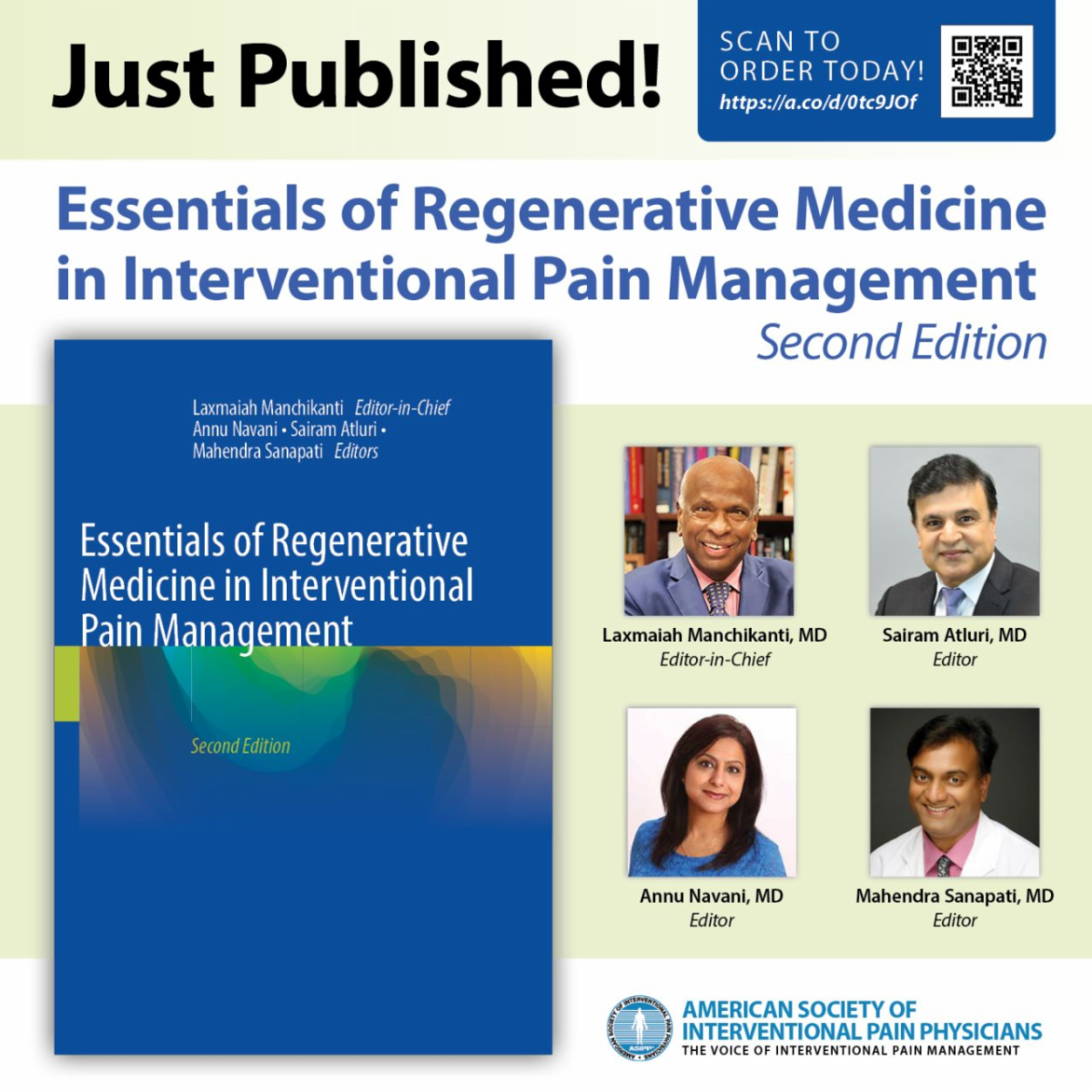
Dr. Annu Navani, a leader in interventional and regenerative medicine, is releasing a new book entitled "The Future of Your Health".
The purpose of this book is to help readers understand emerging treatments like gene therapy, robotics, and AI. As Chief Medical Officer at Boomerang Health Care, Dr. Navani brings years of expertise to this transformative guide.
| |
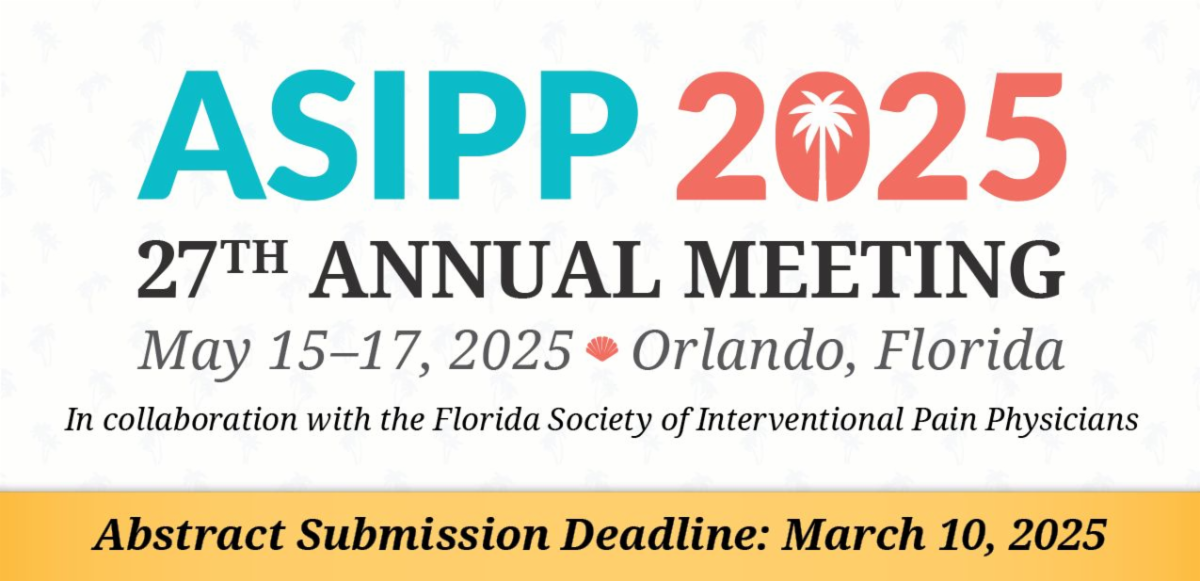
Abstract submissions are open for ASIPP's 2025 Annual Meeting!
The abstract submission deadline is March 10, 2025.
Don't miss this opportunity to share your insights and
help shape the future of pain management.
| |
|
Effectiveness appears to be on a downward trend, CDC data suggest
Data from the southern hemisphere show that this year's flu shot was 34.5% effective against hospitalization in high-risk groups during that half of the globe's winter respiratory season.
It's not possible to say exactly how that will translate to the northern hemisphere's upcoming flu season, but the figure is in the ballpark of recent vaccine effectiveness for this half of the world.
The CDC conducts studies each flu season to determine how well vaccines are working, and makes those data public on its website -- and it's clear that the 34.5% effectiveness rate is comparable to recent figures:
- 2021-2022: 36%
- 2022-2023: 30%
- 2023-2024: 42%
Read More
| |
|
A new California law shows the way
Last month, California passed a bill ensuring that doctors, not artificial intelligence (AI), have the final say on patients' treatments and services. The bill, SB1120, allows insurance companies to use AI to review doctors' recommendations for medical procedures only if those prior approval requests are overseen and reviewed by trained medical professionals.
As AI is rapidly proliferating in healthcare, California and Oklahoma are among the first states that have passed legislation governing the use of AI in prior authorization decisions. Other states are also working on legislation to regulate how AI is used by health insurance companies. I believe we urgently need strict, enforceable legislation in all 50 states, and perhaps at the federal level.
Prior Authorization Needs Patient-Centered Reform
Doctors, patients, and insurance companies all know that prior authorization needs reform -- this is one reason we're seeing a surge in AI use by insurance companies. What began as a process in the 1960s to determine whether a patient really needed to be admitted to a hospital is now a sprawling monster obstructing almost any treatment outside of the insurance carrier's rule book.
Read More
| |
|
The ketogenic diet could reduce the risk for all-cause mortality by up to 24%, an analysis published in Scientific Reports showed.
Results from the cohort study suggest the keto diet did not increase the risk for cardiovascular disease-related death despite its content possibly contributing to a higher risk for cardiovascular diseases.
Research has previously suggested that the ketogenic diet may offer benefits for several health outcomes and conditions, such as metabolic health and psychiatric symptoms.
Read More
| |
|
Virtual
November 9 & December 14
Click here for the complete list of upcoming exams.
ABIPP Part I; ABIPP Path - Combined DCCPM/CSM virtual exam;
ABIPP Competency Exam in IPM; ABIPP Competency Exam in Regenerative Medicine;
CSM Competency Exam; DCCPM Competency Exam
| |
No impact on safety outcomes after laparoscopic surgery
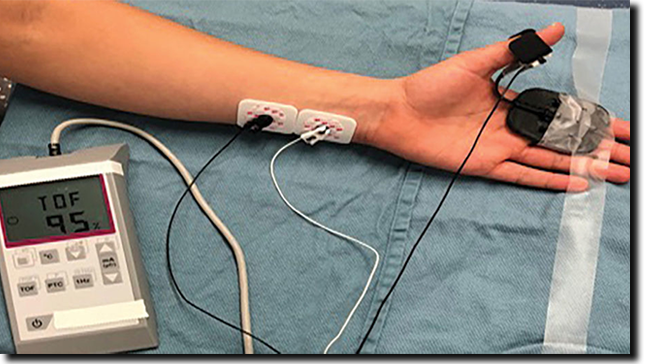
A deeper neuromuscular block (NMB) facilitated laparoscopic surgery without having an effect on intraoperative safety and postoperative outcomes, according to a multicenter randomized trial.
For patients undergoing a complex elective laparoscopic abdominal surgery in European centers, the incidence of adverse events (AEs) did not differ significantly between those randomized to deep NMB (post-tetanic count 1-2 twitches) or those assigned standard NMB (single shot NMB agent at induction only):
- Any intraoperative AEs: 14.9% vs 18.3%, respectively
- Anesthesia-related AEs: 7.7% vs 11.6%
- Surgical-related AEs: 7.7% vs 8.0%
Thirty-day postoperative complication and readmission rates were about the same between groups. Also comparable were their self-reported quality of recovery and quality-of-life scores, reported Merel Snoek, MD, of Leiden University Medical Center in the Netherlands.
Read More
| |
Registration is open for
ASIPP's 2025 Annual Meeting
We would love it if you would register and join us in Orlando!
| |
|
Inspired by its monumental success and empowered by its profound impact in the field of artificial intelligence, Microsoft announced today that it will be launching numerous new AI offerings to significantly advance its commitment to the healthcare sector.
These new offerings will capitalize on the incredible amount of effort and resources the company has poured into research and development with healthcare foundation models. Specifically, primary among today’s announcements is the release of a collection of multi-modal medical imaging foundation models that will now be available through the Azure AI platform, which will enable healthcare organizations to customize and build curated AI solutions to help advance patient care and healthcare offerings. Notably, the suite includes a variety of imaging models that can help parse, flag and analyze a variety of medical imaging. For example, one such model is CXRReportGen, which will automatically generate an initial report based on a chest x-ray for a physician to review and augment; although it still requires a human to verify and add to, tools like this can significantly aid the throughput and efficiency of radiologists.
Microsoft has also announced the general availability of healthcare data solutions through its Fabric platform, providing organizations with the tools to ingest, parse and decipher healthcare data from a variety of disparate sources. Among the most significant challenges in healthcare remains the nascent state of interoperability capabilities; that is, while there are numerous stores and sources of data, these sources often do not speak with each other, thereby mitigating efficient interoperability and the ability to generate longitudinal data insights. Microsoft’s work aims to solve this very problem by providing users a way to ingest data across a variety of platforms and glean insights from this data in a cohesive manner.
Read More
| |
- ASIPP Members Only Site Information - | |
-
To log in for the first time you will need to click “forgot password” at the bottom of the login window.
- Check your email and then log in as directed.
-
If you have problems logging into your account, click here.
| |
|
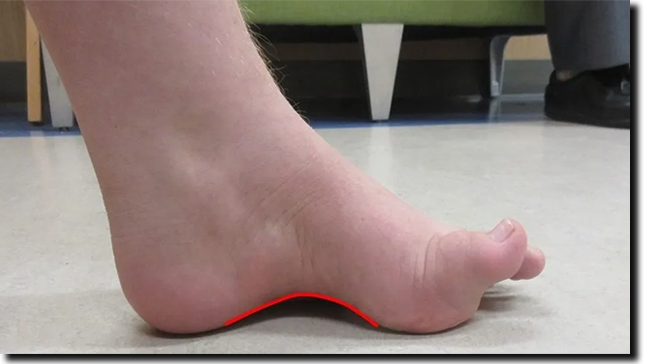
There’s no medical treatment for Charcot-Marie-Tooth (CMT) disease, a debilitating neurologic disorder that’s both progressive and incurable. But now, nerve specialists learned, new potential treatments are moving closer to clinical trials.
Genetic-based therapies are currently in preclinical research phases, and an experimental small-molecule drug has reached phase 3 in humans, neurologists told an audience here at the American Association of Neuromuscular & Electrodiagnostic Medicine (AANEM) 2024. But the neurologists also noted challenges, such as determining the best way to track disease progression — which can be slow — and the need to recruit high numbers of patients for trials.
A Common Genetic Neuromuscular Disorder
As Mario Saporta, MD, PhD, MBA, of the University of Miami, Coral Gables, Florida, explained, CMT is the most common genetic neuromuscular disorder, affecting 1 in 2500 people or about 130,000-150,000 in the United States. “Typically, it’s a length-dependent neuropathy, where your longest nerves would be affected earlier and more severely. That's why we see foot deformities, inverted champagne bottle legs, and hand atrophy.”
Read More
| |
|
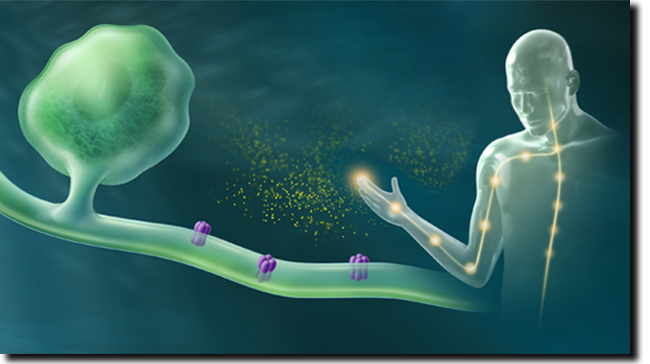
Trials favor a first new class of pain drug in years
An oral, non-addictive sodium channel blocker safely relieved moderate-to-severe acute pain following surgery, according to phase III data that could support regulatory approval.
Between two double-blind trials, participants randomized to suzetrigine (VX-548) over placebo experienced a significantly better reduction in pain, evaluated as the time-weighted sum of pain intensity difference per the numeric pain rating scale (NPRS) at the 48-hour mark after abdominoplasty (least squares mean difference 48.4, P<0.0001) and after bunionectomy (29.3, P=0.0002).
This result, modeling suzetrigine monotherapy, was backed by analysis without rescue imputation to represent multimodal therapy akin to real-world practice for these two established models of acute pain (47.7 for abdominoplasty, P<0.0001; 28.8 for bunionectomy, P=0.0004), according to Todd Bertoch, MD, of CenExel JBR Clinical Research in Salt Lake City.
Read More
| |
|
Pain Medicine Case Reports (PMCR) and Editor-in-Chief Alaa Abd-Elsayed, MD, PhD would like to invite you to submit case reports and case series to the PMCR journal. Your article will be published free of charge.
Open access journals are freely available online for immediate worldwide open access to the full text of published articles. There is no subscription fee for open access journals. Open access journals are no different from traditional subscription-based journals: they undergo the same peer review and quality control as any other scholarly journal.
Interested in becoming a member of the PMCR Editorial Board?
Editorial board members are asked to review 2-6 manuscripts per year. Please submit your most up-to-date CV to sgold@asipp.org for consideration.
For more information or to submit your articles, click here.
| |
|
Karim Borei, MD, and Mohammad Obadah Nakawah, MD
Abstract
Background: Cyclic vomiting syndrome (CVS) is a complex medical disorder characterized by debilitating attacks of nausea and vomiting lasting hours to days. CVS often acts as a migraine precursor or variant in the pediatric population, but its relationship with migraine in adults is not well established.
Case Report: Here, we report a case of adult-onset CVS with recurrent attacks of nausea, vomiting, and malaise for several years causing significant morbidity and work loss. Atypical migraine was suspected, and the disorder was controlled with effective antimigraine therapy.
Conclusions: Our study contributes to the increasing body of evidence that underscores CVS as a migraine variant. This recognition enhances our comprehension of CVS and guides the development of more efficacious treatment approaches.
Key words: Cyclic vomiting syndrome, migraine, migraine variant
Read More
| |
|
Emanuel Narcis Husu, MD
Abstract
“Invariably, the self-assessed QoL was far better than I, as a physician, would have anticipated from the diseases and disabilities that you reported.” -Ben Eiseman, MD, based on a survey of his octogenarian Yale University classmates.
BACKGROUND: Chronic pain control is a high priority for the elderly; it is one of the most frequently encountered medical problems in this group. Chronic pain affects 60%-75% of people aged 65 years and older. Chronic pain’s prevalence is even higher in those living in assisted living or nursing homes. Based on epidemiological data, the prevalence of chronic pain is directly proportional to age and is especially so in women. At least one in 3 patients over age 65 report significant ongoing pain that is often inadequately treated. Despite this high prevalence of chronic pain in older persons, aging research sheds light on how this suffering may be reduced. Healthy aging is not an oxymoron. Successful aging and adaptation to chronic pain involve similar medical, temperamental, behavioral, and cultural factors. Older patients with chronic pain face well-documented cultural bias, fear, and clinical pessimism; but adaptive coping is a realistic expectation.
OBJECTIVES: This narrative review aims to summarize the available literature on strategies used by older persons to optimize adaptation to late-life pain.
STUDY DESIGN: This is a narrative review of a PubMed literature search 1947 to March 4, 2024.
METHODS: A PubMed literature search covering years 1947 to March 4, 2024 was performed using permutations of the search terms pain, chronic pain, persistent pain, aging, elderly, and coping. Relevant articles were also obtained from careful review of the references in articles identified in the search.
RESULTS: I summarized the available literature on strategies used by older persons to optimize adaptation to late-life pain. There are distinct differences between older persons and younger persons in the strategies they use to cope with chronic pain. Furthermore, I identified significant overlap between strategies and actions used by older persons to cope with pain and those strategies and actions used to successfully adapt to the aging process; these commonalities demonstrate a linkage of these adjustment processes and have clinical utility. Also presented are 2 cases that demonstrate the relevance of these factors for treating elderly patients with chronic pain.
LIMITATIONS: The literature search was limited to PubMed, which excluded psychology databases.
CONCLUSIONS: Chronic pain is common in the elderly and is not adequately treated. Data indicate that older persons can benefit from guidance toward distinct attitudes and actions they can employ to cope with persistent pain. Epidemiologic and aging literature describe attitudes and behaviors that facilitate health and wellbeing during aging. Data from gerontology and from research on chronic pain in elderly patients converge upon factors that are common to better adaptation to both aging and late-life pain. I describe these common factors, which I categorize as treatment-factors, traits, attitudes, and actions. Two cases are presented to demonstrate these concepts.
KEY WORDS: Chronic pain, elderly, aging, coping, coping strategies, late-life pain
Read More
| |
|
Andrea Nikolis, MD, Louis Nikolis, MD, and Adele Meron, MD
Abstract
BACKGROUND: Yoga has been recognized for its many mental and physical health benefits. A growing body of literature supports yoga’s indication in chronic low back pain (CLBP) management. CLBP is a major public health concern, given its high rates of associated disabilities and large healthcare costs. A biopsychosocial approach has been deemed the most effective and appropriate management strategy for this condition. When alternative and comprehensive approaches for managing the complexity of CLBP are considered, yoga poses a safe, accessible adjunctive treatment option.
OBJECTIVES: The goal of this review is to demonstrate, by highlighting yoga’s benefits on mental and physical health and the pathophysiology associated with CLBP, that yoga is an effective form of CLBP management. Our other goal is to establish that yoga encompasses a biopsychosocial approach to managing CLBP.
STUDY DESIGN AND METHODS: After thorough examination of the available published literature, this narrative review evaluated 24 articles examining yoga’s benefits to CLBP patients.
RESULTS: CLBP is associated with high rates of anxiety, depression, chronic stress, and pain catastrophizing. Numerous studies support yoga as an effective intervention for depression, anxiety, chronic stress, and pain catastrophizing, given yoga’s effects on the sympathetic nervous system, endocrine system, and various neurotransmitters and brain regions, and improvements in these areas may ameliorate the clinical symptoms experienced by CLBP patients. Physically, symptoms experienced by those with CLBP include pain, impaired function and mobility, disability, fatigue, and medication dependence, all of which, according to the literature, yoga has been shown to improve. Additionally, the chronicity and persistence of low back pain are related to central and peripheral sensitization, and yoga may intervene in these pathways to minimize symptom propagation.
LIMITATIONS: This review is not without limitations. The current literature lacks standardization regarding which yoga poses are safe, appropriate, and effective for CLBP patients, which limits the generalizability of yoga therapy. Additionally, few existing prospective trials study yoga in the management of CLBP. Though numerous randomized controlled trials (RCTs) are included in this review, most of the current literature details other reviews or analyses of RCTs, includes smaller sample sizes, and lacks long-term follow-up data. Furthermore, many of these studies include patients who have volunteered or self-selected to trial yoga therapy for their back pain, indicating inherent selection bias.
CONCLUSION: Overall, the current management strategies for CLBP do not encompass an effective biopsychosocial approach, and an intervention such as yoga is a promising adjunctive treatment for the condition.
KEY WORDS: Yoga, chronic low back pain, back pain, chronic pain, pain management, biopsychosocial approach, mental health, physical health, central sensitization
Read More
| |
|
ASIPP is now in collaboration with Curi Medical Liability Program
| |
|
Since this malpractice insurance program officially launched in November 2018, ASIPP has signed up hundreds of providers with an average savings of 30%. This is professional liability insurance tailored to our specialty and will stand up for us and defend our practices.
Curi is a full-service advisory firm that serves physicians and their practices. Their valued advice is grounded in your priorities and elevated in your outcomes. They are driven by a deep understanding of your specific circumstances in medicine, business, and life. To read a few important points to keep in mind about the program, including discounts, administrative defense, cyber coverage, aggressive claims handling, and complimentary risk management CME activities, visit our website.
| | |
|
Group Purchasing Organization Offer Better Pricing and Creates Added Value
ASIPP has formed a partnership with Henry Schein and PedsPal, a national GPO that has a successful history of negotiating better prices on medical supplies and creating value-added services for independent physicians. Working with MedAssets, PedsPal provides excellent pricing on products like contrast media that alleviate some of the financial pressures you experience today.
Learn More
| |  |
|
ASIPP, Fedora Healthcare Solutions Partnership
ASIPP offers our members the benefit of a unique revenue cycle management/ billing service.
We have received a tremendous amount of interest in the ASIPP billing and coding program.
Click here to learn more about the negotiated rate for practices and more!
| |
|
Like and follow ASIPP® on Facebook, X, and LinkedIn for the most
up-to-date news related to you, your practice, and your patients!
| | | | |