Medicare Revises LCD - Facet Joint Interventions for Pain Management (L38773) with Coverage for Therapeutic Facet Joint Nerve Blocks
As you know, the LCD which went into effect on 5/2/2021, limited its coverage to intraarticular joint injections. When ASIPP became aware of this limited coverage, we began contacting Medicare to request a policy change to include therapeutic facet joint nerve blocks. After several correspondences, we were advised to file a reconsideration request. Our reconsideration request went through the appropriate channels and the LCD has been revised effective 7/7/2024, which includes medial branch blocks as a therapeutic procedure, along with the intraarticular injections.
Once again therapeutic facet joint injections or medial therapeutic facet joint nerve blocks are not covered unless there is justification in the documentation showing why radiofrequency neurotomy cannot be performed.
ASIPP was able to obtain this addition by presenting appropriate evidence with multiple systematic reviews as well as up-to-date literature. A presentation was also made by Dr. Laxmaiah Manchikanti and Dr. Amol Soin at CGS open meeting.
In addition to CGS, all MACs have either changed or are in the process of changing their policies. Click here to view the policy from CGS.
Manchikanti L, Manchikanti L, Knezevic E, Knezevic NN, et al. Effectiveness of facet joint nerve blocks in managing chronic axial spinal pain of facet joint origin: A systematic review and meta-analysis. E, Knezevic NN, et al. Effectiveness of facet joint nerve blocks in managing chronic axial spinal pain of facet joint origin: A systematic review and meta-analysis. Pain Physician 2024; 27:E169-E206.
Anshul Malhotra N, Kumar A, Jyotsna, Rohilla K, Sinha N. Comparative evaluation of intraarticular facet joint injection versus medial branch block in patients with low back pain: A randomized controlled study. Cureus 2023; 15:e49232.
Manchikanti L, Knezevic E, Knezevic NN, Pasupuleti R, Sanapati MR, Janapala RN, Kaye AD, Hirsch JA. The effectiveness of medial branch blocks and radiofrequency neurotomy in managing chronic thoracic pain: A systematic review and meta-analysis. Pain Physician 2023; 26:413-435.
Pasuhirunnikorn P, Tanasansomboon T, Singhatanadgige W, Yingsakmongkol W, Chalermkitpanit P. Comparative outcome of lidocaine versus bupivacaine for cervical medial branch block in chronic cervical facet arthropathy: A randomized double-blind study. World Neurosurg 2023; 175:e662-e668.
| |
|
In 2024, nearly a dozen state prior authorization (PA) reform bills have been passed by state legislatures, and more are still being considered and/or waiting for governors’ signatures. Broadly, state bills are aiming to decrease the growing volume of PA requirements, reduce delays in patient care associated with PA, improve the transparency of PA rules and increase reporting of PA data.
For example, last week, Vermont Governor Phill Scott signed a bill championed by the Vermont Medical Society that limits PA requirements on primary care physicians and helps ensure that patients with chronic conditions will not have to continuously seek repeat PAs. The new law will also require that urgent PA requests are responded to within 24 hours. Additionally, and uniquely, the law requires health plans and physicians and other health care providers to report to the legislature in coming years on the impact of the law.
Similarly, Minnesota just enacted legislation supported by the Minnesota Medical Association that will prevent prior authorization on services including some cancer care, outpatient mental health care and preventive care. The law also prevents denials based solely on a lack of PA and prohibits most repeat PAs for patients with chronic conditions. Additionally, under the new law, PA data, including rates of authorizations and denials, will have to be submitted by the health plans to state regulators.
Read More
| |
|
What if there were tests that could tell you whether the following drugs were a good match for your patients: Antidepressants, statins, painkillers, anticlotting medicines, chemotherapy agents, HIV treatments, organ transplant antirejection drugs, proton pump inhibitors for heartburn, and more?
That's quite a list. And that's pharmacogenetics, testing patients for genetic differences that affect how well a given drug will work for them and what kind of side effects to expect.
"About 9 out of 10 people will have a genetic difference in their DNA that can impact how they respond to common medications," said Emily J. Cicali, PharmD, a clinical associate at the University of Florida College of Pharmacy, Gainesville, Florida.
Read More
| |
ASIPP State Society Meetings | |
|
Program's value undisputed, but some members say hospitals are taking unfair advantage
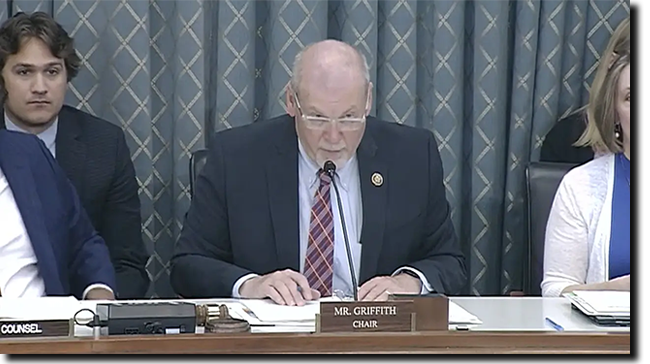
House members generally expressed support Tuesday for the 340B drug discount program that serves hospitals and clinics treating low-income patients, but disagreed on whether the program needs tighter regulation.
"I am a supporter of the overall 340B program," said Rep. Morgan Griffith (R-Va.), chairman of the House Energy & Commerce Oversight and Investigations Subcommittee, during a hearing on 340B. "There are many hospitals, including in my district, who are appropriately using the 340B dollars to keep their doors open and heavily rely on this program. Yet, we see reports about entities taking advantage of the system."
He gave the example of one hospital system in his district which paid $3,000 for a cancer drug under the 340B program and then charged the patient's insurer $25,000 for the drug. "When reports like [this] occur, it is Congress's job to step in and provide oversight into this program," Griffith said.
Read More
| |
|
Bobbi Radford showed up at the CVS MinuteClinic in Batavia, Ohio, last Thanksgiving because she had pain in her arm.
"I waited an hour and then was told to go to the [emergency room].," Radford said. Filling the staffer in on her history of congestive heart failure, she was directed to go to the ER. But Radford says after she did that, it was determined at the ER that she had a case of tennis elbow.
"It was a waste of my time, and I still had to go to my family doctor," Radford said.
Read More
| |
|
Virtual
August 31
Click here for the complete list of upcoming exams.
ABIPP Part I; ABIPP Path - Combined DCCPM/CSM virtual exam;
ABIPP Competency Exam in IPM; ABIPP Competency Exam in Regenerative Medicine;
CSM Competency Exam; DCCPM Competency Exam
In Person
October 18, 2024
ABIPP Part II - Practical Examination
Lab Venue: MERI, 44 S. Cleveland Street, Memphis, TN 38104
| |
|
In less than a month's time, a federal lawmaker warned weight loss drugs have the potential to bankrupt the healthcare system, and new research from Blue Cross Blue Shield found nearly six in 10 patients taking the drugs don't reach a meaningful health benefit.
The latest GLP-1 findings come as insurers, health systems, state health plans and self-funded employers have publicly grappled with how to cover the expensive medications, with some large organizations limiting coverage or dropping benefits entirely.
"The outrageously high price of Wegovy and other weight loss drugs have the potential to bankrupt Medicare and our entire healthcare system," Sen. Bernie Sanders said. "The unjustifiably high prices of these weight loss drugs could also cause a massive spike in prescription drug spending that could lead to a historic increase in premiums for Medicare and everyone who has health insurance."
Read More
| |
Registration is open for
ASIPP's 2025 Annual Meeting
We would love it if you would register and join us in Orlando!
| |
|
Australian study documents risks for life-threatening complications
Hospitalization and death were markedly more common among rheumatoid arthritis (RA) patients experiencing more pain and worse self-assessed health, analysis of a prospective Australian registry showed.
With 806 RA patients stratified into four groups by pain and health status, 29 of the 176 (16%) classified into the "poorest" category had died after 18 years of follow-up, compared with 45 of 630 (7%) with less pain and better health (HR 2.4, 95% CI 1.5-3.8), according to Huai Leng Pisaniello, MBBS, of the University of Adelaide in Australia, and colleagues.
Cardio- and cerebrovascular events were the most common causes of death in the "poorest" condition group, the researchers reported in an Annals of the Rheumatic Diseases research letter.
Read More
| |
|
A study of adolescents has revealed significant interactions between sleep duration, social media use, and brain activity across frontolimbic regions crucial for executive control and reward processing.
Notably, analysis of data on participants in the Adolescent Brain Cognitive Development (ABCD) study revealed that shorter sleep duration correlated strongly with greater social media use and alterations in brain activity.
"As these young brains undergo significant changes, our findings suggest that poor sleep and high social media engagement could potentially alter neural reward sensitivity," Orsolya Kiss, PhD, research scientist at SRI International, Center for Health Sciences, Menlo Park, California, said in a statement.
Read More
| |
- ASIPP Members Only Site Information - | |
-
To log in for the first time you will need to click “forgot password” at the bottom of the login window.
- Check your email and then log in as directed.
-
If you have problems logging into your account, click here.
| |
Pain Medicine Case Reports (PMCR) and Editor-in-Chief Alaa Abd-Elsayed, MD, PhD would like to invite you to submit case reports and case series to the PMCR journal. Your article will be published free of charge.
Open access journals are freely available online for immediate worldwide open access to the full text of published articles. There is no subscription fee for open access journals. Open access journals are no different from traditional subscription-based journals: they undergo the same peer-review and quality control as any other scholarly journal.
Interested in becoming a member of the PMCR Editorial Board?
Editorial board members are asked to review 2-6 manuscripts per year. Please submit your most up-to-date CV to sgold@asipp.org for consideration.
For more information or to submit your articles, click here.
| |
|
Esha Jain, MD, Erica Eldon, DO, Lisa Witkin, MD, and Julia Cron, MD
Abstract
BACKGROUND: The following case describes management of severe persistent vulvar pain from postherpetic neuralgia through a ganglion impar block.
CASE REPORT: A 21-year-old female patient initially presented with genital lesions consistent with herpes simplex virus-1 (HSV-1) and antibody testing suggestive of primary HSV-1 infection. After her genital lesions resolved, she continued to have severe persistent vulvar pain and was diagnosed with postherpetic neuralgia, approximately one year after initial presentation. After unsuccessful medical management with her gynecologist and primary care physician, she was referred to a specialty pain management clinic, where a ganglion impar block was performed and provided significant pain relief.
CONCLUSIONS: Genital HSV-1 is a rare cause of postherpetic neuralgia which can cause debilitating pain. Its management requires a multidisciplinary approach, including gynecology, pain management, physiatry, and if appropriate, behavioral health.
KEY WORDS: Vulvar pain, postherpetic neuralgia, ganglion impar block, genital pain, case report
Read More
| |
RANDOMIZED CONTROLLED TRIAL | |
|
Yan Liu, MD, Han Yan, BS, Chengfu Wan, PhD, Qi Xi, PhD, Ming Huang, PhD, Yanwei Wang, BS, Liang Qi, BS, Jingmei Zhang, BS, and Song Tao, PhD
Abstract
BACKGROUND: Herpes zoster ophthalmicus (HZO) is a kind of refractory disease, and treating it is important for preventing postherpetic neuralgia (PHN). But the evidence surrounding the current treatment options for these conditions is controversial, so exploring reasonable clinical treatment strategies for HZO is necessary. Neuromodulation is an excellent modality for the treatment of various neuropathic pain conditions. This trial was designed to evaluate the effectiveness of short-term supraorbital nerve stimulation (SNS) and the supraorbital nerve block (SNB) for HZO.
OBJECTIVES: To determine whether short-term SNS relieves acute and subacute ophthalmic herpetic neuralgia.
STUDY DESIGN: This prospective randomized controlled crossover trial compared short-term SNS to SNB.
SETTING: The operating room of a pain clinic.
METHODS: Patients with acute or subacute ophthalmic herpetic neuralgia were recruited. The patients were randomly assigned to receive either SNS or SNB. The primary outcome being measured was each patient’s Visual Analog Scale (VAS) score at 4 weeks. The secondary outcomes under measurement were the proportion of patients who achieved >= 50% pain relief, sleep quality, medicine consumption, and adverse events. Crossover after 4 weeks was permitted, and patients were followed up to 12 weeks.
RESULTS: Overall, 50 patients were included (n = 25/group). At 4 weeks, the patients who received SNS achieved greater pain relief, as indicated by their significantly different VAS scores from those of the SNB group (mean difference: -1.4 [95% CI, -2.29 to -0.51], P < 0.05). Both groups showed a significant decrease in pain level from the baseline (all P < 0.05). Overall, 72% and 44% of the SNS and SNB patients experienced >= 50% pain relief, respectively (OR: 0.31 [95% CI, 0.09 to 0.99], P < 0.05), and 68% and 32% of SNS and SNB patients, respectively, had VAS scores < 3 (OR: 0.22 [95% CI, 0.07 to 0.73], P < 0.05). Compared to the SNB group, the SNS group had better sleep quality, lower ophthalmic neuralgia, a lower proportion of further treatment, and lower analgesic intake. Overall, 18 patients received SNS alone, and 16 patients crossed over from SNB to SNS. The VAS scores, sleep quality, ophthalmic neuralgia, and trend of medicine intake were not significantly different between the groups (all P > 0.05). No serious complications occurred.
LIMITATIONS: This study was nonblind.
CONCLUSIONS: Short-term SNS is effective for controlling acute or subacute ophthalmic herpetic neuralgia. Combining SNS with SNB yields no additional benefits.
KEY WORDS: Herpes zoster ophthalmicus, postherpetic neuralgia, ophthalmic herpetic neuralgia, supraorbital nerve, neuromodulation, peripheral nerve stimulation, supraorbital nerve stimulation, supraorbital nerve block
Read More
| |
|
Ayman Eldemrdash, MD, Taha Tairy, MD, Lilly Sabry, MD, Ahmed Aelmulla, MD, Maher Kamel, MD, and Engi Yousry, MD
Abstract
BACKGROUND: Chronic primary musculoskeletal pain is multifaceted and 20% of the adult population lives with severe chronic pain and experience symptoms such as intense pain, depression, weakness, sleep problems, decreased quality of life and decreased emotional well-being.
OBJECTIVES: This paper studies the efficacy of trigger point injections with ozone compared to standard steroid injection or combination therapy for the treatment of chronic musculoskeletal pain in patients with abnormal mitochondrial redox state.
STUDY DESIGN: This is a prospective randomized clinical study conducted with 51 patients experiencing chronic musculoskeletal pain.
SETTING: Medical Research Institute Hospital, Alexandria University.
METHODS: By computer-generated random numbers the 51 patients were divided into 3 groups. Group A (17 patients) received ozone injection, group B (17 patients) received betamethasone injection and group C (17 patients) received combined ozone and betamethasone injections. The groups were compared based on the intensity of pain and correction of mitochondrial redox state of the patients.
RESULTS: Three days after intervention, the visual analog scale (VAS) scores reported by patients were lower in group A compared to group B (with a mean difference 1.27, 95% confidence interval (CI) of 0.15-2.39 (P < 0.02). One and 3 weeks after intervention, VAS scores of patients were lower in groups A and C compared to group B. At one week the mean difference between A and B was 1.2, with a 95% CI of 0.15-2.25 (P < 0.02) and the mean difference between C and B was 1.73 with a 95% CI of 0.69-2.78 (P < 0.001). At 3 weeks the mean difference between A and B was 1.5 with a 95% CI of 0.2-2.87 (P < 0.01) and the mean difference between C and B was 2.27 with a 95% CI of 0.93-3.60 (P < 0.0001). The reduced/oxidized glutathione ratio after intervention was higher in groups A and C compared to group B (P > 0.008). The mitochondrial copy number was higher in group A compared to group B (P < 0.002).
LIMITATION: This study didn’t allow for the comparison of the experimental groups with a placebo or control group for musculoskeletal pain conditions in orderto establish the role of an abnormal mitochondrial redox state on the pathogenesis of patients from an ethical view.
CONCLUSIONS: Ozone therapy or combined ozone and betamethasone treatment are effective techniques for management of pain since it produced a significant reduction of muscle pain and increase of the pain free interval experienced by patients. Ozone therapy causes pain improvement which increases with time and it improves muscle oxygenation and mitochondrial function.
TRIAL REGISTRATION: This study was approved by the Ethics Committee of Medical Research Institute (IORH: IOR 00088812) and was registered at the Pan African Clinical Trial Registry (www.pactr.org) under the identification number PACTR201908620943471. The registration this experiment started on 07/08/2019. This study’s protocol followed the CONSORT guidelines and was performed under the relevant guidelines.
KEY WORDS: Ozone, steroid, fibromyalgia, trigger point, redox state, antioxidant, chronic pain
Read More
| |
|
ASIPP is now in collaboration with Curi Medical Liability Program
| |
|
Since this malpractice insurance program officially launched in November 2018, ASIPP has signed up hundreds of providers with an average savings of 30%. This is professional liability insurance tailored to our specialty and will stand up for us and defend our practices.
Curi is a full-service advisory firm that serves physicians and their practices. Their valued advice is grounded in your priorities and elevated in your outcomes. They are driven by a deep understanding of your specific circumstances in medicine, business, and life. To read a few important points to keep in mind about the program, including discounts, administrative defense, cyber coverage, aggressive claims handling, and complimentary risk management CME activities, visit our website.
| | |
|
Group Purchasing Organization Offer Better Pricing and Creates Added Value
ASIPP has formed a partnership with Henry Schein and PedsPal, a national GPO that has a successful history of negotiating better prices on medical supplies and creating value-added services for independent physicians. Working with MedAssets, PedsPal provides excellent pricing on products like contrast media that alleviate some of the financial pressures you experience today.
Learn More
| |  |
|
ASIPP, Fedora Billing,
and Revenue Cycle Management Partnership
ASIPP is now offering our members the benefit of a unique revenue cycle management/ billing service.
We have received a tremendous amount of interest in the ASIPP® billing and coding program.
Click here to learn more about the negotiated rate for practices and more!
| |
|
Like and follow ASIPP® on Facebook, X, and LinkedIn for the most
up-to-date news related to you, your practice, and your patients!
| | | | |