|
Average premiums and benefits for Medicare's prescription drug program and private Medicare plans are projected to remain stable in 2025 with premiums slightly declining, the Centers for Medicare and Medicaid Services said on Friday.
WHY IT'S IMPORTANT
The premiums are of interest to consumers enrolled in Medicare Advantage plans run by private insurers who are then paid by the government, and the health plans themselves, who set premiums and benefits based on the reimbursement rates.
The government has been trying bring down MA prices to the level of original Medicare, the government health plan for those age 65 and older.
Private health insurers had argued cutting their rates would limit what benefits they offer, but the government's projections on Friday showed they remain stable. Shares of health insurers had fallen between 6% and 12% in April when the rates were announced.
Read More
| |
Ambitious efforts by some of the nation’s largest retailers to open health clinics nationwide have met with disappointing results, which underscore the precarious financial reality of care delivery today. And it sparks an obvious question for policymakers to consider: If retail giants can’t make today’s care delivery model work financially, how on earth can physicians in private practice?
The answer is we can’t, not with the annual Medicare payment cuts we’re asked to endure as they push us ever closer to the brink of financial collapse. This is why the AMA has made reforming our broken Medicare reimbursement system our top advocacy priority, and why we’re keeping the pressure on Congress until meaningful policy changes are made.
The retreat from in-store health care delivery by Walmart earlier this year is a dramatic example of an increasingly unstable health care reimbursement model. Walmart’s 51 in-store health care centers, along with its telehealth services unit, shut down at the end of June, although a division of Humana has announced plans to open primary care centers for seniors at 23 Walmart locations in the months ahead. Earlier this year, Walgreens posted a $6 billion loss on its VillageMD primary care clinic chain and outlined plans to shut down 160 of its locations, citing “recent changes in Medicare reimbursement” as a factor. CVS Health has closed MinuteClinic locations in Southern California and elsewhere.
Read More
| |
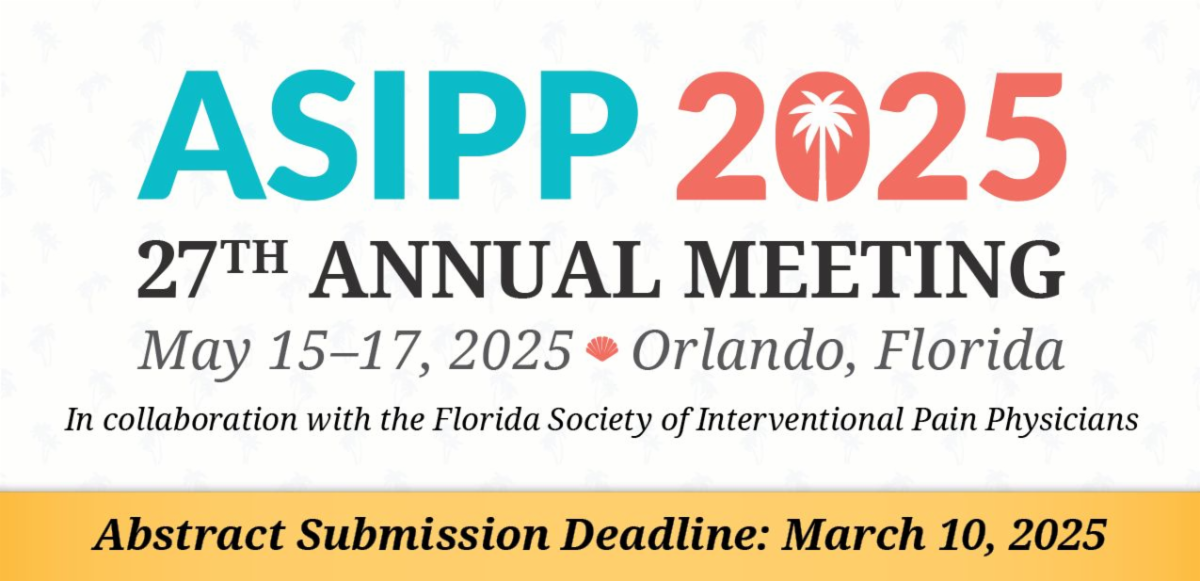
Abstract submissions are open for ASIPP's 2025 Annual Meeting!
The abstract submission deadline is March 10, 2025.
Don't miss this opportunity to share your insights and
help shape the future of pain management.
| |
|
Awareness is on the rise for the significant shortcomings in nurse practitioners’ training in the United States at a time of aggressive efforts to expand their ability to practice without physician supervision.
The training differences between nurse practitioners and physicians are stark:
- Some nurse practitioners can get their degree in as few as 18 months after becoming a registered nurse and they can do it through an online-only program. MDs and DOs, meanwhile, complete four years of medical school after earning their bachelor’s degree and there are no online medical schools.
- Nurse practitioners do not face a residency training requirement, while physicians must complete a three-to-seven-year residency depending on their specialty.
-
Nurse practitioners experience just 500–720 patient-care hours in training. Physicians accrue around 20 times that, undergoing 12,000 to 16,000 hours of patient-care experience.
Read More
| |
|
After Ray Hurtado of Haverford, Pennsylvania, retired eight years ago from his job at a health care company, he began thinking about how he wanted to spend his retirement years.
“I’m in good health, believe in aging well and plan to be around for a long time,” says Hurtado, 68. “I started looking for opportunities where I could meet new people, challenge my mind and also make a meaningful contribution.”
The solution, he decided, was to start working again. Hurtado is one of many Americans who have unretired, a post-pandemic trend that’s seeing some retirees rejoin the workforce. Many are returning to work to offset inflation, increase their social interactions and find a new passion and purpose.
Read More
| |
|
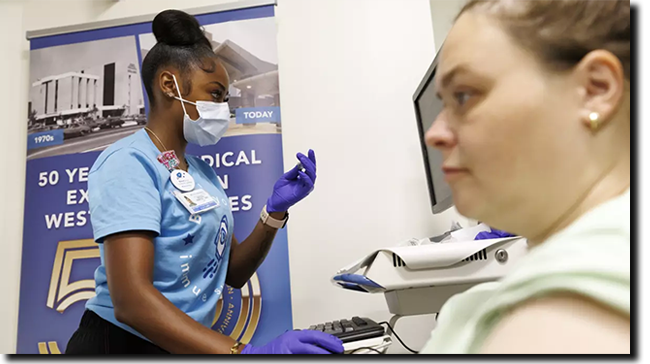
A new coronavirus subvariant is gaining steam and drawing more attention as a potential threat heading into late autumn and winter — a development that threatens to reverse recent promising transmission trends and is prompting doctors to renew their calls for residents to get an updated vaccine.
XEC, which was first detected in Germany, is gaining traction in Western Europe, said Dr. Elizabeth Hudson, regional chief of infectious diseases at Kaiser Permanente Southern California. Like virtually all coronavirus strains that have emerged in the past few years, it’s a member of the sprawling Omicron family — and a hybrid between two previously documented subvariants, KP.3 and KS.1.1.
Past surges have tended “to move from Western Europe to the East Coast to the West Coast of the U.S.,” Hudson said. “So if this does take off more and more as we get towards the colder weather months, this probably would be the variant that will potentially take hold.”
Read More
| |
|
Virtual
October 26, November 9,
and December 14
Click here for the complete list of upcoming exams.
ABIPP Part I; ABIPP Path - Combined DCCPM/CSM virtual exam;
ABIPP Competency Exam in IPM; ABIPP Competency Exam in Regenerative Medicine;
CSM Competency Exam; DCCPM Competency Exam
| |
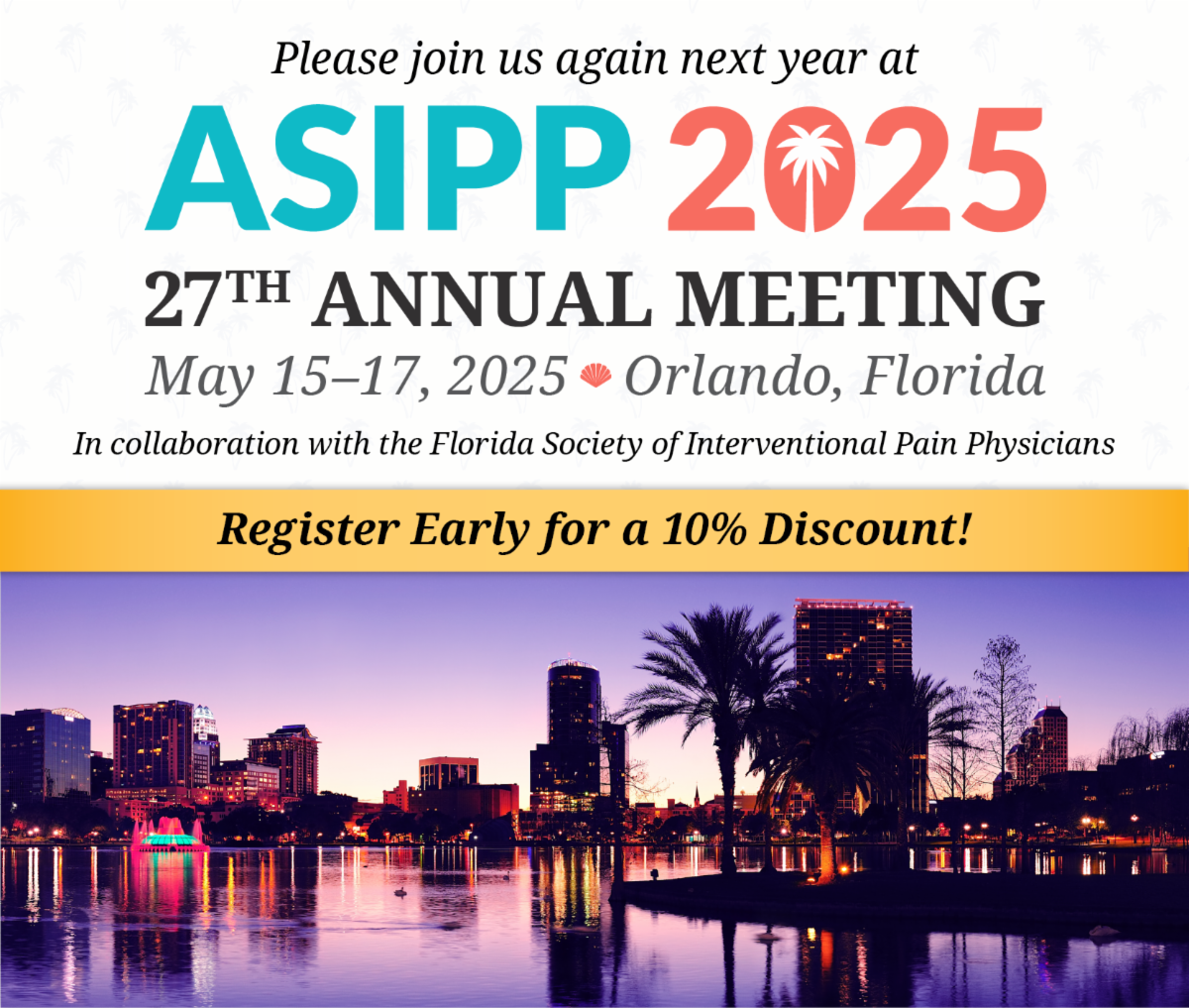
Registration is open for
ASIPP's 2025 Annual Meeting
We would love it if you would register and join us in Orlando!
| |
|
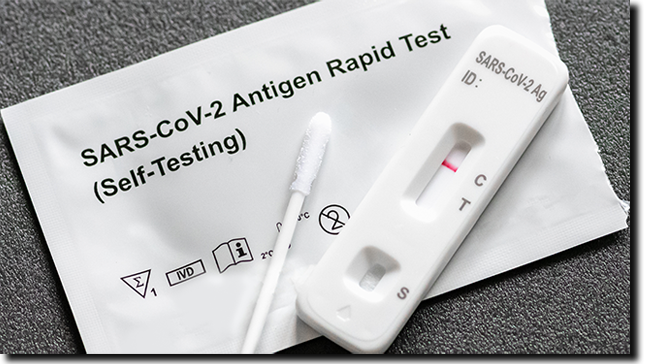
Manufacturers of the most accurate home COVID-19 tests on the market say they were left out again from the Biden administration's latest round of free orders through COVIDTests.gov, which for a seventh time will rely on less sensitive "antigen" tests, which are generally the cheaper options available on drugstore shelves.
Federal health officials have justified the millions they have spent on device manufacturers for the latest waves as critical to subsidizing U.S. factories capable of producing tests ahead of another potential pandemic, during a time when demand has evaporated.
Taxpayer dollars have flowed largely towards manufacturers of inexpensive rapid antigen tests like Access Bio in New Jersey and iHealth in California, instead of more accurate "molecular" alternatives that the Food and Drug Administration has also greenlighted.
Read More
| |
- ASIPP Members Only Site Information - | |
-
To log in for the first time you will need to click “forgot password” at the bottom of the login window.
- Check your email and then log in as directed.
-
If you have problems logging into your account, click here.
| |
|
- Lower court ruled product wasn’t under FDA authority
- Appeals judges say government had reasonable interpretation
The FDA can regulate a group of doctors’ stem cell mixtures that were advertised as treatments for a host of medical conditions, the Ninth Circuit said Friday.
The US Court of Appeals for the Ninth Circuit reversed a lower court decision that ruled against the Food and Drug Administration when it challenged doctors who create and administer a stem cell mixture called stromal vascular fraction (SVF).
Read More
| |
|
Pain Medicine Case Reports (PMCR) and Editor-in-Chief Alaa Abd-Elsayed, MD, PhD would like to invite you to submit case reports and case series to the PMCR journal. Your article will be published free of charge.
Open access journals are freely available online for immediate worldwide open access to the full text of published articles. There is no subscription fee for open access journals. Open access journals are no different from traditional subscription-based journals: they undergo the same peer review and quality control as any other scholarly journal.
Interested in becoming a member of the PMCR Editorial Board?
Editorial board members are asked to review 2-6 manuscripts per year. Please submit your most up-to-date CV to sgold@asipp.org for consideration.
For more information or to submit your articles, click here.
| |
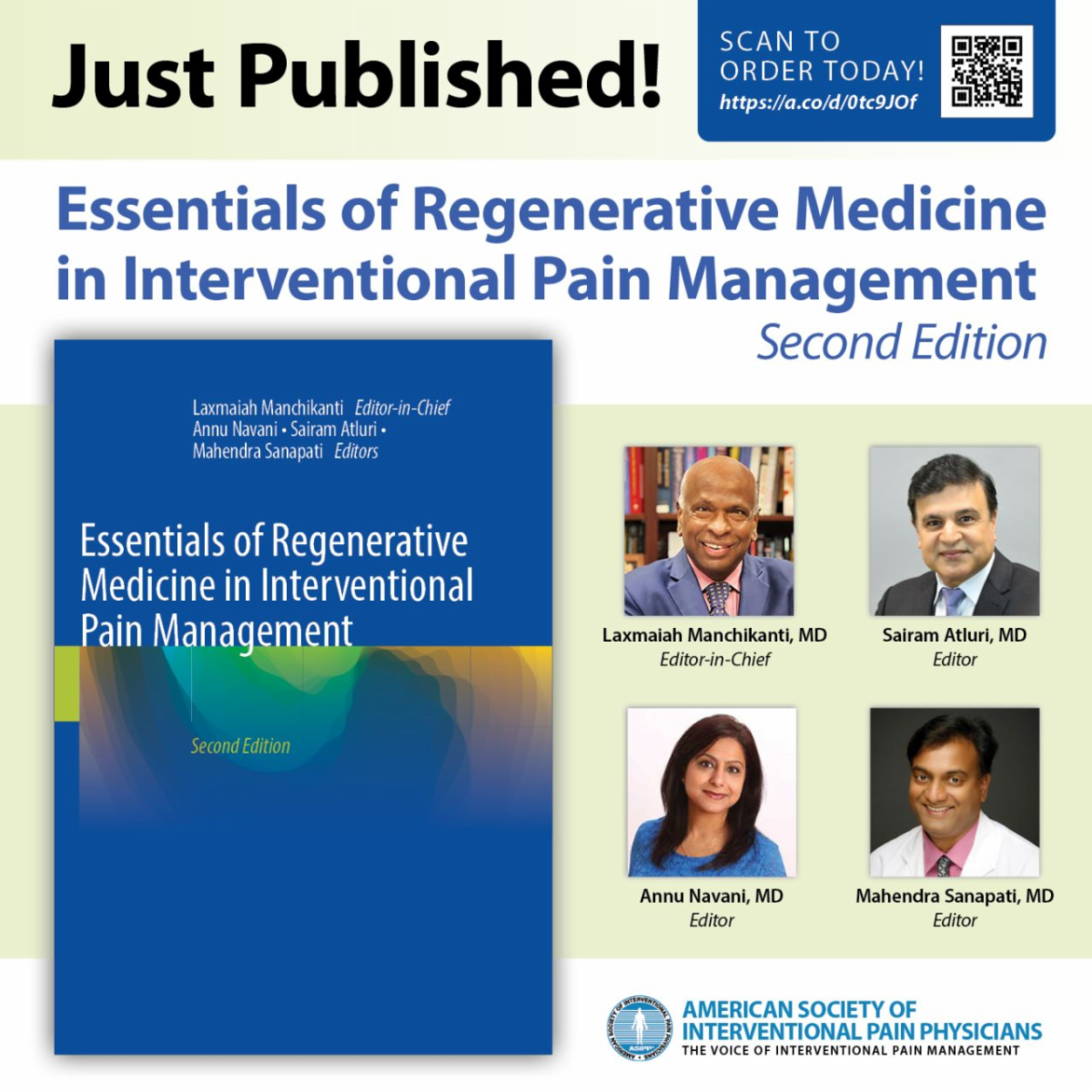
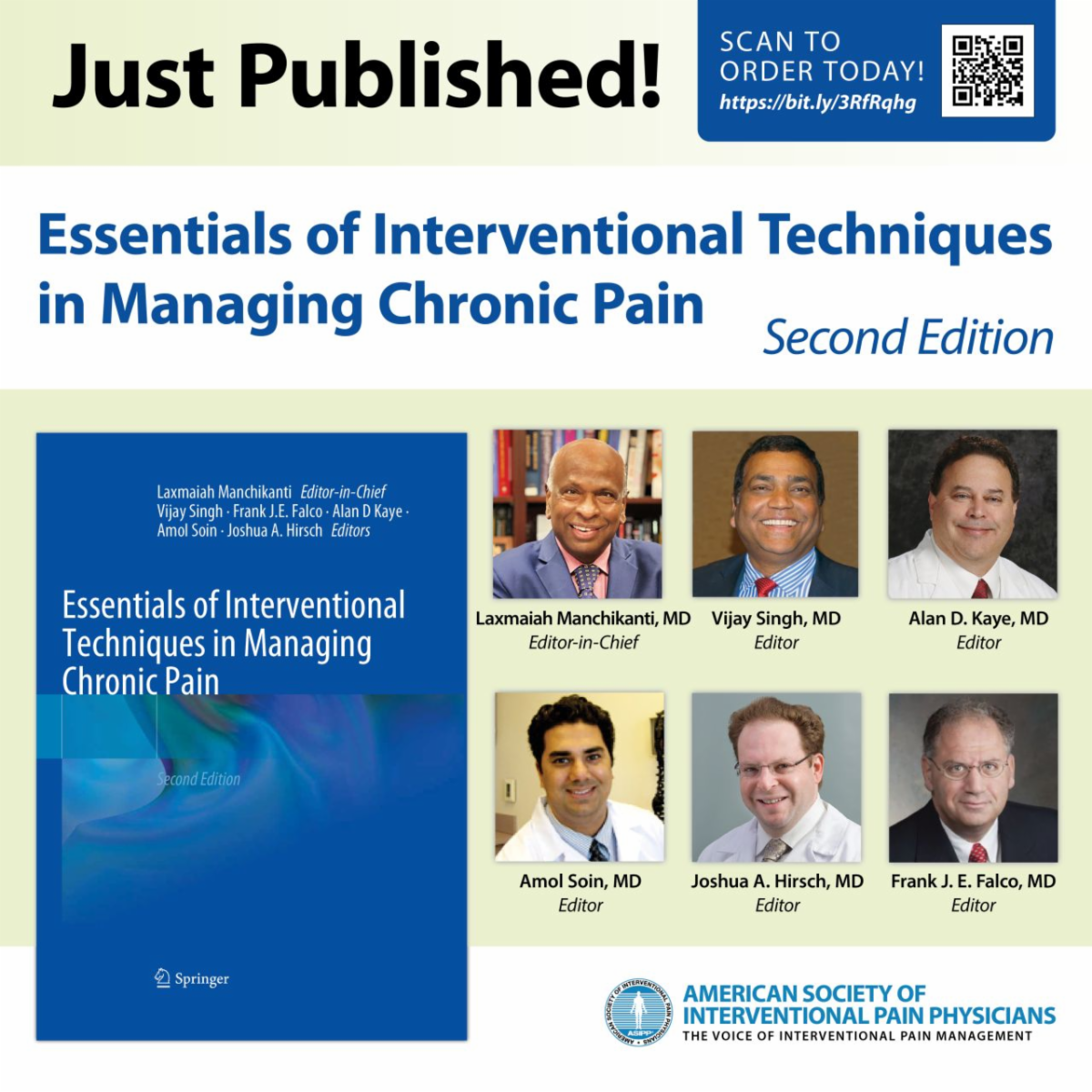
New Edition Now Available! | |
|
Chris Burton, DO, Alexis Hanson, DO, and Matthew Valeriano, MD
Abstract
BACKGROUND: Pathologic calcification is a common complication of surgically implanted devices, increasing the incidence of subsequent infection. Most literature describing this phenomenon occurs with cardiac implanted devices. Documented reports of this complication, specifically in the setting of intrathecal pain pump (ITP) and spinal cord stimulator (SCS) implants, are minimal, with presumably low incidence.
CASE REPORT: We present a case of a 58-year-old healthy man with a history of motorcycle accident status post L4-S1 fusion complicated by post-laminectomy syndrome. In February 2023, the patient required replacement of his ITP pump and SCS as both were at the end of life. During the replacement procedure, milky fluid was present with extensive calcifications along the ITP pocket and surrounding the catheter, as well as a small amount around the SCS implantable pulse generator.
CONCLUSIONS: This case illustrates the potential effect on the administration of intrathecal medication and neuromodulation if pathologic calcification occurs.
KEY WORDS: Chronic pain, intrathecal pain pump, calcification, implanted device, case report
Read More
| |
|
Jingjing Bian, MD, Aitao Wang, MD, Na Li, MD, Liqiang Yang, MD, Jiaxiang Ni, MD, and Yuanzhang Tang, MD
Abstract
BACKGROUND: Radiofrequency thermocoagulation (RFT) of the thoracic nerve root is commonly employed in treating medication-refractory thoracic post-herpetic neuralgia (PHN). However, RFT procedures’ suboptimal pain relief and high occurrence of postoperative skin numbness present persistent challenges. Previous single-cohort research indicated that the low-temperature plasma coblation technique may potentially improve pain relief and reduce the incidence of skin numbness. Nevertheless, conclusive evidence favoring coblation over RFT is lacking.
OBJECTIVES: To compare the clinical outcomes associated with coblation to those associated with RFT in the treatment of refractory PHN.
STUDY DESIGN: Retrospective matched-cohort study.
SETTING: Affiliated Hospital of Capital Medical University.
METHODS: Sixty-eight PHN patients underwent coblation procedures between 2019 and 2020, and 312 patients underwent RFT between 2015 and 2020 in our department. A matched-cohort analysis was conducted based on the criteria of age, gender, weight, pain intensity, pain duration, side of pain, and affected thoracic dermatome. Pain relief was assessed using the numeric rating scale (NRS), the Medication Quantification Scale (MQS) Version III and the Neuropathic Pain Symptom Inventory (NPSI), which were employed to indicate pain intensity, medication burden, and comprehensive pain remission at 6, 12, and 24 months. Numbness degree scale scores and complications were recorded to assess safety.
RESULTS: We successfully matched a cohort of 59 patients who underwent coblation and an equivalent number of patients who underwent RFT as a PHN treatment. At the follow-up time points, both groups’ NRS, MQS, and NPSI scores exhibited significant decreases from the pre-operation scores (P < 0.05). The coblation group’s NRS scores were significantly lower than the RFT group’s at the sixth and the twenty-fourth months (P < 0.05). At 24 months, the MQS values in the coblation group were significantly lower than those in the RFT group (P < 0.05). Furthermore, the coblation group’s total intensity scores on the NPSI were significantly lower than the RFT group’s at the 12- and 24-month follow-ups (P < 0.05). At 6 months, the coblation group’s temporary intensity scores on the NPSI were significantly lower than the RFT group’s (P < 0.05). Notably, the occurrence of moderate or severe numbness in the coblation group was significantly lower than in the RFT group at 6 and 12 months (P < 0.05). No serious adverse effects were reported during the follow-up.
LIMITATIONS: This analysis was a single-center retrospective study with a small sample size.
CONCLUSION: In this matched cohort analysis, coblation achieved longer-term pain relief with a more minimal incidence rate of skin numbness than did RFT. Further randomized controlled trials should be conducted to solidify coblation’s clinical superiority to RFT as a PHN treatment.
KEY WORDS: Post-herpetic neuralgia (PHN), neuropathic pain, thermocoagulation, plasms-mediated technology, clinical outcomes
Read More
| |
|
Fu-Kuan Zhu, MS, Fei-Fei Cheng, MD, Juan Cheng, MD, Si-Yu Wang, MS, Xi-Zi Miao, MS, Hui Zheng, MS, Zhong-Liang Deng, MD, PhD, Lei Chu, MD, and Lei Shi, MD
Abstract
BACKGROUND: In our clinical practice, we observed that some osteoporotic vertebral compression fracture patients undergoing vertebral augmentation exhibited pain in the iliac crest region. This pain aligned with the diagnostic criteria for superior cluneal neuralgia (SCN) and affected treatment satisfaction.
OBJECTIVE: This study aims to clinically observe patients undergoing vertebral augmentation in a hospital setting and analyze the etiology and risk factors associated with SCN.
STUDY DESIGN: Retrospective cohort study.
SETTING: Inpatient population of a single center.
METHODS: We retrospectively analyzed clinical data from 630 patients who underwent vertebral augmentation in our hospital from March 2022 to March 2023. Fifty-two patients enrolled in the study experienced pain that met the diagnostic criteria for superior cluneal neuralgia during the perioperative period of the vertebral augmentation procedures. Those patients were divided into 2 subgroups according to the conditions involved in the occurrence of SCN: Group A (26 patients) had either no preoperative SCN but developed it postoperatively, or had preoperative SCN that worsened or did not alleviate postoperatively. Group B (26 patients) had preoperative SCN that was relieved postoperatively. Additionally, 52 consecutive patients in March 2022 to March 2023. who did not experience SCN during the perioperative period were selected as the control group (Group C). Variables such as surgical segment, age, height, weight, body mass index, duration of hospitalization, chronic low back pain (CLBP), duration of pain, anesthesia, surgical approach, fracture pattern, preoperative visual analog scale (pre-op VAS) score, intraoperative VAS score, one-day VAS score, one-month VAS score, lumbar sacral angle, and sacral tilt angle were statistically described and analyzed.
RESULTS: In our hospital, the incidence of SCN during the perioperative period of vertebral augmentation procedures is 8.25% (52/630). Among all the segments of patients who developed SCN during the perioperative period, the L1 segment had the highest proportion, which was 29.03% and 35.14% in Groups A and B, respectively. Group B and Group C showed significant differences in duration of hospitalization (P = 0.012), pre-op VAS scores (P = 0.026), and CLBP (P < 0.001). Group A had significantly higher VAS scores preoperatively (P = 0.026) and intraoperatively (P = 0.004) and in CLBP (P = 0.001) than did Group C.
LIMITATIONS: This is a retrospective study. Single-center noncontrolled studies may introduce selection bias. The small sample size in each group might have also led to bias.
CONCLUSION: Perioperative SCN associated with vertebral augmentation is significantly correlated with preoperative VAS scores and CLBP. In addition, intraoperative VAS scores might be a factor contributing to the nonalleviation or exacerbation of postoperative SCN.
KEY WORDS: Vertebral augmentation, superior cluneal neuralgia, osteoporotic vertebral compression fracture
Read More
| |
|
ASIPP is now in collaboration with Curi Medical Liability Program
| |
|
Since this malpractice insurance program officially launched in November 2018, ASIPP has signed up hundreds of providers with an average savings of 30%. This is professional liability insurance tailored to our specialty and will stand up for us and defend our practices.
Curi is a full-service advisory firm that serves physicians and their practices. Their valued advice is grounded in your priorities and elevated in your outcomes. They are driven by a deep understanding of your specific circumstances in medicine, business, and life. To read a few important points to keep in mind about the program, including discounts, administrative defense, cyber coverage, aggressive claims handling, and complimentary risk management CME activities, visit our website.
| | |
|
Group Purchasing Organization Offer Better Pricing and Creates Added Value
ASIPP has formed a partnership with Henry Schein and PedsPal, a national GPO that has a successful history of negotiating better prices on medical supplies and creating value-added services for independent physicians. Working with MedAssets, PedsPal provides excellent pricing on products like contrast media that alleviate some of the financial pressures you experience today.
Learn More
| |  |
|
ASIPP, Fedora Healthcare Solutions Partnership
ASIPP offers our members the benefit of a unique revenue cycle management/ billing service.
We have received a tremendous amount of interest in the ASIPP billing and coding program.
Click here to learn more about the negotiated rate for practices and more!
| |
|
Like and follow ASIPP® on Facebook, X, and LinkedIn for the most
up-to-date news related to you, your practice, and your patients!
| | | | |