Registration is open for
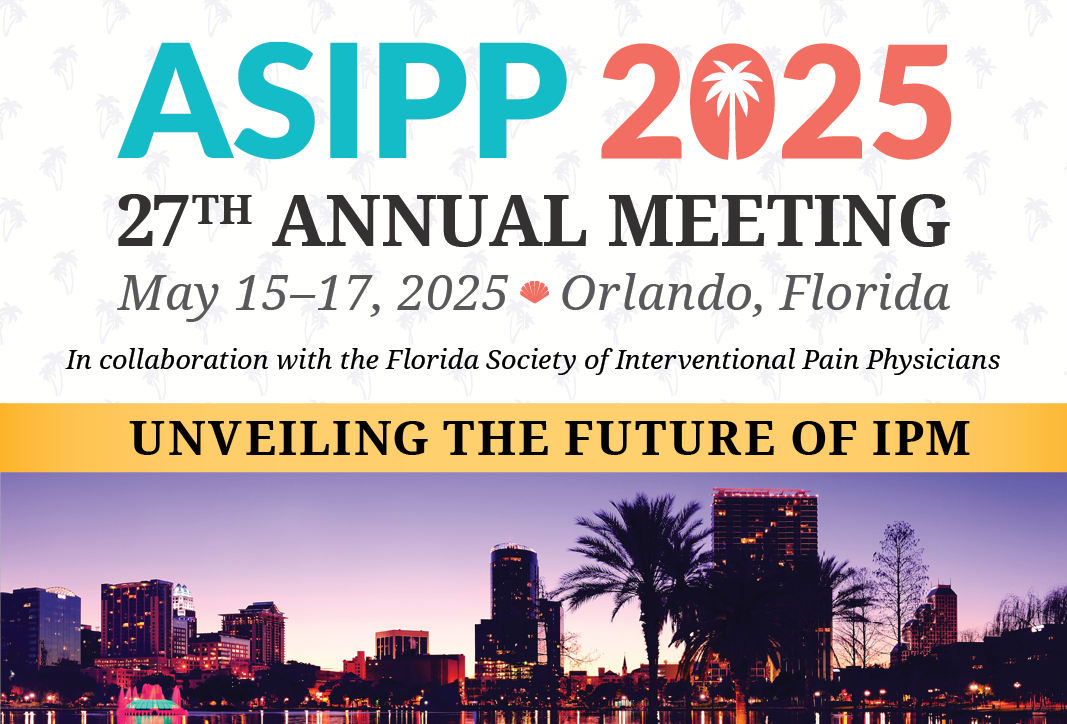
ASIPP's 2025 Annual Meeting
We would love it if you would register and join us in Orlando!
| |
Attention Fellows and Residents! | |
|
ASIPP is pleased to announce a scholarship to help fellows and residents participate in the 2025 ASIPP Annual Meeting. Recipients of this scholarship will receive reimbursement for up to three nights stay at the host hotel at the official ASIPP single-occupancy room block rate. This includes room block room rate and tax.
The number of scholarship recipients will be limited so it is important to apply soon!
| |
Abstract submissions are open for
ASIPP's 2025 Annual Meeting!
The abstract submission deadline is March 10, 2025.
Don't miss this opportunity to share your insights
and help shape the future of pain management.
| |
|
The current model doesn't account for the complexity of the healthcare system
The rise of online reviews has transformed how we evaluate everything from restaurants to service providers. While these systems are convenient and empowering for consumers, their application in healthcare raises unique challenges -- particularly for physicians. Reviews on search engines -- like Google, for example -- appear to have unintentionally created a system that can harm the very professionals patients rely on for care.
Physicians are one of the few professional groups subject to public ratings on aspects of service that often fall far outside their control. While transparency and feedback are essential in any industry, the current model of online reviews does not account for the complexity of the healthcare experience. This results in a distorted portrayal of a physician's performance, undermining trust, damaging reputations, and contributing to burnout.
Key Challenges Physicians Face With Online Reviews
There are several issues specific to healthcare when it comes to online reviews:
- Unfair accountability.
- Lack of context and verification.
-
Reputational harm.
-
Emotional toll.
Read More
| |
Agendas for ASIPP's
Virtual Review Courses Are Here!
| |
|
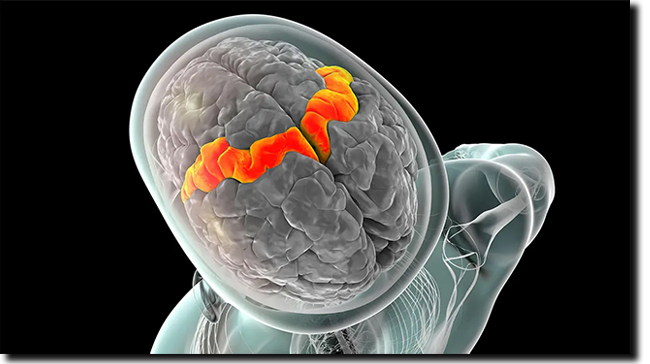
Cortical activity signature may tell who will develop chronic pain
A novel biomarker signature that assessed cortical activity predicted individual pain sensitivity, the PREDICT validation study showed.
The signature consisted of two measures: sensorimotor peak alpha frequency (PAF) and corticomotor excitability (CME). In the training set, it correctly classified study participants with high or low pain sensitivity with an area under the curve (AUC) of 1.00.
In the test set, the signature had an AUC of 0.88 (95% CI 0.78-0.99), reported David Seminowicz, PhD, of the University of Western Ontario in London, Canada, and co-authors in JAMA Neurology.
Read More
| |
Other apps don't have the same reach, which is helpful in dispelling misinformation, they say
Promises of a TikTok ban have loomed over the popular video app for months, and a brief pause in operations this weekend gave millions a taste of what a full ban would entail.
Several popular physician content creators who post videos on multiple social media sites, including TikTok, told MedPage Today why they're staunchly opposed to a TikTok ban, noting that it would result in the loss of an outlet for sharing information and dispelling rampant misinformation.
William Flanary, MD, an ophthalmologist better known for his popular comedic sketch videos as his alter ego "Dr. Glaucomflecken," has 2.4 million followers on TikTok alone.
Read More
| |
|
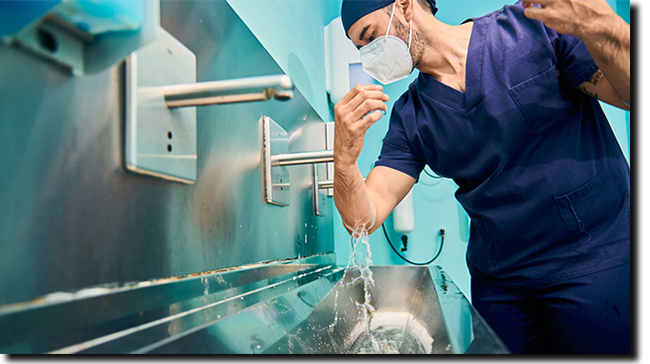
Here's how to protect yourself in the hospital
It was 11 p.m. and I had just fallen asleep when I heard a cry from my 4-year-old son's room. I headed downstairs to find a trail of vomit on the carpet and up the stairs, as he tried to make his way up to my bedroom. The next few hours were a blur as I rushed him back and forth to the bathroom. The second time he got sick, he vomited directly into my hands, onto my robe, in my hair. As frantically as I worked to scrub my hands and face with soap and water and get all the clothes and bedding into the laundry, I knew I would be the next person to experience norovirus in the house.
How could I be certain? The spread of norovirus is quick and efficient.
Many factors contribute to its spread:
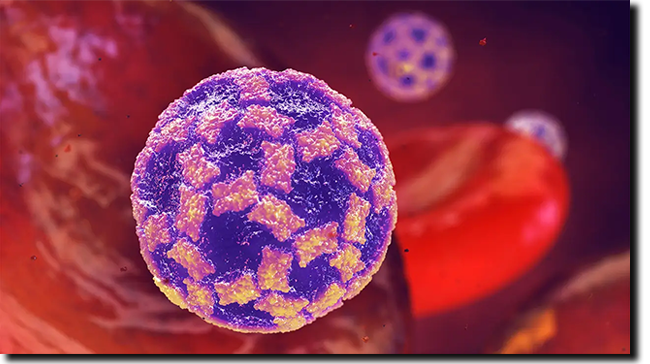
- Infectious dose: With just 100 (or fewer) viral particles, norovirus can infect the next person. Considering there is somewhere between 1-100 million particles in just 1 milliliter of vomit, only a small amount is needed to pass on the infection.
- Stability in the environment: Norovirus is hardy due to its hard protein shell. It is resistant to extreme temperatures, lives for days to weeks, and is resistant to many common cleaning agents, including alcohol-based hand sanitizers. If an infected person vomits in the bathroom (or elsewhere), every contaminated surface must be cleaned with a disinfectant (typically bleach) that can effectively kill norovirus.
- Transmission routes: Norovirus spreads through the fecal oral route, aerosolized particles from vomiting, and any close contact with viral particles on a countertop or doorknob.
Read More
| |
|
New 2025 Dates
Mark your calendars!
February 15, March 1, & March 29
Four (4) hour virtual exam
- ABIPP Path – Combined CCPM/ CSM Exam
For those with subspecialty in Pain Medicine
Two (2) hour virtual exam
- ABIPP Competency Exam in IPM
For those without primary board certification
Two (2) hour virtual exam
- ABIPP Competency Exam in Regenerative Medicine
Two (2) hour virtual exam
- Controlled Substance Management Competency Exam
Two (2) hour virtual exam
- Documentation, Coding, Compliance, Practice Management Competency Exam
Two (2) hour virtual exam
| |
|
Recurrence rate in early-stage disease reduced by 50-60% in patients with PI3K pathway mutations
In an era dominated by pricey, high-tech drugs, the humble aspirin had a practice-changing impact on colorectal cancer (CRC) recurrence, according to a randomized study reported here.
Patients with treated, PI3K-mutated early CRC had a 50-60% lower risk of recurrence at 3 years if they received 160 mg of aspirin daily. The benefit occurred in patients with PIK3CA exon 9/20 mutations, so-called "hot spot" mutations, and in patients with other types of PI3K mutations.
Aspirin's beneficial effect on CRC recurrence translated into a 40-50% improvement in disease-free survival (DFS). The findings also confirmed PI3K mutations as a predictive biomarker for response to aspirin, reported Anna Martling, MD, PhD, of the Karolinska Institute in Stockholm, at the American Society of Clinical Oncology (ASCO) Gastrointestinal Cancers Symposium.
Read More
| |
- ASIPP Members Only Site Information - | |
-
To log in for the first time you will need to click “forgot password” at the bottom of the login window.
- Check your email and then log in as directed.
-
If you have problems logging into your account, click here.
| |
|
Many factors contribute to the rise in diagnoses, but what causes autism remains elusive
President Trump has said that Robert F. Kennedy Jr., his nominee to run HHS, would investigate why autism spectrum disorder (ASD) diagnoses are rising.
Since at least 2014, Trump has floated a theory that vaccines are behind the rise, but no evidence indicates this is true.
"There have been extensive studies researching potential links to routine childhood vaccinations and autism diagnoses, and the results have shown that no such link exists," said Eric Burnett, MD, of Columbia University Irving Medical Center in New York City.
Read More
| |
|
New guidelines from the American Society of Regional and Anesthesia (ASRA) Pain Medicine offer strategies for anesthesiologists and pain physicians to prevent infections that develop after surgery and other pain procedures.
Surgical site infections (SSIs) — which by some estimates occur 500,000 times annually in the United States— increase hospital costs by more than $20,000 per admission and extend stays by almost 10 days, according to the Centers for Disease Control and Prevention. Besides the economic costs, some patients who have an SSI will experience long-term infection and earlier death.
“This puts together guidelines and practices in one place, well supported by the literature,” said Christine Hunt, DO, a physiatrist at Mayo Clinic in Jacksonville, Florida, who helped write the new recommendations. The guidelines offer suggestions from the perioperative setting through chronic pain management, Hunt added.
Read More
| |
Upcoming ASIPP State Society Meetings | |
Join the Louisiana Society of
Interventional Pain Physicians (LSIPP)
2025 Annual Meeting on February 20
6 pm (CST) at Juban's Restaurant in Baton Rouge, LA
| |
|
Pain Medicine Case Reports (PMCR) and Editor-in-Chief Alaa Abd-Elsayed, MD, PhD would like to invite you to submit case reports and case series to the PMCR journal. Your article will be published free of charge.
Open access journals are freely available online for immediate worldwide open access to the full text of published articles. There is no subscription fee for open access journals. Open access journals are no different from traditional subscription-based journals: they undergo the same peer review and quality control as any other scholarly journal.
Interested in becoming a member of the PMCR Editorial Board?
Editorial board members are asked to review 2-6 manuscripts per year. Please submit your most up-to-date CV to sgold@asipp.org for consideration.
For more information or to submit your articles, click here.
| |
|
Luis Miguel Escano Volquez, MD, Roger Haddad, DO, and Nimesh Patel, MD
Abstract
BACKGROUND: Since the introduction of neuromodulation, significant advances in technology and safety have been achieved. Despite these improvements, complications are frequently observed. Among these complications, lead migration has been reported as the most common, with significant cephalad displacement being among the rarest for this type.
CASE REPORT: We present a case of a 69-year-old woman with chronic low back pain that experienced lead migration from T8 to T3 during the trial period, leading to an unsuccessful trial.
CONCLUSIONS: Although rare, drastic displacement in the cephalad direction of a spinal cord stimulator lead has been reported in the literature and warrants recognition. There are multiple potential etiologies that could explain this movement. There is a need to further study its mechanism, how the current methods for securing the lead perform, and developing better options for securing the device.
KEY WORDS: Neuromodulation, lead migration, spinal cord stimulator, case report
Read More
| |
|
JiaYu Yue, MS, Liping Chen, MS, Chengcheng Zhao, MS, Bohan Hua, MS, Qinru Yang, MS, Keyue Xie, PhD, Huadong Ni, PhD, and Ming Yao, PhD
Abstract
BACKGROUND: Herpes zoster (HZ) is a common condition that causes severe pain mostly in middle-aged and older adults. It is currently treated with a combination of medication and surgery. However, some patients do not experience complete pain relief even after surgery and often experience a period of mild pain until a complete cure. Some studies suggest that the development of HZ is markedly associated with antioxidant factors; however, the relationship between preoperative antioxidant factors and the prognosis of HZ remains undetermined.
OBJECTIVES: Our study aimed to investigate the relationship between preoperative antioxidant factors and the one-year cure rate in patients with HZ.
STUDY DESIGN: A retrospective, observational study.
SETTING: The study was carried out in the Pain Department of the First Hospital Affiliated to Jiaxing College in Jiaxing, People’s Republic of China.
METHODS: The clinicopathological data of the patients who were admitted with HZ neuralgia at the First Hospital of Jiaxing from October 2021 through October 2022 were retrospectively analyzed, and their pain cure was followed up over the telephone. Furthermore, the optimal cut-off value of the antioxidant factor was assessed via the receiver operating characteristic (ROC) curve, whereas to evaluate the relationship between the antioxidant factor and various clinicopathologic characteristics of the patient, a c2 was performed. The Kaplan-Meier method was utilized to estimate the cure rate at one year. Moreover, the Cox regression model was used to assess the association of antioxidant factors with the prognosis of patients with HZ neuralgia. Lastly, ROC curves were generated to predict the effect of albumin (ALB), uric acid (UA), and combined ALB-UA (Co ALB-UA) on the patient’s prognosis.
RESULTS: A total of 225 patients were included in this study: 138 women and 87 men, with the median age of 62 years. The cure rate at one year was significantly higher in the ALB, UA, total bilirubin level (TBL), and homocysteine (HCY) groups than in the low value group (83.1%vs 41.6%, 73.7% vs 55.0%, 70.4% vs 52.1%, 71.3% vs 57.3% respectively, P < 0.05). The multifactorial Cox regression model indicated that the preoperative Numeric Rating Scale pain score (hazard ratio [HR] = 0.630; 95% CI, 0.437-0.907; P < 0.05), ALB (HR = 3.221; 95% CI, 2.212-4.690; P < 0.05), and UA (HR = 1.691; 95% CI, 1.182-2.419; P < 0.05) were identified as independent protective factors for a complete cure. An ROC curve analysis showed that the area under the curve of ALB, TBL, UA, HCY, and Co ALB-UA was 0.731 (95% CI, 0.658-0.805), 0.597 (95% CI, 0.518-0.675), 0.704 (95% CI, 0.633-0.774), 0.587 (95% CI, 0.508-0.666), and 0.777 (95% CI, 0.716-0.837) respectively. Additionally, the Co ALB-UA was more important than the individual antioxidant factors in evaluating a prognosis.
LIMITATIONS: Major limitations of this study are its nonrandomized, single-center, and retrospective design.
CONCLUSIONS: ALB and UA are independent risk factors and reflect the prognosis of patients with HZ neuralgia. Furthermore, their combined application may improve prediction accuracy.
KEY WORDS: Antioxidant factors, prognostic factors, joint assessment index, cure rate, herpes zoster
Read More
| |
|
Ji Wu, PhD, Keyu Chen, PhD, Hao Mei, PhD, Yuankun Cai, PhD, Lei Shen, BA, Jingyi Yang, BA, Dongyuan Xu, PhD, Songshan Chai, PhD, and Nanxiang Xiong, PhD
Abstract
BACKGROUND: Trigeminal neuralgia (TN) is defined as spontaneous pain in the region of the trigeminal nerve that seriously affects a patient's quality of life. Percutaneous balloon compression of the trigeminal ganglion is a simple and reproducible surgical procedure that reduces the incidence of TN, but the postoperative outcome is poor in some patients, with it being ineffective or TN recurring.
OBJECTIVES: To establish a machine learning-based clinical imaging nomogram to predict the recurrence of trigeminal neuralgia in patients treated with percutaneous balloon compression.
STUDY DESIGN: Retrospective study.
METHODS: The clinical data of 209 patients with TN treated with percutaneous balloon compression at Zhongnan Hospital of Wuhan University from January 2017 through August 2023 were retrospectively collected and randomized into training and validation cohorts. All imaging histologic morphological features were extracted from the intraoperative x-ray balloon region using 3D slicer software. The relationship among clinical factors, least absolute shrinkage and selection operator, and 4 machine learning predictions of the patient's TN prognosis were analyzed using a one-way analysis of clinical factors. A prediction model was constructed using receiver operating characteristics curve analysis. The performance of the clinical imaging histogram of patients' TN prognoses was evaluated using a receiver operating characteristics curve and decision curve analysis. The model was finally validated using a validation cohort and a receiver operating characteristics curve.
RESULTS: The training group included 149 patients; 16 morphology-related imaging histological features were extracted for analysis. After one-way logistic regression analysis, least absolute shrinkage and selection operator analysis incorporated original_shape_Elongation, original_shape_MajorAxisLength, original_shape_flatness morphology-related imaging histologic features, gender, and affected side to give a total of 6 predictors. The final results were obtained for gender, affected side, and MajorAxisLength. Finally, 4 machine learning receiver operating characteristics curves for random forest tree, support vector machine, generalized linear model, and extreme gradient boosting models were obtained for the clinical and imaging features of gender, affected side, drug, original_shape_MajorAxisLength, and original_shape_flatness. The areas under the receiver operating characteristics curves were 0.990, 0.993, 0.990, and 0.986, respectively. Finally, predictive column maps of affected side, gender, original_shape_flatness, and MajorAxisLength were constructed using the support vector machine method, and the area under the receiver operating characteristics curve of the model was 0.99, which suggests that the model had good predictive ability. Decision curve analysis and calibration curves showed high applicability of column-line diagrams in clinical practice. Our validation cohort consisting of 60 patients had an area under the receiver operating characteristics curve of 0.857.
LIMITATIONS: This study was performed in a single center. The nature of this study was retrospective rather than prospective and randomized, and it was not possible to entirely control for nuisance variables.
CONCLUSION: Screening clinical information by machine learning, combined with a clinical imaging histology nomogram, has good potential for predicting the prognosis of a patient's TN treated with percutaneous balloon compression, and is suitable for clinical application in patients with TN after percutaneous balloon compression.
KEY WORDS: nomogram, percutaneous balloon compression, prognosis, trigeminal neuralgia, machine learning
Read More
| |
|
ASIPP is now in collaboration with Curi Medical Liability Program
Since this malpractice insurance program officially launched in November 2018, ASIPP has signed up hundreds of providers with an average savings of 30%. This is professional liability insurance tailored to our specialty and will stand up for us and defend our practices.
Curi is a full-service advisory firm that serves physicians and their practices. Their valued advice is grounded in your priorities and elevated in your outcomes. They are driven by a deep understanding of your specific circumstances in medicine, business, and life. To read a few important points to keep in mind about the program, including discounts, administrative defense, cyber coverage, aggressive claims handling, and complimentary risk management CME activities, visit our website.
| | |
|
Group Purchasing Organization Offer Better Pricing and Creates Added Value
ASIPP has formed a partnership with Henry Schein and PedsPal, a national GPO that has a successful history of negotiating better prices on medical supplies and creating value-added services for independent physicians. Working with MedAssets, PedsPal provides excellent pricing on products like contrast media that alleviate some of the financial pressures you experience today.
Learn More
| |  |
|
ASIPP, Fedora Healthcare Solutions Partnership
ASIPP offers our members the benefit of a unique revenue cycle management/ billing service.
We have received a tremendous amount of interest in the ASIPP billing and coding program.
Click here to learn more about the negotiated rate for practices and more!
| |
|
Like and follow ASIPP® on Facebook, X, and LinkedIn for the most
up-to-date news related to you, your practice, and your patients!
| | | | |