|
Update on ASIPP’s Congressional Efforts to Prevent Onerous Medicare Reimbursement Cuts
ASIPP has spent the past week reaching out to Congressional offices encouraging them to sign onto the “Dear Colleague” letter that is being circulated by Reps. Miller-Meeks, Bera, Bucshon, and Schrier asking House and Senate leadership to prevent the 3.37% cuts from taking effect. Currently, over 90 Members of Congress have signed the letter and we are working on a script for you all to engage your respective House Members. Click here for the list of co-signers.
ASIPP has been working with Congresswoman Miller-Meeks (R-IA) on her legislation, H.R. 6545, that was introduced on Friday, Dec. 1. In addition to modifying the budget neutrality requirements, it also provides a conversion factor fix to lower the cut from 3.37% to 2.15%. This is consistent with the language that passed the Senate Finance Committee in November.
We will continue to update our membership on the progress and status of our efforts. In the meantime, we ask that you continue to take an active role by sending your letters and involving your patients in the letter-writing campaign. See the news brief below for more details on our letter-writing campaign below.
| |
|
Join ASIPP’s VoterVoice Campaign:
Fight Medicare Physician Payment Cuts!
ASIPP Members, Interventional Pain Physicians, and patients, we need your active participation to protect patients’ access to care! CMS has revealed the 2024 Physician Fee Schedule, and it brings ominous news. You can help preserve our patients’ access to care by promptly signing the sample letters below.
Physicians, click here to use VoterVoice to send a letter to your representatives online, or use this sample letter to send on your own. Get your patients involved by asking them to sign this letter, and then have them, or your staff, enter the letter into VoterVoice by clicking here.
| |
Early Bird Registration is open for ASIPP Members!
Register now for 10% off!
| |
|
The physician shortage crisis is here—and so are bipartisan fixes
As doctors know all too painfully well, the current physician shortage is already limiting access to care for millions of people across the country.
And it’s about to get much worse if changes aren’t made now, AMA President Jesse M. Ehrenfeld, MD, MPH, told news media gathered for his recent address to the National Press Club in Washington.
“The physician shortage that we have long feared—and warned was on the horizon—is here. It’s an urgent crisis hitting every corner of this country—urban, rural—with the most direct impact hitting families with high needs and limited means,” said Dr. Ehrenfeld, an anesthesiologist. “Imagine walking into an emergency room in your moment of crisis, in desperate need of a physician’s care, and finding no one there to take care of you. That’s what we are up against.”
Read More
| |
|
Fix the Medicare flaw that forces across-the-board cuts
A coalition of physician members of Congress has introduced a discussion draft of legislation to reform the budget-neutrality policies applied to the Medicare physician payment schedule.
This legislative proposal, largely based on work that emerged from the AMA Medicare Reform Workgroup, offers practical policy improvements that provide some needed stability to the physician payment system by assuring that the Centers for Medicare & Medicaid Services' (CMS) payment policy is based on reality—not projections.
Among other things, the proposal would raise the budget-neutrality threshold from $20 million to $53 million and increase every five years by the cumulative increase in Medicare Economic Index (MEI) since the last update to the threshold. The $20 million was established in 1992 and has not been updated since. Raising the budget-neutrality threshold would allow for greater flexibility in determining pricing adjustments for services without triggering across-the-board cuts.
Read More
| |
|
Doctor 'Wage Theft' Is Not Without Consequences
Uncompensated time harms healthcare professionals at the very least
If you worked retail or behind a fast-food counter in the pre-digital age, you may remember the time clock and cha-chunk sound it made when you signed in and out of your job. (Okay, it was not really a cha-chunk sound, but everyone noticed when you came and went because the sound was...forceful.) If you remember that sound, you will also remember that once you clocked out, you were free. No more obligations!
For many emergency department doctors, hospitalists, intensivists, and other clinicians today, there is no such freedom. When the shift ends, they keep working, documenting, or "signing out" (briefing the clinician who is there to relieve them). Because many staffing companies and hospitals do not schedule any overlap in shifts, this work is "off the clock." In other words, the time is uncompensated when doctors are paid hourly (as many of us are).
When this happens, staffing firms and hospitals are, wittingly or unwittingly, making clinicians choose between their own financial well-being and caring for patients. Businesses would face significant pushback and legal ramifications if they tried to take advantage of hourly workers in this manner. But due to physicians' ethical and cultural sense of duty, they stay and rarely complain.
Read More
| | |
|  |
|
|
MDMA Therapy for Loneliness? Researchers Say It Could Work
Some call the drug "ecstasy" or "molly." Researchers are calling it a potential tool to help treat loneliness.
As public health experts sound the alarm on a rising loneliness epidemic in the United States and across the globe, early research is finding that MDMA could increase social connectedness and reduce defensiveness in some people — effects that some say could, in combination with therapy, help combat loneliness.
In the latest study, MDMA "led to a robust increase in feelings of connection" among people socializing in a controlled setting. Participants were dosed with either MDMA or a placebo and asked to chat with a stranger. Afterward, those who took MDMA said their companion was more responsive and attentive, and that they had plenty in common. The drug also "increased participants' ratings of liking their partners, feeling connected and finding the conversation enjoyable and meaningful."
Read More
| |
|
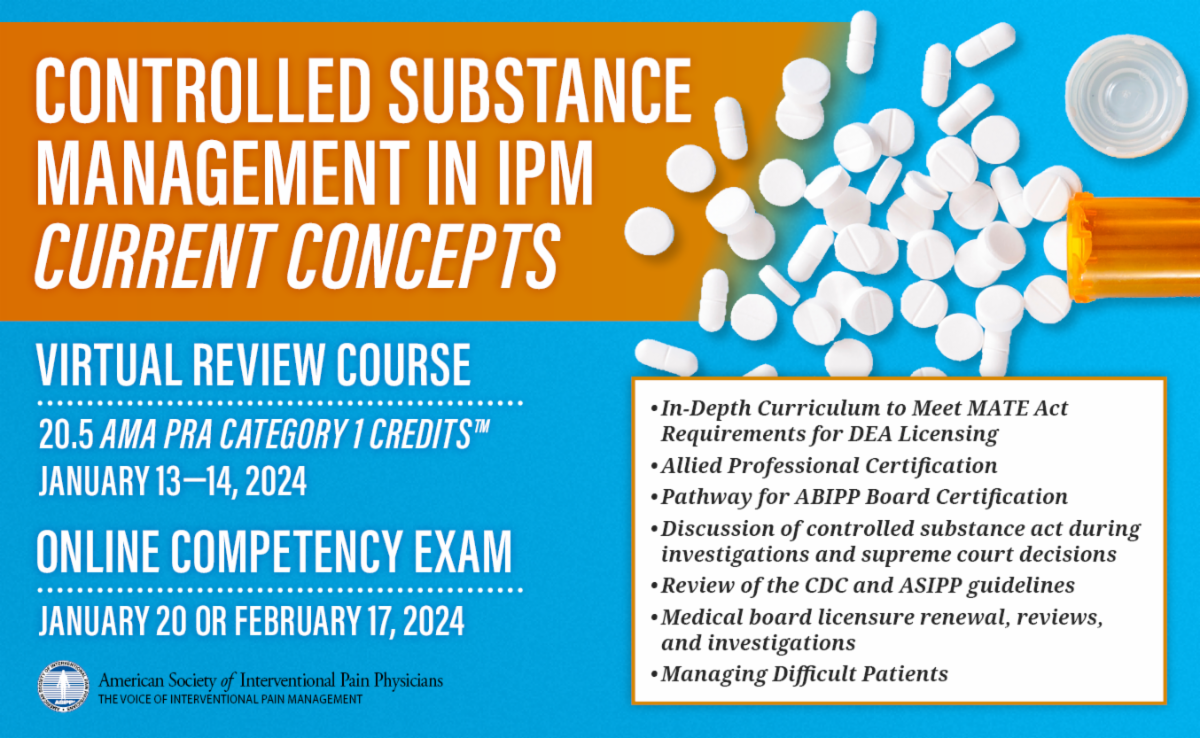
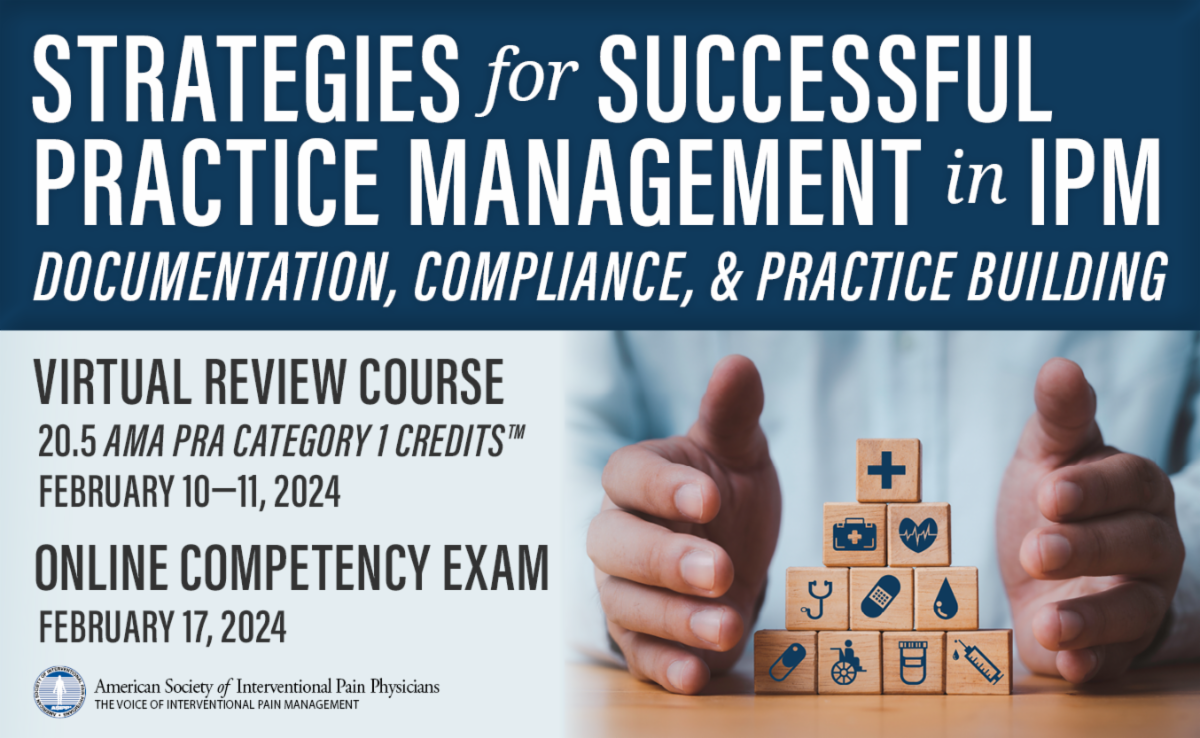
Virtual
December 16, 2023
ABIPP Part I; ABIPP Path - Combined DCCPM/CSM virtual exam;
ABIPP Competency Exam in IPM; ABIPP Competency Exam in Regenerative Medicine
January 20, 2024
ABIPP Part I; ABIPP Path - Combined DCCPM/CSM virtual exam;
ABIPP Competency Exam in IPM; ABIPP Competency Exam in Regenerative Medicine;
Controlled Substance Management (CSM) Competency Exam
February 17, 2024
ABIPP Part I; ABIPP Path - Combined DCCPM/CSM virtual exam;
ABIPP Competency Exam in IPM; ABIPP Competency Exam in Regenerative Medicine;
CSM Competency Exam; DCCPM Competency Exam
In-Person
June 21, 2024
ABIPP Part II Practical Examination
Lab Venue: Oquendo Center, 2425 E. Oquendo Rd, Las Vegas, NV 89109
| |
|
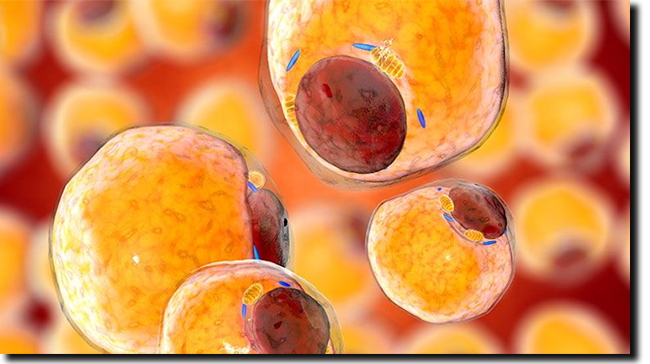
What happens when you diet and exercise
What happens to body fat when you shed pounds — do you sweat it out, pee it out or breathe it out? The answer is yes, yes and yes.
How on earth does this happen? “It helps to understand that our bodies are designed to store excess energy in fat cells,” says endocrinologist Bartolome Burguera, MD, PhD.
If you are overweight, it means you’re taking in more energy (calories are units of energy) than you’re using.
“The extra energy is stored in adipose tissue all around your body in the form of triglycerides,” says Dr. Burguera. Smaller amounts of energy are stored in your liver and muscles as glycogen.
Read More
| |
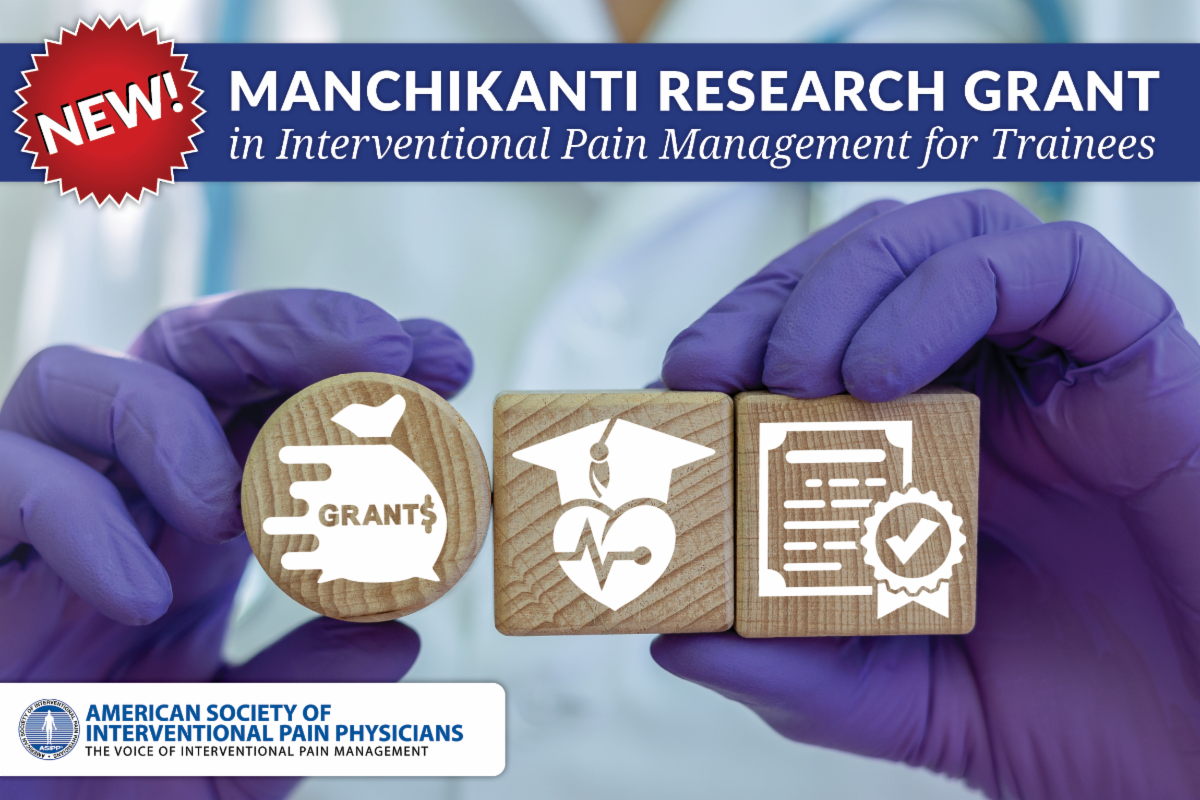 | |
Award Specifics:
- Annual Research Grant awarded to two (2) residents in the amount of $2,500 each; and two (2) fellows in the amount of $5,000 each for one-year project in IPM.
- Projects must be IRB approved, submitted or in pending status
- Mentor supervised by an ASIPP member in good standing.
- Must not overlap with current ongoing studies.
Application Requirements:
-
Applicant and mentor curriculum vitae (CV current, and updated within 4 weeks of the application date)
- Project proposal should include: title, abstract, specific aims, research approach (Background, Methods, Statistical Analysis, Timeline)
- Detailed budget
- Detailed mentorship plan by the mentor
- Specify the role of any collaborators/co-investigators that might be involved in the study.
- Applicant must be ASIPP member (in good standing) and Recipients must maintain ASIPP membership for at least 3 years post-award.
Application Deadline: January 31st, 2024
Recipients will be notified at ASIPP's 2024 Annual Meeting in Dallas, Texas.
Program Administration:
Inquiries about the Manchikanti Grant should be directed to: Melinda Martin
For more information, click here.
| |
|
COVID, Flu Rates Rising Nationwide, but RSV May Have Peaked
COVID-19 appears to be heading for a holiday season increase across most of the country. More people are testing positive, visiting emergency rooms for treatment, and being admitted to the hospital with severe symptoms. The sizable uptick follows a relatively quiet autumn for COVID, and comes as rates of other respiratory illnesses like the flu are also picking up.
One in 10 COVID tests reported to the CDC were positive during the week ending Nov. 25, which is a 9% increase, compared to the 2 weeks prior. COVID was diagnosed during nearly 2% of emergency room visits, which although small overall, is an 11% increase over the prior week. Hospital admissions for COVID reached nearly 20,000 for the week ending Nov. 25, marking a 10% jump.
COVID is particularly increasing in the Midwest and mid-Atlantic regions of the U.S., according to the CDC. Nationwide, rates are up for what health officials generically call respiratory illness, which means having a fever and either a cough or sore throat. The CDC even recently highlighted some isolated but surprisingly high rates of pneumonia in children and noted that pediatric inpatient beds are nearing capacity levels seen last year when respiratory syncytial virus (RSV) overwhelmed some children’s wards.
Read More
| |
|
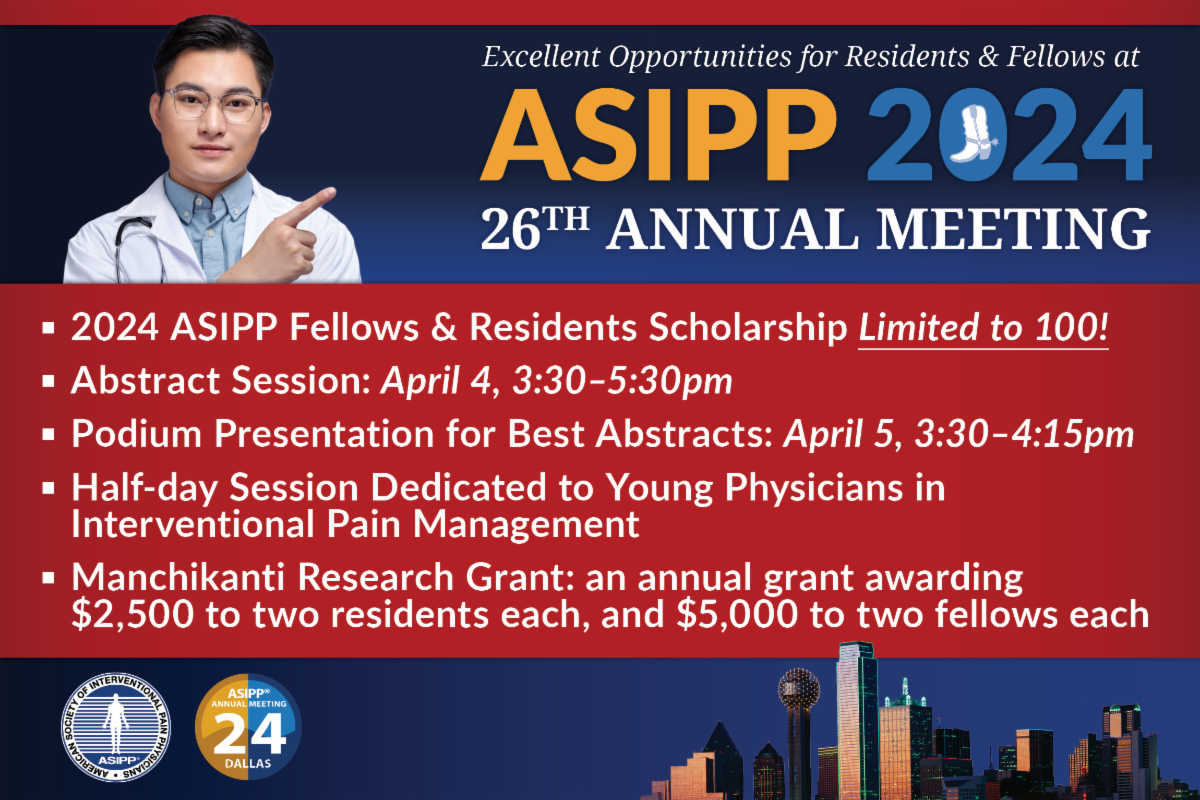
Excellent opportunities for Residents & Fellows
at ASIPP's 2024 Annual Meeting:
-
Resident & Fellow Scholarship — Limited to 100
- Abstract Session (April 4, 3:30–5:30pm) and Podium Presentation for Best Abstracts during General Session (April 5, 3:30–4:15pm)
- Half-Day Session dedicated to Young Physicians in Interventional Pain Management
- Manchikanti Research Grant, awarding $2,500 to two residents each, and $5,000 to two fellows each
| |
|
CDC Advisors' Infection Control Guidance Leaves Us Unprotected
The guidelines will lead to unnecessary infections and deaths if approved
Earlier this month, the CDC's Healthcare Infection Control Practices Advisory Committee (HICPAC) voted unanimously to approve its draft infection control guidelines and send it to the CDC for review. This extremely influential document, which was last updated 16 years ago, will be referenced by hospitals and other healthcare facilities to set their infection control policies.
However, we're concerned that the draft offers minimal recommendations to the CDC, and even worse, incorrectly treats surgical masks as respiratory protection. This unscientific guidance puts the U.S. in a weak position to protect patients and staff from currently circulating viruses and will leave us behind the curve in battling future pandemics.
One of the biggest issues is with the new "air" category for pathogen transmission. The category includes three levels of precautions based on the transmissibility of a respiratory pathogen: "routine," "special," or "extended." The guidance states that "routine" air precautions -- the lowest level -- are to be used with "common, often endemic, respiratory pathogens that spread predominantly over short distances." But any delineation of endemic versus pandemic pathogens is arbitrary because the transmission mode of an aerosol-transmissible pathogen remains the same, so protections should also remain the same. (Note the draft guidelines don't refer to "pandemic pathogens"; the "special" guidelines refer to "new or emerging" respiratory pathogens for which "effective treatments aren't available.")
Read More
| |
Abstract submissions are open for
ASIPP's 2024 Annual Meeting!
The submission deadline is January 22, 2024.
Don't miss your chance to be part of an exceptional event,
sharing insights and discoveries that shape the future of pain management.
| |
|
Rapid Access Addiction Medicine Clinics Improve Outcomes for People With Problematic Opioid Use
Rapid access addiction medicine (RAAM) clinics are associated with improved clinical outcomes for people with problematic opioid use, leading to fewer emergency department visits, hospitalizations, and deaths, according to a new study.
In a retrospective cohort study of almost 900 patients in Ontario, Canada, RAAM clinics were associated with a 32% reduction in risk for emergency department visits, hospitalization, or death.
The model of care, which is designed to provide quick, flexible, and low-barrier access to those who need help with substance abuse, also appears to reduce the burden on emergency rooms, which can lead to lower wait times and improve health system flow.
Read More
| |
|
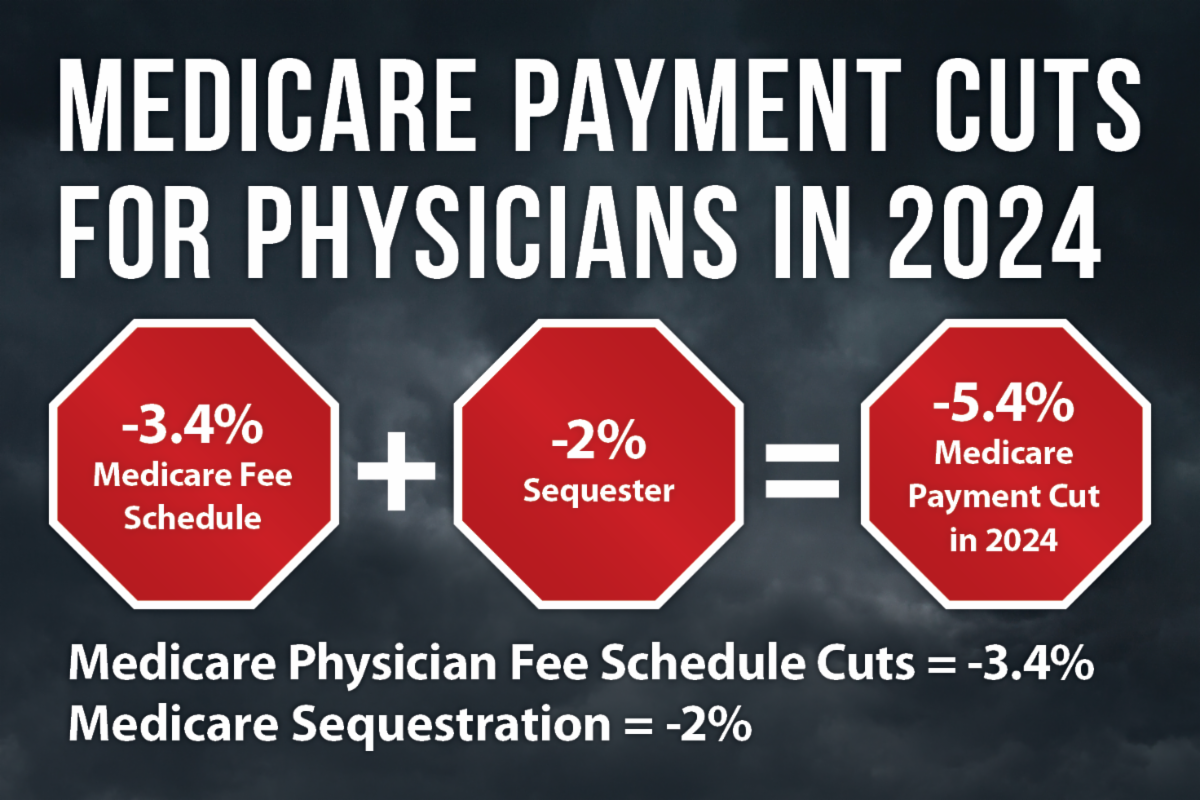
CMS has published the final rule for 2024 Physician Fee Schedule
The final Medicare payment cuts include:
Medicare Physician Fee Schedule Cuts = -3.4%
- The Centers for Medicare and Medicaid Services are implementing a 3.4% decrease in payments in 2024 for services under the Medicare Physician Fee Schedule.
-
Medicare physician payment has been reduced 26% adjusted for inflation from 2001–2023.
Medicare Sequestration= -2%
- Medicare sequestration of -2% has now been extended through 2032, because of a temporary delay for 1½ years.
There is some good news. The 4% PAYGO cut is gone for this year. It will reappear next year.
ASIPP members in good standing can access the physician, ASC, and HOPD fee schedule, on the Members’ Only Website.
How you can take action:
-
VoterVoice: Click here to submit a physician letter online!
-
VoterVoice: Click here to submit a patient letter online!
-
If you choose to send your own letters, here is sample physician letter you may want to use: PHYSICIAN SAMPLE LETTER.
-
Ask your patients to sign this sample patient letter. Your patients or your staff can enter the letter into VoterVoice: PATIENT SAMPLE LETTER.
| |
- ASIPP Members Only Site Information - | |
-
To log in for the first time you will need to click “forgot password” at the bottom of the login window.
- Check your email and then log in as directed.
-
If you have problems logging into your account, click here.
| |
Pain Medicine Case Reports (PMCR) and Editor-in-Chief Alaa Abd-Elsayed, MD, PhD would like to invite you to submit case reports and case series to the PMCR journal. Your article will be published free of charge.
Open access journals are freely available online for immediate worldwide open access to the full text of published articles. There is no subscription fee for open access journals. Open access journals are no different from traditional subscription-based journals: they undergo the same peer-review and quality control as any other scholarly journal.
Interested in becoming a member of the PMCR Editorial Board?
Editorial board members are asked to review 2-6 manuscripts per year. Please submit your most up-to-date CV to sgold@asipp.org for consideration.
For more information or to submit your articles, click here.
| |
|
| CASE REPORT |
Breaking the Press Ganey Patient Satisfaction Survey Code
Alvin Kennedy, MD, Blake Watterworth, MD, Kanchana Gattu, MD, Lynn Stansbury, MD, PhD, Sneha Bidaye, MD, and Thelma Wright, MD, JD
Abstract
BACKGROUND: Several leading patient satisfaction assessment tools have emerged, one of the most common surveys is conducted by Press Ganey. The use of patient satisfaction surveys has been controversial with correlation inconsistencies with outcomes, accuracy, and bias.
CASE REPORT: We seek to review changes in the patient satisfaction scores over time as measured through Press Ganey® surveys. Some changes include increasing access to care, improving scheduling, decreasing wait times, improving communication between patient and staff, increased staffing, and conducting team building activities.
CONCLUSION: The overall standard mean score through the entire study period was 88.6 (range, 77-94.3, SD 3.4). After the implemented changes, plotting the quarterly scores over the study period demonstrated a steady improvement over time with a linear trend line demonstrating a R² value of 0.3052.
KEY WORDS: Posttraumatic neuralgia, common peroneal nerve injury, neuromuscular electrical stimulation, neuralgia, neuromodulation
Read More
| |
|
| SCOPING REVIEW |
The Use of Telemedicine in Outpatient Pain Management: A Scoping Review
Michael Hill-Oliva, AB, Kelvin K. Ampen-Darko, MD, Paul Shekane, MD, Samantha Walsh, MLS, MA, Samuel DeMaria, MD, Jonathan Gal, MD, and Alopi Patel, MD
Abstract
BACKGROUND: Telemedicine is an increasingly important tool in outpatient pain management. Telemedicine can be implemented through various strategies and a multitude of approaches have been described in existing literature.
OBJECTIVES: This scoping review aims to survey how telemedicine has been approached in published literature, providing insight for continued implementation.
STUDY DESIGN: Scoping review.
SETTING: Outpatient pain management.
METHODS: Ovid MEDLINE and Embase databases were queried. Two board-certified pain management physicians screened search results for relevant publications based on predetermined criteria. Included publications focused on outpatient pain management via live video or telephone and reported empirical outcomes. Publications were excluded that focused on acute pain, progressive muscle relaxation, physical therapy, or psychiatry, including cognitive behavioral therapy, or that primarily described educational modules, apps, mobile tracking, or automated calls. Nonfull publications (abstracts) and articles not available in English were also excluded. A third reviewer performed full-text screening, extracting variables of interest. Systematic reviews and meta-analyses were excluded from final selection.
RESULTS: Text and abstract screening of 3,302 results yielded 88 publications. Upon full-text screening, 64 additional publications were excluded, yielding 24 publications. High-quality randomized controlled trials (RCTs) were described in 5 (21%) publications, pilot RCTs in 4 (17%), prospective studies in 1 (4%), retrospective studies in 5 (21%), survey-based studies in 7 (29%), and other types of studies in 2 (8%). Cancer pain was the focus of 3 (13%) studies, headache/facial pain the focus of 4 (17%), musculoskeletal the focus of 3 (13%), and unspecified chronic pain the focus of 14 (58%). Patient experiences were the focus of 18 (75%) publications, provider experiences the focus of 2 (8%), and both patient and provider experiences the focus of 4 (17%). Outcome improvement measures were studied in 17 (71%) publications, process improvement measures in 5 (21%), and both types of measures in 2 (8%). Standard visits without on-site support were described in 4 (17%) publications, while standard visits with on-site support were described in 9 (38%). The remaining 11 (46%) described structured/integrated pain management programs. Positive pain-related outcomes were reported in 9 (38%) studies. Increased access or decreased barriers to care were reported in 9 (38%). Patient satisfaction was reported in 12 (50%) publications, with 10 (42%) describing positive results.
LIMITATIONS: This scoping review focused on telemedicine delivered via telephone or live video communication, excluding a substantial body of literature focused on virtual courses, modules, and other telehealth programs not involving live communication.
CONCLUSIONS: Current literature describes telemedicine implementation with various levels of technological and logistical support. Models of telemedicine represented in current literature include: standard visits with on-site support, standard visits without on-site support, and structured/integrated pain management programs. Presently, no literature has directly compared outcomes from these different approaches. Choice of model will depend on the specific goals and available resources. Patient satisfaction was studied most frequently and generally demonstrated positive results. Though current literature is heterogeneous and lacks RCTs, it consistently demonstrates benefits of telemedicine to patient satisfaction, pain, and access to care.
KEY WORDS: Chronic pain, telemedicine, telehealth, pandemic, health care equity, disability, health care resources
Read More
| |
|
| NARRATIVE REVIEW|
Biologics in Interventional Spinal Procedure: The Past, the Present, and the Vision
Annu Navani, MD
Abstract
BACKGROUND: Orthobiologics have shown promise in repair, restoration and regeneration of damaged and degenerated spine, joint and musculoskeletal tissues. The role of MSCs is to reduce inflammation, gliosis, and oxidative stress, while encouraging angiogenesis, neuronal proliferation, cell survival, and differentiation. While autologous MSCs have homologous advantages, they present with challenges related to donor predisposition, harvesting skills, and processing times. In this regard, allogenic MSCs show promise, but face ethical challenges, contamination, and survival risks. Ongoing efforts to overcome challenges and enhance performance include bioprinting, tissue engineering, artificial intelligence, nanotechnology, and microenvironmental alteration, among many others. Genetically programmed MSCs are being explored and tissue regeneration is now considered a real possibility. In this article, we discuss some of the leading-edge technologies in the process of being developed and perfected for widespread clinical application.
OBJECTIVES: The aim of this narrative review is both to update on orthobiologics, especially MSCs and provide a vision for their future potential in interventional spine medicine.
STUDY DESIGN: Narrative review.
METHODS: The PubMed database of the National Institute of Medicine and Google Scholar were searched for keywords “mesenchymal stem cell,” “mesenchymal stem cell + regenerative medicine,” and “mesenchymal stem cell + spine.” The bibliographies of these articles and authoritative Web sites were also consulted.
RESULTS: There are hundreds of ongoing clinical trials exploring the role of MSCs in regenerative medicine for treating a wide range of diverse conditions, including spine conditions, neurodegenerative disorders, and cardiovascular disease.
LIMITATIONS: This visionary narrative review has several limitations. It is a narrative, rather than a systematic review. Many of the ideas and treatments presented here are not perfected and are still in development.
CONCLUSIONS: The role of MSCs in regenerative medicine is still emerging, but their promise for spinal cord injury and other disorders of the spine is clear. Using allogenic or autologous MSCs can help stimulate healing and neural regeneration remains a tantalizing possibility.
KEY WORDS: Mesenchymal stem cell, regenerative medicine, spine, spinal cord injury, nanotechnology, bioprinting, neural regeneration, degenerative disc disease, low back pain
Read More
| |
|
ASIPP is now in collaboration with Curi Medical Liability Program
| |
|
Since this malpractice insurance program officially launched in November 2018, ASIPP has signed up hundreds of providers with an average savings of 30%. This is professional liability insurance tailored to our specialty and will stand up for us and defend our practices.
Curi is a full-service advisory firm that serves physicians and their practices. Their valued advice is grounded in your priorities and elevated in your outcomes. They are driven by a deep understanding of your specific circumstances in medicine, business, and life. To read a few important points to keep in mind about the program, including discounts, administrative defense, cyber coverage, aggressive claims handling, and complimentary risk management CME activities, visit our website.
| | |
|
Group Purchasing Organization Offer Better Pricing and Creates Added Value
ASIPP has formed a partnership with Henry Schein and PedsPal, a national GPO that has a successful history of negotiating better prices on medical supplies and creating value-added services for independent physicians. Working with MedAssets, PedsPal provides excellent pricing on products like contrast media that alleviate some of the financial pressures you experience today.
Learn More
| | |
|
ASIPP, Fedora Billing,
and Revenue Cycle Management Partnership
ASIPP is now offering our members the benefit of a unique revenue cycle management/ billing service.
We have received a tremendous amount of interest in the ASIPP® billing and coding program.
Click here to learn more about the negotiated rate for practices and more!
| |
|
Like and follow ASIPP® on Facebook, X, and LinkedIn for the most
up-to-date news related to you, your practice, and your patients!
| | | | |