|
Direct and Mediating Paths Exist for the Insomnia-Pain Intensity Relationship
Catastrophizing and acceptance are mediators between insomnia and pain intensity in patients with non-malignant chronic pain, according to a study published in Frontiers in Pain Research.
An association between chronic pain and sleep quality has been established, but the mechanisms for their association are unknown. For this reason, researchers conducted a cross-sectional study that included patients with chronic pain to investigate the mediators between insomnia and pain intensity using data from a large clinical registry-based cohort. Five variables, including sex, age, obesity, education level, and pain location, were analyzed to determine their moderation effects and correlation patterns between insomnia and pain intensity with the mediators. The cohort included 6497 patients aged 18 and older with chronic non-malignant pain registered in the Swedish Quality Registry for Pain Rehabilitation (SQRP) between 2008 and 2016. Among these, 74.6% were women.
Read More
| |
Attention Residents & Fellows!
Take advantage of this complimentary webinar, focusing on interventional procedures for lumbar spinal stenosis with neurogenic claudication.
| |
Earn 1 AMA PRA Category 1 Credit | | |
|  |
|
|
Skipping Hand Hygiene Before Donning Gloves May Be Just as Safe, Trial Suggests
Adherence to infection prevention strategy was better in hospital units asked to directly glove
Among healthcare providers, a direct-gloving strategy led to improved adherence and was found to be as safe as the current practice of hand hygiene prior to donning nonsterile gloves, a cluster randomized clinical trial showed.
Among 13 hospital units including nearly 3,800 healthcare providers, adherence to expected practice was greater among the units asked to directly glove without hand hygiene compared with the units asked to clean hands prior to donning gloves (87% vs 41%, P<0.001), reported Kerri Thom, MD, MS, of the University of Maryland School of Medicine in Baltimore, and colleagues.
This held true even when controlling for baseline hand hygiene rates, unit type, and universal gloving policies (risk ratio [RR] 1.76, 95% CI 1.58-1.97), they noted in JAMA Network Open.
Read More
| |
Register today for ASIPP's lunchtime webinar
Learn what auditors scrutinize!
| |
Earn up to 1 .5 AMA PRA Category 1 Credits | | |
| |
|
|
Private Equity, For-Profit Interests Hurt Medicine, Conference Speakers Say
Authorities have not done enough to crack down on the problem, physicians and academicians noted
The corporatization of medicine threatens both clinicians and patients, but state and federal authorities have not done enough to crack down on the problem, said physicians and academicians during Capitol Forum's Health Care Competition Conference at the National Press Club on Thursday.
Rates of physician burnout are at 63%, a record high, according to an American Medical Association survey, said Mitchell Li, MD, an emergency physician and founder of Take Medicine Back.
Li doesn't blame the pandemic. Rather, he blames "the consolidation and opportunism" of private equity firms, which have taken advantage of the situation COVID created -- struggling smaller hospitals and practices became even more vulnerable, while the flow of government dollars, such as CARES ACT funding, increased, he noted.
Read More
| |
Early Bird Registration is open for ASIPP Members!
Register now for 10% off!
| |
|
Hospitals, doctors drop private Medicare plans over payment disputes
"It's a rip-off and it's got to stop," one Senator said
One large health system with hospitals in Virginia and Ohio this year cut off in-network access to consumers enrolled in some Anthem Blue Cross Blue Shield Medicare and Medicaid health insurance plans.
Two doctors groups with Scripps Health in San Diego are terminating contracts with private Medicare plans over concerns about payments and routine denials.
For years, hospitals, doctors and health insurance companies have squared off over how much to pay for medical services. Insurers negotiate contracts with hospitals and doctors so their customers can get lower, in-network rates at those facilities. These negotiations, usually hammered out behind the scenes, are becoming increasingly tense and public as hospitals seek adequate payments and health insurance companies attempt to check spiraling medical bills.
Read More
| |
|
Virtual
November 11, December 9 & 16
ABIPP Part I; ABIPP Path - Combined DCCPM/CSM virtual exam; ABIPP Competency Exam in IPM; ABIPP Competency Exam in Regenerative Medicine
2024 Exam Dates Coming Soon!
| |
|
Applying to Residency? Here Are 4 Traits of All-Star Residents
Success often lies in mindset and mentality
Residents should know the skills and attributes required to be successful during their residency training. Success is much more than scoring well on a test. While the definition of success means different things to different people, in general the most successful residents are not necessarily the ones who have all the answers or are the best at procedures. Success is often captured by more subtle, soft traits such as emotional intelligence, selflessness, and ownership. These are the traits that tend to be more impressive and make for an all-star resident and leader.
- Selflessness
Residents who are selfless will often put their immediate personal wants aside to help someone else in need. That someone else can fall both above and below the chain of command -- the resident will not just help attendings, but also junior residents, students, nurses, techs, and janitorial support services. This may mean staying an extra 30 minutes past your relief time to assist a colleague with a difficult patient transport. It may include having an unexpected surgical case cancellation, and instead of hiding until the next assignment, offering breaks to your colleagues who are still in patient rooms.
Read More
| |
|
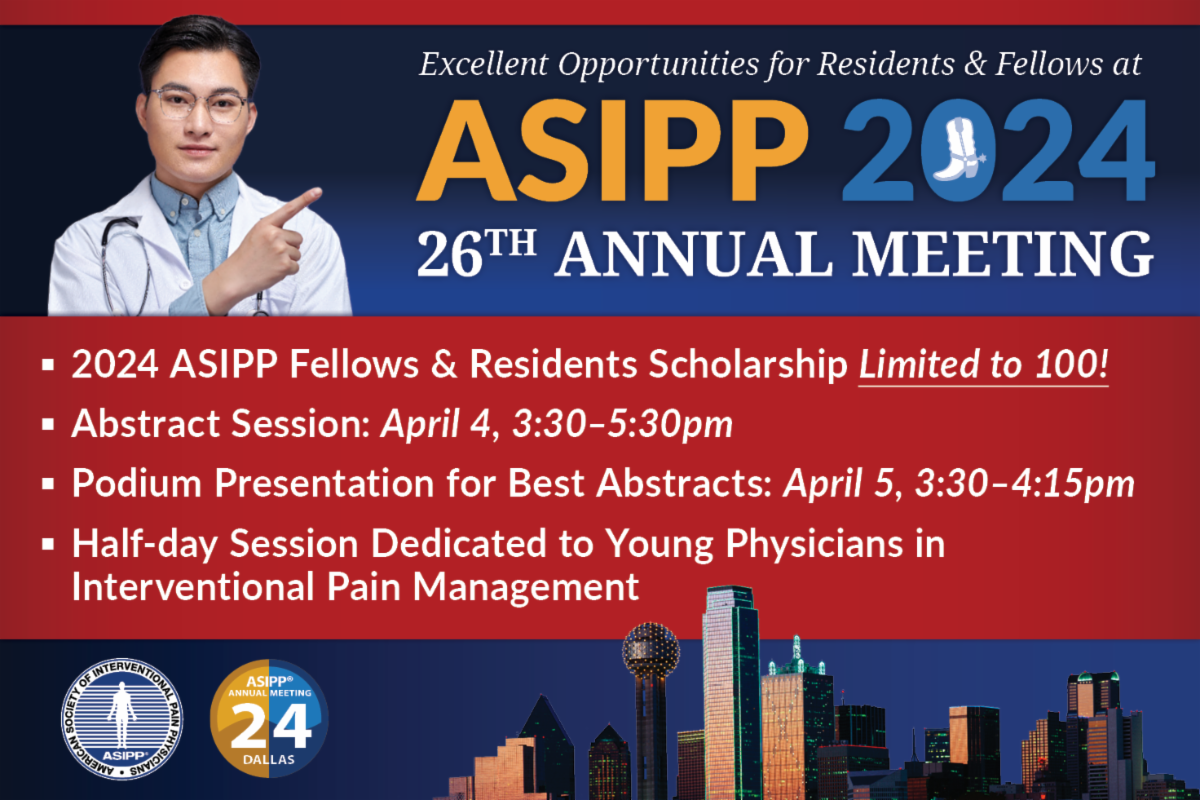
Excellent opportunities for Residents & Fellows
at ASIPP's 2024 Annual Meeting:
-
Resident & Fellow Scholarship - Limited to 100!
- Abstract Session (April 4, 3:30-5:30pm) and Podium Presentation for Best Abstracts during General Session (April 5, 3:30-4:15pm)
- Half-Day Session dedicated to Young Physicians in Interventional Pain Management
| |
|
Tinnitus Worsens for Vaccine Scientist Who Points to Onset After COVID Vax
Gregory Poland, MD, said his tinnitus got worse after COVID infection
In March of last year, Gregory Poland, MD, was grappling with what he described as unrelenting symptoms of tinnitus that he developed shortly after receiving his second dose of an mRNA COVID-19 vaccine in early 2021.
About a year-and-a-half later, after his first COVID infection, Poland told MedPage Today that his tinnitus has worsened. Indeed, many studies have shown that COVID itself can cause tinnitus.
Poland -- the director of the Mayo Clinic's Vaccine Research Group in Rochester, Minnesota, and editor-in-chief of the journal Vaccine -- said his symptoms now fluctuate and reach more intense levels throughout the day. He said it sounds like having a high-pitched dog whistle blown into his ears 24 hours a day, 7 days a week.
Read More
| |
Abstract submissions are open for
ASIPP's 2024 Annual Meeting!
The submission deadline is January 22, 2024.
Don't miss your chance to be part of an exceptional event,
sharing insights and discoveries that shape the future of pain management.
| |
|
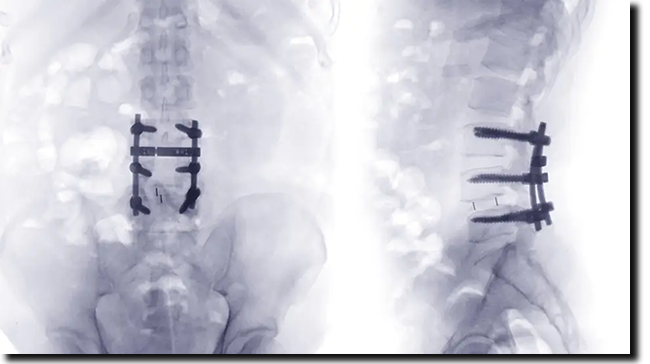
Spinal Surgery Redux: Advancing Our Approach to Back Pain
New techniques and high-quality care make all the difference for recovery
Lower back pain has been the leading cause of years lived with disability since 1990, and it continues to be a significant concern for public health on a global scale. In the U.S., 72.3 million adults currently suffer from chronic low back pain -- greater than the number of Americans with arthritis, diabetes, or heart disease, according to one large survey. More than a third of those surveyed (36%) rated their back pain as severe, and 44% reported experiencing pain for at least 5 years.
These statistics really resonate with me because I am among the millions of Americans with chronic lower back pain. About 23 years ago, I was diagnosed with spondylolisthesis. Although the condition was likely congenital in origin, I was told that it probably had been aggravated by my penchant for running and racquet sports. I endured a few years of persistent back pain for which epidural treatments became decreasingly effective. In addition to disrupting my concentration and productivity at work, it hampered my go-to stress reliever -- playing tennis.
Read More
| |
|
AI 'Sees' When Patients Are in Pain
When a patient cannot say how much pain they are in, such as when they are sedated, have dementia, or are nonverbal, clinicians turn to facial expressions to guide treatment.
Tension, frowning, or grimacing may indicate pain, and bedside assessment scales consider those elements.
Clinicians typically must be with patients to complete those measures, however, which is not always possible in a busy hospital or nursing home, and this can lead to delays in administering care.
That's one reason researchers are training artificial intelligence (AI) models to take up the task.
Read More
| |
- ASIPP Members Only Site Information - | |
-
To log in for the first time you will need to click “forgot password” at the bottom of the login window.
- Check your email and then log in as directed.
-
If you have problems logging into your account, click here.
| |
Pain Medicine Case Reports (PMCR) and Editor-in-Chief Alaa Abd-Elsayed, MD, PhD would like to invite you to submit case reports and case series to the PMCR journal. Your article will be published free of charge.
Open access journals are freely available online for immediate worldwide open access to the full text of published articles. There is no subscription fee for open access journals. Open access journals are no different from traditional subscription-based journals: they undergo the same peer-review and quality control as any other scholarly journal.
Interested in becoming a member of the PMCR Editorial Board?
Editorial board members are asked to review 2-6 manuscripts per year. Please submit your most up-to-date CV to sgold@asipp.org for consideration.
For more information or to submit your articles, click here.
| |
|
| CASE REPORT |
Peripheral Nerve Stimulation with High-Frequency Electromagnetic Coupling (HF-EMC) at the Posterior Tibial and Common Peroneal Nerves for the Treatment of Chronic Lower Limb Pain: Case Report
J. Lance LaFleur, MD
Abstract
BACKGROUND: Chronic lower limb pain due to mononeuropathy can be highly debilitating, affecting quality of life both physically and psychosocially. Attention around peripheral nerve stimulation has heightened in recent years due to increasing data demonstrating positive outcomes in chronic pain management. This study discusses a case of chronic lower limb pain managed effectively with peripheral nerve stimulation of 2 key nerves in the lower extremity: the posterior tibial and common peroneal.
CASE REPORT: A 68-year-old man presented with squeezing and crushing pressure encasing the entire left foot and ankle, with paresthesias along the heel and arch while walking and sharp radiating pain at the medial ankle and along the arch when sitting. In addition, 3 to 4 evenings per week, episodes of sharp radiating pain between the calf and ankle would occur for several hours. The average foot and ankle pain was 7 of 10 on the Verbal Rating Scale (VRS), with the evening calf episodes averaging 10 of 10. Previous therapies included nonsteroidal anti-inflammatory drugs (NSAIDS), nerve blocks, nerve ablation, opioids, spinal cord stimulation (SCS), and intrathecal drug delivery, all of which resulted in minimal, temporary relief. After successful diagnostic nerve blocks, peripheral nerve stimulators were placed at the posterior tibial and common peroneal nerves providing significant relief.
CONCLUSION: Subthreshold peripheral nerve stimulation at the posterior tibial and common peroneal nerves has proven successful for a patient suffering from chronic, debilitating lower limb pain due to mononeuropathy; results included decreased chronic pain and fewer pain episodes as well as increased activity, better socialization, and a significantly improved quality of life.
KEY WORDS: Ankle, chronic pain, common peroneal, foot, lower limb, mononeuropathy, peripheral nerve stimulation, posterior tibial
Read More
| |
|
| RANDOMIZED CONTROLLED TRIAL |
Comparison Between Multisite Injection and Single Rotator Interval Injection of Corticosteroid in Primary Frozen Shoulder (Adhesive Capsulitis): A Randomized Controlled Trial
Zhibo Deng, MD, Xiangwei Li, MD, Xianding Sun, PhD, Yajuan Sui, MD, Kaiying Tang, MD, Han Shu, MD, Mao Nie, MD, and Hao Wang, MD
Abstract
BACKGROUND: Steroid injection is a commonly used conservative treatment for primary frozen shoulder (PFS), but the optimal injection site remains undetermined.
OBJECTIVES: We conducted a prospective randomized controlled trial of multisite combined injection (MCI) vs single rotator interval injection (SRI).
STUDY DESIGN: A randomized double-blinded controlled trial.
SETTING: Center for Joint Surgery, Department of Orthopaedic Surgery, the Second Affiliated Hospital of Chongqing Medical University.
METHODS: Sixty-four patients with PFS were randomly assigned to 2 groups. The experimental group received MCI in the rotator interval, intraarticular, and subacromial bursa; the control group received an SRI. Both groups were injected with one mL of 40 mg triamcinolone acetonide and 4 mL of 2% lidocaine. The injection process was completed under ultrasound guidance. Follow-up points were 4, 8, and 12 weeks postinjection. The outcome measures included the Visual Analog Scale (VAS) score, the American Shoulder and Elbow Surgeons (ASES) score, the Constant-Murley Shoulder (CMS) score, passive range of motion of the shoulder, and patient satisfaction rating.
RESULTS: Thirty patients in the MCI group and 29 patients in the SRI group were included in the data analysis. All the outcomes in the 2 groups were significantly better postinjection than preinjection. The MCI group had a lower VAS score than the SRI group at 4 weeks (3.1 ± 1.2 vs 4.3 ± 1.6) and 8 weeks (2.2 ± 1.2 vs. 3.4 ± 1.2) (P < 0.05). Compared with the SRI group, the MCI group had a significant improvement in flexion and abduction (P < 0.01). Additionally, the ASES and CMS scores in the MCI group were better than those in the SRI group at 4, 8 and 12 weeks (P < 0.01).
LIMITATIONS: Limitations include the sample size of this study is small and a that it was conducted at a single-center.
CONCLUSIONS: Both MCI and SRI effectively alleviated pain and restored range of motion in patients with PFS. However, the MCI group had obviously lower early pain scores, better flexion and abduction, and better function scores than the SRI group; no additional adverse events were observed.
KEY WORDS: Primary frozen shoulder, adhesive capsulitis, steroid injection, rotator interval, intraarticular, subacromial bursa
Read More
| |
|
| RANDOMIZED CONTROLLED TRIAL |
Effect of Radiofrequency on Dorsal Root Ganglion Versus Transforaminal Steroids Injection on Tumor Necrosis Factor-Alpha Level in Lumbar Radicular Pain
Wael Fathy, MD, Mona Hussein, MD, Rehab Magdy, MD, Hatem Elmoutaz, MD, Heba Abdellatif, MD, Soha M. Abd El Salam, MD, Mariana A. Mansour, MD, Dina Y. Kassim, MD, and Mohamed Abdelbadie, MD
Abstract
BACKGROUND: The mechanism of pain control with pulsed radiofrequency (PRF) is unclear.
OBJECTIVES: We aimed to compare the efficacy of combined PRF on dorsal root ganglion (DRG) with transforaminal epidural steroid injection (TFESI) vs TFESI-alone on pain improvement and serum tumor necrosis factor-alpha (TNF-a) level in lumbar disc-related radicular pain.
STUDY DESIGN: Prospective, randomized, controlled trial.
SETTING: Neurology and Pain Management clinics.
METHODS: A total of 80 patients with lumbar disc prolapse were divided into 2 groups: combined PRF on DRG with TFESI group and TFESI-alone group. The Numeric Rating Scale (NRS-11), Oswestry Disability Index (ODI), and Functional Rating Index (FRI) before intervention and at 2 weeks, 1 month, and 3 months after the intervention were observed. Serum TNF-a level was assessed pre- and post-intervention at 3 months.
RESULTS: The scores of NRS-11, ODI, and FRI showed a significant improvement at 2 weeks, 1 month, and 3 months following intervention in both combined PRF & TFESI group and TFESI-alone group (P < 0.001 in all comparisons), with no significant difference between the 2 groups. Serum TNF-a levels showed a statistically significant reduction, 3 months following intervention in the combined PRF & TFESI group (P < 0.001), but not in the TFESI-alone group (P = 0.297) (P between groups < 0.001).
LIMITATIONS: The main limitation of this study is that TNF-a level was not assessed earlier to see how long the steroids might reduce TNF-a. On the other hand, further study with extended follow-up periods is needed to confirm the long-term lowering effect of TNF-a provided by PRF.
CONCLUSIONS: Combined PRF on DRG with TFESI showed similar outcomes to TFESI-alone in relieving pain in patients with lumbar disc prolapse. However, PRF on DRG caused a significant decrease in TNF-a serum levels at 3 months.
KEY WORDS: Pulsed radiofrequency, transforaminal steroids injection, tumor necrotic factor-alpha, lumbar disc prolapse
Read More
| |
|
ASIPP is now in collaboration with Curi Medical Liability Program
| |
|
Since this malpractice insurance program officially launched in November 2018, ASIPP has signed up hundreds of providers with an average savings of 30%. This is professional liability insurance tailored to our specialty and will stand up for us and defend our practices.
Curi is a full-service advisory firm that serves physicians and their practices. Their valued advice is grounded in your priorities and elevated in your outcomes. They are driven by a deep understanding of your specific circumstances in medicine, business, and life. To read a few important points to keep in mind about the program, including discounts, administrative defense, cyber coverage, aggressive claims handling, and complimentary risk management CME activities, visit our website.
| | |
|
Group Purchasing Organization Offer Better Pricing and Creates Added Value
ASIPP has formed a partnership with Henry Schein and PedsPal, a national GPO that has a successful history of negotiating better prices on medical supplies and creating value-added services for independent physicians. Working with MedAssets, PedsPal provides excellent pricing on products like contrast media that alleviate some of the financial pressures you experience today.
Learn More
| | |
|
ASIPP, Fedora Billing,
and Revenue Cycle Management Partnership
ASIPP is now offering our members the benefit of a unique revenue cycle management/ billing service.
We have received a tremendous amount of interest in the ASIPP® billing and coding program.
Click here to learn more about the negotiated rate for practices and more!
| |
up-to-date news related to you, your practice, and your patients!
| | | | |