Early Bird Registration Deadline is TOMORROW!!
Register before January 18th for 10% off!
| |
Congratulations to the
2024 ASIPP Award Recipients!
We are honored to present the following recipients:
| |
|
Giants of Pain Management
Richard Derby, MD and
David Schultz, MD
Lifetime Achievement Award
Ramsin Benyamin, MD, Aaron Calodney, MD, and Allan Parr, MD
Raj/Racz Excellence Award
Laxmaiah Manchikanti, MD
Manchikanti Excellence Award
Sheri Albers, DO
| |
|
Falco Excellence Award
Obi Onyewu, MD
Distinguished Research Award
Ramsin Benyamin, MD, Leo Kapural, MD, PhD, Konstantin Slavin, MD, Amol Soin, MD, and Ricardo Vallejo, MD, PhD
Distinguished Young Physician
Allan Parr, III, MD
League of Presidents
Sal Abdi, MD, PhD
| |
Congress should raise Medicare payments for doctors and hospitals and give additional pay increases to safety-net providers next year, independent advisers to Congress recommended Thursday.
Why it matters: The recommendations from the Medicare Payment Advisory Commission come as doctors urge Congress to reverse a 3.4% cut to their 2024 Medicare rates, which they say will make it harder to practice medicine.
Details: MedPAC members voted to recommend a 1.3% increase to the scheduled Medicare rates for doctors and other providers paid through the physician fee schedule in 2025, which is half of the projected increase in inflation for medical practice costs.
Read More
| | |
|  |
|
|
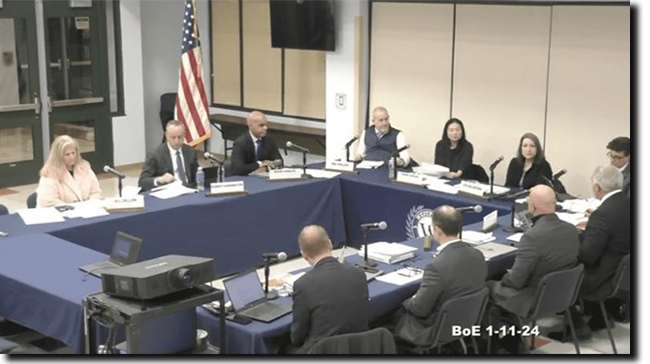
Superintendent Thomas Scarice blamed “unprecedented” levels of health insurance claims as a key driver in a proposed 8.83 percent school budget hike, warning that they would also be a hindrance to staffing requests.
In 2022, the school district switched from a state insurance plan to a high-deductible plan with Aetna to avoid stark rate projections coming from the state. But two years later, Scarice said, the district is now bracing itself for a 40-45 percent increase in health insurance rates under the private plan.
Released last week, Scarice’s proposed 2024-2025 budget totals $148.3 million – a more than $12 million increase from the current budget. And the expected insurance budget totals almost $25.8 million – about $8 million more than the current year.
Altogether, the employee benefits make up 5.93 percent of the 8.83 percent budget increase.
Read More
| |
Last year, 74.4% of physicians surveyed reported that telehealth was used in their medical practices—nearly three times the share in 2018—according to a recent AMA report showing that telehealth remains widely available and supporting the need for policies that continue to support this vital mode of accessing care.
Videoconferencing with patients was the main driver for the change, as its availability was more than four times higher in 2022 than it was four years earlier, according to the findings of an AMA Policy Research Perspectives report on telehealth (PDF). Just 14.3% of physicians had the ability to use telehealth to videoconference with patients in 2018, compared with 66.3% of physicians in 2022. Meanwhile, physicians reporting use of remote-patient monitoring in their practices rose to 21.5% last year, up from 10.4% in 2018.
“While the immediate need due to the COVID-19 pandemic has passed, telehealth and especially remote visits with patients, has become part of the mainstream way in which physicians deliver care,” says the report, written by Carol K. Kane, PhD, the AMA’s director of economics and health policy research.
Read More
| | |
| |
|
|
Virtual
January 20, 2024
ABIPP Part I; ABIPP Path - Combined DCCPM/CSM virtual exam;
ABIPP Competency Exam in IPM; ABIPP Competency Exam in Regenerative Medicine;
Controlled Substance Management (CSM) Competency Exam
February 17, 2024
ABIPP Part I; ABIPP Path - Combined DCCPM/CSM virtual exam;
ABIPP Competency Exam in IPM; ABIPP Competency Exam in Regenerative Medicine;
CSM Competency Exam; DCCPM Competency Exam
In Person
October 18, 2024
ABIPP Part II - Practical Examination
Lab Venue: MERI, 44 S. Cleveland Street, Memphis, TN 38104
| |
|
The cumbersome prior authorization process has become a first-class challenge for patients and my fellow physicians. According to a survey by the American Medical Association, 94% of physicians reported delays in care due to the prior authorization process, with 33% saying the prior authorization process has been the root cause of serious adverse effects on patients. Unfortunately, the burden on physicians doesn't stop there.
This time-consuming process also brings issues related to health insurance benefits, eligibility gaps, and the evolving landscape of coverage rules. Recognizing these challenges, some states and health care systems have embraced "gold carding," which involves waiving or reducing prior authorization requirements for physicians with a track record of delivering high-quality health care. Typically, physicians with a 90% approval rate for certain medical services in the preceding six months to a year qualify for gold card programs, thereby earning a pass from traditional prior authorization processes.
Although gold carding has garnered a lot of attention in recent years, it has generated diverse responses due to concerns about heightened health plan paperwork, regression in quality and cost controls, and challenges in execution. For instance, gold carding manually analyzes and categorizes physicians into broad programs that are based on data as old as six months. Additionally, gold card status does not guarantee payment, as the prior authorization process is omitted, and claims may need corresponding permission for verification. A recent AHIP survey found that the top reason for discontinuing gold carding programs was the administrative difficulty involved in implementation.
Read More
| |
 | |
Award Specifics:
- Annual Research Grant awarded to two (2) residents in the amount of $2,500 each; and two (2) fellows in the amount of $5,000 each for one-year project in IPM.
- Projects must be IRB approved, submitted or in pending status
- Mentor supervised by an ASIPP member in good standing.
- Must not overlap with current ongoing studies.
Application Requirements:
-
Applicant and mentor curriculum vitae (CV current, and updated within 4 weeks of the application date)
- Project proposal should include: title, abstract, specific aims, research approach (Background, Methods, Statistical Analysis, Timeline)
- Detailed budget
- Detailed mentorship plan by the mentor
- Specify the role of any collaborators/co-investigators that might be involved in the study.
- Applicant must be ASIPP member (in good standing) and Recipients must maintain ASIPP membership for at least 3 years post-award.
Application Deadline: January 31st, 2024
Recipients will be notified at ASIPP's 2024 Annual Meeting in Dallas, Texas.
Program Administration:
Inquiries about the Manchikanti Grant should be directed to: Melinda Martin
For more information, click here.
| |
|
Draft recommendation also calls for added pay to take care of low-income beneficiaries
Physicians should receive an increase in their Medicare reimbursement in 2025 that's equal to half the increase in the Medicare Economic Index (MEI), a measure of healthcare inflation, according to a draft recommendation from the Medicare Payment Advisory Commission (MedPAC).
The draft recommendation, which, once finalized, will be included in the commission's March report to Congress, states that physicians should be given an increase from 2024 rates at "the amount specified in current law" plus 50% of the MEI; however, current law specifies a 0% increase, so that would mean physicians would only get the increase based on the MEI. The draft recommendation also urges Congress to add on extra "safety-net" payments for physicians who care for low-income beneficiaries.
Commissioners voted unanimously last Thursday -- 17-0 -- to endorse the recommendation, but Commissioner Jonathan Jaffery, MD, MS, chief healthcare officer at the Association of American Medical Colleges in Washington, D.C., expressed concerns about some of the conclusions highlighted by the staff in its slide presentation at the meeting. "One of the slides said that beneficiaries have good access to care ... I'm confident that most, if not everybody, here can share personal anecdotes of struggles with access and getting appointments for all sorts of things," he said. "I think that feels like a conclusion that isn't based on the data."
Read More
| |
|
Doctors who were told about deaths and given planning prompts wrote fewer opioid scripts
Physicians who received a letter from a medical examiner about a patient's fatal overdose -- along with suggested guidance for future visits for pain -- prescribed fewer opioids, according to a cluster randomized controlled trial.
Doctors who received the death notice plus guidance had a drop in weekly morphine milligram equivalents (MMEs) pre- to post-intervention (157.81 to 77.05), according to Jason Doctor, PhD, of the University of Southern California in Los Angeles, and colleagues.
While physicians who only got a death notice also saw a decline in weekly MMEs (157.70 to 103.16), those with the death notice plus guidance letter had a 12.85% greater decline in opioid prescribing (P<0.001), Doctors and colleagues reported in Nature Communications.
Read More
| |
|
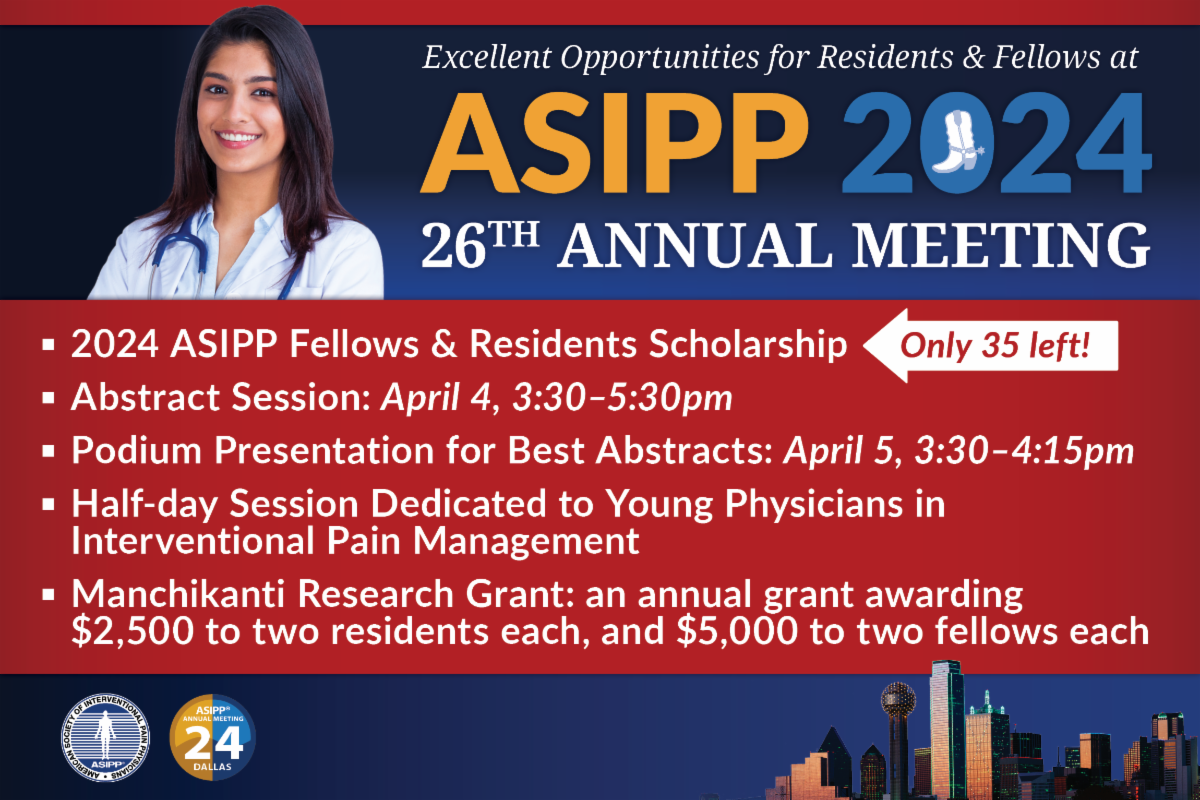
Excellent opportunities for Residents & Fellows
at ASIPP's 2024 Annual Meeting:
-
Resident & Fellow Scholarship — Limited to 100 - only 35 left!
- Abstract Session (April 4, 3:30–5:30pm) and Podium Presentation for Best Abstracts during General Session (April 5, 3:30–4:15pm)
- Half-Day Session dedicated to Young Physicians in Interventional Pain Management
-
Manchikanti Research Grant, awarding $2,500 to two residents each, and $5,000 to two fellows each
| |
Abstract submissions are open for
ASIPP's 2024 Annual Meeting!
The submission deadline is January 22, 2024.
Don't miss your chance to be part of an exceptional event,
sharing insights and discoveries that shape the future of pain management.
| |
|
39% higher risk compared with nonusers, database study finds
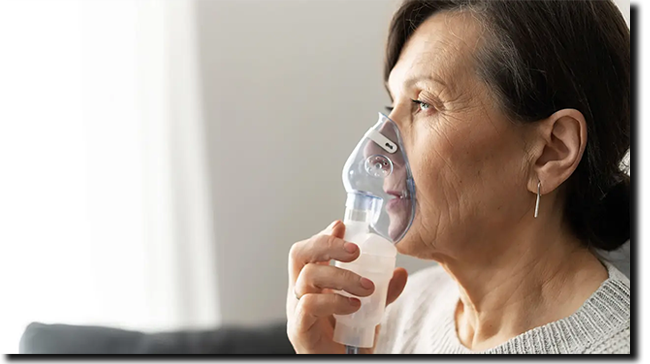
Gabapentinoid use in patients with chronic obstructive pulmonary disease (COPD) was associated with a higher risk for severe exacerbations, a population-based cohort study from Canada indicated.
Among more than 27,000 COPD patients, those who started therapy with the anticonvulsant for either epilepsy, neuropathic pain, or some other form of chronic pain had a 39% greater risk for severe exacerbations compared with a matched group of nonusers (HR 1.39, 95% CI 1.29-1.50), reported Christel Renoux, MD, PhD, of the Lady Davis Institute and Jewish General Hospital in Montreal, and colleagues in Annals of Internal Medicine.
The findings were consistent across age, sex, and COPD severity, and the increased risk for severe exacerbations remained consistent across the three subgroups studied:
- Epilepsy: HR 1.58 (95% CI 1.08-2.30)
- Neuropathic pain: HR 1.35 (95% CI 1.24-1.48)
- Other chronic pain: HR 1.49 (95% CI 1.27-1.73)
Read More
| |
ASIPP State Society Meetings | |
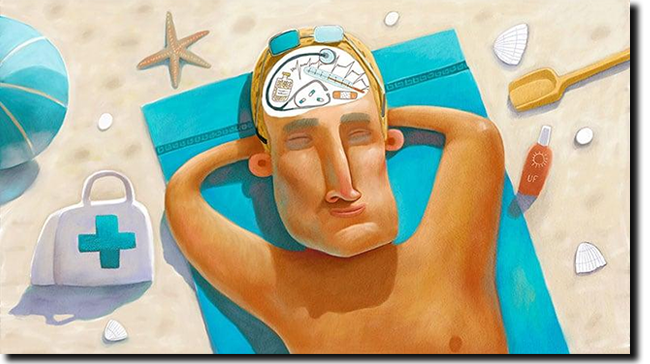
About 20% of US physicians took less than 1 week of vacation in the previous year, a new study found. When doctors did go on vacation, 70% reported working on their days off to handle patient-related tasks.
Burnout was more likely among doctors who worked more during vacations and lacked coverage in responding to electronic health messages from patients, according to the cross-sectional study, which was published on January 12, 2024, in JAMA Network Open.
"It's important to provide physicians with adequate time to disconnect from work and recharge," said study coauthor Tait Shanafelt, MD, chief wellness officer at Stanford Medicine, in an interview.
Read More
| |
|
Save $250 on Your TOBI Conference Registration
by Completing Our Quick Survey
| | |
|
|
TOBI is dedicated to providing the best possible experience for our conference attendees—we ask that you complete this 60-second survey for us to better understand your preferences.
Those who complete the survey will receive a $250 discount on their TOBI Conference registration as our thanks!
*Discount unavailable for fellows, residents, and medical students
| |
The U.S. Food and Drug Administration has approved the AutoGenomics, Inc. AvertD test, a genetic laboratory test for patients 18 years and older, to assess an individual's risk of developing opioid use disorder (OUD). AvertD is a prescription-only test intended for patients who may need to take an opioid prescription for acute pain treatment for periods ranging from 4 to 30 days such as those scheduled for surgical procedures. The testing should be limited to patients who consent and have no history of opioid analgesic use. The FDA has provided guidance on the use of results of the AvertD test- to not be used in treatment decision making in isolation but as part of the complete clinical evaluation process. Patients treated for chronic pain should be excluded from testing. The FDA also highlights the use of the test results to alleviate concerns of patients who may have concerns about use of opioid analgesics.
The AvertD test is to be administered by a healthcare provider by swabbing the patient's cheek to collect a DNA sample. A combination of genetic variants associated with an elevated risk of developing OUD is then examined to determine the patient’s susceptibility to potential misuse of drugs.
In the ongoing efforts to combat the drug overdose crisis and substance use disorder this is the first test of its kind approved by the FDA for OUD. The FDA also has approved the first nonprescription, naloxone nasal spray, in March 2023 and subsequently the first generic nonprescription, naloxone nasal spray, in July 2023. The FDA introduced the FDA Overdose Prevention Framework in August 2022 and published draft guidance on Clinical Considerations for Studies of Devices Intended to Treat Opioid Use Disorder in July 2023.
Read More
| |
- ASIPP Members Only Site Information - | |
-
To log in for the first time you will need to click “forgot password” at the bottom of the login window.
- Check your email and then log in as directed.
-
If you have problems logging into your account, click here.
| |
Pain Medicine Case Reports (PMCR) and Editor-in-Chief Alaa Abd-Elsayed, MD, PhD would like to invite you to submit case reports and case series to the PMCR journal. Your article will be published free of charge.
Open access journals are freely available online for immediate worldwide open access to the full text of published articles. There is no subscription fee for open access journals. Open access journals are no different from traditional subscription-based journals: they undergo the same peer-review and quality control as any other scholarly journal.
Interested in becoming a member of the PMCR Editorial Board?
Editorial board members are asked to review 2-6 manuscripts per year. Please submit your most up-to-date CV to sgold@asipp.org for consideration.
For more information or to submit your articles, click here.
| |
|
| CASE REPORT |
Jesse Naumann, BS, and Terence Naumann, MD
Abstract
BACKGROUND: Low-dose naltrexone (LDN) is an increasingly popular medication to enhance analgesia and decrease opioid reliance in patients with chronic pain.
CASE REPORT: We present the case of a 66-year-old man on long-term opioids for chronic pain who was initiated on 1 mg of LDN for enhanced analgesia and subsequently went into severe precipitated opioid withdrawal (POW), a reaction understood to be rare at such low doses.
CONCLUSION: LDN has been introduced into pain medicine as a safe and effective adjunct for the treatment of chronic pain conditions in both opioid-naive patients and those on concomitant opioid therapy. While this is generally considered a safe practice, LDN initiation can cause acute precipitated withdrawal in certain individuals already on opioids, even at low doses previously thought to be free from this risk. We recommend pain providers consider this effect and be prepared to manage POW when prescribing LDN.
KEY WORDS: Low-dose naltrexone, LDN, chronic pain, precipitated opioid withdrawal, case report
Read More
| |
|
| FEASIBILITY STUDY |
Chen Li, MD, Ye Jiang, MD, Tengfei Liu, MD, Lutao Yuan, MD, Cong Luo, MD, and Yong Yu, MD, PhD
Abstract
BACKGROUND: Spinal cord stimulation is a technique in which different types of electrodes are placed in the spinal epidural space for neuromodulation. Surgical paddle electrodes (SEs) are usually implanted by a surgeon by performing open surgery with laminectomy. Recent advances in endoscopic spine surgery provide another option for minimally invasive SE implantation.
OBJECTIVES: This anatomical study aims to examine the feasibility of implanting SEs in thoracic and cervical spine segments, discussing the specific advantages and disadvantages compared with previously reported methods.
STUDY DESIGN: Laboratory study with Institutional Review Board No B2023-056.
METHODS: Four fresh adult cadavers (2 women, 2 men) were operated on in this study. The posterior unilateral biportal endoscopic surgical approach, the accessibility to the intraspinal epidural space, and the technical possibilities and limitations of implantation of SEs were evaluated, as well as the surgical duration and complications.
RESULTS: All the planned steps of the operation were successfully accomplished in all 4 cadavers. A total of 8 electrodes were successfully implanted through the working portal. Among them, 4 were located in the cervical segment and 4 in the thoracic segment. The proper position of the electrodes was also verified by fluoroscopy. No rupture of dura occurred during the operation. Except for the first cadaver, the duration of surgery did not exceed 1 hour.
LIMITATIONS: Anatomical study on human cadavers, the quantity of cadavers, and the steep learning curve.
CONCLUSIONS: The results of this anatomical study show that the SEs can be satisfactorily implanted in cervical and thoracic segments using the unilateral biportal endoscopic technique.
KEY WORDS: Surgical paddle electrodes, spinal cord stimulation, unilateral biportal endoscopic technique, anatomical feasibility, anatomical study, cadavers, cervical, thoracic
Read More
| |
|
| RETROSPECTIVE STUDY |
Ozden Ozyemisci Taskiran, MD, Havvanur Albayrak, MD, Mahir Topaloglu, MD, Mete Manici, MD, Aysegul Ketenci, MD, and Yavuz Gurkan, MD
Abstract
BACKGROUND: Myofascial pain syndrome (MPS) is a condition characterized by trigger points in the taut bands of skeletal muscles, commonly affecting the trapezius, rhomboid, and supraspinatus muscles. Rhomboid intercostal block (RIB), an interfascial plane block used to assist perioperative analgesia might be a potential treatment option in MPS.
OBJECTIVES: To investigate the short and long-term effects of ultrasound-guided RIB in reducing the severity of pain, disability, and improving quality of life in MPS patients with trigger points in the rhomboid muscle.
STUDY DESIGN: Retrospective study.
SETTING: Physical medicine and rehabilitation outpatient clinic in a university hospital.
METHODS: Patients with a diagnosis of MPS who received ultrasound (US)-guided RIB between November 2021 and January 2022 were enrolled in this study. All patients reported pain lasting >= 3 months and severity >= 4/10 on numeric rating scale (NRS), without any comorbidities affecting the neuromuscular system. Trigger points in the rhomboid muscle were treated with US-guided RIB. Pain intensity was evaluated using a NRS at pre-treatment and one week, one month and one year after the injection. At pre-treatment, one month, and one year after treatment, self-administered neck pain and disability scale and Nottingham Health Profile were evaluated.
RESULTS: A total of 23 patients were included in this study (5 men and 18 women, with an average age of 45). Pain severity was statistically significantly reduced in approximately 90%, 60-70%, and 50% of the chronic MPS patients at the first week, first month, and first year following injection, respectively. Disability scores improved significantly in 70% and 56% of those patients at the first month and first-year follow-up. Improvement in the quality of life was observed at the first month and maintained at the first-year follow-up.
LIMITATIONS: The retrospective design of this study is a limitation. Due to the lack of a control group, this treatment option could not be compared with other treatments.
CONCLUSIONS: Our study demonstrated that RIB might be an effective long-term treatment option for MPS in the reduction of pain and disability, improvement of quality of life and overall patient satisfaction.
KEY WORDS: Myofascial pain syndrome, trigger point, pain, pain management, interventional ultrasound
Read More
| |
|
ASIPP is now in collaboration with Curi Medical Liability Program
| |
|
Since this malpractice insurance program officially launched in November 2018, ASIPP has signed up hundreds of providers with an average savings of 30%. This is professional liability insurance tailored to our specialty and will stand up for us and defend our practices.
Curi is a full-service advisory firm that serves physicians and their practices. Their valued advice is grounded in your priorities and elevated in your outcomes. They are driven by a deep understanding of your specific circumstances in medicine, business, and life. To read a few important points to keep in mind about the program, including discounts, administrative defense, cyber coverage, aggressive claims handling, and complimentary risk management CME activities, visit our website.
| | |
|
Group Purchasing Organization Offer Better Pricing and Creates Added Value
ASIPP has formed a partnership with Henry Schein and PedsPal, a national GPO that has a successful history of negotiating better prices on medical supplies and creating value-added services for independent physicians. Working with MedAssets, PedsPal provides excellent pricing on products like contrast media that alleviate some of the financial pressures you experience today.
Learn More
| | |
|
ASIPP, Fedora Billing,
and Revenue Cycle Management Partnership
ASIPP is now offering our members the benefit of a unique revenue cycle management/ billing service.
We have received a tremendous amount of interest in the ASIPP® billing and coding program.
Click here to learn more about the negotiated rate for practices and more!
| |
|
Like and follow ASIPP® on Facebook, X, and LinkedIn for the most
up-to-date news related to you, your practice, and your patients!
| | | | |