|
Medicare Physician Fee Schedule
& Ambulatory Surgery Center Rule
| | | CMS proposes a 3.8% payment increase for physicians, the first in 5 years, along with a 2.6% increase for ASC payments and an 8%–10% increase for office-based services. However, payments for hospital and ASC-based physician services are reduced by 8%–10%. | | | |
On July 14, 2025, the Centers for Medicare & Medicaid Services (CMS) released the proposed rule for the Calendar Year (CY) 2026 Medicare Physician Fee Schedule (PFS). The rule introduces significant changes to physician payment policies and updates to the Quality Payment Program (QPP), including the Merit-based Incentive Payment System (MIPS) and Alternative Payment Models (APMs).
Click here to read the full article.
| |
ABIPP Certification:
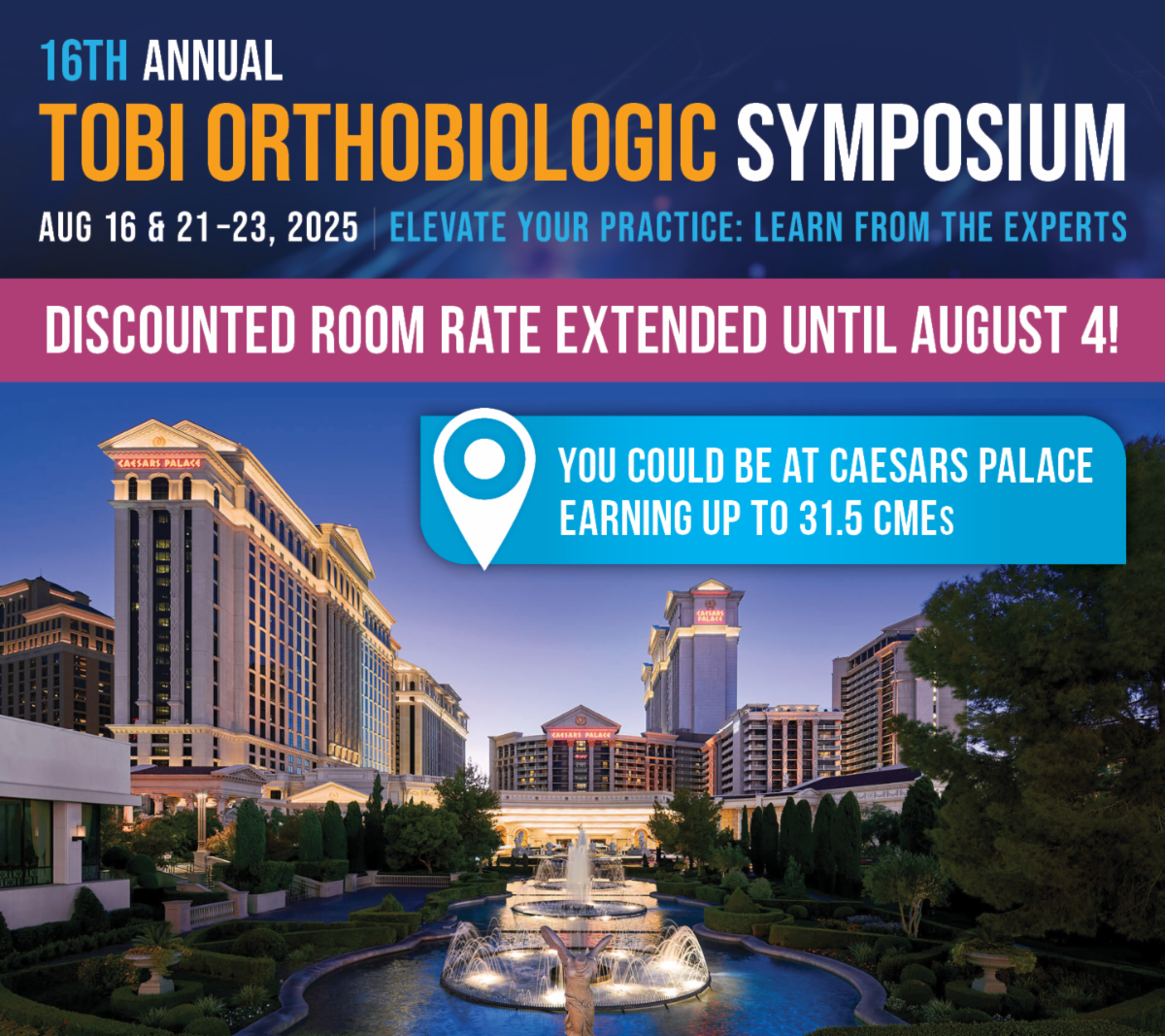
The 31.5 CME credits available through the TOBI Regenerative Medicine Review Course Webinar, Hands-On Cadaver Lab, and 2-Day Symposium meet the certification requirements for the American Board of Interventional Pain Physicians (ABIPP) competency certification in regenerative medicine. To apply for this certification, please visit abipp.org to submit the necessary documentation.
| | |
Calls VICP a "morass of inefficiency, favoritism, and outright corruption"
HHS Secretary Robert F. Kennedy Jr. said he's going to "fix" the nation's Vaccine Injury Compensation Program (VICP).
In a post on X, Kennedy said the VICP "has devolved into a morass of inefficiency, favoritism, and outright corruption," claiming that government lawyers and the court's judges "prioritize the solvency of the HHS Trust fund over their duty to compensate victims."
Kennedy said the court's structure "hobbles claimants" as the "defendant is HHS, not the vaccine makers."
Click here to read the full article.
| | |
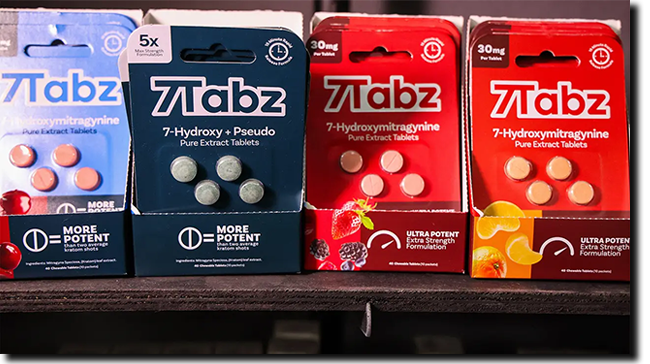
The FDA is recommending that 7-hydroxymitragynine (7-OH), a synthetic, concentrated substance derived from kratom leaves, be classified as a Schedule I substance under the Controlled Substances Act.
The recommendation is the latest effort by the agency to raise awareness of and limit access to 7-OH, which acts on opioid receptors in the brain and is available as gummies, tablets, and drinkable shots sold at gas stations, smoke shops, and online.
The FDA also issued a “Dear Colleague” letter to all US physicians, warning about the risks of 7-OH, and published two reports designed to raise awareness among clinicians and consumers. These actions come on the heels of warning letters issued by the FDA to seven companies for illegal marketing of the substance as kratom, as reported byMedscape Medical News.
Click here to read the full article.
| | JOIN or RENEW your ASIPP Membership for the best registration rates. | |
Researchers call for antibiotic, glucocorticoid, and opioid stewardship programs
Urgent care clinics often inappropriately prescribed antibiotics, glucocorticoids, and opioids for common conditions, found a cross-sectional study involving more than 22 million U.S. patient visits from 2018 to 2022.
For antibiotics, there were high rates of prescribing for "never appropriate" indications such as otitis media (31%), genitourinary signs and symptoms (46%), and acute bronchitis (15%), reported Shirley Cohen-Mekelburg, MD, of the University of Michigan in Ann Arbor, and co-authors in Annals of Internal Medicine.
Glucocorticoid prescriptions were generally inappropriate for visits related to upper respiratory infection (12%), sinusitis (24%), and acute bronchitis (41%), while opioid prescriptions were generally inappropriate for visits related to non-back musculoskeletal pain (5%), abdominal pain and digestive symptoms (6%), and sprains and strains (4%).
Click here to read the full article.
| | |
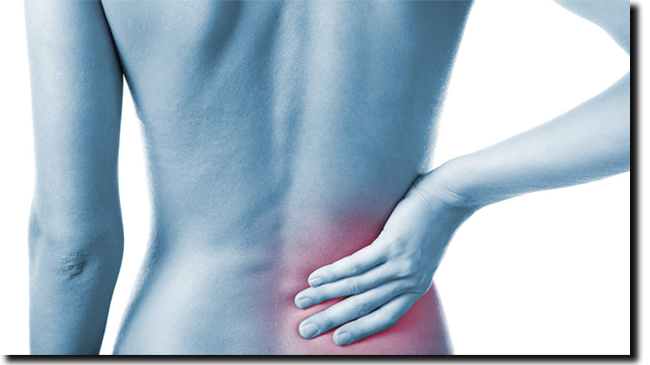
From 2016 to 2022, 5.3% of all US emergency department (ED) visits were for low back pain, with opioid prescribing declining and radiograph use remaining high.
METHODOLOGY:
- Researchers conducted a cross-sectional study using data from the National Hospital Ambulatory Medical Care Survey between 2016 and 2022.
- They analyzed 6522 ED visits for low back pain (mean patient age, 45.4 years; 60.3% women; 56.4% non-Hispanic White). From 2016 to 2022, an estimated 52.8 million weighted ED visits for low back pain occurred in the United States, accounting for 5.3% of the 991.7 million weighted total ED visits during that period.
- Primary outcomes were usual diagnostic and therapeutic care for low back pain.
Click here to read the full article.
| | |
Overall local anesthetic poisonings fell, however, driven by fewer non-lidocaine reports
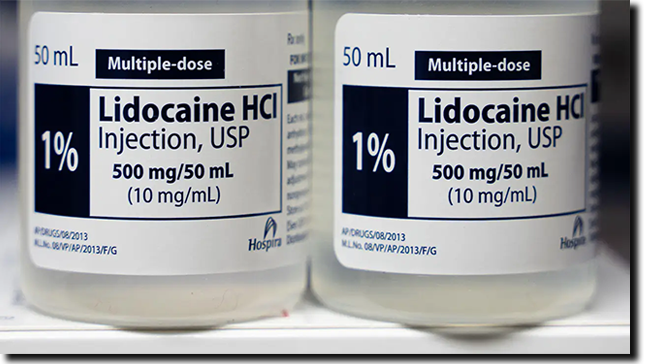
Deaths associated with lidocaine poisoning more than doubled since 2010, calls to poison control centers suggested.
Reports of lidocaine mortality in the American Poison Centers National Poison Data System (NPDS) increased 2.7 fold from 2011 to 2022 relative to the prior decade (P=0.0094), according to Michael Fettiplace, MD, PhD, of the University of Illinois Chicago College of Medicine, and co-authors.
In the same period, overall reports of local anesthetic poisonings decreased by 23% (OR 0.77, 95% CI 0.76-0.78, P<0.0001), driven by a drop in non-lidocaine reports, the researchers reported in Regional Anesthesia & Pain Medicine.
Click here to read the full article.
| | |
Each MMWR article now requires clearance by the HHS secretary, sources said
The Morbidity and Mortality Weekly Report (MMWR), the agency's flagship journal, published fewer articles in the past 3 months than it did during the same time period for several years prior.
The volume of submissions is indeed down, according to Michael Iademarco, MD, MPH, a former director of the CDC center that oversaw MMWR, who cited several sources with close knowledge of the situation.
And there's a new step in the process that has never been required in the history of the CDC, he said -- clearance of every article by the HHS secretary's office. An HHS spokesperson, however, called this "false."
Click here to read the full article.
| | |
New Dates Just Announced
Mark your calendars!
August 30, September 27, October 25,
November 15, & December 13
Four (4) hour virtual exam
- ABIPP Path – Combined CCPM/ CSM Exam
For those with subspecialty in Pain Medicine
Two (2) hour virtual exam
- ABIPP Competency Exam in IPM
For those without primary board certification
Two (2) hour virtual exam
- ABIPP Competency Exam in Regenerative Medicine
Two (2) hour virtual exam
- Controlled Substance Management Competency Exam
Two (2) hour virtual exam
- Documentation, Coding, Compliance, Practice Management Competency Exam
Two (2) hour virtual exam
| | |
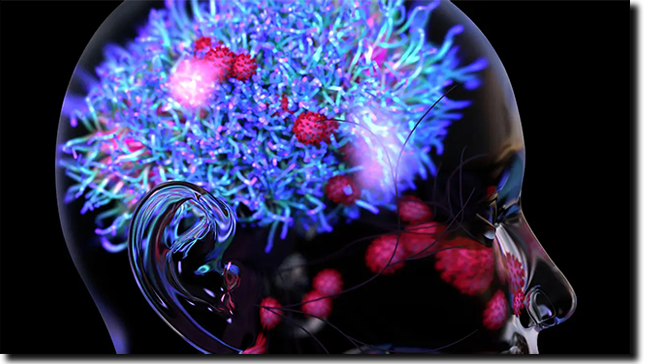
Brains appeared to age faster, even in people who didn't get COVID
People's brains aged faster during the COVID-19 pandemic whether they were infected or not, serial imaging data from the U.K. Biobank suggested.
Among nearly 1,000 adults, MRIs after the pandemic showed a 5.5-month greater brain age gap -- the difference between predicted brain age and chronological age -- than expected, said Dorothee Auer, MD, PhD, of the University of Nottingham in England, and co-authors.
Accelerated brain aging was not associated with prior SARS-CoV-2 infection, the researchers reported in Nature Communications. It also did not correlate with cognitive performance, except among people who had been infected.
Click here to read the full article.
| | | |
We're excited to let you know that the new ASIPP Community, hosted by DocMatter, is now live!
The ASIPP Community on DocMatter will serve as a place for members to collaborate around clinical and research topics to advance the care of their interventional pain patients.
Click here to be a part of the conversation!
| | |
Pain Medicine Case Reports (PMCR) and Editor-in-Chief Alaa Abd-Elsayed, MD, PhD would like to invite you to submit case reports and case series to the PMCR journal. Your article will be published free of charge.
Open access journals are freely available online for immediate worldwide open access to the full text of published articles. There is no subscription fee for open access journals. Open access journals are no different from traditional subscription-based journals: they undergo the same peer review and quality control as any other scholarly journal.
Interested in becoming a member of the PMCR Editorial Board?
Editorial board members are asked to review 2-6 manuscripts per year. Please submit your most up-to-date CV to sgold@asipp.org for consideration.
For more information or to submit your articles, click here.
| | |
We are excited to announce that Pain Medicine Case Reports (PMCR) journal (eISSN 2768-5152) has been accepted for inclusion in MEDLINE and PubMed, the prestigious bibliographic database of the U.S. National Library of Medicine. PMCR, a companion publication to the prestigious Pain Physician journal by ASIPP, joins its counterpart in achieving indexing in both MEDLINE and PubMed, marking ASIPP’s dual presence in these renowned databases.
The inclusion of PMCR journal in MEDLINE signifies a higher level of selectivity, as MEDLINE consists of the top 5,200 biomedical journals. This indexing also means that articles from PMCR will be searchable using NLM Medical Subject Headings (MeSH terms) and other metadata.
The selection for MEDLINE follows a rigorous evaluation process by reviewers from the Literature Selection Technical Review Committee (LSTRC). According to their criteria, the scientific quality of a journal’s content is the primary factor considered for indexing.
We extend our congratulations to the Pain Medicine Case Reports Editor-in-Chief, Deputy Editor-in-Chief, Journal Team, and Editorial Board for this achievement, which underscores the significance and excellence of this esteemed journal.
| | | | |
|
ASIPP is in collaboration with Curi Medical Liability Program
Since this malpractice insurance program officially launched in November 2018, ASIPP has signed up hundreds of providers with an average savings of 30%. This is professional liability insurance tailored to our specialty and will stand up for us and defend our practices.
Curi is a full-service advisory firm that serves physicians and their practices. Their valued advice is grounded in your priorities and elevated in your outcomes. They are driven by a deep understanding of your specific circumstances in medicine, business, and life. To read a few important points to keep in mind about the program, including discounts, administrative defense, cyber coverage, aggressive claims handling, and complimentary risk management CME activities, visit our website.
| | |
IMPORTANT UPDATE
SPR is happy to announce an important update regarding Humana Medicare Advantage. As of May 1, Humana is now recognizing SPRINT as a PNS therapy. Previously, SPRINT was categorized as PNT (Percutaneous Nerve Stimulation), which allowed denials on the grounds that the therapy fell outside the NCD.
Additional details are as follows:
Payer: Humana Medicare Advantage (click here to view policy)
Policy Title: Peripheral Nerve Stimulators
Policy changes: SPRINT no longer misclassified as PNT and is now appropriately classified as PNS. Humana is applying the Noridian Medicare LCD criteria to ALL PNS devices – Including SPRINT PNS!
Effective Date: 5/1/2025
Click here to view a PDF of the official policy update.
| | |
|
Group Purchasing Organization Offer Better Pricing and Creates Added Value
ASIPP has formed a partnership with Henry Schein and PedsPal, a national GPO that has a successful history of negotiating better prices on medical supplies and creating value-added services for independent physicians. Working with MedAssets, PedsPal provides excellent pricing on products like contrast media that alleviate some of the financial pressures you experience today.
Learn More
For updated information concerning tariffs on products, click here.
| |  |
|
ASIPP, Fedora Healthcare Solutions Partnership
ASIPP offers our members the benefit of a unique revenue cycle management/ billing service.
We have received a tremendous amount of interest in the ASIPP billing and coding program.
Click here to learn more about the negotiated rate for practices and more!
| | |
Like and Follow ASIPP® on Facebook, X, LinkedIn,
and YouTube for the most up-to-date news
related to you, your practice, and your patients!
| | | | |