|
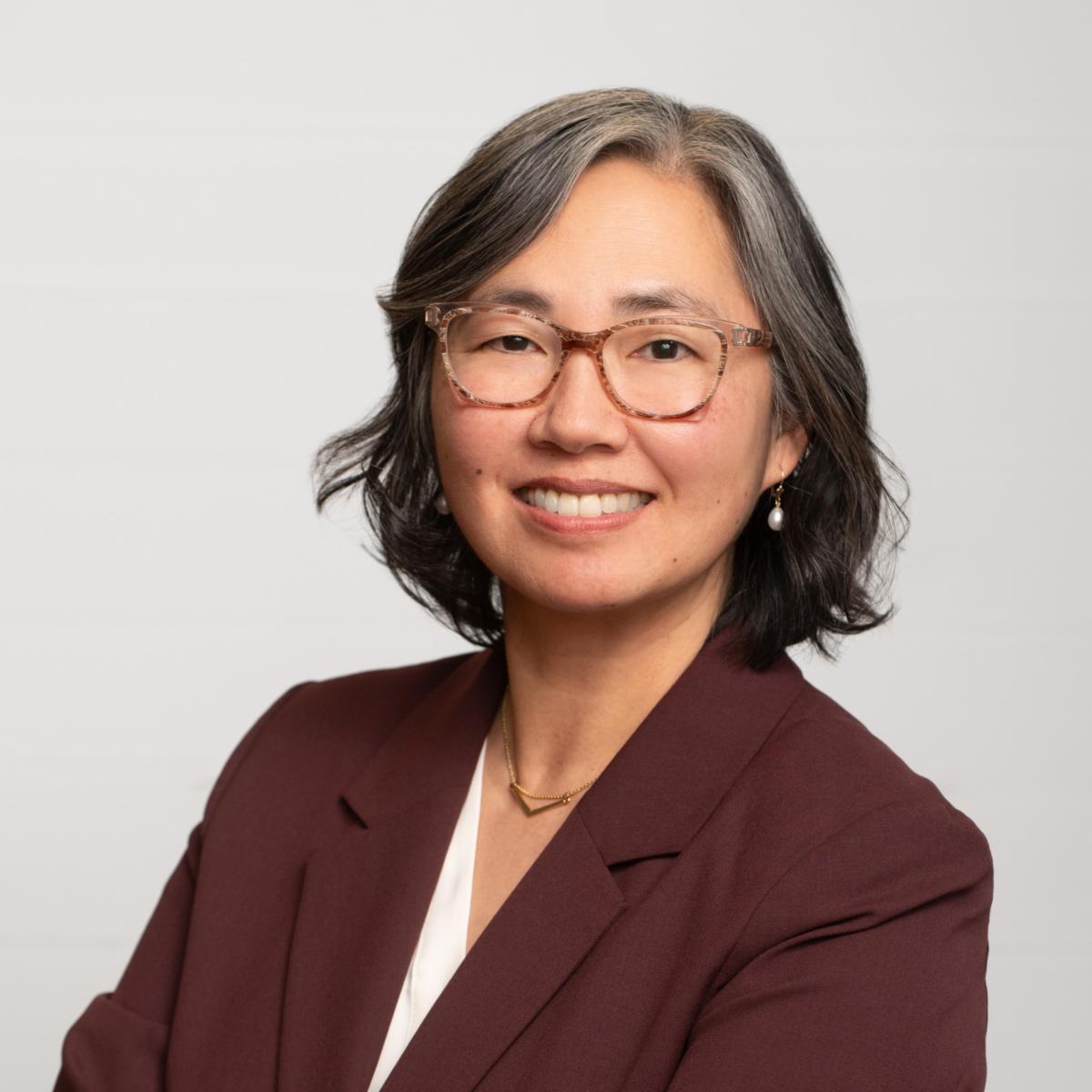
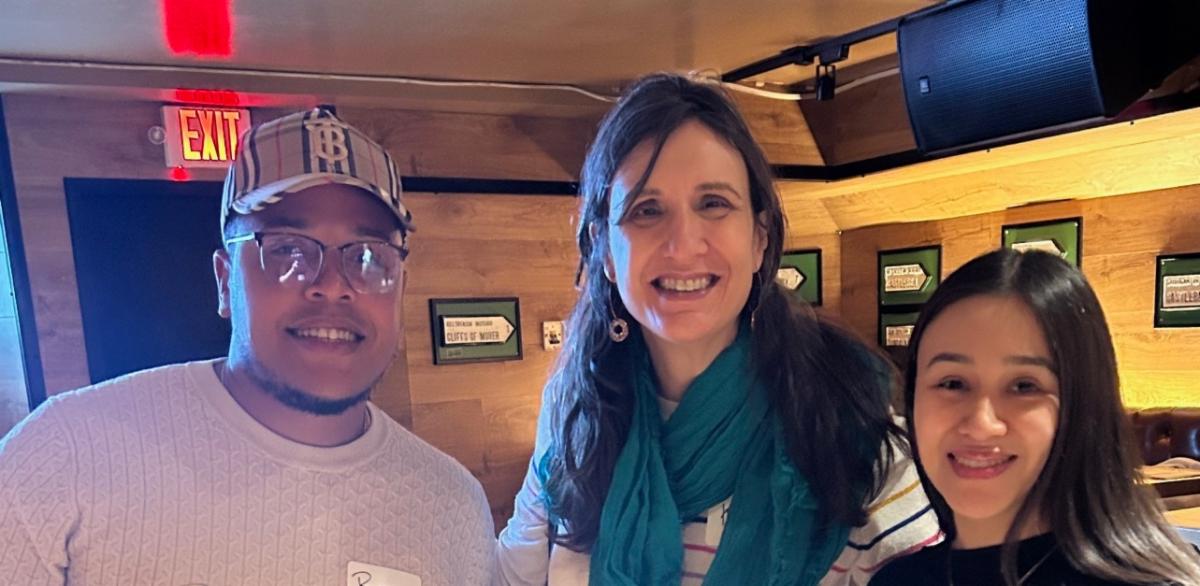
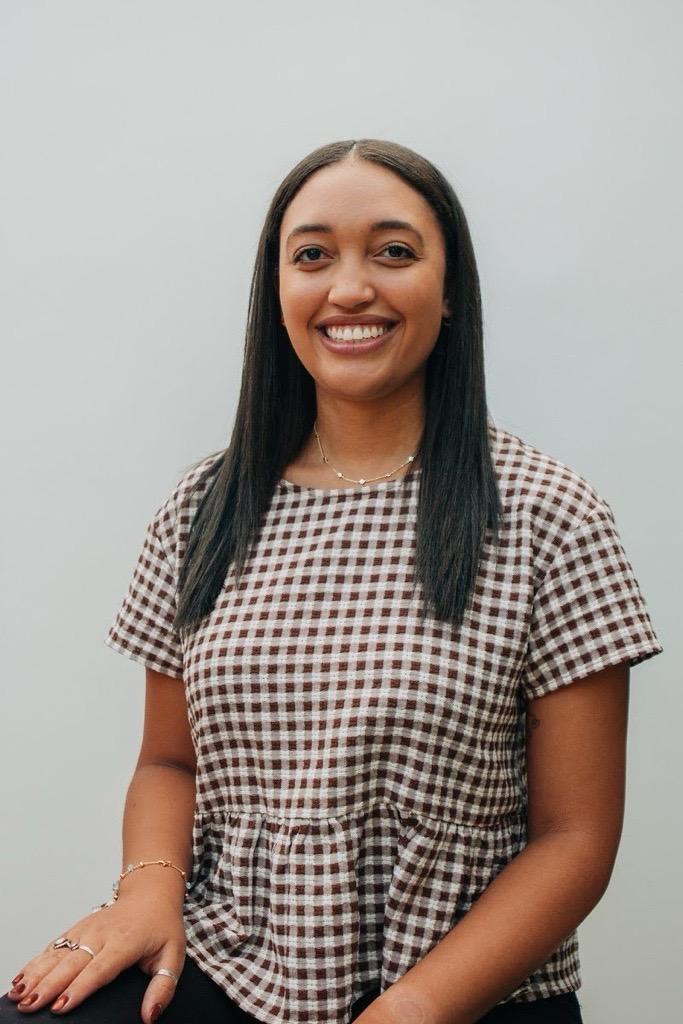
In light of April being Fair Housing Month, we are spotlighting our Fair Housing Department. The team consists of Director of Fair Housing and Civil Rights Katie Milton and two Fair Housing Client Advocates, Raymond Betancourt and Nicole Polanco.
Massachusetts residents have protections under both Federal and State fair housing laws that prohibit discrimination in the housing market. Federal fair housing laws prohibit discrimination in housing-related activities based on race, color, religion, sex, national origin, familial status, and disability. State fair housing laws provide additional protections, including family status, veteran status, and for individuals and families who receive government benefits - including rental subsidies.
Metro Housing is committed to the principles of Fair Housing laws and policies. As an organization that administers over 12,000 federal and state vouchers and provides RAFT assistance to more than 9,500 households each year, we hear from many participants who report being subjected to discrimination in the housing market because they have a housing subsidy. In 2008 Chris Norris, Metro Housing’s recently retired executive director, formalized the organization’s commitment to fighting housing discrimination by establishing the Fair Housing Project. Chris wanted Metro Housing to go beyond the role of administrating vouchers – he wanted Metro to play an active role to help ensure housing stability and access for our participants. In the almost 20 years since then, the Fair Housing Project has served as a resource for Metro Housing participants who experience housing discrimination because of their membership in one or more protected class.
By partnering with EOHLC’s Office of Fair Housing and the Fair Housing Alliance of Massachusetts (FHAM), Metro Housing’s Fair Housing Project is working to end voucher-based and other forms of housing discrimination through advocacy, education, legal services, and education. In FY25, Metro Housing’s Fair Housing Project served over 600 participants in addition to handling 200 advocacy cases and over 500 requests for reasonable accommodations.
|