MEHER SPIRITUAL CENTER

Meher Baba's Home in the West

December Newsletter 2024

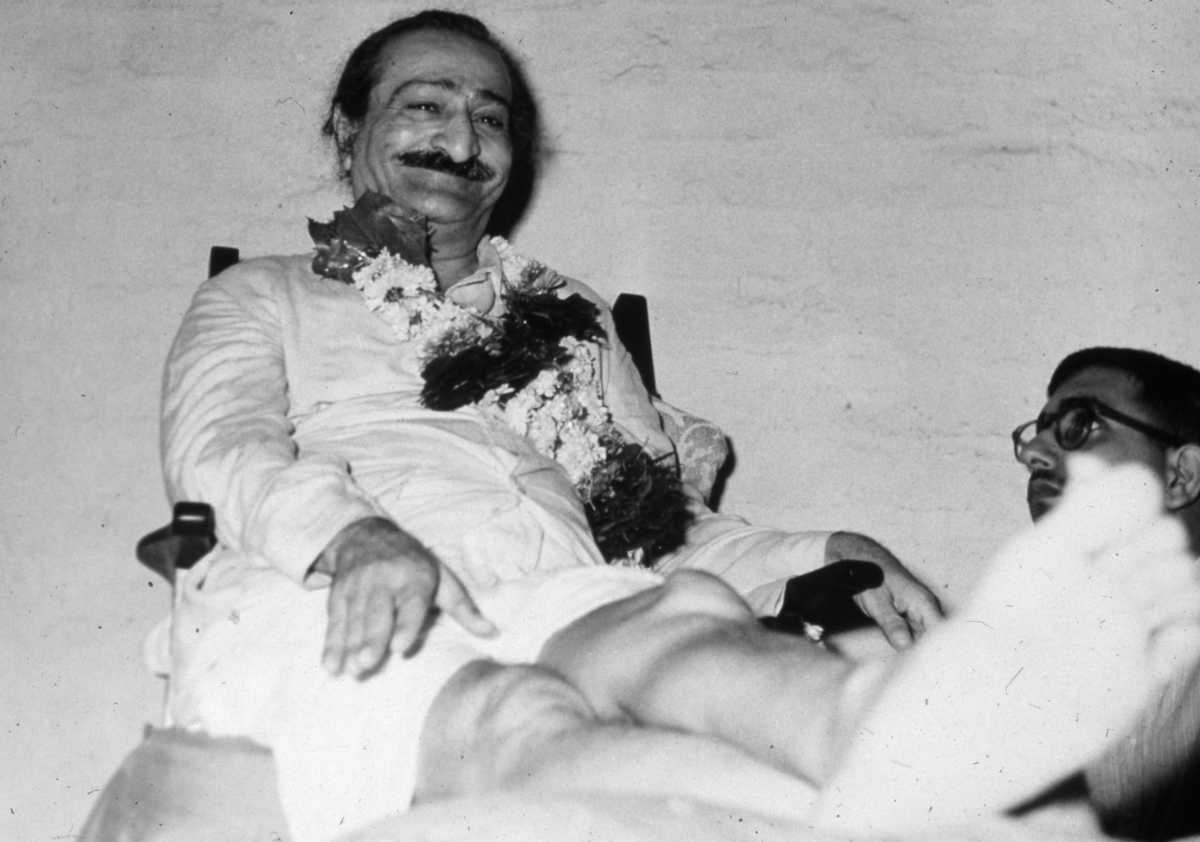
Meher Center Archive Collection

"Renunciation of desires does not mean asceticism or a negative attitude to life. . . Without avoiding contact with the different aspects of life, maintain complete detachment in the midst of intense activity."


Meher Baba


Sparks from Meher Baba, compiled by Delia de Leon & Kitty Davy, p. 20

Dear Meher Center Family and Friends,


Holiday greetings from Meher Center. As many in the world remember and celebrate the birth of Jesus Christ, I wanted to share this incident that happened at Meherabad in 1940.


“Throughout September 1940, Baba continued to work in strict seclusion in the mast ashram on the hill. He also continued his visits to the women twice a week, on Thursdays and Sundays.


“During this period, Baba had passed on to Rano a portrait someone had done of him, painted on a piece of plywood. Baba instructed Rano to paint his picture over it, in a seated posture, wearing a sadra with his long hair open. This she did, titling the work The Avatar. 


“On Sunday, 22 September, Baba asked the women, ‘Who was it who said, “Unless you lose yourself, you cannot find yourself?”’


“Elizabeth replied, ‘Christ.’"


‘What does it mean?’ Baba asked.


“One woman replied, ‘To conquer desire.’


“Another replied, ‘To annihilate the lower self.’


“Elizabeth answered, ‘To quote the words of the saint: 'Let not my will be done, but Thine.' 


“Baba nodded in approval and stated that Elizabeth's was the nearest to being correct. He explained in detail:


“’It means three things in one: first, love God so much that you forget yourself; second, sacrifice your carnal desires for the soul; and third, complete resignation to God's will.


“’And when you love too much, you do forget yourself. Now how to do that practically? Love for other things like men, women, cars, dogs, et cetera, comes spontaneously. It is no gift, but spontaneity; it is natural. Loving God comes by practice and by process to a certain point. But loving God most is a gift. To love Baba, you need to think of Baba. If you think of Baba, you do not think of yourself. The more you think of Baba, the less you think of yourself. So, to love God so much that you forget yourself means that you think of God so much that you can no longer think of yourself! By thinking continually, you become what you think of deeply. The mind makes one [become] what one thinks of deeply.’” *


In His love and service,


Buz Connor

For Meher Center board and staff


*Lord Meher, Online Version, pp. 2150-2151.

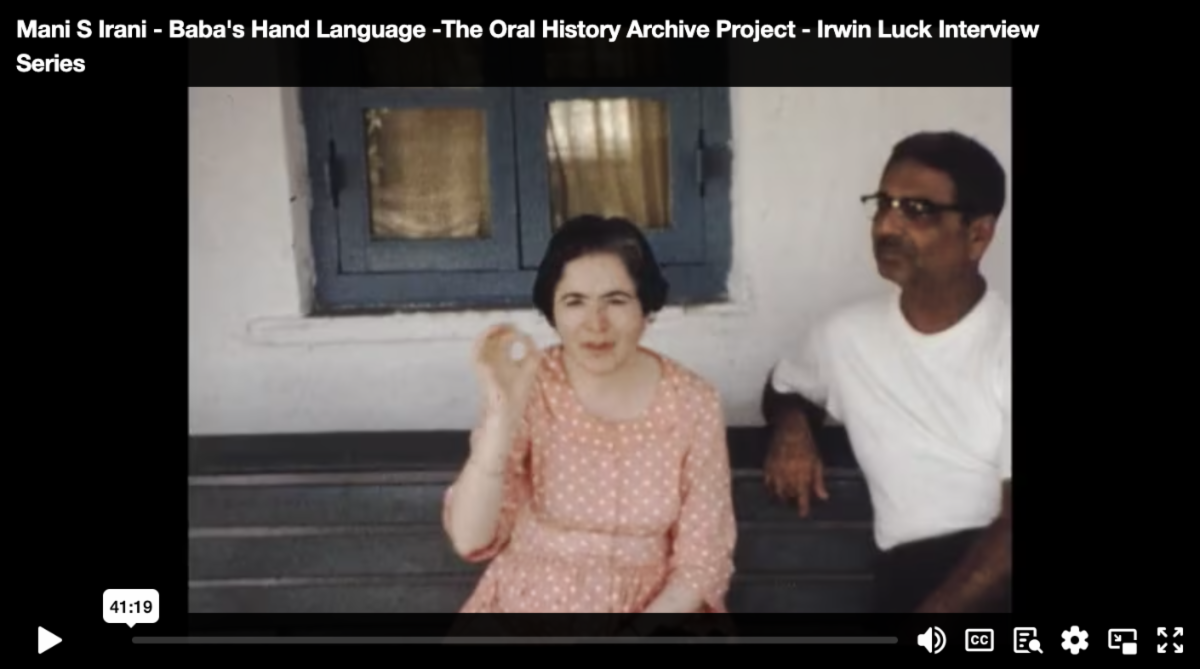
"It is not easy to obey Him"

In this footage from 1971, Eruch dictates common phrases of Meher Baba's while Mani delightfully and with great expression translates into Baba's hand gestures. Eruch then goes on to share a selection of stories relating to the difficulty of obeying Baba 100%.


Video, 41:19

Meherazad, India 1971

Courtesy of The AMBCSC Archives


Note: The audio and video components of this footage were recorded separately. Due to the age of the film, you will notice issues with the audio and video syncing.

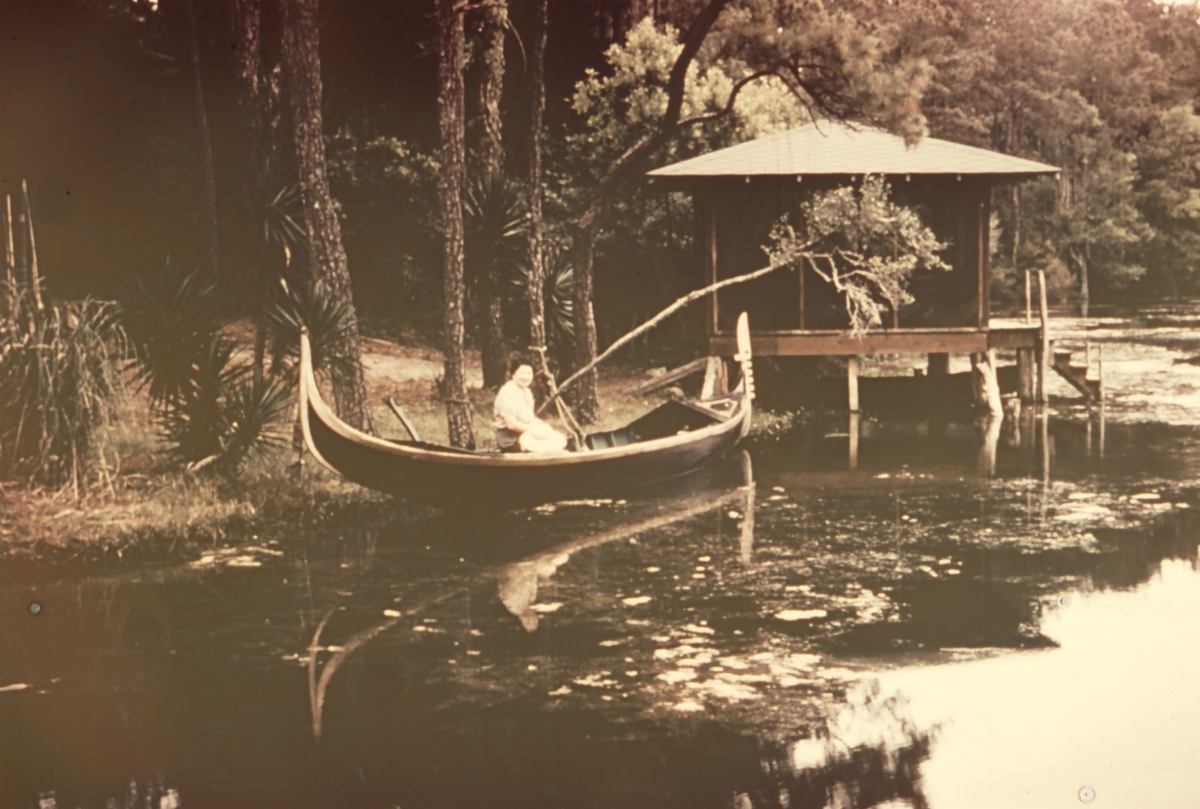
The Gondola: Meher Baba’s Boat

Part One

By Alexandra Marks

Shaw Photo Collection

One morning in 1949, Elizabeth Patterson was sitting in Youpon Dunes reading the New York Times, as she did almost every day. At the end of a column in the business section was a misplaced classified ad with just three lines. It read: “Two gondolas for sale. $25 each.” And then it listed a telephone number. [1] Elizabeth was swept away by “memories of moonlit gondola rides with Baba” in Venice in 1932. [2]


At the time, she was in the process of preparing the Center for Meher Baba’s upcoming visit and thought how wonderful it would be to have a gondola on Long Lake to remind Him of those glorious times. She picked up the phone and dialed. The man who answered said he had one left.


“Well, I bought it,” Elizabeth told Daniel Montague in 1976. “And then I picked up the phone and called Margaret (Craske) in New York, and I said, ‘Margaret, I’ve just bought a gondola and it needs to be transported down to Myrtle Beach, and I want you to get it on a train, on a flat car.’”


Margaret reportedly replied, “You’ve done what?!” 


Those early days traveling through Europe with Baba were extraordinarily happy times for both Elizabeth and Margaret. They were in the early part of their lifelong romance with Baba and, from all accounts, it was magical. And gondolas played a role. Of her moonlit gondola ride with Baba in 1932, Margaret wrote: "It was divine, really divine. Baba, Adi Jr., me and one other in one gondola; for an hour, drifting up and down, under the moonlight with the gondolier singing in Italian. It was one of the most beautiful nights of my life.” [3]


Many years later, when she recalled that night to John Haynes, she also told him about one of the legends in Venice about the Bridge of Sighs. If you go under the bridge with your beloved during a full moon, this legend asserts, you will be reunited with your loved one forever. “And then she smiled and said, ‘It was a full moon and we were with Baba,’” John recounts.  


Anxious for more, he asked Margaret about who was with her in the boat and what Baba had said. “My dear,” she told him, “I can’t remember everything. But it was perfect.” And then she paused and said very quietly, “It was the happiest moment of my life.” 


Baba also used gondolas to help allay anxieties. In October of 1933 in Venice, Baba and the group were about to board a train for Paris. Half of the luggage was already loaded, the train was getting ready to leave, when Baba asked Kitty for the group’s passports. She didn’t have them. She had given them to the clerk at the hotel when they first arrived and forgotten to retrieve them, according to Lord Meher.


“Kitty was distraught over her negligence, but Baba was as calm as ever, spelling on the board, ‘Do not worry. We will have lunch and take a gondola ride on the canal. I can do more work here, and we can take the night train to Paris.’” [4]


When Elizabeth bought the Center’s gondola in 1949, she was told that it was one of two that were made in Venice for the 1939 World’s Fair in New York. But it turns out, the gondola’s history may be more complicated than that.


A thorough search of the internet and interviews with a historian of the 1939 World’s Fair and an expert on the histories of gondola in the United States, found no evidence of gondolas at that 1939 fair. Its motto was “Building the World of Tomorrow.” [5]


There were several Venetian gondolas at the 1933 World’s Fair in Chicago, though. People could take rides in one around an artificial lagoon at the northern end of the fair for “50c per hour per passenger.” [6] More than 40 million people attended the fair.


“There is a decent chance that your gondola has been used in more than one fair or exposition,” says Greg Mohr, the president of the Gondola Society of America and an expert on the history of gondolas in the United States. “So your story may be deeper than you realize. Your boat may have an even richer history.”


The gondola’s past before arriving at the Center may be shrouded in mystery, but there’s no question that it gave many people much pleasure. While Baba never went out in the gondola Himself, He thoroughly enjoyed watching others. 


When He visited the Center In 1956, He celebrated Elizabeth’s birthday with a cake and ice cream in the dining hall. [7] He gave her seven hugs and then they all went to the Barn for discourses. After that, it was time for a boat ride.


“With all of the group at His heels like a pack of sparrows, Baba walked as rapidly as ever back to the main Center,” Filis Frederick wrote in The Awakener Magazine. “The children were all in the boat house, waiting to go out on the lake in the black Venetian gondola. Baba entered the boat house and fondled each child lovingly. Then we all stood close to the shore watching with Baba as the gondolier took the children in groups for their ride. Baba asked one little boy if he could row and he said yes.” [8]


Larry Karrasch was one of those children to go out in the boat that day. (He can be seen standing behind Baba in the picture of Baba leaning against a tree and watching other children out on the lake.) Larry also got into a bit of trouble on the gondola all on his own.


He was 8 years old at the time. While in the hotel in Myrtle Beach, he had built a model seaplane. He decided to see if it could float. He took it to the Center and climbed into the gondola and put his model plane in the water. 


“And the plane started drifting out further and further,” says Larry. “I panicked and tried to reach for it and fell in head first.”


He pulled himself out but was sopping wet and his feet were full of mud. He told his mother what happened just as Kitty was walking by.


“She makes a big fuss and goes into the Lagoon Cabin and tells Baba what happened,” Larry says.


Baba had Ned Foote drive Larry and his mother in his brand new, powder blue ’56 Cadillac El Dorado to their hotel where Larry changed clothes. Then it was back to the Center and Kitty told them that Baba wanted to see Larry.


“I’m going ‘Holy smokes, now I’m in trouble with God,’” he remembers. But when he gets into the Lagoon Cabin, Baba didn’t appear angry, only concerned.


“He said to me, ‘Be careful, there are big alligators in that lake,” Larry recalls. “It was like more of a warning, like, be careful in your life, period.” 


The gondola also played a role in the birthday party for Baba that was thrown in 1958. While the soundtrack from the film “The King and I” played, Baba cut a huge five-tiered birthday cake and then gave out lemonade and tossed the children prasad. “He left at about 3:00 P.M. and went back to his house, while the children went for rides in the gondola on the lake,” according to Lord Meher. 


Charles Haynes was one of those lucky enough to go for a ride. “I was amazed at how smoothly we glided across the water,” he says. “It felt thrilling and exotic to move across the lake so quickly and gently.”


Over the next twenty years, the gondola was moored by the boathouse on Long Lake. Elizabeth loved it and was “very careful and protective of it,” says Charles. 


She was very proud of it as well and used to joke, “I'll have you mind that it cost me a lot more money to have it shipped and transported here than to buy it,” according to Daniel Montague.


In time, though, the heat and humidity in Myrtle Beach took its toll and the gondola began to deteriorate. But that is not the end of the story. Part two recounts the restoration and rebirth of Meher Baba’s boat. 


[1] ”Meher Baba’s Boat” an album compiled by Daniel Montague, copy in Saroja Library

[2] Ibid

[3] Lord Meher Online Edition, by Bhau Kalchuri, p. 1464

[4] Lord Meher Online Edition, by Bhau Kalchuri, p. 1553

[5]The 1939-1940 New York World's Fair The World of Tomorrow, by Bill Cotter

[6] Official Guide Book of the World's Fair 1934, currently in the University of Illinois Urbana-Champaign Library

[7] The Awakener Magazine, Volume 4, Number 3, p. 34

[8] The Awakener Magazine, Volume 4, Number 3, p. 41

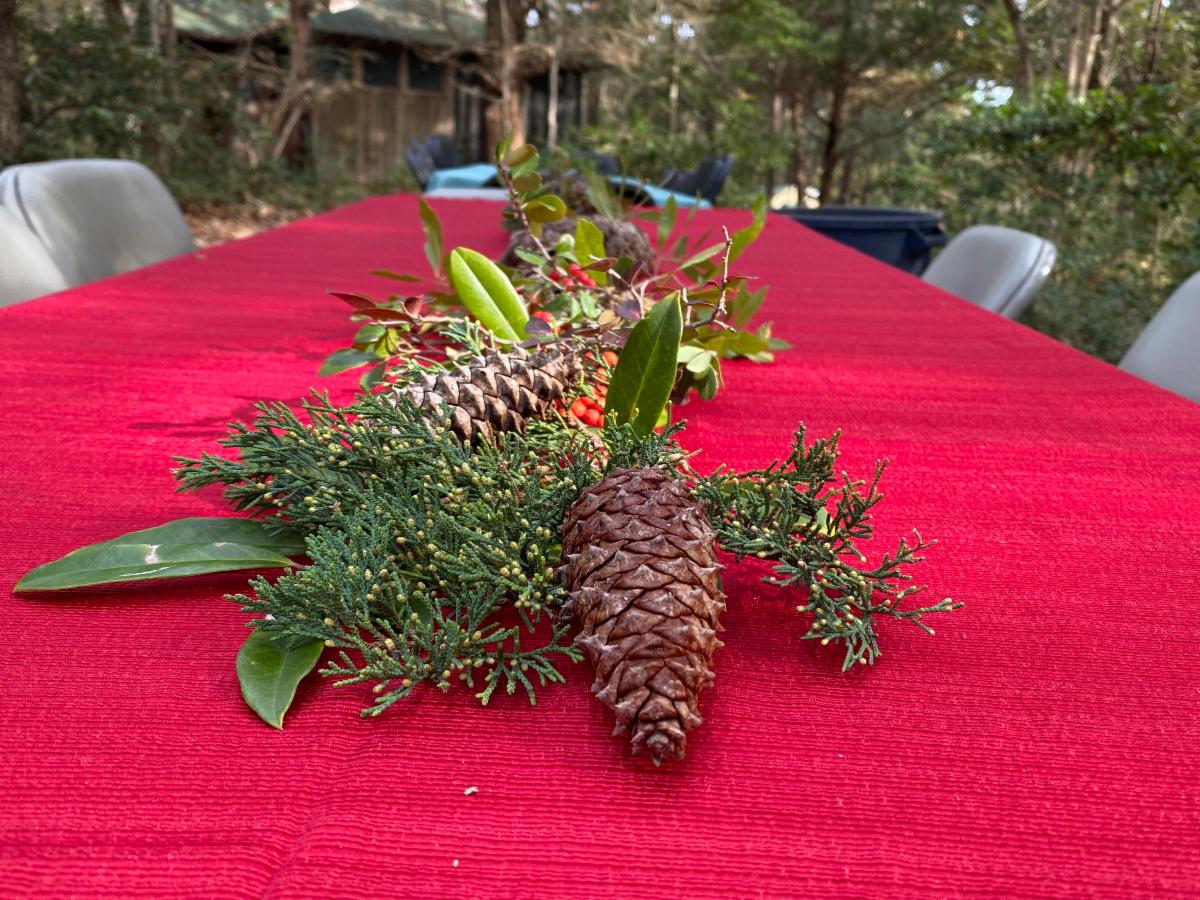
Life on the Center: A Christmas Dinner

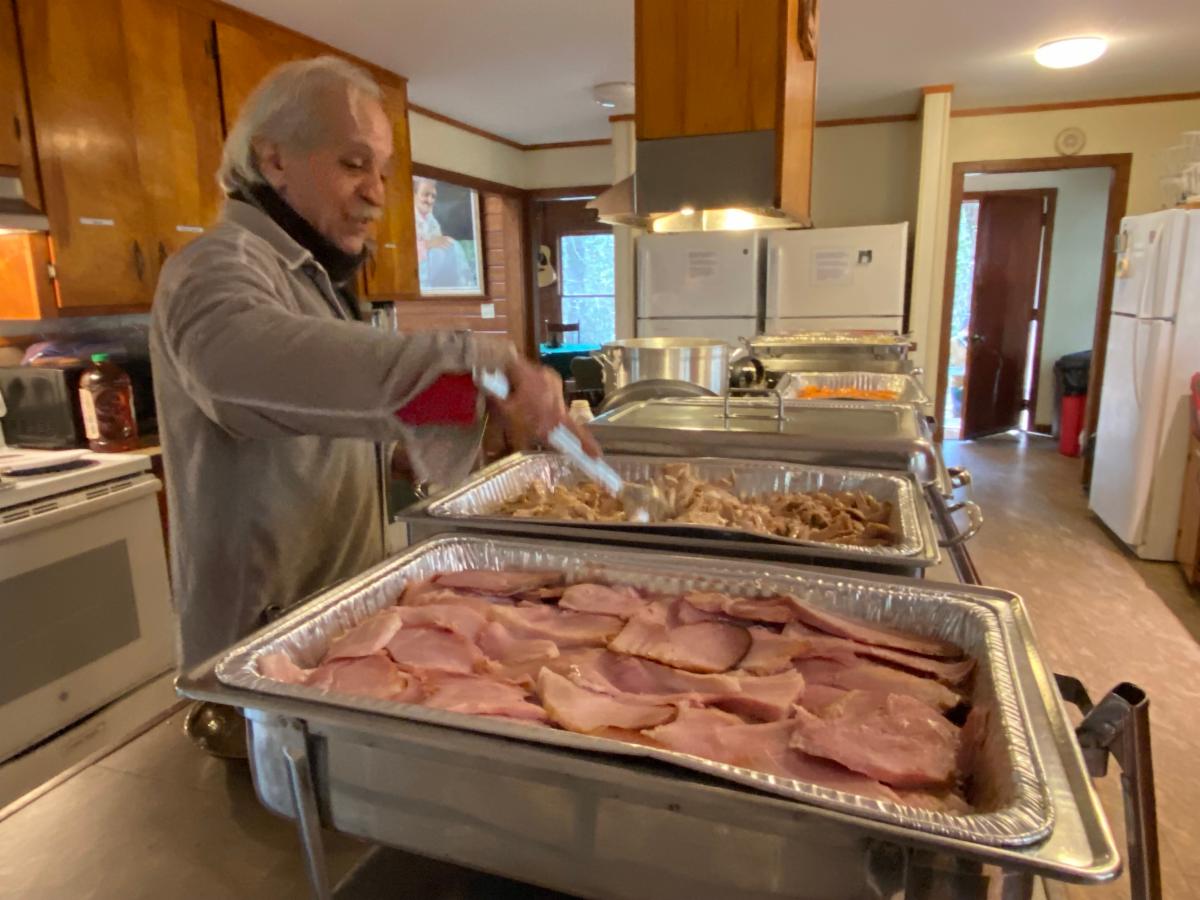
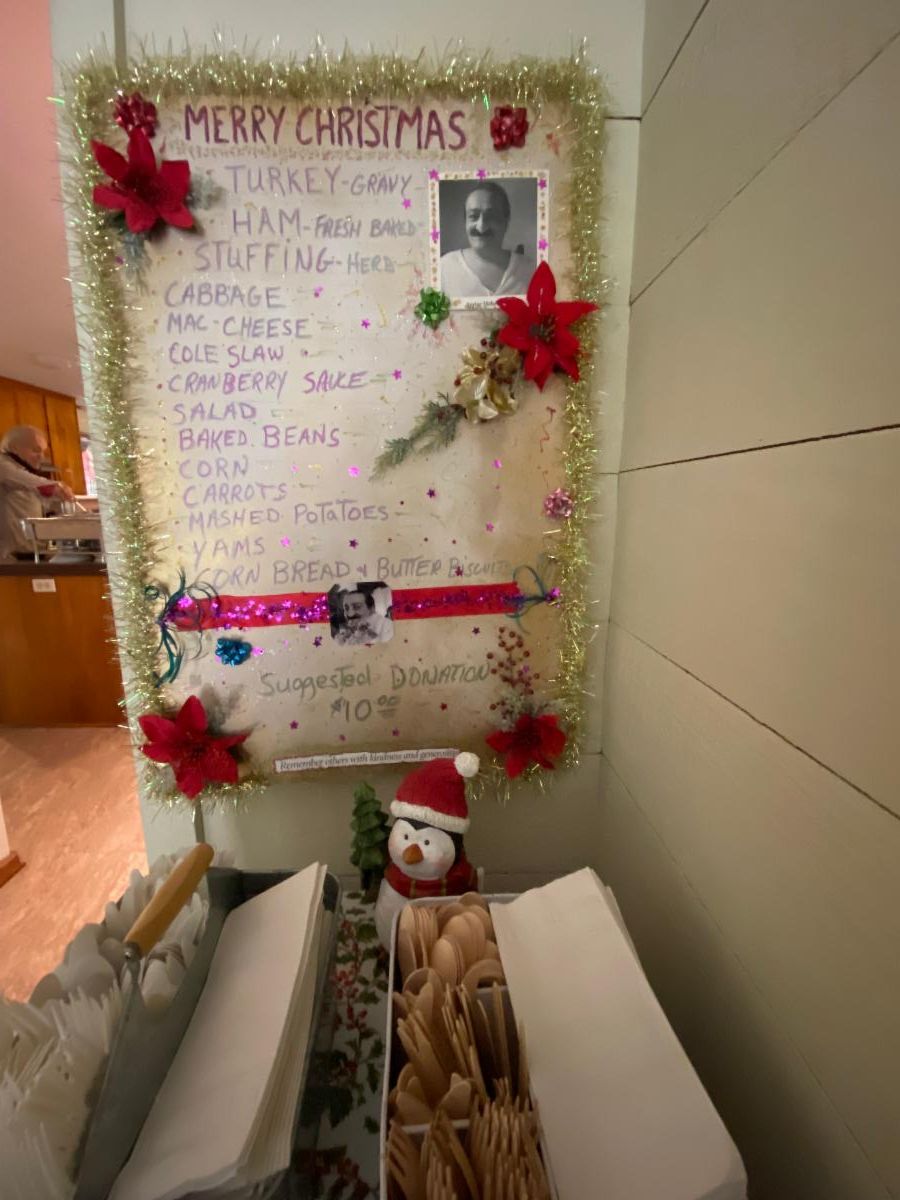
Photos from Christmas Dinner on Center

Merry Christmas and Happy New Year from Meher Center! The Christmas dinner on Center was a lovely event, attended by 175 people. The weather was warm and Baba's presence permeated the Center.

Meher Baba's Declaration of Avatarhood

By Preeti Hay

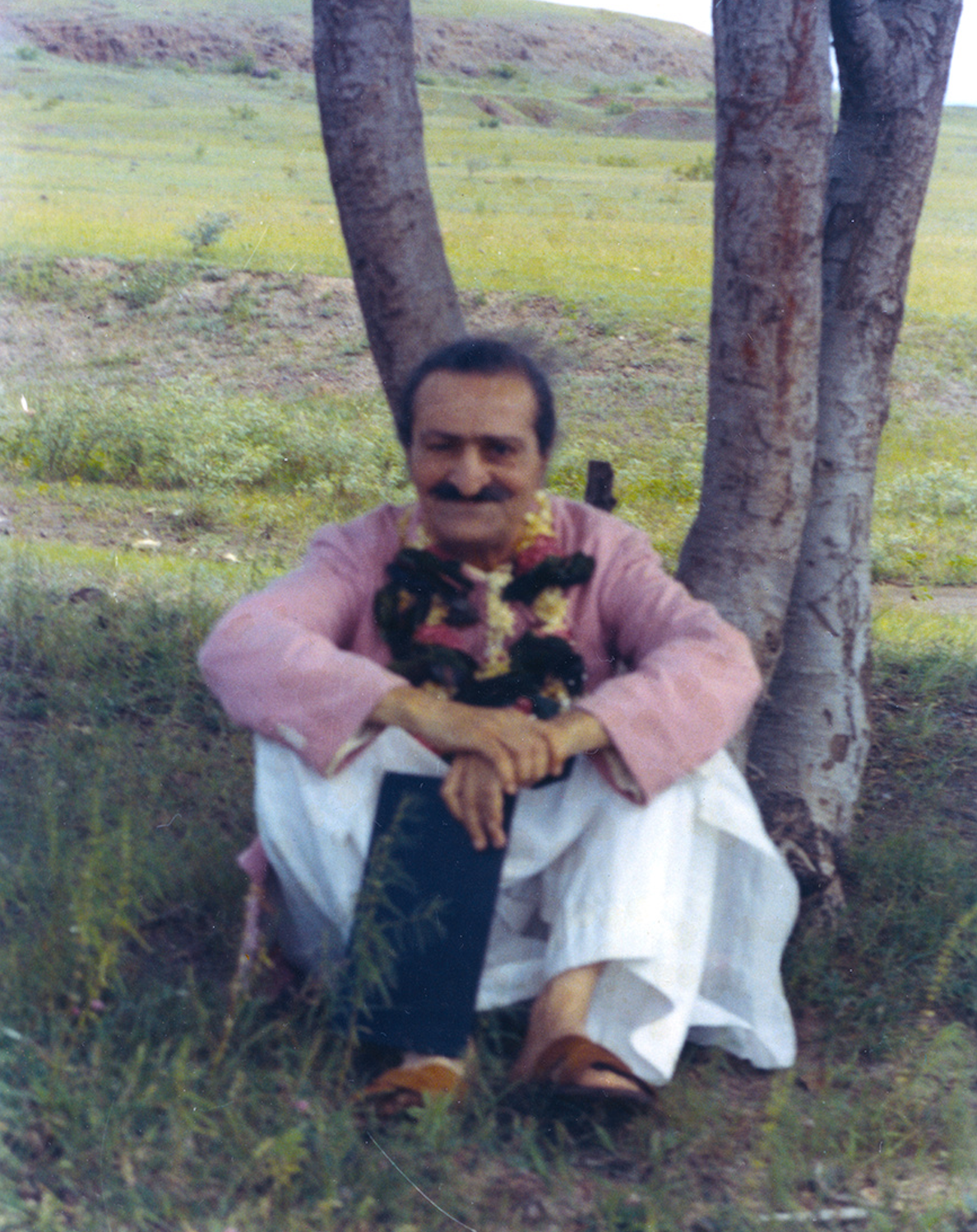
Meher Baba, 1954

Meher Nazar Collection

This year marks the 70th anniversary of a momentous year in Meher Baba’s life. In 1954, Baba held the Three Incredible Weeks sahavas, gave his Final Declaration, and gave up the alphabet board. But by far, the most awe-inspiring event of the year was His public declaration of His Avatarhood.


Meher Baba was sixty years old when He publicly declared Himself as the Avatar, but His journey began as a schoolboy named Merwan whose ordained meeting with the Perfect Masters changed the course of His life and humanity.


In 1913, while riding his bike to school, Merwan was called over by the well-known Sadguru Hazarat Babajan. He was drawn to her “like iron drawn to magnet.” In January of 1914, Babajan kissed Merwan on His forehead. She turned to the people around her and said, “This child of mine will, after some years, create a great awakening in the world; He will do immense good to humanity.”[1] Merwan’s awakening into His Avatarhood catapulted from then on. He consequently met Narayan Maharaj, Tajuddin Maharaj and Shirdi Sai Baba in 1915. In Shirdi, Sai Baba looked deep into Merwan’s eyes and uttered aloud, “Parvardigar!” This declaration was followed by Upsani Maharaj’s blow: a stone thrown at Merwan exactly at the spot on His forehead where Babajan had kissed Him.


Over the next few years, Merwan spent intense periods of varying lengths with Upsani Maharaj of Sakori. On His last visit between July to December 1921, Maharaj folded his hands to Merwan and said, “Merwan, you are the Avatar.” This was the first time He was ever called the Avatar. But Merwan did not declare His status to anyone at that moment. His public declaration was still decades away.


At the end of 1921, Maharaj told Gustadji and Behram (Meher Baba’s first disciple whom He nicknamed Bua Saheb), “I have given my charge to Merwan. Your friend is now spiritually perfect. Stick to him and obey him in everything.” [2]Several months later, Merwan was given the name Meher Baba by His followers and was accepted by His followers as a Perfect Master.


The next year, while at Manzil -e-meem, Baba started giving indirect hints about His spiritual status. He explained the role of the Avatar and 120 members of His circle. In the 1920s, He continued to give explanations and discourses to His mandali and to the Prem Ashram boys who called Him Sadguru.


In the 1930s, Baba started to gather His western disciples. Many of them had intense experiences of Him as Christ come again. About his meeting with Baba in 1934, Darwin Shaw narrates, “Baba sat with his legs crossed, and then placed his raised foot just a few inches in front of me. I could scarcely believe my eyes as, looking at His lovely foot; I realized that here was the sacred foot of Christ. Scenes from the New Testament flashed across my mind, and I especially recalled the scene of Mary of Bethany anointing the feet of Jesus with precious ointment and then wiping them with her hair. I was taken by an overwhelming impulse to kiss Baba’s foot, thinking, ‘When would I ever again have the chance to kiss the sacred foot of Christ?’ So, I bent forward and lovingly kissed his foot. A few minutes later, Baba drew me close to Him. I bent my head. Baba lifted it and kissed my forehead.”[3]


In 1937, in a letter to Delia De Leon, Baba wrote, “I know all the present and future and nothing can stop the work that I am here to do. Am I not the Avatar? The world will know it soon and will accept me as such. Be calm, be steady and firm as a rock in your faith and love for me.” [4]Ironically, in the same year, Charles Purdom wrote the first biography of Meher Baba titled The Perfect Master.


Bal Natu believes that the finite mind cannot understand the Avatar’s timing. Just as there was an ordained moment for Babajan to unveil the Infinite consciousness in Merwan, there was also a divinely planned moment for Meher Baba to openly declare His true status. This was in February of 1954 in Hamirpur, a place that Baba called “His heart.”


In a hut in Mahewa, On February 9th, a big pandal was set up for an overnight program of singing of devotional songs. Baba was seated on a gadi while His lovers looked at Him adoringly as He explained the meaning of some songs or made a joke. Bal Natu writes, “It is difficult to capture the divine intimacy or the glorious atmosphere which prevailed that night around Baba. His skin seemed very translucent, glowing with a divinity which He could not contain; yet His personal liveliness, wit and charm made all feel that Baba loved them as individuals on a very human level. This blending of the divine and human is the hallmark of the Avatar.”[5]


At 20 minutes to midnight, Baba asked everyone to wash their faces and hands and be present in ten minutes for the prayers. Baba also washed His hands. Exactly at midnight, the Repentance Prayer was read in many languages. Baba then asked His lovers about how they knew He was God. Many answers arose and they all pleased Baba.


“At about 1:00 A.M., Baba remarked to Keshav, ‘You have no idea what gift you are about to receive at this moment.’


“Then, addressing all those present, Baba continued, ‘…this much I can say in my present good mood, that soon God will make me break my silence, which will mean God manifesting Himself. And, within a short period, humiliation and glorification will come, followed by my violent physical death. I will come back again after 700 years; this much I can say now.’


“Baba’s announcement brought tears to the eyes of some, and, raising his hand after running his finger on the alphabet board, Baba spelled out through Eruch, ‘Avatar Meher Baba ki jai!’ All took up the declaration, repeating it several times.


“This was the first time that Baba himself had spelled on the board “Avatar Meher Baba ki jai.”[6]


In His book God Speaks, published in the following year, 1955, Baba clarified the difference between Sadguru and Avatar. Although they share the same gnosis of “I am God,” the Sadguru works for a limited section of humanity while the Avatar’s work is universal.


Ward Parks, a scholar in Meher Baba literature, explores the subject further by pointing out the importance of the declaration coming after the New Life. “We cannot miss the fact that Baba gave the prayer of repentance during the New Life and participated in it as an ordinary man while renouncing His divine authority. It was after He had veiled Himself as God and became an ordinary man that He declared Himself as that same ancient one who comes again and again as the God Man for the sake of the world. Baba said, ‘the perfect Master acts, while the Avatar becomes.’”


After His declaration Meher Baba stated His status unequivocally until the end of His earthly life. And doesn’t He continue to do so even today? When we hear tales of His manifestation within individual hearts as the Avatar, we cannot miss the resounding Avatar Meher Baba ki jai, as if we were with Him that night in Hamirpur witnessing His declaration for the very first time.


[1] Glimpses of the God Man, by Bal Natu, Vol. 5, p.3

[2] Ibid, p.8

[3] As Only God Can Love, by Darwin Shaw, p.33

[4] Glimpses of the God Man, by Bal Natu, Vol. 5, p.8

[5] Ibid, p.72

[6] Lord Meher, Online edition, by Bhau Kalchuri, p.3451

Reminder: Meher Center continues to host virtual programs. To check the program schedule and discourse selection, please visit our Virtual Programs Page.

You can find all previous newsletters and searchable video and audio offerings on our website.


MEHER BABA

ARTICLES

THE CENTER