Coach Samuel London

By: Haroun Savage (NCMFC Staff)

For this week’s Member Spotlight, I spoke to Washington & Jefferson College Tight Ends Coach Samuel London. Football has been a lifelong passion that has shaped his journey from military service to coaching at the high school and collegiate levels. Throughout his career, Coach London has embraced the importance of mentorship, perseverance, and building meaningful relationships with his players.


Coach London was introduced to football at seven years old while growing up in Pennsylvania. His passion continued through high school, where he earned a nomination for the prestigious Big 33 Football Classic during his senior season. He initially planned to continue his playing career at West Virginia Wesleyan College, but a serious car accident required two years of recovery and changed those plans. After recovering, Coach London attended Millersville University for two years, but lingering injuries prevented him from returning to the field. He eventually entered the military, where his coaching journey began.

While serving in the military, Coach London began coaching a semi-professional football team under the mentorship of Coach Booker Guyton. Another important chapter in his coaching journey began during his deployment to Iraq. For years, Coach London had driven past Capital Christian Church without stopping in. While deployed, he promised himself that if he returned home safely, he would visit the church.


Upon returning, Coach London followed through on that promise and joined the congregation. During a conversation with the pastor about becoming involved, he asked whether the church's school had a football team. That question led to an introduction to Capital Christian High School Head Coach Phil Grams and an opportunity that would reshape his coaching philosophy.


Coach London eventually left active duty to pursue coaching full-time. At Capital Christian, he was introduced to an approach that emphasized positive communication and accountability without yelling or cursing at players. Although initially skeptical, he witnessed firsthand how effective the philosophy could be. The experience changed his perspective on coaching, and those lessons continue to influence his approach today.

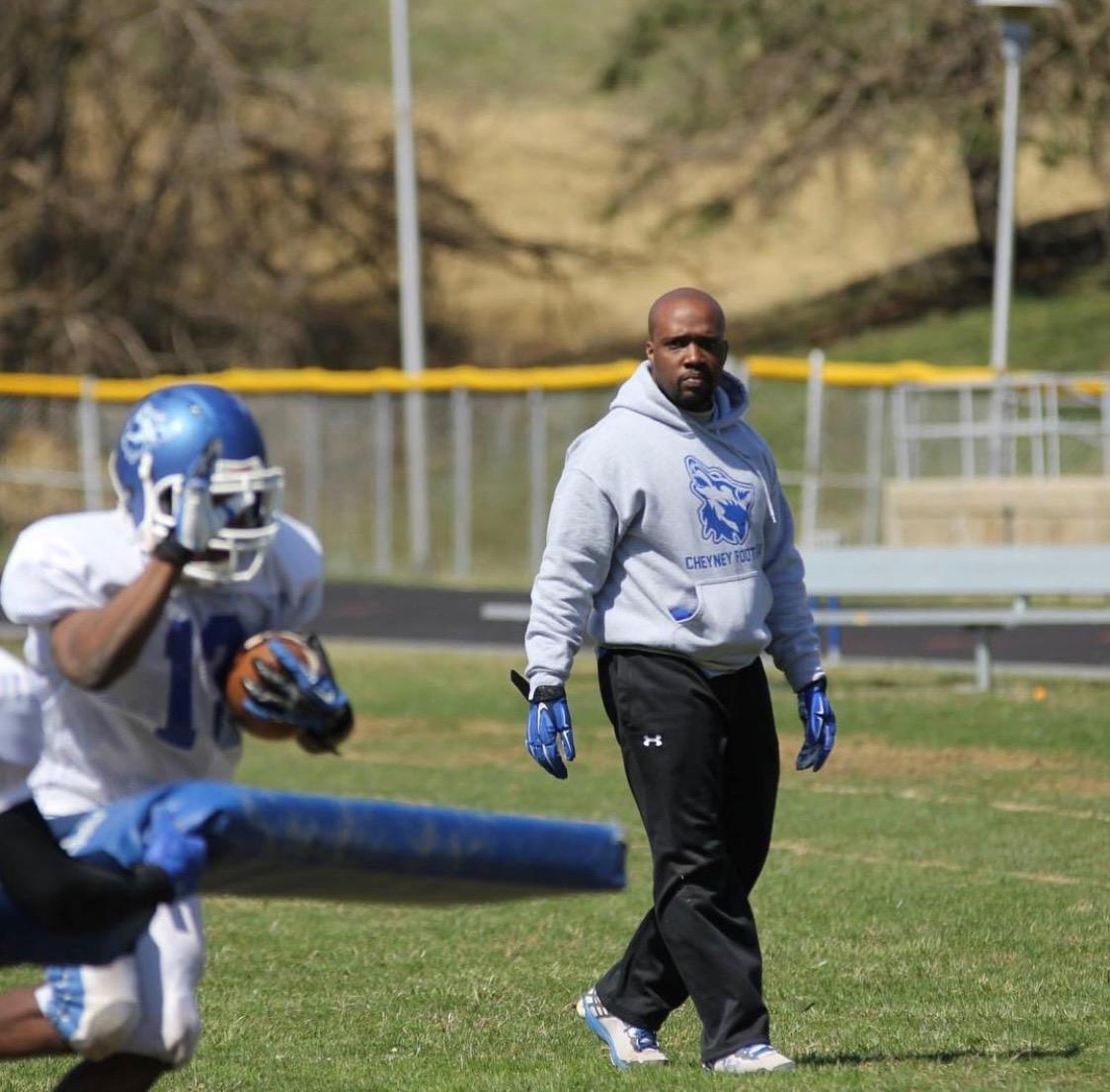
After spending time in California, Coach London decided to return home to Pennsylvania, relocating to Lancaster. Shortly after relocating, he attended a Glazier Football Clinic in Atlantic City, New Jersey, where he connected with coaches from Cheyney University. What began as a conversation at the clinic turned into an unexpected career opportunity when the coaches encouraged him to interview for a position on their staff. Coach London followed their advice, secured an interview, and was ultimately offered the job, opening the door for him to coach at the collegiate level.


Coach London later transitioned to Lincoln University, an opportunity that carried both personal and professional significance. With family members who had attended the university, the move gave him a meaningful connection to the institution. Lincoln also provided him with a full-time coaching position, improved facilities, and the opportunity to learn from coaches who helped further his development. During his tenure, Coach London was also dealing with PTSD stemming from his military service, adding personal challenges to an important period of professional growth. Despite those difficulties, he valued the experience and the lessons he gained from the coaches around him.


In 2019, Coach London became head coach at J.P. McCaskey High School, helping rebuild a struggling program while creating opportunities for student-athletes to continue their careers at the collegiate level. He later joined Waynesburg University as assistant head coach, recruiting coordinator, running backs coach, and tight ends coach. During his second year, Dr. Cornelius Coleman became head coach and an important mentor, giving Coach London additional leadership responsibilities and opportunities to grow. The experience strengthened his desire to eventually lead a program of his own.


Coach London's next opportunity came as offensive coordinator at Saint Vincent College. Although his tenure ended after one season when the coaching staff was dismissed, the experience taught him valuable lessons about trusting his assistants, recognizing potential challenges, and evaluating opportunities beyond simply advancing his career. Looking back, Coach London recognized that his desire to move up in the coaching profession had caused him to overlook warning signs, reinforcing the importance of finding the right environment and surrounding himself with people he could trust.

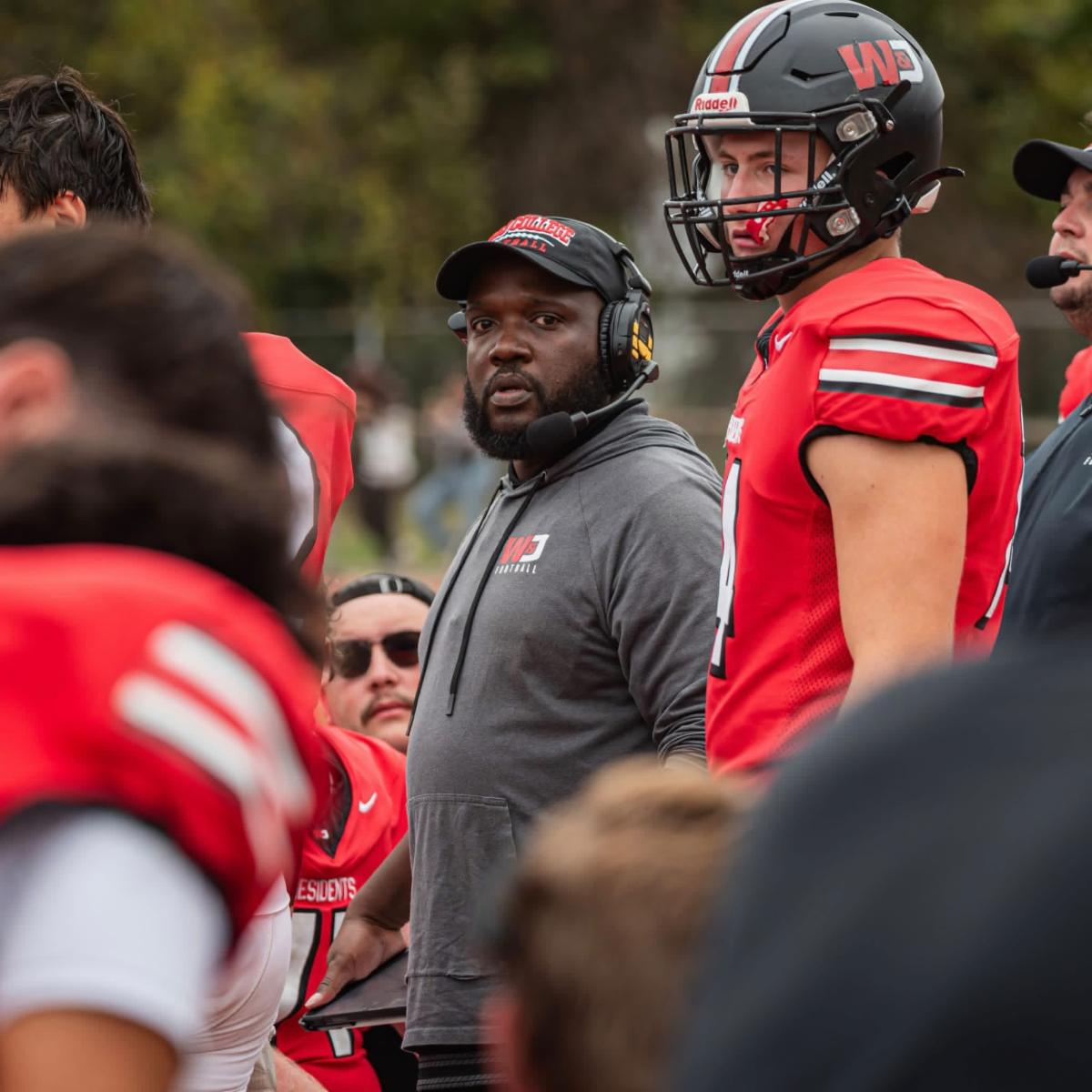
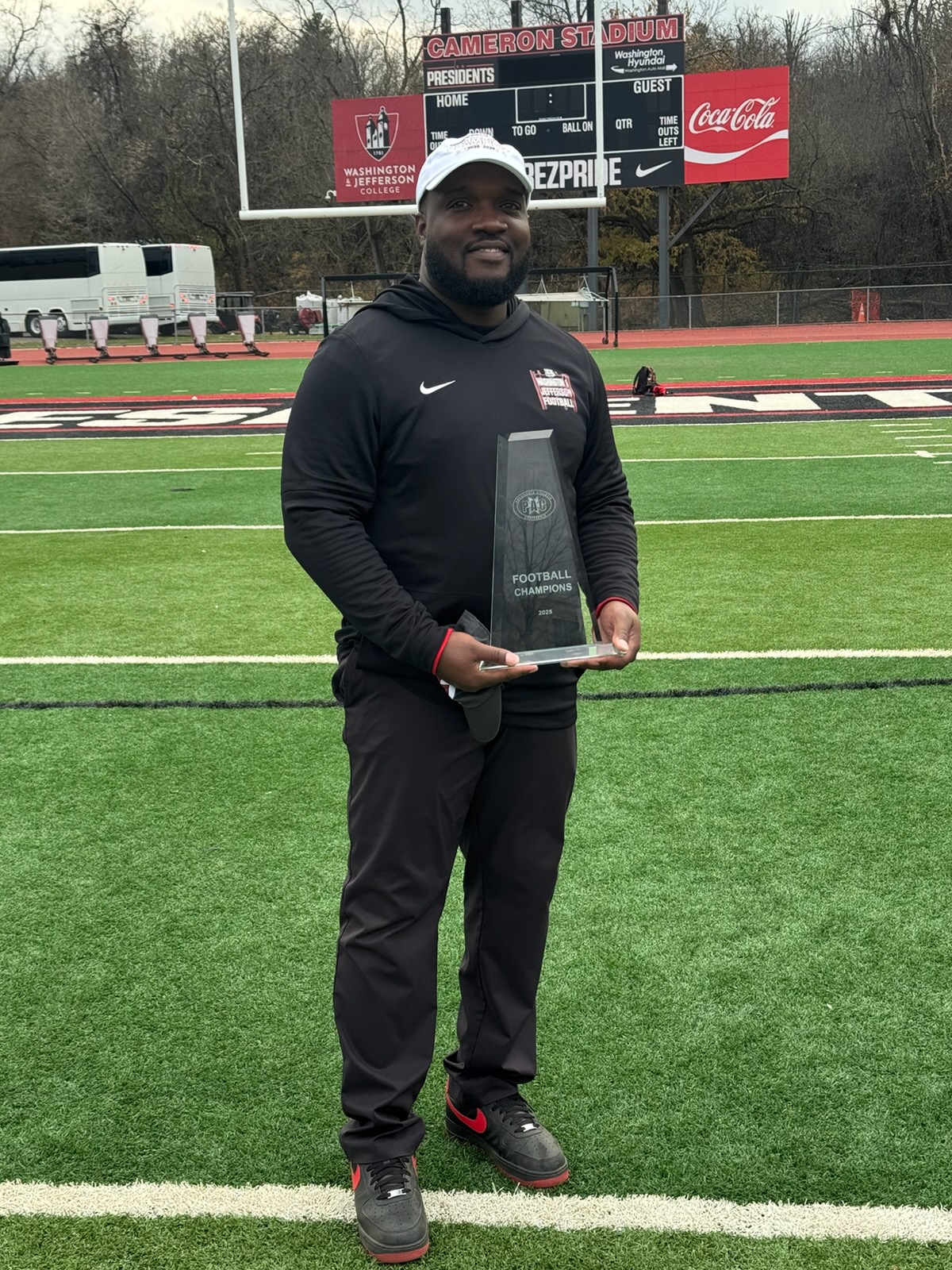
Following Saint Vincent, Coach London joined Washington & Jefferson College as tight ends coach. Initially, he struggled to regain his confidence following his experience at Saint Vincent and needed encouragement to speak up and contribute his ideas. With support from Head Coach Mike Sirianni, he gradually became more comfortable throughout spring practices and felt like his old self again by the start of the season. He now works primarily with the tight ends while assisting with the offensive line, where he continues to learn from the program's offensive line coach. Coach London credits the staff's supportive, family-oriented culture for making Washington & Jefferson feel like home and appreciates the opportunity to contribute to a winning program.


Coach London's immediate goal is to help Washington & Jefferson capture a championship after coming close in previous seasons. Long term, he hopes to lead a program where he can establish a lasting culture and build something sustainable over 10 to 15 years. For now, however, he remains focused on learning, growing, and contributing to the success of his current program.

A two-time participant in the NCAA-NFL Coaches Academy, Coach London credits mentors including Anthony Scott, Phil Grams, Darrin Fisher, Todd Pivnick, John Stuart, Anthony Johnson, Mark Speckman, Dr. Cornelius Coleman, and Mike Sirianni for helping shape his career.


Away from the field, Coach London credits his wife Stephanie, whom he met in high school, and their two sons, Sam and Joshua, for providing the love and support that have helped him navigate the challenges of the coaching profession. Their encouragement has remained an important part of his journey as he continues pursuing his coaching goals.


Throughout his journey, Coach London has remained committed to developing young men, building meaningful relationships, and using his experiences to become a better coach and leader.

*You can connect with Coach London via email and phone:


coachlondon3@gmail.com|(610) 772-3122


or the


NCMFC Member Portal


It's all about building our network and making connections!

1.888.50NCMFC | 8115 Maple Lawn Blvd. Suite 275 Fulton, MD 20759 | info@ncmfc.com