Check Out Our June Special at Nature's Medicinary!
Scroll Down for Details...
|

Men's Health, Part 2:
Testosterone Replacement Therapy,
The Risks and Benefits
It is a fact of life that as we age some of the hormone levels in our body decrease, including the hormone testosterone. After the age of 30, it is estimated that testosterone levels in men decrease by 1% to 3% per year. Prescriptions for testosterone replacement therapy (TRT) have doubled in the past 10 years, but not without controversy. Just go on the internet and you find statements like the one below. The site then goes on to discuss the importance of testosterone:
"There is an epidemic out there. We are losing our manhood. Instead of becoming stronger, more confident, and more successful, we are becoming shells of our former selves; softer, fatter, more depressed and less virile".
So, if you take testosterone replacement hormone, then all will be good with you--you will become a real man again. In this article I will discuss the pros and cons of TRT.
The FDA started reviewing this therapy after a report in the
Journal of the American Medical Association stated that there was a 30% increase in the risk of heart attacks and stroke in men using testosterone replacement therapy. There was criticism about this from major medical groups, saying that the FDA findings were not based on scientific evidence. Since that time, the association between testosterone therapy and heart disease and stroke has been unclear. In addition, the method of delivery (e.g. injections, gels and creams) can affect the risk factors, but even this research is mixed. For example, in a recent report from Mayo Clinic, "There is mounting evidence that normal physiologic levels of testosterone are beneficial to the cardiovascular system". They go on to say that testosterone deficiency is associated with obesity, insulin resistance and diabetes. The bottom line is to try and reach a well-thought-out decision about using testosterone hormone therapy together with your health care practitioner.
Benefits of Testosterone Replacement Therapy
Many benefits have been documented when TRT is prescribed appropriately. In a large European Male Aging Study, some of the most prominent improvements seen with TRT include improvement in sex drive, increase in morning erections, increased muscle mass, and increase in bone density.
Now let's take a look at the claims out there regarding the benefits of TRT. I recently visited a website that advertised for testosterone replacement therapy in men. These are some of the reported risks of having low testosterone or claims that using testosterone will improve, according to the website. I rate each with a "true," "false," "unclear," or "That's a bit of a stretch."
- Low testosterone levels decrease the amount of oxygen to your cells - "That's a bit of a stretch." TRT has been shown to increase hematocrit in your blood. Hematocrit is basically the percentage of red blood cells in your blood. Because red blood cells carry oxygen, you might say you are getting more oxygen; however, having too high of hematocrit in the blood can cause serious problems.
- Low testosterone increases your risk of stroke and heart attacks - "unclear" The FDA decided that there is a possibility of increased cardiovascular risk associated with testosterone use, even though the evidence was inconclusive. They made the decision in 2015 to have manufacturers of testosterone place a warning on testosterone products. The FDA is "requiring these manufacturers to add information to the labeling about a possible increased risk of heart attacks and strokes in patients taking testosterone." In a study published in the Journal of the American Medical Association (JAMA) in 2015, it was concluded that testosterone replacement therapy was not associated with increased risk of athlerosclerosis (arteries become narrowed and hardened due to a buildup of plaque around the artery wall).
- Low testosterone increases your risk of bone loss - "true" Men with low testosterone levels are at higher risk of osteoporosis (loss of bone density) and increased risk of hip fractures. Interestingly, it is thought that estrogen plays a positive role in bone growth in men. Some testosterone is converted to estradiol (one of three estrogens) and it is thought that this estrogen has a direct positive effect on done density. This conversion from testosterone to estrogen is accomplished in the body via an aromatase enzyme. Men with a deficiency in this enzyme are at risk of loss of bone density. Aromatase inhibitors (e.g. anastrozole, exemestane, letrozole) are sometimes used in men using testosterone therapy because it may increase testosterone levels, however, they also decrease estrogen levels. These drugs are used in women with breast cancer and it is well known that the use of these medications in women increase risk of osteoporosis. I suggest caution when using these medications until more is known about their use and potential increase risk of bone loss in men.
- Low testosterone causes erectile dysfunction (ED) - "That's a bit of a stretch" Although using TRT can help with erections, it is not a major cause of ED. The most common causes of ED are certain medical conditions (diabetes, heart disease, atherosclerosis, high blood pressure); medications (diuretics, beta blockers); psychological disorders (depression, anxiety); and health-related factors (obesity, alcohol, smoking). If someone is taking TRT for erections and not improving, these other factors should be discussed with their doctor.
- Low testosterone increases body fat and obesity - "true" Testosterone deficiency is associated with decreased lean body mass and increased adiposity (body fat, especially around mid-section).
- Testosterone therapy improves brain function and reduces your risk of Alzheimer's disease - "false" There is no evidence showing that the use of testosterone reduces the risk of Alzheimer's disease.
- Testosterone therapy reduces your risk of diabetes - "true" Testosterone deficiency is associated with obesity, insulin resistance and diabetes.
- Testosterone therapy improves mood and sleep - "That's a bit of a stretch" Although some men report improved sleep after using TRT, evidence is lacking. In fact, there is some concern that the use of TRT increases the risk and severity of obstructive sleep apnea. So if you snore or have been told that you make "gasping" sounds during sleep, or have been told that you "stop breathing" during sleep, get it checked out before you start TRT.
If you are taking TRT, ask for the following:
- Patients on long-term testosterone therapy require follow-up of their Prostate Specific Antigen (PSA), hematocrit, and liver enzymes about every 6 to 12 months.
Contraindications to use TRT:
- Known prostate or breast cancer
- Severe lower urinary tract symptoms
- Hematocrit >50 percent
- Untreated severe sleep apnea
- Prostate-specific antigen (PSA) concentration >4.0 mcg/L, or >3.0 mcg/L in high-risk men (African Americans or men with first-degree relatives with prostate cancer)
- Uncontrolled heart failure
Types of TRT:
- Creams and gels - usually applied daily and probably the most common
- Injections - done weekly, every 2 weeks, or monthly
- Oral - not recommended
Timothy Schwaiger, NMD
Editors note: If you missed Dr. Schwaiger's Part 1 article on men's heart health, which ran on May 10,
click here for the link to that article.
|
|
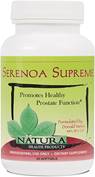
June Special!
15% Off!
(Was $33.95, Now Only $28.86)
Serenoa Supreme™ combines potent nourishing and tonifying plant extracts with essential nutrients needed for comprehensive support of the reproductive and urinary systems, especially the male prostate gland. Featuring a lipidic extract of Saw Palmetto (Serenoa repens) standardized to 85% fatty acids, Serenoa Supreme™ supports prostate function through the modulation of important enzyme systems, oxidative activity, and the inflammatory response function in the body.*

343 S Montezuma St
Prescott, AZ 86303
(928) 445-2900
Mon-Fri 8:30-5:30
Sat 10:00-2:00
|
|
|
|
| |
|