|
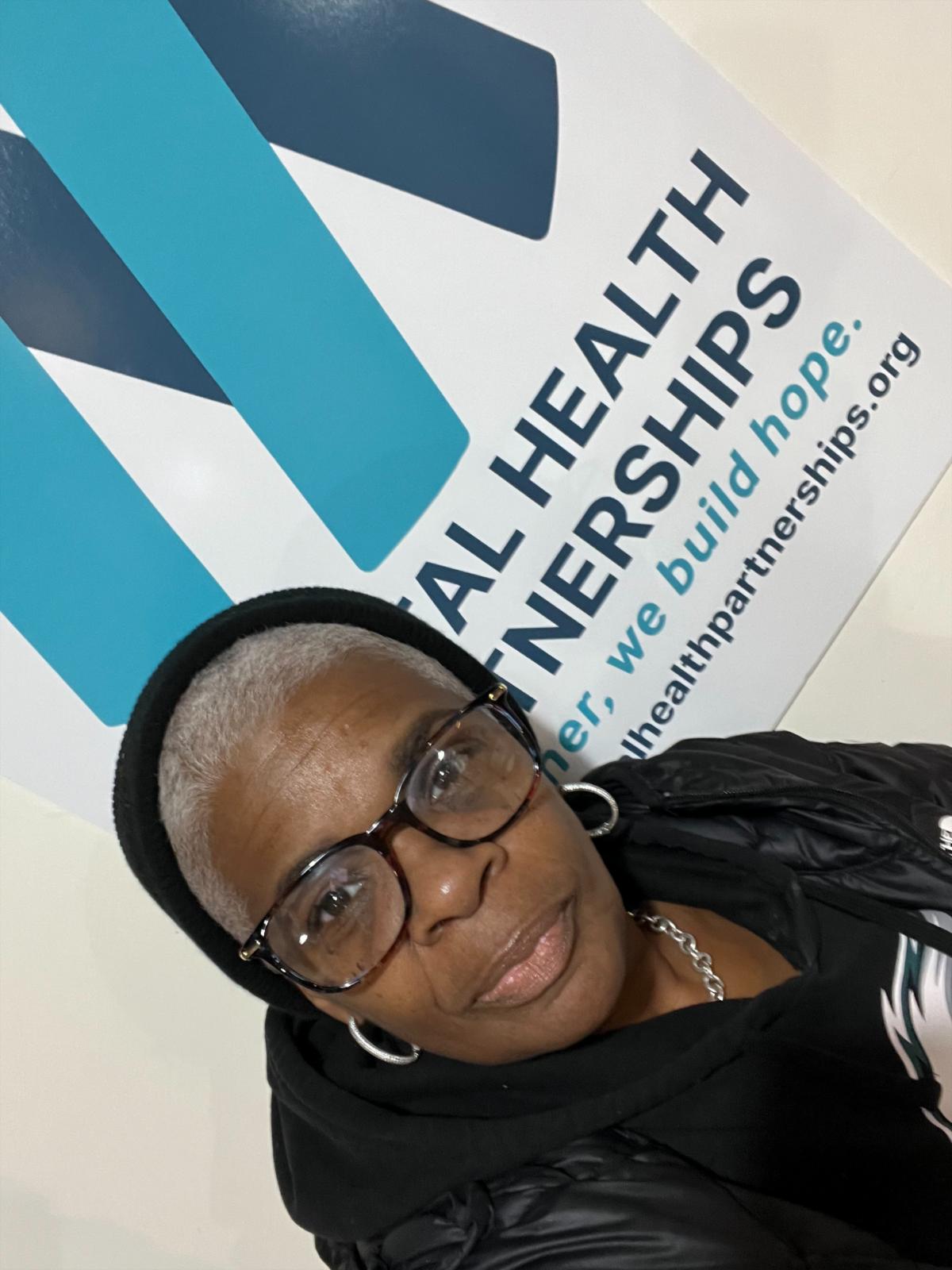
by Brian Montgomery, Certified Peer Specialist
The people who spend their lives caring for others are often the last to recognize when they need care themselves. They know the signs of burnout. They can spot exhaustion in someone else from across a room. But when it's their own reflection, they see something different: failure, weakness, laziness.
I was reminded of this recently during a conversation on the Healthy Minds Philly chatline.
The woman who reached out was in her early sixties. She was grieving a child she'd lost four years earlier, financially supporting her incarcerated son's family, and caring full-time for a disabled granddaughter. She had no one to talk to. By the time she contacted us, she was spending most days in bed, unable to answer her phone, and calling herself lazy for not being able to keep up.
At one point, she asked me: "Does it surprise you that my occupation is a nurse?"
It didn't surprise me at all. In fact, it made complete sense. Caregiving was so deeply wired into who she was that she couldn't see her own exhaustion as legitimate. She could only see it as a personal failing. When your identity is built around being the one who holds everything together, admitting that you're struggling can feel like losing yourself.
That's the blind spot. And it's one that peer support is uniquely positioned to meet.
When I reflected back to her that what she was describing sounded like burnout, not a character flaw, something shifted. She stopped apologizing. She started talking. The weight didn't disappear, but it became something she could look at instead of something pressing down on her.
From there, we talked about small steps. She had phone calls to make for her granddaughter's services, and the task felt impossible. So, we broke it down: find the number, dial, say one sentence. She didn't have to get it perfect. She just had to start. "I can do it," she said. "Just have to take a deep breath and have all the pertinent info in front of me."
Before she left the chat, I asked if our conversation had been helpful. "Yes, very helpful," she said. Then: "You have been a blessing."
This is what peer support can look like. The Healthy Minds Philly chatline is staffed by Certified Peer Specialists, trained in supportive listening who also bring lived experience with mental health challenges. Peer support works because it comes from people who understand struggle not just professionally, but personally. It's not therapy. It's not crisis intervention. It's someone meeting you where you are and helping you feel less alone in what you're carrying.
She came to the chatline looking for support, and she actually let herself receive it. That matters. A lot of people can't do that, especially people who've spent their lives being the strong one.
I told her she wasn't lazy. I told her she was burned out. It was exactly what she needed to hear, and I'm glad I got to be the one to tell her.
If any of this sounds familiar, the chatline is here for you too.
|