TNCC respectfully acknowledges that the collaborative operates on the unceded territory of the Secwépemc, Syilx and Nlaka'pamux Nations, whose historical relationships with the land continue to this day. | | |
As we settle into the new year, I want to thank you for the care, collaboration, and commitment you bring to conservation across the Thompson-Nicola region. The challenges we face, from climate pressures to habitat fragmentation, are complex, but the strength of this network lies in our willingness to learn from one another and work together across boundaries.
In 2026, TNCC will continue to focus on building shared understanding, supporting collaborative action, and creating space for Indigenous leadership and local knowledge to guide conservation efforts. We’re grateful to be part of this community and look forward to the conversations, partnerships, and progress ahead.
Wishing you a meaningful and connected year,
Danielle Toperczer
Program Director, Thompson-Nicola Conservation Collaborative
| | THOMPSON WATERSHED NEWS ROUND-UP | |
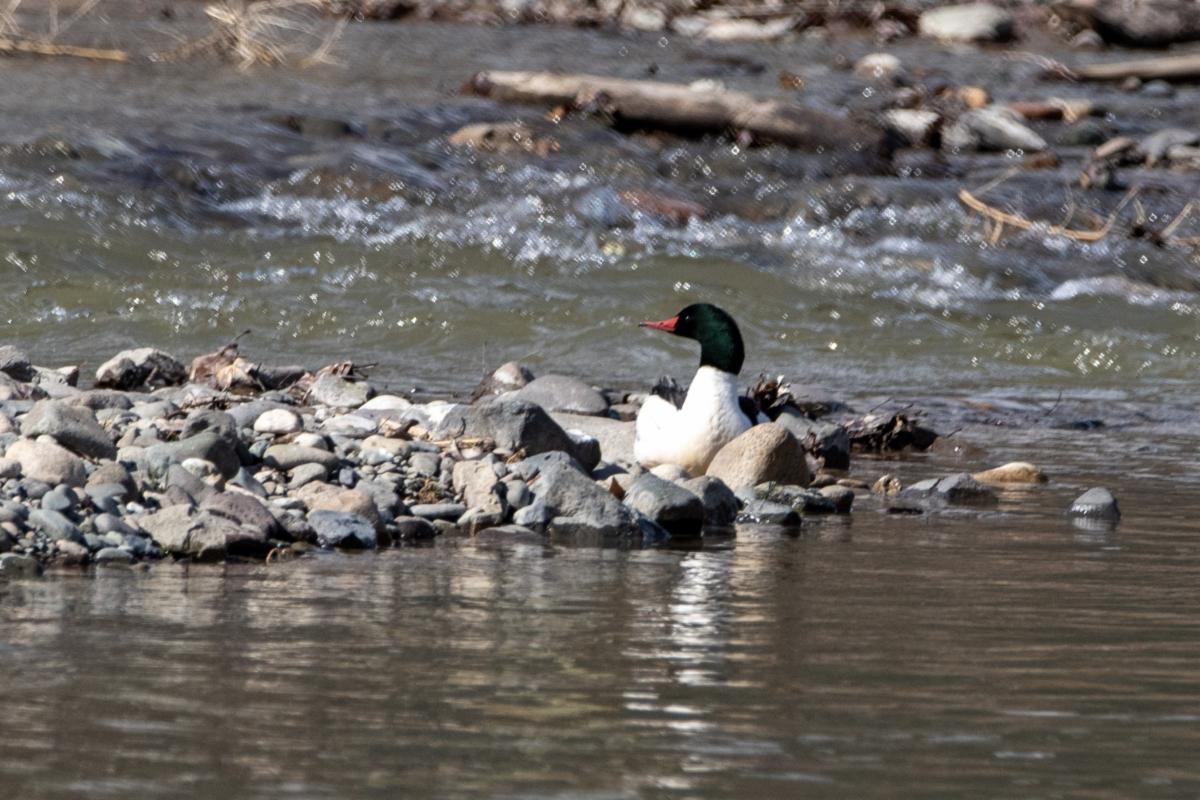
Merritt’s STUWI(x) Naturalization Project Recognized Nationally | Photo: Merganser in Merritt, BC, by Leanne Cleaveley via iNaturalist, CC by-NC | Merritt’s STUWI(x) Naturalization Project is featured in Cities Adapt with Nature-Based Solutions, a national report by the Institute for Catastrophic Loss Reduction (ICLR). The report highlights innovative, community-led approaches to climate adaptation across Canada, with a dedicated chapter on Merritt authored by Leila Darwish. The STUWI(x) project demonstrates how working with natural systems can reduce flood risk while restoring ecological function. By reconnecting rivers to their floodplains, restoring native vegetation, and revitalizing natural corridors, the project supports water filtration, wildlife habitat, and long-term ecosystem health. These nature-based solutions help slow and absorb floodwaters, stabilize soils, and enhance biodiversity, creating a more resilient landscape for both people and wildlife. |
| | |
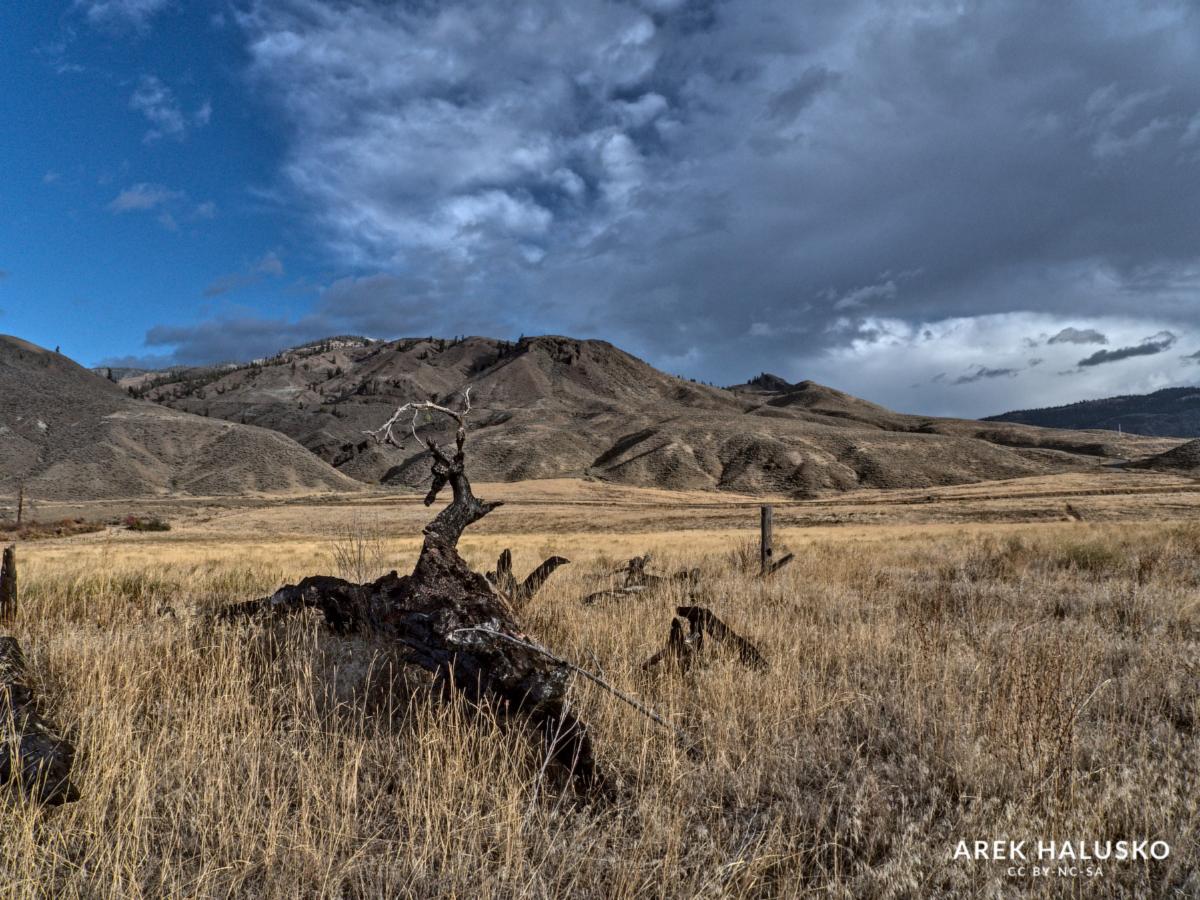
Grasslands Conservation Events | Photo by Arek Halusko, CC BY-NC SA | Do you love capturing the natural beauty of grasslands, wildlife, and outdoor life? The Grasslands Conservation Council of BC (GCC) invites photographers of all experience levels to take part in its 2025/2026 Photo Contest, celebrating the landscapes, species, and people that make BC’s grasslands so special. The contest is open now and runs until January 25 at 11:59 pm. | Join the GCC for its fourth annual “Loving the Grasslands” fundraiser, an evening celebrating the beauty, culture, and ecological importance of BC’s grasslands. Taking place at Thompson Rivers University in Kamloops, the event brings together conservation supporters for a night of connection, great food, and fundraising for grassland protection. |
| | |
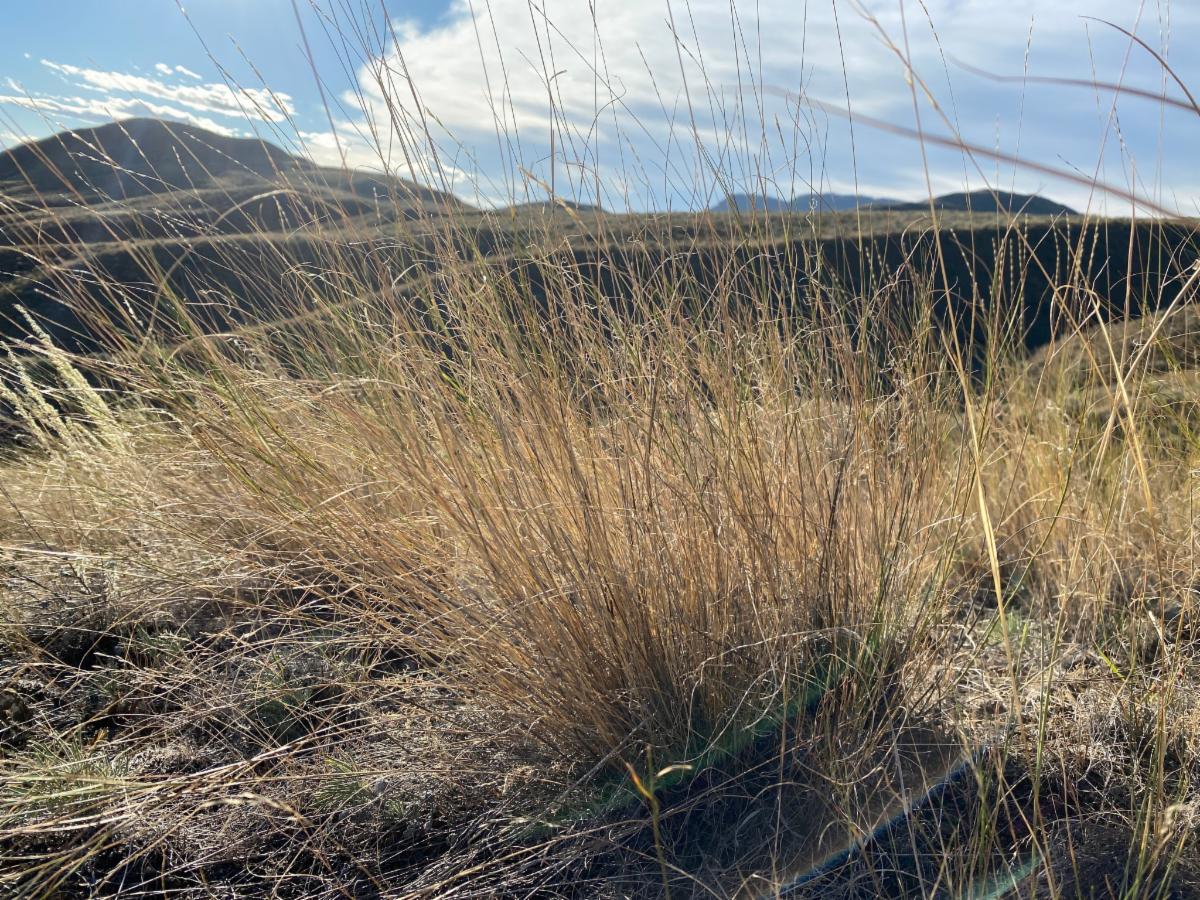
Local Research Spotlight — Healing Post-Mine Landscapes | Photo: Bluebunch wheatgrass, Bachelor Heights by Jesse Bérubé via iNaturalist, CC BY-NC | Across British Columbia, mining activities have left behind large areas of disturbed land that are slow to regenerate naturally. As recently highlighted by Transition Kamloops, a local environmental science master’s student at Thompson Rivers University is exploring how native vegetation can help restore these landscapes. Working in the TRU greenhouse, Rabeya Shikdar Orpa is testing whether soil amendments like zeolite, leonardite, and coconut husk can improve tough mine tailings and overburden so that native trees, shrubs, grasses, and forbs can germinate, grow, and survive. Her research examines plant biomass and metal uptake as measures of restoration success, contributing valuable insight into how native species and simple amendments might support ecological recovery on post-mine sites. |
| | |
Submit Your Programs, News and Events |
If you have conservation-related activities, programs, or photography that you would like to share or highlight in our e-Newsletter and on our website, use our web form to submit the details today or email us.
| | | | PARTNER CAREER / CONTRACT OPPORTUNITIES | |
|
Archaeology. Environment. Wildlife.
(AEW) Limited Partnership
| |
Position: Various including Vegetation Ecologist, Senior Wildlife Biologist and Environmental Scientist
Deadline: Open until filled
| | | | |
|
Position: Senior Engineering Technologist
Deadline: Open until filled
| | | | |
K'en T'em Limited Partnership | |
Position: Various including Reclamation Field Technician
Deadline: Open until filled
| | | | |
|
Position: Various including Senior-level Aquatic Biologist
Deadline: Open until filled
| | | | |
|
Positions: Silviculture Forester
Deadline: Open until filled
| | | | |
EcoAction Stream 2: Community-Led Freshwater Action Across Canada | |
Funder: Canada Water Agency
Overview: EcoAction Stream 2 supports innovative, scalable projects that strengthen freshwater sustainability across Canada. Projects must have national relevance or or be scalable local initiatives. Eligible projects need to relate to one of the following:
• Pilot innovative or clean technologies to improve freshwater quality or ecosystem health
• Enable circular economy opportunities (e.g., nutrient recovery) with climate and economic co-benefits
• Improve freshwater data interoperability, access, and use, integrating scientific and Indigenous knowledge
Project Budgets: Projects may request between $25,000 and $200,000 and must provide a minimum 1:1 match from non-federal sources.
Application Deadline: January 20, 2026 (12:00 pm PT)
| | | |
Shuswap Watershed Water Quality Grant | |
Funder: Shuswap Watershed Council
Overview: Shuswap Watershed Council’s Water Quality Grant Program offers funding to help farms, landowners, stewardship groups, and other local partners improve nutrient management and protect water quality in the Shuswap watershed. The grants support on-the-ground projects that reduce nutrient runoff from soil into nearby creeks, rivers, and lakes, benefiting ecosystem health and helping prevent issues like algal blooms.
Project Budgets: Applicants may request up to $5,000 for their project.
Application Deadline: January 31, 2026
| | | |
Real Estate Foundation of BC General Grants | |
Funder: Real Estate Foundation of BC (REFBC)
Overview: REFBC is now accepting applications for its General Grants program, which supports projects across British Columbia that advance sustainable, equitable, and socially just land use practices — including applied research, community engagement, policy work, and professional education. Eligible applicants include First Nations, non-profits, universities and colleges, local governments, trade associations, and community contribution companies, with a priority on Indigenous-led initiatives.
Project Budgets: The foundation typically awards an average of about $8 million in grant funding annually to projects that align with these goals. For requests over $50,000, REFBC generally does not serve as the sole cash funder of a project. Funding from other sources need not be fully confirmed and committed at the application stage. For requests up to $50,000, matching funding from other sources is encouraged but not required.
Annual Application Deadline: February 5, 2026 (5:00 pm PT).
| | | |
Habitat Conservation Trust Foundation Grants | |
Funder: Habitat Conservation Trust Foundation (HCTF)
Overview and Budgets:
- Action Grants – up to $50,000 for projects that promote community engagement and behaviour change in support of habitat/ species outcomes.
- Capacity Grants - up to $25,000 for projects focused on early-stage planning, engagement and building skills for future conservation work.
- Community Grants – up to $10,000 for volunteer-driven conservation projects.
Annual Application Deadline: February 2026, date to be determined.
| | | |
Brink/McLean Grassland Conservation Fund | |
Funder: Nature Trust of BC
Overview: This fund supports research, restoration, and stewardship activities that advance the conservation and management of BC’s native grasslands. Projects must take place within native grassland ecosystems and may focus on habitat enhancement, sustainable land-use practices, management recommendations, best practices development, research, monitoring, or restoration. Eligible proponents include individuals, conservation organizations, public agencies, and academic or research institutions. Applicants are encouraged to contact The Nature Trust of BC to discuss project eligibility.
Project Budgets: Available funding for 2026 is $5,000 (one project anticipated).
Annual Application Deadline: February 20, 2026
| | | |
|
Funder: Environmental Law Centre
Overview: The Environmental Law Centre (ELC) at the University of Victoria partners with communities, Indigenous organizations, and non-profits to address public interest environmental law issues in BC. The ELC Clinic offers free legal assistance and supports projects advancing conservation, environmental protection, and sustainable governance.
Support Offered: Not a funding stream but a capacity-building opportunity — ELC Clinic students and lawyers provide legal research, law reform, and advocacy services at no cost to eligible groups.
Application Deadline: Applications accepted year-round
| | | |
Capacity Building 101 Six Month Program Launching | Sustainable Capacity Solutions is launching Capacity Building 101 in February - a six-month, nationwide program designed to strengthen the leadership, skills, and long-term resilience of small environmental non-profits. | The program combines self-directed learning, expert workshops, peer networking, and free 1-on-1 coaching tailored to a real organizational challenge. A cohort of 25 leaders will be selected, with priority for women, BIPOC, and 2SLGBTQ+ participants. The deadline to express interest is January 23 Submit the interest form to be shortlisted and contacted once full details are released. | | | |
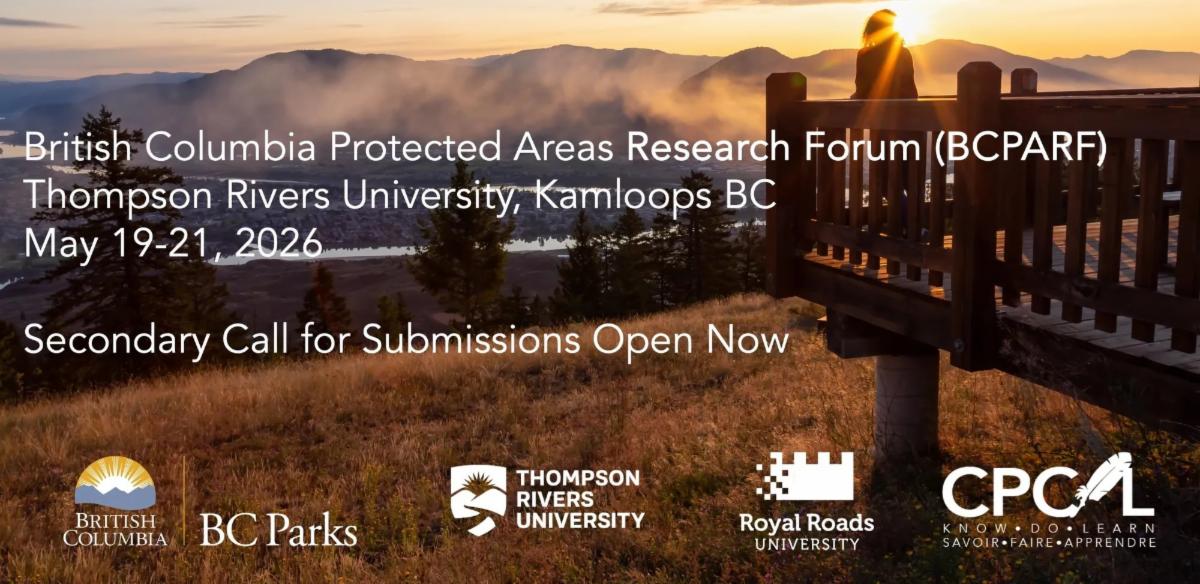
British Columbia Protected Areas Research Forum (BCPARF) Rescheduled: May 19-21, 2026 | The British Columbia Protected Areas Research Forum (BCPARF) has announced new dates for its rescheduled gathering. The forum will now take place at Thompson Rivers University from the morning of May 19 to noon on May 21, aligning with the Outdoor Recreation Council of BC Conference happening May 20–22. BCPARF is accepting additional submissions for ideas to present. They believe in a more holistic and multidisciplinary approach to “research” and will prioritize submissions of all kinds that support evidence-based decision-making and needs-based research. | Registration is now open and costs $350 for regular attendees and $150 for students. If you can't join in person, the hosts will streaming the programming online, and if you register a group of five or more. If you would like to host a watch party, please email aliya@cpcil.ca to receive a CPCIL Watch Party Kit. | | | |
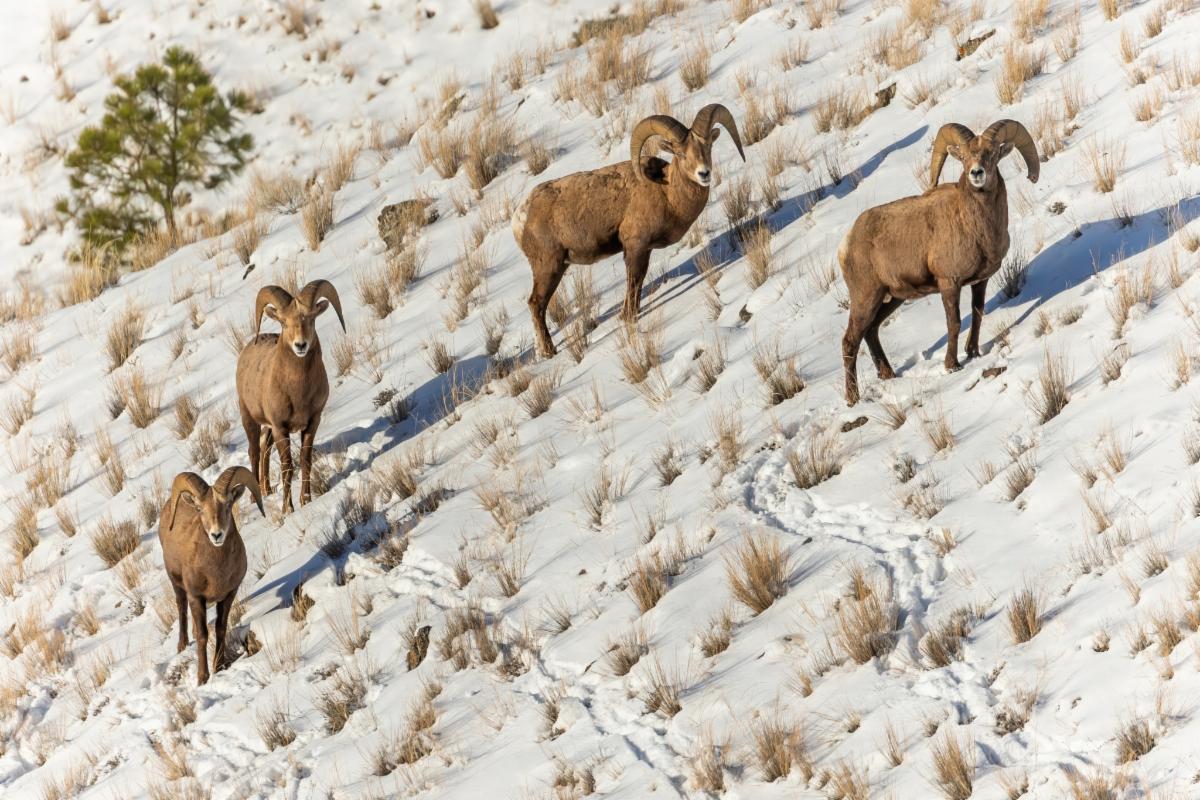
15 Best Canadian Wildlife & Nature Podcasts | Bighorn sheep near Kamloops by ayjayem via iNaturalist, CC BY-NC | Looking for something to inspire your next walk, snowshoe or commute to work? Check out this curated list of Canadian wildlife and nature podcasts covering ecology, conservation, species stories, Indigenous perspectives, and more. From deep dives into wildlife behaviour to conversations with researchers and land stewards, these podcasts are a great way to stay connected to current issues in conservation across Canada. | | | |
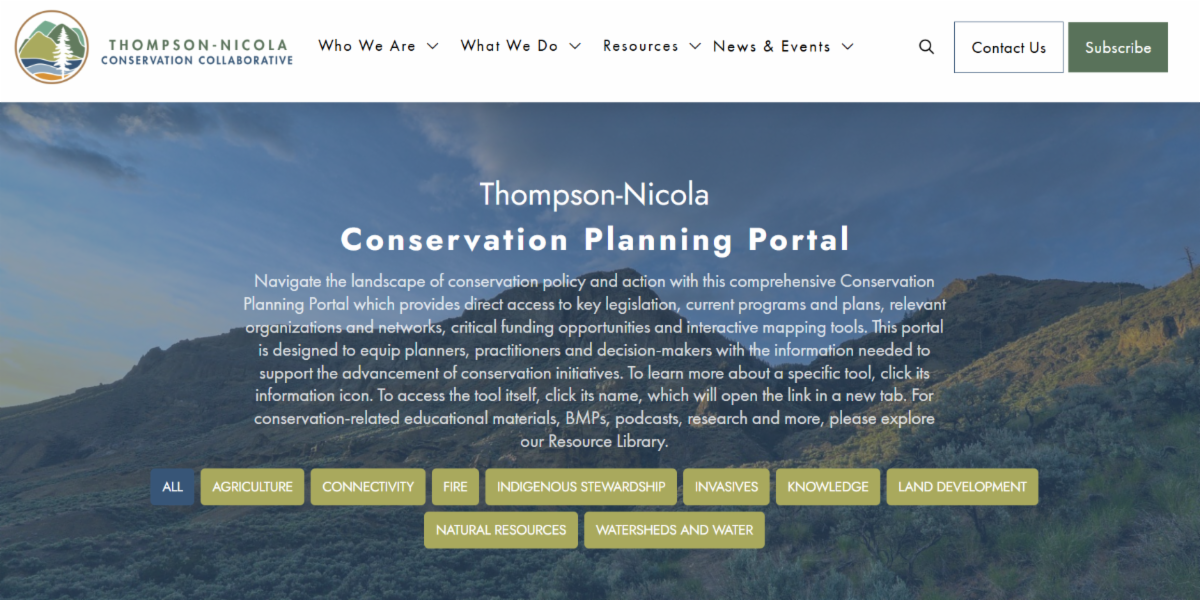
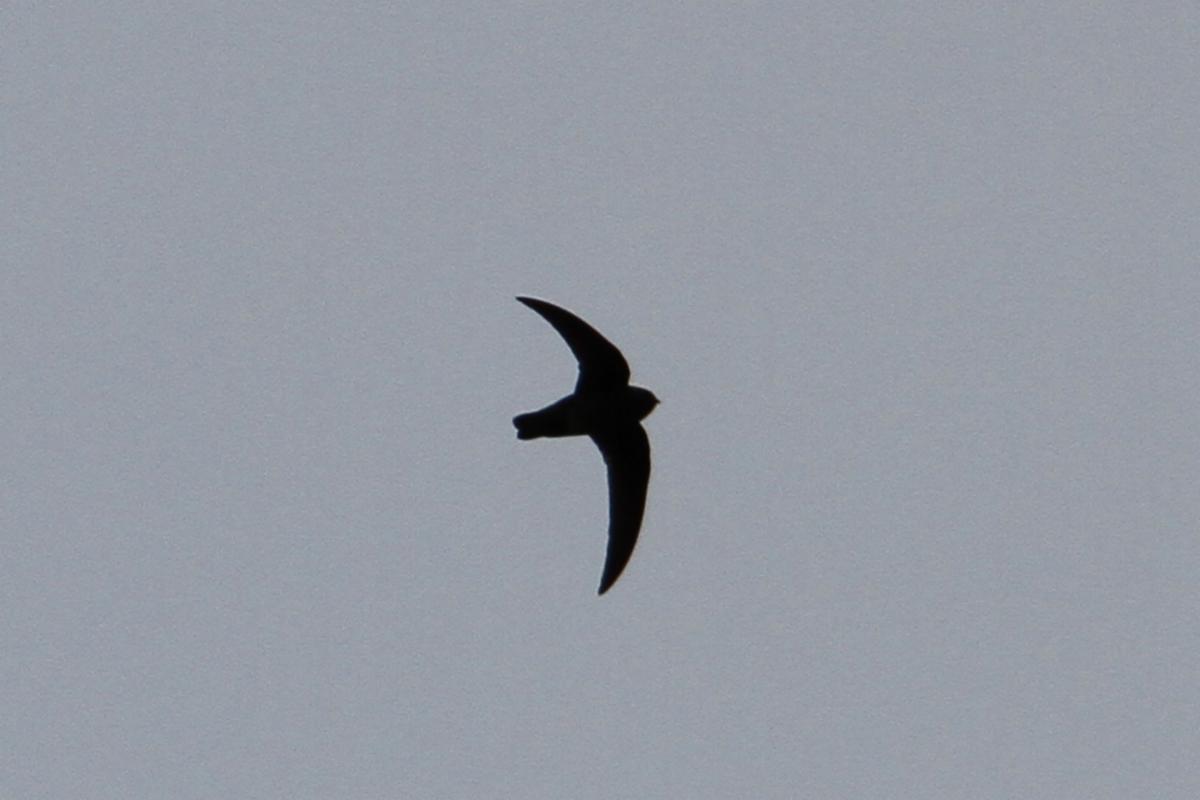
Thompson-Nicola Conservation Planning Portal | The Thompson-Nicola Conservation Planning Portal is a growing web-based tool designed to support planners, practitioners, and decision-makers working to advance conservation in the region. From legislation and regional plans to funding opportunities, networks, and mapping tools, the portal brings key information together in one accessible place. We’d love your feedback as it evolves. Know of a resource, tool, or report that should be included? Contact Ally, TNCC’s Communications and Stewardship Coordinator, at ally@tnccollaborative.org. | | | | Click through to the resource library hosted by TNCC to access our collection of over 100 resources from relevant and diverse sources. | | Black swift © Jamie Chavez, licensed under CC BY-NC, via Flickr | The black swift (Cypseloides niger) is a uniquely adapted aerial bird that breeds in western North America and spends most of its life on the wing, feeding on flying insects high above the landscape. Recognizable by its largely black plumage, streamlined body, long pointed wings, and notched tail, the black swift is one of the most enigmatic birds of Canada’s skies.... | | Follow TNCC on Social Media | | Share This e-Newsletter on Social Media | | | | |