Feb. 26, 2026

Metropolitan completes environmental review for Pure Water

Southern California

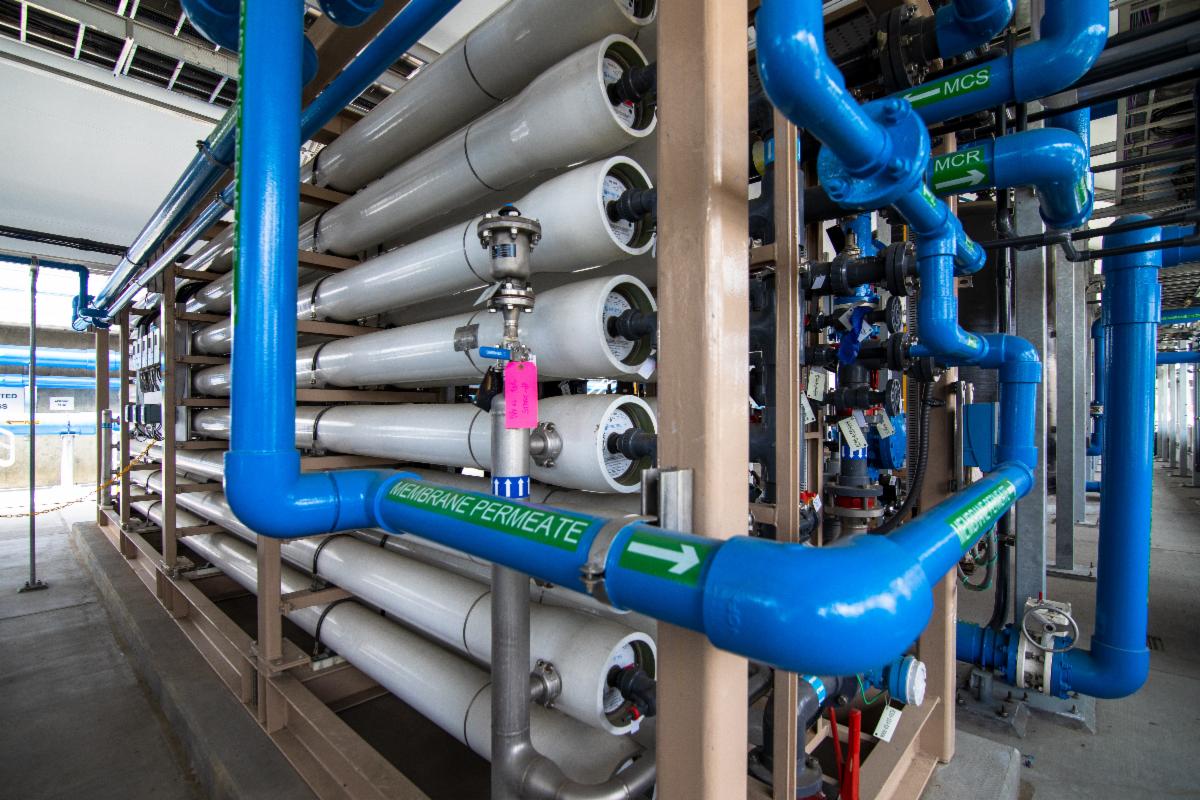
The Grace F. Napolitano Pure Water Southern California Innovation Center in Carson

Metropolitan's Board of Directors voted unanimously this month to certify the Final Environmental Impact Report for Pure Water Southern California – marking a major step toward the potential development of one of the world’s largest water recycling programs.


The board action formally completed the project’s environmental analysis under the California Environmental Quality Act, clearing the way for future decisions on the project’s implementation, including phasing, funding, design, and construction.


The board is expected to consider whether to move forward with Pure Water Southern California as part of its Climate Adaptation Master Plan for Water evaluation process and its biennial budget. 


Pure Water would use an advanced treatment process to purify and reuse cleaned wastewater currently discharged to the ocean from the Los Angeles County Sanitation Districts’ A.K. Warren Water Resource facility in Carson. At full capacity, Pure Water would produce up to 150 million gallons of purified water daily – enough to meet the needs of 1.5 million people, benefiting the entire region.


Read the press release.

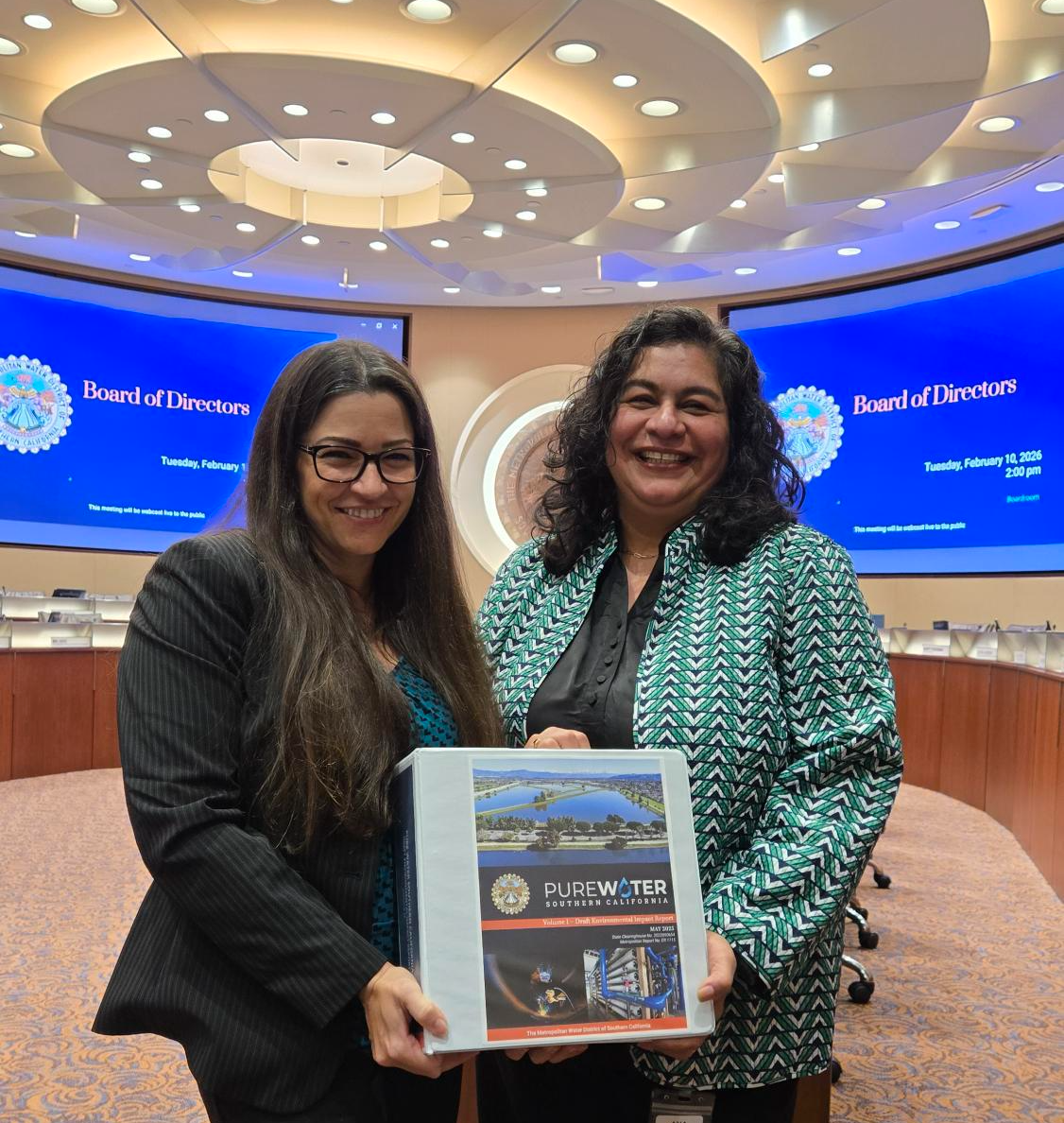
The Final EIR is approximately 47,000 pages, including technical appendices. Above, Amy Mila de la Roca, left, and Ana Reyes hold the first volume. The two environmental specialists manage environmental compliance for Pure Water Southern California and lead the multidisciplinary team that prepared the report.

"From the beginning, Metropolitan committed to an inclusive, transparent process, and we’ve worked hard to build relationships in these communities, which would be impacted and served by the Pure Water Southern California program. That commitment will continue as the project develops.”


Metropolitan General Manager Shivaji Deshmukh 

Colorado River negotiators shift focus to short-term agreement 

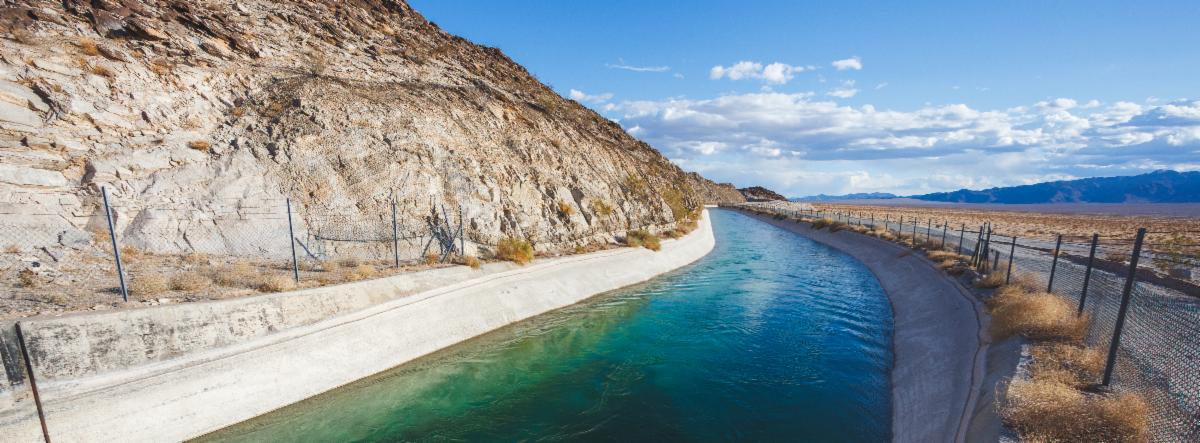
The Colorado River Aqueduct

After missing the latest deadline to develop an agreement for future operations of the Colorado River, water users are now working toward a short-term agreement, possibly on just the first two years of post-2026 operations.


The Interior Department had set a deadline of Feb. 14 for the seven Basin states to reach a consensus on how to operate the river once the current rules expire in October. But by Feb. 13, it became clear the goal would not be reached.


It was the second missed deadline, and the second time negotiators responded by scaling back the timespan of a potential agreement. Still, even a short-term agreement would reduce the threat of litigation and likely lay the path for longer-term operations.


The states remain at odds on how needed water-use reductions should be shared and how releases from Upper Basin reservoirs should be made. Negotiations have been further stressed by dry conditions in the Colorado River Basin. Snowpack is at its lowest level for this time of year in more than 40 years, projected to result in about 5 million acre-feet less water flowing into Lake Powell this year compared to normal.


Comments are due March 2 on the Bureau of Reclamation’s draft Environmental Impact Statement for post-2026 operations. Reclamation officials have hoped the Basin states would produce a consensus alternative that could be part of the final EIS. 


Read more on Metropolitan's Colorado River priorities. 

Seeking solutions, funding to address State Water Project subsidence

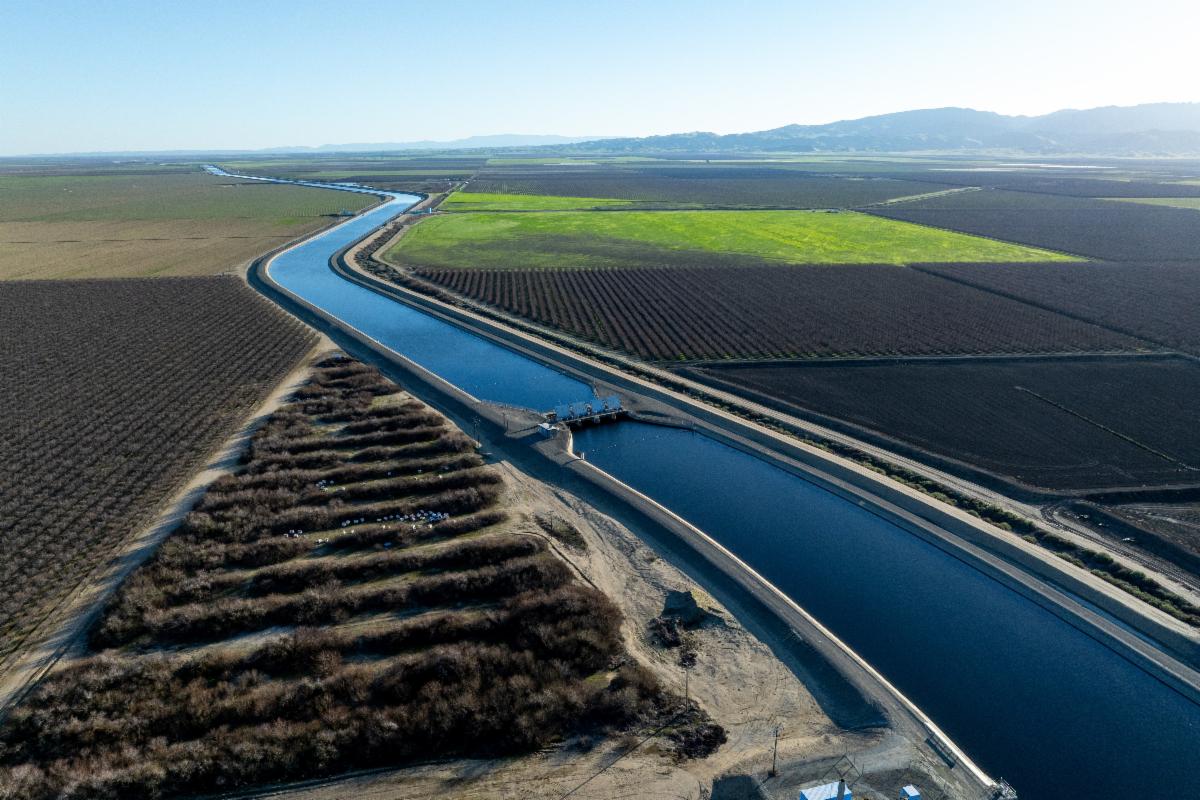
A drone view of the California Aqueduct at Five Points in Fresno County. Photo courtesy of the California Department of Water Resources

With the reliability of State Water Project deliveries threatened by sinking land, Metropolitan is supporting a new proposal from State Sen. Jerry McNerney to invest $300 million per year through 2045 to make repairs to SWP canals and levees in the Sacramento-San Joaquin River Delta.


Senate Bill 872 would commit $150 million per year to fix vulnerable Delta levees and $150 million to fix SWP canals damaged by subsidence. The money would come from the state’s Greenhouse Gas Reduction Fund, which is funded from the sale of emissions credits.


The bill is backed by environmental groups and the State Water Contractors.


Subsidence occurs when land shifts and sinks due to activities, such as groundwater pumping and oil and gas drilling, and affects the alignment of canals and aqueducts. More than 200 miles of the State Water Project have been damaged, reducing water delivery capacity by up to 60% in some areas.


Water delivery capacity could be cut by 87% by 2043 if subsidence is not addressed, according to a Department of Water Resources analysis. Repairs could cost $3 billion. In addition to seeking contributions from responsible parties, Metropolitan is working to secure state and federal funding to offset the cost of repairs to water agencies and ratepayers.

Read more about the State Water Project. 

Planning for the future: Budget meetings now underway, draft 2025 Urban Water Management Plan available

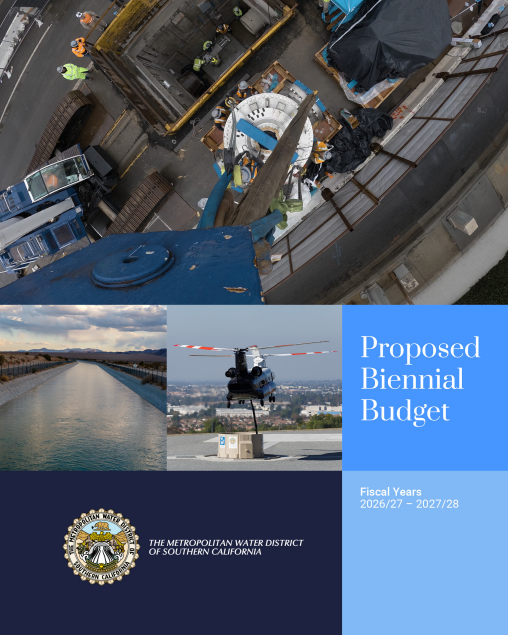
The public is invited to hear presentations and board discussions on Metropolitan's proposed budget, which covers fiscal years 2026/27 and 2027/28.


These workshops also offer an opportunity for the public to share comments on the draft budget with the Board of Directors.


Workshops are scheduled for March 10 and March 24 at the board's Finance, Affordability, Asset Management and Efficiency Committee.


The board is expected to adopt the budget at its April 14 meeting.


Learn more and participate


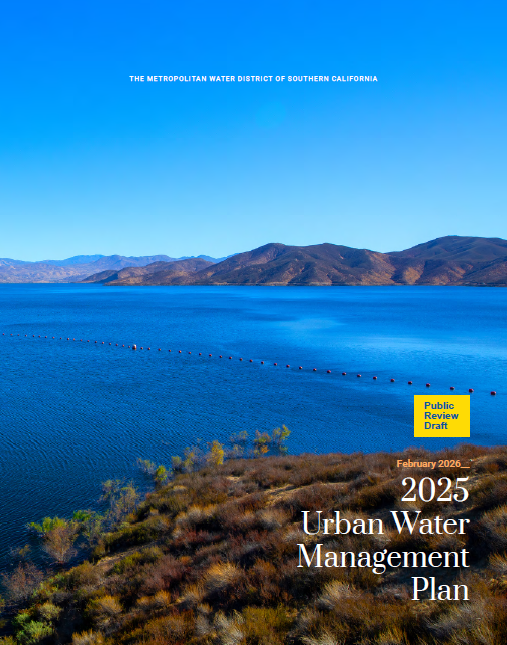
Metropolitan's draft 2025 Urban Water Management Plan is available for public review and input. A public hearing will be held during the One Water and Adaptation Committee meeting on April 13.


Urban Water Management Plans are prepared every five years by water suppliers, including Metropolitan and its member agencies, to guide long-term planning and help ensure reliable water supplies for the region.


Metropolitan is also updating its Water Shortage Contingency Plan, which describes planned responses to droughts and water shortage conditions. 


Learn more and participate

Wildflower Trail at Diamond Valley Lake reopens

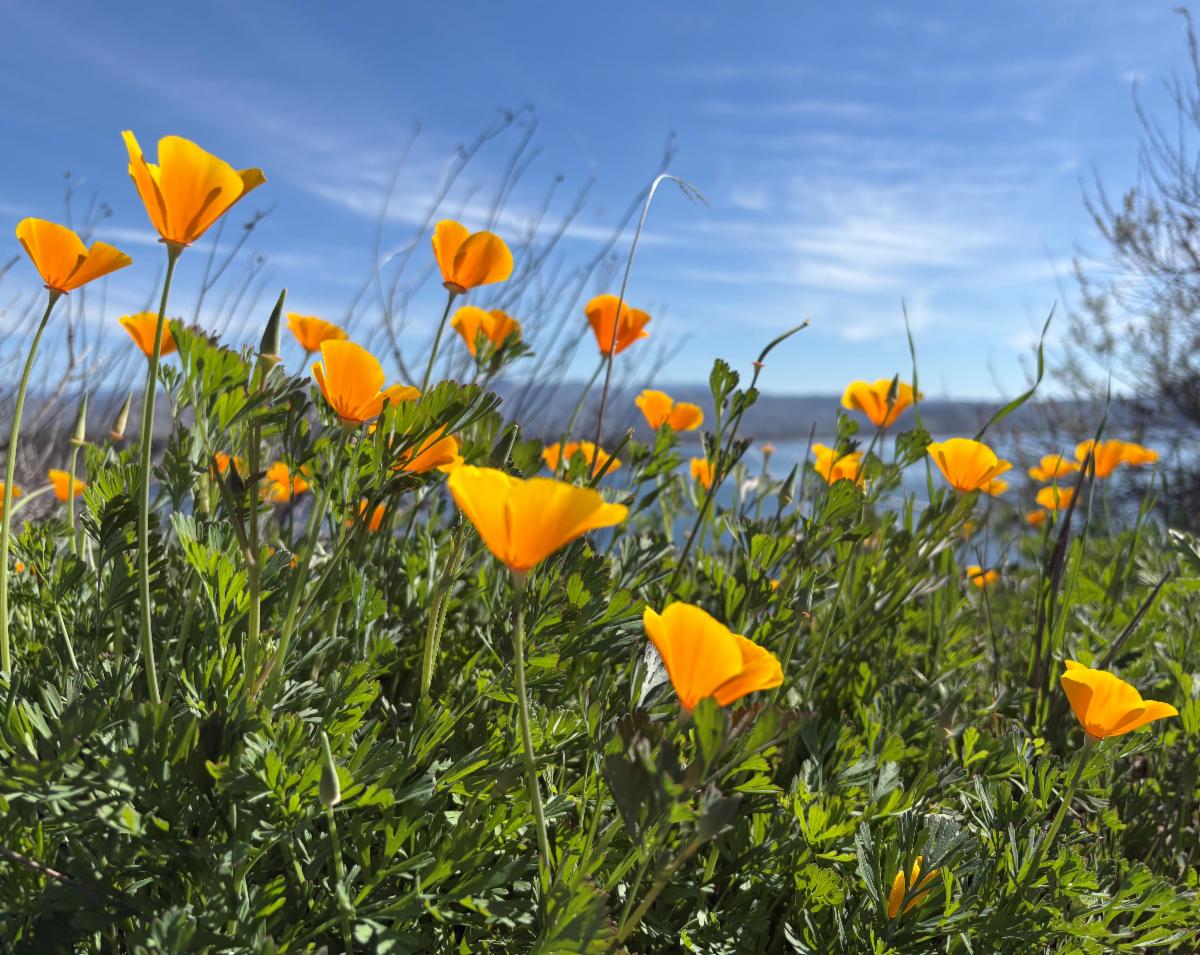
With colorful blooms already dotting the hillsides above Diamond Valley Lake, Metropolitan is reopening its popular Judy Abdo Wildflower Trail beginning Friday.


The seasonal trail is a 1.3-mile loop, accessible from the DVL Marina parking lot in Hemet.


The Wildflower Trail will be open Wednesdays through Sundays. Trail hours are 6:30 a.m. to 4:30 p.m., with no entry after 3:30 p.m. Beginning March 8, hours will extend to 5:30 p.m. (no entry after 4:30 p.m.).

Visitor information is available at dvmarina.com. Read the news release.

Controlling Invasive Species: Golden Mussels


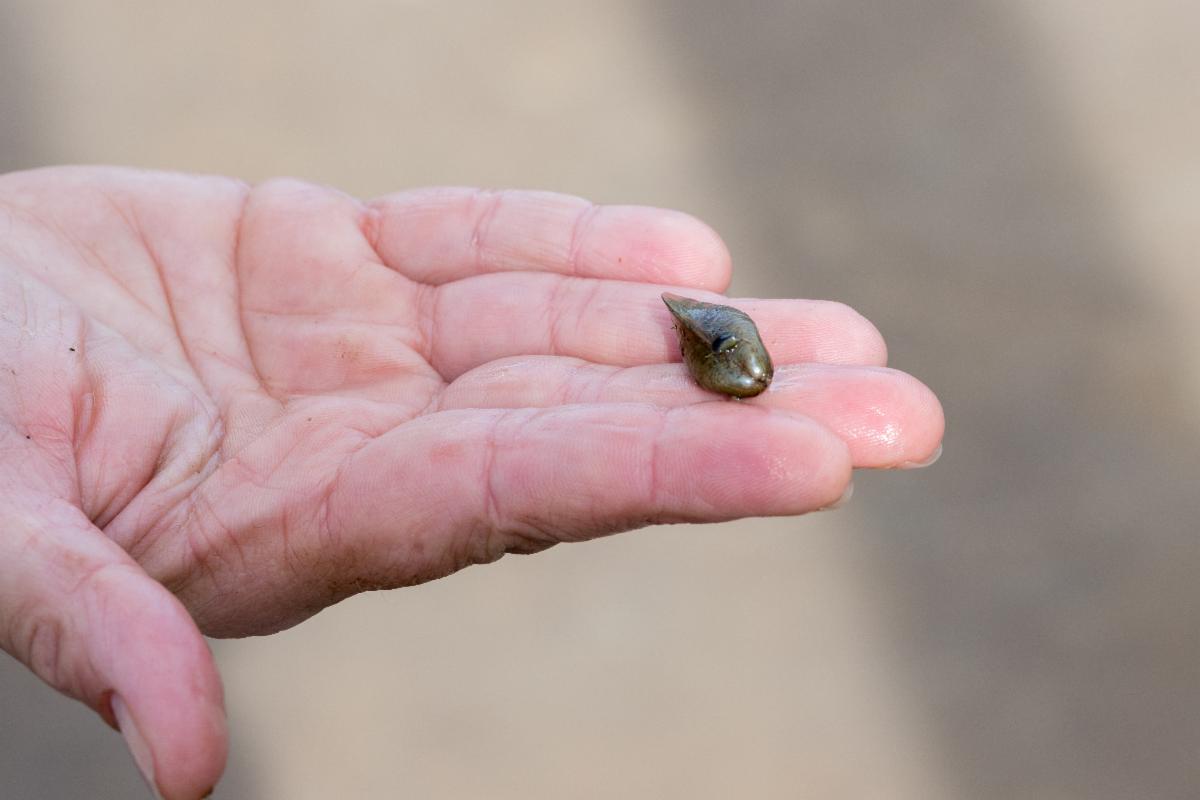
Water managers across the state are working to control the spread of golden mussels, which have been detected in various points of the State Water Project.


Read the fact sheet to learn what Metropolitan is doing to address this evolving challenge.

Breaking Barriers, Building Futures: Water industry leaders share their experience and insights during panel discussion

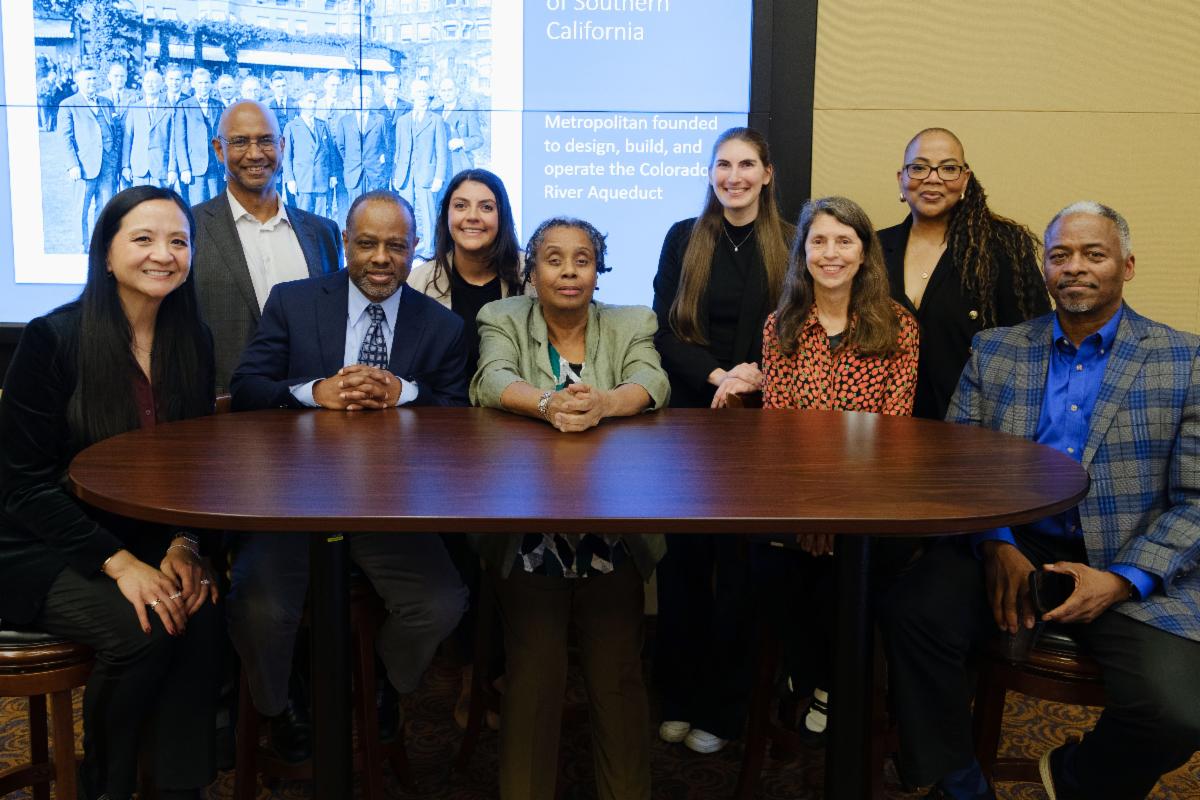
To close out Black History Month and celebrate National Engineers Week, Metropolitan's Black Employees' Association and Society of Women of Engineers gathered veteran engineers for a panel discussion on Feb. 25 to talk about their careers, representation and making an impact in the water industry. From left, Metropolitan employees Sofia Bird, Adrian Hightower, Eric Freeman, Hedieh Esfahani, Patricia Bonaparte, Rachel Irwin, Mai Hattar, Tuannee Holmes and Stephan Tucker, the general manager of the Water Replenishment District.

Celebrating National Engineers Week with some of Metropolitan's own

Facebook  X  Instagram  Linkedin  Youtube